





Cudahy sits in Milwaukee County where Lake Michigan creates temperature swings that stress heating and cooling equipment year-round. Winter lows drop below zero, forcing furnaces to run continuously for weeks. Summer humidity pushes condensers to work overtime, causing coils to freeze and compressors to overheat. Spring and fall bring rapid temperature changes, cycling systems on and off dozens of times daily and wearing out contactors and capacitors faster than in stable climates.
The housing stock here includes many homes built between 1940 and 1970 with original ductwork that leaks conditioned air into attics and crawlspaces. Clay soil common throughout Cudahy expands and contracts with moisture, shifting foundations and disconnecting duct joints. These homes need frequent filter changes because industrial history near the lakefront left residual particulate that clogs coils faster than in newer developments.
Wisconsin building codes require specific efficiency ratings for replacement equipment, and many older systems in Cudahy no longer meet current standards. When repair costs exceed 50 percent of replacement value, code enforcement requires a full upgrade to meet Energy Star minimums. Understanding these local factors determines whether repair or replacement makes financial sense for your situation.
We built our reputation in Milwaukee County by showing up when other companies put customers on waiting lists. Our dispatch system prioritizes emergencies based on safety risk, which means families with no heat in winter or vulnerable residents without cooling in summer get immediate response. We stock our service vehicles with the most common failure parts for systems installed throughout Cudahy, from Bryant and Carrier to Rheem and Trane. This preparation means we complete most repairs during the first visit instead of ordering parts and scheduling return trips.
Our technicians hold Wisconsin HVAC contractor licenses and complete annual training on refrigerant handling, combustion analysis, and electrical diagnostics. They carry combustion analyzers to test furnace efficiency and leak detectors to find refrigerant losses that other companies miss. When they recommend a repair, they explain exactly what failed, why it failed, and how long the fix should last. When they recommend replacement, they provide a written analysis comparing five-year repair projections against new equipment costs.
We serve Cudahy from our Milwaukee location, which puts us 15 minutes from most service calls. Our trucks carry digital manifold gauges, refrigerant scales, and duct testing equipment that diagnose problems accurately instead of guessing. We pull permits for all installations and schedule inspections to ensure your new equipment meets Wisconsin code. Our warranty covers parts and labor, and we service what we install for the life of the equipment. When you call First Choice HVAC Milwaukee, you reach a company that fixes the problem correctly the first time.

We dispatch technicians within two hours for heating failures in winter and cooling failures in summer. Our trucks stock the parts that fail most often in Cudahy homes, from capacitors and contactors to ignitors and expansion valves. Most customers get their system running the same day they call, even on weekends and holidays.

Every technician carries a Wisconsin HVAC contractor license and EPA refrigerant certification. They complete annual training on combustion safety, electrical diagnostics, and new equipment technology. This expertise matters when diagnosing intermittent problems or complex system failures that less experienced companies misdiagnose.
We use digital diagnostic tools to measure actual system performance instead of guessing at problems. Combustion analyzers test furnace efficiency. Manifold gauges measure refrigerant pressures and temperatures. Amp meters check electrical draw. This equipment identifies the real failure instead of replacing parts until something works.
We service the heating and cooling equipment installed throughout Cudahy neighborhoods, from vintage 1980s systems in Sheridan Park to new high-efficiency models in updated homes near Packard Avenue. Our experience with local housing stock means we know which parts fail frequently and how long older equipment should reasonably last.
First Choice HVAC Milwaukee handles everything from emergency repairs on broken systems to planned equipment replacement when older units reach end of life. We service central air conditioning, forced air furnaces, heat pumps, ductless mini splits, boilers, and commercial rooftop units throughout Cudahy. Our service range covers residential properties, apartment buildings, retail spaces, and light industrial facilities.
We separate our work into three service categories based on urgency and scope. Emergency repairs address active failures that leave buildings without heating or cooling. Maintenance and tune-ups keep working systems running efficiently and catch small problems before they become expensive failures. Equipment replacement and installation handle new construction, system upgrades, and situations where repair costs exceed the value of keeping old equipment running. Each category requires different skills, tools, and response times, which is why we structure our services to match what customers actually need when they call.
We dispatch technicians immediately when your furnace quits in winter or your air conditioner fails during summer heat. Our trucks stock the components that fail most often, including capacitors, contactors, pressure switches, ignitors, flame sensors, and thermostatic expansion valves. We diagnose the root cause using digital testing equipment and complete most repairs within two hours of arrival. Emergency service covers gas furnaces, electric furnaces, central air conditioners, heat pumps, and ductless systems throughout Cudahy.
Annual maintenance catches problems before they cause failures. We clean coils, test electrical components, measure refrigerant charge, check gas pressure, analyze combustion efficiency, and inspect ductwork for leaks. Spring AC tune-ups prevent summer breakdowns when temperatures spike. Fall furnace service ensures safe heating before winter cold arrives. Maintenance customers get priority scheduling during peak seasons and extended warranties on parts we service. This preventive approach saves money compared to emergency repairs.
When your system reaches 15 to 20 years old or requires repairs costing more than half of replacement value, new equipment makes better financial sense. We install high-efficiency furnaces, air conditioners, and heat pumps that meet Wisconsin energy code requirements. Our installation process includes load calculations to properly size equipment, ductwork modifications to improve airflow, and permit coordination with Milwaukee County inspectors. New systems come with manufacturer warranties and our labor guarantee.
The combination of harsh Wisconsin winters, humid summers, and aging housing stock creates specific problems for heating and cooling systems in Cudahy. Homes near Lake Michigan experience more corrosion on outdoor units from moisture and industrial residue. Properties with original ductwork from the 1950s and 1960s lose conditioned air through disconnected joints and rusted sections. Clay soil movement shifts foundations and stresses refrigerant lines until they crack and leak. These local factors determine what fails most often and what maintenance prevents expensive repairs.
Understanding these patterns helps homeowners recognize warning signs before complete system failure. Strange noises, inconsistent temperatures, rising utility bills, and frequent cycling all indicate developing problems. Catching these issues early through diagnostic service costs less than emergency repairs after midnight or during holiday weekends when rates increase. The following problems represent the most common service calls we handle throughout Cudahy neighborhoods.
Indoor coils freeze when airflow drops below design specifications or refrigerant charge runs low. Dirty filters cause most airflow problems, but collapsed ductwork and failed blower motors also restrict air movement. Ice buildup stops cooling and can crack coils when it melts. Catching this problem early prevents expensive coil replacement and compressor damage from liquid refrigerant returning to the outdoor unit.
Metal fatigue from repeated heating and cooling cycles eventually cracks heat exchangers in furnaces older than 15 years. These cracks allow combustion gases including carbon monoxide to mix with household air. Wisconsin code requires immediate shutdown and replacement when heat exchanger failure is confirmed. Combustion analysis during annual maintenance detects developing cracks before they become safety hazards.
Copper refrigerant lines running through crawlspaces and attics develop leaks from vibration, corrosion, and foundation movement. Systems lose cooling capacity as refrigerant escapes, forcing compressors to run longer and risk overheating. Finding leak locations requires electronic detectors and pressure testing. Repairs involve brazing new sections and recharging the system to manufacturer specifications.
Original ductwork in older Cudahy homes separates at joints when foundations settle or when poor initial installation fails over time. Conditioned air escapes into attics and crawlspaces instead of reaching living areas. Rooms far from the furnace stay cold in winter or warm in summer. Duct testing measures actual leakage, and proper sealing restores system efficiency without replacing functional equipment.
When you call First Choice HVAC Milwaukee, you talk to someone who understands HVAC problems and can assess urgency over the phone. We ask about symptoms, system age, and recent changes to determine whether you need emergency service or can schedule a standard appointment. Our dispatch system prioritizes safety issues like no heat in winter or gas odors over comfort problems like inconsistent cooling. You get an estimated arrival window, and our technician calls when they are 15 minutes away.
Our service process starts with thorough diagnosis before recommending any work. Technicians explain what they are testing and what the results mean. They show you failed components when possible and explain what caused the failure. You receive written estimates before we start repairs, with options for different repair approaches when they exist. We never pressure customers to approve work, and we explain the risks of delaying repairs so you can make informed decisions. The following expectations define how we deliver service throughout Cudahy.
You talk to knowledgeable staff when you call, not answering services or automated systems. We confirm appointment windows and call ahead before arrival. Technicians introduce themselves, wear identification, and explain what diagnostic process they will use. They answer questions in plain language without technical jargon. After completing work, they review what they did and provide maintenance recommendations. You receive detailed invoices showing exactly what parts were installed and what labor was performed.
Our technicians wear shoe covers inside your home and use drop cloths when working on equipment. They clean up their work area and remove all old parts and packaging. We show up during scheduled appointment windows or call if delays occur. Emergency service prioritizes safety situations, but we still provide realistic timeframes and updates. We respect your time by arriving prepared with tools and common replacement parts instead of making multiple trips.
Parts we install carry manufacturer warranties, and our labor is guaranteed for one year on repairs and longer on installations. If something we repaired fails again within the warranty period, we fix it at no additional charge. Warranty terms are written on your invoice, not buried in fine print. We service what we install for the life of the equipment, providing maintenance and repairs as your system ages.
We structure our service process to minimize disruption while ensuring accurate diagnosis and lasting repairs. Most service calls follow three stages from initial contact through completion.
Service starts when you call and describe the problem. We ask about symptoms, system age, and maintenance history to determine urgency. Emergency situations get same-day dispatch, while non-urgent issues schedule at your convenience. Our technician arrives with diagnostic tools and tests system operation using digital equipment. They measure temperatures, pressures, electrical current, and combustion efficiency to identify the failure. You receive a verbal explanation of findings and written estimate before any repair work begins.
After you approve the estimate, our technician completes the repair using parts from the truck or orders components for next-day installation. Most repairs finish within two hours. System replacements require equipment delivery, removal of old units, installation of new equipment, and inspection scheduling. We handle permit applications and coordinate with Milwaukee County inspectors. All work follows manufacturer specifications and Wisconsin mechanical code requirements.
We test system operation after completing repairs to verify proper function. Air conditioners run through complete cooling cycles while we measure temperatures and pressures. Furnaces are tested for combustion efficiency and safety. You receive maintenance recommendations based on system condition and age. We follow up within one week on major repairs and installations to ensure everything operates correctly. Your invoice includes our contact information for warranty service or questions about system operation.
Wisconsin administrative code SPS 363 governs HVAC installation and repair throughout Cudahy and Milwaukee County. This regulation adopts the International Mechanical Code with state-specific amendments affecting equipment efficiency, combustion air requirements, and condensate disposal. Contractors must pull permits for equipment replacement, ductwork modifications, and refrigerant line installations. Work requires inspection by certified Milwaukee County building inspectors before final approval.
Residential furnace installations must meet minimum AFUE ratings of 90 percent for forced air systems and 85 percent for boilers. Air conditioners require minimum SEER ratings of 14, though higher efficiency equipment qualifies for utility rebates through We Energies. Heat pumps must achieve minimum HSPF ratings of 8.2 for heating performance. These efficiency requirements exceed federal minimums and reflect Wisconsin climate demands.
Combustion air sizing follows specific calculations based on fuel type and equipment input ratings. Natural gas furnaces require adequate ventilation to prevent carbon monoxide accumulation, with specific requirements for sealed combustion versus atmospheric venting. Condensate drainage from high-efficiency furnaces and air conditioning coils must connect to approved waste systems, not floor drains or outdoor surfaces where freezing occurs.
Refrigerant handling requires EPA Section 608 certification at the appropriate level for refrigerant type and equipment. Wisconsin law requires proper recovery of existing refrigerant before system disposal and documentation of recycling or reclamation. Leak repair regulations mandate fixes when annual refrigerant loss exceeds specified percentages of system charge. These environmental protections prevent atmospheric release of regulated substances.
Load calculations using Manual J methodology determine proper equipment sizing for new installations and replacements. Oversized equipment short-cycles and fails to dehumidify properly. Undersized equipment runs continuously without maintaining comfort. Proper sizing accounts for insulation values, window area, air infiltration rates, and occupancy patterns specific to each property.
State code mandates minimum AFUE ratings of 90 percent for furnaces and SEER 14 for air conditioners installed in Wisconsin. These requirements exceed federal standards and reflect climate demands for heating equipment that runs six months annually. High-efficiency equipment qualifies for utility rebates and reduces operating costs, but installation must meet manufacturer specifications for proper venting and combustion air.
Equipment size, efficiency rating, and installation complexity determine total project cost. Properties requiring ductwork modifications, electrical service upgrades, or gas line replacement cost more than direct equipment swaps. Multi-stage furnaces and variable-speed air handlers improve comfort but increase equipment expense. Higher SEER ratings above code minimum add upfront cost while reducing long-term operating expense through lower energy consumption.
Emergency repairs typically complete within two to four hours from technician arrival. Complex diagnostics or special-order parts may require follow-up appointments. Complete system replacements take one to three days depending on installation requirements and inspection scheduling. Permit approval through Milwaukee County adds processing time before work begins. Custom ductwork fabrication and multi-system installations require longer completion windows.
Wisconsin law requires permits for HVAC equipment replacement, refrigerant line installation, and ductwork modifications. Milwaukee County building inspectors verify code compliance before issuing final approval. Installations without proper permits create problems during property sales and void equipment warranties. Licensed contractors handle permit applications and coordinate inspection scheduling as part of professional installation service.
This video explains common HVAC system failures affecting Cudahy, Wisconsin properties and their solutions. Topics include furnace breakdowns, air conditioner problems, ductwork issues, and refrigerant leaks specific to Lake Michigan climate conditions. Viewers learn diagnostic approaches, Wisconsin code requirements, and when repair versus replacement makes financial sense for aging heating and cooling equipment in Milwaukee County homes.
First Choice HVAC Milwaukee serves residential and commercial properties throughout Cudahy, from the lakefront neighborhoods near Sheridan Park east to homes along Packard Avenue heading toward the Milwaukee border. We respond to service calls in the historic residential blocks between Pennsylvania Avenue and Kinnickinnic Avenue where housing stock dates to the 1940s and 1950s. These older properties often need ductwork repairs and equipment upgrades to meet current efficiency standards.
The industrial area near Layton Avenue sees commercial HVAC needs including rooftop unit service for retail spaces and warehouse climate control. Apartment buildings clustered near downtown Cudahy require maintenance on central systems serving multiple units and tenant changeout service when residents move. Properties near South Shore Park experience more corrosion on outdoor equipment from lake moisture and benefit from annual coil cleaning during spring maintenance.
Homes in the residential neighborhoods between College Avenue and Grange Avenue typically feature forced air furnaces and central air conditioning installed between 1970 and 2000. These systems reach end of life and need replacement with high-efficiency equipment that meets Wisconsin energy code. The area north of Edgerton Avenue toward Saint Francis includes newer construction with more modern HVAC systems requiring less frequent repair but benefiting from preventive maintenance.
We maintain fast response times throughout Cudahy because our Milwaukee location puts us within 15 minutes of most service addresses. Our technicians know the area street layout and can navigate efficiently during emergency calls. We stock our vehicles based on equipment types common in Cudahy housing, from vintage systems in older neighborhoods to newer high-efficiency models in updated properties. This preparation means we arrive ready to diagnose and repair without making parts runs that delay completion.
Our service area extends beyond Cudahy to include Saint Francis, South Milwaukee, and the south side of Milwaukee proper. We handle commercial properties along Highway 32 and residential neighborhoods throughout Milwaukee County. This regional coverage means we serve property managers with multiple buildings and homeowners who relocate within the area while keeping the same HVAC contractor.
The $5000 rule is a repair-versus-replace guideline. You multiply the age of your HVAC unit by the repair cost. If the result exceeds $5000, replace the system instead of fixing it. For example, a 12-year-old furnace needing a $500 repair equals $6000, signaling replacement makes more financial sense. This rule helps Cudahy homeowners avoid throwing money at aging equipment that will fail again. Wisconsin's harsh winters and humid summers accelerate wear, so units older than 15 years often fail the test. Consider energy savings from newer models when deciding.
The top five HVAC brands are Trane, Carrier, Lennox, Rheem, and American Standard. Trane and Carrier dominate for reliability and parts availability in the Cudahy area. Lennox offers premium efficiency ratings ideal for Wisconsin's temperature swings. Rheem provides solid mid-range value. American Standard balances cost and performance. Your choice depends on budget, efficiency needs, and whether you prioritize longevity or upfront savings. Look for brands with strong local dealer networks in Milwaukee County, as service availability matters more than brand name when your furnace quits during a January cold snap.
The most common HVAC problems include dirty air filters, thermostat malfunctions, refrigerant leaks, ignition failures, and blower motor issues. In Cudahy, freeze-thaw cycles cause condensate line blockages and cracked heat exchangers. High summer humidity leads to clogged drain pans and mold growth in ductwork. Neglected maintenance causes 80% of breakdowns. Dirty filters restrict airflow, forcing your system to work harder and fail sooner. Thermostat issues often stem from dead batteries or wiring problems. Refrigerant leaks reduce cooling capacity. Ignition problems stop furnaces cold. Regular tune-ups catch these issues before they become expensive emergencies.
The $5000 rule is a repair-versus-replace guideline. You multiply the age of your HVAC unit by the repair cost. If the result exceeds $5000, replace the system instead of fixing it. For example, a 12-year-old furnace needing a $500 repair equals $6000, signaling replacement makes more financial sense. This rule helps Cudahy homeowners avoid throwing money at aging equipment that will fail again. Wisconsin's harsh winters and humid summers accelerate wear, so units older than 15 years often fail the test. Consider energy savings from newer models when deciding.
The top five HVAC brands are Trane, Carrier, Lennox, Rheem, and American Standard. Trane and Carrier dominate for reliability and parts availability in the Cudahy area. Lennox offers premium efficiency ratings ideal for Wisconsin's temperature swings. Rheem provides solid mid-range value. American Standard balances cost and performance. Your choice depends on budget, efficiency needs, and whether you prioritize longevity or upfront savings. Look for brands with strong local dealer networks in Milwaukee County, as service availability matters more than brand name when your furnace quits during a January cold snap.
The most common HVAC problems include dirty air filters, thermostat malfunctions, refrigerant leaks, ignition failures, and blower motor issues. In Cudahy, freeze-thaw cycles cause condensate line blockages and cracked heat exchangers. High summer humidity leads to clogged drain pans and mold growth in ductwork. Neglected maintenance causes 80% of breakdowns. Dirty filters restrict airflow, forcing your system to work harder and fail sooner. Thermostat issues often stem from dead batteries or wiring problems. Refrigerant leaks reduce cooling capacity. Ignition problems stop furnaces cold. Regular tune-ups catch these issues before they become expensive emergencies.
HVAC service calls in Cudahy typically cost $89 to $150 for the diagnostic visit. This covers the technician's time to inspect your system and identify the problem. Repair costs are separate and depend on parts and labor needed. Simple fixes like thermostat replacement add $100 to $200. Complex repairs like compressor replacement run $1200 to $2500. Emergency after-hours calls cost more, sometimes double the standard rate. Many companies waive the service fee if you approve the repair. Get a written estimate before authorizing work. Avoid companies that quote prices over the phone without inspecting your system.
Replacing an entire HVAC system in Cudahy costs between $5000 and $12,000 for most homes. Variables include system size, efficiency rating, ductwork condition, and installation complexity. A basic 14 SEER system for a 1500-square-foot home runs $5000 to $7000. High-efficiency 20 SEER systems with variable-speed technology cost $9000 to $12,000. Ductwork replacement adds $2000 to $5000. Wisconsin's climate demands properly sized equipment. Oversized units cycle too frequently. Undersized units run constantly. Get three written quotes. Verify equipment matches your home's load calculation. Factor in long-term energy savings when comparing bids.
The 3-minute rule prevents compressor damage by requiring a three-minute wait between AC cycles. When you shut off your air conditioner, refrigerant pressure equalizes throughout the system. Restarting too quickly forces the compressor to start against high pressure, straining the motor and shortening its lifespan. Modern thermostats have built-in delay timers. If your AC short-cycles (runs less than 10 minutes per cycle), you have a problem. Cudahy's humid summers tempt homeowners to constantly adjust thermostats, but patience protects your compressor. Let the system rest between cycles. Short-cycling wastes energy and causes premature failure.
AC installation in Cudahy costs $3000 to $7000 for central air systems. A basic 2-ton, 14 SEER unit with minimal ductwork modification runs $3000 to $4500. Larger homes needing 4-ton systems or efficiency upgrades cost $5500 to $7000. Ductless mini-split systems range from $2000 for single-zone units to $6000 for multi-zone setups. Installation complexity affects price. Older homes with inadequate electrical service need panel upgrades, adding $1500 to $3000. Wisconsin's climate requires proper sizing to handle humidity. Cheap installations skip load calculations, leaving you with an undersized system that struggles in July heat.
Furnaces last longest, averaging 15 to 30 years with proper maintenance. Gas furnaces in Cudahy typically reach 20 years. Heat pumps last 10 to 15 years because they work year-round for heating and cooling. Central air conditioners average 12 to 17 years. Boilers can hit 30 years. Longevity depends on maintenance, installation quality, and usage patterns. Wisconsin's temperature extremes shorten lifespans compared to milder climates. Annual tune-ups, clean filters, and proper sizing extend equipment life. Cheap installations fail faster. A well-maintained Trane or Carrier furnace easily reaches 25 years in Cudahy homes.
Red flags include refusing written estimates, demanding full payment upfront, lacking local references, pushy sales tactics, and prices far below competitors. Bad HVAC companies skip load calculations, resulting in improperly sized equipment. They avoid pulling permits for installation work. Watch for technicians who diagnose problems without testing. Legitimate companies carry liability insurance and workers' compensation. Ask for proof. Check Milwaukee County court records for lawsuits. Verify they stock parts locally. Companies operating from out-of-state rarely return for warranty work. Beware of bait-and-switch pricing. Get three quotes. Trust your gut when something feels wrong.
The 2-foot rule requires at least 24 inches of clearance around outdoor AC units and heat pumps for proper airflow. Shrubs, fences, debris, and storage items block airflow, reducing efficiency by up to 20% and causing overheating. In Cudahy, snow drifts and ice buildup during winter require even more clearance for heat pump units. Keep the area clear year-round. Trim vegetation regularly. Never store lawn equipment or garbage cans against the unit. Restricted airflow forces your compressor to work harder, increasing energy bills and shortening equipment life. Maintain clearance above the unit too. Overhanging tree branches drop leaves into the fan.
HVAC service calls in Cudahy typically cost $89 to $150 for the diagnostic visit. This covers the technician's time to inspect your system and identify the problem. Repair costs are separate and depend on parts and labor needed. Simple fixes like thermostat replacement add $100 to $200. Complex repairs like compressor replacement run $1200 to $2500. Emergency after-hours calls cost more, sometimes double the standard rate. Many companies waive the service fee if you approve the repair. Get a written estimate before authorizing work. Avoid companies that quote prices over the phone without inspecting your system.
Replacing an entire HVAC system in Cudahy costs between $5000 and $12,000 for most homes. Variables include system size, efficiency rating, ductwork condition, and installation complexity. A basic 14 SEER system for a 1500-square-foot home runs $5000 to $7000. High-efficiency 20 SEER systems with variable-speed technology cost $9000 to $12,000. Ductwork replacement adds $2000 to $5000. Wisconsin's climate demands properly sized equipment. Oversized units cycle too frequently. Undersized units run constantly. Get three written quotes. Verify equipment matches your home's load calculation. Factor in long-term energy savings when comparing bids.
The 3-minute rule prevents compressor damage by requiring a three-minute wait between AC cycles. When you shut off your air conditioner, refrigerant pressure equalizes throughout the system. Restarting too quickly forces the compressor to start against high pressure, straining the motor and shortening its lifespan. Modern thermostats have built-in delay timers. If your AC short-cycles (runs less than 10 minutes per cycle), you have a problem. Cudahy's humid summers tempt homeowners to constantly adjust thermostats, but patience protects your compressor. Let the system rest between cycles. Short-cycling wastes energy and causes premature failure.
AC installation in Cudahy costs $3000 to $7000 for central air systems. A basic 2-ton, 14 SEER unit with minimal ductwork modification runs $3000 to $4500. Larger homes needing 4-ton systems or efficiency upgrades cost $5500 to $7000. Ductless mini-split systems range from $2000 for single-zone units to $6000 for multi-zone setups. Installation complexity affects price. Older homes with inadequate electrical service need panel upgrades, adding $1500 to $3000. Wisconsin's climate requires proper sizing to handle humidity. Cheap installations skip load calculations, leaving you with an undersized system that struggles in July heat.
Furnaces last longest, averaging 15 to 30 years with proper maintenance. Gas furnaces in Cudahy typically reach 20 years. Heat pumps last 10 to 15 years because they work year-round for heating and cooling. Central air conditioners average 12 to 17 years. Boilers can hit 30 years. Longevity depends on maintenance, installation quality, and usage patterns. Wisconsin's temperature extremes shorten lifespans compared to milder climates. Annual tune-ups, clean filters, and proper sizing extend equipment life. Cheap installations fail faster. A well-maintained Trane or Carrier furnace easily reaches 25 years in Cudahy homes.
Red flags include refusing written estimates, demanding full payment upfront, lacking local references, pushy sales tactics, and prices far below competitors. Bad HVAC companies skip load calculations, resulting in improperly sized equipment. They avoid pulling permits for installation work. Watch for technicians who diagnose problems without testing. Legitimate companies carry liability insurance and workers' compensation. Ask for proof. Check Milwaukee County court records for lawsuits. Verify they stock parts locally. Companies operating from out-of-state rarely return for warranty work. Beware of bait-and-switch pricing. Get three quotes. Trust your gut when something feels wrong.
The 2-foot rule requires at least 24 inches of clearance around outdoor AC units and heat pumps for proper airflow. Shrubs, fences, debris, and storage items block airflow, reducing efficiency by up to 20% and causing overheating. In Cudahy, snow drifts and ice buildup during winter require even more clearance for heat pump units. Keep the area clear year-round. Trim vegetation regularly. Never store lawn equipment or garbage cans against the unit. Restricted airflow forces your compressor to work harder, increasing energy bills and shortening equipment life. Maintain clearance above the unit too. Overhanging tree branches drop leaves into the fan.
We proudly serve residential and commercial clients throughout the Milwaukee area. Our central location allows us to provide rapid, reliable service to neighborhoods and communities all over the region. Whether you're in the heart of the city or in the surrounding suburbs, our expert technicians are just a call away. View our map below to see our service area and find our main office location.
Address:
Cudahy, WI, 53110
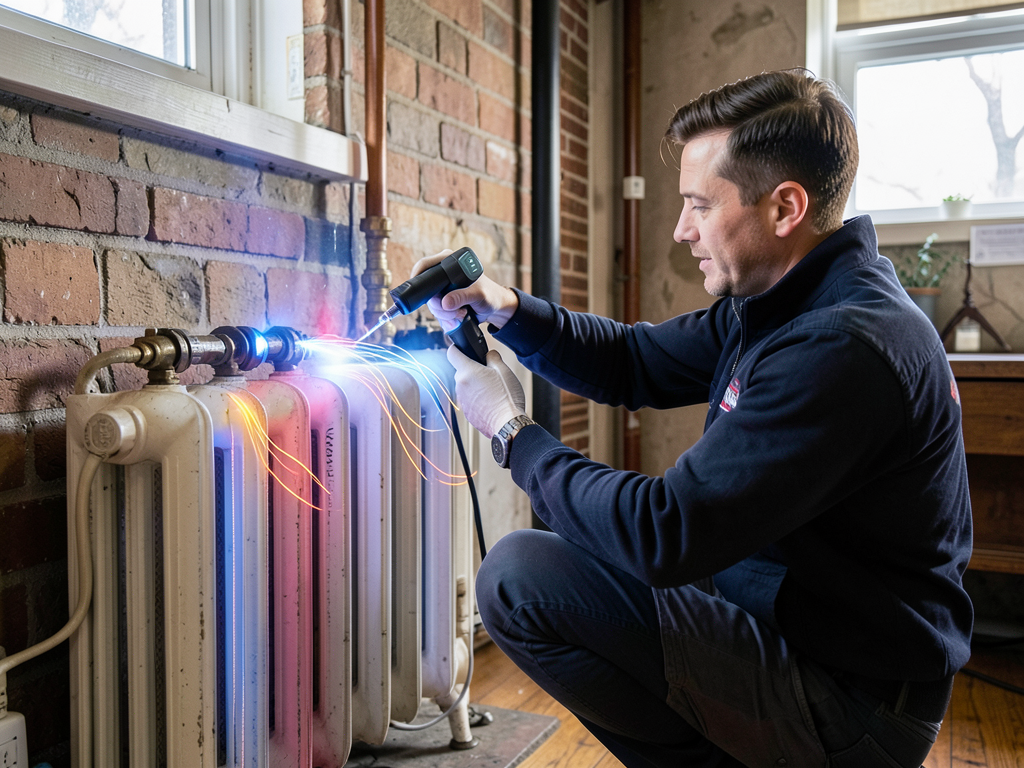
How to Tell if Your Yankee Hill Home is Better Suited for Radiators or Forced Air Your Yankee Hill home sits in one of Milwaukee's most distinctive historic districts, where early 20th-century architecture meets modern…
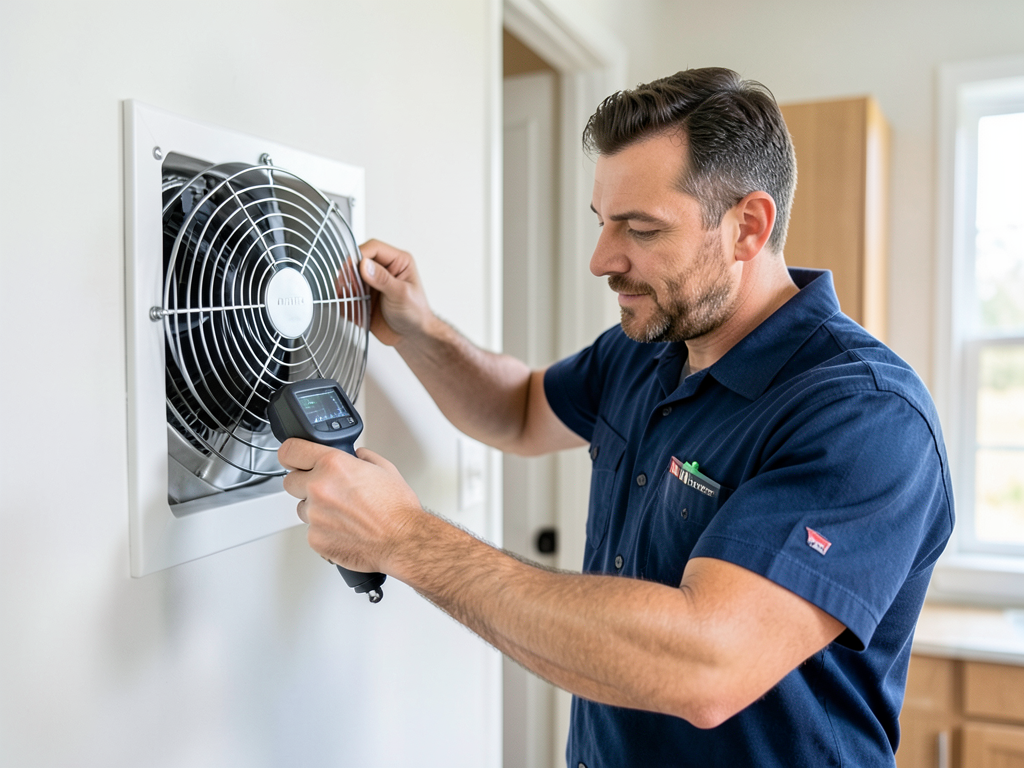
How to End the Thermostat Wars in Your Hartland Home with Simple Air Balancing Uneven…

Why Your Attic is Covered in Frost During a Cold Snap in North Hills \n…

How Your Kitchen Exhaust Fan Might Be Messing with Your Home's Air Pressure in Oak…
Your heating or cooling system needs attention now. Call First Choice HVAC Milwaukee at (414) 387-8977 for same-day service throughout Cudahy. We answer our phones, dispatch quickly, and fix problems right the first time. Emergency service available 24/7 when your system fails.