






Menu

Humidity Issues Indoors in Milwaukee – Expert Diagnosis and Targeted Solutions for High Indoor Moisture

First Choice HVAC Milwaukee identifies the root cause of humidity issues indoors, from poor ventilation to undersized dehumidification systems, and delivers long-term moisture control tailored to Milwaukee's lakefront climate.

Slider Image 1
Slider Image 2
Slider Image 3
Slider Image 4
Slider Image 5
Slider Image 7
Slider Image 8
Slider Image 9
Slider Image 10
Slider Image 11

Why Milwaukee Homes Struggle with Indoor Moisture Problems

Milwaukee sits on the western shore of Lake Michigan, which creates persistent humidity spikes during spring and summer. This moisture-laden air infiltrates your home through windows, ductwork, and foundation cracks, driving indoor relative humidity above the 60 percent threshold where mold, mildew, and dust mites thrive.

Many Milwaukee homes built before 1980 lack proper vapor barriers or mechanical ventilation. When you combine these aging construction methods with modern energy-efficient windows that seal air tightly, you trap excess indoor moisture inside. Condensation forms on windows, musty odors develop in basements, and wood floors buckle from high indoor humidity levels.

The freeze-thaw cycles common to southeastern Wisconsin also crack foundation walls, allowing groundwater seepage into crawl spaces and basements. This introduces additional moisture into your living areas through stack effect airflow. When your HVAC system lacks integrated humidity control, it cools the air but leaves the water vapor behind, creating a clammy, uncomfortable environment.

Poor humidity control damages your home structure and your health. High humidity in house environments promotes respiratory irritation, allergic reactions, and structural rot in wall cavities. Understanding the specific moisture sources in your Milwaukee property is the first step toward creating a balanced indoor climate that protects your investment and your family.

Why Milwaukee Homes Struggle with Indoor Moisture Problems
How First Choice HVAC Milwaukee Solves High Indoor Humidity Levels

How First Choice HVAC Milwaukee Solves High Indoor Humidity Levels

We start every humidity assessment with a comprehensive building performance evaluation. Our technicians measure relative humidity in multiple zones using calibrated hygrometers, checking basements, main floors, and upper levels separately. We inspect your HVAC equipment to verify tonnage matches your home's latent load capacity, ensuring your air conditioner removes moisture efficiently during cooling cycles.

Next, we examine your ductwork for leaks and improper sizing. Oversized supply ducts reduce air velocity, which prevents adequate moisture removal at the evaporator coil. We also test static pressure to confirm your blower motor delivers the correct airflow across the coil surface. Low airflow causes short-cycling, where the compressor shuts off before the coil dehumidifies the air stream.

We evaluate ventilation pathways using blower door diagnostics and thermal imaging. This reveals air leakage at rim joists, attic hatches, and window flanges, where humid outdoor air bypasses your building envelope. We also check exhaust fans in bathrooms and kitchens, confirming they vent to the exterior rather than dumping moisture into attic spaces.

Based on diagnostic findings, we design a targeted solution. This might include installing a whole-home dehumidifier integrated with your forced-air system, upgrading to a variable-speed air handler that runs longer cycles for better moisture extraction, or sealing ductwork to prevent humid air infiltration. We also recommend mechanical ventilation solutions like energy recovery ventilators that exchange stale indoor air with fresh outdoor air while preserving your dehumidification gains.

What Happens During Your Humidity Assessment and System Upgrade

Humidity Issues Indoors in Milwaukee – Expert Diagnosis and Targeted Solutions for High Indoor Moisture
01

Initial Moisture Mapping

We visit your Milwaukee property and measure relative humidity in each room, identifying problem zones like damp basements or stuffy upper floors. Our technicians inspect your current HVAC equipment, checking evaporator coil condition, condensate drainage, and blower motor performance. We also document visible moisture damage, including window condensation, efflorescence on foundation walls, and mold growth on organic surfaces.
02

System Design and Sizing

Using Manual J load calculations and psychrometric charts, we determine the exact dehumidification capacity your home requires. We design a solution that integrates with your existing ductwork and thermostat, whether that involves adding a standalone dehumidifier, upgrading to a two-stage air conditioner with enhanced moisture removal, or installing an ERV to manage fresh air introduction. We provide transparent explanations of each option and the moisture control performance you can expect.
03

Installation and Verification

Our installers mount equipment in optimal locations for airflow and drainage, ensuring proper condensate routing to floor drains or sump pits. We commission the system by setting humidity controls to maintain 45 to 50 percent relative humidity year-round. Before we leave, we verify the system cycles correctly and explain how to monitor humidity levels using your thermostat or dedicated hygrostat. We also schedule a follow-up visit to confirm long-term performance.

Why Milwaukee Homeowners Trust First Choice HVAC for Humidity Control

Milwaukee's housing stock ranges from historic Third Ward lofts to mid-century bungalows on the northwest side, each with unique moisture challenges. First Choice HVAC Milwaukee understands how different construction eras affect indoor humidity. We know that homes near Lake Michigan face different moisture loads than properties in Wauwatosa or West Allis, and we adjust our solutions accordingly.

Our technicians receive ongoing training in building science principles, including vapor diffusion, air leakage, and psychrometrics. This technical knowledge separates us from competitors who simply install equipment without understanding the underlying moisture dynamics. We do not sell you a dehumidifier unless your home actually needs one. If duct sealing or ventilation upgrades will solve your high humidity problem more cost-effectively, we recommend those solutions first.

We also understand Milwaukee's seasonal humidity swings. Summer lake breezes can push outdoor dew points into the 70s, overwhelming standard air conditioning systems. Winter months bring dry indoor air from heating, requiring humidification rather than dehumidification. We design systems that handle both extremes, using smart controls that adjust moisture removal based on outdoor conditions and indoor setpoints.

First Choice HVAC Milwaukee maintains relationships with local building inspectors and energy auditors, ensuring our humidity control installations meet Wisconsin building codes and qualify for energy efficiency rebates when applicable. We source equipment from manufacturers who support their products with technical service in the Milwaukee market, so you never wait weeks for replacement parts or warranty support.

What to Expect When You Work with First Choice HVAC Milwaukee

Response Time and Scheduling Flexibility

We schedule your humidity assessment within 48 hours of your call. Most diagnostic visits take 60 to 90 minutes, depending on your home size and complexity. If you need emergency moisture mitigation due to active water intrusion, we dispatch a technician the same day when possible. We offer evening and weekend appointments for homeowners who cannot take time off work. Once we complete diagnostics, we provide a written proposal within 24 hours, outlining equipment options, installation timelines, and performance expectations.

Diagnostic Process and Transparency

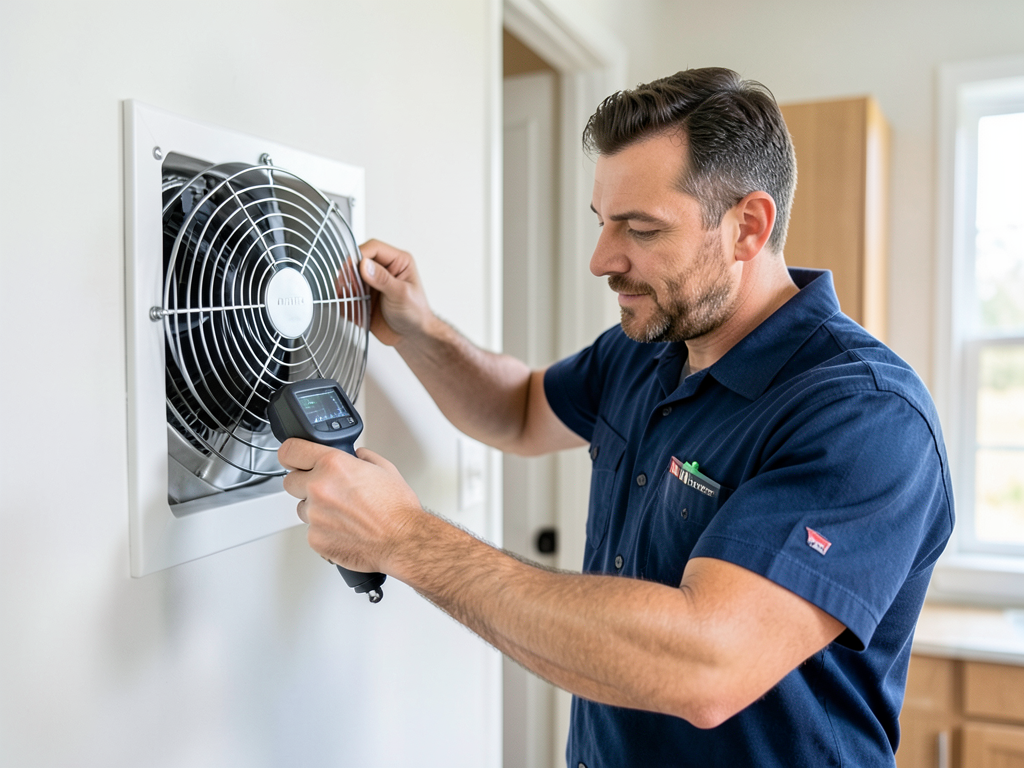
Our technicians bring calibrated testing equipment to every humidity assessment, including digital hygrometers, infrared thermometers, and manometers for duct pressure measurement. We walk you through the home during the evaluation, explaining what we find in plain language. You receive a detailed report with humidity readings, photos of problem areas, and specific recommendations ranked by priority. We never upsell unnecessary equipment. If your humidity issue stems from a simple fix like repairing a bathroom exhaust fan or sealing a foundation crack, we tell you.

System Performance and Comfort Outcomes

After installation, you will notice immediate improvements in indoor air quality. Window condensation disappears, musty odors dissipate, and your home feels more comfortable at the same thermostat setting. Proper humidity control also reduces cooling costs because dry air feels cooler than humid air at the same temperature. You can set your thermostat two to three degrees higher and maintain the same comfort level. Your hardwood floors stop expanding and contracting with seasonal humidity changes, and dust mite populations decline without the moisture they need to survive.

Ongoing Support and Maintenance Plans

Humidity control equipment requires annual maintenance to perform reliably. We offer service plans that include cleaning dehumidifier coils, checking condensate pumps, replacing air filters, and recalibrating humidity sensors. Members receive priority scheduling and discounted rates on repairs. We also monitor your system performance during seasonal tune-ups, adjusting settings as needed to maintain optimal moisture levels year-round. If your equipment needs repair, we stock common parts on our service vehicles to minimize downtime. We also provide phone support for troubleshooting minor issues without requiring a service visit.

Frequently Asked Questions

You Have Questions,
We Have Answers

How to fix a humidity problem in a house? +

Start by identifying the source. Check for leaks in basements, crawl spaces, and around windows. Milwaukee homes often struggle with groundwater intrusion due to clay-heavy soil and Lake Michigan's proximity. Run exhaust fans in bathrooms and kitchens during use. Install a whole-home dehumidifier if levels stay above 50%. Ensure your HVAC system is properly sized and maintained. Oversized units short-cycle and fail to remove moisture. Seal ductwork to prevent humid air infiltration. For persistent issues, a professional HVAC inspection can pinpoint mechanical failures or ventilation problems causing the imbalance.

What is considered unhealthy indoor humidity? +

Indoor humidity above 60% creates conditions for mold growth, dust mites, and respiratory problems. Below 30% causes dry skin, static electricity, and damaged wood furniture. The ideal range is 30% to 50% year-round. Milwaukee winters often push indoor air too dry from forced-air heating, while summers bring excessive moisture from Lake Michigan humidity and poor ventilation. Use a hygrometer to measure levels in main living areas and bedrooms. Consistent readings outside the healthy range signal you need mechanical intervention, not just portable solutions.

What are the symptoms of too much humidity in your house? +

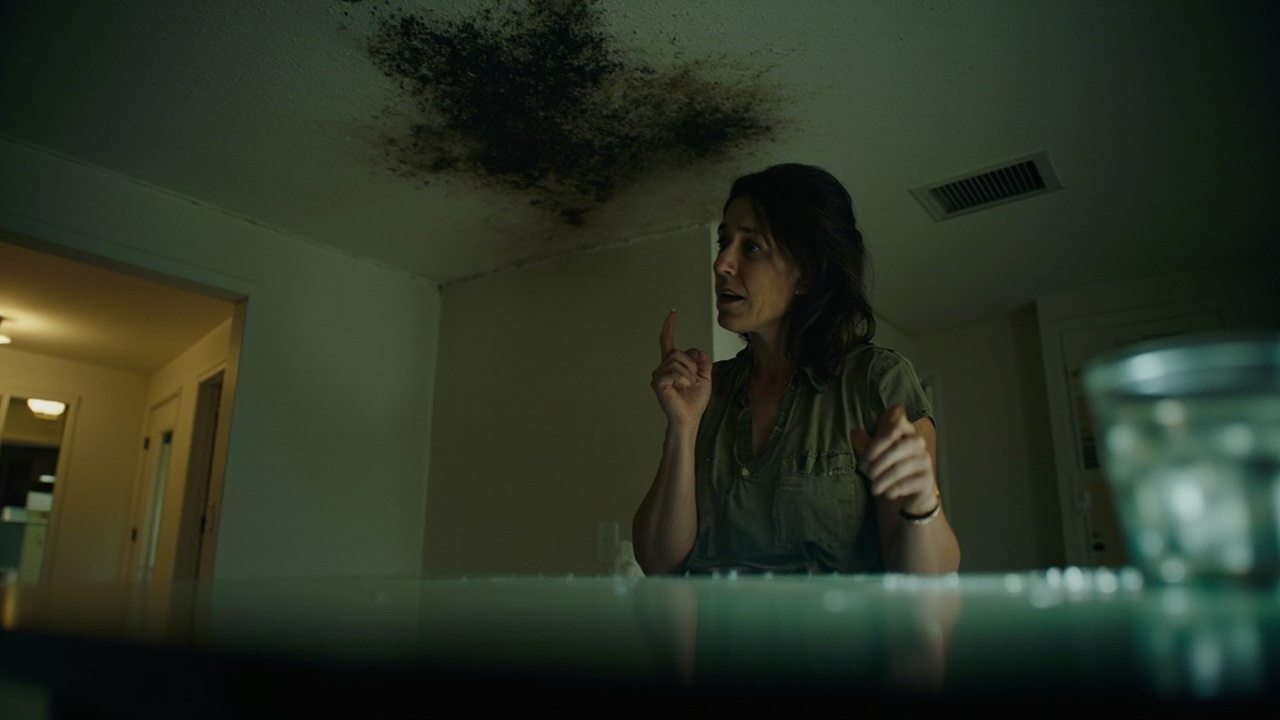
You will notice condensation on windows, especially on Milwaukee's cold winter mornings. Musty odors signal hidden mold growth in walls or basements. Visible water stains on ceilings or walls indicate trapped moisture. Peeling paint or wallpaper occurs when moisture pushes through surfaces. You may feel sticky or clammy air, even when the temperature seems comfortable. Allergy symptoms worsen due to dust mites and mold spores thriving in damp conditions. Wood floors may warp or buckle. These symptoms demand immediate attention to prevent structural damage and health risks.

Is 70% humidity in a house bad? +

Yes. Humidity at 70% promotes rapid mold growth within 24 to 48 hours on organic materials like drywall, wood framing, and insulation. Dust mites multiply aggressively above 60%. You will experience difficulty breathing, especially if you have asthma or allergies. Milwaukee's summer humidity already pushes outdoor levels above 70%, so indoor air should never match that. Your HVAC system is either undersized, failing, or improperly maintained if you are seeing these readings. A dehumidifier alone will not fix the root cause. You need a professional diagnostic to identify system failures.

Do dehumidifiers really work for humidity? +

Yes, when properly sized and maintained. Whole-home dehumidifiers integrated with your HVAC system remove 70 to 100 pints daily, far more than portable units. They work continuously and automatically adjust to moisture levels. Portable dehumidifiers handle 30 to 50 pints and work well for basements or specific problem areas common in Milwaukee homes with unfinished lower levels. Empty tanks daily or connect a drain hose. Replace filters monthly. Dehumidifiers treat symptoms but do not fix underlying issues like duct leaks, poor ventilation, or HVAC system failures. Combine them with mechanical repairs for lasting results.

Does opening a window reduce humidity? +

Only if outdoor humidity is lower than indoor levels. Milwaukee summers bring outdoor humidity often higher than inside, so opening windows worsens the problem. In spring and fall, when outdoor air is drier, cross-ventilation helps. Crack windows on opposite sides of your home to create airflow. This works for short-term relief but not as a primary solution. Winter introduces freezing outdoor air that holds little moisture, but opening windows wastes heating energy and creates drafts. Use mechanical ventilation like exhaust fans or an energy recovery ventilator for controlled moisture removal year-round.

Can mold grow in 50% humidity? +

Mold can begin growing at 50% humidity if other conditions align, but growth is slow. Mold needs moisture, oxygen, organic material, and warmth. At 50%, growth risk is low but not zero. Surfaces stay damp longer in Milwaukee basements with poor air circulation or cold concrete walls that cause condensation. Mold thrives above 60%. Keep humidity between 30% and 50% to minimize risk. If you see visible mold at 50% humidity, you have hidden water intrusion, poor ventilation, or cold surfaces condensing moisture. Address the root cause, not just humidity levels.

Can humid air make you sick? +

Yes. High humidity amplifies allergens like dust mites and mold spores, triggering asthma, coughing, and sinus congestion. You may experience headaches, fatigue, and difficulty concentrating. Skin irritation and respiratory infections become more common. Milwaukee residents with historic homes face higher risks due to poor ventilation and aging ductwork. Prolonged exposure weakens immune response. Low humidity also causes problems like dry throat, nosebleeds, and cracked skin. Both extremes stress your body. Maintain 30% to 50% humidity to protect respiratory health and overall comfort. If symptoms persist, test for mold and consult an HVAC professional.

Does humid air rise or sink? +

Humid air is slightly lighter than dry air, so it rises when warmed. Warm, moist air from basements or lower levels moves upward through your Milwaukee home via the stack effect, especially in winter when temperature differences between floors increase. This explains why upper floors feel muggy even when basements run dehumidifiers. Cold, humid air behaves differently. It sinks and pools in basements and crawl spaces, creating condensation on cold surfaces. Proper ventilation and balanced HVAC airflow prevent stratification. Whole-home dehumidifiers address moisture at every level, not just where it accumulates.

Can my phone check the humidity in my house? +

No. Smartphones do not have built-in hygrometers. Some apps claim to measure humidity using third-party sensors or weather data, but they are inaccurate for indoor readings. Buy a digital hygrometer for 15 to 30 dollars. Place it in main living areas, bedrooms, and basements to get accurate readings. Smart home systems like Nest or Ecobee include humidity sensors that track levels over time. For Milwaukee homes with basements and multiple floors, use multiple hygrometers to identify problem zones. Accurate data helps you make informed decisions about dehumidifiers, HVAC adjustments, or professional repairs.

How Lake Michigan's Microclimate Drives Humidity Issues Indoors for Milwaukee Homeowners

Milwaukee's proximity to Lake Michigan creates a unique moisture challenge. Onshore breezes during summer months carry water vapor inland, spiking outdoor dew points above 70 degrees Fahrenheit. This humid air infiltrates homes through envelope leaks and mechanical ventilation systems, overwhelming standard air conditioning equipment that was sized only for sensible cooling loads. Neighborhoods within three miles of the lakefront, including Bay View, Shorewood, and Whitefish Bay, experience the most pronounced humidity problems. Homes farther west still face elevated moisture from regional weather patterns, but lakefront properties require more aggressive dehumidification strategies.

First Choice HVAC Milwaukee has served southeastern Wisconsin homeowners for years, building expertise in moisture control solutions for this specific climate zone. We understand how Milwaukee's housing types, from Cream City brick Victorians to post-war ranch homes, respond to high indoor humidity levels. Our technicians stay current on Wisconsin building codes for mechanical ventilation and moisture management, ensuring your humidity control system meets local requirements. Choosing a contractor who understands Milwaukee's unique moisture challenges means you get a solution engineered for your environment, not a generic approach that works in Phoenix but fails here.

HVAC Services in The Milwaukee Area

We proudly serve residential and commercial clients throughout the Milwaukee area. Our central location allows us to provide rapid, reliable service to neighborhoods and communities all over the region. Whether you're in the heart of the city or in the surrounding suburbs, our expert technicians are just a call away. View our map below to see our service area and find our main office location.

Address:
First Choice HVAC Milwaukee, 5700 W Capitol Dr,, Milwaukee, WI, 53209

Additional Services We Offer

Our news updates

Latest Articles & News from The Blogs

How to End the Thermostat Wars in Your Hartland Home with Simple Air Balancing Uneven temperatures in your Hartland home…

How to End the Thermostat Wars in Your Hartland Home with Simple Air Balancing

How to End the Thermostat Wars in Your Hartland Home with Simple Air Balancing Uneven temperatures in your Hartland home…

Why Your Attic is Covered in Frost During a Cold Snap in North Hills

Why Your Attic is Covered in Frost During a Cold Snap in North Hills \n Walking into your attic during…

How Your Kitchen Exhaust Fan Might Be Messing with Your Home's Air Pressure in Oak Creek

How Your Kitchen Exhaust Fan Might Be Messing with Your Home's Air Pressure in Oak Creek\n\nWhen you fire up your…

Contact Us

Call First Choice HVAC Milwaukee today at (414) 387-8977 to schedule your comprehensive humidity assessment. Our technicians will identify the root cause of your moisture problems and design a targeted solution that delivers lasting comfort and protection for your Milwaukee home.