





Wauwatosa sits in the heart of Milwaukee County, where winter temperatures drop below zero and summer humidity pushes heat indexes past 100 degrees. Homes near Hoyt Park and along the Menomonee River Valley face moisture challenges that stress HVAC systems. Older neighborhoods around Washington Highlands and Swan Boulevard feature houses built before modern insulation standards, forcing furnaces and air conditioners to work harder.
The freeze-thaw cycles common to southeastern Wisconsin cause expansion and contraction in ductwork, creating air leaks that waste energy. Clay-heavy soil affects foundation settling, which can misalign duct systems over time. Properties near the Village retain historic charm but often house original heating systems that struggle with efficiency.
Wisconsin's energy codes require specific SEER ratings for new installations and replacement systems. Local building permits demand proper sizing calculations, refrigerant handling certifications, and carbon monoxide testing for combustion appliances. Systems that fail inspection create delays and added costs. The combination of extreme temperature swings, high humidity, older housing stock, and strict code requirements makes professional HVAC service necessary, not optional.
We built our reputation fixing what other companies misdiagnose. When a homeowner calls about a furnace that won't heat, we trace the actual problem instead of throwing parts at symptoms. Our technicians carry diagnostic tools that measure airflow, refrigerant pressures, combustion efficiency, and electrical loads. This approach finds root causes, whether that's a failing blower motor, undersized ductwork, or a control board with intermittent failure.
Most HVAC problems happen outside business hours. Furnaces quit on the coldest night. Air conditioners fail during heat waves. We answer emergency calls because equipment failures don't wait for convenient timing. Our trucks carry common parts for Carrier, Lennox, Trane, Rheem, and Goodman systems, plus universal components that work across brands. This inventory means we complete most repairs without ordering parts or scheduling return visits.
Wauwatosa homeowners deal with companies that push replacements when repairs make sense. We give honest assessments. If your 20-year-old furnace with a cracked heat exchanger needs replacement, we explain why repair isn't safe. If your 8-year-old AC needs a $400 compressor, we compare repair costs against replacement and let you decide. Transparency builds trust. We explain what failed, why it failed, and what options exist. No pressure tactics. No inflated quotes to create fake discounts. Just straight answers about your heating and cooling system.
Our installation crews follow manufacturer specifications and local codes. We pull permits for replacement systems. We size equipment using Manual J load calculations, not guesswork. We pressure-test refrigerant lines. We verify airflow meets design specifications. Inspectors know our work passes because we do it right the first time.

HVAC emergencies don't follow schedules. We take calls when your heat dies at 2 AM or your AC quits on Saturday afternoon. Our trucks carry parts for immediate repairs. Most emergency calls get same-day service because we understand that comfort and safety can't wait until Monday morning.

We use meters, gauges, and airflow instruments to identify actual problems. Technicians trace circuits, measure voltages, and test components instead of guessing. This diagnostic approach fixes issues correctly and prevents unnecessary part replacement. You pay for solutions, not trial and error.
Wisconsin building codes require permits, proper sizing, and specific installation standards for HVAC systems. We follow manufacturer specifications and state requirements. Our installations pass inspection because we calculate loads correctly, size equipment properly, and install according to code. This protects your investment and your home's value.
We know Wauwatosa's mix of historic homes and newer construction. Experience with local housing stock means we anticipate challenges like undersized ductwork in older homes, asbestos-wrapped pipes, and knob-and-tube wiring near HVAC equipment. This familiarity speeds diagnosis and prevents surprises during installation.
Heating and cooling systems include multiple components that must work together. A furnace needs proper airflow from the blower, clean flame from the burners, and correct gas pressure at the valve. Air conditioners require precise refrigerant charge, adequate airflow across coils, and proper electrical supply to the compressor. When one component fails, the entire system stops working.
We handle every aspect of residential climate control. Emergency repairs get systems running when breakdowns happen. Installations replace failing equipment or upgrade inefficient systems. Maintenance prevents breakdowns by catching problems before they cause failure. Each service category requires different skills, tools, and approaches.
Repair work demands diagnostic ability and parts inventory. Installation requires load calculations, permit knowledge, and code compliance. Maintenance needs systematic inspection processes and documentation. Our technicians handle all three because complete HVAC service means solving whatever problem your system presents, whether that's an emergency breakdown, a planned replacement, or preventive care.
When your furnace won't ignite or your central air stops cooling, we trace the failure to its source. Technicians test ignitors, flame sensors, blower motors, capacitors, contactors, and control boards. We measure refrigerant pressures, check electrical connections, and verify safety switches. Most repairs happen same-day because our trucks stock common replacement parts. You get your comfort back without waiting for parts orders or multiple service calls.
Replacing a furnace or air conditioner involves more than swapping equipment. We calculate heating and cooling loads for your home's size, insulation, and window area. This sizing determines equipment capacity. We pull permits, install to manufacturer specifications, and arrange inspections. New installations include startup, airflow verification, and refrigerant charge testing. High-efficiency systems reduce energy bills while improving comfort throughout your home.
Regular maintenance prevents breakdowns during extreme weather. Spring AC tune-ups clean coils, check refrigerant levels, test capacitors, and verify airflow. Fall furnace service inspects heat exchangers, tests ignition systems, measures gas pressure, and confirms safe operation. Maintenance catches small problems before they cause expensive failures. Clean systems run more efficiently, use less energy, and last longer than neglected equipment.
Wauwatosa's climate creates specific challenges for heating and cooling equipment. Winter cold stresses furnaces and boilers. Summer humidity overworks air conditioners and causes condensate drain clogs. Older homes near the Village and around Hart Park often have undersized ductwork that creates airflow problems. Properties along State Street and North Avenue face street salt and road spray that corrode outdoor AC units.
The area's mix of housing types presents different HVAC challenges. Ranch homes from the 1950s and 60s often have furnaces and ductwork in crawl spaces where moisture causes rust and mold. Two-story colonials struggle with temperature imbalances between floors. Bungalows feature radiator systems that require different service approaches than forced air. Each housing style demands specific knowledge to diagnose and repair correctly.
Wisconsin's dramatic temperature swings force equipment to work harder than systems in moderate climates. A furnace that sits idle for months suddenly runs continuously when temperatures drop. Air conditioners dormant all winter must handle high humidity and heat. This on-off cycle creates wear that leads to specific failure patterns.
Furnace heat exchangers develop cracks from repeated heating and cooling cycles. These cracks allow combustion gases to mix with breathing air, creating carbon monoxide danger. Symptoms include soot around registers, yellow burner flames instead of blue, and excessive rust inside the cabinet. Cracked heat exchangers require furnace replacement because repair isn't possible or safe.
Indoor AC coils freeze when airflow drops or refrigerant charge runs low. Restricted airflow comes from dirty filters, closed registers, or failing blower motors. Low refrigerant indicates a leak somewhere in the system. Ice on the coil stops cooling and can damage the compressor. Finding the root cause requires airflow measurement and pressure testing.
Modern thermostats control complex equipment sequences. Failed thermostats cause systems to short-cycle, run continuously, or not start at all. Symptoms include temperature swings, unresponsive controls, and blank displays. Older mercury thermostats lose calibration. New digital models fail from power surges or dead batteries. Replacement fixes most issues, but wiring problems sometimes mimic thermostat failure.
Basement and attic ducts develop leaks at seams and connections. These leaks waste conditioned air before it reaches living spaces. Signs include dusty registers, high energy bills, and rooms that never reach desired temperature. Older homes often have duct tape that dried out and disconnected joints that leaked for years. Proper duct sealing uses mastic compound, not tape.
HVAC service should be straightforward. You call with a problem. We arrive when promised. Our technician diagnoses the issue, explains what failed, and presents options with clear pricing. You decide how to proceed. We complete the work and verify the system runs correctly before leaving.
This simple process breaks down when companies send undertrained technicians who guess at problems, arrive late without calling, or push unnecessary replacements. We built our service approach around eliminating these frustrations. Our team communicates clearly, arrives on time, and focuses on fixing your specific problem.
You deserve to know what's happening with your heating and cooling system. We explain issues in plain language, show you failed components when possible, and answer questions without technical jargon. If your furnace needs a new inducer motor, we explain what that part does and why it failed. If your AC compressor died, we show you the locked rotor and explain replacement options. Informed customers make better decisions about their homes.
When you call, a real person answers and asks about your problem. We schedule service at your convenience and give you a timeframe, not an all-day window. You receive a call when the technician is on the way. This communication continues throughout service. We explain findings, discuss options, and provide written estimates before starting repairs. No surprises on the bill.
Our technicians test components instead of replacing parts hoping to fix the problem. We measure voltages, check pressures, verify airflow, and test safety controls. This diagnostic process identifies actual failures. You see test results and understand what needs replacement. We don't recommend service you don't need. If a simple fix solves the problem, that's what we do.
Repairs and installations meet code requirements and manufacturer specifications. We pull permits when required, install to proper clearances, and verify safe operation. Equipment installations include startup procedures, airflow verification, and system testing. You receive documentation of work completed, parts installed, and warranty information. Our work passes inspection because we follow standards.
Getting your HVAC system repaired or replaced shouldn't be complicated. We streamlined our process to three clear steps that take you from initial contact to working equipment.
Call (414) 387-8977 and describe your heating or cooling problem. We ask questions to understand symptoms and schedule a service visit at your convenience. Emergency calls get priority scheduling. You receive confirmation of your appointment time and technician arrival window. We call before arriving so you're not waiting around all day.
The technician inspects your system, tests components, and identifies the problem. We explain findings and show you failed parts when possible. You receive a written estimate for repairs or replacement options with clear pricing. Once you approve the work, we proceed with repairs using parts from the truck or schedule installation if replacement makes more sense.
After completing repairs or installation, we test system operation and verify proper function. You see the system running correctly before we leave. We clean up the work area and explain any maintenance or operation details. You receive documentation of work completed, parts installed, and warranty coverage. Payment happens after you're satisfied with the work.
Wisconsin operates under the Uniform Dwelling Code for residential HVAC installations. This code adopts specific sections of the International Mechanical Code and International Fuel Gas Code with state amendments. Wauwatosa enforces these standards through permit requirements and inspections for furnace replacements, AC installations, and ductwork modifications.
Equipment efficiency standards follow federal minimum requirements. New furnaces must meet 80 percent AFUE for non-condensing models or 90 percent plus for condensing units. Air conditioners require minimum 14 SEER ratings for split systems. Heat pumps need 14 SEER cooling and 8.2 HSPF heating ratings. These minimums represent baseline efficiency, but higher ratings deliver better energy savings.
Proper sizing determines system performance and longevity. Manual J load calculations account for insulation levels, window area, orientation, and internal heat gains. Oversized equipment short-cycles, reducing efficiency and comfort. Undersized systems run continuously without reaching desired temperatures. Wisconsin's climate requires accurate heating calculations because undersizing causes frozen pipes and comfort problems during cold snaps.
Refrigerant handling requires EPA certification. Technicians must recover refrigerant from systems before disposal, repair leaks before recharging, and document refrigerant quantities added or removed. R-22 refrigerant faces phase-out restrictions. New equipment uses R-410A refrigerant that operates at higher pressures requiring different components and handling procedures. Mixing refrigerants or improper charging damages equipment and voids warranties.
Combustion safety prevents carbon monoxide poisoning. Gas furnaces need proper venting with correct pipe sizing, slope, and termination clearances. Draft testing verifies complete combustion gas evacuation. Carbon monoxide detectors are required within 10 feet of bedrooms. Cracked heat exchangers, blocked vents, and backdrafting create dangerous conditions that inspection procedures identify.
Wauwatosa requires permits for furnace and air conditioner replacements, new installations, and major duct modifications. Permit applications include equipment specifications, load calculations, and installation plans. Inspectors verify proper installation, clearances, venting, and electrical connections. Unpermitted work creates liability issues and problems during home sales. Always pull permits for replacement systems.
Proper equipment sizing affects comfort, efficiency, and longevity. Manual J calculations determine correct capacity based on your home's heat loss and gain characteristics. Oversized systems cost more upfront, waste energy short-cycling, and fail to dehumidify properly. Undersized equipment runs continuously, struggles during temperature extremes, and wears out faster. Size equipment correctly, not bigger.
Proper installation determines system performance regardless of equipment quality. Ductwork must match equipment airflow requirements. Refrigerant lines need correct sizing, proper insulation, and leak-free connections. Electrical supply must match equipment requirements with appropriate wire gauge and circuit protection. Condensate drains require proper slope and trap configuration. Quality installation prevents callbacks and ensures warranty coverage.
SEER ratings measure air conditioner efficiency. Higher numbers mean lower operating costs. AFUE percentages show furnace efficiency, with 95 percent models delivering more heat per dollar than 80 percent units. Wisconsin's cold climate makes high-efficiency furnaces worthwhile investments. The energy savings from premium equipment offset higher initial costs over the system's lifespan.
This video explains how Wauwatosa homeowners can identify quality HVAC service and avoid common industry scams. First Choice HVAC Milwaukee covers emergency furnace repair, air conditioner troubleshooting, system replacement decisions, and what to expect from honest HVAC contractors. Viewers learn diagnostic approaches, cost factors, and maintenance strategies for heating and cooling systems in southeastern Wisconsin's climate.
First Choice HVAC Milwaukee serves all Wauwatosa neighborhoods, from the historic homes around the Village to newer construction near the Wauwatosa West High School area. Properties along North Avenue and State Street present unique challenges with mixed commercial and residential HVAC needs. The tree-lined streets of Washington Highlands feature beautiful older homes with aging heating systems that need expert service.
Homes near Hoyt Park and the Menomonee River Parkway deal with higher humidity from proximity to green spaces and waterways. This moisture challenges air conditioning systems and creates condensate management issues. The Swan Boulevard area includes mid-century homes with original ductwork that often needs modification when replacing equipment. Properties around Hart Park range from historic bungalows to renovated two-stories, each with different HVAC requirements.
We understand how Wauwatosa's varied housing stock affects heating and cooling needs. Older homes in the Village often have radiator systems alongside newer forced air additions. Ranch homes from the 1960s have ductwork in crawl spaces where moisture causes rust. Two-story colonials struggle with upstairs-downstairs temperature imbalances. Each neighborhood presents specific challenges that experience helps us anticipate and solve.
Our service area extends throughout Milwaukee County, including nearby communities like West Allis, Brookfield, and Elm Grove. We're familiar with local building departments, inspection processes, and permit requirements across the region. Proximity means faster response times when your furnace quits on a cold night or your AC fails during summer heat. We serve Wauwatosa because we know the area, understand the housing, and respond quickly when you need service.
The mix of pre-war craftsman homes, post-war ranches, and contemporary construction means we work on every HVAC system configuration. Steam boilers, hot water radiators, forced air furnaces, heat pumps, central air, and ductless mini-splits all require different service approaches. Our technicians carry tools and parts to handle whatever system your Wauwatosa home uses.
HVAC replacement pricing in Wauwatosa depends on your system type, home size, and efficiency rating. A standard furnace and air conditioner combo for a typical Wauwatosa home falls into different price ranges based on efficiency levels. Higher SEER ratings reduce energy bills but increase upfront investment. Your home's ductwork condition affects total expenses. Homes needing duct repairs or modifications require additional work. Get quotes from three local contractors to compare. Most Wauwatosa HVAC companies offer financing options. Schedule replacements during spring or fall when demand is lower for better availability.
Air conditioner sizing depends on your home's square footage, insulation quality, and window count. Wauwatosa homes typically need 1.5 to 5 tons of cooling capacity. A 1,500 square foot home usually needs a 2.5 to 3-ton unit. Older Wauwatosa homes with poor insulation require larger systems. Your HVAC contractor should perform a Manual J load calculation to determine exact needs. Oversized units cycle on and off too frequently, wasting energy and reducing comfort. Undersized systems run constantly and struggle during peak heat. Proper sizing ensures efficient operation and lower energy bills.
Replace your furnace filter every 30 to 90 days in Wauwatosa. Homes with pets need monthly changes due to hair and dander. Standard 1-inch filters require replacement every 30 days. Thicker 4-inch or 5-inch filters last 90 days. Change filters more frequently during heavy heating months from November through March. Dirty filters restrict airflow, forcing your furnace to work harder and increasing energy bills. They also reduce indoor air quality and shorten equipment lifespan. Check your filter monthly and replace it when it looks dirty or clogged.
HVAC replacement pricing in Wauwatosa depends on your system type, home size, and efficiency rating. A standard furnace and air conditioner combo for a typical Wauwatosa home falls into different price ranges based on efficiency levels. Higher SEER ratings reduce energy bills but increase upfront investment. Your home's ductwork condition affects total expenses. Homes needing duct repairs or modifications require additional work. Get quotes from three local contractors to compare. Most Wauwatosa HVAC companies offer financing options. Schedule replacements during spring or fall when demand is lower for better availability.
Air conditioner sizing depends on your home's square footage, insulation quality, and window count. Wauwatosa homes typically need 1.5 to 5 tons of cooling capacity. A 1,500 square foot home usually needs a 2.5 to 3-ton unit. Older Wauwatosa homes with poor insulation require larger systems. Your HVAC contractor should perform a Manual J load calculation to determine exact needs. Oversized units cycle on and off too frequently, wasting energy and reducing comfort. Undersized systems run constantly and struggle during peak heat. Proper sizing ensures efficient operation and lower energy bills.
Replace your furnace filter every 30 to 90 days in Wauwatosa. Homes with pets need monthly changes due to hair and dander. Standard 1-inch filters require replacement every 30 days. Thicker 4-inch or 5-inch filters last 90 days. Change filters more frequently during heavy heating months from November through March. Dirty filters restrict airflow, forcing your furnace to work harder and increasing energy bills. They also reduce indoor air quality and shorten equipment lifespan. Check your filter monthly and replace it when it looks dirty or clogged.
AC units freeze when airflow is restricted or refrigerant levels are low. Dirty air filters block airflow, causing evaporator coils to drop below freezing. Replace your filter first. Closed or blocked supply vents reduce circulation throughout your Wauwatosa home. Collapsed or damaged ductwork limits airflow. Low refrigerant from leaks causes pressure drops and freezing. Dirty evaporator coils restrict heat absorption. Blower motor problems reduce air movement. Turn off your system immediately if you see ice. Let it thaw completely before restarting. Call a Wauwatosa HVAC technician to diagnose and fix the underlying problem.
Yes, you need air conditioning in Wauwatosa. Summer temperatures regularly reach the upper 80s and low 90s with high humidity. Wisconsin summers bring heat waves that last several days. Heat and humidity create uncomfortable indoor conditions. Air conditioning prevents heat-related illness for elderly residents and young children. It improves sleep quality and reduces allergens and outdoor pollutants. Modern AC systems also dehumidify your home, preventing mold growth. Central air conditioning increases home value and makes your Wauwatosa property more attractive to buyers. Most Wauwatosa homes include cooling systems as standard features.
Furnace installation in Wauwatosa takes 4 to 8 hours for straightforward replacements. Complete installations finish in one day when replacing existing equipment. Complex installations requiring ductwork modifications take 2 days. Your technician removes the old furnace, installs the new unit, connects gas lines and electrical connections, and tests system operation. Homes switching fuel types need additional work for new utility connections. First-time installations in homes without existing ductwork take 2 to 3 days. Your contractor will provide a specific timeline based on your home's needs during the estimate process.
Ductless mini-split systems work well for older Wauwatosa homes without existing ductwork. These systems require only small holes for refrigerant lines. High-efficiency furnaces with variable-speed blowers provide better comfort in homes with aging duct systems. Hydronic heating using boilers suits homes with radiators or baseboard heating. Dual-fuel systems combine electric heat pumps with gas furnaces for efficient year-round comfort. Many older Wauwatosa homes have limited electrical capacity, so check your panel before upgrading. Properly sized equipment matters more than brand. Consult a Wauwatosa HVAC specialist for load calculations specific to your home's insulation and layout.
Your furnace blows cold air when the pilot light goes out, the ignition system fails, or the thermostat is set incorrectly. Check your thermostat setting first. It should be on heat mode, not cool or fan. Gas supply issues prevent burners from igniting. Dirty flame sensors shut down burners prematurely as a safety feature. Ductwork leaks pull in cold air from unconditioned spaces. Your furnace needs 10 to 15 minutes to warm up after starting. Older Wauwatosa furnaces with standing pilots need relighting. Call a technician if basic troubleshooting does not solve the problem.
Running central air in Wauwatosa depends on your system efficiency, home size, and usage patterns. A typical 2,000 square foot Wauwatosa home with a 16 SEER system uses about 900 kWh monthly during peak summer. Higher SEER ratings reduce consumption by 20 to 40 percent. Set your thermostat to 78 degrees to balance comfort and efficiency. Each degree lower increases energy use by roughly 3 percent. Use ceiling fans to improve circulation. Close blinds during peak sun hours. Schedule annual maintenance to keep your system running efficiently. Programmable thermostats reduce runtime when you are away.
Most Wauwatosa HVAC companies offer 24/7 emergency service for heating and cooling failures. Emergency services address no heat situations during winter, complete AC breakdowns during summer, gas leaks, and carbon monoxide detector alerts. Emergency calls typically receive same-day response. After-hours and weekend emergency service comes at premium rates compared to standard appointments. Regular maintenance reduces emergency situations by catching problems early. Keep your HVAC company's emergency number accessible. Many Wauwatosa contractors offer maintenance plans with priority emergency service and discounted rates for members. Call immediately if you smell gas or suspect carbon monoxide issues.
AC units freeze when airflow is restricted or refrigerant levels are low. Dirty air filters block airflow, causing evaporator coils to drop below freezing. Replace your filter first. Closed or blocked supply vents reduce circulation throughout your Wauwatosa home. Collapsed or damaged ductwork limits airflow. Low refrigerant from leaks causes pressure drops and freezing. Dirty evaporator coils restrict heat absorption. Blower motor problems reduce air movement. Turn off your system immediately if you see ice. Let it thaw completely before restarting. Call a Wauwatosa HVAC technician to diagnose and fix the underlying problem.
Yes, you need air conditioning in Wauwatosa. Summer temperatures regularly reach the upper 80s and low 90s with high humidity. Wisconsin summers bring heat waves that last several days. Heat and humidity create uncomfortable indoor conditions. Air conditioning prevents heat-related illness for elderly residents and young children. It improves sleep quality and reduces allergens and outdoor pollutants. Modern AC systems also dehumidify your home, preventing mold growth. Central air conditioning increases home value and makes your Wauwatosa property more attractive to buyers. Most Wauwatosa homes include cooling systems as standard features.
Furnace installation in Wauwatosa takes 4 to 8 hours for straightforward replacements. Complete installations finish in one day when replacing existing equipment. Complex installations requiring ductwork modifications take 2 days. Your technician removes the old furnace, installs the new unit, connects gas lines and electrical connections, and tests system operation. Homes switching fuel types need additional work for new utility connections. First-time installations in homes without existing ductwork take 2 to 3 days. Your contractor will provide a specific timeline based on your home's needs during the estimate process.
Ductless mini-split systems work well for older Wauwatosa homes without existing ductwork. These systems require only small holes for refrigerant lines. High-efficiency furnaces with variable-speed blowers provide better comfort in homes with aging duct systems. Hydronic heating using boilers suits homes with radiators or baseboard heating. Dual-fuel systems combine electric heat pumps with gas furnaces for efficient year-round comfort. Many older Wauwatosa homes have limited electrical capacity, so check your panel before upgrading. Properly sized equipment matters more than brand. Consult a Wauwatosa HVAC specialist for load calculations specific to your home's insulation and layout.
Your furnace blows cold air when the pilot light goes out, the ignition system fails, or the thermostat is set incorrectly. Check your thermostat setting first. It should be on heat mode, not cool or fan. Gas supply issues prevent burners from igniting. Dirty flame sensors shut down burners prematurely as a safety feature. Ductwork leaks pull in cold air from unconditioned spaces. Your furnace needs 10 to 15 minutes to warm up after starting. Older Wauwatosa furnaces with standing pilots need relighting. Call a technician if basic troubleshooting does not solve the problem.
Running central air in Wauwatosa depends on your system efficiency, home size, and usage patterns. A typical 2,000 square foot Wauwatosa home with a 16 SEER system uses about 900 kWh monthly during peak summer. Higher SEER ratings reduce consumption by 20 to 40 percent. Set your thermostat to 78 degrees to balance comfort and efficiency. Each degree lower increases energy use by roughly 3 percent. Use ceiling fans to improve circulation. Close blinds during peak sun hours. Schedule annual maintenance to keep your system running efficiently. Programmable thermostats reduce runtime when you are away.
Most Wauwatosa HVAC companies offer 24/7 emergency service for heating and cooling failures. Emergency services address no heat situations during winter, complete AC breakdowns during summer, gas leaks, and carbon monoxide detector alerts. Emergency calls typically receive same-day response. After-hours and weekend emergency service comes at premium rates compared to standard appointments. Regular maintenance reduces emergency situations by catching problems early. Keep your HVAC company's emergency number accessible. Many Wauwatosa contractors offer maintenance plans with priority emergency service and discounted rates for members. Call immediately if you smell gas or suspect carbon monoxide issues.
We proudly serve residential and commercial clients throughout the Milwaukee area. Our central location allows us to provide rapid, reliable service to neighborhoods and communities all over the region. Whether you're in the heart of the city or in the surrounding suburbs, our expert technicians are just a call away. View our map below to see our service area and find our main office location.
Address:
Wauwatosa, WI, 53226
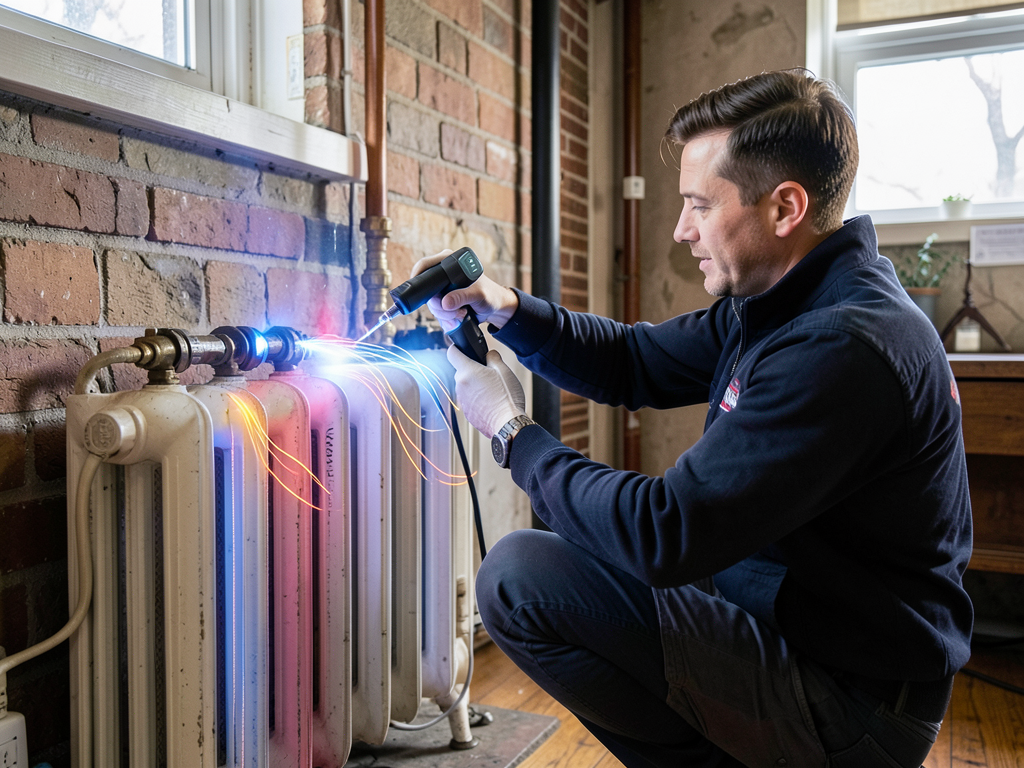
How to Tell if Your Yankee Hill Home is Better Suited for Radiators or Forced Air Your Yankee Hill home sits in one of Milwaukee's most distinctive historic districts, where early 20th-century architecture meets modern…
How to End the Thermostat Wars in Your Hartland Home with Simple Air Balancing Uneven…

Why Your Attic is Covered in Frost During a Cold Snap in North Hills \n…

How Your Kitchen Exhaust Fan Might Be Messing with Your Home's Air Pressure in Oak…
Don't wait for a breakdown during extreme weather. Call First Choice HVAC Milwaukee at (414) 387-8977 right now for fast repair, expert installation, or preventive maintenance. We answer the phone, show up on time, and fix your heating and cooling problems correctly.