





Menu

Furnace Maintenance Checklist for Milwaukee – Prevent Mid-Winter Breakdowns Before They Happen

Your complete annual furnace inspection guide designed specifically for Milwaukee's harsh winters and freeze-thaw cycles, helping you avoid emergency repairs when temperatures drop below zero.

Slider Image 1
Slider Image 2
Slider Image 3
Slider Image 4
Slider Image 5
Slider Image 7
Slider Image 8
Slider Image 9
Slider Image 10
Slider Image 11

Why Milwaukee Furnaces Need More Than Standard Maintenance

Milwaukee's extreme temperature swings put your heating system through hell. When temps plunge from 40 degrees to negative 10 in 48 hours, your furnace doesn't just run. It runs constantly. That stress amplifies every small problem.

The freeze-thaw cycles that crack your driveway? They also create condensation issues in your flue pipes and exhaust vents. Milwaukee's high humidity during fall transitions leads to rust and corrosion inside heat exchangers. By January, these small issues become catastrophic failures.

Most homeowners follow generic heating system maintenance steps they find online. Those guides don't account for the clay soil shifts under Milwaukee homes that can separate ductwork connections. They ignore the specific challenges of heating older homes in Riverwest or Bay View, where insulation standards were nonexistent.

A proper furnace tune-up checklist for Milwaukee must address local realities. Your annual furnace inspection list should include checking for ice damming effects on intake vents, testing for carbon monoxide risks amplified by our sealed-up winters, and verifying your system can handle sustained operation during polar vortex events.

This is not California. Your preventative heating maintenance guide needs to be tougher. Milwaukee winters don't forgive shortcuts. A seasonal furnace service schedule built for our climate means checking components that warm-weather systems never stress. Your furnace will run 2,000+ hours between November and March. Every weak point will reveal itself.

Why Milwaukee Furnaces Need More Than Standard Maintenance
What a Complete Milwaukee Furnace Inspection Actually Covers

What a Complete Milwaukee Furnace Inspection Actually Covers

A real furnace maintenance checklist starts with combustion analysis, not just filter replacement. We measure flue gas composition to detect incomplete combustion before it creates carbon monoxide. Milwaukee's older housing stock makes this critical. Many homes still have original ductwork from the 1950s.

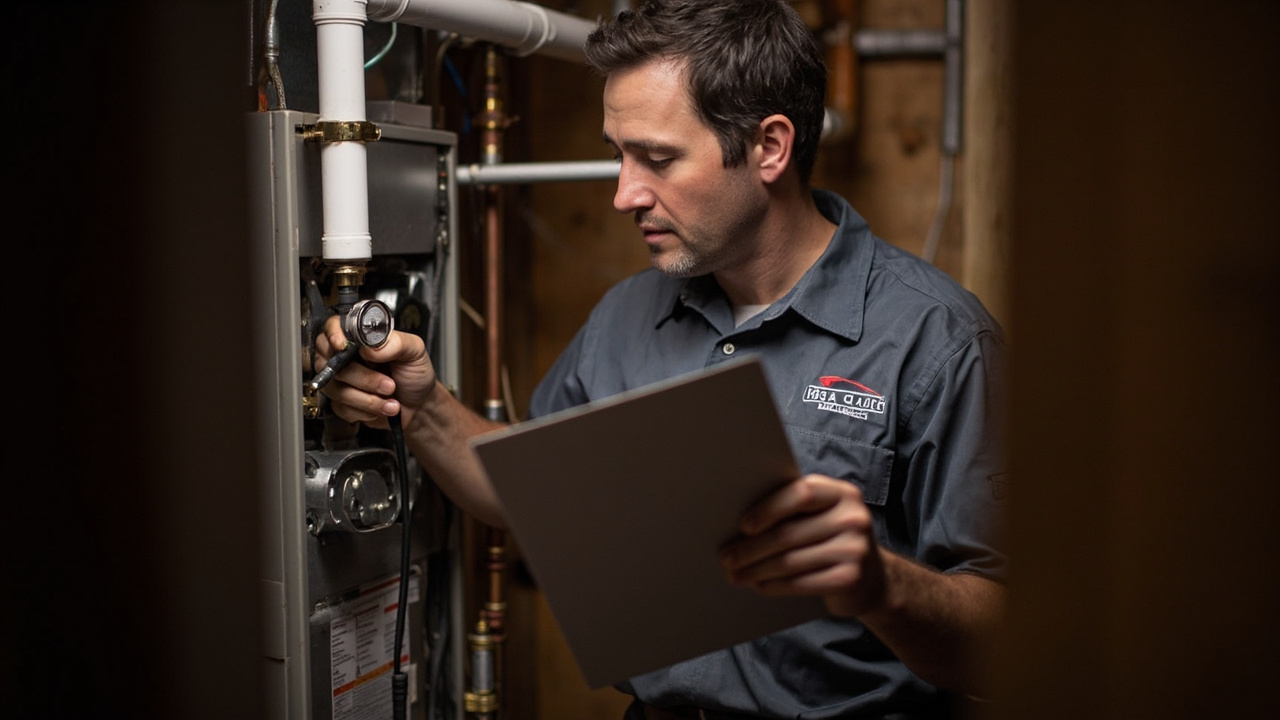
Heat exchanger inspection requires pulling panels and using a fiber optic camera. Cracks smaller than a credit card edge can leak exhaust gases into your living space. Infrared thermography shows hot spots that indicate imminent failure. This is not something you eyeball with a flashlight.

We test gas pressure at the manifold. Municipal gas pressure fluctuates seasonally in Milwaukee. Your furnace needs precise adjustment to burn efficiently when pressure drops during peak demand in January. Wrong pressure means incomplete combustion, higher bills, and premature component failure.

Blower motor amp draw testing reveals bearing wear before the motor seizes. We measure airflow across the heat exchanger using a manometer. Restricted airflow from dirty coils or undersized ductwork causes overheating and limit switch cycling. This destroys heat exchangers.

Condensate drain lines in high-efficiency furnaces freeze in Milwaukee winters if not properly sloped and insulated. We verify drainage and test the condensate pump under load. One frozen drain line can flood your basement and crack your heat exchanger in the same night.

Electrical connections corrode from humidity. We measure voltage and tighten terminals. Loose connections create resistance, generate heat, and start fires. Your thermostat gets recalibrated. Differential settings get adjusted for Milwaukee's temperature extremes.

How Your Annual Heating System Inspection Works

Furnace Maintenance Checklist for Milwaukee – Prevent Mid-Winter Breakdowns Before They Happen
01

System Performance Baseline

We start by running your furnace through complete heating cycles while monitoring temperatures at supply and return registers. Static pressure readings at the plenum tell us if ductwork restrictions are forcing your blower motor to work harder than designed. This baseline data shows exactly how your system performs before any maintenance begins, revealing efficiency losses you cannot see.
02

Component-Level Inspection

Every moving part gets measured and tested. Blower motor capacitors are tested under load because they fail without warning. Gas valve operation is timed. Igniter resistance is measured. Flame sensors get cleaned and tested for microamp conductivity. Inducer motors are checked for proper draft pressure. Each data point gets compared against manufacturer specifications, not generic standards.
03

Adjustment and Documentation

After inspection, we adjust gas pressure, calibrate airflow, and optimize combustion efficiency. You receive a written report showing before and after measurements, photos of any concerning conditions, and specific recommendations with priority rankings. We document everything because furnaces fail predictably when you track the data. You will know exactly what your system needs and when.

Why Milwaukee Homeowners Trust First Choice HVAC Milwaukee

We understand Milwaukee heating. We know that homes in Washington Heights need different airflow adjustments than homes in Walker's Point because of how they were built. We recognize that a 1920s bungalow in Sherman Park has different ductwork challenges than a 1970s ranch in Greenfield.

Milwaukee's building codes require specific combustion air provisions for furnaces installed in basements. We know these requirements because we work with them daily. Many older homes were retrofit with forced air systems that never had proper combustion air designed in. This creates dangerous negative pressure conditions that pull exhaust gases back into your home.

Our technicians carry combustion analyzers to every maintenance call. Most companies skip this because the equipment costs thousands of dollars. We consider it mandatory. You cannot verify safe operation without measuring actual flue gas composition. This is especially critical in Milwaukee, where homes stay sealed tight for six months.

We have seen what happens when furnaces fail during polar vortex events. Service calls jump to 200+ in a single day. Replacement parts become scarce. Your family waits in 50-degree temperatures for three days. Preventative maintenance eliminates this scenario. We find problems in September when they are cheap and easy to fix, not in January when they become emergencies.

First Choice HVAC Milwaukee technicians train specifically on Milwaukee's housing stock. We know where to look for problems because we have fixed thousands of furnaces in homes exactly like yours. Experience matters when temperature drops to negative 15 and your furnace cannot keep up.

What Your Furnace Maintenance Appointment Includes

Complete Service in One Visit

Your furnace maintenance appointment takes 90 to 120 minutes. We schedule appointments with enough time to complete thorough inspection and testing without rushing. You receive same-day service for any adjustments or minor repairs needed. We carry common replacement parts on every truck. Most maintenance visits result in a fully optimized system before we leave. No return trips needed unless we identify a major component requiring parts we special order.

Comprehensive Safety Testing

Safety testing goes beyond visual inspection. We perform combustion analysis measuring oxygen levels, carbon monoxide, and combustion efficiency. Heat exchangers are inspected using fiber optic cameras that show internal cracks invisible to the naked eye. Gas leaks are detected using electronic sensors sensitive to parts per million. Carbon monoxide testing happens at multiple locations in your home to verify safe operation. You receive documentation of all safety test results.

Optimized Heating Performance

Your furnace leaves our hands running at peak efficiency. Combustion is adjusted for complete fuel burn, reducing your gas bills. Airflow is calibrated to deliver proper temperature rise across the heat exchanger, extending component life. Thermostat operation is verified and calibrated. You will notice more consistent temperatures throughout your home and quieter operation. Most customers report immediate comfort improvements and see lower utility bills within the first month after service.

Priority Service All Winter

Maintenance customers receive priority scheduling all winter. If you do experience a breakdown, you move to the front of the service queue. You also receive discounted pricing on any repairs needed throughout the year. We maintain detailed service records for your system, so any technician who comes to your home has complete history. This eliminates repeated diagnostic charges and speeds up repairs. Most importantly, you have direct access to our service team when you need help.

Frequently Asked Questions

You Have Questions,
We Have Answers

What maintenance should be done on a furnace? +

Furnace maintenance includes inspecting and cleaning the heat exchanger, checking gas pressure and burner flame, testing the thermostat calibration, lubricating blower motor bearings, and examining all electrical connections. A technician should measure airflow, inspect the flue pipe for corrosion, and test carbon monoxide levels. In Milwaukee's freeze-thaw climate, you need special attention to condensate drains that can freeze and cause system shutdowns. Replace filters, clean flame sensors, and verify safety controls work properly. Annual maintenance prevents mid-winter breakdowns when Milwaukee temperatures drop below zero and repair wait times stretch for days.

What is included in a furnace maintenance? +

Furnace maintenance covers filter replacement, thermostat testing, electrical connection tightening, and blower component cleaning. Your technician inspects the heat exchanger for cracks, adjusts gas pressure, cleans burners, and tests ignition systems. They measure temperature rise, check refrigerant levels on heat pumps, inspect ductwork for leaks, and verify proper venting. Milwaukee homes face unique challenges from lake-effect moisture that corrodes components faster. The service includes safety checks for gas leaks and carbon monoxide, condensate drain clearing, and belt inspection. You receive a written report identifying potential problems before they cause expensive emergency repairs during Wisconsin's brutal winter months.

What is included in a furnace tune up? +

A furnace tune up involves cleaning the burner assembly, inspecting the heat exchanger, testing the ignition system, and calibrating the thermostat. The technician checks gas connections for leaks, measures combustion efficiency, lubricates moving parts, and replaces the air filter. They inspect electrical wiring, test the blower motor amperage, and verify safety controls function correctly. In Milwaukee, technicians pay extra attention to condensate pumps that handle moisture from high-efficiency systems, as freezing condensate lines cause common winter failures. The service includes checking flue draft, cleaning flame sensors, and adjusting burner flames for optimal efficiency before heating season demands peak performance.

Do you really need to have your furnace serviced every year? +

Yes. Annual furnace servicing prevents breakdowns, maintains efficiency, and extends equipment life. Milwaukee winters push furnaces hard for six months straight, creating wear that annual inspections catch early. Skipping maintenance voids many manufacturer warranties and reduces efficiency by 5 to 15 percent, increasing your heating bills. Small problems like dirty flame sensors or failing capacitors become expensive emergency repairs when ignored. Carbon monoxide risks increase with neglected heat exchangers. Annual service costs less than one emergency repair call during a January cold snap when you wait days for available technicians. Preventive maintenance protects your investment and keeps your family safe.

What is the $5000 rule? +

The 5000 rule is not a standard HVAC term. You may be thinking of the age-times-repair-cost formula used to decide between repair and replacement. Multiply your furnace age by the estimated repair cost. If the result exceeds 5000, replacement often makes better financial sense than repairing. For example, a 15-year-old furnace needing a 400 dollar repair equals 6000, suggesting replacement. This guideline helps Milwaukee homeowners avoid throwing money at aging equipment that will fail again soon. Consider efficiency improvements too. New furnaces can cut heating bills by 30 percent, offsetting replacement costs over time in Wisconsin's long heating season.

What's the average cost of a furnace tune-up? +

Furnace tune up costs in Milwaukee typically range from 80 to 200 dollars depending on system type and service scope. High-efficiency condensing furnaces cost more to service than standard models due to additional components requiring inspection. Prices increase if you need repairs beyond basic maintenance. Many Milwaukee HVAC companies offer maintenance agreements that reduce per-visit costs and include priority service. Tune up pricing reflects labor rates, travel time, and the thoroughness of inspection. Budget for annual maintenance as insurance against expensive mid-winter failures. The cost pays for itself through improved efficiency and avoided emergency repair bills during Wisconsin's coldest months.

How do I service my furnace myself? +

You can change filters monthly, keep registers clear, and ensure proper thermostat operation. However, most furnace maintenance requires professional tools and training. Gas pressure testing, heat exchanger inspection, and combustion analysis need specialized equipment. Milwaukee homeowners risk carbon monoxide exposure, gas leaks, and voided warranties attempting complex repairs themselves. You can visually inspect the flame through the sight glass. It should be steady and blue. Listen for unusual noises and watch for soot buildup. Clean around the furnace and keep vents unobstructed. But leave technical inspections, electrical work, and gas component servicing to licensed technicians who understand Wisconsin code requirements.

How much does it cost for someone to check your furnace? +

Professional furnace inspections in Milwaukee cost between 80 and 150 dollars for standard diagnostic service. This covers basic system testing, safety checks, and a written assessment of your furnace condition. Some companies offer free inspections hoping to sell repairs or replacements, but truly comprehensive diagnostics require time and expertise worth paying for. Inspection costs often apply toward same-day repairs if you approve work. Emergency after-hours inspections cost more, sometimes double standard rates. Many Milwaukee HVAC contractors include free furnace checks with annual maintenance agreements. Paying for professional inspection before winter prevents guesswork and identifies problems while you still have time to shop competitive repair quotes.

What parts of a furnace need to be cleaned? +

The burner assembly, blower compartment, flame sensor, and heat exchanger require regular cleaning. Burners accumulate dust and carbon deposits that affect combustion efficiency. The blower wheel collects debris that reduces airflow and strains the motor. Flame sensors develop oxidation that prevents proper ignition. In Milwaukee's humid climate, condensate drains and pumps need cleaning to prevent algae buildup and drainage blockages. The flue pipe should be inspected for corrosion and debris. Air filters trap the most contamination but are replaced rather than cleaned. Dirty components force your furnace to work harder, increasing energy bills and shortening equipment life. Professional cleaning restores efficiency.

What is the most expensive part to fix on a furnace? +

The heat exchanger is the most expensive furnace component to replace, often costing 1200 to 2000 dollars including labor. Heat exchanger cracks require immediate replacement due to carbon monoxide risks. The expense often justifies full furnace replacement on systems over 15 years old. Control boards rank second, running 400 to 1000 dollars depending on furnace model. Blower motors cost 400 to 700 dollars installed. Milwaukee's temperature extremes stress heat exchangers through constant expansion and contraction. Induced draft motors and gas valves also carry high replacement costs. Annual maintenance catches heat exchanger problems early, before cracks develop and create dangerous situations requiring expensive emergency repairs.

How Milwaukee's Freeze-Thaw Cycles Damage Furnace Components

Milwaukee experiences 40 to 50 freeze-thaw cycles each winter. Your furnace sits in a basement or utility room that swings from 35 degrees to 65 degrees repeatedly. This temperature cycling creates condensation inside the cabinet, on electrical connections, and inside the flue pipe. That moisture causes rust on heat exchangers, corrosion on gas valves, and electrical failures. High-efficiency furnaces are particularly vulnerable because they produce condensate by design. When that drainage system freezes even once, you risk cracking your heat exchanger from thermal shock.

First Choice HVAC Milwaukee has serviced heating systems through every polar vortex and early freeze Milwaukee has thrown at us. We understand how local soil conditions affect ductwork in crawl spaces and how lake-effect humidity accelerates corrosion on furnace components near the lakeshore. Our preventative maintenance schedules are built around Milwaukee's weather patterns, not generic seasonal recommendations. We schedule fall maintenance between mid-September and late October because we know the first hard freeze typically hits in early November.

HVAC Services in The Milwaukee Area

We proudly serve residential and commercial clients throughout the Milwaukee area. Our central location allows us to provide rapid, reliable service to neighborhoods and communities all over the region. Whether you're in the heart of the city or in the surrounding suburbs, our expert technicians are just a call away. View our map below to see our service area and find our main office location.

Address:
First Choice HVAC Milwaukee, 5700 W Capitol Dr,, Milwaukee, WI, 53209

Additional Services We Offer

Our news updates

Latest Articles & News from The Blogs

Deciding if an Annual HVAC Maintenance Plan Is Actually Worth the Money in Sullivan The short answer: Yes, if you…

Deciding if an Annual HVAC Maintenance Plan Is Actually Worth the Money in Sullivan

Deciding if an Annual HVAC Maintenance Plan Is Actually Worth the Money in Sullivan The short answer: Yes, if you…

Choosing the Most Efficient Heating System for an Accessory Dwelling Unit in Dousman

Choosing the Most Efficient Heating System for an Accessory Dwelling Unit in Dousman Heating an Accessory Dwelling Unit in Dousman…

Why Your Vents Smell Like Dirty Socks and How to Fix It for Good in Pewaukee

Why Your Vents Smell Like Dirty Socks and How to Fix It for Good in Pewaukee That foul, locker-room odor…

Contact Us

October and November fill up fast. Protect your family from mid-winter breakdowns when emergency service costs triple. Call First Choice HVAC Milwaukee today at (414) 387-8977. We will schedule your comprehensive furnace inspection and have your heating system ready before the first freeze.