





St. Francis sits right on Lake Michigan, which creates specific heating and cooling demands most inland communities never face. The lake effect brings heavy snow loads in winter and high humidity in summer. Homes near the lakefront between Willow Road and Bay View experience temperature swings that push HVAC systems harder than equipment just a few miles west.
The housing stock in St. Francis ranges from post-war bungalows near South Shore Park to newer construction in the neighborhoods around Howard Avenue. Many older homes still run on original ductwork designed for smaller, less efficient systems. When homeowners upgrade to modern high-efficiency furnaces or central air, the existing ducts sometimes create airflow problems that reduce comfort and drive up energy bills.
Wisconsin building codes require furnaces to handle extreme cold. A system that works fine in October can fail when January temperatures drop below zero for days at a time. Heat exchangers crack from thermal stress, condensate lines freeze, and blower motors burn out from continuous operation. St. Francis residents also deal with Milwaukee County permit requirements for system replacements, which means working with contractors who understand local inspection protocols.
First Choice HVAC Milwaukee has served the greater Milwaukee area for years, building a reputation on fast response and repairs that last. We focus on the St. Francis community because we know the housing types, understand the lake effect climate challenges, and stock our trucks with parts for the furnace and AC brands most common in this area.
Our technicians arrive in fully equipped service vehicles, not pickup trucks with a few tools. We carry digital diagnostic equipment, leak detection tools, refrigerant for all system types, and an inventory of commonly failed components like capacitors, contactors, thermostats, and ignitors. This preparation means we can diagnose problems accurately and complete most repairs without delays for parts ordering.
We explain what failed, why it failed, and what you can expect going forward. You receive a written estimate before we start work, and we never push unnecessary replacements. If your system can be repaired safely and economically, we repair it. When replacement makes more sense, we explain exactly why and give you options at different price points.
First Choice HVAC Milwaukee operates with proper licensing, insurance, and bonding. We pull permits when required and schedule inspections to keep your project compliant with Milwaukee County codes. Our work comes backed by parts and labor warranties, and we stand behind every installation and repair.

When your heating or cooling system fails, you cannot wait days for service. First Choice HVAC Milwaukee dispatches technicians quickly and keeps trucks stocked with common repair parts. We prioritize emergency calls and work to restore your comfort the same day you contact us, especially during extreme weather.

You receive a complete system diagnosis before we recommend any work. Our technicians use testing equipment to identify the actual problem, not symptoms. We explain what failed and give you repair options with clear pricing. If your system needs replacement, we tell you why and help you choose equipment that fits your home and budget.
Our technicians carry diagnostic tools and a complete inventory of common parts for most furnace and air conditioner brands. This preparation means faster repairs without waiting for parts delivery. We stock capacitors, contactors, thermostats, igniters, motors, and refrigerant for the systems installed throughout St. Francis homes.
First Choice HVAC Milwaukee understands Milwaukee County permit requirements and inspection procedures. We pull necessary permits for system replacements, ensure installations meet Wisconsin building codes, and coordinate inspections. Your project stays compliant from start to finish, which protects your home value and insurance coverage.
First Choice HVAC Milwaukee handles every aspect of home comfort, from emergency furnace repairs on winter nights to complete system replacements and seasonal maintenance. Our service range covers heating repair, air conditioning service, ductwork modification, indoor air quality improvement, and thermostat upgrades.
St. Francis homes need reliable heating from November through March and efficient cooling from June through September. Many homeowners also struggle with humidity control, air filtration, and uneven temperatures between rooms. We address all these comfort challenges with solutions matched to your specific home layout, existing equipment, and budget.
Our technicians work on all major furnace brands including Carrier, Trane, Lennox, Rheem, Goodman, and American Standard. We service both gas furnaces and heat pumps, repair central air conditioners, and maintain ductless mini-split systems. When repairs no longer make economic sense, we help you select replacement equipment with the right capacity and efficiency rating for your square footage and usage patterns.
System failures happen at the worst times, and you need help fast. First Choice HVAC Milwaukee responds quickly to emergency service calls in St. Francis. Our technicians diagnose the problem, explain what failed, and work to restore heat or cooling as quickly as possible. We carry common repair parts and complete most emergency fixes the same day. Whether your furnace quits during a January cold snap or your central air stops working during a heat wave, we prioritize emergency calls and dispatch trained technicians ready to solve the problem.
When your heating or cooling system reaches the end of its service life, replacement makes more sense than repeated repairs. First Choice HVAC Milwaukee helps you select the right equipment for your home size, budget, and efficiency goals. We handle complete furnace installation, central air replacement, and heat pump systems. Our installations include proper sizing calculations, ductwork evaluation, thermostat upgrades, and permit coordination with Milwaukee County. Every installation meets Wisconsin code requirements and comes with manufacturer warranties plus our workmanship guarantee.
Regular maintenance keeps your heating and cooling systems running efficiently and helps prevent unexpected failures. First Choice HVAC Milwaukee offers seasonal tune-up service for St. Francis homeowners. We inspect your furnace before winter, checking heat exchangers, testing safety controls, cleaning burners, and verifying proper airflow. Spring air conditioning maintenance includes refrigerant level checks, coil cleaning, electrical testing, and condensate drain clearing. Maintenance customers receive priority scheduling and often catch small problems before they become expensive repairs.
Lake Michigan's influence on St. Francis weather creates specific challenges for heating and cooling systems. The constant humidity affects air conditioning performance and indoor air quality. Winter lake effect snow and temperature swings stress furnace components. Many St. Francis homes sit in the older neighborhoods between Bay View and the lakefront, where original ductwork and aging equipment create comfort and efficiency problems.
First Choice HVAC Milwaukee sees these issues repeatedly throughout the community. Homeowners often wait until complete system failure before calling for service, but early warning signs can help you avoid emergency breakdowns. Strange noises, weak airflow, rising energy bills, and uneven temperatures all signal developing problems. Addressing these issues early typically costs less than emergency repairs and prevents the discomfort of a complete system failure during extreme weather.
Wisconsin winters push furnaces hard, especially during multi-day cold snaps when outdoor temperatures stay below zero. Systems run continuously, which stresses heat exchangers and blower motors. Older furnaces develop cracks in heat exchangers, creating carbon monoxide risks. Blower motors burn out from constant operation. Condensate drains freeze, triggering safety shutoffs. First Choice HVAC Milwaukee inspects furnaces for these stress-related failures and makes repairs before they leave you without heat.
St. Francis humidity levels stress air conditioning systems during summer months. Central air must remove moisture while cooling, which requires proper refrigerant charge, clean coils, and correct airflow. When systems lose efficiency, homes feel clammy even though the thermostat shows cool temperatures. Oversized air conditioners cycle on and off rapidly, never running long enough to dehumidify properly. Right-sized equipment with proper maintenance keeps indoor humidity comfortable.
Many older St. Francis homes have ductwork designed for smaller, less powerful systems. When homeowners upgrade to modern high-efficiency furnaces or larger air conditioners, the existing ducts create problems. Undersized ducts restrict airflow, making systems work harder and drive up utility bills. Leaky duct joints waste conditioned air in attics and crawl spaces. First Choice HVAC Milwaukee evaluates ductwork during system replacements and recommends modifications that improve comfort and efficiency.
Old thermostats cause uneven temperatures and wasted energy. Mechanical thermostats lose calibration, making your home run too hot or too cold. Poor thermostat placement near windows or drafty areas causes short cycling. Non-programmable thermostats cannot adjust temperatures when you are away, which increases utility costs. Upgrading to a programmable or smart thermostat improves comfort and reduces energy waste without replacing your entire system.
First Choice HVAC Milwaukee makes the service process clear from your first call to project completion. You speak with our office staff who schedule service appointments based on urgency and availability. We provide arrival windows and call ahead when our technician is on the way. Emergency calls receive priority dispatch, especially during extreme weather when heating or cooling failures create safety risks.
Our technicians arrive in marked vehicles with company identification. They assess your system, explain what they find, and discuss your options before starting work. You receive written estimates for repairs or replacements. We answer your questions and help you understand the problem, the solution, and what you can expect going forward. No surprise charges, no pressure tactics, just honest evaluation and clear communication about your HVAC needs.
When you call First Choice HVAC Milwaukee, our staff asks about your problem and schedules service based on urgency. We provide estimated arrival times and call ahead when the technician is en route. Emergency situations get priority response, and we keep you informed throughout the process. You receive confirmation of your appointment, technician name, and direct contact information. We respect your time and provide realistic scheduling expectations.
First Choice HVAC Milwaukee technicians perform complete system testing before recommending any work. We use diagnostic equipment to measure airflow, test electrical components, check refrigerant levels, and verify safety controls. You receive a clear explanation of what failed, why it failed, and what needs to happen next. We provide written estimates before starting repairs and discuss your options when multiple solutions exist. Our goal is informed decisions, not rushed commitments.
After completing your repair or installation, First Choice HVAC Milwaukee verifies your system operates correctly. We test heating and cooling performance, check airflow, and ensure thermostats control temperature properly. You receive documentation of work completed, warranty information, and maintenance recommendations. We follow up to confirm your system continues working properly and answer any questions. Your satisfaction matters, and we stand behind every job we complete.
First Choice HVAC Milwaukee streamlines HVAC service to minimize disruption and maximize results. Our process focuses on fast diagnosis, clear communication, and quality work that solves problems the first time.
Call First Choice HVAC Milwaukee at (414) 387-8977 to schedule service. Our staff asks about your problem and schedules an appointment based on urgency. Emergency situations receive same-day dispatch when possible. Our technician arrives during your scheduled window, evaluates your system, and uses diagnostic tools to identify the problem. You receive a clear explanation of what failed and a written estimate before we start any repair work.
Once you approve the estimate, our technician completes the repair using quality parts and proper techniques. Most common repairs finish the same day. System replacements require equipment ordering and installation scheduling. We coordinate permit applications with Milwaukee County, complete installations according to Wisconsin building codes, and schedule required inspections. Throughout the project, we keep you informed of progress and timeline.
After completing your service, we test system operation to verify proper heating or cooling performance. You receive documentation of work completed, warranty information, and care recommendations. First Choice HVAC Milwaukee follows up to ensure your system continues working properly. We answer questions and address any concerns that arise after service completion. Your comfort and satisfaction drive our business.
Wisconsin building codes establish strict requirements for heating and cooling system installation, modification, and repair. These regulations protect homeowners from unsafe installations and ensure systems operate efficiently in our climate. First Choice HVAC Milwaukee follows all state and local requirements for HVAC work in St. Francis.
The Wisconsin Commercial Building Code and residential provisions of SPS 320 through SPS 325 govern HVAC installations. These codes specify minimum efficiency requirements, proper venting for combustion equipment, refrigerant handling procedures, and electrical connections. Milwaukee County requires permits for furnace and air conditioner replacements, which means licensed contractors must complete the work and schedule inspections.
Furnace installations must meet specific clearance requirements from combustible materials. Gas furnaces require proper venting sized for the equipment, with Category I furnaces using metal vents and high-efficiency condensing units using PVC or approved materials. Heat exchangers must be inspected during installation to verify manufacturing quality and shipping damage has not compromised safety.
Air conditioning installations involve refrigerant handling governed by EPA regulations. Technicians must hold EPA Section 608 certification to purchase, handle, and charge systems with refrigerant. Wisconsin requires proper recovery of old refrigerant before system disposal, and installation must include leak testing before final charge. Condensate drains require proper traps and drainage to prevent water damage.
Ductwork modifications follow guidelines in ACCA Manual D for sizing and layout. Undersized ducts restrict airflow and reduce system efficiency. Oversized ducts allow air to slow down, reducing delivery effectiveness. Proper duct design matches the cubic feet per minute output of the furnace or air handler, creating balanced airflow to all rooms. Duct sealing at joints prevents conditioned air loss and improves overall system performance.
Proper HVAC sizing requires Manual J load calculations that account for home square footage, insulation levels, window types, and orientation. Oversized systems cycle on and off rapidly, never running long enough to dehumidify properly. Undersized equipment runs constantly and cannot maintain comfort during extreme weather. First Choice HVAC Milwaukee performs calculations before recommending equipment to ensure proper sizing for St. Francis homes.
HVAC costs depend on equipment efficiency ratings, system capacity, installation complexity, and ductwork condition. Higher SEER air conditioners and AFUE furnaces cost more upfront but reduce monthly utility bills. Homes requiring ductwork modifications, electrical upgrades, or difficult equipment placement increase installation costs. Permit fees, inspection requirements, and warranty coverage also affect final project pricing for St. Francis installations.
Most furnace and air conditioner repairs complete in two to four hours once the technician diagnoses the problem and has necessary parts. System replacements typically take one to two days depending on installation complexity. Projects requiring ductwork modification, electrical panel upgrades, or structural changes need additional time. First Choice HVAC Milwaukee provides realistic timelines during estimation and updates you if circumstances change during your project.
Milwaukee County requires permits for HVAC system replacements and major modifications. Permitted work includes inspections that verify code compliance for safety and efficiency. Working without required permits creates problems when selling your home and may void equipment warranties. First Choice HVAC Milwaukee handles permit applications, schedules inspections, and ensures all work meets Wisconsin building codes for St. Francis installations.
This video explains common HVAC system failures affecting St. Francis homes and provides solutions for heating and cooling problems. Topics covered include furnace repair, air conditioning service, ductwork issues, thermostat problems, and maintenance that prevents breakdowns. Viewers learn how Lake Michigan climate impacts HVAC performance, what warning signs indicate developing problems, and when to repair versus replace heating and cooling equipment. First Choice HVAC Milwaukee demonstrates diagnostic procedures and explains system requirements for Wisconsin homes.
First Choice HVAC Milwaukee serves the entire St. Francis community, from lakefront homes near South Shore Park to neighborhoods along Howard Avenue and Kinnickinnic Avenue. Our service area extends throughout the St. Francis metro and into surrounding Milwaukee communities where homeowners need reliable heating and cooling service.
St. Francis sits at the southern edge of Milwaukee County, bordered by Lake Michigan to the east and Bay View to the north. The community includes distinct neighborhoods with different housing types and HVAC needs. Homes near the lakefront between Willow Road and the water face higher humidity and more severe weather impacts. These properties often struggle with moisture control and require dehumidification solutions beyond standard air conditioning.
The residential areas around Lake Drive and Oklahoma Avenue feature a mix of older bungalows and post-war construction. Many homes in these neighborhoods still operate on original heating systems or first-generation central air installations from the 1970s and 1980s. First Choice HVAC Milwaukee works throughout these areas, helping homeowners upgrade aging equipment while preserving the character of their properties.
Moving west from the lakefront toward the city boundaries near Clement Avenue, housing transitions to newer construction with more modern HVAC systems. These homes often use high-efficiency furnaces and properly sized air conditioning, but they still need regular maintenance and occasional repairs. Our technicians service equipment throughout this area, working with all major brands common to St. Francis installations.
We also serve homes in the neighborhoods near the St. Francis Seminary and along Howard Avenue, where commercial and residential properties mix. This area presents unique challenges with both residential comfort systems and light commercial HVAC applications. Our experience extends to both property types, and we handle the increased capacity requirements of larger homes and small business locations.
First Choice HVAC Milwaukee operates throughout the greater Milwaukee metro, so St. Francis customers can expect the same fast response whether they live in the lakefront areas, along the southern boundaries near College Avenue, or anywhere between. We know the street layouts, understand response times from our dispatch location, and keep trucks positioned to serve your community quickly when problems arise.
The $5000 rule helps you decide whether to repair or replace your system. Multiply the repair cost by the age of your unit. If the total exceeds $5000, replacement makes more financial sense. For example, a $400 repair on a 15-year-old furnace equals $6000, suggesting replacement. In St. Francis, where freeze-thaw cycles and Lake Michigan humidity stress systems, older units often fail repeatedly. This rule accounts for efficiency loss and recurring breakdowns. Systems over 12 years old typically cost more to maintain and run higher energy bills, making replacement the smarter long-term investment.
HVAC job costs vary widely based on scope. A basic furnace tune-up runs lower, while compressor replacement costs significantly more. Full system installations represent the highest expense. In St. Francis, most repairs fall in the mid-range, with common issues like blower motor replacement, refrigerant recharge, or thermostat upgrades. Emergency after-hours service adds to the baseline cost. System age, brand, and complexity influence labor time. Homes near Lake Michigan may need additional humidity control, affecting final pricing. Always get detailed written estimates before authorizing work to understand what drives your specific cost.
Dirty filters cause the majority of HVAC failures in St. Francis homes. Restricted airflow forces systems to work harder, leading to overheating and premature wear. Thermostat malfunctions create comfort complaints and cycling issues. Refrigerant leaks reduce cooling capacity and damage compressors. Ignition problems prevent furnaces from lighting properly during cold snaps. Blower motor failure stops air circulation completely. Drainage clogs cause water damage, especially in humid conditions near the lakefront. Ductwork leaks waste energy and create uneven temperatures. Capacitor failure prevents outdoor units from starting. Regular maintenance catches these problems before they become expensive emergency repairs.
The $5000 rule helps you decide whether to repair or replace your system. Multiply the repair cost by the age of your unit. If the total exceeds $5000, replacement makes more financial sense. For example, a $400 repair on a 15-year-old furnace equals $6000, suggesting replacement. In St. Francis, where freeze-thaw cycles and Lake Michigan humidity stress systems, older units often fail repeatedly. This rule accounts for efficiency loss and recurring breakdowns. Systems over 12 years old typically cost more to maintain and run higher energy bills, making replacement the smarter long-term investment.
HVAC job costs vary widely based on scope. A basic furnace tune-up runs lower, while compressor replacement costs significantly more. Full system installations represent the highest expense. In St. Francis, most repairs fall in the mid-range, with common issues like blower motor replacement, refrigerant recharge, or thermostat upgrades. Emergency after-hours service adds to the baseline cost. System age, brand, and complexity influence labor time. Homes near Lake Michigan may need additional humidity control, affecting final pricing. Always get detailed written estimates before authorizing work to understand what drives your specific cost.
Dirty filters cause the majority of HVAC failures in St. Francis homes. Restricted airflow forces systems to work harder, leading to overheating and premature wear. Thermostat malfunctions create comfort complaints and cycling issues. Refrigerant leaks reduce cooling capacity and damage compressors. Ignition problems prevent furnaces from lighting properly during cold snaps. Blower motor failure stops air circulation completely. Drainage clogs cause water damage, especially in humid conditions near the lakefront. Ductwork leaks waste energy and create uneven temperatures. Capacitor failure prevents outdoor units from starting. Regular maintenance catches these problems before they become expensive emergency repairs.
Most reputable HVAC contractors in St. Francis provide free estimates for system replacement and major repairs. Basic diagnostic visits to identify problems typically carry a service call fee, which often applies toward the repair if you approve the work. Emergency diagnostics may cost more due to after-hours response. Free estimates cover equipment pricing, installation scope, and labor for replacements. However, troubleshooting existing system failures requires technician time and expertise, justifying the diagnostic fee. Always confirm pricing policies when scheduling. Legitimate contractors explain costs upfront and never pressure you into immediate decisions after providing a quote.
A complete HVAC system replacement varies based on home size, equipment efficiency, and installation complexity. Systems for typical St. Francis homes include both furnace and air conditioner components. High-efficiency units cost more upfront but reduce energy bills, especially during harsh Wisconsin winters. Ductwork modifications, permit fees, and disposal of old equipment add to the base price. Two-stage or variable-speed systems offer better comfort control in Lake Michigan's humid climate. Financing options make replacement manageable. Equipment brand, SEER rating, and BTU capacity all influence final investment. Get multiple detailed quotes to compare equipment specifications and installation scope.
The 3-minute rule prevents compressor damage during air conditioner operation. After your AC shuts off, wait at least three minutes before restarting it. This allows refrigerant pressure to equalize throughout the system. Restarting too quickly forces the compressor to fight unbalanced pressure, causing electrical strain and potential failure. Modern thermostats often have built-in delay timers. In St. Francis, power fluctuations during summer storms can trigger rapid cycling. If your system short-cycles frequently, contact a technician immediately. The compressor is the most expensive component, and protecting it through proper cycling extends system life significantly.
HVAC systems for a 1200 square foot house in St. Francis typically require 1.5 to 2.5 tons of cooling capacity and 40,000 to 60,000 BTU heating. Total system cost depends on efficiency ratings, brand selection, and installation complexity. Homes near Lake Michigan may need enhanced dehumidification features. Older homes with inadequate insulation require larger capacity units. Installation factors include ductwork condition, accessibility, and permit requirements. Single-stage systems cost less than variable-speed models but offer less comfort control. Energy-efficient units reduce monthly utility bills, offsetting higher initial investment. Local rebates and financing affect your final out-of-pocket expense.
Homeowners insurance rarely covers HVAC repair from normal wear and tear. Policies typically exclude maintenance items and equipment that fails due to age. However, insurance may cover damage from covered perils like fire, lightning strikes, vandalism, or falling trees. In St. Francis, storm damage occasionally qualifies for coverage. Sudden mechanical failure sometimes applies under equipment breakdown endorsements, which require additional premium. Flood damage needs separate flood insurance. Always document damage with photos and get a professional assessment before filing claims. Review your policy declarations page to understand specific HVAC coverage limits and exclusions before expecting reimbursement.
HVAC systems typically last 15 to 20 years with proper maintenance. Furnaces often outlive air conditioners by several years. In St. Francis, harsh winter operation and Lake Michigan humidity accelerate wear on both components. Systems running year-round experience shorter lifespans than those in milder climates. Regular filter changes, annual tune-ups, and prompt repairs extend equipment life. Poor installation reduces longevity significantly. Cheaper builder-grade units fail sooner than quality brands. After 12 years, efficiency drops and repair frequency increases. Planning replacement before complete failure prevents emergency situations during extreme weather and allows better equipment selection.
The 2-foot rule requires maintaining 24 inches of clearance around outdoor condensing units. This space ensures adequate airflow for heat exchange and prevents efficiency loss. Shrubs, fences, storage items, and debris block airflow and force your system to work harder. In St. Francis, snow accumulation during winter requires additional clearance to prevent ice buildup on heat pump units. Keep the area clear of grass clippings, leaves, and dryer vent discharge. Restricted airflow causes overheating, compressor strain, and premature failure. Proper clearance also allows technicians easy access for maintenance and repairs, reducing service time and costs.
Most reputable HVAC contractors in St. Francis provide free estimates for system replacement and major repairs. Basic diagnostic visits to identify problems typically carry a service call fee, which often applies toward the repair if you approve the work. Emergency diagnostics may cost more due to after-hours response. Free estimates cover equipment pricing, installation scope, and labor for replacements. However, troubleshooting existing system failures requires technician time and expertise, justifying the diagnostic fee. Always confirm pricing policies when scheduling. Legitimate contractors explain costs upfront and never pressure you into immediate decisions after providing a quote.
A complete HVAC system replacement varies based on home size, equipment efficiency, and installation complexity. Systems for typical St. Francis homes include both furnace and air conditioner components. High-efficiency units cost more upfront but reduce energy bills, especially during harsh Wisconsin winters. Ductwork modifications, permit fees, and disposal of old equipment add to the base price. Two-stage or variable-speed systems offer better comfort control in Lake Michigan's humid climate. Financing options make replacement manageable. Equipment brand, SEER rating, and BTU capacity all influence final investment. Get multiple detailed quotes to compare equipment specifications and installation scope.
The 3-minute rule prevents compressor damage during air conditioner operation. After your AC shuts off, wait at least three minutes before restarting it. This allows refrigerant pressure to equalize throughout the system. Restarting too quickly forces the compressor to fight unbalanced pressure, causing electrical strain and potential failure. Modern thermostats often have built-in delay timers. In St. Francis, power fluctuations during summer storms can trigger rapid cycling. If your system short-cycles frequently, contact a technician immediately. The compressor is the most expensive component, and protecting it through proper cycling extends system life significantly.
HVAC systems for a 1200 square foot house in St. Francis typically require 1.5 to 2.5 tons of cooling capacity and 40,000 to 60,000 BTU heating. Total system cost depends on efficiency ratings, brand selection, and installation complexity. Homes near Lake Michigan may need enhanced dehumidification features. Older homes with inadequate insulation require larger capacity units. Installation factors include ductwork condition, accessibility, and permit requirements. Single-stage systems cost less than variable-speed models but offer less comfort control. Energy-efficient units reduce monthly utility bills, offsetting higher initial investment. Local rebates and financing affect your final out-of-pocket expense.
Homeowners insurance rarely covers HVAC repair from normal wear and tear. Policies typically exclude maintenance items and equipment that fails due to age. However, insurance may cover damage from covered perils like fire, lightning strikes, vandalism, or falling trees. In St. Francis, storm damage occasionally qualifies for coverage. Sudden mechanical failure sometimes applies under equipment breakdown endorsements, which require additional premium. Flood damage needs separate flood insurance. Always document damage with photos and get a professional assessment before filing claims. Review your policy declarations page to understand specific HVAC coverage limits and exclusions before expecting reimbursement.
HVAC systems typically last 15 to 20 years with proper maintenance. Furnaces often outlive air conditioners by several years. In St. Francis, harsh winter operation and Lake Michigan humidity accelerate wear on both components. Systems running year-round experience shorter lifespans than those in milder climates. Regular filter changes, annual tune-ups, and prompt repairs extend equipment life. Poor installation reduces longevity significantly. Cheaper builder-grade units fail sooner than quality brands. After 12 years, efficiency drops and repair frequency increases. Planning replacement before complete failure prevents emergency situations during extreme weather and allows better equipment selection.
The 2-foot rule requires maintaining 24 inches of clearance around outdoor condensing units. This space ensures adequate airflow for heat exchange and prevents efficiency loss. Shrubs, fences, storage items, and debris block airflow and force your system to work harder. In St. Francis, snow accumulation during winter requires additional clearance to prevent ice buildup on heat pump units. Keep the area clear of grass clippings, leaves, and dryer vent discharge. Restricted airflow causes overheating, compressor strain, and premature failure. Proper clearance also allows technicians easy access for maintenance and repairs, reducing service time and costs.
We proudly serve residential and commercial clients throughout the Milwaukee area. Our central location allows us to provide rapid, reliable service to neighborhoods and communities all over the region. Whether you're in the heart of the city or in the surrounding suburbs, our expert technicians are just a call away. View our map below to see our service area and find our main office location.
Address:
St. Francis, WI, 53235
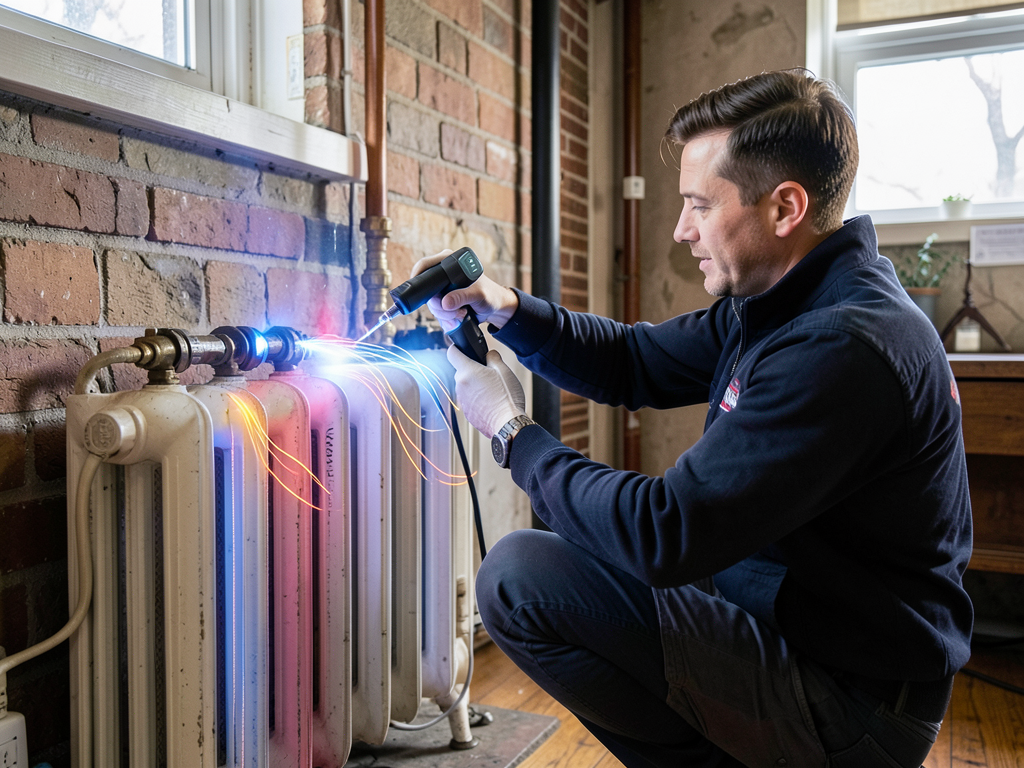
How to Tell if Your Yankee Hill Home is Better Suited for Radiators or Forced Air Your Yankee Hill home sits in one of Milwaukee's most distinctive historic districts, where early 20th-century architecture meets modern…
How to End the Thermostat Wars in Your Hartland Home with Simple Air Balancing Uneven…

Why Your Attic is Covered in Frost During a Cold Snap in North Hills \n…

How Your Kitchen Exhaust Fan Might Be Messing with Your Home's Air Pressure in Oak…
Your comfort matters, and delays make problems worse. Call First Choice HVAC Milwaukee now at (414) 387-8977 for fast heating and cooling service. Our technicians respond quickly, diagnose problems accurately, and get your system working again.