





Menu

Furnace Blowing Cold Air in Milwaukee – Expert Diagnosis and Same-Day Repairs

When your heating system blows cold air during a Milwaukee winter, our certified technicians diagnose the root cause and restore heat the same day, preventing frozen pipes and keeping your family safe.

Slider Image 1
Slider Image 2
Slider Image 3
Slider Image 4
Slider Image 5
Slider Image 7
Slider Image 8
Slider Image 9
Slider Image 10
Slider Image 11

Why Your Furnace Blows Cold Air in Milwaukee Homes

You set the thermostat to 72, hear the blower running, but only cold air pours from the vents. This problem hits Milwaukee homes hard between November and March when single-digit temperatures make a malfunctioning furnace a genuine emergency.

Milwaukee's freeze-thaw cycles put extreme stress on HVAC systems. When outdoor temps swing from 35 degrees during the day to 5 degrees overnight, furnace components expand and contract. This movement cracks heat exchangers, loosens electrical connections, and causes pilot lights to fail. The result is a heater blowing cold air when you need warmth most.

The issue gets worse in older Milwaukee neighborhoods like Bay View and Riverwest, where homes built in the 1920s through 1950s often have undersized ductwork or aging furnaces pushed past their design life. A furnace not blowing hot air in these homes signals deeper problems, from failed igniters to broken gas valves.

Three main culprits cause a heating system blowing cold air. First, the pilot light or electronic igniter fails, preventing burners from lighting. Second, the limit switch malfunctions, cutting heat before air warms properly. Third, ductwork leaks in uninsulated attics or crawl spaces let heated air escape before reaching your living space.

When you notice your furnace blowing cool air, check your air filter first. A clogged filter restricts airflow, triggers safety shutoffs, and forces the system to circulate unheated air. If the filter looks clean, the problem requires professional diagnosis. Frozen condensate lines, failed flame sensors, and cracked heat exchangers all produce the same symptom but need completely different repairs.

Milwaukee winters give you no margin for error. A furnace blowing unheated air in January means frozen pipes, water damage, and potential health risks for children and elderly family members.

Why Your Furnace Blows Cold Air in Milwaukee Homes
How We Fix Your Furnace Blowing Cold Air

How We Fix Your Furnace Blowing Cold Air

We start every service call with a complete system diagnostic, not guesswork. Our technicians arrive with digital multimeters, combustion analyzers, and manometers to measure voltage, gas pressure, and static pressure across your system.

First, we test the thermostat signal. A weak 24-volt signal or corroded wire connection prevents the furnace from entering heating mode. We check the transformer output, examine the control board for burned traces, and verify the flame sensor reads proper microamps when burners light.

Next, we inspect the ignition sequence. Modern furnaces use hot surface igniters that glow orange before opening the gas valve. These ceramic igniters crack from thermal stress and fail to reach ignition temperature. We test the igniter's resistance and inspect for hairline fractures invisible to the naked eye.

The limit switch requires careful attention. This safety device sits on the plenum and cuts power to burners if air temperature exceeds safe limits. A failing blower motor, dirty evaporator coil, or restricted return air causes the limit switch to trip repeatedly. We measure air temperature rise across the heat exchanger and compare it to manufacturer specifications. A 70-degree rise when specs call for 40 degrees signals restricted airflow.

We pressure-test the heat exchanger using a digital manometer. Cracks in the heat exchanger allow combustion gases to mix with circulating air, creating carbon monoxide hazards. This test requires sealing the combustion chamber and measuring pressure decay over 60 seconds. Any pressure drop indicates a failed heat exchanger.

Ductwork inspection comes last. We check supply and return plenums for disconnected joints, measure static pressure at the blower, and calculate total external static pressure. High static pressure forces the blower motor to work harder, reduces airflow, and triggers limit switch shutdowns.

Every repair includes new gaskets, proper torque on gas connections, and combustion analysis to verify safe, efficient operation.

What Happens During Your Furnace Repair Appointment

Furnace Blowing Cold Air in Milwaukee – Expert Diagnosis and Same-Day Repairs
01

System Diagnostic Testing

Your technician connects diagnostic equipment to measure electrical voltage, gas pressure, and temperature differentials across your heating system. We test the thermostat signal, verify proper igniter operation, and check flame sensor current. This 20-minute diagnostic identifies why your furnace blows cold air instead of applying trial-and-error parts replacement. Digital readouts show exact system performance compared to manufacturer specifications.
02

Component Repair or Replacement

After identifying the failed component, we explain the repair in plain terms and provide transparent pricing before starting work. Common repairs include replacing cracked igniters, cleaning corroded flame sensors, or adjusting limit switch settings. We carry replacement parts on our service trucks for same-day completion. Gas valve replacement, control board swaps, and blower motor repairs happen immediately without return trips or parts delays.
03

Performance Verification

Once repairs finish, we run your furnace through three complete heating cycles while monitoring temperature rise, gas pressure, and electrical draw. Combustion analysis confirms proper air-fuel mixture and safe exhaust gas composition. We measure supply air temperature at multiple vents to verify consistent heat delivery throughout your home. You see hot air flowing from every register before we leave your property.

Why Milwaukee Homeowners Choose First Choice HVAC Milwaukee

Milwaukee's housing stock presents unique HVAC challenges. Homes in Washington Heights and Wauwatosa feature gravity furnaces converted to forced air systems decades ago. These conversions often use undersized ductwork that restricts airflow and causes modern high-efficiency furnaces to overheat and shut down.

We understand these older systems because we work on them daily. Our technicians know the difference between a furnace blowing cold air due to a failed heat exchanger and one that simply needs better return air pathways. This experience prevents unnecessary equipment replacement and saves you thousands of dollars.

Milwaukee's natural gas infrastructure adds another variable. The local distribution system delivers gas at pressures ranging from 6 to 8 inches of water column. Furnaces require precise gas pressure for proper combustion. Too much pressure creates soot and incomplete burning. Too little pressure causes weak flames that fail to heat air properly. We test manifold pressure on every service call and adjust regulators to match your specific furnace requirements.

Winter weather here demands immediate response. A heating system blowing cold air when outside temps hit zero creates frozen pipe risk within hours. Burst pipes cause more property damage than any furnace repair cost. We staff technicians 24 hours daily from November through March specifically for emergency heating calls.

Our truck inventory includes parts for every major furnace brand installed in Milwaukee over the past 30 years. Lennox, Carrier, Trane, Rheem, Goodman, and American Standard parts load our service vehicles before each shift. This means same-day repairs instead of waiting three days for parts delivery while your family bundles up in winter coats indoors.

We also understand Milwaukee building codes and permit requirements. Furnace replacement in the city limits requires permits, inspections, and compliance with current efficiency standards. Heat exchanger replacement on units over 15 years old often triggers full system replacement requirements under current code. We handle all permit applications and coordinate inspections so your repair stays legal and compliant.

What to Expect During Your Furnace Repair

Same-Day Service Availability

We dispatch technicians to Milwaukee homes within 90 minutes during business hours and within 3 hours for after-hours emergencies. Your appointment includes a 30-minute arrival window, not a vague 4-hour block. Our technicians call 15 minutes before arrival so you know exactly when to expect service. Most furnace repairs finish in 2 to 3 hours from arrival to restored heat. Complex repairs like heat exchanger replacement take 4 to 6 hours but still complete the same day. We stock our trucks with common replacement parts to eliminate return trips and parts ordering delays.

Comprehensive System Evaluation

Your technician performs a complete 28-point furnace inspection beyond the immediate repair. This inspection checks gas connections for leaks, tests carbon monoxide levels in exhaust gases, measures amp draw on the blower motor, and examines venting for proper draft. We photograph any secondary issues found during inspection and email you a detailed report with photos. You receive honest guidance about which issues need immediate attention and which can wait until next season. This transparency helps you budget for future repairs without surprise failures mid-winter.

Restored Heat and Comfort

Your furnace produces consistent hot air across all supply vents before we leave your home. We measure air temperature at each register to verify balanced heat distribution. Supply air temperature should measure between 120 and 140 degrees depending on outdoor conditions and furnace efficiency rating. We adjust blower speed if needed to optimize comfort without creating hot or cold rooms. You also receive written documentation of all repairs completed, parts replaced, and system performance measurements. This paperwork helps if you sell your home or need future service from any HVAC company.

Post-Repair Support and Maintenance

All repairs include callback support if issues recur within 30 days. We return at no additional diagnostic charge to verify the repair holds under normal operating conditions. You also receive a maintenance checklist showing when to change filters, inspect venting, and schedule professional tune-ups. We offer optional maintenance plans that include annual furnace cleaning, priority emergency service, and discounted repair rates. These plans make sense for furnaces over 10 years old or homes with multiple HVAC service calls per year. Preventive maintenance catches small issues before they become expensive emergency repairs during the coldest weeks of winter.

Frequently Asked Questions

You Have Questions,
We Have Answers

How do you reset a furnace that blows cold air? +

Turn your thermostat off and locate your circuit breaker panel. Flip the furnace breaker off, wait 30 seconds, then flip it back on. Next, find the furnace power switch (looks like a light switch near the unit) and turn it off for 30 seconds, then back on. Return to your thermostat and set it to heat mode, raising the temperature 5 degrees above room temp. Wait 5 minutes. If cold air persists after reset, you have a failed ignitor, flame sensor, or gas valve. Milwaukee winters demand fast fixes. Call a qualified technician to diagnose the root cause.

Why is cold air blowing when the heat is on? +

Your thermostat setting may be on fan mode instead of auto, causing the blower to run continuously while the burners cycle off. Check the thermostat first. If set correctly, the pilot light or electronic ignition may have failed, preventing burners from lighting. A dirty flame sensor can also shut down burners mid-cycle while the blower continues. In Milwaukee's freeze-thaw conditions, condensate drain clogs can trigger limit switches that stop heating. Furnaces older than 15 years often develop cracked heat exchangers or failed gas valves. These issues require professional diagnosis.

Should I turn off my heater if it's blowing cold air? +

Yes, turn off your heater immediately if it blows cold air continuously. Running the blower without heat wastes energy and can mask serious problems like a cracked heat exchanger, which can leak carbon monoxide into your home. This is a safety issue. Switch your thermostat to off position, not just lower temperature. Milwaukee homes rely on consistent heat during winter. A furnace blowing cold air indicates failed ignition, bad flame sensor, or gas supply problems. Do not restart until a technician inspects the system. Protect your family and your equipment.

Why is my furnace blowing cold air but no heat? +

The blower works, but burners are not igniting. Common causes include a dirty or failed flame sensor that shuts off gas flow prematurely, a faulty ignitor that cannot light the burners, or a tripped limit switch from overheating. Gas supply issues, like a closed valve or empty tank for propane systems, also prevent heating. Milwaukee's cold winters stress aging components. Check your thermostat settings first. Verify the gas valve is open. If these are fine, you need professional repair. The flame sensor, ignitor, or gas valve needs replacement.

Why is my furnace blower running but no heat? +

Your blower motor runs, but heat never reaches your ducts. This points to failed ignition components. The hot surface ignitor may have cracked, preventing burner ignition. A malfunctioning flame sensor can signal shutdown seconds after ignition, stopping heat production while the blower continues. A clogged air filter restricts airflow, causing the limit switch to trip and shut down burners. Milwaukee homes with older furnaces face frequent flame sensor failures due to carbon buildup. Inspect your filter first. If clean, the ignition system needs professional attention. Do not ignore this.

How do you know if your furnace needs to be reset? +

Your furnace clicks or hums but does not ignite. The blower runs without producing heat. You smell gas briefly near the furnace (normal during ignition attempts, but persistent odor requires immediate evacuation and 911 call). Your thermostat does not respond to temperature changes. Frequent cycling on and off indicates limit switch problems. In Milwaukee, power surges from winter storms can trip internal safety switches. If your furnace is over 10 years old and shows these symptoms, reset once. If problems continue, call a technician. Repeated resets damage components.

How do you fix your heater when it's blowing out cold air? +

First, change your air filter. A clogged filter is the most common cause. Set your thermostat to heat mode (not fan or auto fan), and raise the temperature 5 degrees. Check your circuit breaker and furnace power switch. Inspect the flame sensor, a thin metallic rod near the burners. If coated in black soot, it needs cleaning or replacement. For Milwaukee homeowners, DIY stops here. Gas furnaces require trained technicians to diagnose ignitor failures, gas valve issues, or cracked heat exchangers. Improper repairs create carbon monoxide risks. Call a licensed HVAC professional.

How can I tell if my heat pump is low on refrigerant? +

Your heat pump runs constantly but struggles to warm your Milwaukee home during cold snaps. Ice buildup on the outdoor coil that does not melt during defrost cycles signals low refrigerant. You hear hissing or bubbling sounds near the unit, indicating a leak. Energy bills spike without explanation. The system blows lukewarm air instead of warm air. Frost forms on refrigerant lines during heating mode. Low refrigerant reduces efficiency and damages the compressor over time. Wisconsin's subzero temperatures expose refrigerant leaks quickly. You need a technician with manifold gauges to check pressures and locate leaks.

Should I turn my heat pump to emergency heat in extreme cold? +

Only use emergency heat if your heat pump completely fails or ice buildup prevents defrost cycles during extreme cold. Emergency heat activates electric resistance strips that cost 2 to 3 times more to operate than your heat pump's compressor. In Milwaukee, when temperatures drop below 10 degrees, your heat pump works harder but should still function. If your system cannot maintain temperature or ices over, switch to emergency heat temporarily and call for service. Do not run emergency heat for days. It is a backup, not a solution. Get your heat pump repaired.

What are signs of furnace failure? +

Strange noises like banging, screeching, or rumbling during operation indicate failing bearings or cracked heat exchangers. Yellow or flickering burner flames instead of steady blue flames suggest combustion problems or carbon monoxide risks. Frequent cycling on and off every few minutes points to failing limit switches or thermostats. Soot buildup around registers means incomplete combustion. Persistent cold air despite correct thermostat settings signals ignition failure. Rising energy bills without usage changes indicate efficiency loss. Milwaukee winters expose weak components fast. If your furnace is over 15 years old and shows multiple symptoms, replacement often costs less than repairs.

Why Milwaukee's Freeze-Thaw Cycles Cause Furnace Cold Air Problems

Milwaukee experiences 40 to 50 freeze-thaw cycles each winter as temperatures bounce above and below 32 degrees. These cycles stress furnace heat exchangers more than steady cold. Metal expands when heated during furnace operation, then contracts when outdoor temps drop overnight. This constant expansion and contraction fatigues the metal and creates stress cracks. Homes near Lake Michigan in neighborhoods like Shorewood and Whitefish Bay face additional humidity that accelerates corrosion on heat exchanger surfaces. A furnace blowing cold air often signals these stress cracks have grown large enough to trigger safety shutoffs, cutting heat before air warms properly.

Milwaukee's housing age adds complexity to furnace repairs. Over 60 percent of homes were built before 1970, many with original ductwork designed for lower-efficiency furnaces. Modern high-efficiency units produce less heat per cycle but run longer to maintain temperature. This longer runtime exposes undersized ducts and poor insulation that older furnaces masked with shorter, hotter bursts. First Choice HVAC Milwaukee technicians understand these older systems because we service them throughout Bay View, Walker's Point, and the East Side daily. We know when a heating system blowing cold air requires ductwork modification versus simple component replacement, saving you money on unnecessary equipment upgrades.

HVAC Services in The Milwaukee Area

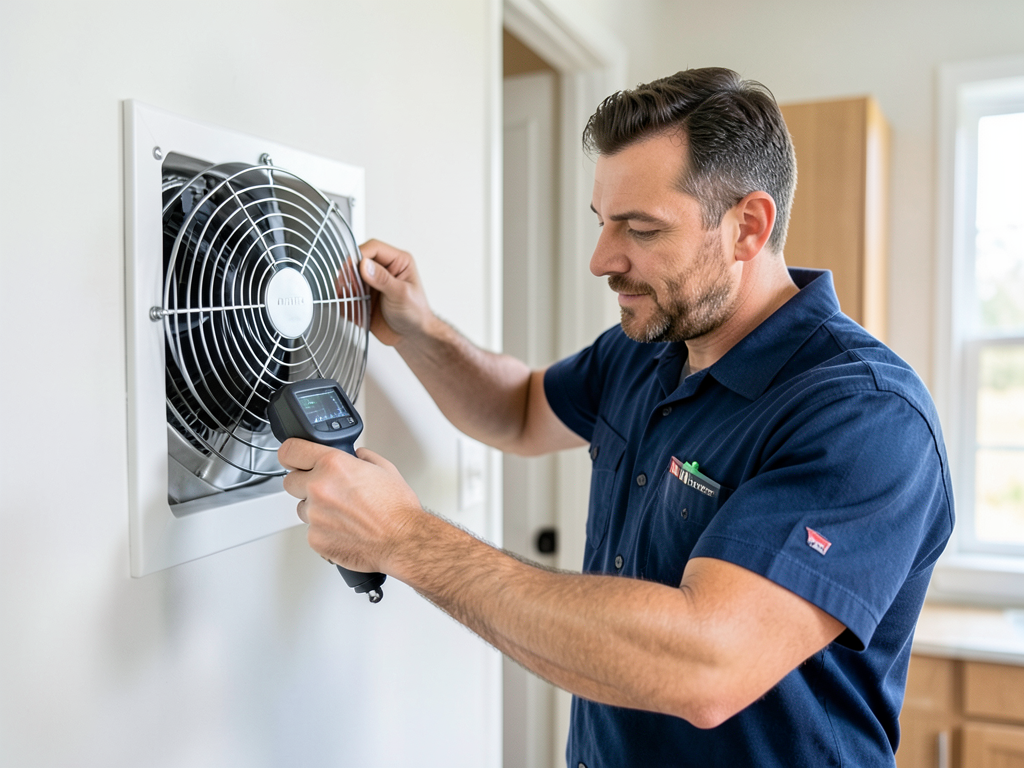
We proudly serve residential and commercial clients throughout the Milwaukee area. Our central location allows us to provide rapid, reliable service to neighborhoods and communities all over the region. Whether you're in the heart of the city or in the surrounding suburbs, our expert technicians are just a call away. View our map below to see our service area and find our main office location.

Address:
First Choice HVAC Milwaukee, 5700 W Capitol Dr,, Milwaukee, WI, 53209

Additional Services We Offer

Our news updates

Latest Articles & News from The Blogs

How to End the Thermostat Wars in Your Hartland Home with Simple Air Balancing Uneven temperatures in your Hartland home…

How to End the Thermostat Wars in Your Hartland Home with Simple Air Balancing

How to End the Thermostat Wars in Your Hartland Home with Simple Air Balancing Uneven temperatures in your Hartland home…

Why Your Attic is Covered in Frost During a Cold Snap in North Hills

Why Your Attic is Covered in Frost During a Cold Snap in North Hills \n Walking into your attic during…

How Your Kitchen Exhaust Fan Might Be Messing with Your Home's Air Pressure in Oak Creek

How Your Kitchen Exhaust Fan Might Be Messing with Your Home's Air Pressure in Oak Creek\n\nWhen you fire up your…

Contact Us

Your family needs heat now, not tomorrow. Call First Choice HVAC Milwaukee at (414) 387-8977 for same-day furnace repair. Our technicians carry parts for immediate fixes. Stop shivering and get warm air flowing within hours.