





Menu

AC Unit Leaking Water in Milwaukee – Expert Diagnosis and Repair to Stop Water Damage Fast

When your air conditioner drips water, you need technicians who understand Milwaukee's unique humidity patterns and can pinpoint the exact cause, whether it's a clogged drain line, frozen coil, or condensate pump failure.

Slider Image 1
Slider Image 2
Slider Image 3
Slider Image 4
Slider Image 5
Slider Image 7
Slider Image 8
Slider Image 9
Slider Image 10
Slider Image 11

Why Milwaukee Air Conditioners Leak Water More Than You Think

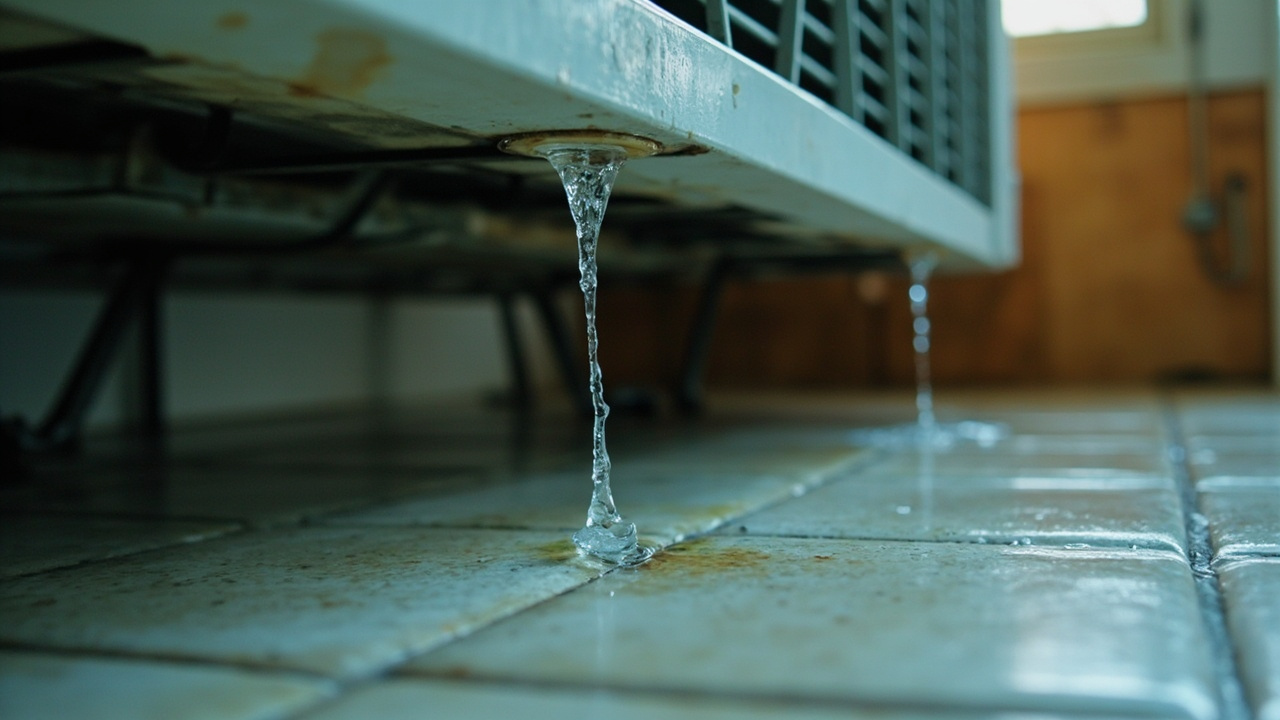
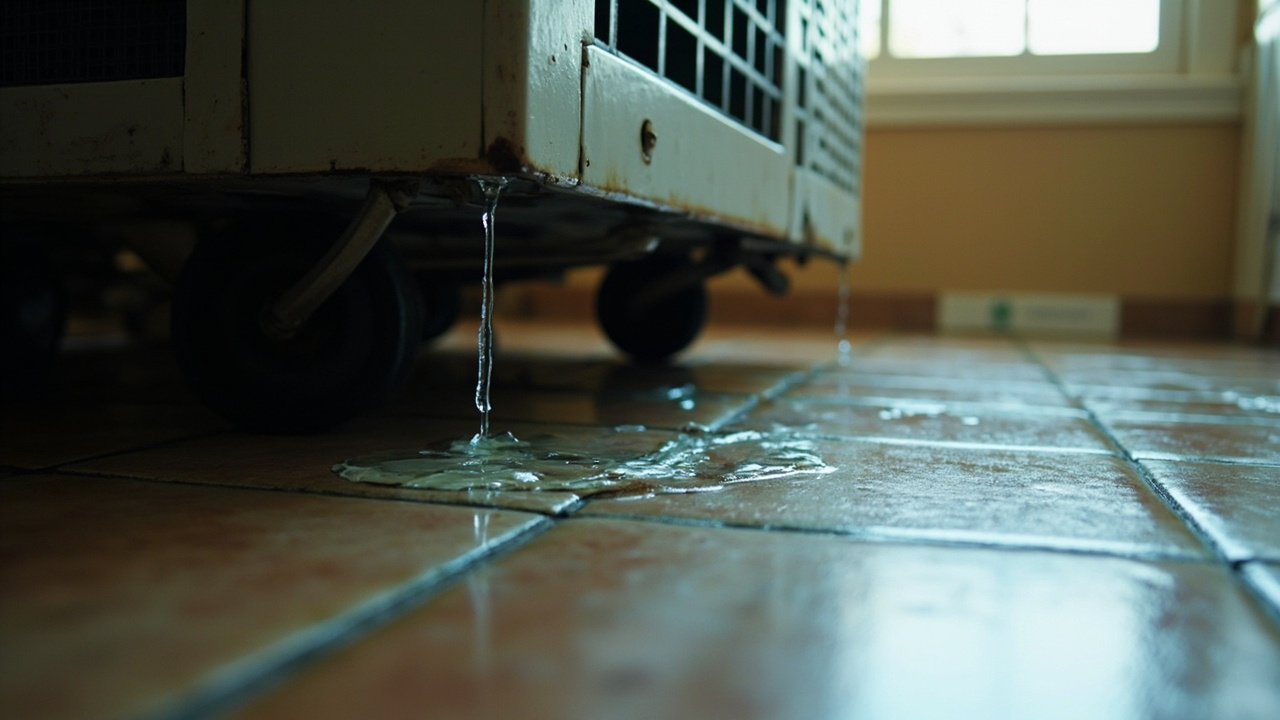
You notice a puddle under your AC unit. Maybe water is dripping from the air handler in your basement, or you see moisture staining the drywall near your vent. This is not normal, and it will not fix itself.

Milwaukee's summer humidity sits around 70% on average. When your air conditioning system pulls that moisture out of the air, it generates significant condensate. On a humid July afternoon, your AC can produce up to 20 gallons of water per day. That water must drain properly, or it ends up on your floor.

An air conditioner dripping water signals one of several problems. The primary drain line might be clogged with algae or sludge. The condensate pan could be cracked or corroded. The evaporator coil may be frozen due to restricted airflow. The condensate pump might have failed. Each of these issues requires a different repair approach.

Milwaukee homes built before 1980 often have cast iron or galvanized drain lines that rust from the inside. Newer homes with PVC drains face different problems, usually blockages from dust or biological growth. The city's hard water, averaging 7 to 10 grains per gallon, accelerates mineral deposits in drain systems.

Water damage spreads fast. A small AC water leak can saturate insulation, warp hardwood floors, and create mold growth within 48 hours. Milwaukee's damp climate already puts homes at risk for mold. Adding standing water from an air conditioning leaking water problem turns that risk into certainty.

You need a technician who can trace the leak to its source, not someone who guesses or tries temporary fixes. The problem will not wait.

Why Milwaukee Air Conditioners Leak Water More Than You Think
How We Stop AC System Leaking Water at the Root Cause

How We Stop AC System Leaking Water at the Root Cause

We do not start repairs until we know exactly why water dripping from your AC unit is happening. Our diagnostic process eliminates guesswork.

First, we inspect the condensate drain system from end to end. We check the primary drain line, the secondary overflow line, and the drain pan for cracks or corrosion. We use a wet-dry vacuum to clear blockages and verify proper pitch on horizontal drain runs. If your system has a condensate pump, we test the float switch and verify the pump cycles correctly under load.

Next, we evaluate airflow across the evaporator coil. Restricted airflow causes the coil to drop below 32 degrees, which creates ice buildup. When that ice melts, it overwhelms the drain system. We measure static pressure, check filter condition, and inspect ductwork for restrictions. We also verify refrigerant charge using superheat and subcooling measurements, because low refrigerant causes coil icing.

We inspect the drain pan for rust-through, especially on systems over 10 years old. Milwaukee's humidity accelerates corrosion on metal pans. We look for standing water in the pan, which indicates improper pitch or a clog downstream.

If your system uses a secondary drain line that terminates above a window or near the roofline, we verify it is not blocked. This safety overflow is your last defense before water enters your home.

After diagnosis, we present you with a clear explanation of the problem and the repair required. We do not recommend replacing your entire system when a drain line flush will solve the issue. We fix what is broken, nothing more.

Our repairs address the root cause, whether that means clearing a blocked drain, replacing a cracked pan, repairing refrigerant leaks, or upgrading a failed condensate pump.

What Happens When You Call About Water Dripping from Your AC

AC Unit Leaking Water in Milwaukee – Expert Diagnosis and Repair to Stop Water Damage Fast
01

Emergency Response and Assessment

We dispatch a technician within hours, not days. When you call about an AC water leak, we know you are dealing with potential property damage. Our technician arrives with diagnostic tools, a wet-dry vacuum, and common repair parts. We start by shutting off the system if necessary to stop further water discharge, then we trace the leak to its source using flashlights, moisture meters, and visual inspection of all condensate components.
02

Diagnosis and Testing

We test every component in the condensate management system. This includes clearing the drain line with a shop vacuum, checking the pan for cracks, testing the condensate pump float switch, measuring airflow and refrigerant levels, and verifying the drain line maintains proper pitch. We use a flashlight and inspection mirror to examine the evaporator coil for ice buildup or biological growth. We do not stop until we identify the exact failure point.
03

Repair and Verification

Once we isolate the problem, we make the repair on the spot when possible. This might mean flushing the drain line with a clearing solution, replacing a cracked pan, installing a new condensate pump, repairing a refrigerant leak, or replacing a clogged filter. After the repair, we run the system through a full cooling cycle and verify no water leaks occur. We also provide maintenance recommendations to prevent recurrence, including drain line treatment schedules.

Why Milwaukee Homeowners Choose First Choice HVAC for AC Water Leaks

We have diagnosed hundreds of air conditioner dripping water calls in Milwaukee. We know the quirks of the local housing stock, from the Cream City brick homes in Washington Heights to the post-war bungalows near Miller Park.

Milwaukee's building codes require secondary drain pans on air handlers installed in attics or above occupied spaces. Many older systems were grandfathered in without this protection. We identify these code gaps during inspections and can upgrade your system to current safety standards.

We also understand Milwaukee's seasonal extremes. Your AC sits dormant for six months, then gets hammered with humidity from June through September. This on-off cycle causes drain lines to dry out, which cracks rubber traps and allows sewer gases to enter your home. When you restart the system in spring, dried algae and dust create instant blockages. We anticipate these seasonal failures and service systems accordingly.

Our technicians carry Milwaukee-specific parts on their trucks. We stock condensate pumps rated for the high water volume produced in humid climates. We carry PVC fittings that match the drain line configurations common in Milwaukee homes. We do not need to order parts and return later.

We also know which HVAC systems perform best in this climate. Milwaukee's summer dew points regularly hit 70 degrees, which means your AC runs constantly to control humidity. Systems with variable-speed blowers and two-stage compressors handle this load more efficiently than single-stage units. When repair costs approach replacement value, we give you honest guidance on whether upgrading makes financial sense.

You will not get a sales pitch from us. You will get a clear diagnosis, a fair price, and a repair that stops the water leak permanently.

What to Expect When We Fix Your Leaking AC

Same-Day Service for Water Leaks

We treat AC water leaks as urgent because they cause property damage every hour they continue. When you call before noon, we can usually arrive the same day. Our technicians work extended hours during Milwaukee's peak cooling season. We carry the most common repair parts on every truck, which means we complete most repairs in a single visit. If your system needs a specialty part, we order it with priority shipping and return within 24 to 48 hours. We do not leave your home with water still dripping unless you specifically request a delayed repair.

Comprehensive Leak Diagnosis

Our diagnostic fee covers a complete evaluation of your condensate system, not just a quick visual check. We trace drain lines through walls and ceilings if necessary. We pull access panels to inspect coils and drain pans. We measure airflow and refrigerant levels because frozen coils are a common cause of overflow leaks. We test condensate pumps under load to verify they can handle peak water production. If we find multiple issues, we prioritize repairs based on urgency and present you with options. You get a written diagnosis that explains what failed, why it failed, and what repair will permanently fix it.

Permanent Repairs, Not Temporary Fixes

We do not apply sealants or duct tape to leaking pans. If the pan is cracked, we replace it. If the drain line is clogged beyond clearing, we cut out the damaged section and install new PVC. If the condensate pump is failing, we install a new unit with a safety float switch. We use manufacturer-approved parts and follow installation procedures that meet Milwaukee building codes. After repairs, we verify the system drains properly by running it through a full cooling cycle while monitoring condensate flow. You get a repair that lasts years, not weeks.

Preventive Maintenance to Stop Future Leaks

After we fix your water leak, we offer a maintenance plan that includes annual drain line flushing, coil cleaning, and filter replacement. Milwaukee's humid climate promotes algae and mold growth in drain lines. A simple quarterly treatment with a biological drain cleaner keeps lines clear and prevents emergency overflow situations. We also check drain pan condition and condensate pump operation during routine tune-ups. Our maintenance customers rarely experience repeat water leaks because we catch small problems before they turn into property damage. You get priority scheduling and discounted service rates as a plan member.

Frequently Asked Questions

You Have Questions,
We Have Answers

How do I stop my air conditioner from leaking water? +

First, turn off your system to prevent further damage. Check if the condensate drain line is clogged. Milwaukee's humid summers create excess condensation that can overwhelm blocked drains. Inspect the drain pan for cracks or rust. Replace your air filter if it's dirty, as restricted airflow causes coil freezing and subsequent leaking. Verify the unit is level, since Milwaukee's clay soil can shift over time, tilting your system. If the evaporator coil is frozen, let it thaw completely. Clean the drain line with a wet-dry vacuum. If the leak persists after these steps, you need professional diagnosis.

Can I still use my AC if it's leaking water? +

You should not run your AC while it's leaking water. Continued operation risks serious damage to your system and your home. Water leaks often indicate a clogged drain line, frozen evaporator coil, or failed condensate pump. Running the unit can flood your space, damage ceilings and walls, and overstress the compressor. In Milwaukee's humid climate, leaks can quickly lead to mold growth in as little as 24 to 48 hours. Turn off your system immediately and address the root cause. Using a leaking AC is like driving with a check engine light on.

Is a leaking AC unit an emergency? +

Most AC leaks are not emergencies, but they demand prompt attention. If water is actively flooding your home, damaging ceilings, or pooling near electrical components, shut off power at the breaker and call for immediate service. Milwaukee homeowners face higher urgency during peak summer when indoor humidity climbs. A small leak can escalate quickly in our humid conditions. If the leak is minor and contained, you can troubleshoot during business hours. Water near your furnace or electrical panel requires immediate action. Address leaks within 24 hours to prevent mold and structural damage.

How do I unclog my AC condensate drain line? +

Locate the condensate drain line, usually a PVC pipe near your indoor unit. Turn off your AC first. Find the access port or disconnection point. Use a wet-dry vacuum to suction out the clog from the exterior drain exit point for best results. You can also try pouring a cup of distilled white vinegar through the line to dissolve buildup. Milwaukee's hard water and high humidity create stubborn algae and mineral deposits. Wait 30 minutes, then flush with water. If the clog persists, a professional can use compressed air or specialized tools to clear the line.

Should I turn off my AC if it's leaking water outside? +

If water is leaking outside near the condenser unit, that's normal. Your AC removes moisture from indoor air, and that condensation drains outside. You should see some water puddles during operation, especially during Milwaukee's humid summer months when your system works harder. If the outdoor leak is excessive or accompanied by ice on the refrigerant lines, turn off your system. This indicates a refrigerant leak or airflow problem. Water leaking inside your home always requires shutdown. For outdoor leaks, monitor the situation. Normal condensation dries quickly. Persistent pooling signals a problem.

What is the 3 minute rule for AC? +

The three-minute rule protects your compressor from short cycling damage. After turning off your AC, wait at least three minutes before restarting. This allows refrigerant pressure to equalize throughout the system. Starting too soon forces the compressor to work against high pressure, which can cause mechanical failure. Milwaukee's temperature swings make this rule critical during spring and fall when you cycle the system on and off frequently. If your AC trips a breaker or shuts down due to a leak, always wait three minutes before attempting a restart. This simple rule extends compressor life significantly.

Can I fix a leaking AC myself? +

You can handle basic maintenance like changing filters, cleaning drain pans, and flushing drain lines with vinegar. These tasks prevent many common leaks. You should not attempt refrigerant work, electrical repairs, or compressor diagnostics. Milwaukee's licensing requirements exist for good reason. Refrigerant handling requires EPA certification. Misdiagnosis can turn a simple fix into a costly replacement. If you've cleared the drain line, replaced the filter, and the leak continues, call a professional. AC systems are complex. What looks like a drain problem might be a refrigerant leak or failed expansion valve requiring specialized tools and expertise.

What happens if I ignore an AC leak? +

Ignoring an AC leak invites expensive consequences. Water damage spreads quickly through ceilings, walls, and insulation. Milwaukee's humidity accelerates mold growth, often within 24 to 48 hours of water exposure. Mold remediation costs thousands. Continued operation with a leak can damage the compressor, the most expensive component in your system. Water near electrical connections creates fire hazards. Your drain pan can rust through, and structural framing can rot. A minor leak costing $150 to fix can escalate into a $5,000 replacement or mold remediation project. Address leaks immediately to protect your investment and health.

Should I call a professional for AC leaks? +

Call a professional if basic troubleshooting fails or you see ice on refrigerant lines, hear unusual noises, or detect refrigerant smells. Milwaukee HVAC technicians understand local challenges like clay soil shifts affecting drain pitch and hard water clogging drain lines. Professionals have specialized tools like refrigerant gauges, leak detectors, and high-pressure flush equipment. If your system is under warranty, DIY repairs can void coverage. When water damage threatens your home or the leak returns after you've cleaned the drain line, professional diagnosis saves money long-term by identifying root causes, not just symptoms.

What is the $5000 rule for AC? +

The $5,000 rule is a replacement guideline. Multiply the repair cost by your system's age in years. If the result exceeds $5,000, replacement makes more financial sense than repair. For example, a $500 repair on a 12-year-old unit equals $6,000, suggesting replacement. Milwaukee's temperature extremes stress AC systems, shortening their typical 15-year lifespan. A leaking AC with a failed compressor on a 10-year-old unit often crosses this threshold. This rule balances immediate repair costs against future reliability. New systems offer better efficiency, reducing your summer cooling bills in our humid climate.

How Milwaukee's Humidity and Older Housing Stock Create AC Water Leak Risks

Milwaukee sits on the western shore of Lake Michigan, which drives humidity levels higher than inland cities. Summer dew points average between 65 and 72 degrees, which means your air conditioning system works overtime to remove moisture from the air. This high condensate production stresses drain lines, especially in older homes where original drain systems were sized for smaller AC units. Many Milwaukee homes built before 1970 have undersized drain lines that cannot handle modern high-efficiency systems. When condensate production exceeds drain capacity, water backs up into the overflow pan or leaks through cracks in the primary pan.

First Choice HVAC understands Milwaukee's housing patterns and HVAC challenges. We service systems in Wauwatosa's Tudor revivals, Bay View's worker cottages, and Shorewood's mid-century ranches. Each neighborhood has distinct ductwork configurations and drain line routing that affect how water leaks manifest. We also stay current with Milwaukee building code updates and permitting requirements for condensate drain modifications. When your repair requires rerouting a drain line or adding a secondary pan, we handle the permit process and ensure the work meets city inspection standards. This local expertise prevents callbacks and ensures repairs pass inspection the first time.

HVAC Services in The Milwaukee Area

We proudly serve residential and commercial clients throughout the Milwaukee area. Our central location allows us to provide rapid, reliable service to neighborhoods and communities all over the region. Whether you're in the heart of the city or in the surrounding suburbs, our expert technicians are just a call away. View our map below to see our service area and find our main office location.

Address:
First Choice HVAC Milwaukee, 5700 W Capitol Dr,, Milwaukee, WI, 53209

Additional Services We Offer

Our news updates

Latest Articles & News from The Blogs

How to End the Thermostat Wars in Your Hartland Home with Simple Air Balancing Uneven temperatures in your Hartland home…

How to End the Thermostat Wars in Your Hartland Home with Simple Air Balancing

How to End the Thermostat Wars in Your Hartland Home with Simple Air Balancing Uneven temperatures in your Hartland home…

Why Your Attic is Covered in Frost During a Cold Snap in North Hills

Why Your Attic is Covered in Frost During a Cold Snap in North Hills \n Walking into your attic during…

How Your Kitchen Exhaust Fan Might Be Messing with Your Home's Air Pressure in Oak Creek

How Your Kitchen Exhaust Fan Might Be Messing with Your Home's Air Pressure in Oak Creek\n\nWhen you fire up your…

Contact Us

Water damage spreads fast. Call First Choice HVAC Milwaukee at (414) 387-8977 right now for same-day diagnosis and repair. Our technicians carry the parts and tools to fix most leaks in one visit.