








Menu

Weak Airflow from Vents in Milwaukee – Fast Diagnosis and Permanent Fixes

When your AC registers blow weakly or produce little air, you need a technician who can pinpoint the root cause fast. We diagnose ductwork issues, blower failures, and refrigerant restrictions specific to Milwaukee homes and restore full airflow in one visit.

Slider Image 1
Slider Image 2
Slider Image 3
Slider Image 4
Slider Image 5
Slider Image 7
Slider Image 8
Slider Image 9
Slider Image 10
Slider Image 11

Why Milwaukee Homes Experience Poor Airflow from AC Systems

You walk up to a register expecting cold air and feel almost nothing. The system is running, but the air pressure from vents is weak. Your upstairs stays hot while the basement freezes. This is not just annoying. It is a diagnostic red flag.

Milwaukee's extreme temperature swings stress HVAC systems harder than moderate climates. When outdoor temps drop to single digits in January and climb into the 90s by July, blower motors work overtime. Bearings wear out. Capacitors fail. The result is reduced airflow from registers even when the compressor runs fine.

Older homes in neighborhoods like Bay View and Riverwest often have ductwork that was undersized from the start. Add decades of dust buildup, and you get low air pressure from vents that never improves no matter how many times you change the filter. Leaky ducts in unconditioned attics lose up to 30 percent of conditioned air before it ever reaches your living space. That lost air shows up as poor airflow from AC and higher utility bills.

A clogged evaporator coil is another silent killer. Milwaukee's high humidity during summer means more moisture gets pulled from indoor air. That moisture mixes with dust on the coil and forms a sticky film that chokes airflow. Your AC blowing weakly is often the first symptom before the system ices over completely.

When you notice little air coming out of vents, the problem is either upstream or downstream of the blower. Upstream issues include dirty return filters, blocked intake ducts, or a collapsed flex duct. Downstream problems involve crushed supply ducts, closed dampers, or disconnected branches in the attic. Both require a technician who knows how to trace airflow step by step.

Why Milwaukee Homes Experience Poor Airflow from AC Systems
How We Restore Full Airflow to Your Milwaukee Home

How We Restore Full Airflow to Your Milwaukee Home

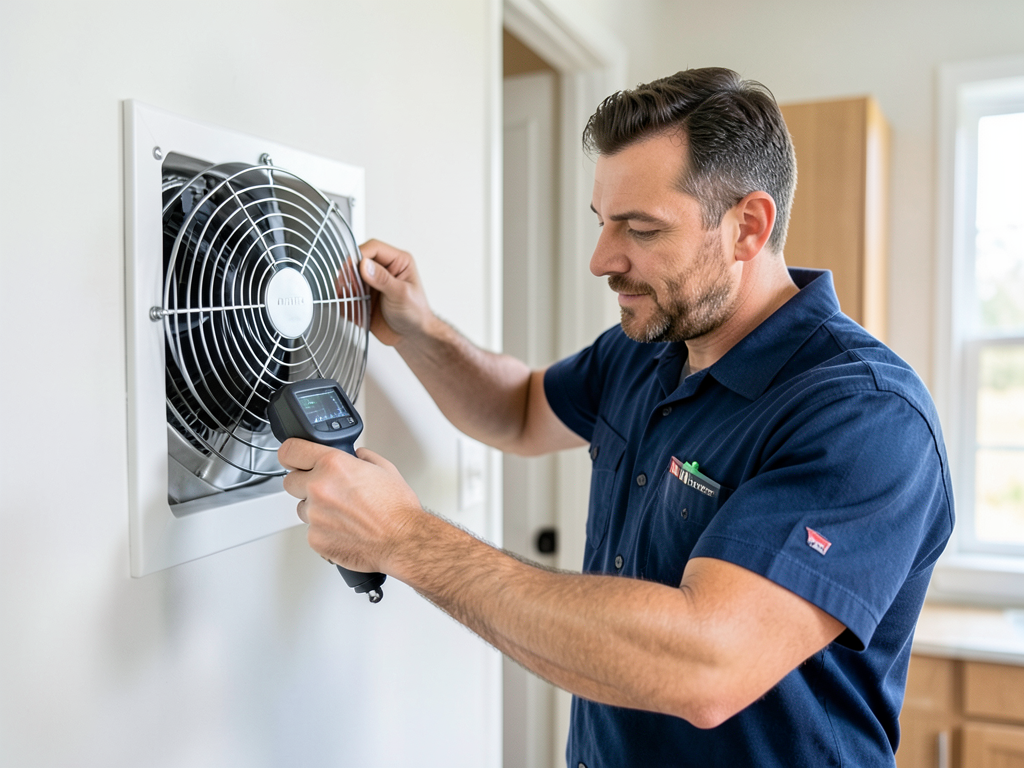
We do not guess. We measure. Every diagnosis starts with static pressure testing at the supply and return plenums. This tells us if the problem is restrictive ductwork, a failing blower, or a dirty coil. Most contractors skip this step and replace parts blindly. We use a manometer to get exact pressure readings and compare them to manufacturer specs for your specific air handler.

If static pressure is too high, the blower is working against resistance. We pull the blower assembly and inspect the evaporator coil for fouling. Milwaukee homes with pets or poor filtration often have coils that look like felt blankets. We clean coils with a foaming coil cleaner and a soft brush, then rinse with low-pressure water. This alone can restore 40 percent of lost airflow.

Next, we check the blower wheel. A wheel caked with dust changes the blade pitch and reduces CFM output. We remove the wheel, clean it, and verify the motor capacitor is within range. A weak capacitor cannot spin the blower to full speed, which creates weak airflow even if the motor itself is fine.

Ductwork inspection comes next. We walk the entire duct system and look for disconnected joints, crushed flex duct, or closed dampers. In older Milwaukee homes, we often find ducts that were never sealed at the joints. We seal every seam with mastic and foil tape, not duct tape, because duct tape fails in attic heat.

If ductwork is undersized, we calculate the required duct size using Manual D and recommend modifications. A 3-ton system needs roughly 1,200 CFM of airflow. If your ducts can only handle 800 CFM, no amount of cleaning will fix the problem. We resize critical runs or add additional return pathways to balance the system.

What Happens During an Airflow Restoration Service

Weak Airflow from Vents in Milwaukee – Fast Diagnosis and Permanent Fixes
01

Initial Pressure Testing

We measure static pressure at the supply and return plenums using a digital manometer. This gives us a baseline for system resistance and tells us whether the issue is on the supply side, return side, or blower side. We compare readings to the equipment manufacturer specs and identify any deviations that indicate blockages or undersized ductwork. This is the most important diagnostic step and takes less than ten minutes.
02

Blower and Coil Inspection

We pull the blower assembly and inspect the evaporator coil for dirt buildup. A fouled coil chokes airflow and causes ice formation. We clean the coil with a foaming agent and check the blower wheel for dust accumulation. We also test the blower motor capacitor with a multimeter. If the capacitor is weak, the blower will not reach full speed and airflow will stay low no matter what else we fix.
03

Ductwork Sealing and Balancing

We trace the entire duct system and seal every joint with mastic and foil tape. We check for crushed flex duct, disconnected branches, and closed dampers. If the ductwork is undersized, we recommend modifications or additional return pathways. Once all repairs are complete, we retest static pressure and verify airflow at each register using an anemometer. You will feel the difference immediately when the system is balanced correctly.

Why Milwaukee Homeowners Trust First Choice HVAC for Airflow Problems

Most HVAC companies in Milwaukee send techs with minimal training and a parts catalog. They replace the capacitor, charge you $300, and leave. Two weeks later, your airflow is weak again because they never addressed the underlying cause. We do not operate that way.

Our technicians are trained in airflow diagnostics using Manual D and ACCA standards. We carry manometers, anemometers, and digital psychrometers on every truck. We do not rely on guesswork or symptom chasing. We measure, diagnose, and fix the root problem in one visit.

Milwaukee's older housing stock requires a different approach than newer construction. Homes built before 1980 often have ductwork that was never designed for central air. Return ducts were added as an afterthought, and supply ducts were undersized to save on installation costs. We know how to work within these constraints and restore proper airflow without tearing apart your walls.

We also understand Milwaukee's seasonal extremes. A system that works fine in October may struggle in July when humidity is high and the blower is running constantly. We test systems under load and verify performance at peak conditions, not just idle conditions. This ensures you get consistent airflow year-round.

When we leave, you get a written report that includes before and after static pressure readings, airflow measurements at each register, and a list of every repair we made. You will know exactly what was wrong, what we fixed, and why your system is now performing correctly. No mystery charges. No vague explanations. Just clear documentation and restored comfort.

What You Can Expect When You Call First Choice HVAC

Same-Day Scheduling

We schedule most diagnostic appointments within 24 hours. If you call before noon, we can often get a technician to your home the same day. Weak airflow problems do not get better on their own. The longer you wait, the harder your system works and the more energy you waste. We keep our schedule flexible so we can respond quickly when you need help. Our dispatch team will give you a two-hour arrival window and text you when the technician is on the way.

Comprehensive Airflow Diagnostics

Our technician will spend 45 to 60 minutes testing your system. This includes static pressure testing, blower inspection, coil inspection, and ductwork evaluation. We do not charge extra for diagnostics if you approve the repair. You will get a clear explanation of what is causing the weak airflow and a written estimate for the fix. We explain everything in plain language and show you the problem areas so you can make an informed decision.

Permanent Airflow Restoration

Once you approve the repair, we fix the problem correctly. We carry common parts on every truck, including capacitors, contactors, and cleaning supplies. If we need to seal ductwork or resize a run, we schedule a return visit and complete the work within three business days. You will feel the difference immediately when airflow is restored. Rooms that were hot will cool down. Humidity will drop. Your system will run shorter cycles and use less energy.

Post-Repair Documentation and Maintenance

After the repair, we provide a detailed service report that includes before and after static pressure readings, airflow measurements, and photos of the work we completed. We also recommend a maintenance schedule to keep your system running efficiently. Most Milwaukee homes need two tune-ups per year, one before cooling season and one before heating season. We offer maintenance plans that include priority scheduling, discounted repairs, and annual airflow verification to catch problems before they turn into weak airflow again.

Frequently Asked Questions

You Have Questions,
We Have Answers

Why can I barely feel air coming out of my vents? +

Weak airflow usually means a clogged air filter, blocked return vents, or closed dampers in your ductwork. Start by checking your filter. If it looks gray or matted, replace it immediately. Next, walk through your home and ensure furniture or curtains are not blocking vents or returns. Milwaukee homes with older duct systems often have dampers that get accidentally closed during remodeling or cleaning. If the problem persists after these checks, you may have duct leaks, a failing blower motor, or undersized ductwork that requires a professional diagnostic.

What could cause weak airflow from AC vents? +

Common culprits include dirty filters, blocked registers, leaking ductwork, or a failing blower motor. In Milwaukee, humidity and seasonal pollen can clog filters faster than you expect, reducing airflow by 40 percent or more. Ductwork in older Milwaukee homes often develops leaks at seams or joints, especially in unconditioned attics and crawl spaces. Low refrigerant can also reduce system performance and mimic weak airflow. A frozen evaporator coil will block air entirely. If you have eliminated simple fixes like filters and blocked vents, call a technician to inspect your system.

How do I increase the airflow in my vents? +

Start with a clean filter and open all supply vents and return grilles. Remove furniture or drapes blocking airflow. Check your blower motor setting on the thermostat. It should be set to auto, not on. Inspect ductwork in your basement or attic for visible gaps or disconnected sections. Milwaukee homes built before 1980 often have undersized or poorly designed duct systems. If you have done these steps and airflow remains weak, you may need duct sealing, a blower motor replacement, or a duct redesign to balance the system properly.

What is the most common cause of poor air flow in a duct system? +

Clogged air filters are the most common cause. When a filter is dirty, your system works harder and moves less air. This problem escalates quickly in Milwaukee due to seasonal pollen and high summer humidity. The second most common issue is leaking ductwork. Studies show that typical duct systems lose 20 to 30 percent of conditioned air through leaks and poor connections. These leaks often occur at joints, seams, and where ducts connect to registers. Regular filter changes and periodic duct inspections prevent most airflow problems before they worsen.

How to increase flow on a vent? +

Open the damper if your vent has one. Remove any obstructions like furniture or rugs covering the register. Replace your air filter if it is dirty. Check that your blower fan is running at the correct speed. Many thermostats have a fan speed setting that homeowners accidentally change. If the vent is still weak, you may have a duct leak upstream or a blockage inside the duct itself. Milwaukee homes with flex duct in attics often have crushed or kinked sections that restrict airflow. A technician can inspect and repair these issues.

What is the $5000 rule for AC? +

The $5000 rule is a rough guideline for deciding between repair and replacement. Multiply the cost of the repair by the age of your system in years. If the result exceeds $5000, replacement is usually the smarter financial decision. For example, a $600 repair on a 10 year old unit equals $6000, suggesting replacement. This rule works best for systems over eight years old. Milwaukee winters and humid summers stress HVAC equipment, shortening lifespans. Always get a second opinion before making a major decision.

What is the 3 minute rule for AC? +

The 3 minute rule prevents short cycling and compressor damage. After your AC shuts off, wait at least three minutes before restarting it. This allows refrigerant pressures to equalize inside the system. Restarting too quickly forces the compressor to start against high pressure, which can damage internal components and shorten its lifespan. Most modern thermostats have built in delay timers to enforce this rule automatically. If your system is short cycling frequently, turning on and off every few minutes, you have a bigger problem that needs professional diagnosis.

Why is my AC set at 74 but reads 78? +

Your system is likely undersized for your home, has low refrigerant, dirty coils, or significant duct leaks. Milwaukee summer heat and humidity make cooling harder. If your home has poor insulation or air leaks around windows and doors, your AC cannot keep up. Check your air filter first. A clogged filter reduces cooling capacity by 15 percent or more. Inspect your outdoor unit for debris or blocked airflow. If the problem started suddenly, you may have a refrigerant leak or a failing component that requires immediate professional attention.

How to fix poor air flow in house? +

Replace your air filter first. Open all vents and return grilles. Remove obstructions like furniture or curtains. Inspect ductwork in your basement or attic for visible leaks or disconnections. Check that your blower motor is running at the correct speed. Milwaukee homes with finished basements often have return air problems due to closed doors and insufficient return pathways. Install transfer grilles or undercut doors to improve airflow. If these steps do not solve the problem, you likely need professional duct sealing, blower motor service, or system rebalancing.

What is the 2 foot rule for ducts? +

The 2 foot rule states that supply vents should be at least 2 feet away from return vents. Placing them too close causes short circuiting, where conditioned air flows directly back into the return without circulating through the room. This wastes energy and creates hot or cold spots. Milwaukee homes with open floor plans or finished basements sometimes violate this rule during remodeling. Proper placement ensures even air distribution and efficient system operation. If you suspect poor vent placement, a technician can measure airflow and recommend adjustments.

Why Milwaukee's Humid Summers Make Weak Airflow More Than Just a Comfort Issue

Milwaukee summers combine heat and humidity in a way that stresses HVAC systems harder than dry climates. When outdoor dew points hit 70 degrees and indoor humidity climbs above 60 percent, your AC has to work twice as hard to remove moisture from the air. Weak airflow from registers slows down this dehumidification process and leaves your home feeling sticky even when the thermostat says 72 degrees. A system that moves less than 400 CFM per ton cannot pull enough moisture from the air, which leads to mold growth in ductwork and musty odors in basements. This is especially common in older Milwaukee neighborhoods like Shorewood and Whitefish Bay, where homes have finished basements and limited ventilation.

Milwaukee homeowners need HVAC contractors who understand local building practices and climate challenges. Many homes in the city were built before central air became standard, which means ductwork was retrofitted into spaces that were never designed for it. We have worked in thousands of Milwaukee homes and know how to diagnose airflow problems in bungalows, two-story colonials, and split-level ranches. We are familiar with local code requirements for duct sealing and insulation, and we stay current with updates from the Wisconsin HVAC code. When you hire First Choice HVAC, you get a team that knows Milwaukee homes inside and out.

HVAC Services in The Milwaukee Area

We proudly serve residential and commercial clients throughout the Milwaukee area. Our central location allows us to provide rapid, reliable service to neighborhoods and communities all over the region. Whether you're in the heart of the city or in the surrounding suburbs, our expert technicians are just a call away. View our map below to see our service area and find our main office location.

Address:
First Choice HVAC Milwaukee, 5700 W Capitol Dr,, Milwaukee, WI, 53209

Additional Services We Offer

Our news updates

Latest Articles & News from The Blogs

How to End the Thermostat Wars in Your Hartland Home with Simple Air Balancing Uneven temperatures in your Hartland home…

How to End the Thermostat Wars in Your Hartland Home with Simple Air Balancing

How to End the Thermostat Wars in Your Hartland Home with Simple Air Balancing Uneven temperatures in your Hartland home…

Why Your Attic is Covered in Frost During a Cold Snap in North Hills

Why Your Attic is Covered in Frost During a Cold Snap in North Hills \n Walking into your attic during…

How Your Kitchen Exhaust Fan Might Be Messing with Your Home's Air Pressure in Oak Creek

How Your Kitchen Exhaust Fan Might Be Messing with Your Home's Air Pressure in Oak Creek\n\nWhen you fire up your…

Contact Us

Call First Choice HVAC at (414) 387-8977 and schedule a diagnostic appointment today. We will measure your airflow, find the problem, and fix it permanently. No guesswork. No repeat visits. Just restored comfort.