





Menu

High Energy Bills in Milwaukee – Get Expert HVAC Diagnostics That Pinpoint Hidden System Waste

Milwaukee homeowners dealing with expensive electricity bills deserve more than guesswork. We identify the exact inefficiencies in your heating and cooling system driving up costs, then fix them permanently.

Slider Image 1
Slider Image 2
Slider Image 3
Slider Image 4
Slider Image 5
Slider Image 7
Slider Image 8
Slider Image 9
Slider Image 10
Slider Image 11

Why Milwaukee Homes Experience Skyrocketing Energy Bills

Milwaukee's harsh temperature swings push HVAC systems harder than most regions in the country. When winter temperatures drop below zero and summer humidity climbs above 70 percent, your furnace and air conditioner work overtime. That stress exposes every hidden inefficiency in your system.

Most homeowners notice rising utility costs but cannot identify the source. The problem rarely announces itself. A furnace with a cracked heat exchanger wastes fuel by venting heated air outside. An air conditioner low on refrigerant runs constantly but never reaches the temperature you set. Ductwork hidden in your attic or crawlspace leaks conditioned air into spaces that do not need it.

Older homes near the Historic Third Ward or Bay View often have insufficient insulation in walls and attics. When your HVAC system fights against poor building envelopes, increased heating and cooling costs become the norm. Add in aging equipment past its expected service life, and you face a perfect storm of wasted energy.

Milwaukee's lake effect also creates moisture problems. Excess humidity forces air conditioners to work longer cycles, driving up electricity consumption. Furnaces cycling on and off too frequently waste natural gas or heating oil. These issues compound over months, turning manageable utility expenses into costly utility expenses that strain household budgets.

The solution starts with identifying what actually drains your system. You need someone who understands both HVAC engineering and how Milwaukee's climate punishes inefficient equipment.

Why Milwaukee Homes Experience Skyrocketing Energy Bills
How We Diagnose and Fix Energy-Wasting HVAC Problems

How We Diagnose and Fix Energy-Wasting HVAC Problems

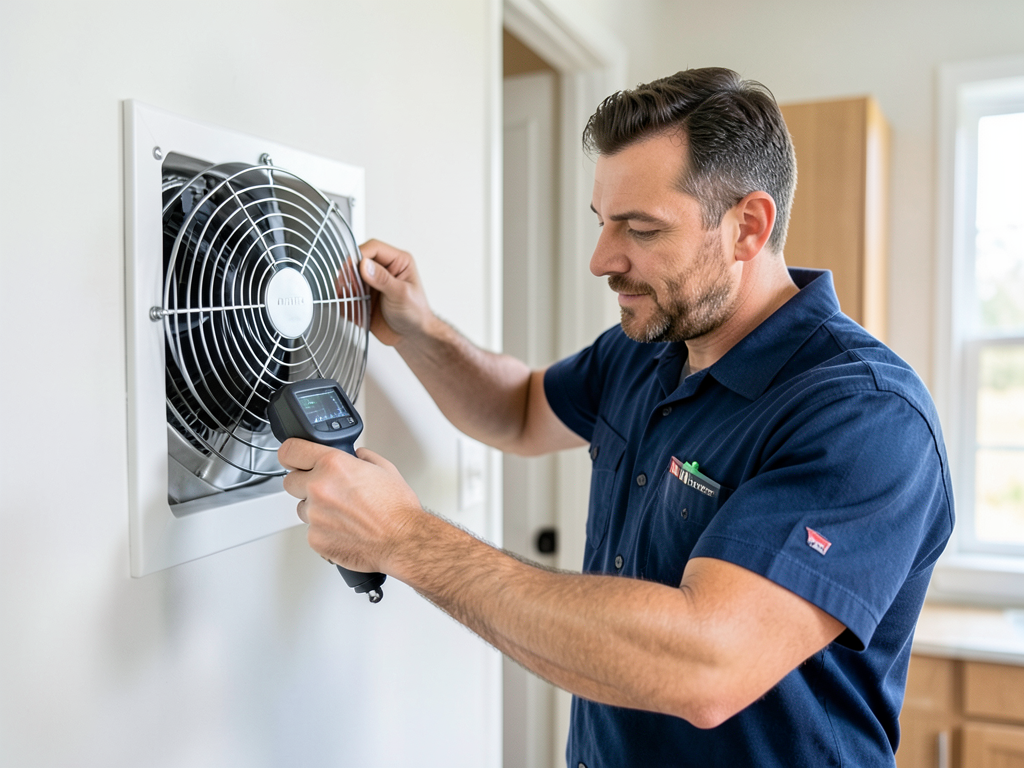
First Choice HVAC Milwaukee uses diagnostic tools that measure system performance in real time. We do not guess. We test static pressure in your ductwork to find restrictions that force your blower motor to work harder. We measure temperature differential across your evaporator coil to confirm refrigerant charge. We inspect heat exchangers with video cameras to find cracks invisible to the naked eye.

Most energy waste happens in places you cannot see. Ductwork installed in the 1970s often has tape that dried out and fell off years ago. Return air plenums in basements pull in cold air through gaps around the furnace cabinet. Blower motors running at incorrect speeds waste electricity while delivering poor comfort.

We check airflow at every register in your home. Low airflow indicates blocked ducts, dirty coils, or undersized return grilles. We test combustion efficiency on furnaces with a flue gas analyzer. A furnace running at 65 percent efficiency when it should run at 80 percent wastes 15 percent of every dollar you spend on gas.

After identifying the problems, we explain what each fix will accomplish. Sealing ductwork might cut energy waste by 20 to 30 percent. Replacing a failing capacitor on your compressor stops short cycling that triples electricity consumption. Cleaning evaporator coils restores heat transfer that makes your air conditioner run shorter cycles.

We prioritize repairs by impact. You learn which fixes deliver immediate savings and which improvements offer long-term value. That transparency helps you make decisions based on facts, not fear.

What Happens During Your Energy Bill Evaluation

High Energy Bills in Milwaukee – Get Expert HVAC Diagnostics That Pinpoint Hidden System Waste
01

Comprehensive System Testing

We arrive with diagnostic equipment and test your entire HVAC system under operating conditions. This includes measuring amperage draw on motors, refrigerant pressures, combustion efficiency, and static pressure in supply and return ducts. We document baseline performance so you see exactly where your system wastes energy before we make any recommendations.
02

Ductwork and Airflow Analysis

We inspect accessible ductwork for leaks, restrictions, and insulation problems. Using an anemometer, we measure airflow at each register to identify imbalances or blockages. Many homes in Milwaukee have ductwork running through unconditioned attics or crawlspaces where poor insulation bleeds expensive conditioned air into spaces that do not matter.
03

Prioritized Repair Plan

We present findings in plain language with estimated energy savings for each repair. You receive a written report showing which problems cause the most waste and what fixes deliver the fastest return. We never pressure you into unnecessary work. You decide what makes sense for your home and budget based on transparent data.

Why Milwaukee Homeowners Trust First Choice HVAC Milwaukee

Milwaukee's housing stock includes everything from century-old bungalows in Riverwest to modern builds in Wauwatosa. Each home presents unique challenges. Older homes often have radiator heating converted to forced air with ductwork squeezed into spaces never designed for it. Newer homes sometimes have undersized equipment installed by builders cutting costs.

We work in this city every day. We know which HVAC brands perform well in Milwaukee's freeze-thaw cycles and which models fail prematurely. We understand local building code requirements and how home construction styles affect HVAC performance. That familiarity means faster diagnosis and better solutions.

When you call about expensive electricity bills, we do not push new equipment unless your system truly needs replacement. Most energy problems come from fixable issues like dirty coils, leaking ducts, or incorrect thermostat settings. We fix what needs fixing and leave the rest alone.

Our technicians receive ongoing training on energy efficiency and building science. They understand how air sealing, insulation, and mechanical systems work together. That knowledge helps us identify problems other companies miss. A furnace that short cycles might have a duct system too small for the equipment, causing pressure imbalances that waste energy and shorten equipment life.

We also respect your time. Appointments happen when we say they will. We show up prepared with parts on the truck so repairs happen the same day. You get straightforward answers to questions, not sales pitches. That approach has built trust with homeowners from Shorewood to South Milwaukee who were tired of getting runaround answers about rising utility costs.

What to Expect When You Schedule an Energy Evaluation

Fast Scheduling and Prompt Service

We schedule energy evaluations within days, not weeks. Most appointments take two to three hours depending on your home size and system complexity. We arrive on time with all diagnostic equipment ready. You receive same-day results and a written report before we leave. If we find urgent safety issues like cracked heat exchangers or gas leaks, we address them immediately to protect your family.

Thorough System Assessment

Our evaluation covers every component that affects energy consumption. We test your thermostat for accuracy, inspect air filters and media cabinets, check refrigerant charge and pressures, measure combustion efficiency, and examine electrical connections for resistance that wastes power. We also walk your home to identify comfort problems that indicate HVAC inefficiency. Hot or cold rooms, excessive dust, and inconsistent temperatures all signal wasted energy.

Clear Explanations and Documentation

You receive a detailed report showing test results, photos of problem areas, and recommended repairs ranked by priority. We explain how each issue affects your energy consumption and what fixing it will accomplish. No technical jargon unless you want it. You walk away understanding exactly why your bills increased and what it takes to fix the problem permanently.

Follow-Up and Performance Verification

After completing repairs, we retest your system to verify improvements. You see before and after numbers proving the work delivered results. We also provide guidance on thermostat settings, filter maintenance, and seasonal adjustments that maximize efficiency year-round. If you choose a maintenance plan, we return twice yearly to keep your system running at peak performance and catch small problems before they become expensive failures.

Frequently Asked Questions

You Have Questions,
We Have Answers

Why is my power bill so high all of a sudden? +

A sudden spike in your power bill usually points to one of three culprits: an aging HVAC system working overtime, air leaks letting conditioned air escape, or a malfunctioning appliance. In Milwaukee, extreme seasonal swings force your furnace and AC to cycle more frequently. Check for unusual runtime patterns on your heating system. Dirty air filters restrict airflow and make your equipment work harder. Inspect your thermostat for erratic settings or programming errors. If your bill jumped 30% or more without increased usage, schedule an HVAC efficiency check to identify equipment issues before they escalate into costly repairs.

Why is your energy bill suddenly so much more expensive? +

Energy bills climb when three factors align: rising utility rates, increased consumption, and equipment inefficiency. We Energies adjusts rates seasonally, and Milwaukee winters demand significant heating fuel. If your consumption stayed steady but costs jumped, check your rate per kilowatt-hour on recent statements. Your HVAC system accounts for nearly half of home energy use. An aging furnace loses efficiency each year, burning more gas to produce the same heat. Ductwork leaks waste 20-30% of heated air before it reaches your rooms. A professional energy audit pinpoints where your money disappears and prioritizes fixes by return on investment.

What runs your electric bill up the most? +

Your HVAC system dominates energy consumption, accounting for 40-50% of monthly bills in Milwaukee homes. Heating and cooling costs spike during temperature extremes. Water heaters rank second, followed by major appliances like refrigerators and dryers. Older furnaces and air conditioners consume significantly more energy than modern equipment. Poor insulation in attics and basements forces your system to run longer cycles. Air leaks around windows, doors, and rim joists let expensive conditioned air escape. Programmable thermostats reduce runtime when you are away. Address your HVAC efficiency first, then tackle insulation and air sealing for maximum bill reduction.

How do I know if my energy bill is too high? +

Compare your energy usage per square foot against Milwaukee averages. Check your utility statement for kilowatt-hours used, then divide by your home's square footage. Most Milwaukee homes use 8-12 kWh per square foot annually. Bills exceeding this range signal inefficiency. Your HVAC system should cycle 2-3 times per hour in moderate weather. Constant cycling indicates undersized equipment or thermostat problems. Review year-over-year statements for the same month to spot consumption trends. A 20% increase without lifestyle changes warrants investigation. Request a home energy audit to benchmark your efficiency and identify cost-effective improvements specific to your home's age and construction.

Why is my electric bill over $400? +

A $400 electric bill suggests either extreme weather driving HVAC runtime, inefficient equipment, or a combination of both. Milwaukee winters force furnaces to run nearly nonstop during polar vortex events. Check your thermostat history for runtime hours. Furnaces older than 15 years lose efficiency and consume more energy. Electric resistance heating costs three times more than natural gas. Inspect your attic insulation, it should measure R-49 to R-60 in Milwaukee. Basement rim joists often lack insulation entirely, creating massive heat loss. Air seal before adding insulation. Replace aging HVAC equipment with high-efficiency models to cut bills by 30-40%.

How can I find out what is using so much electricity? +

Start with a simple power audit. Turn off all breakers except one, then monitor your meter. Turn breakers on individually and watch for usage spikes. Your HVAC system will show the largest draw. Check your furnace filter, a clogged filter forces the blower to work harder. Inspect your water heater temperature setting, 120 degrees is sufficient. Look for phantom loads from electronics and chargers. Milwaukee winters expose air leaks that waste heated air. Thermal imaging cameras reveal insulation gaps and air infiltration points. Schedule a professional energy audit for detailed consumption data by system. Many utilities offer subsidized audits that identify specific problems and quantify potential savings.

Why am I using so much electricity all of a sudden? +

Sudden electricity spikes trace to equipment failure, behavior changes, or seasonal factors. Milwaukee's temperature swings force HVAC systems to work harder. A failing furnace blower motor draws excess current while delivering less airflow. Refrigerators nearing end-of-life run continuously to maintain temperature. Check for ice buildup in freezers, this signals seal failure. Space heaters consume massive amounts of electricity. Verify your thermostat settings, some models revert to default after power outages. Inspect your ductwork for disconnected sections or pest damage. Address new usage patterns like additional occupants, remote work setups, or seasonal equipment like dehumidifiers before investigating equipment failure.

What contributes most to my electric bill? +

Your heating and cooling system drives 40-50% of your energy costs in Milwaukee. Furnaces and air conditioners consume the most power due to motor operation and blower runtime. Water heaters account for 15-20% of bills, running constantly to maintain temperature. Refrigerators, clothes dryers, and electric ovens follow. Older appliances lack efficiency standards that newer models meet. Your home's thermal envelope matters equally. Poor insulation and air leaks force your HVAC to run longer cycles. Ductwork leaks waste 20-30% of conditioned air. Focus improvements on HVAC efficiency, insulation upgrades, and air sealing for the biggest bill reductions.

What is causing high energy prices? +

High energy prices stem from utility rate increases, fuel costs, and infrastructure investments. We Energies adjusts rates based on natural gas prices and grid maintenance costs. Milwaukee's aging electrical infrastructure requires constant upgrades. Federal and state regulations mandate renewable energy investments that utilities pass to consumers. Peak demand during temperature extremes drives wholesale electricity costs higher. Your home's energy consumption multiplies these rate increases. Improve your building envelope and HVAC efficiency to insulate yourself from rate volatility. Every kilowatt-hour you avoid consuming saves money regardless of utility pricing. Focus on what you control: equipment efficiency, insulation quality, and thermostat management.

What is the biggest energy waster in your home? +

Your HVAC system wastes the most energy when poorly maintained or inefficient. Dirty air filters restrict airflow and increase runtime by 15-20%. Leaky ductwork loses 20-30% of heated or cooled air before it reaches living spaces. Attic insulation below R-49 allows massive heat transfer. Air leaks around rim joists, windows, and doors waste conditioned air. Milwaukee's freeze-thaw cycles crack foundation walls, creating infiltration points. Programmable thermostats reduce waste when you are away. Furnaces older than 15 years consume 30-40% more energy than modern units. Address air sealing and insulation before replacing equipment to maximize efficiency gains and reduce bills immediately.

How Milwaukee's Lake Effect Climate Drives Up HVAC Energy Costs

Milwaukee sits along Lake Michigan, creating unique humidity and temperature challenges. Summer lake breezes keep outdoor temperatures moderate but drive indoor humidity above 60 percent. That forces air conditioners to run longer dehumidification cycles, increasing electricity consumption even when outdoor temperatures stay comfortable. Winter lake effect intensifies cold snaps, causing furnaces to cycle more frequently and waste fuel. Homes in Whitefish Bay, Shorewood, and areas near the lakefront experience these effects more severely than properties further west.

First Choice HVAC Milwaukee understands how local climate affects equipment performance. We size dehumidification capacity correctly for lakefront humidity. We recommend equipment designed for frequent cycling in cold climates. We also know which neighborhoods have older housing stock with poor insulation and which areas have newer builds with better building envelopes. That local knowledge helps us diagnose energy problems faster and recommend solutions that actually work in Milwaukee conditions.

HVAC Services in The Milwaukee Area

We proudly serve residential and commercial clients throughout the Milwaukee area. Our central location allows us to provide rapid, reliable service to neighborhoods and communities all over the region. Whether you're in the heart of the city or in the surrounding suburbs, our expert technicians are just a call away. View our map below to see our service area and find our main office location.

Address:
First Choice HVAC Milwaukee, 5700 W Capitol Dr,, Milwaukee, WI, 53209

Additional Services We Offer

Our news updates

Latest Articles & News from The Blogs

How to End the Thermostat Wars in Your Hartland Home with Simple Air Balancing Uneven temperatures in your Hartland home…

How to End the Thermostat Wars in Your Hartland Home with Simple Air Balancing

How to End the Thermostat Wars in Your Hartland Home with Simple Air Balancing Uneven temperatures in your Hartland home…

Why Your Attic is Covered in Frost During a Cold Snap in North Hills

Why Your Attic is Covered in Frost During a Cold Snap in North Hills \n Walking into your attic during…

How Your Kitchen Exhaust Fan Might Be Messing with Your Home's Air Pressure in Oak Creek

How Your Kitchen Exhaust Fan Might Be Messing with Your Home's Air Pressure in Oak Creek\n\nWhen you fire up your…

Contact Us

Call First Choice HVAC Milwaukee at (414) 387-8977 today. We will schedule a comprehensive energy evaluation, identify exactly what wastes your money, and fix it right. You deserve answers, not excuses.