





Menu

AC Blowing Warm Air in Milwaukee – Expert Diagnosis Within 2 Hours

When your central air conditioning starts blowing warm air instead of cold, you need fast answers. Our Milwaukee technicians pinpoint refrigerant leaks, compressor failures, and airflow restrictions quickly so you're not sweating through another humid Wisconsin night.

Slider Image 1
Slider Image 2
Slider Image 3
Slider Image 4
Slider Image 5
Slider Image 7
Slider Image 8
Slider Image 9
Slider Image 10
Slider Image 11

Why Your AC Vents Are Blowing Hot Air in Milwaukee Homes

You walk over to the register expecting cold air, but warm air pours out instead. Your AC is running, the thermostat is set correctly, but nothing is cooling. This is one of the most frustrating problems Milwaukee homeowners face during summer months when heat and humidity spike.

Milwaukee's climate creates unique stress on air conditioning systems. Summer temperatures regularly hit the upper 80s with high humidity levels that make your AC work harder and longer. When your air conditioner is blowing hot air or your central air is blowing warm air, the problem is rarely simple. It's not just a dirty filter or a thermostat setting.

Most warm air issues stem from refrigerant loss, failed compressor components, or blocked condenser coils. Refrigerant leaks are common in older systems where copper line sets corrode from years of freeze-thaw cycles. When refrigerant levels drop, your system runs but cannot absorb heat from your indoor air. The blower pushes air through the ductwork, but that air never gets cooled.

Compressor failure is another culprit. The compressor is the heart of your cooling system. When it fails partially, your AC runs but doesn't cool. You hear the outdoor unit humming, but the air conditioning is not blowing cold air. Electrical faults, capacitor failures, or internal valve damage can cause this.

Blocked condenser coils also prevent heat transfer. Milwaukee's cottonwood trees produce heavy pollen and seed fluff in late spring. This debris clogs outdoor coil fins and reduces airflow. When airflow drops, the system cannot release heat properly. Your AC vents blow hot air because the refrigerant cycle cannot complete.

Understanding the root cause matters because a misdiagnosis wastes time and money. You need a technician who knows how to test refrigerant pressures, measure electrical draw, and inspect heat exchangers properly.

Why Your AC Vents Are Blowing Hot Air in Milwaukee Homes
How We Fix AC Running But Not Cooling Issues

How We Fix AC Running But Not Cooling Issues

We approach warm air problems systematically. Our technicians do not guess. They test.

First, we measure supply and return air temperatures using calibrated digital thermometers. A properly functioning system should show a temperature split between 15 and 22 degrees. If your return air is 75 degrees and your supply air is 70 degrees, we know the evaporator coil is not absorbing heat.

Next, we check refrigerant pressures using manifold gauges. We measure both suction and discharge pressures and compare them to manufacturer specifications for the current outdoor temperature. Low suction pressure indicates a refrigerant leak or restriction. High discharge pressure points to a blocked condenser or overcharge.

We inspect the compressor amp draw with a clamp meter. A compressor pulling low amperage while running indicates internal valve failure. High amperage suggests electrical issues or mechanical binding. This tells us whether the compressor needs replacement or if the problem lies elsewhere.

Airflow testing comes next. We measure static pressure in the duct system and check for proper CFM delivery at the blower. Undersized ductwork, closed dampers, or failing blower motors reduce airflow below the threshold needed for proper heat exchange. We also inspect the evaporator coil for ice buildup, which blocks airflow and prevents cooling.

We use leak detection equipment for refrigerant loss. Electronic leak detectors, UV dye, and nitrogen pressure tests help us find pinhole leaks in copper line sets, brazed joints, or coil connections. Once we locate the leak, we repair it properly using silver solder and nitrogen purge methods.

For compressor failures, we test capacitors, contactors, and start components before condemning the compressor. Many compressor issues are actually electrical problems that cost far less to fix.

Our approach eliminates guesswork and prevents unnecessary part replacements. You get the right fix the first time.

What Happens During Your Warm Air Repair Call

AC Blowing Warm Air in Milwaukee – Expert Diagnosis Within 2 Hours
01

Immediate System Diagnosis

Our technician arrives with test equipment and begins by verifying the symptom. We measure actual air temperatures at multiple registers and compare them to what your thermostat reports. We check thermostat wiring, power supply, and control board function. Then we move outside to inspect the condensing unit while the system runs. This gives us baseline data to isolate whether the problem is refrigerant-related, airflow-related, or electrical.
02

Pressure and Electrical Testing

We connect manifold gauges to the service ports and record refrigerant pressures. We measure compressor amperage, voltage, and capacitor function. We inspect the evaporator coil for ice or blockage and check the condenser coil for debris or fin damage. If we suspect a refrigerant leak, we perform electronic leak detection or add UV dye for pinpoint accuracy. This phase identifies the exact failure point so we can recommend the correct repair.
03

Repair and Verification

Once we identify the problem, we explain your options clearly. If you approve the repair, we complete the work using quality parts and proper techniques. For refrigerant leaks, we repair the leak, evacuate the system, and recharge to manufacturer specifications. For compressor or electrical failures, we replace failed components and test the system under load. Before we leave, we verify proper temperature split, airflow, and refrigerant pressures to confirm your AC is blowing cold air again.

Why Milwaukee Homeowners Trust First Choice HVAC Milwaukee

Milwaukee's housing stock ranges from century-old Victorian homes in the Historic Third Ward to mid-century ranch homes in Wauwatosa and newer construction in Brookfield. Each building type presents different HVAC challenges. Older homes often have undersized ductwork or inadequate insulation. Newer homes may have complex zoning systems or high-efficiency equipment that requires specialized diagnostic tools.

We know these systems because we work on them daily. Our technicians understand how Milwaukee's building codes have evolved and how local contractors installed ductwork over the decades. We recognize the common shortcuts and we know where problems typically develop.

Local climate knowledge matters. Milwaukee summers are humid. This means your air conditioner must remove moisture as well as heat. When your AC is running but not cooling, we check dehumidification performance, not just temperatures. We verify that your evaporator coil is removing moisture properly and that condensate drainage is functioning. High indoor humidity makes warm air feel even worse, and many homeowners don't realize their AC problem is partially a humidity problem.

We also understand Milwaukee's freeze-thaw cycles and how they stress refrigerant line sets over time. Copper tubing expands and contracts with temperature changes. Over years, this can cause brazed joints to crack or tubing to develop pinhole leaks. We inspect these areas carefully because we know where failures occur.

You get straightforward answers when you call us. We don't upsell unnecessary replacements. If your compressor is failing and your system is 15 years old, we'll discuss whether repair or replacement makes financial sense. We provide options, not pressure.

Our response time is fast. We keep trucks stocked with common repair parts so we can complete most repairs on the first visit. When your air conditioning is not blowing cold air during a heat wave, waiting days for parts is not acceptable.

We also provide clear documentation. You receive a detailed invoice showing what we tested, what we found, and what we repaired. This transparency builds trust and gives you records for future reference.

What to Expect When You Call for AC Repair

Fast Response Times

We schedule most repair calls within 24 hours. During peak summer months, we prioritize calls where the AC is completely non-functional or blowing warm air. Our dispatch team provides arrival windows and communicates any delays. You won't wait days wondering when help will arrive. Our technicians call before arriving so you can prepare questions or provide access instructions. For urgent situations where indoor temperatures are dangerous, we offer same-day service when possible.

Thorough Diagnostic Process

Our technicians spend time understanding your system before making recommendations. We ask when the problem started, what you've noticed, and whether any recent changes occurred. We inspect both the indoor and outdoor units completely. We test electrical components, measure refrigerant levels, and check airflow. This comprehensive approach prevents misdiagnosis. You'll receive an explanation of what we found, why it's causing warm air, and what repair options exist. We answer questions in plain language without talking down to you.

Quality Repairs That Last

We use manufacturer-approved parts and follow proper installation procedures. For refrigerant leaks, we don't just add more refrigerant and leave. We find the leak, repair it correctly, evacuate moisture from the system, and recharge to exact specifications. For electrical repairs, we use quality contactors, capacitors, and wire connections that won't fail prematurely. We don't cut corners to save time. Before we leave, we verify the system is operating within manufacturer specifications. You get cold air, proper humidity control, and a system that runs efficiently.

Post-Repair Support

After your repair, we remain available for questions. If you notice any issues with the repair work, we return to address them. We also provide maintenance recommendations to prevent future problems. Many warm air issues develop because of deferred maintenance. We'll explain what maintenance tasks matter for your specific system and what timeline makes sense. If you want to enroll in a maintenance plan, we offer options that include priority scheduling and discounted repairs. Our goal is to keep your system running reliably for years.

Frequently Asked Questions

You Have Questions,
We Have Answers

Why is my AC just blowing warm air? +

Your AC blows warm air when the cooling process breaks down. The most common culprits are a dirty air filter restricting airflow, low refrigerant from a leak, or a failed compressor. In Milwaukee's humid summers, a frozen evaporator coil can also trigger this problem when moisture buildup freezes over the coil. Check your filter first. If it looks clean, the issue likely requires a technician. Refrigerant leaks and compressor failures need professional diagnosis and repair. Do not ignore this problem. Warm air means your system works harder, driving up your electric bill while failing to cool your home.

Why is my AC running but not cooling? +

When your AC runs but does not cool, you have power to the unit but the refrigeration cycle fails. This points to low refrigerant, a broken compressor, or a malfunctioning reversing valve stuck in heat mode. Milwaukee's temperature swings can stress older systems. Electrical issues like a bad capacitor can prevent the compressor from starting even though the fan runs. A clogged condenser coil covered in cottonwood seeds or dirt also blocks heat release. Listen for unusual sounds. A silent outdoor unit with a running indoor fan suggests compressor failure. You need professional diagnostics to pinpoint the exact failure point.

How to reset AC not blowing cold air? +

Start with your thermostat. Set it to cool, lower the temperature five degrees, and confirm the fan setting reads auto. Next, locate your circuit breaker panel and flip the AC breaker off, wait 60 seconds, then flip it back on. This hard reset clears minor electronic glitches. If you have a disconnect box near your outdoor unit, pull it out for 60 seconds. Change your air filter if it looks dirty. Wait 30 minutes for the system to stabilize. If warm air persists, you likely face a refrigerant leak or failed component that requires a technician.

What is the 3 minute rule for AC? +

The three-minute rule protects your compressor from short cycling damage. After your AC shuts off, wait at least three minutes before restarting it. This delay allows refrigerant pressure to equalize throughout the system. Restarting too quickly forces the compressor to start against high pressure, which strains the motor and can burn it out. Modern thermostats enforce this delay automatically. If you manually cycle power at the breaker, respect the three-minute window. Milwaukee's hot, humid days tempt homeowners to constantly adjust settings. Patience prevents expensive compressor repairs. Let the system rest between cycles.

Should I turn off the AC if it blows hot air? +

Yes, turn it off immediately. Running an AC that blows hot air wastes electricity and can worsen the underlying problem. If you have a refrigerant leak, the compressor runs without lubrication, causing permanent damage. A failing compressor generates excessive heat that can burn out electrical components. Check your air filter and thermostat settings first. If those look correct, shut the system down and call a technician. Milwaukee summers get brutal, but running a broken AC for hours costs you more in repairs than the discomfort of waiting. Protect your investment by stopping the damage early.

What are signs of a failing AC compressor? +

A failing compressor makes distinct grinding, clicking, or rattling noises from your outdoor unit. You may notice the breaker trips repeatedly when the AC tries to start. Hard starting, where lights flicker or dim during startup, signals compressor struggle. Warm air from your vents despite the system running points to compressor failure. You might see the outdoor fan spinning but hear silence from the compressor itself. Higher electric bills with less cooling indicate inefficiency. In Milwaukee's humid climate, a failing compressor often leaks refrigerant, creating ice buildup on refrigerant lines. Any of these signs requires immediate professional evaluation.

Should you turn off AC if it's not cooling? +

Yes, turn it off if it does not cool. Continuing to run a malfunctioning AC wastes energy and risks further damage. A system low on refrigerant forces the compressor to work without proper lubrication, shortening its lifespan. Frozen evaporator coils need time to thaw before a technician can diagnose the root cause. Milwaukee's high humidity makes frozen coils common when airflow drops. Shut the system down, switch your thermostat to fan only to help thaw ice, and schedule service. Running a broken AC all day hoping it fixes itself just compounds the problem and increases your repair bill.

What is the $5000 rule for AC? +

The five thousand dollar rule helps you decide between repair and replacement. Add the estimated repair cost to your system's age in years. If the total exceeds five thousand, replace the unit instead of repairing it. For example, a fifteen-year-old AC needing a two thousand dollar compressor replacement totals seven thousand, suggesting replacement makes better financial sense. This rule accounts for the likelihood of additional failures in aging equipment. Milwaukee's freeze-thaw cycles and humid summers stress HVAC systems. An old unit with a major failure will likely need more expensive repairs soon. Consider efficiency gains from new equipment when making your decision.

How to tell if AC is low on refrigerant? +

Ice buildup on your refrigerant lines or evaporator coil signals low refrigerant. You will notice weak airflow from vents and longer run times without reaching your set temperature. Hissing or bubbling sounds near the indoor or outdoor unit indicate an active refrigerant leak. Your AC may short cycle, turning on and off rapidly without completing a full cooling cycle. Milwaukee homes often show higher humidity indoors when refrigerant runs low because the system cannot remove moisture effectively. Check for oily residue near refrigerant connections. Only certified technicians can legally test refrigerant levels and repair leaks. Low refrigerant always means a leak exists.

Can I fix warm AC myself? +

You can handle basic fixes only. Replace a dirty air filter, clear debris from around your outdoor unit, and check thermostat settings. Clean visible dirt from your condenser coils with a garden hose, spraying from inside out. Beyond these steps, AC repair requires specialized tools and EPA certification. Refrigerant work is illegal without proper licensing. Electrical diagnostics risk shock or fire. Milwaukee's building codes require licensed contractors for HVAC work to protect homeowners. Misdiagnosing the problem wastes money on wrong parts. A bad capacitor looks like a compressor failure to untrained eyes. Save yourself time and risk by calling a professional for anything beyond filter changes.

How Milwaukee's Summer Humidity Accelerates AC Failures

Milwaukee's location on Lake Michigan creates high humidity levels that stress air conditioning systems beyond what dry climates experience. When outdoor dew points reach 70 degrees or higher, your AC must remove gallons of water per day from indoor air. This constant moisture removal causes evaporator coils to develop corrosion over time. Aluminum fins corrode and copper tubing develops pinhole leaks. These leaks cause refrigerant loss, which leads to your central air blowing warm air. The problem compounds because humid air feels warmer than dry air at the same temperature. A home at 78 degrees with 65 percent humidity feels as uncomfortable as 82 degrees with low humidity. This means Milwaukee homeowners notice AC problems faster than residents in dry climates.

Milwaukee building codes and local HVAC practices have evolved significantly over the past three decades. Older homes often have AC systems that were added to existing furnace ductwork not designed for cooling. This creates airflow restrictions that reduce cooling capacity. Newer subdivisions in places like Franklin or Oak Creek have properly sized duct systems, but they face different challenges with complex zoning or high-efficiency equipment that requires specialized knowledge. First Choice HVAC Milwaukee understands these local installation patterns. We know which neighborhoods have which system types and what problems typically develop. This local expertise means faster diagnosis and more accurate repairs for your air conditioner blowing hot air.

HVAC Services in The Milwaukee Area

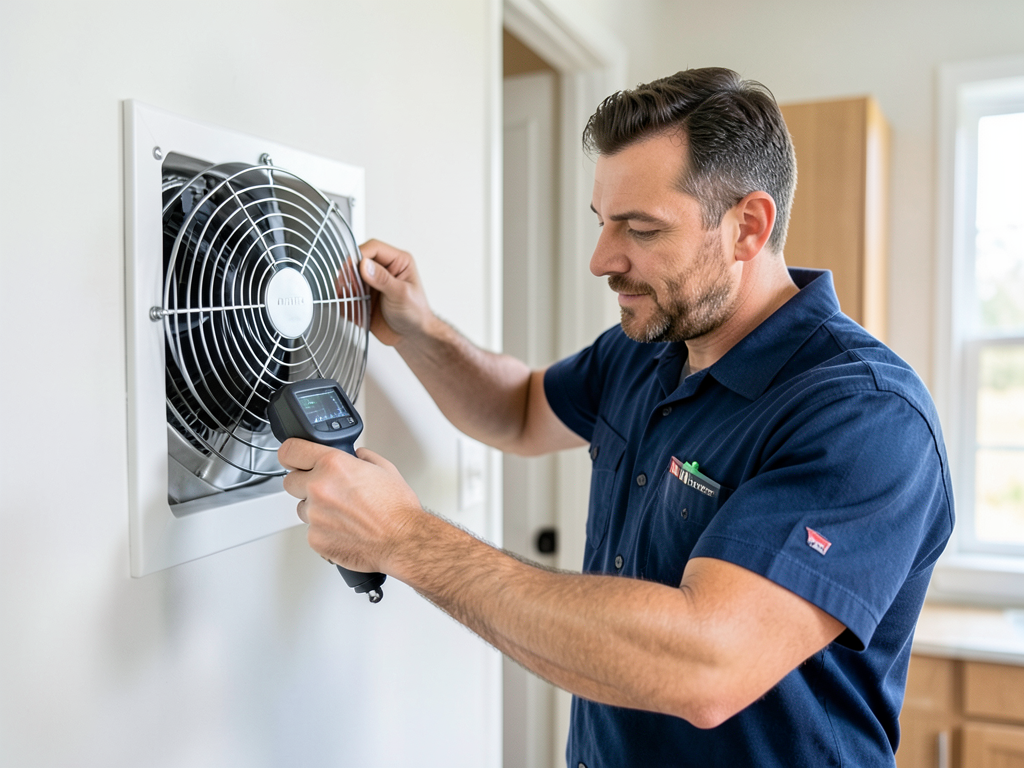
We proudly serve residential and commercial clients throughout the Milwaukee area. Our central location allows us to provide rapid, reliable service to neighborhoods and communities all over the region. Whether you're in the heart of the city or in the surrounding suburbs, our expert technicians are just a call away. View our map below to see our service area and find our main office location.

Address:
First Choice HVAC Milwaukee, 5700 W Capitol Dr,, Milwaukee, WI, 53209

Additional Services We Offer

Our news updates

Latest Articles & News from The Blogs

How to End the Thermostat Wars in Your Hartland Home with Simple Air Balancing Uneven temperatures in your Hartland home…

How to End the Thermostat Wars in Your Hartland Home with Simple Air Balancing

How to End the Thermostat Wars in Your Hartland Home with Simple Air Balancing Uneven temperatures in your Hartland home…

Why Your Attic is Covered in Frost During a Cold Snap in North Hills

Why Your Attic is Covered in Frost During a Cold Snap in North Hills \n Walking into your attic during…

How Your Kitchen Exhaust Fan Might Be Messing with Your Home's Air Pressure in Oak Creek

How Your Kitchen Exhaust Fan Might Be Messing with Your Home's Air Pressure in Oak Creek\n\nWhen you fire up your…

Contact Us

Your AC should blow cold air, not warm air. Call First Choice HVAC Milwaukee now at (414) 387-8977 for fast diagnosis and expert repair. We'll identify why your air conditioning is not blowing cold air and fix it right the first time.