




Menu

HVAC Maintenance & Tune-Ups in Milwaukee – Prevent Costly Breakdowns Before Winter Hits

Our seasonal HVAC check ups catch small issues before they turn into emergency furnace failures in January or AC breakdowns during July heat waves, saving Milwaukee homeowners hundreds in repair bills.

Slider Image 1
Slider Image 2
Slider Image 3
Slider Image 4
Slider Image 5
Slider Image 7
Slider Image 8
Slider Image 9
Slider Image 10
Slider Image 11

Why Milwaukee's Four-Season Climate Demands Regular HVAC System Inspections

Milwaukee hits you with everything. January lows drop to single digits. July highs climb past 85 degrees with humidity levels that make your AC work overtime. That swing from heating to cooling puts massive stress on your system.

Most Milwaukee homeowners ignore their HVAC until it stops working. You flip the thermostat in October and nothing happens. Or you wake up sweating in June because your AC died overnight. These failures happen because small problems compound over time.

A dirty flame sensor can shut down your furnace mid-winter. A refrigerant leak drops cooling capacity by 30 percent before you notice. Loose electrical connections create voltage drops that damage compressors. HVAC preventative maintenance catches these issues early.

Milwaukee's temperature swings also create condensation issues. When warm air meets cold ductwork, you get moisture buildup. That moisture corrodes metal components and promotes mold growth in ductwork. Regular heating and cooling tune ups include condensate drain cleaning and airflow testing to prevent these problems.

Your system works harder here than in milder climates. The average Milwaukee furnace runs 2,000 hours per heating season. Your AC runs 800 to 1,200 hours each summer fighting humidity. That workload means parts wear faster. Blower motors develop bearing wear. Heat exchangers crack from thermal expansion. Capacitors lose charge capacity.

A seasonal HVAC check up before each major season change gives you reliability when you need it most. You avoid emergency service calls during the coldest and hottest days when demand peaks and wait times stretch to 48 hours.

Why Milwaukee's Four-Season Climate Demands Regular HVAC System Inspections
What Comprehensive AC and Furnace Maintenance Actually Includes

What Comprehensive AC and Furnace Maintenance Actually Includes

Most companies show up, change your filter, and leave. That is not maintenance. Real HVAC system inspection requires testing, measurement, and adjustment across both your heating and cooling systems.

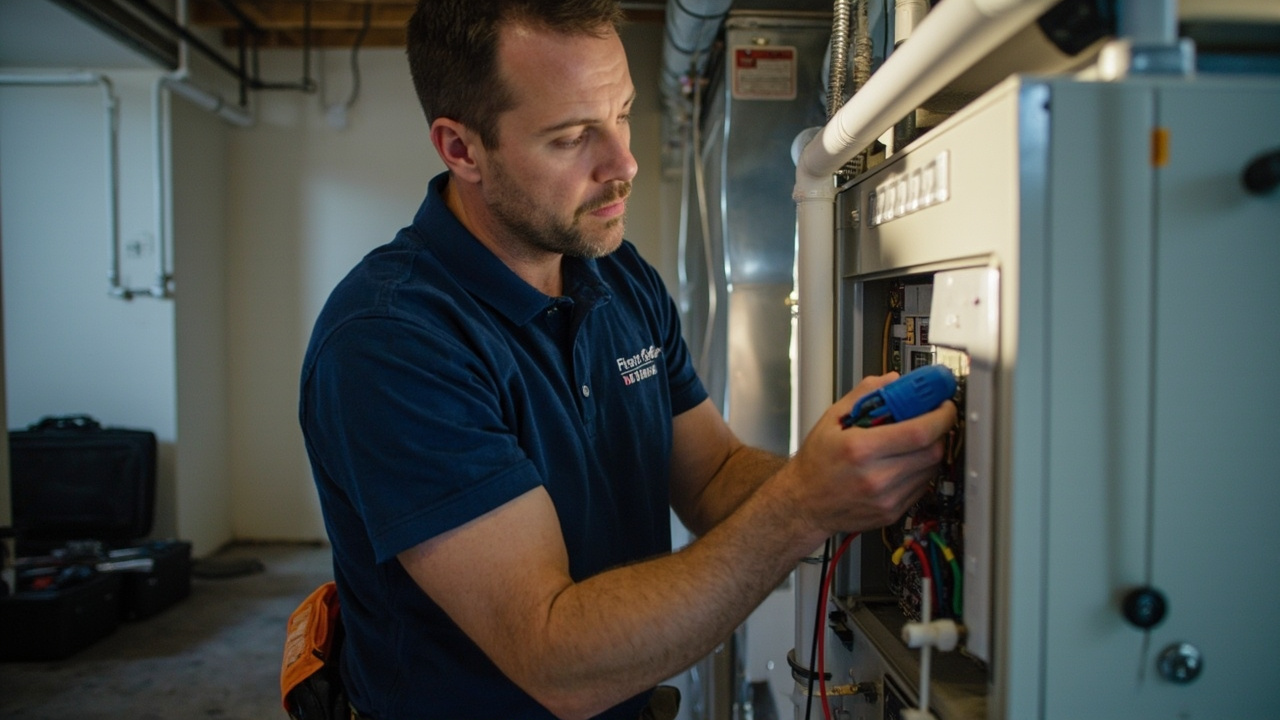
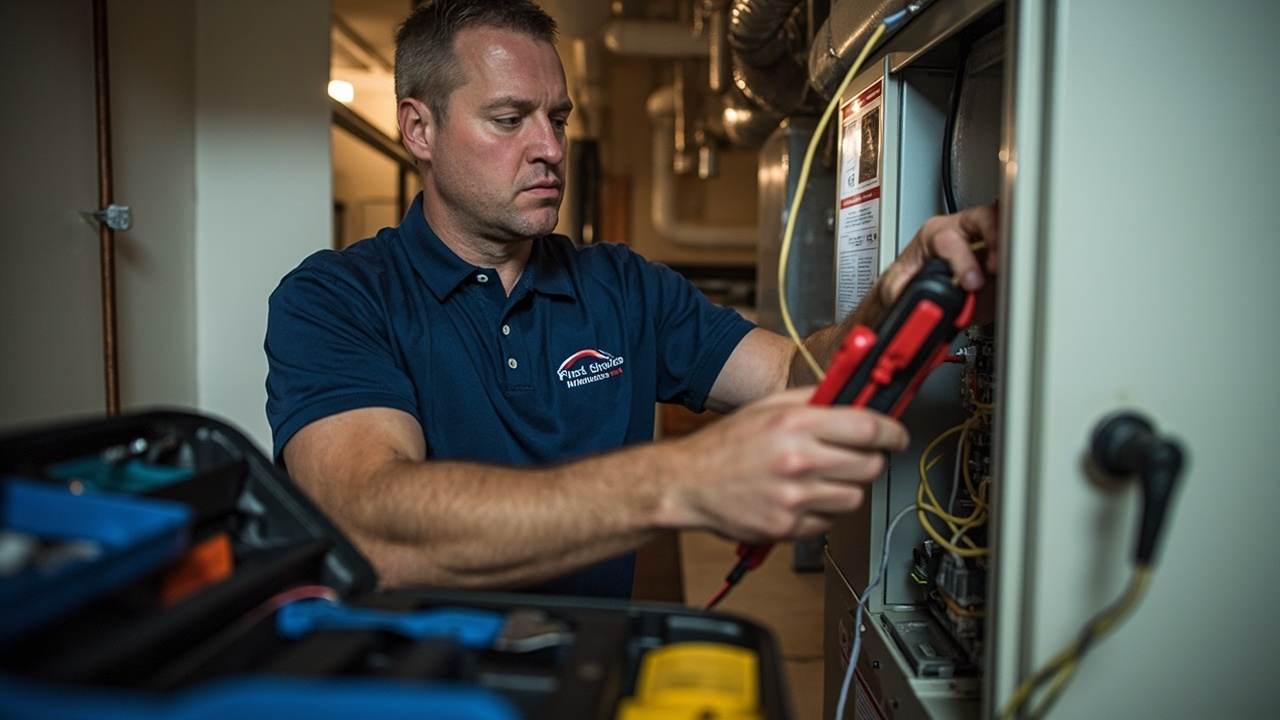
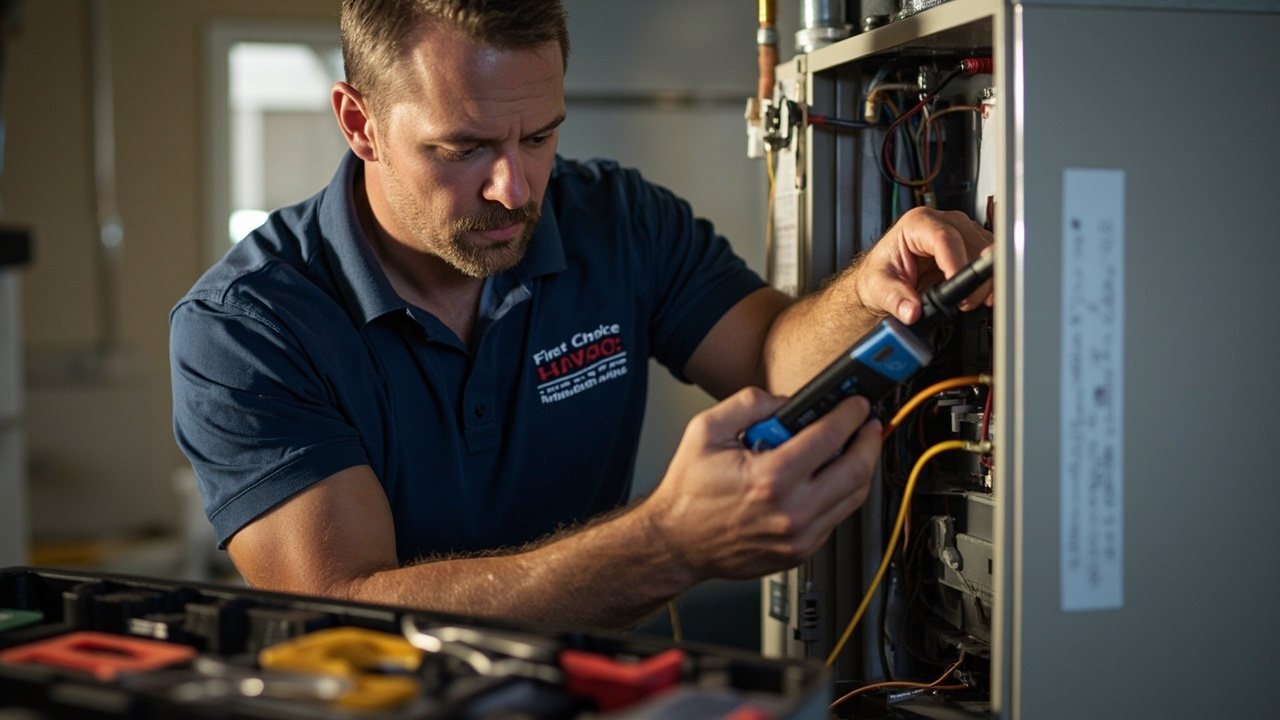
We start with electrical testing. We measure voltage and amperage at the disconnect, at the contactor, and at each motor. Low voltage indicates loose connections or undersized wiring. High amperage signals motor problems or refrigerant issues. We tighten all electrical connections and verify proper grounding.

For your furnace, we pull and inspect the burners. We look for flame roll-out, delayed ignition, and uneven flame patterns. We test flame sensor current and clean the sensor rod. We measure temperature rise across the heat exchanger to verify proper airflow and gas pressure. We inspect the heat exchanger for cracks using a flashlight and mirror. A cracked heat exchanger leaks carbon monoxide into your home.

Your AC requires different checks. We measure refrigerant pressures on both the high and low sides. We calculate superheat and subcooling to verify proper charge. Low refrigerant means you have a leak somewhere. We inspect the evaporator coil for ice buildup and the condenser coil for dirt and debris. We test capacitor microfarads against rated values. Weak capacitors cause hard starting and compressor damage.

Airflow measurement is critical. We test static pressure in your ductwork. High static pressure means restricted airflow from dirty filters, closed dampers, or undersized ducts. Restricted airflow reduces efficiency by 20 percent and shortens equipment life. We adjust blower speed if needed and verify proper CFM delivery at each register.

First Choice HVAC Milwaukee performs all these tests during every tune up. We document findings and show you exactly what we found.

What Happens During Your Maintenance Visit

HVAC Maintenance & Tune-Ups in Milwaukee – Prevent Costly Breakdowns Before Winter Hits
01

System Performance Testing

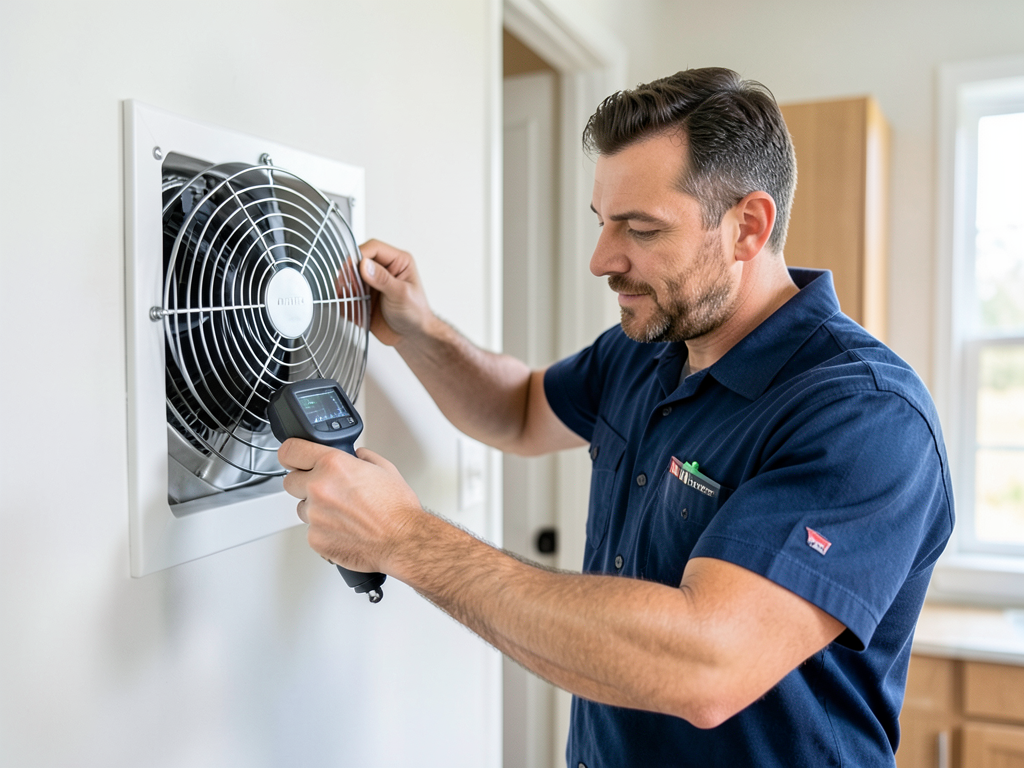
We arrive with testing equipment and run your system through a complete operational cycle. We measure actual performance against manufacturer specifications. This includes checking thermostat calibration, verifying proper cycling, testing safety controls, and measuring temperature differentials across coils. You get a complete picture of how your system performs right now, not guesswork.
02

Component Inspection and Cleaning

We open panels and inspect every accessible component. Blower wheels get cleaned. Drain lines get flushed. Contactors get inspected for pitting. Belts get checked for wear and proper tension. Outdoor coils get cleaned with coil cleaner and low-pressure water. Burners get vacuumed. This is not a visual inspection from six feet away. We physically touch and test each component.
03

Findings Report and Recommendations

We explain what we found in plain language. You get photos of any problems we discovered. We prioritize recommendations into immediate needs, near-term repairs, and future planning items. You decide what gets fixed and when. We never push unnecessary repairs. Our goal is keeping your system running reliably through the next season without surprises.

Why Milwaukee Homeowners Trust First Choice HVAC Milwaukee for System Maintenance

You need someone who understands Milwaukee systems. Homes in neighborhoods like Bay View, Wauwatosa, and Shorewood have different heating and cooling challenges. Older homes near Lake Michigan deal with higher humidity from lake effect weather. Newer subdivisions in Franklin and Oak Creek have modern high-efficiency systems that require specific maintenance protocols.

First Choice HVAC Milwaukee has maintained thousands of systems across the greater Milwaukee metro area. We know the common failure points on every major brand installed in Wisconsin. We know that Carrier furnaces from 2005 to 2010 develop cracked heat exchangers. We know that Trane XR units need capacitor replacement every five to seven years. We know that Lennox pulse furnaces require specific maintenance procedures.

We stock parts for systems installed in this area. When we find a bad capacitor during your tune up, we replace it on the spot. When your contactor shows pitting, we have a replacement on the truck. You do not wait three days for parts to arrive.

Milwaukee building codes require specific venting and combustion air requirements for furnaces. We verify code compliance during every inspection. If you have an older furnace with improper venting, we tell you. That protects you from carbon monoxide risks and ensures you pass inspection if you sell your home.

Our technicians live and work in Milwaukee. We respond to service calls in Bay View in 30 minutes, not two hours. We understand the urgency when your furnace quits in January and outdoor temperatures drop to 5 degrees. We prioritize emergency calls for our maintenance customers because we already know your system.

You get consistent service from the same technicians. We keep detailed records of every visit. We know what we found last year and what to watch for this year. That continuity catches developing problems before they cause failures.

What You Can Expect From Professional HVAC Preventative Maintenance

Maintenance Visit Scheduling and Duration

We schedule maintenance visits during off-peak hours when you want them. Most tune ups take 90 minutes to two hours for a complete inspection of both heating and cooling systems. We recommend scheduling furnace maintenance in September before heating season starts and AC maintenance in April before cooling season begins. You can schedule both systems in one visit if you prefer. We offer evening and weekend appointments for homeowners who work during the day. We call 30 minutes before arrival and show up on time.

Detailed System Assessment Process

Every maintenance visit includes performance testing with calibrated instruments. We measure electrical values, refrigerant pressures, temperature splits, airflow volumes, and combustion efficiency. We inspect heat exchangers for cracks, check burners for proper flame characteristics, test safety controls, examine electrical connections, and verify thermostat operation. You receive a written report documenting all measurements and findings. We take photos of any issues we discover and show you exactly what needs attention. We explain the urgency level of each recommendation so you can make informed decisions.

Performance Improvements and Reliability

Regular maintenance restores lost efficiency. A dirty evaporator coil reduces cooling capacity by 15 percent. A dirty blower wheel cuts airflow by 20 percent. We clean these components during every visit. You notice better airflow, more consistent temperatures, and lower utility bills. Your system starts reliably when you need it. You avoid emergency breakdowns during extreme weather when HVAC companies are backlogged with calls. Components last longer because they operate under proper conditions. The average well-maintained system lasts 18 to 22 years compared to 12 to 15 years for neglected systems.

Ongoing Support and Priority Service

Maintenance customers receive priority scheduling for repairs. If your system fails, you get same-day or next-day service even during peak demand periods. We maintain detailed service history for your equipment. We track component replacements, refrigerant charges, and recurring issues. This history helps us diagnose problems faster when issues arise. We remind you when your next maintenance visit is due so you never miss seasonal service. You get direct phone access to our service team without navigating phone menus. We stand behind our work and make sure you stay comfortable year-round.

Frequently Asked Questions

You Have Questions,
We Have Answers

What does an HVAC tune up include? +

An HVAC tune-up includes a thorough inspection of your heating and cooling system. A technician checks refrigerant levels, cleans the condenser coils, inspects electrical connections, tests thermostat calibration, and lubricates moving parts. They also examine the blower motor, replace air filters, check ductwork for leaks, and measure airflow. In Milwaukee, where humidity swings and freeze-thaw cycles stress systems year-round, technicians pay extra attention to condensate drains and heat exchanger integrity. This preventative service catches small issues before they become expensive failures, keeps your system running efficiently, and extends equipment lifespan.

How much does an HVAC tune up cost? +

HVAC tune-up costs vary based on system type, age, and service provider. Most Milwaukee homeowners spend between budget-friendly and mid-range pricing for a standard tune-up. Factors affecting cost include whether you need a furnace tune-up, AC tune-up, or both, your system's complexity, and if repairs are needed. Many companies offer maintenance plans that bundle annual tune-ups at a discounted rate. Investing in preventative maintenance now saves money by avoiding emergency repairs during Milwaukee's bitter winters or humid summers when systems work hardest and failure costs spike.

What is the difference between HVAC tune up and maintenance? +

HVAC tune-up and maintenance are often used interchangeably, but tune-up typically refers to a single service visit focused on optimizing performance before a season. Maintenance is broader and includes ongoing care like filter changes, regular inspections, and minor adjustments throughout the year. A tune-up is like a deep clean and diagnostic check, while maintenance is the routine care you do between professional visits. In Milwaukee's extreme climate, both matter. Regular maintenance prevents breakdowns, while seasonal tune-ups prepare your system for summer humidity or winter cold snaps that push equipment to its limits.

What is the $5000 rule for HVAC? +

The $5000 rule helps you decide whether to repair or replace an aging HVAC system. Multiply the repair cost by your system's age. If the result exceeds $5000, replacement makes more financial sense. For example, a $400 repair on a 10-year-old unit equals $4000, so repair it. A $600 repair on a 15-year-old system equals $9000, so replace it. This guideline accounts for diminishing returns on old equipment. Milwaukee homeowners should also factor in energy efficiency gains from newer systems and whether the existing unit can handle our humidity and temperature extremes efficiently.

What is the average cost of a full tune-up? +

A full HVAC tune-up in Milwaukee runs from budget to mid-range pricing on average. This cost covers both heating and cooling system inspection, cleaning, and adjustment. Prices vary based on system size, accessibility, and whether you have a heat pump, furnace, or split system. Some companies charge separately for furnace and AC tune-ups, while others bundle them. Membership plans often reduce per-visit costs. The investment pays off through lower energy bills, fewer emergency repairs, and extended equipment life. Milwaukee's harsh winters and humid summers make annual tune-ups essential for reliable performance.

Is a HVAC tune-up worth it? +

Yes. An HVAC tune-up is worth the investment. Regular tune-ups reduce energy consumption by up to 15 percent, catch small problems before they become expensive failures, and extend your system's lifespan by years. In Milwaukee, where systems battle subzero winters and muggy summers, preventative care prevents breakdowns when you need heating or cooling most. A tune-up costs far less than emergency repairs or premature replacement. You also gain peace of mind knowing your system will perform when temperatures plummet or humidity spikes. Skipping tune-ups often leads to higher utility bills and unexpected failures.

How often does your HVAC need a tune-up? +

Your HVAC system needs a tune-up at least once per year. In Milwaukee, where you rely on both heating and cooling, twice-yearly service is better: one in spring for your AC and one in fall for your furnace. This schedule prepares each system before its heavy-use season. If you have a heat pump that runs year-round, annual service is the minimum. Older systems, homes with pets, or properties near Lake Michigan with higher humidity may benefit from more frequent checks. Consistent tune-ups prevent mid-winter or mid-summer breakdowns when repair costs and wait times peak.

What is the 3 minute rule for AC? +

The 3-minute rule for AC prevents compressor damage. After your air conditioner shuts off, wait at least three minutes before restarting it. This delay allows refrigerant pressure to equalize throughout the system. Restarting too quickly forces the compressor to work against high pressure, which can damage it over time. Modern systems have built-in delay switches, but older units may not. In Milwaukee's humid climate, where AC systems cycle frequently during summer, this rule protects your compressor. If you notice short cycling or frequent on-off patterns, call a technician to diagnose potential issues before compressor failure occurs.

What is the lifespan of an HVAC system? +

The average HVAC system lasts 15 to 20 years with proper maintenance. Furnaces often reach 20 to 25 years, while air conditioners typically last 12 to 17 years. Milwaukee's climate shortens lifespan if systems are neglected. Extreme temperature swings, high humidity, and heavy seasonal use stress components. Regular tune-ups, prompt repairs, and quality installation extend equipment life. Signs your system is failing include rising energy bills, frequent repairs, uneven temperatures, and age over 15 years. Replacing aging equipment before total failure saves money and prevents emergency situations during Milwaukee's coldest or hottest days.

What are the 4 types of maintenance? +

The four types of maintenance are preventive, predictive, corrective, and emergency. Preventive maintenance includes scheduled tune-ups and inspections to prevent failures. Predictive maintenance uses data and diagnostics to anticipate problems before they occur. Corrective maintenance fixes known issues before they cause breakdowns. Emergency maintenance addresses sudden failures requiring immediate repair. For Milwaukee homeowners, preventive maintenance is most cost-effective. Annual tune-ups catch issues early, reduce emergency calls, and keep systems running efficiently through extreme weather. Skipping preventive care shifts you toward expensive emergency maintenance when your furnace quits during a January cold snap or your AC fails in August humidity.

How Milwaukee's Lake Effect Humidity Affects Your HVAC System Performance

Milwaukee sits on Lake Michigan's western shore. That proximity creates lake effect humidity that challenges cooling systems during summer months. When humid air enters your home, your AC must remove moisture before it can cool effectively. Your evaporator coil becomes a dehumidifier first and a cooler second. This moisture removal creates condensate that drains through your condensate line. Milwaukee systems produce two to three times more condensate than systems in drier climates. Clogged drain lines cause water damage to ceilings and walls. Regular seasonal HVAC check ups include drain line flushing and cleaning to prevent these overflow issues. We also test your system's dehumidification capacity to ensure proper moisture removal during humid July and August conditions.

Milwaukee's mix of housing stock requires different maintenance approaches. Historic homes in neighborhoods like Washington Heights have gravity furnaces or old converted coal systems. Post-war homes in Greenfield have mid-efficiency furnaces from the 1980s and 1990s. New construction in Mequon features high-efficiency modulating systems with complex control boards. First Choice HVAC Milwaukee maintains systems across this entire spectrum. We understand the specific requirements for older equipment that uses standing pilot lights and the digital diagnostics required for modern variable-speed systems. Local expertise matters because we understand Milwaukee building codes, winter temperature extremes, and the specific challenges posed by lake effect weather patterns.

HVAC Services in The Milwaukee Area

We proudly serve residential and commercial clients throughout the Milwaukee area. Our central location allows us to provide rapid, reliable service to neighborhoods and communities all over the region. Whether you're in the heart of the city or in the surrounding suburbs, our expert technicians are just a call away. View our map below to see our service area and find our main office location.

Address:
First Choice HVAC Milwaukee, 5700 W Capitol Dr,, Milwaukee, WI, 53209

Additional Services We Offer

Our news updates

Latest Articles & News from The Blogs

How to End the Thermostat Wars in Your Hartland Home with Simple Air Balancing Uneven temperatures in your Hartland home…

How to End the Thermostat Wars in Your Hartland Home with Simple Air Balancing

How to End the Thermostat Wars in Your Hartland Home with Simple Air Balancing Uneven temperatures in your Hartland home…

Why Your Attic is Covered in Frost During a Cold Snap in North Hills

Why Your Attic is Covered in Frost During a Cold Snap in North Hills \n Walking into your attic during…

How Your Kitchen Exhaust Fan Might Be Messing with Your Home's Air Pressure in Oak Creek

How Your Kitchen Exhaust Fan Might Be Messing with Your Home's Air Pressure in Oak Creek\n\nWhen you fire up your…

Contact Us

Do not wait until your system fails during the coldest or hottest day of the year. Call First Choice HVAC Milwaukee at (414) 387-8977 to schedule your maintenance visit. We catch small problems before they become expensive emergency repairs.