





Menu

Noisy AC or Heater in Milwaukee – Expert Diagnosis Stops the Racket Fast

Our technicians identify the exact source of furnace making noise or loud air conditioner sounds in Milwaukee homes and fix it right the first time, restoring quiet comfort without unnecessary replacements.

Slider Image 1
Slider Image 2
Slider Image 3
Slider Image 4
Slider Image 5
Slider Image 7
Slider Image 8
Slider Image 9
Slider Image 10
Slider Image 11

Why Your HVAC System Sounds Like a Milwaukee Freight Train

You hear it the moment your furnace kicks on. A grinding sound that rattles through the ductwork. Or your air conditioner starts up with a shriek that makes you wince. A noisy hvac system is not just annoying. It signals something is failing inside your equipment.

Milwaukee's temperature swings put enormous stress on HVAC components. When we drop from 80 degrees to 45 degrees overnight in spring or fall, metal contracts and expands. Bearings wear out faster. Blower wheels shift on their mounts. Furnace heat exchangers develop stress cracks that whistle when air passes through. These are not minor issues. A loud heater can mean a cracked heat exchanger leaking carbon monoxide. An air conditioner making noise might have a failing compressor about to seize completely.

The freeze-thaw cycles here accelerate component fatigue. Your outdoor condenser sits through brutal winters, then fires up in humid summer heat. Ice buildup during heating season can bend fan blades. Road salt corrodes mounting brackets. When spring arrives and you switch to cooling, that bent blade hits the housing with every rotation.

Homes in Riverwest and Bay View with older ductwork face another challenge. Undersized or deteriorating ducts amplify every sound. A minor rattle becomes a roar. The problem compounds in homes with original 1920s ductwork never designed for modern high-efficiency systems. You end up with a loud air conditioner that sounds worse than it actually is, but the underlying cause still needs professional diagnosis before a small issue becomes a total system failure.

Why Your HVAC System Sounds Like a Milwaukee Freight Train
How We Pinpoint and Eliminate HVAC Noise at the Source

How We Pinpoint and Eliminate HVAC Noise at the Source

We do not guess. We use diagnostic tools to isolate the exact component causing your furnace making noise or loud heater problems. Our process starts with a sound signature analysis. Different noises mean different failures. A high-pitched squeal indicates belt wear or motor bearing failure. A grinding sound points to blower wheel issues or failed motor mounts. Banging during startup means delayed ignition or loose ductwork. Clicking often signals a failing capacitor or relay.

We measure static pressure in your duct system. Excessive pressure causes whistling and roaring sounds even when the equipment itself runs perfectly. We check for undersized return ducts, closed vents, or dirty filters choking airflow. Milwaukee homes with finished basements often have return air problems because the original system was never designed for conditioned space below grade.

Next, we inspect the indoor blower assembly. We check the wheel for debris buildup, verify the motor mounts are secure, and test capacitor voltage. A weak capacitor causes hard starting, which creates banging noises and premature motor failure. We inspect the outdoor unit for refrigerant charge. Low refrigerant makes the compressor work harder and run louder. We check the condenser fan motor and blade balance.

For furnaces, we inspect the heat exchanger with a combustion camera. Cracks cause whistling and represent a safety hazard. We verify the burners ignite simultaneously. Delayed ignition causes a boom when gas finally lights. We check the inducer motor and pressure switch. A failing inducer sounds like a jet engine and will eventually prevent your furnace from running at all.

Our technicians document findings with photos and sound recordings so you understand exactly what failed and why.

What Happens When You Call About a Noisy System

Noisy AC or Heater in Milwaukee – Expert Diagnosis Stops the Racket Fast
01

Same-Day Noise Diagnosis

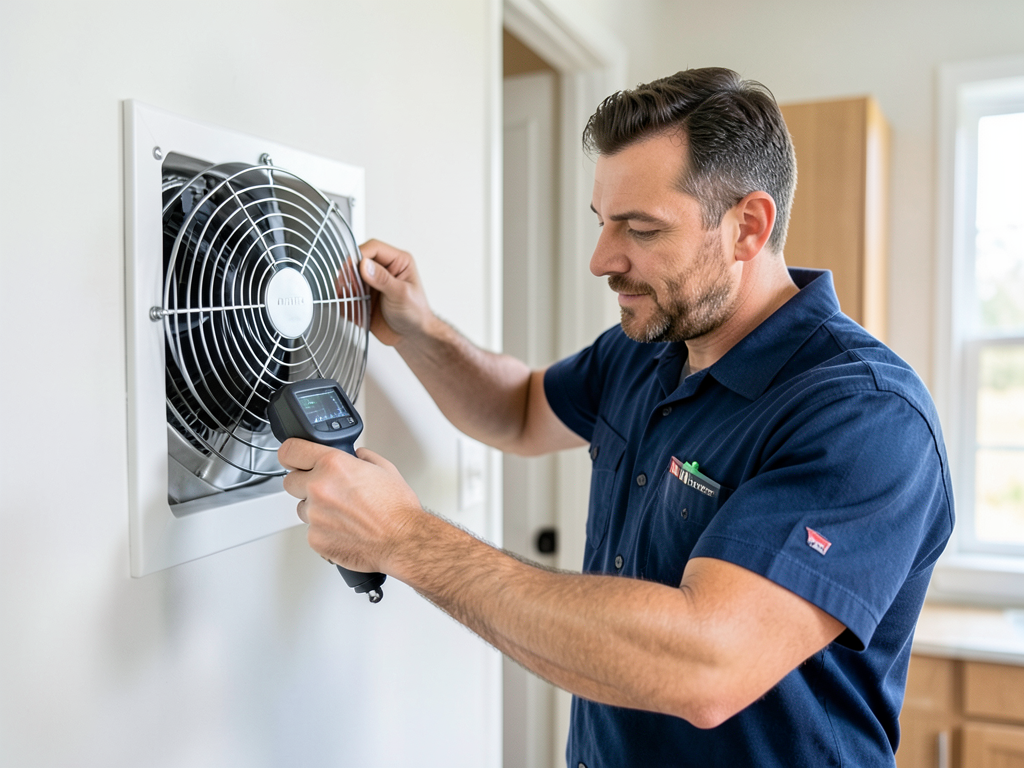
We schedule your service call within hours, not days. Our technician arrives with diagnostic tools including a combustion analyzer, manometer for pressure testing, and thermal imaging camera. We listen to the system run through a complete cycle. We record baseline sound levels and identify which component generates the noise. You receive a clear explanation of what is failing and why it happened.
02

Targeted Component Repair

We replace only the failed part, not the entire system unless truly necessary. If your blower motor bearings failed, we replace the motor. If the inducer assembly is loud, we swap that component. We verify proper airflow with static pressure readings after the repair. We test the system through multiple heating or cooling cycles to confirm the noise is eliminated and all safety controls function correctly.
03

Verification and Prevention Plan

Before we leave, we measure sound levels again to confirm the repair worked. We document the fix with before and after readings. We identify other components showing early wear so you can plan ahead instead of facing emergency failures. You receive a written report with our findings, the repair completed, and maintenance recommendations to prevent future noise issues. Your system runs quietly again.

Why Milwaukee Homeowners Trust First Choice HVAC Milwaukee for Noise Diagnosis

Generic HVAC companies guess at noise sources and upsell complete system replacements. We diagnose the actual problem. Our technicians average 12 years of field experience. We have seen every failure mode in every brand installed in Milwaukee over the past three decades. We know which Carrier inducer motors fail at 10 years. We know which Lennox blower wheels crack. We know which Trane compressors develop bearing noise when the charge runs low.

We understand Milwaukee building patterns. Homes in Washington Heights and Wauwatosa often have supply ducts running through uninsulated exterior walls. Cold ductwork amplifies sound. We recommend strategic insulation placement to dampen noise transmission. Homes near the lakefront face higher humidity, which accelerates rust in ductwork and creates rattling as screws loosen. We use stainless fasteners in high-moisture environments.

We stock common failure parts on our trucks. When we diagnose a failed blower motor or capacitor, we complete the repair the same day. You do not wait three days for a part to arrive while your system bangs and groans. We maintain relationships with local suppliers in Milwaukee, so we can source specialty parts quickly for older equipment.

Our pricing is transparent. We provide a fixed quote before starting work. No surprises. No hidden fees. If we find additional issues during diagnosis, we explain the options and let you decide how to proceed. We prioritize safety-critical repairs like cracked heat exchangers, but we will not pressure you into unnecessary work. Our reputation in Milwaukee depends on honest assessments and quality repairs that last.

What You Can Expect When We Fix Your Noisy HVAC System

Rapid Response and Diagnosis

We schedule most service calls the same day you contact us. Our average arrival time is under four hours for urgent noise complaints. A loud heater or air conditioner making noise often indicates imminent failure. Delayed service leads to complete breakdowns during peak heating or cooling season. Our technicians carry full diagnostic equipment, not just basic tools. We complete the initial assessment in 30 to 45 minutes. You receive a clear explanation of the problem, the fix required, and the cost before we proceed. No diagnostic guesswork. No return trips to figure out what is wrong. We identify the issue on the first visit.

Thorough System Evaluation

We inspect the entire system, not just the noisy component. A furnace making noise might have a failed inducer motor, but the root cause could be a restricted vent pipe or undersized gas line. We check combustion efficiency, measure gas pressure, verify proper venting, and test all safety controls. For air conditioning noise, we measure refrigerant pressures, check electrical connections, test capacitors, and verify proper airflow across the evaporator coil. We identify secondary issues that could cause future failures. You receive a complete picture of your system health, not just a patch on the loudest symptom. Our evaluation includes ductwork inspection for leaks or restrictions that amplify sound.

Lasting, Quiet Performance

Our repairs eliminate the noise permanently. We do not mask symptoms. We fix the underlying mechanical failure. After replacing a failed component, we balance the system and verify proper operation through multiple cycles. We measure sound levels to confirm the repair achieved acceptable noise reduction. You receive documentation of the work completed, including photos of failed parts and new components installed. Your system runs as quietly as it did when new. We do not leave until you confirm the noise is gone. Most repairs take two to three hours from diagnosis to completion. Complex issues like heat exchanger replacement require four to six hours, but you end up with a safe, quiet system.

Service Quality and Follow-Up

We stand behind our repairs with a one-year labor guarantee on all work performed. Parts carry manufacturer warranties ranging from one to five years depending on the component. We follow up within 48 hours after completing noise repairs to verify the system continues to run quietly. If any issue develops related to our repair, we return at no additional charge. We offer preventive maintenance agreements that include annual inspections to catch bearing wear, belt deterioration, and other noise-causing problems before they fail. Members receive priority scheduling and discounted repair rates. Regular maintenance extends equipment life and keeps your system running quietly year after year. We maintain detailed service records so future technicians understand your system history.

Frequently Asked Questions

You Have Questions,
We Have Answers

Why is my AC so loud all of a sudden? +

A sudden loud noise usually points to a failing component. Loose parts inside the unit vibrate and clang. Worn fan blades scrape the housing. A failing compressor makes grinding or squealing sounds. In Milwaukee's humid summers, debris can clog the system and force the motor to work harder. Dirt buildup on the blower wheel creates imbalance and rattling. Belt-driven systems develop squeaks when belts wear out. Turn off your system immediately to prevent further damage. A certified technician can diagnose whether you need a simple tightening, cleaning, or component replacement before a complete breakdown occurs.

What is the 3 minute rule for AC? +

The 3 minute rule prevents compressor damage during short cycling. After your AC shuts off, wait at least three minutes before restarting it. This allows refrigerant pressure to equalize throughout the system. Starting too soon forces the compressor to work against high pressure, which strains the motor and shortens its life. Most modern thermostats have built-in delay circuits that enforce this rule automatically. If your system short cycles frequently in Milwaukee's variable weather, you likely have a deeper problem. Check your thermostat placement, refrigerant levels, or airflow restrictions. Frequent cycling wastes energy and damages components.

What is the $5000 AC rule? +

The $5000 rule helps homeowners decide between repair and replacement. If your AC is over 10 years old and the repair cost multiplied by the unit's age exceeds $5000, replace the system instead. For example, a $400 repair on a 13-year-old unit equals $5200, so replacement makes financial sense. Milwaukee's freeze-thaw cycles accelerate wear on outdoor units. Older systems also use R-22 refrigerant, which costs significantly more than modern refrigerants. New units offer better efficiency ratings that lower your utility bills. This rule accounts for future repair likelihood and helps you avoid throwing money at a dying system.

What does an AC compressor sound like when it's going bad? +

A failing compressor makes distinct sounds. Listen for grinding metal, which means internal bearings are wearing out. Squealing or screeching indicates a failing motor or seized pistons. Rattling suggests loose internal components or mounting bolts. Clicking without startup means electrical failure. Milwaukee homeowners often hear these sounds worsen during peak summer heat when the compressor works hardest. A humming noise with no airflow means the compressor struggles to start but cannot engage. Bubbling or hissing points to refrigerant leaks. Any of these sounds require immediate professional diagnosis. Compressor replacement costs thousands, so catch problems early.

How to tell if an AC blower motor is going out? +

A failing blower motor shows several warning signs. Weak airflow from vents means the motor struggles to spin the fan. Strange smells like burning plastic or hot metal indicate overheating windings. Loud squealing or screeching points to worn bearings. The system takes longer to heat or cool your space. You hear clicking or humming but feel no air movement. Higher electric bills result from a motor drawing excess current. Milwaukee's humid climate puts extra strain on blower motors. The motor may run intermittently or shut off randomly. These symptoms worsen gradually, giving you time to schedule replacement before complete failure.

How to quiet a noisy air conditioner? +

Start by identifying the noise source. Tighten loose panels and screws on the outdoor unit. Clean debris from the condenser coils and surrounding area. Replace the air filter if clogged, which forces the blower to work harder. Add vibration pads under the outdoor unit to dampen rattling. Lubricate fan motor bearings if accessible. Install a sound blanket around the compressor for older units. Check ductwork for loose sections that vibrate. Milwaukee homes with older systems benefit from professional cleaning to remove years of buildup. Some noises signal component failure that requires repair. Address mechanical problems immediately to prevent costlier damage.

What are signs of a failing AC compressor? +

Failing compressors exhibit clear symptoms before dying. The outdoor unit struggles to start or clicks repeatedly without engaging. You hear grinding, squealing, or rattling from the condenser. Your system runs constantly but fails to cool properly. Circuit breakers trip frequently due to electrical draw. Ice forms on the refrigerant lines outside. Energy bills spike as the compressor works inefficiently. Milwaukee's temperature swings stress aging compressors. The unit vibrates excessively or shakes the concrete pad. You smell burning from overheating components. Warm air blows from vents despite thermostat settings. Catch these signs early because compressor replacement represents a major expense.

How cool should my house be if it's 100 outside? +

Your AC should maintain an indoor temperature about 20 degrees cooler than outside. On a 100-degree day, expect your home to reach 80 degrees. Systems cannot physically produce more than a 20-degree temperature difference efficiently. Milwaukee rarely hits triple digits, but high humidity makes it feel hotter and strains your system. Older or undersized units struggle more. Close blinds during peak sun to reduce heat load. Run ceiling fans to improve comfort without lowering the thermostat. Setting your thermostat below 70 when it is 100 outside wastes energy and risks freezing your coils. Realistic expectations prevent system damage.

How much does it cost to replace a capacitor in an air conditioner? +

Capacitor replacement typically costs between $150 and $400 for parts and labor. The capacitor itself runs $10 to $50, but you pay for professional diagnosis and service. Dual capacitors cost more than single run capacitors. Milwaukee technicians charge higher rates during peak summer demand. Emergency or weekend service adds fees. Prices vary by system size and accessibility. Some companies include capacitor testing in maintenance visits, catching failures before they strand you without cooling. A failed capacitor prevents your compressor or blower motor from starting. This repair takes under an hour for experienced technicians and restores full system function immediately.

How Milwaukee's Climate Extremes Accelerate HVAC Component Failures

Milwaukee HVAC systems endure temperature swings from 10 below zero in January to 95 degrees with 80 percent humidity in July. This 100-degree operating range stresses components far beyond what systems face in moderate climates. Metal expands and contracts repeatedly. Bearings wear faster. Motor windings heat and cool hundreds of times per season. Furnace heat exchangers develop fatigue cracks. Outdoor condensers sit through months of freezing weather, then fire up for continuous summer operation. Road salt from nearby streets corrodes electrical connections and mounting hardware. These conditions explain why a loud air conditioner or furnace making noise appears suddenly after years of quiet operation. The cumulative stress finally exceeds component tolerances.

First Choice HVAC Milwaukee technicians understand these local failure patterns because we work exclusively in this climate zone. We stock parts that commonly fail in Milwaukee systems. We know which brands hold up better to our weather extremes. We understand local code requirements for combustion air, venting, and refrigerant line installation. When we diagnose a noisy hvac system, we consider the installation environment. Outdoor units near the lakefront face different conditions than equipment in Waukesha County. Homes in historic districts often have space constraints that affect equipment selection. Our local expertise means accurate diagnosis and repairs that account for Milwaukee-specific challenges other companies might miss.

HVAC Services in The Milwaukee Area

We proudly serve residential and commercial clients throughout the Milwaukee area. Our central location allows us to provide rapid, reliable service to neighborhoods and communities all over the region. Whether you're in the heart of the city or in the surrounding suburbs, our expert technicians are just a call away. View our map below to see our service area and find our main office location.

Address:
First Choice HVAC Milwaukee, 5700 W Capitol Dr,, Milwaukee, WI, 53209

Additional Services We Offer

Our news updates

Latest Articles & News from The Blogs

How to End the Thermostat Wars in Your Hartland Home with Simple Air Balancing Uneven temperatures in your Hartland home…

How to End the Thermostat Wars in Your Hartland Home with Simple Air Balancing

How to End the Thermostat Wars in Your Hartland Home with Simple Air Balancing Uneven temperatures in your Hartland home…

Why Your Attic is Covered in Frost During a Cold Snap in North Hills

Why Your Attic is Covered in Frost During a Cold Snap in North Hills \n Walking into your attic during…

How Your Kitchen Exhaust Fan Might Be Messing with Your Home's Air Pressure in Oak Creek

How Your Kitchen Exhaust Fan Might Be Messing with Your Home's Air Pressure in Oak Creek\n\nWhen you fire up your…

Contact Us

Do not wait until your loud heater or air conditioner making noise becomes a complete breakdown. Call (414) 387-8977 for same-day diagnosis. Our technicians fix the problem right the first time. You get quiet comfort back today.