





Menu

Troubleshooting AC Issues in Milwaukee – Expert Diagnostics That Get Your System Running Right

First Choice HVAC Milwaukee Provides Comprehensive HVAC System Diagnostics to Identify AC Faults Fast, So You Can Make Informed Decisions About Your Central Air System

Slider Image 1
Slider Image 2
Slider Image 3
Slider Image 4
Slider Image 5
Slider Image 7
Slider Image 8
Slider Image 9
Slider Image 10
Slider Image 11

Why Your Milwaukee AC Fails When You Need It Most

Milwaukee summers hit hard. When humidity climbs above 70 percent and temperatures push into the 90s, your air conditioner runs nonstop. That constant demand exposes weaknesses in aging compressors, clogged evaporator coils, and refrigerant leaks that winter hid.

You notice warm air from the vents. The thermostat reads 78 when you set it to 72. Your electric bill doubled last month. These symptoms point to specific failures, but diagnosing air conditioner problems requires more than guesswork.

Milwaukee's climate creates unique challenges for central air systems. High humidity forces your AC to work harder removing moisture, which strains the compressor and can freeze the evaporator coil. Freeze-thaw cycles during spring and fall stress refrigerant lines and electrical connections. Homes near Lake Michigan face additional moisture intrusion that corrodes contactors and capacitors.

Most homeowners waste time and money on quick fixes that miss the root cause. You replace the air filter, clean the outdoor unit, and check the breaker. The system runs for a week, then fails again. Professional HVAC system diagnostics reveal the actual problem, whether it's low refrigerant charge, failed run capacitor, dirty condenser coils, or faulty thermostat wiring.

Identifying AC faults early prevents complete system failure. A struggling compressor gives warning signs weeks before it seizes. A refrigerant leak slowly degrades cooling capacity before your house becomes unbearable. Proper central air troubleshooting catches these issues when repair costs remain manageable.

Why Your Milwaukee AC Fails When You Need It Most
How We Diagnose Your AC Problem Correctly the First Time

How We Diagnose Your AC Problem Correctly the First Time

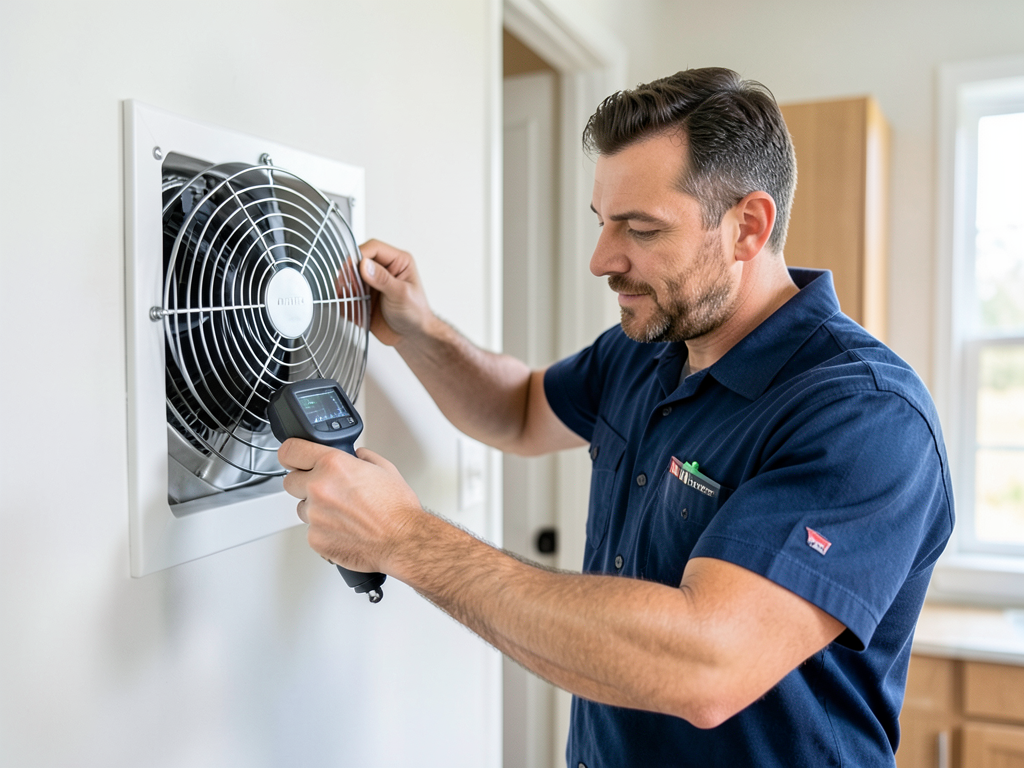
First Choice HVAC Milwaukee uses systematic HVAC system diagnostics, not guesswork. We start with refrigerant pressure readings at both the suction and discharge lines. These numbers tell us if your system is undercharged, overcharged, or has a restriction in the refrigerant circuit.

Next, we measure temperature drop across the evaporator coil. Proper split should be 15 to 20 degrees. Anything less indicates airflow restriction, dirty coils, or low refrigerant. Anything more suggests oversized equipment or extreme humidity load.

We test electrical components under load. Capacitors degrade over time and fail under heat stress. We measure microfarad ratings against manufacturer specifications. A weak run capacitor causes the compressor to draw high amperage and overheat. A failed start capacitor prevents the compressor from starting at all.

Amperage readings on the compressor and fan motors reveal mechanical problems before they cause catastrophic failure. High amperage indicates bearing wear, tight compressor valves, or electrical issues. Low amperage suggests weak capacitors or voltage problems at the disconnect.

We inspect the condensate drain system for blockages that cause water damage and high indoor humidity. We check thermostat calibration and wiring connections. We examine ductwork for leaks that waste cooling capacity and drive up utility costs.

This methodical approach to identifying AC faults eliminates trial and error. You get a clear diagnosis backed by measurable data, not vague recommendations for expensive replacements. We explain what failed, why it failed, and what it takes to fix it properly.

What Happens During Your AC Diagnostic Appointment

Troubleshooting AC Issues in Milwaukee – Expert Diagnostics That Get Your System Running Right
01

Initial System Assessment

We start by listening to your description of the problem. When did it start? Does it happen constantly or intermittently? We check your thermostat settings and verify airflow at supply registers. This gives us baseline information before we open any panels. We examine your outdoor condensing unit for obvious damage, debris accumulation, or unusual sounds that point to specific component failures.
02

Detailed Component Testing

We measure refrigerant pressures, electrical voltages, and amperage draws on all motors. We test capacitors, contactors, and relays. We inspect evaporator and condenser coils for dirt, damage, or ice formation. We check refrigerant lines for leaks using electronic leak detectors. This phase identifies the specific failed component causing your cooling problem. We document all readings and compare them against manufacturer specifications for your exact model.
03

Diagnosis and Repair Options

We explain exactly what we found and show you the failed components. You get a clear breakdown of repair options with different approaches based on your system's age and condition. We discuss whether repair makes sense or if replacement provides better long-term value. You make the decision with complete information about costs, timelines, and expected outcomes. No pressure, no upselling, just honest assessment of your central air system.

Why Milwaukee Homeowners Trust Our AC Diagnostics

First Choice HVAC Milwaukee has diagnosed thousands of AC failures across every neighborhood in the metro area. We know how Milwaukee's climate stresses cooling systems. We understand the difference between a Victorian home in the Historic Third Ward with undersized ductwork and a 1970s ranch in Wauwatosa with oversized equipment.

We carry diagnostic equipment that most companies skip. Digital manifold gauges give precise refrigerant readings. Megohm meters test compressor windings for shorts. Infrared thermometers identify hot spots in electrical panels. These tools reveal problems that basic troubleshooting misses.

Our technicians receive ongoing training on new equipment and diagnostic techniques. HVAC technology changes constantly. Variable-speed compressors, communicating thermostats, and high-efficiency coils require different testing procedures than older single-stage systems. We invest in education so we can properly diagnose any system you own.

We provide written diagnostic reports with all measurements and findings. You get documentation of refrigerant pressures, amperage readings, temperature splits, and voltage measurements. This transparency builds trust and helps you make informed decisions about repairs.

Milwaukee building codes require proper permits for major AC work. We handle all permitting and ensure repairs meet current electrical and mechanical codes. This protects your home value and prevents issues during future home sales or insurance claims.

We also understand the urgency when your AC fails during a heat wave. We prioritize diagnostic appointments and stock common repair parts on our trucks. Most problems get fixed the same day once we complete the diagnosis.

What You Get from Professional AC Diagnostics

Fast Response Times

We schedule diagnostic appointments within 24 hours for most calls. Emergency same-day service is available when temperatures exceed 85 degrees or you have medical conditions requiring air conditioning. Our technicians arrive in a two-hour window and call 30 minutes before arrival. Most diagnostics take 60 to 90 minutes depending on system complexity. We complete repairs immediately if we have parts in stock, or we return the next business day with special-order components.

Comprehensive System Evaluation

Your diagnostic service includes complete testing of all major components. We check refrigerant charge, electrical systems, airflow, drainage, and controls. You receive a written report with all measurements and our findings. We photograph failed parts and explain why they failed. This evaluation often reveals secondary issues that would cause future breakdowns. We prioritize repairs based on safety and system function, so you know what needs immediate attention versus what can wait.

Accurate Problem Identification

You get a definitive answer about what failed and why. We provide specific part numbers, expected repair costs, and realistic timelines. Our diagnostic accuracy eliminates comeback visits and wasted money on wrong repairs. If your system needs replacement rather than repair, we explain the cost-benefit analysis based on your specific situation. You never get pushed toward unnecessary replacements, but you also get honest advice when repair costs exceed the value of an aging system.

Follow-Up Support

After we complete repairs, we test your system through a complete cooling cycle to verify proper operation. We provide maintenance recommendations to prevent future failures. We offer seasonal tune-up programs that catch small problems before they become expensive repairs. If you need a new system, we provide load calculations to ensure proper sizing for your home's square footage, insulation levels, and window exposure. We stay available to answer questions about your AC performance long after the repair is complete.

Frequently Asked Questions

You Have Questions,
We Have Answers

How do I diagnose what's wrong with my AC? +

Start by checking your thermostat settings to confirm it is set to cool and the temperature is below your current room temperature. Next, inspect your air filter. A clogged filter restricts airflow and causes most AC issues in Milwaukee homes. Check your outdoor unit for debris, ice buildup, or a stopped fan. Listen for unusual sounds like grinding or clicking. If your breaker tripped, reset it once. In Milwaukee's humid climate, frozen coils often signal refrigerant leaks or airflow problems. If these basic checks do not reveal the issue, you need a professional diagnostic.

What is the $5000 rule for AC? +

The $5000 rule helps you decide between AC repair and replacement. Multiply the repair cost by your unit's age in years. If the result exceeds $5000, replace the unit instead of repairing it. For example, a $400 repair on a 10-year-old unit equals $4000, so repair makes sense. But a $600 repair on a 10-year-old unit equals $6000, so replacement is smarter. This rule accounts for efficiency loss and future repair costs. Milwaukee's temperature swings stress older units, making this calculation important for budgeting decisions.

What is the 3 minute rule for AC? +

The 3 minute rule prevents compressor damage after your AC cycles off. When your system shuts down, refrigerant pressure needs time to equalize between the high and low pressure sides. Restarting too quickly forces the compressor to work against unbalanced pressure, which can burn out the motor. Most modern thermostats have built-in delay timers. If you manually turn your AC off and on rapidly, you risk expensive compressor failure. Wait at least three minutes between cycles. Milwaukee homeowners who frequently adjust their thermostats should know this rule to protect their equipment investment.

How to figure out what's wrong with AC? +

Begin with your thermostat. Verify settings and replace batteries if needed. Check your air filter next because restricted airflow causes 80 percent of AC problems. Inspect your outdoor condenser unit for debris, bent fins, or ice formation. Confirm your circuit breaker has not tripped. Listen for strange noises that indicate mechanical failure. Check supply vents throughout your home to ensure they are open and blowing air. Feel the air temperature at vents. Milwaukee's high humidity can mask some issues, making professional diagnosis necessary when basic troubleshooting fails to identify the problem.

Why is my AC set to 72 but reads 78? +

Your AC struggles to reach the set temperature for several reasons. A dirty filter restricts airflow and reduces cooling capacity. Low refrigerant from a leak prevents proper heat transfer. Milwaukee's summer humidity makes your system work harder because it must remove moisture and cool air simultaneously. An undersized unit cannot handle heat load during extreme weather. Ductwork leaks waste cooled air before it reaches rooms. Inadequate insulation allows heat infiltration. Your thermostat placement matters too. If located near heat sources or in direct sunlight, it reads incorrectly and stops cooling prematurely. A six degree gap signals a serious efficiency problem.

What is the most common AC problem? +

Dirty air filters cause the majority of AC problems in Milwaukee homes. A clogged filter blocks airflow, forcing your system to work harder and run longer. This leads to frozen evaporator coils, compressor overheating, and complete system failure. Milwaukee's seasonal pollen and humidity accelerate filter clogging. Change your filter every 30 to 60 days during cooling season. Other common problems include refrigerant leaks, failed capacitors, and thermostat malfunctions. Neglected maintenance compounds these issues. Regular filter changes prevent most emergency calls and extend equipment life significantly.

What is the life expectancy of an AC unit? +

Modern AC units last 15 to 20 years with proper maintenance. Milwaukee's climate challenges affect this timeline. Frequent temperature swings between seasons stress components. High humidity increases corrosion risk. Units that run constantly during heat waves wear faster than those in moderate climates. Quality installation matters. Poor ductwork design or incorrect sizing shortens lifespan. Annual maintenance extends equipment life by catching small problems early. If your unit exceeds 12 years and needs major repairs, consider replacement. Newer systems offer significantly better efficiency, which offsets replacement costs through lower energy bills over time.

Why is my AC blowing but not cold? +

Your AC blows air but does not cool due to refrigerant loss, frozen evaporator coils, or a failed compressor. Check for ice buildup on refrigerant lines or the indoor coil. Ice indicates restricted airflow from a dirty filter or low refrigerant. Listen for your outdoor compressor. If the fan runs but the compressor stays silent, a failed capacitor or compressor is the culprit. Milwaukee's humidity can hide refrigerant leaks until cooling fails completely. A dirty condenser coil outside prevents heat rejection. These issues require professional repair. Do not run your system if it blows warm air continuously.

What AC units qualify for tax credit 2025? +

For 2025, the federal Energy Efficient Home Improvement Credit covers central AC units meeting specific efficiency standards. Look for units with SEER2 ratings of 16 or higher and EER2 ratings meeting regional requirements. The credit covers 30 percent of equipment and installation costs, up to $2000 annually. Heat pumps qualify for higher credits. Milwaukee homeowners should verify manufacturer certifications before purchase. The unit must be installed in your primary residence. Keep receipts and manufacturer certification statements for tax filing. State and utility rebates may stack with federal credits. Consult a tax professional for specific eligibility requirements.

How cool should my house be if it's 100 outside? +

Your AC should maintain a 15 to 20 degree temperature difference between outdoor and indoor air. If it is 100 degrees outside, expect your home to reach 80 to 85 degrees at best. Pushing your thermostat lower forces your system to run continuously without reaching the set temperature. Milwaukee homes with good insulation and sealed ductwork perform better. Older units with declining efficiency struggle more during extreme heat. Close blinds, use ceiling fans, and avoid heat-generating activities during peak temperatures. Setting your thermostat to 78 degrees provides comfort while preventing system overwork and potential breakdown.

How Milwaukee's Summer Humidity Impacts Your AC Diagnosis

Milwaukee averages 70 to 75 percent relative humidity during July and August. Your air conditioner must remove this moisture before it can effectively lower temperature. High humidity loads cause evaporator coils to freeze when airflow is restricted or refrigerant charge is low. This creates a diagnostic challenge because frozen coils prevent accurate pressure readings. We must thaw the system, then run diagnostics during active cooling to identify the root cause. Homes near Lake Michigan face even higher moisture levels that accelerate corrosion on electrical components and stress condensate drain systems.

First Choice HVAC Milwaukee understands these local conditions because we work in them every day. We recognize the difference between a failed compressor and a system struggling with excessive humidity. We know which brands hold up best in Milwaukee's climate and which components fail first on systems in older neighborhoods. This local expertise means faster, more accurate diagnostics. We also stay current with Milwaukee electrical codes and permitting requirements, so any repairs we recommend meet city standards. When you choose local HVAC contractors who specialize in your area, you get technicians who have seen your exact problem dozens of times before.

HVAC Services in The Milwaukee Area

We proudly serve residential and commercial clients throughout the Milwaukee area. Our central location allows us to provide rapid, reliable service to neighborhoods and communities all over the region. Whether you're in the heart of the city or in the surrounding suburbs, our expert technicians are just a call away. View our map below to see our service area and find our main office location.

Address:
First Choice HVAC Milwaukee, 5700 W Capitol Dr,, Milwaukee, WI, 53209

Additional Services We Offer

Our news updates

Latest Articles & News from The Blogs

Deciding if an Annual HVAC Maintenance Plan Is Actually Worth the Money in Sullivan The short answer: Yes, if you…

Deciding if an Annual HVAC Maintenance Plan Is Actually Worth the Money in Sullivan

Deciding if an Annual HVAC Maintenance Plan Is Actually Worth the Money in Sullivan The short answer: Yes, if you…

Choosing the Most Efficient Heating System for an Accessory Dwelling Unit in Dousman

Choosing the Most Efficient Heating System for an Accessory Dwelling Unit in Dousman Heating an Accessory Dwelling Unit in Dousman…

Why Your Vents Smell Like Dirty Socks and How to Fix It for Good in Pewaukee

Why Your Vents Smell Like Dirty Socks and How to Fix It for Good in Pewaukee That foul, locker-room odor…

Contact Us

Stop guessing what is wrong with your air conditioner. Call First Choice HVAC Milwaukee at (414) 387-8977 for professional diagnostics that identify the real problem. We schedule appointments fast and provide honest recommendations you can trust.