





Menu

Iced Up Evaporator Coil in Milwaukee | Expert Diagnosis and Same-Day Repair

When your air conditioner coil freezing up turns your cooling system into an ice block, our technicians diagnose the root cause fast and restore proper airflow before compressor damage costs you thousands.

Slider Image 1
Slider Image 2
Slider Image 3
Slider Image 4
Slider Image 5
Slider Image 7
Slider Image 8
Slider Image 9
Slider Image 10
Slider Image 11

Why Milwaukee's Summer Heat Makes a Frozen AC Evaporator Coil a Critical Emergency

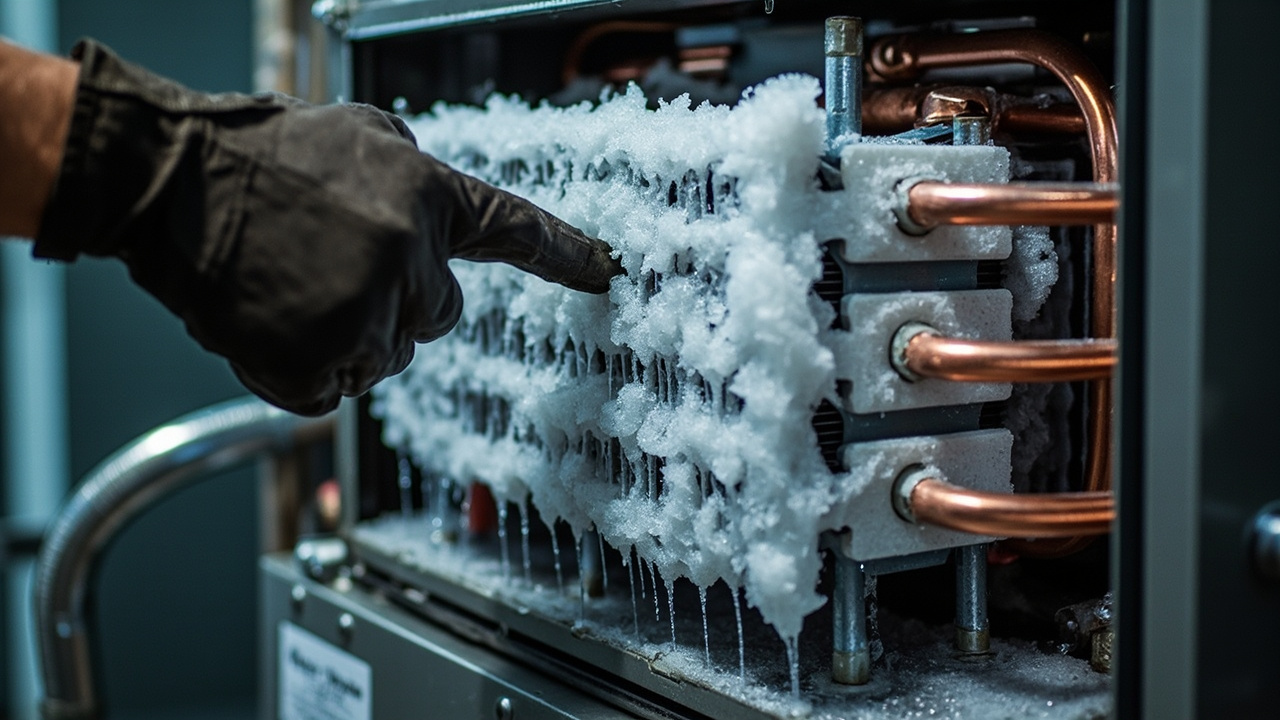
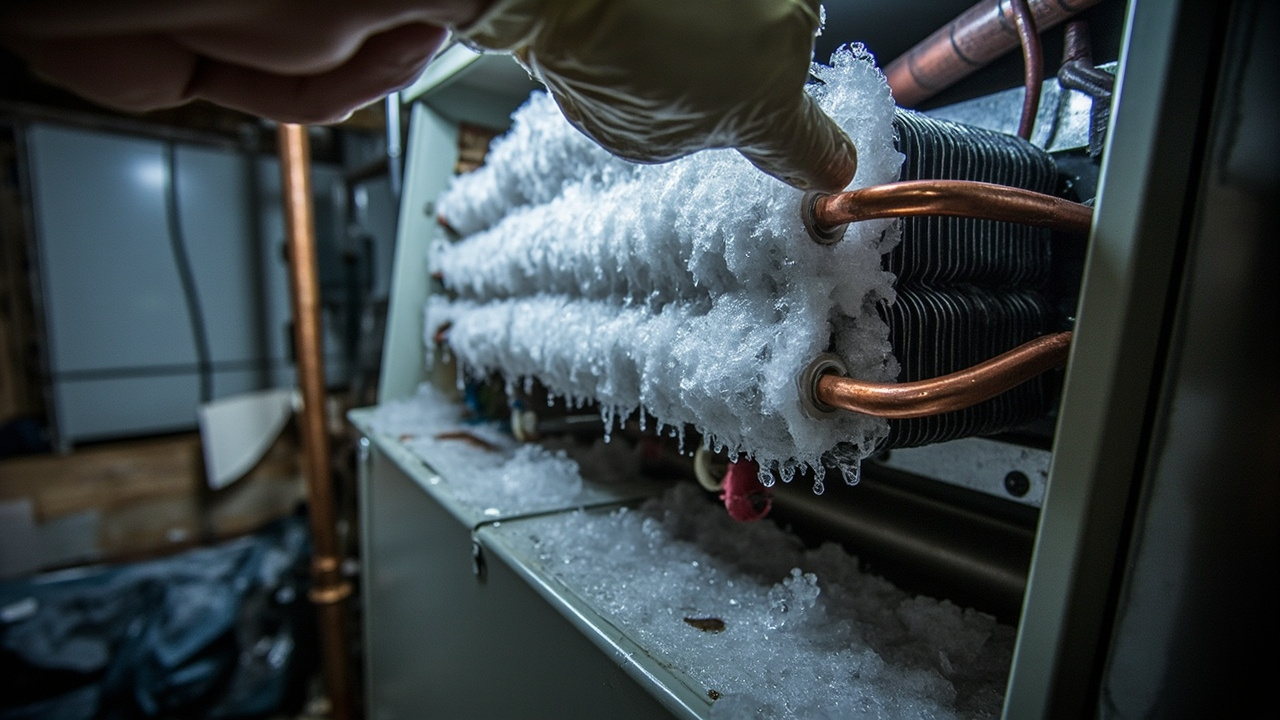
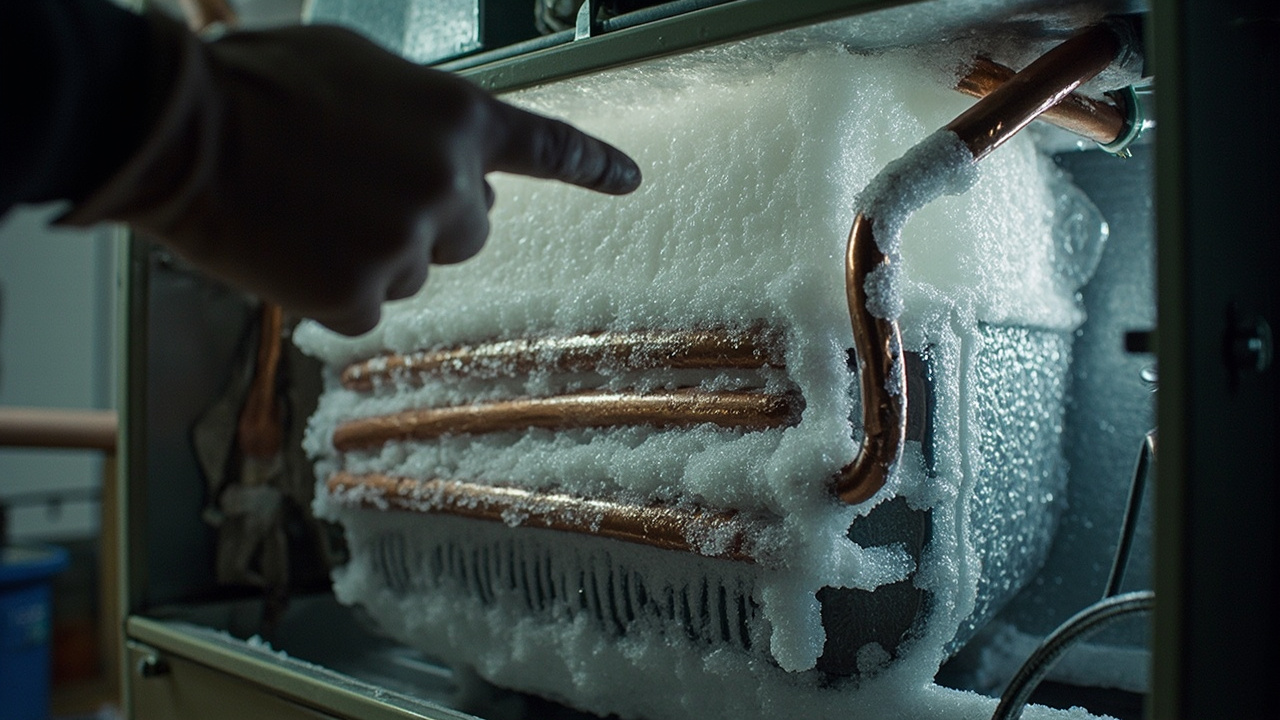
You turn on your air conditioner during a 90-degree Milwaukee afternoon, expecting relief. Instead, you find ice on evaporator coil surfaces and zero cool air reaching your home. The irony stings. Your cooling system froze solid when you needed it most.

Milwaukee's high humidity amplifies evaporator coil problems. When outdoor air hits 85 degrees with 70 percent humidity, your system works overtime to remove moisture. A refrigerant leak, clogged filter, or failing blower motor forces the coil temperature below 32 degrees. Condensation freezes instantly. The ice layer blocks airflow. Your compressor keeps running, but no heat exchange occurs. You pay for electricity that produces zero cooling.

Frozen cooling coils signal deeper system failures. Low refrigerant from a leak means the expansion valve cannot regulate pressure correctly. The coil temperature drops too far. Dirty filters restrict airflow across the coil surface. Without adequate air movement, the refrigerant cannot absorb heat. The coil ices over within hours.

Milwaukee's Lake Michigan proximity creates temperature swings that stress HVAC systems. A cool morning followed by a humid afternoon forces your compressor through rapid cycling. Expansion valves wear faster. Refrigerant lines develop pinhole leaks from vibration. Your evaporator iced over becomes the visible symptom of invisible component failures.

Ignoring an air conditioner coil freezing up damages the compressor. Ice forces the motor to work against blocked airflow. Liquid refrigerant floods back into the compressor, washing away lubricating oil. Bearings seize. You replace a coil issue that cost hundreds with a compressor replacement that costs thousands. The longer you wait, the more you pay.

Why Milwaukee's Summer Heat Makes a Frozen AC Evaporator Coil a Critical Emergency
How We Fix a Frozen Evaporator Coil the Right Way

How We Fix a Frozen Evaporator Coil the Right Way

Most companies thaw the ice and leave. We find what caused the frozen ac evaporator coil in the first place. That means pressure testing the refrigerant circuit, measuring airflow across the coil, and checking every component that affects coil temperature.

We start by shutting down your system and switching the blower to fan-only mode. Forcing warm air across the coil melts ice safely without thermal shock. We never use heat guns or scrapers that damage delicate aluminum fins. While the coil thaws, we measure static pressure in your duct system. Restricted airflow from undersized returns or closed vents drops coil temperature fast. We check every register and measure pressure drops that indicate hidden ductwork problems.

Next, we test refrigerant charge with manifold gauges. Subcooling and superheat measurements reveal whether you have a leak or an overcharge. Low refrigerant means the evaporator coil cannot absorb enough heat. The coil temperature plummets. We add UV dye and nitrogen pressure test to locate leaks in the line set, coil connections, or service valves. We repair leaks with brazing, not quick-connect fittings that fail in two years.

We inspect the blower motor and capacitor. A weak capacitor reduces motor speed by 20 percent. You lose airflow without obvious symptoms. The coil freezes because the blower cannot move enough air. We measure amp draw under load and compare it to the nameplate rating. A failing motor pulls excessive current and delivers insufficient airflow.

Finally, we check the expansion valve or metering device. A stuck valve floods the evaporator with liquid refrigerant. The coil temperature drops below freezing instantly. We verify proper superheat at the suction line and adjust or replace the valve if needed. You get a system that runs at design specifications, not one that limps along until the next freeze.

What Happens During Your Evaporator Coil Repair

Iced Up Evaporator Coil in Milwaukee | Expert Diagnosis and Same-Day Repair
01

Emergency Diagnostic Assessment

We arrive with manifold gauges, airflow meters, and thermal imaging cameras. First, we document the ice pattern on your coil. Uniform ice means airflow restriction. Ice on one side indicates refrigerant distribution problems. We measure supply and return temperatures, check filter condition, and inspect the condensate drain. These baseline readings tell us whether you have a mechanical failure or a system design flaw.
02

Component Testing and Repair

After the coil thaws, we test every component that affects coil temperature. We measure refrigerant pressures against manufacturer specifications, check blower motor capacitance, and verify thermostat calibration. If we find a refrigerant leak, we repair it with proper brazing techniques and evacuate the system to 500 microns before recharging. If the expansion valve fails, we replace it with an OEM part rated for Milwaukee's climate extremes.
03

Performance Verification and Prevention

We run your system through a complete cooling cycle and monitor coil temperature, airflow, and refrigerant pressures. You should see supply air temperatures between 55 and 60 degrees with no ice formation after 30 minutes of operation. We adjust airflow if needed, verify proper condensate drainage, and document all readings. You get a written report showing your system now operates within manufacturer specifications.

Why Milwaukee Homeowners Trust First Choice HVAC Milwaukee for Evaporator Coil Problems

Milwaukee's housing stock presents unique HVAC challenges. Homes built in the 1920s through 1940s feature plaster walls, tight floor plans, and minimal attic space. Installing adequate return air ducts in these homes requires creativity and precision. We understand how to retrofit modern HVAC systems into historic Milwaukee architecture without compromising performance or damaging original woodwork.

We know Milwaukee's seasonal extremes. Your HVAC system endures subzero winters and 90-degree summers with 80 percent humidity. That temperature range stresses every component. Expansion valves that work fine in moderate climates fail here. We stock parts rated for Wisconsin's climate, not generic components that fail when temperatures swing 100 degrees in six months.

Our technicians recognize Milwaukee's specific ductwork issues. Many homes built before 1970 have undersized return air systems. The original furnace needed less airflow. Modern high-efficiency systems move more air to achieve proper heat exchange. When you upgrade to a variable-speed air handler without adding return capacity, your evaporator coil freezes because airflow drops below design specifications. We measure total external static pressure and add return ducts when needed.

We see the Lake Michigan effect daily. Homes east of I-43 experience higher humidity than properties in Waukesha County. That moisture load forces your evaporator coil to work harder. A system properly sized for Brookfield runs continuously in Bay View. We factor local humidity patterns into our diagnostics, not just outdoor temperature.

Milwaukee's water quality affects your HVAC system. High mineral content in city water creates scale buildup in humidifiers. That scale travels through your ductwork and coats evaporator fins. Restricted airflow causes frozen coils. We check your whole-house humidifier during every coil repair and clean or replace the water panel if needed. You get solutions based on how Milwaukee homes actually operate, not textbook theory.

What to Expect When You Call First Choice HVAC Milwaukee

Same-Day Response for Frozen Coils

We understand a frozen evaporator coil means no air conditioning during Milwaukee's hottest months. You cannot wait three days for service. We prioritize frozen coil calls and typically arrive within four hours of your call. Our trucks carry the most common repair parts, including capacitors, contactors, and refrigerant. Most repairs finish the same day. You get cool air restored before you lose another night of sleep to the heat.

Comprehensive System Evaluation

We never just thaw your coil and leave. Our diagnostic process examines your entire cooling system. We measure refrigerant charge, test electrical components, check airflow, and inspect ductwork. You receive a written report detailing what caused the freeze and what we did to fix it. If we find other issues that could cause future failures, we explain them clearly and give you options. No pressure, just information you need to make smart decisions.

Repairs That Last Through Milwaukee Summers

We use OEM parts designed for your specific equipment. Generic capacitors and contactors save money upfront but fail faster under load. Our refrigerant repairs use brazing, not crimp fittings that leak when vibration loosens the connection. When we adjust your system, we set it to manufacturer specifications using calibrated gauges and meters. You get repairs engineered to handle Milwaukee's temperature extremes and humidity levels, not quick fixes that fail when the next heat wave arrives.

Preventive Maintenance to Stop Future Freezing

After we fix your frozen coil, we offer a maintenance plan that prevents recurrence. Our seasonal tune-ups include filter replacement, coil cleaning, refrigerant level verification, and airflow measurement. We catch small problems before they cause system failures. A dirty coil or weak capacitor gets addressed during routine maintenance, not at 9 PM on a Saturday when your house hits 85 degrees. You get reliability and peace of mind knowing your system receives professional attention twice a year.

Frequently Asked Questions

You Have Questions,
We Have Answers

What is the best way to thaw out an iced up evaporator coil? +

Turn off your AC system completely at the thermostat. Switch your fan setting to ON (not AUTO) to circulate warm air over the frozen coil. This helps accelerate thawing safely. Do not attempt to manually scrape or chip ice off the coil, as you risk damaging the thin aluminum fins. In Milwaukee's humid climate, thawing takes 2 to 8 hours depending on ice thickness. Place towels or a drip pan under the indoor unit to catch meltwater. Once thawed, do not restart your system until a technician identifies and fixes the root cause.

What causes ice on the evaporator coil? +

Ice forms when airflow over your evaporator coil drops too low or refrigerant pressure falls. Common culprits include dirty air filters blocking airflow, collapsed return ducts, blower motor failures, or refrigerant leaks. In Milwaukee homes with older ductwork, dust buildup restricts airflow faster than in newer systems. Low refrigerant from leaks causes the coil to drop below freezing temperature. Blocked condensate drains, thermostat malfunctions, and closed supply vents also contribute. Each issue prevents proper heat exchange, causing condensation on the coil to freeze into ice.

Will low refrigerant cause an evaporator to ice up? +

Yes. Low refrigerant drops evaporator pressure and temperature below freezing, causing ice buildup. When refrigerant leaks from your system, the remaining refrigerant expands too much inside the coil, super-cooling the metal. Moisture in the air hitting this sub-freezing surface instantly freezes. Milwaukee's humid summers worsen this effect because the air carries more moisture. Low refrigerant also forces your compressor to run longer, compounding the freeze. A technician must find and repair the leak, then recharge the system to manufacturer specifications. Simply adding refrigerant without fixing the leak wastes money and harms your compressor.

How would you remove frost on an evaporator coil? +

Turn off your AC at the thermostat immediately. Set the fan to ON to blow warm indoor air across the frozen coil. This passive thawing method prevents coil damage. Never use heat guns, hair dryers, or scrapers, which can puncture refrigerant lines or bend fins. Frost removal in Milwaukee homes typically takes 3 to 6 hours. Check your air filter and replace it if dirty. Monitor the condensate drain pan for overflow as ice melts. Once defrosted, leave your system off until a technician diagnoses why frost formed. Restarting without repairs causes repeat freezing.

Can I turn my AC back on after it thaws? +

No. Do not restart your AC after it thaws until a technician identifies and fixes the underlying problem. Ice forms because something failed in your system. Turning it back on without repairs causes immediate re-freezing and potential compressor damage. Milwaukee's high humidity accelerates re-icing on a faulty system. Common issues like refrigerant leaks, failed blower motors, or blocked ducts do not fix themselves. Running a compromised AC risks burning out your compressor, a repair costing thousands. Schedule a diagnostic visit first. A technician will test airflow, refrigerant levels, and electrical components before clearing your system to run.

How to melt ice on an evaporator coil? +

Shut down your AC system completely. Switch your thermostat fan to ON to circulate warm air through the unit. This slow thaw prevents damage to delicate coil fins. Do not apply external heat sources like space heaters or torches, which warp metal and crack refrigerant lines. In Milwaukee's climate, complete ice melt takes 4 to 8 hours depending on buildup severity. Place towels beneath the indoor unit to absorb meltwater. Check your air filter and replace it if clogged. After melting, keep your system off and call a technician to diagnose the cause before restarting.

Will my AC work again after it unfreezes? +

Your AC may cool temporarily after unfreezing, but it will freeze again without fixing the root cause. Ice indicates a mechanical or airflow failure in your system. Milwaukee homes with iced coils often have dirty filters, refrigerant leaks, or failing blower motors. These problems worsen each cooling cycle. Running a defrosted AC without repairs stresses your compressor, shortening its lifespan. You might get a few hours or days of cooling before re-icing occurs. A technician must restore proper airflow and refrigerant levels. Once repaired, your system will cool normally without freezing.

What is the 3 minute rule for AC? +

The 3 minute rule prevents compressor damage during restarts. After turning off your AC, wait at least 3 minutes before restarting. This pause allows refrigerant pressures to equalize between the high and low sides of your system. Restarting too quickly forces your compressor to start against high pressure, straining the motor and electrical components. In Milwaukee's summer heat, impatient homeowners often restart systems immediately, risking compressor failure. Modern thermostats enforce this delay automatically. If you manually cycle your system during troubleshooting, respect the 3 minute minimum to protect your equipment and avoid costly repairs.

What are the six common causes of evaporator freezing? +

The six common causes are dirty air filters restricting airflow, low refrigerant from leaks, failed blower motors reducing air circulation, blocked or closed supply vents, collapsed return ducts, and dirty evaporator coils. In Milwaukee homes, clogged filters from seasonal pollen and dust top the list. Each cause prevents warm air from reaching the coil, allowing condensation to freeze. Refrigerant leaks drop coil temperature below freezing. Blower motor failures stop airflow completely. Closed vents in unused rooms reduce system airflow below safe levels. Regular filter changes and annual maintenance prevent most freezing issues before they start.

What is the $5000 AC rule? +

The $5000 AC rule is informal guidance suggesting that if your AC repair costs exceed $5000 and your system is over 10 years old, replacement makes better financial sense than repair. This rule weighs repair cost against remaining system lifespan. In Milwaukee, where freeze-thaw cycles stress outdoor units and humidity challenges indoor components, older systems fail more frequently. A $5000 compressor replacement on a 12 year old AC means you might face another major repair within 2 years. Compare total repair costs to a new high-efficiency system with 10 year warranties and lower energy bills.

How Milwaukee's Humidity and Lake Effect Make Evaporator Coil Freezing More Common

Milwaukee sits eight miles from Lake Michigan. That proximity creates temperature and humidity patterns that stress air conditioning systems beyond normal limits. When lake breezes push humid air inland during summer afternoons, your evaporator coil must remove massive amounts of moisture to maintain comfort. A system sized only for temperature cannot handle the latent cooling load. The coil temperature drops too low trying to condense excess moisture. Ice forms on the fins within hours. Homes in Shorewood, Whitefish Bay, and Bay View see frozen coils more frequently than properties west of Highway 45 because lake effect humidity arrives first in lakefront neighborhoods.

Milwaukee's building codes and housing age create HVAC challenges that contribute to frozen coils. Many homes built before 1960 lack adequate return air pathways. Original gravity furnaces needed minimal airflow. Modern forced-air systems require balanced supply and return ductwork. When contractors install new equipment without upgrading returns, static pressure rises and airflow drops. Your evaporator coil freezes because it cannot move enough air for proper heat exchange. We work with Milwaukee's unique housing stock daily and know how to retrofit proper airflow into homes with limited basement height and tight floor plans.

HVAC Services in The Milwaukee Area

We proudly serve residential and commercial clients throughout the Milwaukee area. Our central location allows us to provide rapid, reliable service to neighborhoods and communities all over the region. Whether you're in the heart of the city or in the surrounding suburbs, our expert technicians are just a call away. View our map below to see our service area and find our main office location.

Address:
First Choice HVAC Milwaukee, 5700 W Capitol Dr,, Milwaukee, WI, 53209

Additional Services We Offer

Our news updates

Latest Articles & News from The Blogs

How to End the Thermostat Wars in Your Hartland Home with Simple Air Balancing Uneven temperatures in your Hartland home…

How to End the Thermostat Wars in Your Hartland Home with Simple Air Balancing

How to End the Thermostat Wars in Your Hartland Home with Simple Air Balancing Uneven temperatures in your Hartland home…

Why Your Attic is Covered in Frost During a Cold Snap in North Hills

Why Your Attic is Covered in Frost During a Cold Snap in North Hills \n Walking into your attic during…

How Your Kitchen Exhaust Fan Might Be Messing with Your Home's Air Pressure in Oak Creek

How Your Kitchen Exhaust Fan Might Be Messing with Your Home's Air Pressure in Oak Creek\n\nWhen you fire up your…

Contact Us

Your Milwaukee home deserves reliable cooling when temperatures climb. Call First Choice HVAC Milwaukee at (414) 387-8977 now for same-day evaporator coil repair. We diagnose the root cause, fix it right, and restore your comfort fast.