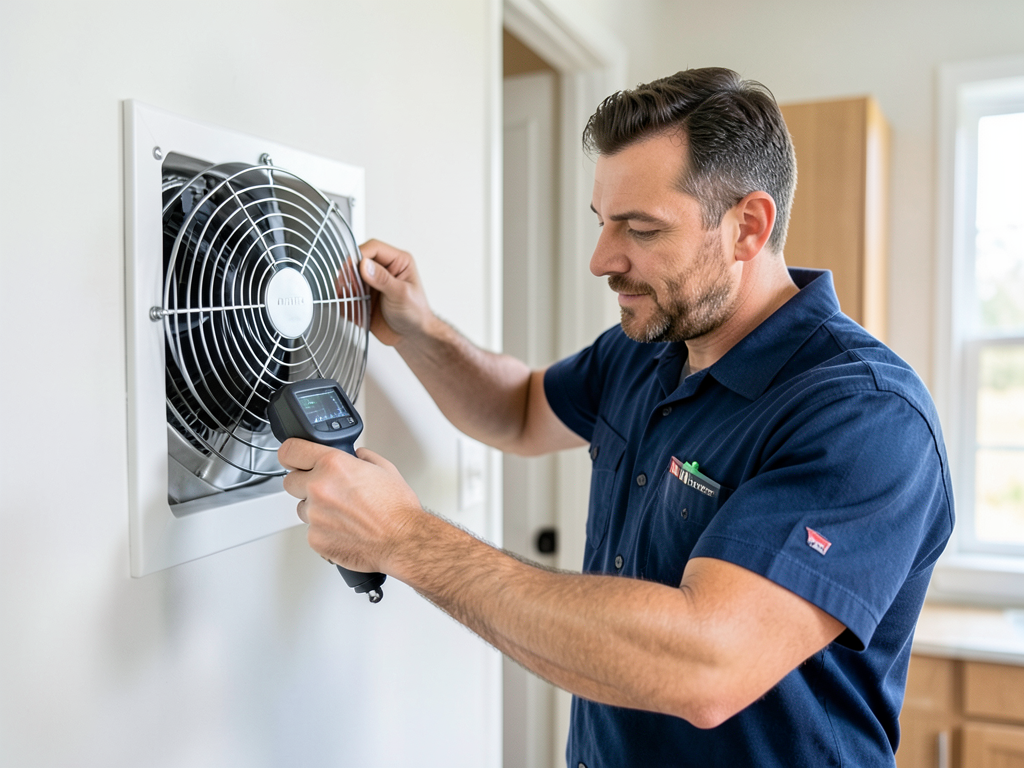





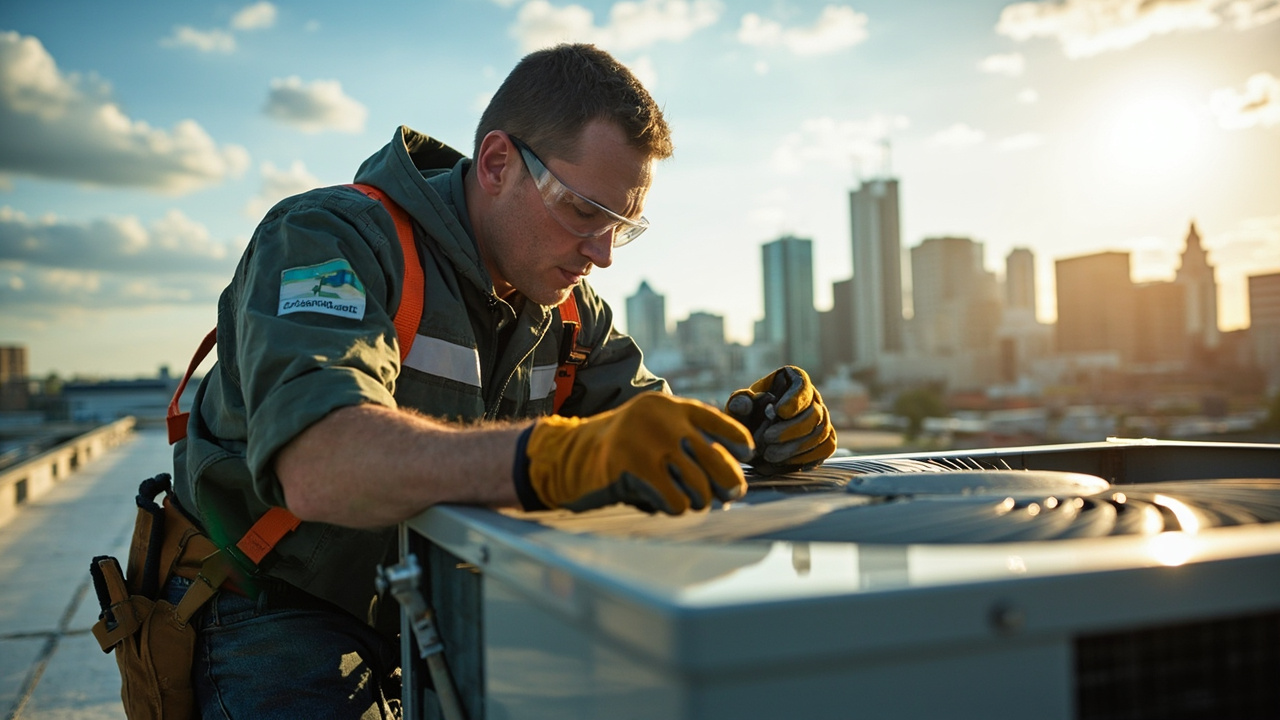


Milwaukee experiences temperature swings exceeding 120 degrees annually, from January lows near negative 10 degrees to July highs approaching 95 degrees with dewpoints in the mid-70s. Traditional rooftop units cycle on and off constantly during shoulder seasons, wasting energy and wearing out compressors. Variable refrigerant flow systems modulate compressor speed continuously, matching output to real-time demand. During mild spring mornings when only south-facing offices need cooling, the system runs at 30 percent capacity instead of cycling a full-load compressor. Heat recovery VRF configurations capture waste heat from server rooms or refrigeration equipment, redirecting it to perimeter zones during winter months. This dual heating-cooling capability cuts energy costs by 40 percent compared to conventional systems in Milwaukee's variable climate.
Milwaukee's commercial building inspectors enforce Wisconsin Commercial Building Code Chapter 63, which mandates energy efficiency compliance for new HVAC installations. VRF systems exceed code minimums for both Energy Efficiency Ratio and Integrated Energy Efficiency Ratio, providing compliance margin as regulations tighten. Our installation crews understand local permit requirements, mechanical rough-in inspection protocols, and final commissioning documentation needed for sign-off. We coordinate with the Department of Neighborhood Services to schedule inspections at optimal project phases, avoiding delays that extend your timeline. Choosing a local contractor familiar with Milwaukee's inspection process ensures your VRF installation passes on the first review without costly callbacks or rework.