







Menu

Weird Smells from Vents in Milwaukee – Expert Diagnosis and Permanent Fix

From musty odors to burning smells, we identify the root cause of strange odors from air ducts and eliminate them at the source using advanced diagnostic tools and targeted HVAC solutions.

Slider Image 1
Slider Image 2
Slider Image 3
Slider Image 4
Slider Image 5
Slider Image 7
Slider Image 8
Slider Image 9
Slider Image 10
Slider Image 11

Why Milwaukee Homes Develop Strange Odors from Air Ducts

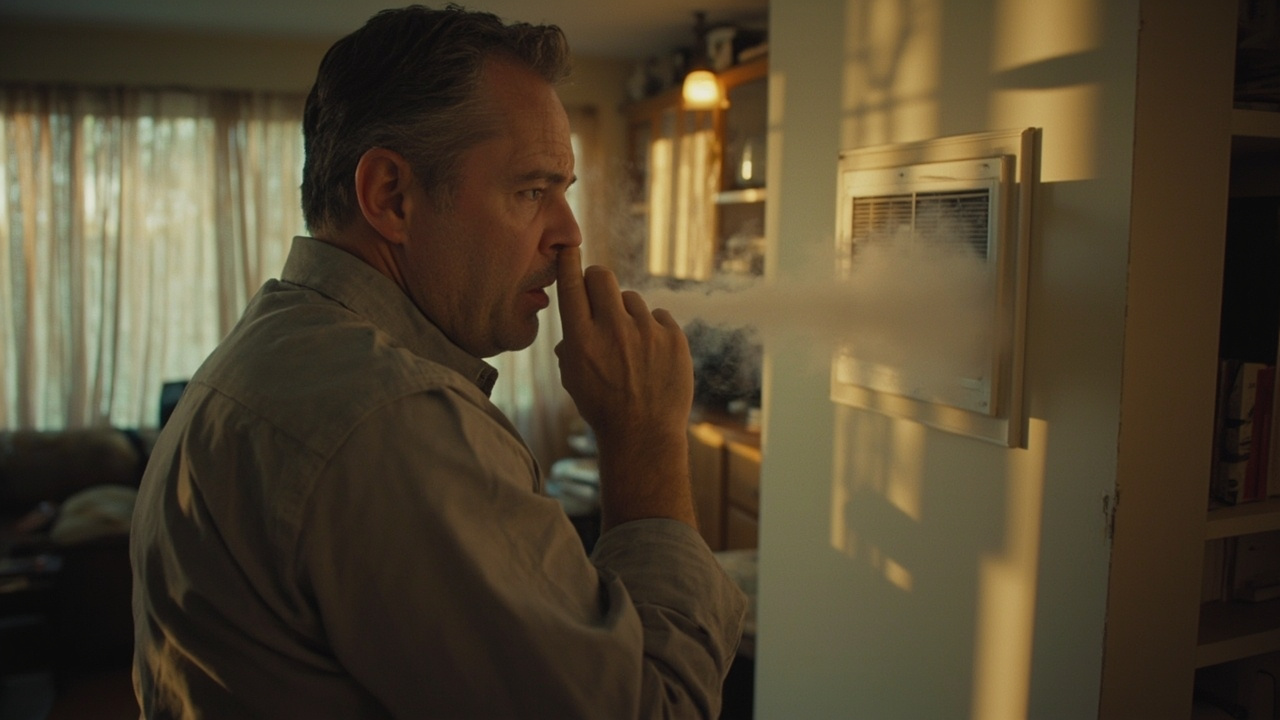
You flip on your furnace after a mild fall evening and suddenly smell something off. Or your air conditioner kicks in during a humid June afternoon and a musty stench floods your living room. Weird smells from vents are not just unpleasant. They signal a problem inside your HVAC system that needs immediate attention.

Milwaukee's climate creates the perfect storm for bad smell coming from vents. The city experiences high humidity levels throughout spring and summer, with dew points regularly climbing into the 60s and 70s. This moisture infiltrates ductwork and accumulates on evaporator coils, creating breeding grounds for mold and bacteria. When your system runs, it pushes foul air conditioner odors directly into your home.

Winter brings its own challenges. When you fire up your heating system after months of dormancy, dust and debris that settled on the heat exchanger burn off, creating a funny smell from heating system. But if that odor persists beyond the first few cycles or smells like rotten eggs, you could be dealing with a cracked heat exchanger leaking combustion gases, or a gas leak in the supply line.

The freeze-thaw cycles Milwaukee experiences also stress ductwork connections. Gaps develop at seams, allowing attic insulation, rodent nests, or even dead animals to contaminate your air supply. These organic materials decompose and create odd smells from HVAC system that worsen over time.

Do not ignore strange odors. What starts as a minor annoyance can indicate serious health risks, from carbon monoxide exposure to respiratory irritants circulating through every room.

Why Milwaukee Homes Develop Strange Odors from Air Ducts
How We Diagnose and Eliminate Foul Air Conditioner Odors

How We Diagnose and Eliminate Foul Air Conditioner Odors

We do not mask odors with air fresheners or duct deodorizers. We find the source and eliminate it permanently.

Our technicians start with a full system inspection, checking every component that could contribute to bad smell coming from vents. We remove access panels and visually inspect the evaporator coil for biofilm buildup, a slimy layer of mold and bacteria that thrives in condensation. We test the condensate drain line for clogs, which cause standing water to stagnate and emit sewer-like odors.

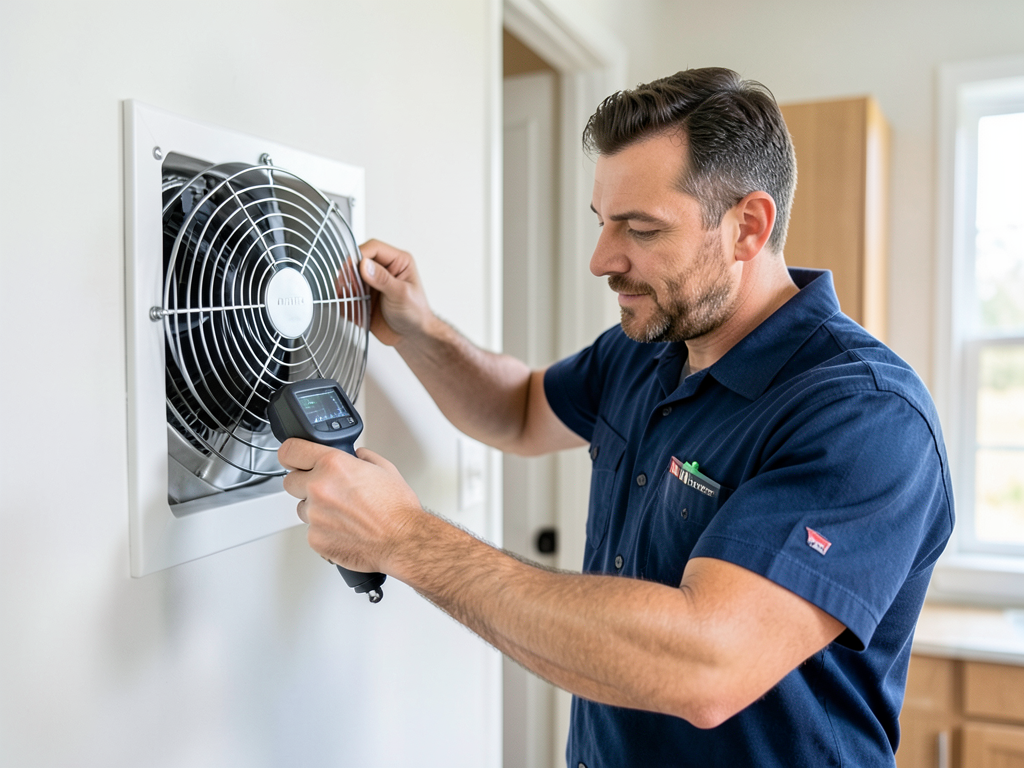
For heating systems, we perform combustion analysis on your furnace. We measure flue gas composition to detect incomplete combustion, which produces a sharp chemical smell. We inspect the heat exchanger with a fiber-optic camera, looking for cracks that allow exhaust gases to mix with supply air. This step is critical. A cracked heat exchanger is a carbon monoxide risk and requires immediate furnace replacement.

We also inspect ductwork integrity using pressure testing and thermal imaging. Leaks allow unconditioned air from attics or crawl spaces to enter the system, bringing with it dust, insulation particles, and odors from building materials. We seal leaks with mastic and metal-backed tape, not cloth duct tape, which degrades quickly.

If we find microbial growth, we apply EPA-registered antimicrobial treatment to affected surfaces and recommend UV light installation near the evaporator coil. UV-C light disrupts microbial DNA, preventing future growth without introducing chemicals into your airstream.

We also check your air filter. A clogged filter restricts airflow, causing the evaporator coil to freeze and then thaw repeatedly. This cycle creates excess moisture and accelerates mold growth. We recommend upgrading to MERV 11 or higher filters if your system can handle the static pressure.

What Happens During Your Odor Investigation

Weird Smells from Vents in Milwaukee – Expert Diagnosis and Permanent Fix
01

Initial System Assessment

We ask when you first noticed the smell, whether it occurs during heating or cooling, and if it changes with system runtime. We inspect your thermostat settings and verify proper system operation. We open your air handler and examine the blower compartment, drain pan, and coil housing for visible contamination or moisture accumulation. This assessment typically takes 20 to 30 minutes and gives us a clear direction for deeper investigation.
02

Targeted Component Testing

Based on initial findings, we perform specific diagnostic tests. For musty odors, we check drain line function and coil cleanliness. For burning smells, we measure amperage draw on the blower motor and inspect electrical connections for arcing. For sulfur or rotten egg odors, we test for gas leaks using electronic detectors and inspect the heat exchanger with specialized cameras. We document all findings with photos and measurements to show you exactly what we found.
03

Remediation and Prevention

Once we identify the source, we execute the fix. This might involve coil cleaning, duct sealing, drain line replacement, or in serious cases, heat exchanger replacement. We verify the repair by running the system through multiple cycles while monitoring air quality. Before we leave, we provide specific maintenance recommendations to prevent recurrence, including filter change schedules and humidity control strategies tailored to Milwaukee's climate conditions.

Why Milwaukee Homeowners Trust First Choice HVAC Milwaukee for Odor Problems

Odor diagnosis requires experience with Milwaukee's specific housing stock and climate challenges. Many homes in neighborhoods like Bay View, Riverwest, and Washington Heights were built between 1920 and 1960. These older homes often have galvanized steel ductwork that has corroded internally over decades, creating rough surfaces where mold anchors easily. We know what to look for in these systems and how to address problems without unnecessary duct replacement.

We also understand how Milwaukee's municipal water supply affects HVAC performance. The city's water has moderate hardness, and when condensate drains tie into floor drains, mineral buildup can create clogs that back up into the drain pan. We clear these clogs and install proper drain line traps to prevent sewer gas from entering your ductwork through the condensate line.

Our technicians receive ongoing training in combustion safety and indoor air quality diagnostics. We carry calibrated gas detectors and digital manometers to measure draft pressure in your flue system. These tools allow us to identify venting problems that cause exhaust gases to spill into your home, a common issue in tightly sealed newer homes or after window replacements that change building pressure dynamics.

We also work with Milwaukee's seasonal realities. We know that fall startups often reveal problems that developed during the cooling season, and spring AC startups uncover issues from winter dormancy. We schedule proactive maintenance visits that catch these problems before they create comfort issues or safety hazards.

When you call First Choice HVAC Milwaukee, you get a technician who understands your home's systems, Milwaukee's building patterns, and the specific factors that cause strange odors from air ducts in this region. We do not guess. We test, verify, and fix it right the first time.

What You Can Expect When You Call Us

Fast Response Times

We know that living with foul air conditioner odors affects your comfort and raises health concerns. We schedule odor investigations within 24 to 48 hours of your call, often same-day if you contact us in the morning. Our service vehicles carry diagnostic equipment and common repair parts, which means we can often solve the problem during the first visit without ordering specialty components. We respect your time and your home, arriving within the scheduled window and completing work efficiently without cutting corners.

Thorough Diagnostic Process

Our technicians do not rush to conclusions. We systematically inspect your entire HVAC system, from the outdoor condenser to the supply registers in each room. We test airflow, measure temperature differentials, and inspect hidden components that homeowners never see. We explain what we find in clear language, showing you photos or video when possible. You will understand exactly what is causing the odd smells from HVAC system and why our recommended solution addresses the root cause rather than just covering up symptoms.

Lasting Solutions

We fix problems to last, using professional-grade materials and proven techniques. When we clean coils, we use specialized detergents that remove biofilm without damaging aluminum fins. When we seal ductwork, we use UL-listed mastic that maintains flexibility through temperature swings. When we recommend equipment replacement, we specify models sized correctly for your home's load requirements and Milwaukee's climate demands. You will not experience recurring problems three months after we leave. Our repairs hold up through Wisconsin winters and humid summers alike.

Ongoing Maintenance Support

After we solve your immediate problem, we help you prevent future occurrences. We offer maintenance agreements that include biannual system inspections timed with Milwaukee's seasonal transitions. During these visits, we clean components before problems develop, replace filters, check refrigerant levels, and verify proper combustion on your furnace. Members receive priority scheduling and discounted service rates. We keep detailed service records so we can track your system's performance over time and catch developing issues before they create funny smell from heating system or cooling failures.

Frequently Asked Questions

You Have Questions,
We Have Answers

Why is there a bad smell coming from my vents? +

Bad smells from vents typically signal dirt buildup, mold growth, dead pests, or a clogged condensate drain. Milwaukee's high humidity in summer creates perfect conditions for mold in ductwork. Musty odors point to moisture problems. Rotten egg smells suggest a gas leak, which requires immediate action. Burning odors indicate electrical issues or overheated components. Dirty air filters trap organic matter that decays over time, releasing foul odors. If the smell appears when you first turn on your system after months of inactivity, dust burning off is normal. Persistent or chemical smells need professional diagnosis to identify the exact source.

What does an electrical fire smell like before it starts? +

Before an electrical fire starts, you will smell burning plastic, rubber, or chemicals. The odor resembles melting wire insulation or overheated components. This acrid, chemical smell is distinct from normal dust burning off heating elements. You may also notice a fishy smell from overheating electrical components. Milwaukee's older homes often have outdated wiring that cannot handle modern electrical loads. If you smell burning plastic near vents or outlets, shut off power to that circuit immediately. Check your electrical panel for warm breaker switches or scorch marks. Call an electrician right away if the smell persists.

What does mold in air vents smell like? +

Mold in air vents smells musty, earthy, or like damp socks. Milwaukee's humid summers and cold winters create condensation inside ductwork, which feeds mold growth. The odor intensifies when your HVAC system runs because air circulation spreads mold spores throughout your home. Black mold has a stronger, more pungent odor than other mold types. You may also notice visible dark spots around vent grilles or feel increased allergy symptoms. Basements in Milwaukee homes are especially prone to mold due to groundwater seepage. A professional duct inspection with camera equipment confirms mold presence before remediation begins.

Is strange smell coming from a vent a chemical hazard? +

Yes, strange smells from vents can indicate chemical hazards. Rotten egg odors signal natural gas leaks, which are explosive and deadly. Sweet chemical smells may indicate refrigerant leaks, which displace oxygen. Formaldehyde smells suggest off-gassing from new building materials or duct sealants. Milwaukee's mix of old and renovated homes can have both outdated and new materials releasing chemicals. Carbon monoxide is odorless but often accompanies gas furnace problems that produce other smells. If you detect chemical odors, open windows, leave your home, and call your utility company or fire department. Never assume a smell is harmless without professional investigation.

How to sanitize air ducts yourself? +

You cannot safely sanitize air ducts yourself. Proper duct cleaning requires commercial-grade negative air machines, rotary brushes, and HEPA filtration that homeowners do not own. DIY attempts push contaminants deeper into ductwork or damage flexible ducts. You can change your air filter monthly and vacuum visible dust around vent grilles. Milwaukee's construction dust and pollen loads require frequent filter changes. Wipe vent covers with damp cloths to remove surface buildup. However, mold remediation, pest removal, and deep cleaning need professional equipment. Certified technicians also inspect for disconnected ducts, leaks, and code violations that affect air quality.

What does an AC freon leak smell like? +

AC Freon leaks smell sweet and chemical, similar to chloroform or ether. Some describe it as a slightly musty chemical odor. Older refrigerants like R-22 have a stronger smell than newer R-410A. Milwaukee's temperature swings stress AC coils, causing pinhole leaks over time. You may also hear hissing near the outdoor unit or notice ice buildup on refrigerant lines. Freon is heavier than air, so the smell concentrates near floor vents. Prolonged exposure causes dizziness, nausea, and breathing difficulty. Turn off your AC immediately if you suspect a leak. Refrigerant handling requires EPA certification and specialized equipment.

Are there warning signs before an electrical fire? +

Yes, warning signs before electrical fires include burning plastic smells, flickering lights, warm outlets or switch plates, buzzing sounds from electrical panels, and frequent circuit breaker trips. You may see discolored or scorched outlets. Milwaukee's older homes often have aluminum wiring or outdated electrical panels that overheat under load. Appliances plugged into failing circuits may shut off randomly. Light bulbs burn out faster near problem areas. Check for loose outlet connections by gently wiggling plugs. Never ignore burning smells or sparks. Electrical fires develop quickly once wiring insulation ignites. Schedule an electrical inspection if you notice multiple warning signs.

What does bad wiring smell like? +

Bad wiring smells like burning plastic, rubber, or chemicals. Overheating wire insulation produces an acrid, chemical odor distinct from normal household smells. You may notice the smell near outlets, switches, or your electrical panel. Milwaukee homes built before 1970 often have cloth-covered or aluminum wiring that degrades over time. Rodents chewing through insulation also create burning smells when exposed wires arc. The odor intensifies when you run high-draw appliances like air conditioners or space heaters. If you trace the smell to a specific outlet, stop using it immediately. Continuing to draw power through damaged wiring ignites fires.

What are signs of faulty wiring? +

Faulty wiring signs include frequent circuit breaker trips, flickering or dimming lights, buzzing sounds from outlets or switches, discolored or warm wall plates, burning smells, and shocks when touching appliances. Milwaukee's freeze-thaw cycles shift foundations, which pulls and damages wiring connections. You may notice outlets that do not hold plugs firmly or switches that spark when flipped. Lights that dim when appliances turn on indicate inadequate circuit capacity. Check your electrical panel for rust, corrosion, or breakers that do not stay in the reset position. Any burning smell or visible sparks requires immediate professional inspection and repair.

What are the 10 warning signs of mold toxicity? +

The 10 warning signs of mold toxicity include persistent coughing, wheezing, sinus congestion, headaches, fatigue, skin rashes, difficulty concentrating, memory problems, joint pain, and sensitivity to light. Milwaukee's humid climate increases mold exposure risk, especially in basements and crawl spaces. Symptoms worsen when spending time indoors and improve when away from home. Children, elderly adults, and people with asthma or compromised immune systems show more severe reactions. Black mold produces mycotoxins that cause neurological symptoms. If multiple household members develop unexplained health issues, inspect your HVAC system and home for hidden mold growth. Professional mold testing identifies specific species and contamination levels.

How Milwaukee's Lake Effect Humidity Makes Mold Growth in HVAC Systems a Year-Round Concern

Milwaukee sits on the western shore of Lake Michigan, and this proximity drives humidity levels higher than inland Wisconsin cities. During summer, onshore breezes carry moisture-laden air that keeps relative humidity above 60 percent for weeks at a time. Your air conditioner pulls this moisture out of the air, but if your system cycles too frequently or if your drain line clogs, water accumulates on the evaporator coil and in the drain pan. This creates ideal conditions for mold and bacteria that produce musty bad smell coming from vents. Even in winter, basement installations near laundry rooms or bathrooms can develop condensation problems when warm, moist air contacts cold ductwork. These conditions make regular inspections and proper drainage critical for Milwaukee homes.

Working in Milwaukee means understanding local building codes and the city's housing diversity. We service everything from historic homes in Wauwatosa with original gravity furnaces to new construction in the Third Ward with high-efficiency heat pumps. We know which neighborhoods have clay soil that causes foundation settling and duct disconnections. We understand how the city's mix of natural gas and electric utilities affects system selection and safety protocols. When you choose a local company like First Choice HVAC Milwaukee, you get technicians who know your neighborhood, your home's likely construction methods, and the specific challenges that cause strange odors from air ducts in Milwaukee properties. This local knowledge translates to faster diagnosis and better long-term solutions.

HVAC Services in The Milwaukee Area

We proudly serve residential and commercial clients throughout the Milwaukee area. Our central location allows us to provide rapid, reliable service to neighborhoods and communities all over the region. Whether you're in the heart of the city or in the surrounding suburbs, our expert technicians are just a call away. View our map below to see our service area and find our main office location.

Address:
First Choice HVAC Milwaukee, 5700 W Capitol Dr,, Milwaukee, WI, 53209

Additional Services We Offer

Our news updates

Latest Articles & News from The Blogs

How to End the Thermostat Wars in Your Hartland Home with Simple Air Balancing Uneven temperatures in your Hartland home…

How to End the Thermostat Wars in Your Hartland Home with Simple Air Balancing

How to End the Thermostat Wars in Your Hartland Home with Simple Air Balancing Uneven temperatures in your Hartland home…

Why Your Attic is Covered in Frost During a Cold Snap in North Hills

Why Your Attic is Covered in Frost During a Cold Snap in North Hills \n Walking into your attic during…

How Your Kitchen Exhaust Fan Might Be Messing with Your Home's Air Pressure in Oak Creek

How Your Kitchen Exhaust Fan Might Be Messing with Your Home's Air Pressure in Oak Creek\n\nWhen you fire up your…

Contact Us

You should breathe clean air in your home. Call First Choice HVAC Milwaukee at (414) 387-8977 today. We will identify the source of those weird smells from vents and fix the problem permanently. Same-day service available.