





Menu

Furnace Pilot Light Issues in Milwaukee – Fast Diagnosis and Permanent Fixes for Stubborn Pilot Light Problems

When your pilot light won't stay lit or keeps going out, you need technicians who understand Wisconsin gas systems and can diagnose the root cause in one visit, not guess their way through multiple service calls.

Slider Image 1
Slider Image 2
Slider Image 3
Slider Image 4
Slider Image 5
Slider Image 7
Slider Image 8
Slider Image 9
Slider Image 10
Slider Image 11

Why Milwaukee Furnaces Face Unique Pilot Light Challenges

You walk downstairs to a cold basement. The furnace is silent. You check the pilot light window and see nothing but darkness. You try to relight it, follow the instructions taped to the panel, and it fires up. Twenty minutes later, it goes out again.

Milwaukee's temperature swings create conditions that accelerate pilot light problems. When overnight lows drop from 45 degrees to 15 degrees between October and November, your furnace cycles more aggressively. The thermocouple, the safety device that senses flame and allows gas flow, gets stressed from constant heating and cooling. It weakens. Then it fails.

Gas furnace pilot light malfunctions happen for predictable reasons. The thermocouple becomes coated with carbon buildup from incomplete combustion. The pilot orifice clogs with debris. The gas pressure drops because of supply line issues. The flame sensor fails to detect heat accurately.

If your pilot light won't stay lit, you have a safety system doing its job. The thermocouple shuts off gas flow when it cannot confirm a flame. This prevents raw gas from pooling in your heat exchanger. The problem is not that the safety works. The problem is diagnosing why the pilot light keeps going out in the first place.

Homes in Wauwatosa and Shorewood with original 1950s gas lines sometimes experience pressure inconsistencies. Homes near Lake Michigan deal with higher humidity, which can corrode thermocouple connections faster. Furnace pilot light problems escalate when the underlying cause goes undiagnosed. You waste money on service calls that only address symptoms.

Why Milwaukee Furnaces Face Unique Pilot Light Challenges
How We Diagnose and Repair Pilot Light Failures Correctly

How We Diagnose and Repair Pilot Light Failures Correctly

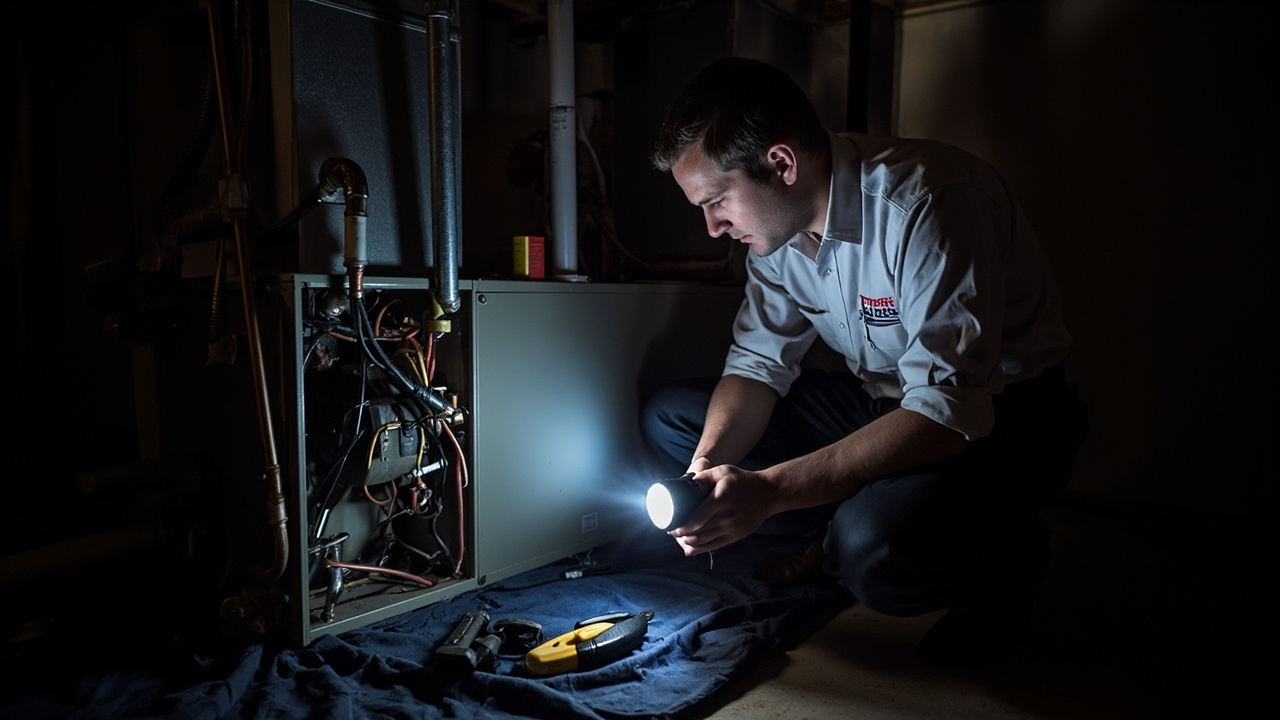
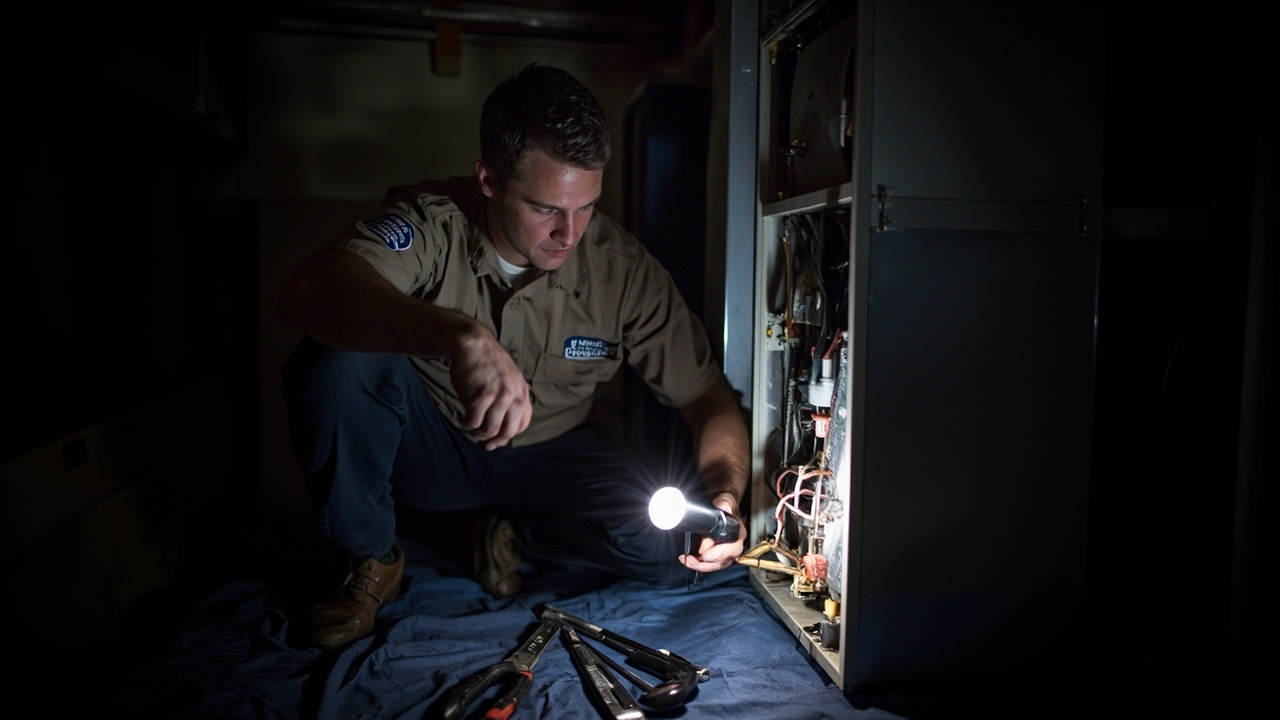
We do not assume. We test. When you call First Choice HVAC Milwaukee for a pilot light that won't stay lit, we bring a combustion analyzer and a manometer to measure gas pressure at the valve. Most companies eyeball the flame color and replace the thermocouple. We measure millivolt output to confirm whether the thermocouple generates enough electrical current to hold the gas valve open.

If the thermocouple tests good, we check the pilot orifice for blockage. We remove it, inspect it under magnification, and clean or replace it. We check incoming gas pressure at the manifold. Natural gas should read between 3.5 and 4 inches of water column at the burner. If it reads low, we trace back to the meter or regulator.

We inspect the flame sensor rod for carbon fouling. Even a thin layer of soot will insulate the sensor and prevent it from detecting heat. We use emery cloth to polish the rod, not sandpaper, which leaves grit that accelerates future buildup.

If your furnace uses a standing pilot system, common in older Lennox and Carrier units installed before 2000, we verify the pilot flame wraps around the thermocouple tip. If the flame is weak or yellow, we adjust the pilot screw or replace the pilot assembly. A proper pilot flame is blue with a small yellow tip and stands roughly half an inch tall.

For electronic ignition systems with intermittent pilots, we test the ignition module and the flame sensor circuit. We check for voltage drops and confirm the control board sends the correct signal sequence. Gas furnace pilot light malfunction in newer systems often traces to a failing control board, not the pilot assembly itself.

We fix it once. We do not return three times to replace the same part.

What Happens When You Call Us for Pilot Light Repair

Furnace Pilot Light Issues in Milwaukee – Fast Diagnosis and Permanent Fixes for Stubborn Pilot Light Problems
01

Immediate Safety Check

We start by verifying your home is safe. Before touching the furnace, we use a combustible gas detector to check for natural gas accumulation near the unit and in the surrounding area. We inspect the heat exchanger for cracks and check the vent pipe for blockages. If the pilot light keeps going out due to a failed heat exchanger, relighting it repeatedly can allow carbon monoxide into your living space. Safety comes before repairs.
02

Systematic Component Testing

We test each part of the pilot system in sequence using calibrated meters. We measure thermocouple millivolt output, gas supply pressure, and flame sensor microamp draw. We remove and inspect the pilot orifice and burner assembly. We check the manual gas valve and the automatic gas valve for internal failures. We verify the thermostat wiring is correct and not causing intermittent ground faults. We document findings on your service ticket so you know exactly what failed and why.
03

Verified Repair and Testing

After replacing or cleaning the failed component, we reassemble the furnace and run a full heat cycle. We monitor the pilot light for at least fifteen minutes to confirm it stays lit under load. We verify the thermocouple holds voltage and the main burners ignite cleanly. We test the limit switches and confirm the blower motor responds correctly. We leave your furnace running and operational. You get heat the same day we arrive.

Why Milwaukee Homeowners Trust First Choice HVAC for Pilot Light Repairs

We have seen every generation of gas furnace installed in Milwaukee since 1960. We know the quirks of the old Rheem criterions with the millivolt thermostats. We know the Bryant Plus 80s that used a powerpile instead of a thermocouple. We know the Carrier Weathermakers that had the pilot light hidden behind a sheet metal baffle.

Most companies send technicians who learned HVAC on newer equipment. They have never touched a standing pilot system. They do not carry the parts. They do not know how to adjust a pilot flame or test a thermocouple with a multimeter. They guess. They replace the thermocouple, collect the service fee, and leave. When the pilot goes out again two days later, they blame your furnace age and push a replacement sale.

We carry thermocouples, pilot assemblies, gas valves, and ignition modules on every truck. We stock parts for Lennox, Carrier, Bryant, Rheem, Goodman, Amana, Trane, and York furnaces. We do not make extra trips for parts. We fix it the first time.

Milwaukee's housing stock includes thousands of homes built between 1920 and 1960. Many still run original cast iron sectional furnaces converted from coal to gas. These systems use technologies that modern technicians do not understand. We understand them. We have the experience and the parts inventory to keep them running safely.

We also understand Milwaukee's building codes and how they apply to gas appliances. If your pilot light problem stems from inadequate combustion air or improper venting, we identify it and explain your options. We do not ignore code violations. We do not create safety risks to close a service ticket quickly.

You get a technician who knows your equipment, carries the right parts, and fixes the problem correctly.

What You Can Expect from Our Pilot Light Repair Service

Same-Day Service Availability

We understand that a furnace with a pilot light that won't stay lit means no heat. We prioritize these calls, especially during cold weather. Most pilot light repairs take between 45 and 90 minutes once we arrive. If we need to order a specialty part for an older furnace, we provide temporary solutions when possible and return as soon as the part arrives. You will not wait a week in the cold for a repair that should take an hour.

Transparent Diagnostic Process

We show you what failed and explain why it failed. If your thermocouple is covered in carbon, we show you. If your gas pressure is low, we show you the gauge reading. If your pilot orifice is clogged, we show you the debris. We believe you deserve to understand what you are paying for. We explain the repair in plain language and give you options when multiple solutions exist. We do not upsell. We educate.

Reliable and Lasting Repairs

Our goal is to fix your pilot light problem permanently, not temporarily. We replace worn parts with quality components designed for your furnace model. We do not install generic aftermarket thermocouples that fail in six months. We adjust gas pressures to manufacturer specifications. We clean burner assemblies and flame sensors so combustion occurs cleanly. When we leave, your furnace works correctly. If the same issue recurs within the heating season due to our error, we return and fix it at no additional charge.

Preventive Maintenance Recommendations

After repairing your pilot light, we inspect the rest of your furnace for developing issues. We check the heat exchanger for cracks, test the blower motor capacitor, and inspect the vent pipe for corrosion. If we find problems that could cause a breakdown later this winter, we tell you. We provide written recommendations with clear explanations of urgency. We believe in catching small problems before they become emergencies. Preventive maintenance costs less than emergency repairs at midnight in January.

Frequently Asked Questions

You Have Questions,
We Have Answers

Why is my furnace pilot light not igniting? +

Your pilot light fails to ignite due to gas supply interruptions, a clogged pilot orifice, or a faulty thermocouple. Milwaukee's freezing winters can cause condensation in gas lines, blocking flow. Check if your gas valve is fully open. Debris accumulation from dust or spider webs often blocks the tiny orifice opening. A worn thermocouple may fail to sense heat and shut off gas as a safety measure. Turn off the gas, wait five minutes for any residual gas to clear, then attempt the lighting sequence again. If repeated attempts fail, call a technician to inspect the gas valve and thermocouple connections.

How to clean a thermocouple on a gas furnace? +

Turn off the gas and power to your furnace. Locate the thermocouple, a copper rod positioned near the pilot flame. Remove the mounting bracket using a wrench or screwdriver. Use fine-grit sandpaper or steel wool to gently scrub away carbon deposits and oxidation from the thermocouple tip. Wipe clean with a dry cloth. Avoid bending the probe, as proper positioning is critical for flame contact. Reinstall the thermocouple securely. Milwaukee's high humidity accelerates corrosion, so annual cleaning prevents failures. If cleaning does not restore function, replacement is necessary. This task requires comfort working around gas components.

How to clean air intake valve to pilot light? +

Shut off the gas supply and power. Locate the air intake valve near the pilot assembly. Remove the access panel for visibility. Use a small brush or compressed air to clear dust, lint, and debris from the intake opening. Milwaukee homes accumulate dust from forced air systems, especially during heating season transitions. Avoid pushing debris deeper into the valve. Wipe surrounding surfaces with a dry cloth. Check for spider webs or insect nests that commonly block small openings in basements. Vacuum the furnace area to reduce future buildup. Reassemble components and test pilot ignition after cleaning.

Does a flickering pilot light mean danger? +

A flickering or yellow pilot flame signals incomplete combustion, often from dirty burners or insufficient air supply. This creates carbon monoxide risk. A healthy pilot burns steady blue with a small yellow tip. Flickering indicates air drafts, low gas pressure, or a failing thermocouple. Milwaukee's older homes with drafty basements worsen this issue. Turn off your furnace immediately if you detect a dancing, weak, or discolored flame. Ventilate the area and call a technician. Carbon monoxide is odorless and deadly. Never ignore flame color changes. Install carbon monoxide detectors on every floor as backup protection.

What to do if the pilot light won't relight? +

If the pilot refuses to stay lit, the thermocouple likely fails to detect heat or the gas valve malfunctions. Ensure you hold the reset button for 30 to 60 seconds after ignition to allow the thermocouple to heat properly. Check for drafts near the furnace that extinguish the flame. Milwaukee basements often have air leaks around foundation walls. Verify the gas supply is on and pressure is adequate. If the pilot lights but dies immediately after releasing the button, replace the thermocouple. Repeated failures indicate a gas valve issue requiring professional diagnosis and replacement.

What are signs of a bad furnace igniter? +

A failing igniter shows visible cracks, does not glow orange when powered, or glows without igniting gas. You may hear clicking without flame ignition. Hot surface igniters become brittle over time and crack from thermal stress. Milwaukee's frequent heating cycles during cold snaps accelerate wear. Observe the igniter during startup. It should glow bright orange within seconds. Weak glow indicates electrical problems or a dying element. No glow means complete failure or wiring issues. Igniters are fragile. Avoid touching the ceramic element, as skin oils cause premature cracking. Replacement restores reliable ignition immediately.

What are the signs of a failing thermocouple? +

A failing thermocouple causes the pilot light to go out repeatedly or prevents ignition entirely. You may notice the pilot lights but extinguishes when you release the reset button. Thermocouples generate millivolts from heat to signal the gas valve. Corrosion, dirt buildup, or metal fatigue reduces this voltage below the threshold needed to keep the valve open. Milwaukee's humid conditions accelerate corrosion on older thermocouples. Testing requires a multimeter to measure millivolt output. Readings below 20 millivolts indicate replacement is needed. Thermocouples typically last five to ten years under normal conditions.

Can I replace a thermocouple myself? +

You can replace a thermocouple if you are comfortable working with gas connections and hand tools. Turn off the gas supply and power. Disconnect the thermocouple from the gas valve using a wrench. Remove the mounting bracket securing it near the pilot. Install the new thermocouple in the exact position, ensuring the tip sits in the pilot flame path. Hand-tighten connections, then snug with a wrench. Milwaukee homeowners should verify local codes permit DIY gas work. Improper installation causes gas leaks or ignition failure. If uncertain about gas safety, hire a licensed technician for peace of mind.

How do I reset a thermocouple? +

Thermocouples do not have a reset function. They are passive sensors that generate voltage from heat. If your pilot light will not stay lit, the issue is not a reset but a failed thermocouple requiring replacement. The reset button you press is part of the gas valve, not the thermocouple. Holding this button manually opens gas flow while you ignite the pilot, allowing the thermocouple time to heat and generate voltage. Once the thermocouple reaches operating temperature, it signals the valve to remain open. Confusion arises because the process feels like resetting, but you are simply bypassing the safety interlock temporarily.

How to tell if air intake is clogged? +

A clogged air intake reduces combustion efficiency and causes yellow flames, soot buildup, or furnace shutdowns. You may notice longer ignition delays or the pilot struggling to stay lit. Remove the access panel and visually inspect the intake opening for dust, lint, or blockages. Milwaukee homes with pets or older ductwork accumulate debris faster. Use a flashlight to check deep into the intake path. Poor draft or stuffy air near the furnace also indicates restriction. Listen for abnormal airflow sounds during operation. Clean the intake with a brush and vacuum. Persistent issues require duct inspection or combustion air adjustments by a technician.

How Milwaukee's Gas Infrastructure Affects Pilot Light Reliability

Milwaukee relies on natural gas supplied through infrastructure that includes mains installed decades ago. Older neighborhoods on the East Side and in Bay View still have some low-pressure distribution lines that were upgraded from manufactured gas systems. These lines can experience pressure fluctuations during peak demand on cold mornings when thousands of furnaces fire simultaneously. A pilot light that works fine in September may struggle in January when system pressure drops. Understanding these local supply characteristics allows us to diagnose pilot light problems that other companies miss. We test for low gas pressure and work with homeowners to address supply issues that affect pilot stability.

First Choice HVAC Milwaukee has served the greater Milwaukee metro for years. We understand the building codes enforced by the City of Milwaukee Department of Neighborhood Services and know how they apply to gas appliance installations and repairs. We know which permit requirements apply to furnace work and when a repair requires inspection. Our technicians stay current on code changes and safety standards. When you hire us, you hire a company that operates legally, pulls permits when required, and prioritizes safety over speed. Local expertise matters when your family's safety depends on properly functioning gas appliances.

HVAC Services in The Milwaukee Area

We proudly serve residential and commercial clients throughout the Milwaukee area. Our central location allows us to provide rapid, reliable service to neighborhoods and communities all over the region. Whether you're in the heart of the city or in the surrounding suburbs, our expert technicians are just a call away. View our map below to see our service area and find our main office location.

Address:
First Choice HVAC Milwaukee, 5700 W Capitol Dr,, Milwaukee, WI, 53209

Additional Services We Offer

Our news updates

Latest Articles & News from The Blogs

How to End the Thermostat Wars in Your Hartland Home with Simple Air Balancing Uneven temperatures in your Hartland home…

How to End the Thermostat Wars in Your Hartland Home with Simple Air Balancing

How to End the Thermostat Wars in Your Hartland Home with Simple Air Balancing Uneven temperatures in your Hartland home…

Why Your Attic is Covered in Frost During a Cold Snap in North Hills

Why Your Attic is Covered in Frost During a Cold Snap in North Hills \n Walking into your attic during…

How Your Kitchen Exhaust Fan Might Be Messing with Your Home's Air Pressure in Oak Creek

How Your Kitchen Exhaust Fan Might Be Messing with Your Home's Air Pressure in Oak Creek\n\nWhen you fire up your…

Contact Us

If your pilot light keeps going out, call First Choice HVAC Milwaukee at (414) 387-8977. We diagnose the real problem and fix it correctly the first time. Same-day service available throughout the Milwaukee metro area.