





West Allis sits in a climate zone that punishes HVAC equipment year round. Winter temperatures drop below zero for weeks straight, forcing furnaces to run nonstop. Summer humidity pushes 90 percent, making air conditioners work overtime to remove moisture from your home. This freeze and sweat cycle creates intense wear on equipment.
The city's housing stock adds another layer of complexity. Neighborhoods like Honey Creek and Greenfield Park feature homes built between 1920 and 1960, many with original ductwork never designed for modern central air. Basement foundations in areas near the Menomonee River valley deal with groundwater issues that can flood mechanical rooms. Ranch homes popular in West Milwaukee Heights often have undersized return air systems that choke efficiency.
Wisconsin building codes require specific venting protocols for gas furnaces due to our harsh winters. Systems must handle extreme temperature swings from subzero nights to fifty degree afternoons in spring and fall. Equipment that works fine in milder climates fails fast here. Your HVAC system needs to survive West Allis conditions, and that takes proper installation and fast repairs when problems hit.
First Choice HVAC Milwaukee has kept West Allis homes comfortable through the worst weather Wisconsin throws at us. Our technicians live in the area and respond from nearby, which means faster arrival times when your system fails. We stock parts for every major brand on our trucks because we know waiting days for repairs is not an option when temperatures hit extremes.
Our team trains constantly on new equipment and old systems alike. West Allis has everything from 1950s gravity furnaces to brand new modulating gas systems, and we fix them all. We do not sell you equipment you do not need. If a repair makes sense, we repair it. If replacement saves you money long term, we explain exactly why and show you the numbers.
We answer our phones. You talk to our dispatch team in minutes, not hours. We give you accurate arrival windows and call when we are on the way. Our pricing is straightforward with no hidden fees for after hours or weekend service. When we quote a repair, that price is what you pay.
First Choice HVAC Milwaukee guarantees our work and stands behind every repair. We follow up after service to make sure your system runs properly. Our goal is simple: fix your problem fast, do it right, and earn your trust for the next time you need help. West Allis homeowners call us back because we show up when we say we will and fix what is broken.

Most repairs happen the same day you call. Our technicians work from West Allis, so drive time is minimal. We dispatch immediately and carry common parts on every truck. When your furnace quits on a Sunday night in January, we get there fast.

Carrier, Trane, Lennox, Rheem, Goodman, Bryant, Amana, York. We fix them all. Our technicians train on every major manufacturer and stock parts for the brands West Allis homes actually have. You are not stuck replacing a system just because we cannot fix yours.
You get the price before we start work. No surprises, no hidden fees, no charging extra because it is Saturday. We quote the repair, you approve it, we complete it. The price we give you is the price you pay, period.
We know your neighborhood because we work here every day. We understand how homes in Honey Creek differ from those near State Fair Park. We have seen the ductwork problems in older neighborhoods and the equipment failures common to West Allis housing stock.
First Choice HVAC Milwaukee handles every heating and cooling need your home has. We repair systems when they break, maintain equipment to prevent failures, and replace units when repair no longer makes financial sense. Our technicians arrive with diagnostic tools and parts inventory to solve problems on the first visit.
West Allis homes need HVAC service year round. Furnaces fail in winter cold. Air conditioners quit during summer heat waves. Ductwork leaks waste your money. Thermostats malfunction and leave you uncomfortable. We fix all of it.
Our service coverage includes emergency repairs when systems fail completely, seasonal maintenance to catch problems early, and full system replacement when your equipment reaches end of life. We work on forced air furnaces, boilers, central air conditioners, heat pumps, ductless mini splits, and hybrid systems. Whether you need a blower motor replaced tonight or want to schedule spring maintenance, we have the crew and expertise to handle it. Our approach is simple: diagnose accurately, explain clearly, fix it right.
Your furnace does not care that it is 2 AM or Christmas morning. When heating or cooling fails, we respond immediately. Our emergency service covers complete system breakdowns, gas leaks, electrical failures, refrigerant leaks, and any problem that leaves your home uncomfortable or unsafe. We carry common parts on every truck and fix most problems the same visit. No extra charges for nights, weekends, or holidays.
Regular maintenance stops most HVAC failures before they happen. Our technicians inspect every component, clean coils and burners, test safety controls, check refrigerant levels, and measure system performance. We catch worn parts before they fail and keep your equipment running efficiently. Spring AC tune-ups and fall furnace checks protect your investment and prevent emergency breakdowns during temperature extremes.
When repair costs exceed replacement value or your system is beyond its useful life, we install new equipment sized correctly for your home. We calculate heat loss and cooling loads, design proper ductwork, and match equipment to West Allis climate demands. Installation includes removing old equipment, upgrading electrical service if needed, and testing the complete system. We handle permits and inspections required by local codes.
West Allis climate and housing create predictable HVAC problems. Extreme winter cold causes furnace failures when systems cannot keep up with heat demand. Summer humidity overwhelms air conditioners not sized for moisture removal. Homes built before 1970 often have undersized ductwork that restricts airflow and reduces efficiency.
Basement installations common to West Allis homes expose equipment to flooding risks. The Menomonee River valley and low lying areas near Honey Creek see groundwater intrusion during heavy rains. Furnaces and air handlers sitting on basement floors can be damaged by water. Older homes lack proper combustion air supply for modern high efficiency furnaces, causing venting problems and safety concerns.
These issues compound over time. A duct leak wastes conditioned air. Poor insulation around ductwork in unconditioned spaces loses temperature. Undersized return air grilles starve equipment of airflow. Each problem stresses your system and shortens its life. Recognizing these common failures helps you act fast when they occur.
Wisconsin winters kill furnaces. Ignitors crack from thermal cycling. Heat exchangers fail from condensation. Gas valves stick. Blower motors burn out from constant use. When your furnace stops producing heat during subzero weather, you need repair immediately. Most failures involve worn components that break under extreme demand.
Air conditioners struggle when outdoor temperatures stay above 90 degrees for days. Refrigerant leaks, dirty coils, failed capacitors, and weak compressors cause cooling loss. High humidity makes the problem worse because your system must remove moisture and lower temperature simultaneously. Undersized equipment cannot handle the load.
Ductwork problems cause hot and cold spots throughout your home. Leaking ducts lose conditioned air before it reaches living spaces. Undersized returns restrict airflow. Closed or blocked vents create pressure imbalances. Poor duct design common in older West Allis homes means some rooms never get adequate heating or cooling.
Worn equipment costs more to operate. Dirty filters restrict airflow and make systems work harder. Failing thermostats cause excessive cycling. Duct leaks waste conditioned air. Old furnaces and air conditioners simply use more energy than modern equipment. When utility bills spike without explanation, your HVAC system is working too hard.
We make HVAC service straightforward. When you call, our team answers quickly and gathers information about your problem. We dispatch a technician who calls before arrival so you know when to expect us. Our trucks carry diagnostic equipment and common parts to solve problems on the first visit.
Your technician inspects your system completely, not just the obvious problem. We test components, measure performance, and identify the root cause of failure. You get a clear explanation of what is wrong and what it takes to fix it. We provide upfront pricing before starting work. You approve the repair, we complete it, and you pay when satisfied.
First Choice HVAC Milwaukee respects your home and your time. We wear shoe covers, protect your floors, and clean up completely when finished. After repair, we test your system thoroughly to confirm it works properly. We answer your questions and explain how to prevent future problems. Our goal is to fix your issue right the first time and leave you confident in your HVAC system.
Our technicians diagnose the actual problem, not what we hope is wrong. We use testing equipment to measure system performance and identify failed components. You get a detailed explanation of what needs repair and why. We quote the complete job upfront with parts and labor included. No surprise charges appear later. If we find additional problems during repair, we stop and get your approval before proceeding.
We work efficiently but never cut corners. Most repairs complete the same day because we stock parts and know what we are doing. Our technicians have fixed thousands of HVAC systems and handle problems quickly. Speed does not mean sloppy work. We test everything after repair to confirm proper operation. You get quality work done fast.
First Choice HVAC Milwaukee stands behind every repair. We guarantee our workmanship and the parts we install. If something goes wrong with our repair, we come back and fix it at no charge. We follow up after service to make sure your system runs correctly. Our reputation depends on doing the job right, and we protect that reputation with solid guarantees.
HVAC repair should be straightforward. We built our process to eliminate confusion and get your system working fast. Three steps take you from broken equipment to restored comfort.
Call (414) 387-8977 and speak with our team immediately. We gather information about your problem and schedule a technician. Most service happens the same day you call. We give you an accurate arrival window and text when the technician is on the way. You know exactly when we will arrive and what to expect.
Your technician inspects your complete HVAC system and diagnoses the problem. We explain what failed, why it happened, and what repair requires. You get flat rate pricing before any work starts. Once you approve the repair, we complete it using quality parts and proven methods. Most jobs finish the same visit.
After repair, we test your system through complete heating or cooling cycles. We measure temperatures, check airflow, and confirm proper operation. Your system must meet performance standards before we leave. We clean up our work area completely and answer any questions. Our team follows up to ensure your satisfaction.
HVAC installation and repair in Wisconsin follows strict codes designed for our extreme climate. Wisconsin Administrative Code COMM 64 governs mechanical system installation. These regulations mandate proper venting for gas furnaces, require specific clearances around equipment, and set minimum efficiency standards. West Allis enforces these codes through permit and inspection processes administered by the city building department.
Furnace venting is critical in Wisconsin. Conventional furnaces require Category I venting sized according to fuel input and flue gas temperature. High efficiency condensing furnaces need Category IV venting using PVC or CPVC plastic pipe with specific slope requirements for condensate drainage. Incorrect venting causes backdrafting, which introduces carbon monoxide into living spaces. Every furnace installation requires combustion air supply calculated based on equipment input and room volume.
Refrigerant handling follows EPA Section 608 regulations. Technicians must hold proper certification to purchase and handle refrigerants. We use electronic leak detectors to find refrigerant losses and repair them before recharging systems. Simply adding refrigerant without fixing leaks violates federal law and wastes your money. Proper charging requires measuring subcooling or superheat, not just reading gauge pressure.
Ductwork design affects system performance dramatically. Supply ducts must deliver calculated CFM to each room based on heat loss and gain. Return air systems need adequate sizing to avoid negative pressure. Metal ductwork requires sealed joints using mastic or foil tape, never cloth duct tape which fails quickly. Ducts in unconditioned spaces need insulation rated R-6 or higher to prevent condensation and energy loss. Manual D calculations determine proper duct sizing for West Allis climate zone.
Gas furnaces must vent combustion products safely outdoors. Code specifies vent pipe material, diameter, and termination location based on furnace efficiency and BTU input. High efficiency furnaces use plastic venting with condensate drains. Conventional furnaces need metal B-vent chimneys. Improper venting creates carbon monoxide hazards and fails inspection.
Properly sized equipment matches your home's heating and cooling demands. Manual J load calculations account for insulation, window area, orientation, and Wisconsin climate data. Oversized systems short cycle and waste energy. Undersized equipment cannot maintain comfort during temperature extremes. Correct sizing requires detailed measurements and calculations, not guessing based on square footage.
Air conditioners must contain exact refrigerant charges for efficient operation. We measure superheat on fixed orifice systems or subcooling on TXV systems to verify proper charge. Temperature and pressure alone do not confirm correct charging. Overcharged systems damage compressors. Undercharged systems lose capacity and waste electricity while hunting for leaks.
West Allis requires permits for furnace and air conditioner replacement, ductwork modifications, and gas line work. The building department reviews installations for code compliance. Inspectors verify proper venting, clearances, electrical connections, and gas piping. Working without permits risks failed inspections and creates liability. We handle all permitting and schedule required inspections.
This video explains common HVAC failures in West Allis homes and how to choose quality repair service. First Choice HVAC Milwaukee covers furnace breakdowns, air conditioning problems, and climate challenges specific to West Allis. Learn what causes heating and cooling failures, how emergency repairs should work, and what proper HVAC service includes. Get expert advice on maintaining your system and knowing when to call for professional help.
First Choice HVAC Milwaukee serves every neighborhood in West Allis and responds quickly across the entire city. Our technicians know the housing stock and HVAC challenges specific to different areas. Homes in the Honey Creek neighborhood near the Greenfield Avenue corridor often feature original 1950s ductwork in crawl spaces that create access challenges. Ranch homes in West Milwaukee Heights typically have attic furnaces or basement installations with long duct runs that affect efficiency.
The area around State Fair Park includes mid century homes with gravity furnaces being converted to forced air systems. These conversions require careful duct design to deliver adequate airflow to all rooms. Properties near Greenfield Park and the Menomonee River valley face groundwater issues during heavy rains, making basement HVAC installations vulnerable to flooding. We recommend equipment platforms and backwater valves to protect mechanical systems in these areas.
Northern sections of West Allis closer to Highway 45 and Greenfield Avenue feature newer housing developments from the 1970s and 1980s with more modern HVAC infrastructure. These homes typically have properly sized ductwork but often need equipment replacement as original systems reach 30 to 40 years old. Southern neighborhoods near National Avenue and the West Milwaukee border include denser housing with small lots where outdoor condenser placement requires creative solutions.
We service communities throughout Milwaukee County including West Milwaukee, Greenfield, Wauwatosa, and Milwaukee's southwest side neighborhoods. Our central location means fast response times whether you live near the Menomonee Valley, along the National Avenue commercial corridor, or in residential areas surrounding Lincoln Park. We understand how West Allis fits into the larger Milwaukee metro and navigate the area efficiently to reach your home quickly when HVAC problems occur.
The $5000 rule helps you decide whether to repair or replace your HVAC system. Multiply your system's age by the repair cost. If the total exceeds $5000, replacement makes more financial sense. For example, a 12-year-old furnace needing a $500 repair equals $6000, suggesting replacement. In West Allis, where winter temperatures regularly drop below zero and summers bring high humidity, an aging system works harder and costs more to run. Factor in Wisconsin energy costs and potential utility rebates when making your decision. This rule provides a practical starting point for homeowners facing expensive repairs.
HVAC repair costs in West Allis vary widely based on the issue. Minor repairs like thermostat replacement or capacitor fixes run lower, while compressor or heat exchanger replacements cost significantly more. Service calls include diagnostic fees, labor, and parts. Wisconsin's extreme temperature swings from subzero winters to humid summers stress systems and can accelerate wear. Maintenance issues often compound during peak heating and cooling seasons. Get multiple quotes from licensed contractors familiar with local building codes and climate demands. Regular maintenance helps you avoid expensive emergency repairs during January cold snaps or July heat waves.
West Allis HVAC systems face specific challenges due to Wisconsin's climate. Dirty air filters top the list, restricting airflow and forcing your system to work harder. Thermostat malfunctions cause temperature inconsistencies. Refrigerant leaks reduce cooling capacity during humid summers. Ignition or pilot control issues affect furnaces during brutal winter months. Frozen evaporator coils happen when airflow drops. Drainage problems occur as humidity fluctuates. Worn contactor relays and capacitors fail under constant cycling. Blower motor issues reduce air circulation. Regular filter changes every 30 to 90 days and annual professional maintenance prevent most common problems.
The $5000 rule helps you decide whether to repair or replace your HVAC system. Multiply your system's age by the repair cost. If the total exceeds $5000, replacement makes more financial sense. For example, a 12-year-old furnace needing a $500 repair equals $6000, suggesting replacement. In West Allis, where winter temperatures regularly drop below zero and summers bring high humidity, an aging system works harder and costs more to run. Factor in Wisconsin energy costs and potential utility rebates when making your decision. This rule provides a practical starting point for homeowners facing expensive repairs.
HVAC repair costs in West Allis vary widely based on the issue. Minor repairs like thermostat replacement or capacitor fixes run lower, while compressor or heat exchanger replacements cost significantly more. Service calls include diagnostic fees, labor, and parts. Wisconsin's extreme temperature swings from subzero winters to humid summers stress systems and can accelerate wear. Maintenance issues often compound during peak heating and cooling seasons. Get multiple quotes from licensed contractors familiar with local building codes and climate demands. Regular maintenance helps you avoid expensive emergency repairs during January cold snaps or July heat waves.
West Allis HVAC systems face specific challenges due to Wisconsin's climate. Dirty air filters top the list, restricting airflow and forcing your system to work harder. Thermostat malfunctions cause temperature inconsistencies. Refrigerant leaks reduce cooling capacity during humid summers. Ignition or pilot control issues affect furnaces during brutal winter months. Frozen evaporator coils happen when airflow drops. Drainage problems occur as humidity fluctuates. Worn contactor relays and capacitors fail under constant cycling. Blower motor issues reduce air circulation. Regular filter changes every 30 to 90 days and annual professional maintenance prevent most common problems.
HVAC systems in West Allis last 15 to 20 years on average, but Wisconsin's harsh climate affects longevity. Furnaces typically run 15 to 18 years, while air conditioners last 12 to 15 years. Extreme temperature swings from subzero winters to 90-degree summers stress components. Systems that heat and cool year-round experience more wear than those in moderate climates. Regular maintenance extends lifespan. Annual tune-ups, prompt repairs, and filter changes prevent premature failure. Installation quality matters too. Proper sizing for your home's square footage and insulation levels prevents overwork. Replace aging systems before they fail during peak season.
A complete HVAC system replacement in West Allis depends on your home's size, system efficiency rating, and installation complexity. Variables include ductwork condition, whether you need separate heating and cooling units, and energy efficiency preferences. Wisconsin homeowners often choose higher SEER ratings to offset extreme seasonal usage. Your home's insulation, square footage, and layout affect equipment sizing. Two-story homes require different configurations than ranch styles common throughout West Allis neighborhoods. Focus Energy offers free estimates that account for your specific needs, existing infrastructure, and long-term energy savings. Quality installation matters as much as equipment choice.
The 3-minute rule protects your air conditioner's compressor from damage. After your AC shuts off, wait at least three minutes before restarting it. This delay allows refrigerant pressure to equalize throughout the system. Restarting too quickly forces the compressor to start against high pressure, causing electrical stress and potential failure. West Allis homeowners cycling their AC during humid summer days should respect this rule. Most modern thermostats include built-in delay features. If you frequently adjust your thermostat or experience power outages during summer storms, this rule prevents expensive compressor damage. Let your system rest between cycles.
Homeowners insurance in Wisconsin covers HVAC repairs only under specific conditions. Damage from covered perils like fire, lightning strikes, vandalism, or sudden equipment failure may qualify. Gradual wear, poor maintenance, and age-related breakdowns get denied. Insurance does not cover repairs from neglect or normal aging. If a summer storm damages your outdoor condenser unit, you might have coverage. Frozen pipes that damage your furnace during winter could qualify. Review your policy for equipment breakdown coverage or home systems protection endorsements. Document maintenance records. Most claims require proof of proper system care. Contact your insurance agent before filing claims.
West Allis HVAC technicians frequently repair capacitors, which help motors start and run. These components fail under Wisconsin's temperature extremes. Thermostat replacements fix heating and cooling control issues. Contactor repairs restore electrical connections to compressors and fan motors. Refrigerant recharges address cooling loss from leaks. Blower motor repairs or replacements fix airflow problems. Igniter replacements get furnaces running during winter. Drainage line clears prevent water damage from AC condensation. Filter replacements improve efficiency. Flame sensor cleanings restore furnace operation. These repairs prevent complete system failure when addressed promptly. Annual maintenance catches most issues before they escalate.
Compressor replacement ranks as the most expensive AC repair. The compressor pumps refrigerant through your system, making cooling possible. Failure stems from electrical issues, refrigerant problems, or worn components. West Allis homes with aging systems face higher compressor failure risk during peak summer demand. Replacement involves recovering refrigerant, replacing the component, pressure testing, and recharging the system. Labor and parts make this repair costly. Many homeowners choose full system replacement instead, given the compressor's role as the heart of your AC. If your system exceeds 10 years old, replacement often makes better financial sense.
The 2-foot rule requires clearance around your outdoor HVAC condenser unit. Maintain at least two feet of space on all sides for proper airflow and service access. Remove vegetation, debris, lawn furniture, and storage items from this zone. West Allis properties with landscaping near condensers often restrict airflow, reducing efficiency and causing overheating. Shrubs, tall grass, and fallen leaves block air intake. Snow accumulation during Wisconsin winters also restricts airflow. Keep the area clear year-round. Trim back bushes and remove snow buildup promptly. Adequate clearance extends equipment life, improves efficiency, and allows technicians to perform maintenance safely.
HVAC systems in West Allis last 15 to 20 years on average, but Wisconsin's harsh climate affects longevity. Furnaces typically run 15 to 18 years, while air conditioners last 12 to 15 years. Extreme temperature swings from subzero winters to 90-degree summers stress components. Systems that heat and cool year-round experience more wear than those in moderate climates. Regular maintenance extends lifespan. Annual tune-ups, prompt repairs, and filter changes prevent premature failure. Installation quality matters too. Proper sizing for your home's square footage and insulation levels prevents overwork. Replace aging systems before they fail during peak season.
A complete HVAC system replacement in West Allis depends on your home's size, system efficiency rating, and installation complexity. Variables include ductwork condition, whether you need separate heating and cooling units, and energy efficiency preferences. Wisconsin homeowners often choose higher SEER ratings to offset extreme seasonal usage. Your home's insulation, square footage, and layout affect equipment sizing. Two-story homes require different configurations than ranch styles common throughout West Allis neighborhoods. Focus Energy offers free estimates that account for your specific needs, existing infrastructure, and long-term energy savings. Quality installation matters as much as equipment choice.
The 3-minute rule protects your air conditioner's compressor from damage. After your AC shuts off, wait at least three minutes before restarting it. This delay allows refrigerant pressure to equalize throughout the system. Restarting too quickly forces the compressor to start against high pressure, causing electrical stress and potential failure. West Allis homeowners cycling their AC during humid summer days should respect this rule. Most modern thermostats include built-in delay features. If you frequently adjust your thermostat or experience power outages during summer storms, this rule prevents expensive compressor damage. Let your system rest between cycles.
Homeowners insurance in Wisconsin covers HVAC repairs only under specific conditions. Damage from covered perils like fire, lightning strikes, vandalism, or sudden equipment failure may qualify. Gradual wear, poor maintenance, and age-related breakdowns get denied. Insurance does not cover repairs from neglect or normal aging. If a summer storm damages your outdoor condenser unit, you might have coverage. Frozen pipes that damage your furnace during winter could qualify. Review your policy for equipment breakdown coverage or home systems protection endorsements. Document maintenance records. Most claims require proof of proper system care. Contact your insurance agent before filing claims.
West Allis HVAC technicians frequently repair capacitors, which help motors start and run. These components fail under Wisconsin's temperature extremes. Thermostat replacements fix heating and cooling control issues. Contactor repairs restore electrical connections to compressors and fan motors. Refrigerant recharges address cooling loss from leaks. Blower motor repairs or replacements fix airflow problems. Igniter replacements get furnaces running during winter. Drainage line clears prevent water damage from AC condensation. Filter replacements improve efficiency. Flame sensor cleanings restore furnace operation. These repairs prevent complete system failure when addressed promptly. Annual maintenance catches most issues before they escalate.
Compressor replacement ranks as the most expensive AC repair. The compressor pumps refrigerant through your system, making cooling possible. Failure stems from electrical issues, refrigerant problems, or worn components. West Allis homes with aging systems face higher compressor failure risk during peak summer demand. Replacement involves recovering refrigerant, replacing the component, pressure testing, and recharging the system. Labor and parts make this repair costly. Many homeowners choose full system replacement instead, given the compressor's role as the heart of your AC. If your system exceeds 10 years old, replacement often makes better financial sense.
The 2-foot rule requires clearance around your outdoor HVAC condenser unit. Maintain at least two feet of space on all sides for proper airflow and service access. Remove vegetation, debris, lawn furniture, and storage items from this zone. West Allis properties with landscaping near condensers often restrict airflow, reducing efficiency and causing overheating. Shrubs, tall grass, and fallen leaves block air intake. Snow accumulation during Wisconsin winters also restricts airflow. Keep the area clear year-round. Trim back bushes and remove snow buildup promptly. Adequate clearance extends equipment life, improves efficiency, and allows technicians to perform maintenance safely.
We proudly serve residential and commercial clients throughout the Milwaukee area. Our central location allows us to provide rapid, reliable service to neighborhoods and communities all over the region. Whether you're in the heart of the city or in the surrounding suburbs, our expert technicians are just a call away. View our map below to see our service area and find our main office location.
Address:
West Allis, WI, 53214
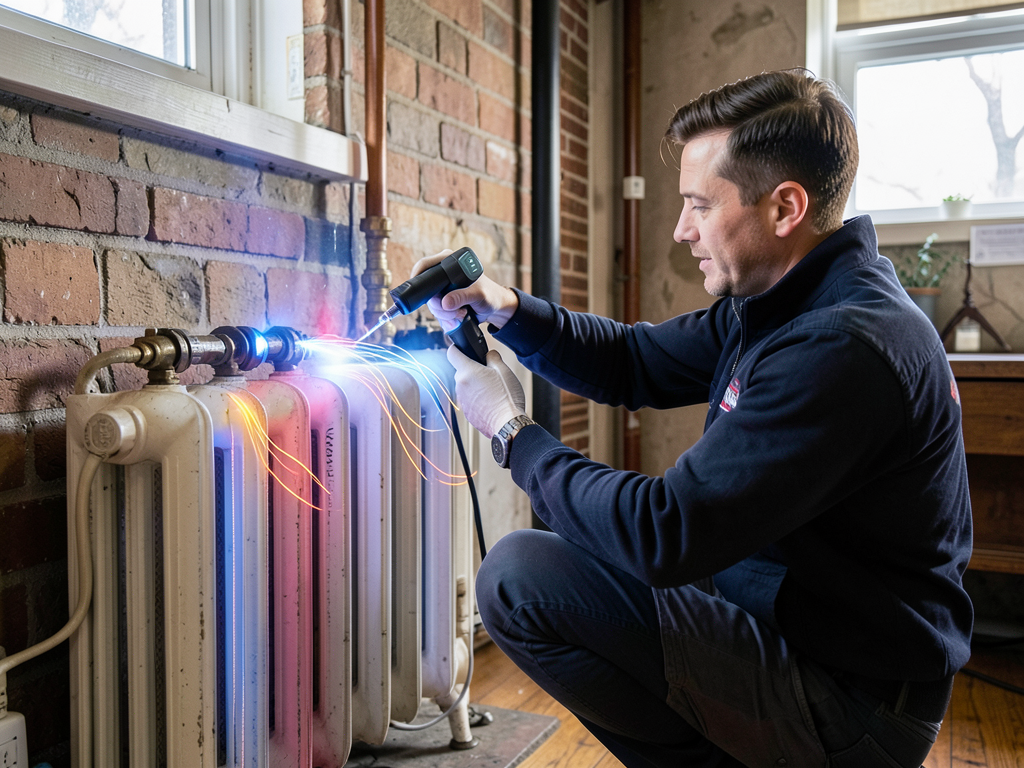
How to Tell if Your Yankee Hill Home is Better Suited for Radiators or Forced Air Your Yankee Hill home sits in one of Milwaukee's most distinctive historic districts, where early 20th-century architecture meets modern…
How to End the Thermostat Wars in Your Hartland Home with Simple Air Balancing Uneven…

Why Your Attic is Covered in Frost During a Cold Snap in North Hills \n…

How Your Kitchen Exhaust Fan Might Be Messing with Your Home's Air Pressure in Oak…
Your comfort matters. Call First Choice HVAC Milwaukee now at (414) 387-8977 for fast, reliable HVAC repair in West Allis. Our technicians respond quickly with the parts and expertise to fix your system right the first time.