





Brown Deer sits in the humid continental climate zone where systems work overtime year-round. Winter temperatures plunge below zero, forcing furnaces into constant operation for months. Summer humidity pushes 80 percent, making air conditioners cycle continuously to manage moisture and heat. This extreme temperature swing from negative 10 to 90 degrees puts stress on every component.
Milwaukee County clay soil creates drainage issues around outdoor condenser units. Water pools around equipment during spring thaw and heavy rains, corroding electrical connections and degrading pad supports. Foundation settling in older Brown Deer homes near Green Bay Road and Bradley Road shifts ductwork connections, creating air leaks that waste energy and reduce comfort.
Wisconsin building codes require specific ventilation standards for combustion appliances. Many Brown Deer homes built in the 1950s and 1960s around Fairy Chasm and along the Milwaukee River corridor need system updates to meet current safety requirements. Frozen condensate lines during winter cold snaps shut down high-efficiency furnaces. Attic-mounted air handlers in ranch-style homes common throughout Brown Deer neighborhoods suffer from extreme temperature exposure, shortening equipment life and reducing efficiency.
We respond to Brown Deer service calls within 90 minutes because we know system failures create real problems. Our technicians carry full diagnostic equipment and common replacement parts on every truck. Most repairs finish the same day without return trips or delayed parts orders.
Our pricing stays consistent. You get the repair cost before work starts, no surprises when the job finishes. We show you the failed component, explain what happened, and discuss options that fit your situation. If your system makes more sense to replace than repair, we tell you directly with numbers that prove it.
Every technician on our team holds NATE certification and completes ongoing training on current equipment and Wisconsin code requirements. We work on all brands and system types, from basic single-stage units to variable-speed heat pumps. Our service vans stock parts for Carrier, Lennox, Trane, Rheem, Goodman, and other major manufacturers.
We maintain relationships with Brown Deer neighborhoods because we live and work here. Your neighbor three houses down probably has our number saved. We've serviced systems in every subdivision from Dean Road to the Milwaukee River corridor. When we arrive, we already know the common issues in your home's age and style. That knowledge speeds diagnosis and prevents unnecessary work.

Your comfort emergency gets immediate response any time, any day. We dispatch technicians to Brown Deer locations within 90 minutes of your call. Most repairs finish the same visit. Our trucks carry diagnostic tools and common replacement parts so we fix problems without delays or return trips.

You know the cost before work begins. We diagnose the problem, explain what failed, show you the damaged component, and give you a firm price. No hidden fees, no surprise charges, no upselling unnecessary repairs. If your system needs replacement instead of repair, we show you the math.
Every technician holds North American Technician Excellence certification and completes continuing education on current equipment and Wisconsin code requirements. We diagnose accurately the first time and repair correctly using manufacturer specifications. Our team services all brands and system types from standard units to complex zoned systems.
We've serviced hundreds of Brown Deer homes and know the common issues in your neighborhood. Clay soil drainage problems, foundation settling in older homes, code requirements for existing systems. When we arrive, we already understand the likely problems based on your home's location and age. This knowledge speeds repairs and prevents unnecessary work.
We handle every heating and cooling need for Brown Deer homes and businesses. Emergency repairs when systems fail. Maintenance services that prevent breakdowns. Complete system replacements when repair costs exceed equipment value. Our service range covers furnaces, air conditioners, heat pumps, ductwork, thermostats, air quality equipment, and commercial HVAC systems.
Brown Deer properties need different service approaches. A furnace failure in January requires immediate emergency response. A struggling air conditioner in May might need maintenance rather than replacement. An aging system that breaks repeatedly needs honest evaluation about repair versus replacement costs. We match our service to your actual situation, not a predetermined sales pitch.
Our technicians service all equipment brands and fuel types. Natural gas furnaces, electric heat pumps, propane heating systems, oil furnaces in older homes, central air conditioning, ductless mini-splits, and commercial rooftop units. We repair what you have or install what you need, depending on which approach makes financial sense. Every service includes clear explanation of what we found, what we recommend, and what it costs.
Your system quits when you need it most. Furnace failures during winter cold snaps. Air conditioner breakdowns during heat waves. We dispatch immediately to Brown Deer locations any time, day or night. Our technicians arrive with diagnostic equipment and common replacement parts. Most emergency repairs finish the same visit. No waiting for parts orders or return appointments. We diagnose the failure, explain what happened, give you the price, and restore your comfort fast.
Older systems that break repeatedly cost more to maintain than replace. We evaluate your existing equipment honestly and show you the numbers. If replacement makes sense, we match system capacity to your home's actual heating and cooling load. Proper sizing prevents short cycling and efficiency loss. Installation includes ductwork inspection, refrigerant line replacement, thermostat upgrade, and permit coordination with Milwaukee County. Every installation meets Wisconsin mechanical code requirements and manufacturer specifications for warranty coverage.
Regular maintenance prevents emergency failures and extends equipment life. Our maintenance service includes complete system inspection, cleaning, and adjustment. We check refrigerant charge, test electrical connections, inspect heat exchangers for cracks, clean condenser coils, replace filters, and verify proper airflow. Brown Deer's clay soil and humid climate create specific maintenance needs. We clear condensate drains before they clog, inspect outdoor units for drainage issues, and verify combustion safety on gas furnaces. Maintenance visits catch small problems before they become expensive repairs.
Brown Deer's climate and housing stock create predictable HVAC problems. Extreme winter cold stresses furnaces while summer humidity overworks air conditioners. Many homes date from the 1950s and 1960s when building practices and efficiency standards differed from today. Clay soil drainage issues affect outdoor equipment. Understanding these common problems helps you recognize warning signs before complete system failure.
Older Brown Deer neighborhoods near Green Bay Road and Bradley Road have homes with original ductwork that's undersized by current standards. Foundation settling shifts duct connections, creating air leaks that waste energy. Attic-mounted equipment in ranch-style homes suffers temperature extremes. High-efficiency furnaces installed in recent years develop frozen condensate line problems during extended cold periods. Air conditioners in homes without adequate attic ventilation fail prematurely from heat exposure.
These problems show up as rising energy bills, uneven temperatures between rooms, excessive dust, unusual noises, or complete system shutdown. Catching issues early prevents expensive emergency repairs and extends equipment life.
High-efficiency furnaces produce condensate that drains outside through plastic piping. Wisconsin winter temperatures freeze these drain lines, backing up water into the furnace and triggering safety shutoffs. The furnace quits heating until the line thaws and clears. We install heat tape on exposed condensate lines and verify proper drainage slope to prevent freezing problems during extended cold snaps.
Milwaukee County clay soil drains poorly during spring thaw and heavy rains. Water pools around outdoor air conditioning units, corroding electrical connections and degrading concrete pads. Standing water accelerates rust on cabinet panels and copper refrigerant lines. We install proper grading and drainage solutions around condenser units to protect equipment and prevent premature failure from water damage.
Foundation settling in older Brown Deer homes shifts ductwork connections in basements and crawl spaces. Separated joints and torn flex duct waste conditioned air into unconditioned spaces. You pay to heat or cool air that never reaches living areas. Rooms feel uncomfortable despite the system running constantly. We seal ductwork connections with mastic and replace damaged sections to restore proper airflow and efficiency.
Furnaces over 15 years old develop stress cracks in heat exchangers from repeated heating and cooling cycles. Cracked heat exchangers allow combustion gases to mix with household air, creating carbon monoxide hazards. Wisconsin code requires immediate shutdown of furnaces with cracked heat exchangers. We inspect heat exchangers during maintenance visits and provide honest assessment when furnace replacement becomes necessary for safety.
Your service call starts with clear communication. We answer phones quickly and ask specific questions about your problem. What's happening with your system? When did it start? What have you noticed? These questions help us send the right technician with the right equipment and parts.
We give you a realistic arrival window and call when the technician is on the way. Our service vans carry diagnostic tools and common replacement parts so most repairs finish without return trips. The technician introduces himself, explains the diagnostic process, and gets to work finding the problem.
Once we identify the issue, we show you the failed component and explain what happened in plain language. You get a firm price before any repair work begins. If you have options, we explain each one with honest pros and cons. Some situations need immediate repair. Others allow time to consider options. We match our recommendation to your situation, not our sales goals. After the repair, we test system operation and clean up completely. You get straight answers, reliable repairs, and respect for your property and budget.
We answer your call quickly and gather information about your HVAC problem. What symptoms are you seeing? When did the problem start? Is the system making unusual noises? This information helps us dispatch the right technician with appropriate equipment and parts. We provide a realistic arrival window and call when we're on the way. You know when to expect us and can plan accordingly.
Our technician arrives with diagnostic equipment and begins systematic troubleshooting. We test components, measure voltages, check refrigerant pressures, and inspect mechanical operation. Once we identify the problem, we show you the failed component and explain what happened. You get a firm price before repair work begins. If multiple options exist, we explain each one with honest assessment of costs and benefits. No pressure, just clear information.
After you approve the repair, we complete the work using manufacturer specifications and proper procedures. We test system operation to verify the repair solved the problem. Heating systems get combustion analysis. Air conditioners get refrigerant charge verification. We clean up completely and haul away old components. Before we leave, we answer your questions and explain any maintenance recommendations that help prevent future problems.
HVAC service should be straightforward. You have a problem, we fix it, your system works again. We've built our process around speed, honesty, and quality repairs that last.
Contact us at (414) 387-8977 when your HVAC system fails or needs maintenance. We answer quickly and ask about your symptoms. What's broken? What's happening? When did it start? This information helps us send the right technician with appropriate equipment. We provide an arrival window and dispatch immediately for emergency situations. You'll receive a call when the technician is on the way to your Brown Deer location.
Our technician arrives and begins systematic diagnosis using proper testing equipment. We identify the failed component, show it to you, and explain what happened. You receive a firm price before any repair work starts. If you have options like repair versus replacement, we explain each choice with honest cost analysis. Once you approve the repair, we complete the work using manufacturer specifications and proper procedures.
We complete the approved repair and test system operation thoroughly. Heating systems get combustion analysis to verify safe operation. Air conditioners get refrigerant charge verification and airflow measurement. We make sure the repair solved your problem before we leave. The work area gets cleaned completely and old components are hauled away. You get straight answers to questions and recommendations for preventing future problems.
Proper HVAC installation and repair in Brown Deer requires compliance with Wisconsin mechanical code, manufacturer specifications, and industry standards. The Wisconsin Department of Safety and Professional Services administers mechanical code enforcement through Milwaukee County building inspectors. Every furnace replacement, air conditioner installation, and major system modification requires permit application and final inspection.
Manual J load calculations determine proper equipment sizing for Wisconsin climate conditions. Oversized systems short cycle, reducing efficiency and comfort. Undersized systems run constantly without maintaining temperature. We calculate heating and cooling loads using home square footage, insulation values, window types, air infiltration rates, and Brown Deer's design temperatures of negative 7 degrees in winter and 89 degrees in summer.
Refrigerant charging requires precise measurement, not guesswork. We use superheat and subcooling calculations for fixed-orifice systems and target subcooling method for thermostatic expansion valve systems. Incorrect refrigerant charge reduces capacity, wastes energy, and damages compressors. Digital manifolds measure pressure and temperature simultaneously for accurate charging.
Combustion analysis on gas furnaces verifies safe operation and efficiency. We measure oxygen content, carbon monoxide levels, draft pressure, and combustion air temperature. High carbon monoxide readings indicate cracked heat exchangers or improper venting. Draft pressure problems cause rollout or spillage. Wisconsin code requires carbon monoxide detectors within 10 feet of sleeping areas in homes with combustion appliances.
Ductwork design affects system performance as much as equipment quality. We calculate duct sizing using friction rate method and verify adequate return air for proper equipment operation. Undersized return ducts create negative pressure that collapses ductwork and reduces airflow. Static pressure measurements during installation verify ductwork performs within equipment manufacturer specifications.
All HVAC installations in Brown Deer must meet Wisconsin mechanical code requirements enforced by Milwaukee County building inspectors. This includes proper equipment sizing using Manual J calculations, adequate combustion air for gas furnaces, correct venting for condensing appliances, and carbon monoxide detector installation near sleeping areas. Permits are required for equipment replacement and major repairs. We handle permit applications and coordinate inspections.
Proper system sizing requires Manual J load calculations using Brown Deer's design temperatures and your home's construction details. Oversized equipment costs more, short cycles, and reduces comfort. Undersized equipment runs constantly without maintaining temperature. We calculate heating and cooling loads based on insulation values, window types, air infiltration, and home orientation. Correct sizing optimizes efficiency and comfort while preventing premature equipment failure.
Air conditioner performance depends on precise refrigerant charge measured by superheat and subcooling calculations. We use digital manifolds that measure pressure and temperature simultaneously for accurate charging. Undercharged systems reduce capacity and ice up evaporator coils. Overcharged systems damage compressors and waste energy. Factory charge specifications vary by system type and outdoor temperature. Proper charging requires technical knowledge and calibrated instruments.
Gas furnaces require combustion analysis to verify safe operation. We measure oxygen content, carbon monoxide levels, draft pressure, and combustion efficiency. High carbon monoxide readings indicate cracked heat exchangers requiring immediate furnace shutdown. Inadequate draft creates spillage hazards. Wisconsin code mandates carbon monoxide detectors within 10 feet of sleeping areas. Every furnace installation and repair includes combustion testing to verify safe operation before we leave.
This video explains common HVAC problems in Brown Deer, Wisconsin homes and what to expect from professional heating and cooling service. Topics include frozen condensate lines in winter, drainage issues from clay soil, ductwork air leaks from foundation settling, and heat exchanger cracks in older furnaces. The video covers proper diagnostic procedures, pricing transparency, and repair versus replacement decisions for Brown Deer's climate conditions.
First Choice HVAC Milwaukee serves every Brown Deer neighborhood from the Milwaukee River corridor on the west to the Ozaukee County line on the east. We respond quickly to service calls in established neighborhoods along Green Bay Road, Bradley Road, and Dean Road where homes date from the 1950s and 1960s. These areas have specific HVAC challenges from original ductwork sizing, foundation settling, and aging equipment that requires experienced diagnosis.
The newer developments near Brown Deer Park and along Fairy Chasm feature modern construction with high-efficiency systems, but clay soil drainage creates problems around outdoor condenser units across the entire village. We've installed drainage solutions and proper grading for dozens of properties where spring thaw and summer storms pool water around equipment.
Ranch-style homes throughout Brown Deer often have attic-mounted air handlers that suffer temperature extremes. We service these installations regularly and recommend insulation improvements that extend equipment life. Split-level homes common near the Milwaukee River need careful duct design for proper airflow between levels. We've serviced systems in every home style across Brown Deer's residential areas.
Commercial properties along Brown Deer Road and in the business district east of Interstate 43 require different expertise. We maintain rooftop units, commercial furnaces, and packaged systems for retail locations, offices, and light industrial buildings. Response time matters for business owners who can't afford downtime during extreme weather.
Our service area extends throughout Milwaukee County including neighboring communities of Glendale, Mequon, River Hills, and Bayside. We know the local codes, understand the climate challenges, and stock parts for common equipment brands in the area. Whether your property sits near the Ozaukee border or along the Milwaukee River corridor, we respond fast and service your equipment right the first time.
Replace your air filter every 30 to 90 days in Brown Deer. The humid climate adds extra strain on your system. Check your filter monthly during peak cooling and heating seasons. Homes with pets need new filters every 30 days. If you run your system frequently or have allergies, stick to monthly replacements. A clogged filter forces your HVAC to work harder and wastes energy. Standard fiberglass filters need changing more often than pleated options. Set a phone reminder to check your filter on the first of each month.
A typical Brown Deer ranch-style home needs 60,000 to 100,000 BTUs of heating capacity. Your exact needs depend on square footage, insulation quality, and window efficiency. Most 1,200 to 1,800 square foot ranches work well with an 80,000 BTU furnace. Older homes with poor insulation need more capacity. Get a professional load calculation before buying a new furnace. An oversized furnace cycles on and off too frequently. An undersized unit runs constantly and wastes money. Proper sizing ensures comfort and efficiency throughout Wisconsin winters.
Furnace replacement costs in Brown Deer vary widely based on system size, efficiency rating, and installation complexity. A standard 80% efficiency gas furnace runs less than high-efficiency 95% models. Your home's ductwork condition affects final expenses. Older homes sometimes need additional electrical or gas line work. Multi-story homes cost more to install than single-level ranches. Get at least three written estimates from licensed contractors. Compare warranties and efficiency ratings alongside price. Energy-efficient models save money on monthly bills over time.
Replace your air filter every 30 to 90 days in Brown Deer. The humid climate adds extra strain on your system. Check your filter monthly during peak cooling and heating seasons. Homes with pets need new filters every 30 days. If you run your system frequently or have allergies, stick to monthly replacements. A clogged filter forces your HVAC to work harder and wastes energy. Standard fiberglass filters need changing more often than pleated options. Set a phone reminder to check your filter on the first of each month.
A typical Brown Deer ranch-style home needs 60,000 to 100,000 BTUs of heating capacity. Your exact needs depend on square footage, insulation quality, and window efficiency. Most 1,200 to 1,800 square foot ranches work well with an 80,000 BTU furnace. Older homes with poor insulation need more capacity. Get a professional load calculation before buying a new furnace. An oversized furnace cycles on and off too frequently. An undersized unit runs constantly and wastes money. Proper sizing ensures comfort and efficiency throughout Wisconsin winters.
Furnace replacement costs in Brown Deer vary widely based on system size, efficiency rating, and installation complexity. A standard 80% efficiency gas furnace runs less than high-efficiency 95% models. Your home's ductwork condition affects final expenses. Older homes sometimes need additional electrical or gas line work. Multi-story homes cost more to install than single-level ranches. Get at least three written estimates from licensed contractors. Compare warranties and efficiency ratings alongside price. Energy-efficient models save money on monthly bills over time.
Your air conditioner freezes when airflow drops or refrigerant runs low. Dirty filters block air movement and cause ice buildup. Blocked return vents create the same problem. Low refrigerant from leaks makes coils too cold. Running your AC when temperatures drop below 60 degrees causes freezing. Dirty evaporator coils restrict airflow and trigger ice formation. Turn off your system if you see ice. Let it thaw completely before restarting. Check your filter first. Call a technician if the problem continues after filter replacement.
Central air conditioning systems last 12 to 15 years in Brown Deer. Wisconsin's temperature swings and humid summers create stress on cooling equipment. Annual maintenance extends system life by several years. Units installed in shaded locations last longer than those in direct sun. Quality installation adds years to your equipment. Cheap installation shortcuts reduce lifespan significantly. Change filters regularly to prevent premature wear. Schedule tune-ups each spring. Replace your system if repairs exceed half the replacement expense. Older units lose efficiency and drive up summer bills.
Brown Deer homes need dehumidifiers in summer and humidifiers in winter. Summer humidity makes your home feel sticky and uncomfortable. A whole-house dehumidifier works with your AC to remove excess moisture. Winter heating dries indoor air below comfortable levels. Dry air causes static electricity, dry skin, and respiratory irritation. Add a whole-house humidifier to your furnace for even moisture distribution. Aim for 30 to 50 percent relative humidity year-round. Test humidity levels with an inexpensive hygrometer. Balanced humidity protects your health and wood furniture.
Schedule a professional furnace inspection each fall before temperatures drop. Replace your air filter before the first cold snap. Test your thermostat to confirm it switches to heat mode. Check for obstructions around vents and registers. Clean debris from around your outdoor AC unit. Inspect your furnace area for unusual smells or sounds. Replace thermostat batteries if needed. Clear combustibles away from your furnace. Check your carbon monoxide detector batteries. Bleed radiators if you have a boiler system. These simple steps prevent emergency breakdowns during winter.
Lower your thermostat to 68 degrees when home and 62 degrees overnight. Each degree reduction saves about 3 percent on heating bills. Install a programmable thermostat to automate temperature changes. Seal air leaks around windows and doors with weatherstripping. Add insulation to your attic if you have less than 10 inches. Close vents in unused rooms. Reverse ceiling fans to push warm air down. Keep curtains open on sunny days for free heat. Close them at night to reduce heat loss. Dress warmly indoors and use blankets.
Loud banging at startup means delayed ignition in your gas furnace. Gas builds up before igniting, causing a small explosion. Dirty burners create uneven flames and banging sounds. A failing igniter delays combustion. Metal ducts expanding from heat make popping sounds. Loose panels vibrate and bang during operation. Turn off your furnace if you hear repeated banging. This signals a dangerous condition. Call a technician immediately for delayed ignition issues. Regular maintenance prevents this problem. Clean burners ensure smooth, quiet startups throughout winter.
Check your thermostat settings first. Make sure it shows heat mode and the temperature setting exceeds room temperature. Replace thermostat batteries if needed. Check your circuit breaker and furnace power switch. Look for a reset button on your furnace. Press it once if you find it. Check your gas supply if you have gas heat. If these steps fail, call an emergency HVAC service. Brown Deer winters demand immediate attention to heating failures. Keep emergency contact numbers handy. Never attempt complex furnace repairs yourself.
Your air conditioner freezes when airflow drops or refrigerant runs low. Dirty filters block air movement and cause ice buildup. Blocked return vents create the same problem. Low refrigerant from leaks makes coils too cold. Running your AC when temperatures drop below 60 degrees causes freezing. Dirty evaporator coils restrict airflow and trigger ice formation. Turn off your system if you see ice. Let it thaw completely before restarting. Check your filter first. Call a technician if the problem continues after filter replacement.
Central air conditioning systems last 12 to 15 years in Brown Deer. Wisconsin's temperature swings and humid summers create stress on cooling equipment. Annual maintenance extends system life by several years. Units installed in shaded locations last longer than those in direct sun. Quality installation adds years to your equipment. Cheap installation shortcuts reduce lifespan significantly. Change filters regularly to prevent premature wear. Schedule tune-ups each spring. Replace your system if repairs exceed half the replacement expense. Older units lose efficiency and drive up summer bills.
Brown Deer homes need dehumidifiers in summer and humidifiers in winter. Summer humidity makes your home feel sticky and uncomfortable. A whole-house dehumidifier works with your AC to remove excess moisture. Winter heating dries indoor air below comfortable levels. Dry air causes static electricity, dry skin, and respiratory irritation. Add a whole-house humidifier to your furnace for even moisture distribution. Aim for 30 to 50 percent relative humidity year-round. Test humidity levels with an inexpensive hygrometer. Balanced humidity protects your health and wood furniture.
Schedule a professional furnace inspection each fall before temperatures drop. Replace your air filter before the first cold snap. Test your thermostat to confirm it switches to heat mode. Check for obstructions around vents and registers. Clean debris from around your outdoor AC unit. Inspect your furnace area for unusual smells or sounds. Replace thermostat batteries if needed. Clear combustibles away from your furnace. Check your carbon monoxide detector batteries. Bleed radiators if you have a boiler system. These simple steps prevent emergency breakdowns during winter.
Lower your thermostat to 68 degrees when home and 62 degrees overnight. Each degree reduction saves about 3 percent on heating bills. Install a programmable thermostat to automate temperature changes. Seal air leaks around windows and doors with weatherstripping. Add insulation to your attic if you have less than 10 inches. Close vents in unused rooms. Reverse ceiling fans to push warm air down. Keep curtains open on sunny days for free heat. Close them at night to reduce heat loss. Dress warmly indoors and use blankets.
Loud banging at startup means delayed ignition in your gas furnace. Gas builds up before igniting, causing a small explosion. Dirty burners create uneven flames and banging sounds. A failing igniter delays combustion. Metal ducts expanding from heat make popping sounds. Loose panels vibrate and bang during operation. Turn off your furnace if you hear repeated banging. This signals a dangerous condition. Call a technician immediately for delayed ignition issues. Regular maintenance prevents this problem. Clean burners ensure smooth, quiet startups throughout winter.
Check your thermostat settings first. Make sure it shows heat mode and the temperature setting exceeds room temperature. Replace thermostat batteries if needed. Check your circuit breaker and furnace power switch. Look for a reset button on your furnace. Press it once if you find it. Check your gas supply if you have gas heat. If these steps fail, call an emergency HVAC service. Brown Deer winters demand immediate attention to heating failures. Keep emergency contact numbers handy. Never attempt complex furnace repairs yourself.
We proudly serve residential and commercial clients throughout the Milwaukee area. Our central location allows us to provide rapid, reliable service to neighborhoods and communities all over the region. Whether you're in the heart of the city or in the surrounding suburbs, our expert technicians are just a call away. View our map below to see our service area and find our main office location.
Address:
Brown Deer, WI, 53223
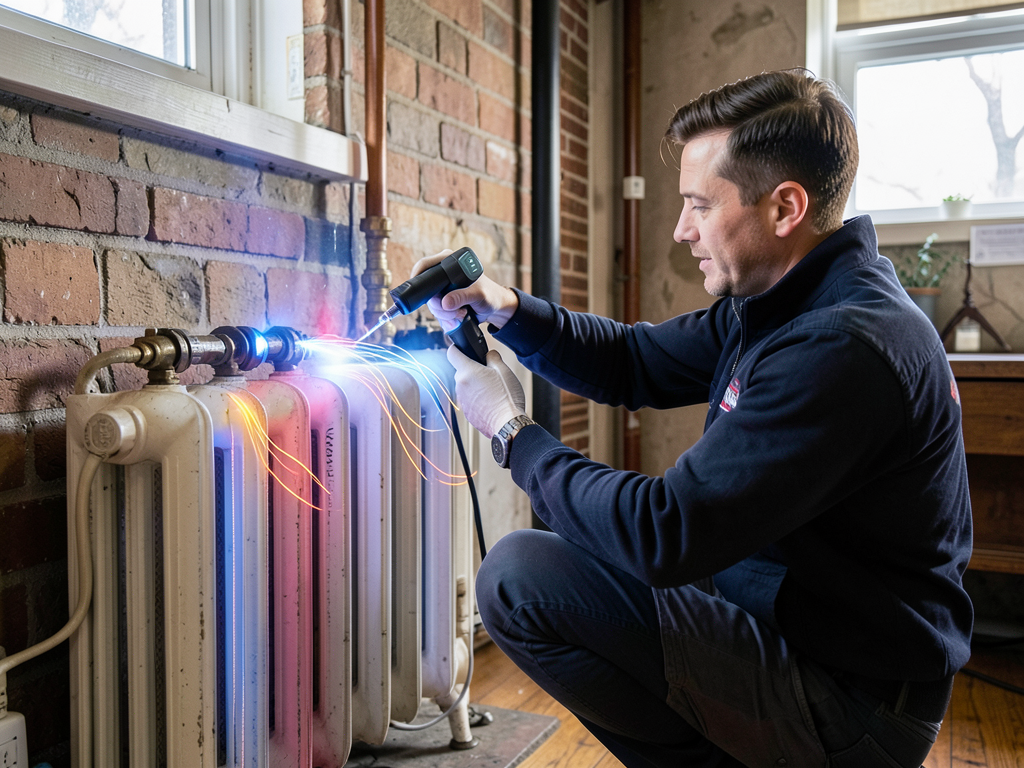
How to Tell if Your Yankee Hill Home is Better Suited for Radiators or Forced Air Your Yankee Hill home sits in one of Milwaukee's most distinctive historic districts, where early 20th-century architecture meets modern…
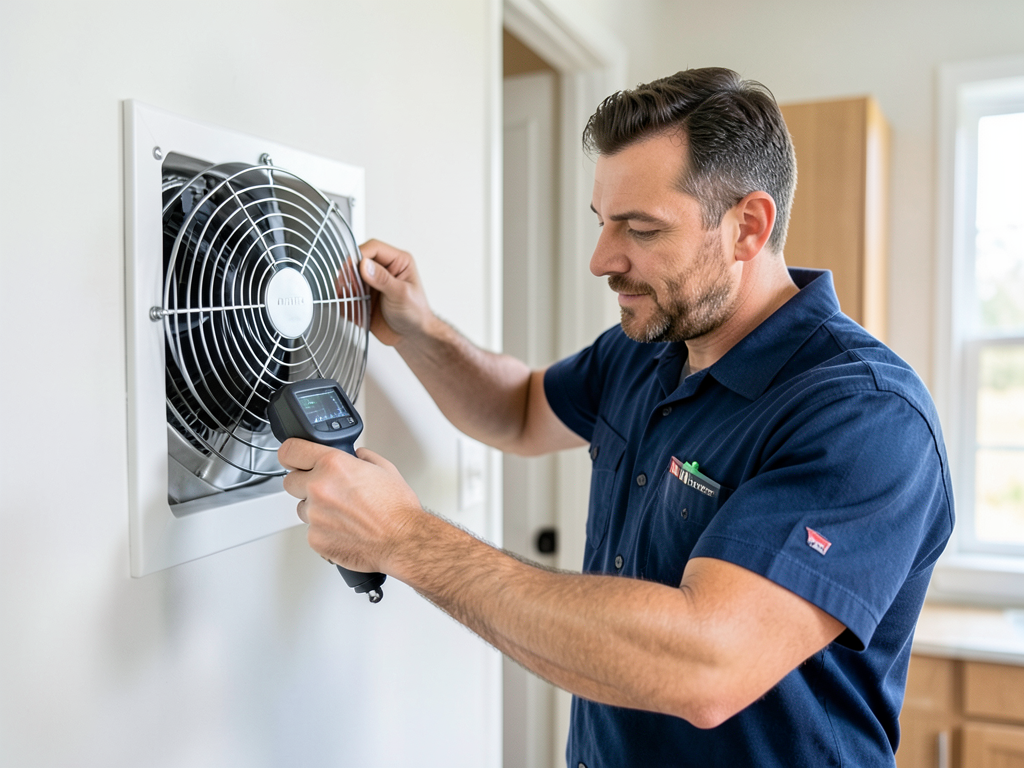
How to End the Thermostat Wars in Your Hartland Home with Simple Air Balancing Uneven…

Why Your Attic is Covered in Frost During a Cold Snap in North Hills \n…

How Your Kitchen Exhaust Fan Might Be Messing with Your Home's Air Pressure in Oak…
Your comfort can't wait. Call First Choice HVAC Milwaukee now at (414) 387-8977 for fast response across Brown Deer. We'll diagnose your problem, give you honest pricing, and restore your heating or cooling the same day. Available 24/7 for emergencies.