







Menu

Whole Home Humidifiers in Milwaukee – Expert Installation for Year-Round Comfort and Health

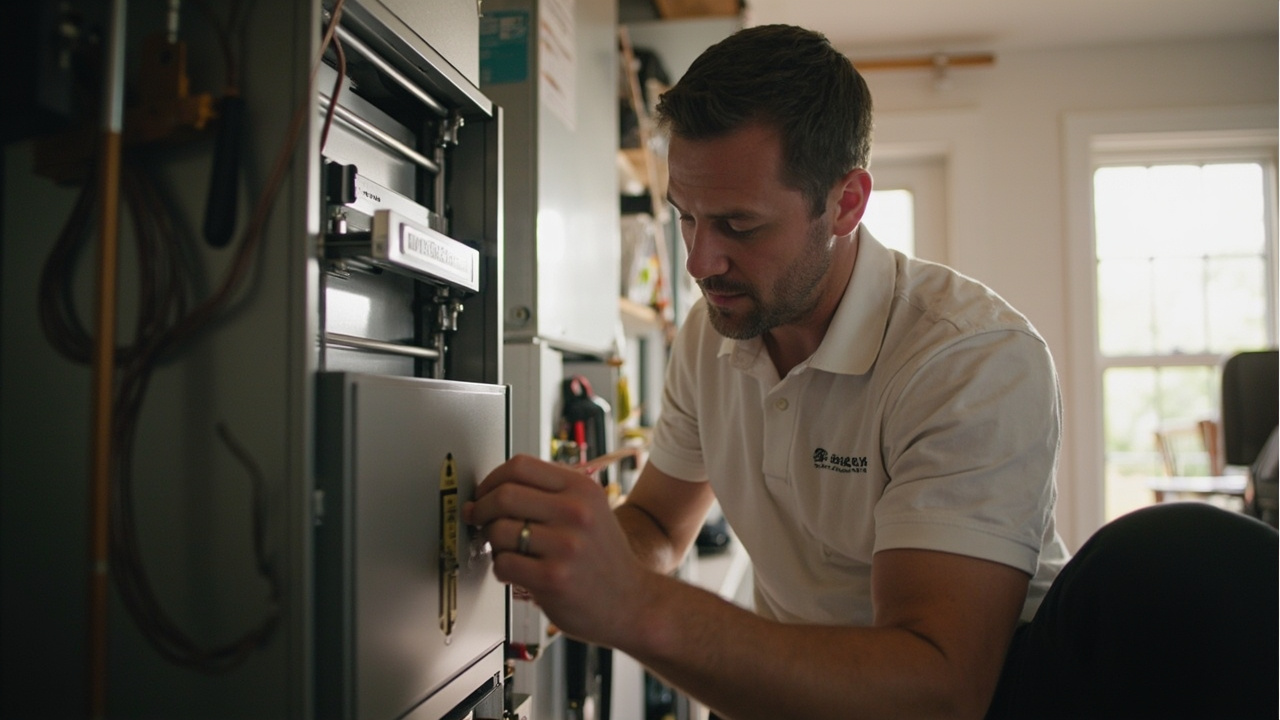
First Choice HVAC Milwaukee installs central humidifiers that integrate seamlessly with your existing HVAC system, delivering consistent humidity levels throughout every room to protect your home and your family's respiratory health.

Slider Image 1
Slider Image 2
Slider Image 3
Slider Image 4
Slider Image 5
Slider Image 7
Slider Image 8
Slider Image 9
Slider Image 10
Slider Image 11

Why Milwaukee Homes Need Whole House Humidifiers

Milwaukee's climate creates a humidity crisis you can feel in your sinuses and see on your woodwork. Winter heating drops indoor humidity to 15-25 percent, well below the healthy 30-50 percent range. You wake up with dry throat, static shocks follow you around the house, and your hardwood floors start to separate at the seams.

The freeze-thaw cycles here make the problem worse. Your furnace runs constantly from November through March, stripping moisture from the air with every heating cycle. Portable humidifiers cannot keep up. You would need six units running 24/7 to humidify a 2,000-square-foot home, and even then, you are only treating individual rooms while burning through gallons of water daily.

Central humidifiers solve this by integrating directly into your ductwork. A furnace humidifier adds moisture to the air before it circulates through your home, maintaining consistent humidity in every room automatically. HVAC humidifiers use your existing heating system's airflow, so there is no need for multiple devices or constant refilling.

Low humidity causes real damage. Wood trim shrinks and cracks. Paint peels. Static electricity can damage electronics. Your family gets more respiratory infections because dry mucous membranes cannot trap viruses effectively. Ducted humidifiers prevent these problems by maintaining optimal moisture levels throughout your home, protecting both your property value and your health during Milwaukee's brutal heating season.

Why Milwaukee Homes Need Whole House Humidifiers
How Professional Humidifier Installation Works

How Professional Humidifier Installation Works

Proper whole house humidifier installation requires precision ductwork integration and careful load calculation. We do not just bolt a unit to your furnace and hope for the best. First Choice HVAC Milwaukee sizes your system based on your home's cubic footage, insulation quality, and HVAC capacity to ensure you get adequate humidification without over-saturating.

We install three main types of central humidifiers depending on your system configuration. Bypass humidifiers use your furnace blower to push air through a water panel, then return humidified air to the supply plenum. Fan-powered humidifiers include their own blower for independent operation, making them ideal for high-efficiency furnaces with variable-speed fans. Steam humidifiers boil water and inject vapor directly into the airstream, providing the most precise humidity control for larger homes.

The installation process involves cutting into your supply or return duct, mounting the humidifier cabinet, running a water line from your home's plumbing, and installing a humidistat for automatic control. We seal all ductwork connections with mastic to prevent air leaks, which would reduce both heating efficiency and humidification effectiveness.

Critical installation details separate professional work from hack jobs. We install the water line with a saddle valve or dedicated shutoff, pitch the drain line correctly to prevent standing water, and position the humidistat away from heat sources that would give false readings. We also verify your furnace has adequate plenum space and proper clearances for the humidifier cabinet. Poor installation creates mold growth, water damage, or inadequate humidity output, wasting your investment.

Your Humidifier Installation Experience

Whole Home Humidifiers in Milwaukee – Expert Installation for Year-Round Comfort and Health
01

System Assessment and Sizing

We measure your home's square footage, inspect your existing ductwork configuration, and calculate your furnace's airflow capacity in cubic feet per minute. This determines which humidifier type will maintain 35-45 percent humidity throughout your home without causing condensation on windows. We also check your water line accessibility and electrical requirements before recommending a specific model.
02

Professional Duct Integration

We cut precise openings in your supply or return duct, mount the humidifier cabinet with secure fasteners, and seal all connections with professional-grade mastic. The water supply line gets connected with proper shutoff valves, and we run electrical wiring to your furnace control board for synchronized operation. All penetrations through the duct are sealed to maintain system efficiency and prevent air leaks.
03

Testing and Calibration

We fill the system, check for leaks at all connection points, and verify the humidistat accurately measures indoor humidity levels. Your furnace cycles on, and we confirm the humidifier activates properly and delivers moisture into the airstream. We adjust settings based on your home's response and show you how to maintain the system through the heating season for optimal performance.

Why Milwaukee Homeowners Choose First Choice HVAC

Milwaukee's housing stock presents unique challenges for humidifier installation. The city's Historic Districts contain homes with old octopus furnaces converted to modern forced air systems. The ductwork in these conversions often has restricted plenum space, requiring careful humidifier selection and creative mounting solutions. We have installed hundreds of systems in homes from Riverwest bungalows to Wauwatosa Victorians, and we understand how to work within these constraints.

Local building codes require proper drainage and overflow protection for whole house humidifiers. We install drain lines that comply with Milwaukee's plumbing requirements, preventing water damage if the humidifier malfunctions. Many installers skip the drain pan or use improper materials that crack during Wisconsin winters. We use commercial-grade components rated for the temperature extremes your mechanical room experiences.

The freeze-thaw cycle here also affects outdoor condensing units and humidifier performance. We position humidistats away from exterior walls where temperature fluctuations cause false readings. This prevents your system from over-humidifying during mild periods or running continuously when outdoor temperatures drop below zero.

We also understand Milwaukee's water quality. The city's water contains minerals that build up on humidifier pads faster than in soft-water areas. We recommend maintenance schedules based on local water hardness, not generic manufacturer guidelines. This extends your equipment life and maintains consistent output through the heating season.

First Choice HVAC Milwaukee carries inventory year-round, so you do not wait weeks for parts during peak season. We service what we install, and our technicians are trained on the specific models we recommend for Milwaukee homes.

What to Expect from Your Humidifier Installation

Installation Timeline and Availability

Most whole house humidifier installations take 3-5 hours from start to cleanup. We schedule installations on your timeline, typically within one week of your consultation. Fall is the busiest season as homeowners prepare for heating season, so booking in September or early October ensures faster scheduling. We arrive with all necessary materials and complete the installation in a single visit. Emergency dry air situations, particularly for families with respiratory issues, can often be accommodated within 48-72 hours depending on current demand.

In-Home Assessment Process

Your consultation includes a complete HVAC system inspection, not just a sales pitch. We measure your ductwork dimensions, check furnace specifications, and test your current indoor humidity levels with calibrated meters. You get specific model recommendations with honest explanations of why each option fits your home's configuration. We provide written quotes that include all materials, labor, electrical work, and plumbing connections. No hidden fees appear later. We also explain ongoing maintenance requirements and annual operating costs so you make an informed decision.

Performance and Comfort Results

You will notice reduced static electricity within 24 hours and improved respiratory comfort within 2-3 days as your home reaches optimal humidity levels. Properly sized central humidifiers maintain 35-45 percent humidity automatically, adjusting output based on your thermostat calls and outdoor temperature. Your hardwood floors stop shrinking, your sinuses stay hydrated, and your heating bills may decrease slightly because humid air feels warmer at lower temperatures. The system operates silently except for the quiet sound of water flowing during humidifier cycles.

Maintenance and Long-Term Care

Whole house humidifiers require annual maintenance to perform correctly. The water panel or evaporator pad needs replacement each fall before heating season begins. We offer maintenance plans that include this service along with your annual furnace tune-up, ensuring your humidifier starts each winter in peak condition. We also inspect water flow, clean mineral deposits from the distribution tray, and verify your humidistat accuracy. Most humidifier components last 10-15 years with proper maintenance, though water panels are consumable items replaced annually or twice per season in high-use situations.

Frequently Asked Questions

You Have Questions,
We Have Answers

What is the downside of a whole-house humidifier? +

Whole-house humidifiers require regular maintenance to prevent mold growth and mineral buildup. Milwaukee's hard water can accelerate scale accumulation in the unit, demanding filter changes every few months. Over-humidification causes condensation on windows, which can damage sills and promote mold in walls. Installation costs money upfront, and the unit adds to your water and electricity bills. If you skip cleaning, bacteria can spread through your ductwork. You need to monitor humidity levels year-round, which means buying a good hygrometer and staying vigilant during Milwaukee's wild temperature swings between seasons.

What type of humidifier is best for a whole house? +

Bypass flow-through humidifiers work best for most Milwaukee homes. They attach to your furnace, pull air from return ducts, and add moisture as heated air passes through a water panel. They handle our cold, dry winters without creating standing water where bacteria breed. Powered flow-through models push more moisture into larger homes over 3,000 square feet. Avoid drum-style humidifiers because Milwaukee's hard water causes mineral buildup fast. Steam humidifiers deliver the most moisture but cost more to install and operate. Your home size and ductwork layout determine the right type.

How much does it cost to install a humidifier in a furnace? +

Installation costs vary based on your furnace type, ductwork accessibility, and whether you need new water lines. Most Milwaukee homes pay between $400 and $1,200 for professional installation. Bypass units cost less because they use existing airflow. Powered units and steam models cost more because they need dedicated electrical connections. Older homes in Riverwest or Bay View often need additional plumbing work, which increases the price. Hard water in Milwaukee means you should budget for annual maintenance and replacement filters. Get multiple quotes from licensed HVAC contractors who understand local installation codes.

Why would I want a whole-house humidifier? +

Milwaukee winters drop indoor humidity to 10-20%, far below the comfortable 30-50% range. Dry air cracks wood floors, damages furniture, and causes painful static shocks. Your family suffers from dry skin, bloody noses, and respiratory irritation. Low humidity makes you feel colder, so you crank the heat higher and waste money. Viruses survive longer in dry air, increasing illness risk during flu season. A whole-house humidifier protects your home investment, improves comfort, and can lower heating bills because moist air feels warmer at lower temperatures.

What are signs I need a humidifier? +

You wake up with a dry throat and bloody nose. Static electricity shocks you constantly when touching doorknobs or light switches. Wood floors develop gaps between boards, and trim separates from walls. Your skin feels tight and itchy despite using lotion. Houseplants wilt even with regular watering. You notice increased respiratory issues, sinus congestion, or allergy symptoms during Milwaukee's heating season. Windows never show condensation even on the coldest mornings. Your lips stay chapped. These signs mean indoor humidity has dropped below 30%, and you need moisture added back into your home.

Where does the water go from a whole house dehumidifier? +

You asked about a dehumidifier, but whole-house dehumidifiers drain condensed water through a dedicated drain line that connects to a floor drain, sump pump, or exterior drainage point. In Milwaukee basements, most units tie into existing floor drains or utility sinks. The water removed from your air flows continuously during operation, so gravity drainage works best. Some models pump water up to 15 feet if no floor drain exists nearby. Never let a dehumidifier drain into a bucket because Milwaukee's humid summers produce gallons daily, and buckets overflow fast, causing water damage.

Where is the best place to put a whole home humidifier? +

Install your whole-house humidifier directly on the furnace plenum or main supply duct in the basement or mechanical room. The bypass humidifier connects between supply and return ducts, letting heated air pick up moisture before distribution. Mount it level to prevent water pooling and ensure even water panel saturation. Place it where you can access the water panel easily for monthly filter changes, especially important with Milwaukee's mineral-heavy water. Avoid installing near electrical panels or in crawl spaces where freezing temperatures can crack water lines during our cold snaps.

What humidifiers do consumer reports recommend? +

Consumer Reports favors bypass flow-through models from Aprilaire and Honeywell for reliability and low maintenance needs. These brands handle hard water better than drum-style units, which matters in Milwaukee. They recommend models with automatic humidistats that adjust output based on outdoor temperature, preventing over-humidification and window condensation. Steam humidifiers from brands like Nortec get high marks for output but cost more to operate. Independent reviews matter more than brand loyalty. Focus on capacity matching your home size, ease of maintenance, and compatibility with your existing HVAC system.

What are the signs of too much humidity? +

Condensation forms on windows, especially on cold Milwaukee mornings. You smell musty odors in closets or basements. Black spots appear on walls, ceilings, or around windows, indicating mold growth. Wood floors feel soft or cupped. Paint peels or wallpaper bubbles. You notice increased dust mite activity or allergy symptoms worsen. The air feels heavy and stuffy. Your hygrometer reads above 60% consistently. High humidity damages your home and creates health risks. Turn down your humidifier immediately, increase ventilation, and check for plumbing leaks or poor drainage around your foundation.

What size humidifier do I need for a 2000 square foot house? +

A 2,000-square-foot Milwaukee home needs a humidifier rated for 10 to 12 gallons per day output. Bypass models typically handle 8 to 12 gallons daily, which suits most ranch and two-story homes. Tighter, newer construction needs less capacity because less air leaks out. Older homes in neighborhoods like Washington Heights or Wauwatosa need higher capacity because they leak more conditioned air. Check your furnace BTU rating because humidifier capacity must match airflow. An HVAC contractor calculates the exact size based on your home's volume, insulation, and ductwork configuration.

Milwaukee's Winter Climate and Indoor Air Quality Challenges

Milwaukee averages 50 days per year with temperatures below 20 degrees, forcing furnaces to run almost continuously during cold snaps. This constant heating cycle strips humidity from indoor air faster than in milder climates. The proximity to Lake Michigan creates additional challenges. Lake-effect weather systems drop outdoor humidity during winter, and the temperature differential between lakefront and inland neighborhoods can vary by 10 degrees, affecting how hard your heating system works. Homes near the lakefront in Bay View or the East Side experience even drier indoor conditions because of sustained northwest winds that dominate winter weather patterns. Ducted humidifiers compensate for these extreme conditions automatically.

Milwaukee's housing density and older building stock require HVAC contractors who understand century-old ductwork and modern efficiency standards. We work throughout the metro area, from newer subdivisions in Wauwatosa and Whitefish Bay to historic homes in Washington Heights and Brewers Hill. Each neighborhood presents different installation challenges based on home age, duct configuration, and mechanical room access. First Choice HVAC Milwaukee has installed humidifiers in every housing type the city offers, and we bring this experience to your installation. Local expertise matters when your ductwork was installed in 1952 or your furnace sits in a cramped corner of an unfinished basement.

HVAC Services in The Milwaukee Area

We proudly serve residential and commercial clients throughout the Milwaukee area. Our central location allows us to provide rapid, reliable service to neighborhoods and communities all over the region. Whether you're in the heart of the city or in the surrounding suburbs, our expert technicians are just a call away. View our map below to see our service area and find our main office location.

Address:
First Choice HVAC Milwaukee, 5700 W Capitol Dr,, Milwaukee, WI, 53209

Additional Services We Offer

Our news updates

Latest Articles & News from The Blogs

How to End the Thermostat Wars in Your Hartland Home with Simple Air Balancing Uneven temperatures in your Hartland home…

How to End the Thermostat Wars in Your Hartland Home with Simple Air Balancing

How to End the Thermostat Wars in Your Hartland Home with Simple Air Balancing Uneven temperatures in your Hartland home…

Why Your Attic is Covered in Frost During a Cold Snap in North Hills

Why Your Attic is Covered in Frost During a Cold Snap in North Hills \n Walking into your attic during…

How Your Kitchen Exhaust Fan Might Be Messing with Your Home's Air Pressure in Oak Creek

How Your Kitchen Exhaust Fan Might Be Messing with Your Home's Air Pressure in Oak Creek\n\nWhen you fire up your…

Contact Us

Stop suffering through another dry Milwaukee winter. Call First Choice HVAC Milwaukee at (414) 387-8977 for a no-pressure consultation and honest assessment of your home's humidification needs. We provide same-week installation scheduling and upfront pricing with no hidden fees.