





Menu

Commercial Maintenance Agreements in Milwaukee – Protect Uptime and Control Operating Costs Year-Round

Structured commercial HVAC service contracts that reduce emergency downtime, extend equipment lifespan, and provide predictable maintenance budgets for Milwaukee businesses facing harsh seasonal temperature swings.

Slider Image 1
Slider Image 2
Slider Image 3
Slider Image 4
Slider Image 5
Slider Image 7
Slider Image 8
Slider Image 9
Slider Image 10
Slider Image 11

Why Milwaukee Businesses Cannot Afford Reactive HVAC Management

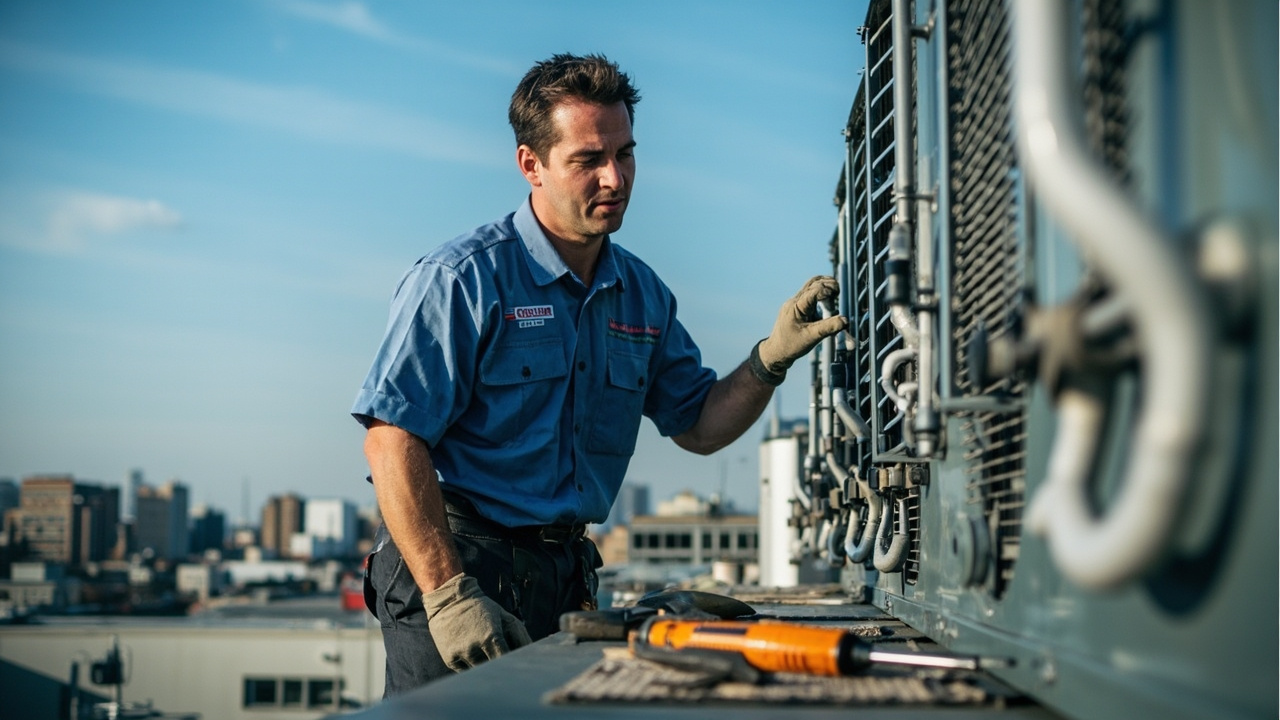
Milwaukee's extreme temperature range, from subzero winter lows to humid summer highs above 90 degrees, puts continuous strain on commercial HVAC systems. A failed rooftop unit during January can shut down operations for days. A compressor failure in July creates liability risks for temperature-sensitive inventory or employee comfort.

Reactive service calls cost three to five times more than scheduled maintenance. When your boiler fails at 6 AM on a Tuesday, you pay emergency rates, lose productivity, and risk code violations if the building temperature drops below occupancy minimums. Commercial planned maintenance agreements eliminate this exposure.

Milwaukee businesses operating in aging industrial buildings near the Menomonee Valley or multi-tenant properties in Walker's Point face additional challenges. Older ductwork, outdated controls, and deferred maintenance create cascading failures. A single missed filter change can reduce airflow by 30 percent, forcing compressors to work harder and fail earlier.

Commercial HVAC service contracts shift you from crisis management to planned operations. Scheduled inspections catch refrigerant leaks, worn belts, and failing capacitors before they cause shutdowns. Preventive maintenance agreements include priority response, which matters when you are competing for technician availability during peak failure seasons. HVAC preventive maintenance agreements also provide documentation for insurance claims and lease compliance, which property managers and facility directors need for audits.

The cost of lost productivity during an HVAC failure exceeds the cost of a commercial HVAC maintenance plan within a single incident. Planned agreements are risk mitigation, not optional spending.

Why Milwaukee Businesses Cannot Afford Reactive HVAC Management
How Commercial HVAC Service Agreements Reduce Total Cost of Ownership

How Commercial HVAC Service Agreements Reduce Total Cost of Ownership

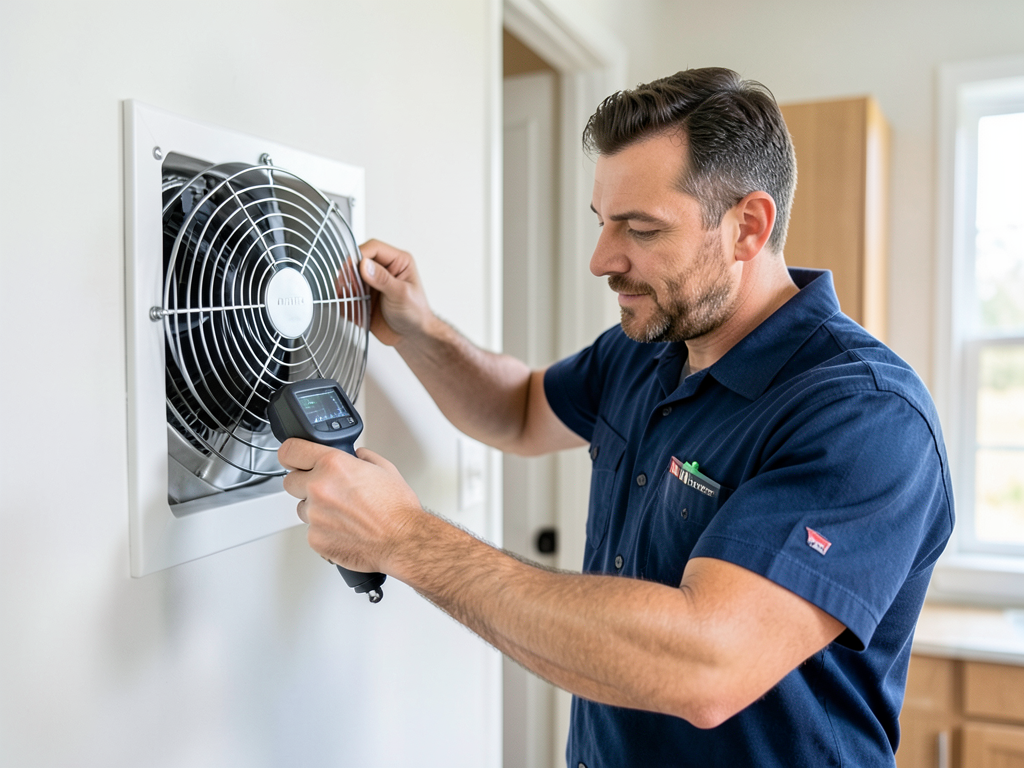
Commercial HVAC maintenance plans are not just scheduled filter changes. A properly structured commercial HVAC service agreement includes comprehensive inspections of electrical components, refrigerant charge verification, combustion analysis on gas-fired equipment, and thermal imaging to detect hot spots in electrical panels before they cause failures.

First Choice HVAC Milwaukee tailors commercial planned maintenance agreements to your equipment type and operating environment. A restaurant in the Third Ward with high grease loads needs quarterly exhaust fan cleaning and more frequent filter changes than a law office in downtown Milwaukee. A manufacturing facility in the Harbor District running 24/7 operations requires monthly inspections and real-time monitoring integration.

Our maintenance visits include calibration of economizers, which maximize free cooling during Milwaukee's moderate spring and fall months. This reduces compressor runtime and cuts energy costs by 15 to 25 percent during shoulder seasons. We also verify that dampers open and close correctly, preventing the common issue where stuck dampers force systems to condition 100 percent outside air during winter, spiking heating costs.

Planned agreements include detailed reporting. After each visit, you receive documentation of refrigerant pressures, amperage draws, and temperature differentials. This data tracks equipment degradation over time, allowing you to budget for replacements before failures occur. You avoid the scramble to finance an unexpected $40,000 rooftop unit replacement in the middle of a fiscal quarter.

Commercial HVAC service contracts also lock in labor rates. When you need emergency service, you pay the contract rate, not the panic rate. For Milwaukee businesses managing tight operating budgets, this predictability matters as much as the maintenance itself.

How We Structure and Deliver Your Maintenance Agreement

Commercial Maintenance Agreements in Milwaukee – Protect Uptime and Control Operating Costs Year-Round
01

Equipment Audit and Baseline

We start by documenting every piece of HVAC equipment in your facility, recording model numbers, installation dates, and current operating conditions. This audit establishes a performance baseline and identifies immediate risks. We measure airflow, check refrigerant charge, and inspect electrical connections to determine what needs attention before we schedule recurring visits. You receive a written report with prioritized recommendations and a maintenance calendar tailored to your equipment.
02

Scheduled Preventive Service Visits

Based on your equipment type and operating hours, we schedule quarterly, bi-annual, or monthly service visits. Each visit follows a detailed checklist covering filters, belts, bearings, refrigerant levels, electrical connections, and controls. We replace consumable parts like filters and belts during the visit, reducing callbacks. All work is documented digitally with photos and measurements. You receive a service report within 24 hours showing what we completed and any issues we flagged for future attention.
03

Continuous Performance Tracking

After each visit, we update your equipment history in our service management system. This creates a performance trend line showing how your equipment degrades over time. When a compressor amperage draw increases by 15 percent over six months, we notify you before it fails. This tracking allows you to budget for capital replacements and avoid emergency spending. You also receive annual performance summaries for board meetings or lease audits.

Why Milwaukee Facility Managers Choose First Choice HVAC Milwaukee for Service Agreements

Milwaukee's commercial buildings range from century-old warehouses in the Historic Third Ward to modern office towers downtown. Each building type presents different maintenance challenges. We have maintained HVAC systems in converted industrial spaces where ductwork was retrofitted into exposed ceilings, in medical offices where air quality standards require MERV 13 filtration, and in restaurants where kitchen exhaust systems operate under City of Milwaukee mechanical codes.

Our technicians understand Wisconsin's Title SPS 364 commercial building code requirements, which mandate specific ventilation rates and combustion safety testing. We document compliance during every maintenance visit, which protects you during inspections by the Department of Safety and Professional Services. This compliance documentation is included in your service agreement at no additional cost.

First Choice HVAC Milwaukee maintains a parts inventory for common commercial equipment, which reduces downtime when a component fails. If we identify a failing contactor during a maintenance visit, we replace it that day instead of scheduling a return trip. This minimizes disruption to your operations and keeps your building occupied.

We also provide priority response for agreement customers. When you call with an emergency, you move to the front of the dispatch queue. During Milwaukee's coldest weeks in January or the hottest stretches in July, when service demand peaks, this priority access can mean the difference between a four-hour wait and a 24-hour wait. For businesses where downtime equals lost revenue, that difference is measurable.

Our commercial HVAC service contracts are structured as fixed monthly payments, which simplifies budgeting. You avoid surprise invoices and can forecast your HVAC operating costs for the entire fiscal year. This financial predictability is why property management companies and multi-location operators choose us for their Milwaukee facilities.

What Your Commercial Maintenance Agreement Includes

Service Frequency and Response Time

Your maintenance schedule is based on equipment type and usage intensity. Light commercial systems receive semi-annual visits, typically before heating and cooling seasons. High-use facilities receive quarterly or monthly visits. Each visit includes a detailed inspection checklist covering all critical components. Emergency service requests from agreement customers receive priority dispatch, with a four-hour response commitment during business hours. After-hours emergencies are dispatched immediately, with technicians on-site within two hours for critical failures like complete heat loss during winter.

Inspection Scope and Testing Procedures

Every maintenance visit includes inspection of electrical connections, measurement of voltage and amperage, verification of refrigerant charge using subcooling and superheat calculations, combustion analysis on gas-fired equipment, and airflow measurement at supply registers. We inspect condensate drains for clogs, check safety controls for proper operation, and lubricate bearings on motors and blowers. Economizer dampers are cycled through full range of motion and adjusted if binding occurs. You receive a detailed report documenting all measurements and any deviations from manufacturer specifications.

Parts Coverage and Equipment Lifecycle Management

Standard agreements include replacement of consumable parts like filters, belts, and contactor points during scheduled visits. Enhanced agreements include coverage for components like capacitors, relays, and transformers. When we identify a part nearing end-of-life, we provide cost estimates and lead time information so you can plan replacements during scheduled downtime rather than emergency situations. We track equipment age and performance trends to forecast when major components like compressors or heat exchangers will need replacement, giving you 12 to 18 months advance notice for capital planning.

Documentation and Compliance Reporting

After each service visit, you receive a digital report with photos, test measurements, and technician notes. This documentation creates an equipment history file that satisfies insurance requirements, lease obligations, and regulatory inspections. For facilities requiring specific air quality or ventilation standards, we provide compliance certifications showing that your systems meet ASHRAE 62.1 ventilation rates and local code requirements. These records are stored in our system and accessible to you at any time for audits or due diligence reviews.

Frequently Asked Questions

You Have Questions,
We Have Answers

What should be included in a maintenance agreement? +

A commercial maintenance agreement should include scheduled preventive inspections, filter replacements, refrigerant level checks, electrical connection testing, and condensate drain cleaning. For Milwaukee properties, agreements must address seasonal demands like winter heating system optimization and summer cooling efficiency during high humidity months. The contract should specify response times for breakdowns, labor coverage, parts pricing structures, and system performance guarantees. Include provisions for emergency service availability, documentation of all maintenance visits, and compliance with Wisconsin commercial building codes. Clear terms regarding equipment age limitations, exclusions for pre-existing conditions, and renewal options protect both parties from disputes.

What is the difference between AMC and CAMC? +

AMC (Annual Maintenance Contract) covers labor and routine maintenance tasks but excludes replacement parts. CAMC (Comprehensive Annual Maintenance Contract) includes both labor and parts, offering complete coverage. For Milwaukee commercial facilities, CAMC reduces budget uncertainty by covering unexpected component failures common during extreme temperature swings. AMC works for newer systems with manufacturer warranties still active, while CAMC suits older equipment prone to part failures. CAMC costs more upfront but eliminates surprise repair invoices. Milwaukee businesses often choose CAMC for critical systems like server room cooling or industrial refrigeration where downtime directly impacts revenue and operational continuity.

What is a standard maintenance agreement? +

A standard maintenance agreement provides scheduled inspections and tune-ups at defined intervals, typically quarterly or semi-annually. The contract covers routine preventive tasks like cleaning coils, checking refrigerant levels, testing safety controls, and replacing filters. Labor for these scheduled visits is included, but replacement parts require separate payment. For Milwaukee commercial properties, standard agreements should address seasonal prep before winter heating demands and summer cooling loads. The contract specifies technician response times, documentation requirements, and after-hours availability. Standard agreements reduce emergency breakdowns by 30 to 40 percent through consistent preventive care, improving equipment reliability and extending operational lifespan.

What are the different types of maintenance contracts? +

Commercial maintenance contracts fall into three categories. Preventive Maintenance Contracts cover scheduled inspections and routine adjustments only. Full-Service Contracts include preventive care plus all repairs, parts, and labor. Time and Material Contracts bill actual service hours and parts as needed, without scheduled visits. Milwaukee businesses often select full-service agreements for mission-critical HVAC systems in manufacturing facilities or data centers. Preventive contracts suit newer equipment with existing warranties. Hybrid models combine scheduled maintenance with discounted repair rates. Contract type depends on equipment age, facility usage patterns, budget predictability needs, and tolerance for operational downtime during Wisconsin's temperature extremes.

What is the 80 20 rule in maintenance? +

The 80 20 rule in maintenance states that 80 percent of equipment failures result from 20 percent of components. Focus preventive maintenance efforts on these critical failure points to maximize system reliability. For commercial HVAC in Milwaukee, this means prioritizing compressor maintenance, electrical connections, refrigerant systems, and heat exchangers. These components account for most breakdowns during peak heating and cooling seasons. Targeting high-impact areas reduces total maintenance costs while improving uptime. The rule guides contract pricing by concentrating resources on equipment zones that cause the most downtime. Applying this principle delivers better ROI than generic maintenance schedules.

What are the 4 P's of maintenance? +

The 4 P's of maintenance are Predictive, Preventive, Proactive, and Planned. Predictive maintenance uses diagnostics to identify failures before they occur. Preventive maintenance follows scheduled intervals to replace wear items. Proactive maintenance analyzes root causes to eliminate recurring problems. Planned maintenance schedules resources and parts procurement efficiently. Milwaukee commercial facilities benefit from combining these approaches. Predictive monitoring catches refrigerant leaks early. Preventive filter changes maintain indoor air quality. Proactive analysis addresses duct pressure imbalances. Planned scheduling coordinates maintenance during low-occupancy periods. Integrating all four principles maximizes equipment reliability while controlling costs and minimizing business disruption.

How to price a maintenance contract? +

Price maintenance contracts by calculating annual labor hours, parts costs, emergency call probability, and profit margin. For Milwaukee commercial properties, factor in equipment complexity, system age, building square footage, and operating hours. A 50-ton rooftop unit requires approximately 12 to 16 labor hours yearly for standard preventive tasks. Add contingency for Milwaukee's harsh freeze-thaw cycles that accelerate component wear. Include travel costs for multi-location accounts. Comprehensive contracts price 20 to 30 percent higher than preventive-only agreements due to parts coverage risk. Review historical repair data to forecast part replacement frequency. Competitive pricing balances risk mitigation with client budget constraints.

What are the two types of AMC? +

The two types of AMC are Non-Comprehensive and Comprehensive. Non-Comprehensive AMC covers labor for scheduled maintenance and repairs but excludes replacement parts. You pay separately for failed components like contactors, capacitors, or fan motors. Comprehensive AMC includes both labor and parts for covered repairs. For Milwaukee commercial facilities facing winter heating demands and summer humidity stress, Comprehensive AMC provides budget certainty by eliminating surprise part costs. Non-Comprehensive suits newer systems with low failure risk. Comprehensive works better for aging equipment or critical applications where downtime costs exceed premium contract pricing. Choose based on equipment condition and operational risk tolerance.

What does an annual maintenance contract include? +

An annual maintenance contract includes scheduled preventive inspections, typically two to four visits per year depending on equipment type and usage. Technicians perform filter changes, lubrication, refrigerant checks, electrical testing, condensate drain cleaning, and thermostat calibration. Milwaukee contracts should include pre-season tune-ups before heating and cooling demand peaks. Labor for scheduled visits is covered. Priority emergency response and discounted after-hours rates often apply. The contract specifies parts coverage levels, response time commitments, and documentation requirements. Some agreements include performance reporting and energy efficiency recommendations. Annual contracts reduce unplanned downtime by catching small issues before they cause system failures.

What are the 7 types of maintenance? +

The seven types of maintenance are Reactive, Preventive, Predictive, Condition-Based, Predetermined, Corrective, and Reliability-Centered. Reactive addresses failures after they occur. Preventive follows time-based schedules. Predictive uses sensors and diagnostics to forecast failures. Condition-Based monitors actual equipment performance. Predetermined replaces components at fixed intervals. Corrective eliminates root causes of recurring problems. Reliability-Centered prioritizes maintenance based on failure consequences. Milwaukee commercial facilities typically combine preventive scheduling with predictive monitoring. Condition-based strategies work well for critical cooling systems during humid summers. Reliability-centered approaches suit manufacturing environments where downtime directly impacts production revenue and contractual delivery obligations.

How Milwaukee's Lake Effect Weather Accelerates HVAC Deterioration for Commercial Buildings

Milwaukee's location on Lake Michigan creates severe freeze-thaw cycling that degrades rooftop HVAC equipment faster than inland locations. Ice dams form on coil housings during winter, trapping moisture that corrodes fins and fasteners. Salt spray from winter road treatment compounds this corrosion, particularly for equipment on buildings near Wisconsin Avenue or along the lakefront. Commercial HVAC maintenance plans must account for these environmental stressors by including corrosion inspections and protective coatings. Buildings in Bay View and the East Side experience the worst lake effect snow, which requires more frequent coil cleaning and drain line winterization to prevent freeze damage.

First Choice HVAC Milwaukee has serviced commercial buildings across the metro area, from converted industrial properties in Menomonee Valley to modern offices in Waukesha County. We understand how Milwaukee's building stock ages and where maintenance failures typically occur. Our technicians are familiar with the older pneumatic controls still operating in buildings constructed before 1980, and we know which local suppliers stock replacement parts for legacy equipment. This local knowledge reduces diagnostic time and repair delays, keeping your facility operational when out-of-town contractors would still be sourcing components.

HVAC Services in The Milwaukee Area

We proudly serve residential and commercial clients throughout the Milwaukee area. Our central location allows us to provide rapid, reliable service to neighborhoods and communities all over the region. Whether you're in the heart of the city or in the surrounding suburbs, our expert technicians are just a call away. View our map below to see our service area and find our main office location.

Address:
First Choice HVAC Milwaukee, 5700 W Capitol Dr,, Milwaukee, WI, 53209

Additional Services We Offer

Our news updates

Latest Articles & News from The Blogs

How to End the Thermostat Wars in Your Hartland Home with Simple Air Balancing Uneven temperatures in your Hartland home…

How to End the Thermostat Wars in Your Hartland Home with Simple Air Balancing

How to End the Thermostat Wars in Your Hartland Home with Simple Air Balancing Uneven temperatures in your Hartland home…

Why Your Attic is Covered in Frost During a Cold Snap in North Hills

Why Your Attic is Covered in Frost During a Cold Snap in North Hills \n Walking into your attic during…

How Your Kitchen Exhaust Fan Might Be Messing with Your Home's Air Pressure in Oak Creek

How Your Kitchen Exhaust Fan Might Be Messing with Your Home's Air Pressure in Oak Creek\n\nWhen you fire up your…

Contact Us

Stop gambling with reactive maintenance. Call (414) 387-8977 to schedule your facility audit and receive a custom commercial HVAC service contract proposal. Fixed pricing, priority service, and year-round protection for your Milwaukee business.