





Menu

Emergency Carbon Monoxide Leak Detection in Milwaukee – 24/7 Response Teams Dispatched in Minutes

When your CO detector sounds or you suspect a leak, First Choice HVAC Milwaukee deploys certified technicians with professional-grade carbon monoxide leak testing equipment to your property immediately, protecting your family from this invisible threat.

Slider Image 1
Slider Image 2
Slider Image 3
Slider Image 4
Slider Image 5
Slider Image 7
Slider Image 8
Slider Image 9
Slider Image 10
Slider Image 11

Carbon Monoxide Poisoning Does Not Wait for Business Hours

Your CO alarm just went off. You feel dizzy, nauseous, or have a headache that will not quit. Your family is scared. You need answers now, not tomorrow morning.

Carbon monoxide is an odorless, colorless gas that kills. In Milwaukee, the combination of older heating systems in Historic Third Ward brownstones, aging furnaces in Bay View bungalows, and poorly maintained equipment in Riverwest rentals creates a higher risk environment. When temperatures drop into the single digits, furnaces run continuously. A cracked heat exchanger or blocked flue can fill your home with deadly CO in minutes.

Milwaukee's building stock compounds the problem. Many homes built before 1950 have galvanized vent pipes that deteriorate from the inside out. You cannot see the corrosion until it is too late. Natural draft furnaces installed in basements with negative pressure pull exhaust gases back into living spaces. Tuckpointing on century-old chimneys cracks during freeze-thaw cycles, creating gaps where CO escapes into walls and migrates upward.

This is not a situation where you research options or wait for a quote. Emergency carbon monoxide testing requires immediate professional CO leak inspection. Your gas utility will shut off your equipment, but they will not identify the source or fix the problem. You need urgent carbon monoxide check capabilities and repair expertise in one call.

First Choice HVAC Milwaukee operates 24/7 emergency response teams with calibrated CO gas detection service equipment accurate to 1 part per million. We do not just confirm the presence of carbon monoxide. We trace it to the exact failure point, quantify the severity, and restore safe operation before you lose heat in subzero weather.

Carbon Monoxide Poisoning Does Not Wait for Business Hours
How Professional Carbon Monoxide Leak Testing Actually Works

How Professional Carbon Monoxide Leak Testing Actually Works

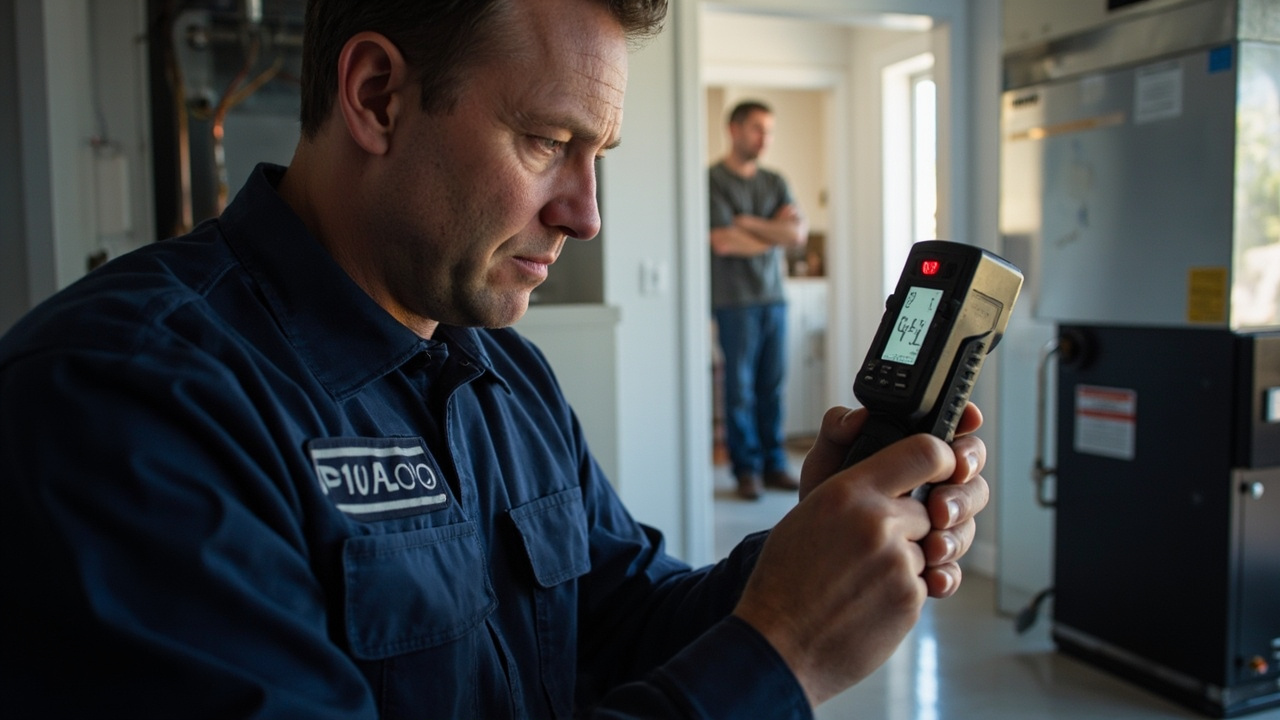
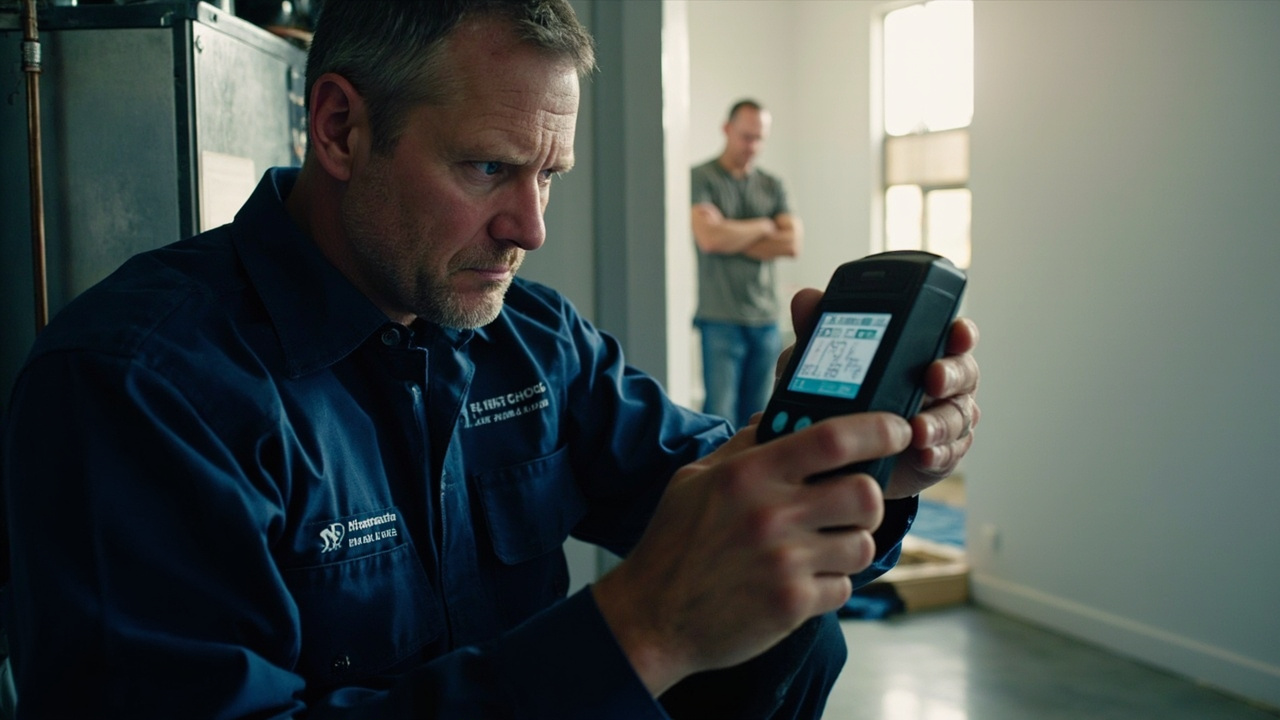
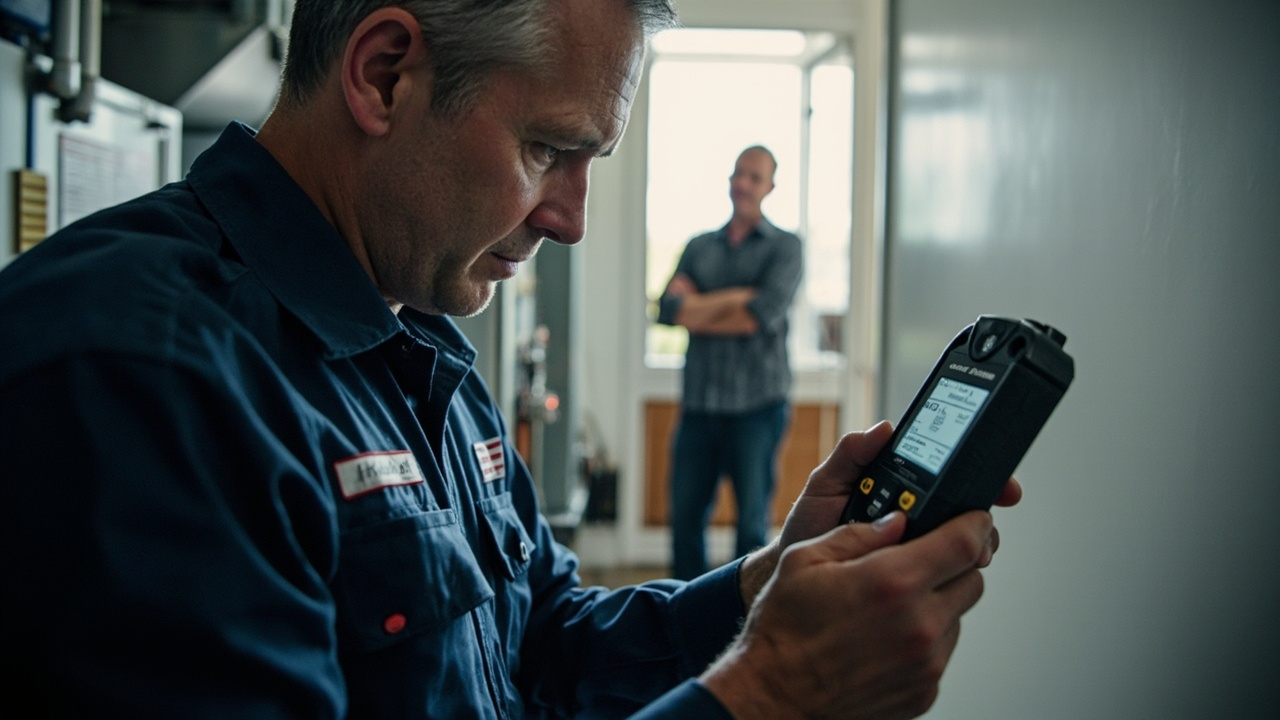
Consumer-grade CO detectors trigger at 70 parts per million over 60 minutes. That threshold means you have already been exposed to dangerous levels. Professional carbon monoxide leak inspection uses electronic combustion analyzers that detect concentrations as low as 1 ppm in real time.

When our technician arrives, we immediately test ambient air in occupied spaces to establish baseline readings. We then move to mechanical rooms and test undiluted flue gas directly at the vent connector. Normal furnace exhaust contains 25 to 100 ppm CO depending on fuel type and combustion efficiency. Readings above 100 ppm indicate incomplete combustion, a serious mechanical failure requiring immediate shutdown.

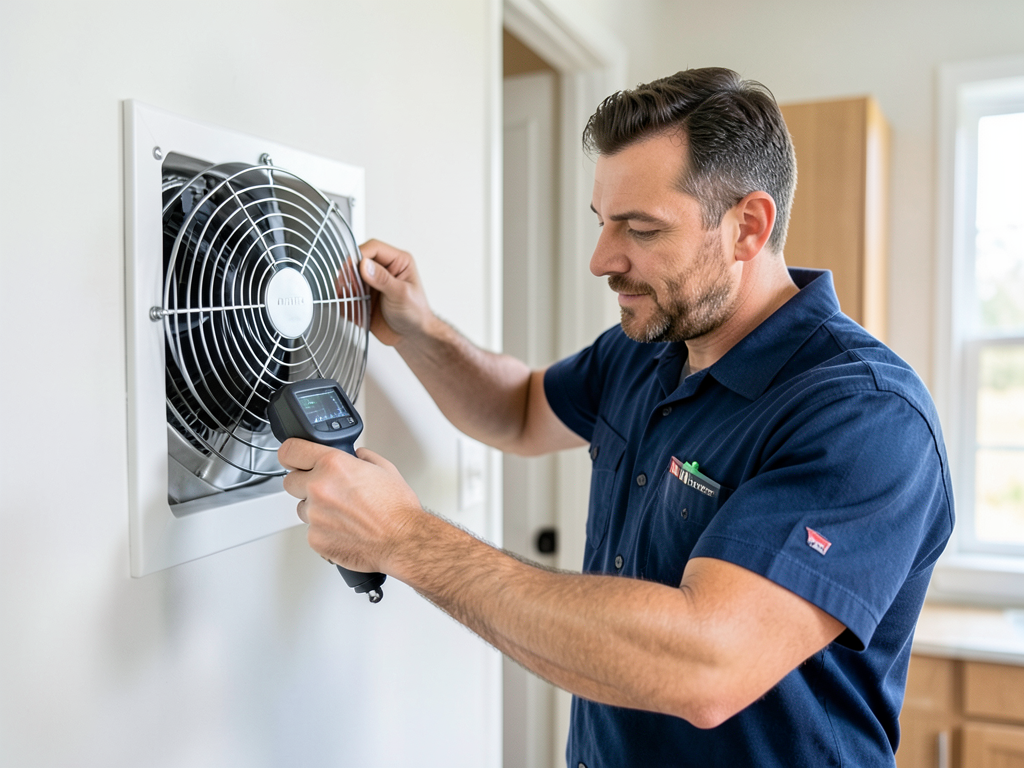
We perform draft pressure testing to verify proper venting. Natural draft appliances require negative pressure of at least 0.02 inches water column at the draft hood. Insufficient draft means exhaust gases spill into the home instead of exiting through the chimney. We use manometers to measure pressure differentials and identify backdrafting conditions.

Heat exchanger inspection follows. Cracks form in high-stress areas where metal expands and contracts thousands of times per heating season. We remove blower assemblies to visually inspect primary and secondary heat exchanger surfaces. We inject tracer smoke to reveal hairline cracks invisible to the naked eye. We test combustion chamber integrity under operating pressure.

Vent system evaluation includes video inspection of flue pipes and chimneys when accessible. We check for blockages, rust-through, separation at joints, and condensation damage. Milwaukee's freeze-thaw cycles crack masonry and displace clay flue tiles. We identify structural issues that allow CO to vent into walls or attic spaces.

The goal is not just finding carbon monoxide. We determine why it formed, where it escaped, and what failed to allow that escape. Then we fix it correctly.

What Happens When You Call for Emergency CO Detection

Emergency Carbon Monoxide Leak Detection in Milwaukee – 24/7 Response Teams Dispatched in Minutes
01

Immediate Safety Evaluation

Our dispatcher confirms you are in a safe location with fresh air and coordinates emergency response. If CO levels are severe or anyone shows poisoning symptoms, we advise you to evacuate and call 911 while simultaneously dispatching our team. We arrive with electronic combustion analyzers, manometers, and video inspection equipment. First priority is establishing ambient CO levels throughout your property to determine occupancy safety.
02

Source Isolation and Testing

We systematically test each fuel-burning appliance and vent system. This includes furnaces, boilers, water heaters, fireplaces, and any other combustion equipment. We measure flue gas composition, draft pressure, heat exchanger integrity, and vent system continuity. We inject tracer smoke into combustion chambers to reveal cracks. We use thermal imaging to identify hot spots indicating failed refractory or heat exchanger damage. This diagnostic phase identifies the exact failure point.
03

Repair and Clearance Testing

After identifying the problem, we provide repair options and pricing transparency. Common fixes include heat exchanger replacement, vent pipe repair, combustion chamber sealing, or complete system replacement if the equipment is beyond safe repair. Once repairs are complete, we perform comprehensive post-repair testing to verify zero CO spillage, proper draft, and safe combustion. You receive documentation showing before and after readings. Your home is safe before we leave.

Why Milwaukee Residents Trust First Choice for CO Emergencies

Carbon monoxide leak testing requires more than a handheld detector and guesswork. It requires calibrated instruments, diagnostic expertise, and the technical ability to repair what we find. First Choice HVAC Milwaukee maintains electronic combustion analyzers calibrated to manufacturer specifications and traceable standards. Our diagnostic equipment costs more than most contractors invest in their entire tool inventory.

We understand Milwaukee's building characteristics. We have diagnosed CO problems in Walker's Point Italianate homes with coal-converted gravity furnaces. We have traced spillage in Shorewood bungalows where bathroom exhaust fans create negative pressure that overwhelms natural draft appliances. We know that East Side duplexes built in the 1920s often share common flue systems where one tenant's furnace failure endangers both units.

Our technicians complete annual factory training on combustion analysis and carbon monoxide safety protocols. We do not send apprentices to CO emergencies. You get a senior technician with diagnostic authority who can make repair decisions on-site without waiting for approval or additional visits.

Milwaukee winters do not allow for delayed service. When we identify a cracked heat exchanger at 2 AM in January, we carry replacement options on our trucks. We stock common residential heat exchangers for major furnace brands. If your equipment requires a specialized part, we provide temporary heating solutions while sourcing the correct component.

We also understand the difference between actual CO production and false alarms. Consumer detectors trigger from cleaning chemical fumes, paint vapors, or even high humidity combined with normal furnace operation. We differentiate between environmental factors and legitimate mechanical failures. We do not upsell unnecessary equipment replacement when your furnace is operating safely.

You need someone who shows up fast, diagnoses accurately, and fixes the problem correctly. That is our standard response.

What to Expect During Emergency Carbon Monoxide Service

Response Time and Availability

We dispatch emergency CO leak detection teams 24 hours a day, 365 days per year. Response time depends on your location within the Milwaukee metro and current weather conditions, but we target arrival within 60 to 90 minutes of your call. Our trucks carry all diagnostic equipment and common repair parts. We do not arrive, diagnose the problem, then leave to get parts. If your situation requires evacuation, we coordinate with you to ensure your family has a safe location while we work. After-hours emergency service carries premium pricing, but your safety is not negotiable.

Diagnostic Process and Transparency

Our technician explains each testing step and shows you real-time readings on the combustion analyzer. You see actual CO concentration numbers, not vague assessments. If we find a cracked heat exchanger, we document it with photos or video. If your vent system shows corrosion or blockage, we show you the damage. You receive a written diagnostic report itemizing test results for each appliance. We explain what failed, why it failed, and what repair or replacement options exist. We provide pricing before starting any work. Emergency situations create stress, but you still deserve complete information to make informed decisions.

Repair Quality and Standards

Carbon monoxide repairs are not cosmetic fixes. They are life safety work. We follow manufacturer specifications for heat exchanger replacement, combustion chamber repair, and vent system installation. We use approved materials rated for flue gas temperatures and corrosion resistance. We test draft pressure after every vent modification. We verify combustion efficiency and CO production after every repair. Your system must pass the same diagnostic tests that identified the problem before we consider the job complete. You receive documentation showing post-repair test results confirming safe operation. We do not compromise on safety to save time or money.

Follow-Up and Prevention

After emergency repairs, we recommend annual combustion analysis as part of routine maintenance. Most CO problems develop gradually. Hairline cracks in heat exchangers grow larger each heating season. Vent pipes corrode from acidic condensation over years. Regular testing catches deterioration before it becomes dangerous. We offer service agreements that include annual combustion testing, equipment cleaning, and priority emergency response. Prevention costs less than emergency repairs and protects your family from exposure. We also provide guidance on proper CO detector placement and maintenance. Battery-powered detectors fail. We recommend hardwired units with battery backup placed outside sleeping areas and near mechanical equipment.

Frequently Asked Questions

You Have Questions,
We Have Answers

How do you tell if you have a carbon monoxide leak? +

You cannot see, smell, or taste carbon monoxide, so you need to watch for physical symptoms and mechanical warning signs. Symptoms include sudden headaches, dizziness, nausea, confusion, or flu-like feelings without a fever. Your CO detector alarm is the most reliable indicator. Check for yellow or orange furnace flames instead of blue, soot buildup around appliances, or excessive moisture on windows. Milwaukee's older homes with aging furnaces and gas appliances face higher risk during winter heating months. If you suspect a leak, evacuate immediately and call 911, then contact an HVAC professional for emergency inspection.

Can you stay in a house with a carbon monoxide leak? +

No. Evacuate immediately if you suspect a carbon monoxide leak. Even low-level exposure causes headaches, dizziness, and nausea. Prolonged exposure leads to unconsciousness, brain damage, or death. CO displaces oxygen in your bloodstream, and symptoms worsen the longer you stay inside. Milwaukee's tight, weatherized homes trap CO faster during cold months when windows stay closed. Do not re-enter until emergency responders clear the property and a certified HVAC technician identifies and repairs the source. Your safety is not negotiable. Get out, call 911 from outside, and wait for professional clearance before returning.

Does CO rise or fall? +

Carbon monoxide mixes evenly with air. It does not rise or fall like some gases. This makes CO especially dangerous because it spreads throughout your entire home at roughly the same concentration on all levels. You cannot escape it by moving to a different floor. In Milwaukee homes with forced-air heating systems, CO spreads quickly through ductwork. This is why you need CO detectors on every level of your home, including basements and near sleeping areas. The gas distributes uniformly, so placement at breathing height matters more than worrying about rising or falling patterns.

Will a carbon monoxide detector detect a leak? +

Yes. A carbon monoxide detector is designed specifically to alert you when CO levels reach dangerous concentrations. These devices measure air quality continuously and sound an alarm before levels become life-threatening. Install UL-listed detectors on every floor, outside sleeping areas, and near fuel-burning appliances. Milwaukee building codes require CO detectors in homes with attached garages or gas appliances. Replace detectors every five to seven years, and test monthly. Detectors give you critical early warning, but if the alarm sounds, evacuate immediately and call 911. Do not ignore intermittent beeping, it signals malfunction or end-of-life replacement needs.

What are two warning signs of carbon monoxide? +

Headaches and dizziness are the two most common early warning signs of carbon monoxide exposure. These symptoms often feel like sudden flu without fever. You may also notice nausea, confusion, or unusual fatigue affecting everyone in the home simultaneously. Milwaukee residents often mistake CO poisoning for winter illnesses during heating season. Other warning signs include your CO detector alarming, yellow or orange furnace flames, soot streaks near appliances, or excessive condensation on windows. If multiple people feel sick at the same time indoors but better outside, evacuate immediately. Call 911 and report suspected CO poisoning before seeking medical attention.

Can a phone app detect carbon monoxide? +

No. Smartphone apps cannot detect carbon monoxide. Your phone lacks the electrochemical or metal oxide sensors required to measure CO in the air. Apps claiming CO detection are misleading and dangerous. You need a dedicated UL-listed carbon monoxide detector with proven sensor technology. Some smart home systems integrate with certified CO detectors to send alerts to your phone, but the phone itself cannot detect the gas. Milwaukee homeowners should install hardwired or battery-powered detectors on every level. Never rely on an app for something that can kill you. Invest in real detection equipment and test it monthly.

How quickly will you know if you have carbon monoxide poisoning? +

Symptoms can appear within minutes at high concentrations or develop over hours at lower levels. Mild exposure causes headaches and dizziness within one to two hours. Moderate exposure leads to nausea, confusion, and impaired judgment within 30 minutes to an hour. High concentrations cause unconsciousness and death in minutes. Milwaukee's cold winters mean furnaces run constantly, increasing exposure duration if a leak exists. You may not realize you are poisoned because CO affects judgment and cognition. If you suspect exposure, evacuate immediately and seek medical attention. Do not wait for symptoms to worsen. Time is critical.

How can I test for CO in my home? +

Install a UL-listed carbon monoxide detector on every floor and near sleeping areas. Test the detector monthly by pressing the test button. For professional verification, schedule an annual HVAC inspection where technicians use calibrated CO meters to check ambient levels and test appliance exhaust. Milwaukee's older homes with aging furnaces, water heaters, and fireplaces need regular combustion safety testing. Technicians measure CO in flue gases and around equipment to identify dangerous backdrafting or incomplete combustion. You cannot reliably test for CO without proper equipment. Detectors and professional inspections are your only accurate methods.

Will opening windows help with carbon monoxide? +

Opening windows helps dilute carbon monoxide but does not eliminate the danger. Ventilation reduces concentration temporarily, but the source continues producing CO. In Milwaukee's winter climate, opening windows is impractical and does not solve the underlying problem. Your priority is evacuation, not ventilation. Get everyone out, call 911, and let emergency responders handle ventilation safely. Do not re-enter to open windows or investigate. After professional clearance and source repair, normal ventilation helps clear residual CO, but fresh air is not a substitute for fixing the leak. Address the root cause with a certified HVAC technician immediately.

Where does carbon monoxide accumulate first? +

Carbon monoxide does not accumulate in specific areas first because it mixes evenly with air. However, CO concentrations are highest near the source, such as a malfunctioning furnace, water heater, fireplace, or attached garage. In Milwaukee homes with basements, furnaces and water heaters often sit below living spaces, but forced-air systems distribute CO throughout ductwork quickly. Enclosed spaces without ventilation, like closed bedrooms or basements, reach dangerous levels faster than open areas. This is why you need detectors on every level and near sleeping areas. The gas spreads uniformly, but proximity to the source increases initial exposure risk.

Why Milwaukee's Heating Season Makes Carbon Monoxide Risk Higher

Milwaukee experiences sustained subfreezing temperatures from December through February. Furnaces run continuously for weeks without shutdown. This extended operation accelerates heat exchanger fatigue and increases the probability of stress cracks. The city's housing stock includes tens of thousands of homes built before 1960 with original heating equipment or aging replacements. Bay View, Riverwest, and the Historic Third Ward contain high concentrations of older homes where galvanized vent pipes corrode from the inside. Lake Michigan proximity increases humidity, which combines with combustion byproducts to form corrosive acids that attack metal. Snow accumulation blocks roof vents and chimney caps, creating backdraft conditions that force exhaust gases into occupied spaces.

Milwaukee County enforces residential carbon monoxide detector requirements under Wisconsin Act 180, but detector presence does not prevent equipment failure. The law mandates detectors within 10 feet of sleeping areas, but most homeowners install battery-powered units that fail without warning. Professional CO leak inspection goes beyond detector compliance to identify mechanical problems before they endanger occupants. First Choice HVAC Milwaukee works throughout the metro area, from Wauwatosa to Cudahy, diagnosing CO problems in every housing type. We understand local building methods, furnace installation practices common to Milwaukee contractors, and the specific failure modes that occur in Wisconsin's climate. Local expertise matters when minutes count.

HVAC Services in The Milwaukee Area

We proudly serve residential and commercial clients throughout the Milwaukee area. Our central location allows us to provide rapid, reliable service to neighborhoods and communities all over the region. Whether you're in the heart of the city or in the surrounding suburbs, our expert technicians are just a call away. View our map below to see our service area and find our main office location.

Address:
First Choice HVAC Milwaukee, 5700 W Capitol Dr,, Milwaukee, WI, 53209

Additional Services We Offer

Our news updates

Latest Articles & News from The Blogs

How to End the Thermostat Wars in Your Hartland Home with Simple Air Balancing Uneven temperatures in your Hartland home…

How to End the Thermostat Wars in Your Hartland Home with Simple Air Balancing

How to End the Thermostat Wars in Your Hartland Home with Simple Air Balancing Uneven temperatures in your Hartland home…

Why Your Attic is Covered in Frost During a Cold Snap in North Hills

Why Your Attic is Covered in Frost During a Cold Snap in North Hills \n Walking into your attic during…

How Your Kitchen Exhaust Fan Might Be Messing with Your Home's Air Pressure in Oak Creek

How Your Kitchen Exhaust Fan Might Be Messing with Your Home's Air Pressure in Oak Creek\n\nWhen you fire up your…

Contact Us

If your CO detector alarmed, you smell exhaust, or anyone in your home shows symptoms, get to fresh air and call us immediately at (414) 387-8977. We dispatch emergency carbon monoxide testing teams 24/7. Your safety is our only priority.