Menu

Energy Saving Tips for Summer in Milwaukee – Cut Your Cooling Bills Without Sacrificing Comfort

Milwaukee homeowners spend hundreds more than necessary each summer fighting humidity and heat. These proven energy saving tips for summer help you reduce air conditioning bills while keeping your home comfortable during the hottest months.

Slider Image 1
Slider Image 2
Slider Image 3
Slider Image 4
Slider Image 5
Slider Image 7
Slider Image 8
Slider Image 9
Slider Image 10
Slider Image 11

Why Milwaukee Summers Hit Your Wallet Harder Than Most Cities

Milwaukee's summer humidity makes your air conditioner work overtime. When outdoor temperatures hit 85 degrees with 70 percent humidity, your cooling system burns through electricity trying to remove moisture from the air while also dropping the temperature. This double demand on your equipment drives up energy costs fast.

The Great Lakes influence creates unpredictable weather patterns. You might run your AC hard for three days straight, then wake up to 60-degree mornings. This constant cycling wears out components and wastes energy as your system struggles to adapt.

Milwaukee's housing stock adds another challenge. Many homes in Riverwest, Bay View, and other older neighborhoods have poor attic insulation and single-pane windows. Hot air pours in through the roof while cool air escapes through gaps around windows and doors. Your air conditioner fights a losing battle against physics.

Ways to lower cooling costs start with understanding these local factors. Summer energy efficiency ideas must address both humidity control and temperature management. Reducing air conditioning bills in Milwaukee means tackling insulation, airflow, and equipment efficiency together. How to save electricity in summer becomes easier when you know which problems hit this region hardest. Lowering summer utility costs requires a strategy built for lake-effect humidity and older home construction.

You cannot fix what you do not measure. Most Milwaukee homeowners guess at their cooling problems instead of diagnosing them properly.

Why Milwaukee Summers Hit Your Wallet Harder Than Most Cities
The Science Behind Cooling Efficiency in Humid Climates

The Science Behind Cooling Efficiency in Humid Climates

Your air conditioner removes heat through refrigerant cycle mechanics. The evaporator coil absorbs heat from indoor air while the condenser coil releases it outside. In humid climates, your system must also condense water vapor into liquid and drain it away. This dehumidification process consumes significant energy beyond simple temperature reduction.

Airflow volume determines efficiency. Your system needs 400 cubic feet per minute of airflow per ton of cooling capacity. Restricted airflow from dirty filters or blocked return vents forces the compressor to work harder. The blower motor draws more amperage. Your electric meter spins faster.

Temperature differential matters more than most people realize. Setting your thermostat to 68 degrees when it is 88 outside creates a 20-degree split that overworks your equipment. The compressor runs continuously without cycling off. This constant operation wastes energy and prevents proper dehumidification.

Strategic cooling targets the load calculation, not just the thermostat number. Milwaukee homes need proper equipment sizing based on square footage, window orientation, insulation R-values, and air infiltration rates. An oversized unit short-cycles and fails to remove humidity. An undersized unit runs nonstop and never achieves comfort.

First Choice HVAC Milwaukee analyzes your entire cooling envelope before recommending efficiency upgrades. We measure supply and return temperatures, check refrigerant charge, test capacitors, and inspect ductwork for leaks. This diagnostic approach identifies the specific energy waste patterns in your home rather than guessing at generic solutions.

Efficiency improvements stack. Each upgrade compounds the benefit of others when done in the right sequence.


How We Help You Save Energy This Summer

Energy Saving Tips for Summer in Milwaukee – Cut Your Cooling Bills Without Sacrificing Comfort
01

System Performance Audit

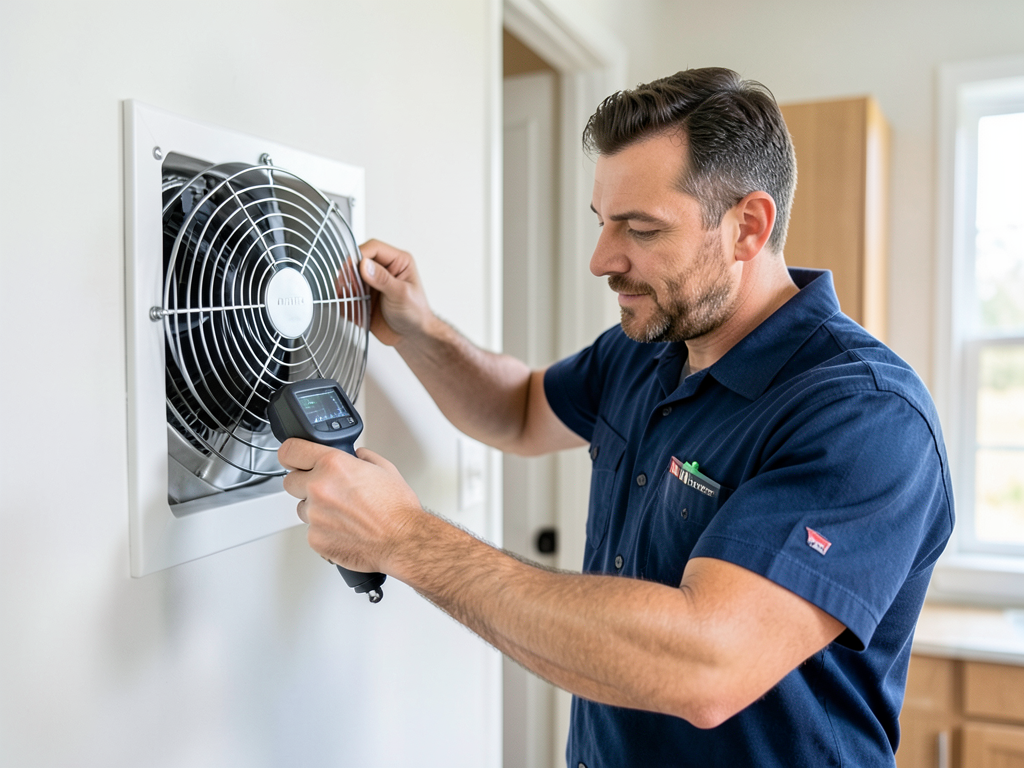
We start by measuring your current cooling system performance against manufacturer specifications. This includes checking refrigerant pressures, amperage draw on the compressor and blower motor, supply air temperature, and static pressure in your ductwork. These measurements reveal whether your equipment operates efficiently or wastes energy through mechanical problems. We also inspect your thermostat programming and air filter condition to identify simple fixes that deliver immediate savings.
02

Customized Efficiency Plan

Based on audit findings, we create a prioritized list of improvements ranked by return on investment. This might include sealing duct leaks that waste 20 percent of your cooled air, adding attic insulation to reduce heat gain, or upgrading to a programmable thermostat with humidity control. We explain which upgrades deliver the fastest payback and which provide long-term value. You choose the improvements that fit your budget and timeline.
03

Implementation and Verification

After completing your chosen improvements, we retest system performance to verify measurable efficiency gains. You receive documentation showing before and after measurements along with projected annual savings. We also provide a maintenance schedule to preserve your efficiency improvements throughout the cooling season. Most Milwaukee homeowners see reduced energy bills within the first month after implementing our recommendations.

Why Milwaukee Homeowners Trust Local HVAC Expertise

Milwaukee's building codes and climate demands require specific knowledge that national chains cannot match. We understand how lake-effect humidity impacts equipment sizing and dehumidification needs. We know which neighborhoods have clay soil that shifts foundations and stresses ductwork connections. We recognize the insulation challenges in pre-war bungalows along the lakefront versus post-war ranch homes in the suburbs.

Local expertise means faster problem diagnosis. When a homeowner in Wauwatosa calls about high humidity despite a running air conditioner, we immediately check for undersized equipment or duct leaks in the unconditioned attic. These are common issues in that area's housing stock. We do not waste your time running through generic troubleshooting scripts designed for Phoenix or Miami.

We also understand seasonal patterns that affect Milwaukee specifically. The rapid temperature swings between May and June stress aging air conditioners. The August humidity spike reveals marginal dehumidification capacity. The September cool-downs tempt homeowners to shut systems off too early, allowing mold growth in ductwork. Our maintenance timing aligns with these local weather patterns.

First Choice HVAC Milwaukee has diagnosed cooling problems in every Milwaukee neighborhood. We know which local utility rebate programs reduce upgrade costs. We understand Milwaukee building permit requirements for HVAC modifications. We stock parts that fit the equipment brands most common in this market.

You pay for expertise or you pay for education. Companies learning your local market on your dime charge you for their learning curve. We already know how Milwaukee homes cool inefficiently and how to fix them.

Trust builds through demonstrated competence, not marketing promises.

What to Expect When Improving Your Cooling Efficiency

Immediate and Long-Term Savings

Simple improvements like changing filters and cleaning condenser coils deliver immediate energy savings you will notice on next month's bill. Strategic upgrades like sealing ductwork or adding insulation provide benefits that compound over multiple cooling seasons. Most Milwaukee homeowners recover their investment in efficiency improvements within two to four years through reduced utility costs. We help you understand which improvements pay back fastest and which require longer timelines. Your specific savings depend on your current system condition, home construction, and cooling habits. We provide realistic projections based on measured data from your home, not generic estimates.

Comprehensive Home Assessment

Our energy audit examines your entire cooling system and building envelope together. We check attic insulation depth and condition, inspect windows and doors for air leaks, test ductwork for separation or damage, measure airflow at each supply register, and verify proper refrigerant charge. We also review your utility bills to establish baseline energy consumption patterns. This thorough assessment identifies the specific factors driving your high cooling costs rather than guessing at generic solutions. You receive a written report explaining each finding and its impact on your energy waste. We answer your questions and explain technical concepts in plain language.

Measurable Performance Improvement

After implementing efficiency upgrades, you will notice tangible differences beyond lower bills. Your home will maintain more consistent temperatures between rooms. Humidity levels will stay in the comfortable 40 to 50 percent range instead of climbing above 60 percent. Your air conditioner will cycle on and off properly instead of running continuously. Supply vents will deliver stronger, colder airflow. These comfort improvements confirm that your system operates efficiently. We provide before and after measurements documenting the performance gains. Most Milwaukee homeowners report better sleep quality and reduced allergy symptoms along with lower energy costs after efficiency improvements.

Ongoing Maintenance Support

Efficiency improvements require proper maintenance to deliver sustained savings. We provide a customized maintenance schedule based on your specific equipment and home conditions. This includes filter change reminders, seasonal system checkups, and proactive component replacement before failures occur. Our maintenance plans prevent the gradual efficiency decline that happens when air conditioners go unchecked. We track your system performance over time and alert you to developing problems before they cause comfort loss or energy waste. Milwaukee's humid summers stress cooling equipment in specific ways, and our maintenance protocols address those local factors. You also receive priority scheduling and discounted service rates as a maintenance plan member.

Frequently Asked Questions

You Have Questions,
We Have Answers

How can we save energy in summer? +

Start with your AC unit. Set your thermostat to 78 degrees when home and higher when away. Change your air filter monthly during Milwaukee's humid summer months to keep airflow efficient. Use ceiling fans to circulate cool air, allowing you to raise the thermostat a few degrees without losing comfort. Close blinds during peak sun hours, especially south-facing windows. Run heat-generating appliances like dishwashers and dryers after sunset. Seal air leaks around windows and doors. Schedule annual AC maintenance to catch refrigerant leaks or dirty coils that force your system to work harder and consume more electricity.

What are the 5 P's of energy conservation? +

The 5 P's of energy conservation are People, Planet, Profit, Process, and Performance. People means engaging everyone in your household to adopt energy-saving behaviors. Planet focuses on reducing your environmental footprint through lower consumption. Profit refers to the money you save on utility bills. Process involves creating systematic habits like programmable thermostats or maintenance schedules. Performance means monitoring your energy use through utility bills or smart meters to track improvement. For Milwaukee homeowners, combining all five principles creates a comprehensive approach to cutting summer cooling costs while maintaining comfort during hot, humid weather.

Does keeping the AC at 72 save money? +

Keeping your AC at 72 degrees costs more than necessary. In Milwaukee's summer climate, 78 degrees is the sweet spot for balancing comfort and efficiency. Each degree below 78 can increase cooling costs by 6 to 8 percent. The smaller the temperature difference between indoor and outdoor air, the less your system runs. A 72-degree setting forces your AC to cycle more frequently during hot days, wearing components faster and spiking electric bills. Use a programmable thermostat to raise temperatures when you are away, then cool the house before you return home.

What runs your electric bill up the most? +

Your air conditioning system dominates summer electric bills in Milwaukee, accounting for up to 50 percent of usage during June through August. Central AC units draw massive power to combat heat and humidity. Your water heater runs second, operating year-round regardless of season. Refrigerators, washers, dryers, and dishwashers follow. Phantom loads from electronics on standby mode drain power constantly. Older AC units with SEER ratings below 14 consume far more electricity than modern systems. Poor insulation or leaky ductwork forces your AC to run longer cycles. Addressing cooling efficiency delivers the biggest impact on reducing summer costs.

What is the 3 minute rule for AC? +

The 3 minute rule prevents compressor damage and extends AC lifespan. After your system shuts off, wait at least 3 minutes before restarting it. This waiting period allows refrigerant pressure to equalize throughout the system. Restarting too quickly forces the compressor to work against high pressure, causing mechanical stress and potential failure. This rule applies when adjusting your thermostat frequently or after power outages. Modern thermostats often include built-in delay features. In Milwaukee's humid climate where AC units cycle regularly, following this rule protects your investment and prevents costly emergency repairs during peak summer demand.

What are 10 ways to save energy? +

Raise your thermostat to 78 degrees. Use ceiling fans to improve circulation. Change AC filters monthly. Close blinds during daylight hours. Run appliances after sunset. Seal air leaks around windows and doors. Install a programmable thermostat. Schedule annual AC tune-ups. Switch to LED bulbs that produce less heat. Unplug electronics when not in use to eliminate phantom loads. For Milwaukee homes, adding attic insulation reduces heat transfer from your roof. Plant shade trees on south and west sides of your property. These combined strategies can cut summer cooling costs by 20 to 30 percent.

How Milwaukee's Lake-Effect Humidity Drives Summer Cooling Costs Higher

Lake Michigan's massive water volume creates persistent summer humidity that challenges every Milwaukee air conditioning system. When southwest winds push across 300 miles of lake surface, they pick up moisture that settles over the metro area. This humidity load forces your cooling system to work harder removing water vapor from indoor air while also dropping the temperature. A typical summer day at 85 degrees with 70 percent humidity feels like 95 degrees because your body cannot evaporate sweat efficiently. Your air conditioner faces the same challenge removing that moisture. This double demand on your equipment drives energy consumption higher than comparable temperatures in drier climates.

HVAC Services in The Milwaukee Area

We proudly serve residential and commercial clients throughout the Milwaukee area. Our central location allows us to provide rapid, reliable service to neighborhoods and communities all over the region. Whether you're in the heart of the city or in the surrounding suburbs, our expert technicians are just a call away. View our map below to see our service area and find our main office location.

Address:
First Choice HVAC Milwaukee, 5700 W Capitol Dr,, Milwaukee, WI, 53209

Additional Services We Offer

Our news updates

Latest Articles & News from The Blogs

How to End the Thermostat Wars in Your Hartland Home with Simple Air Balancing Uneven temperatures in your Hartland home…

How to End the Thermostat Wars in Your Hartland Home with Simple Air Balancing

How to End the Thermostat Wars in Your Hartland Home with Simple Air Balancing Uneven temperatures in your Hartland home…

Why Your Attic is Covered in Frost During a Cold Snap in North Hills

Why Your Attic is Covered in Frost During a Cold Snap in North Hills \n Walking into your attic during…

How Your Kitchen Exhaust Fan Might Be Messing with Your Home's Air Pressure in Oak Creek

How Your Kitchen Exhaust Fan Might Be Messing with Your Home's Air Pressure in Oak Creek\n\nWhen you fire up your…

Contact Us

Call First Choice HVAC Milwaukee today at (414) 387-8977 to schedule your energy efficiency assessment. We will identify the specific factors driving your high cooling costs and provide a customized plan to reduce your summer utility bills while improving home comfort.