
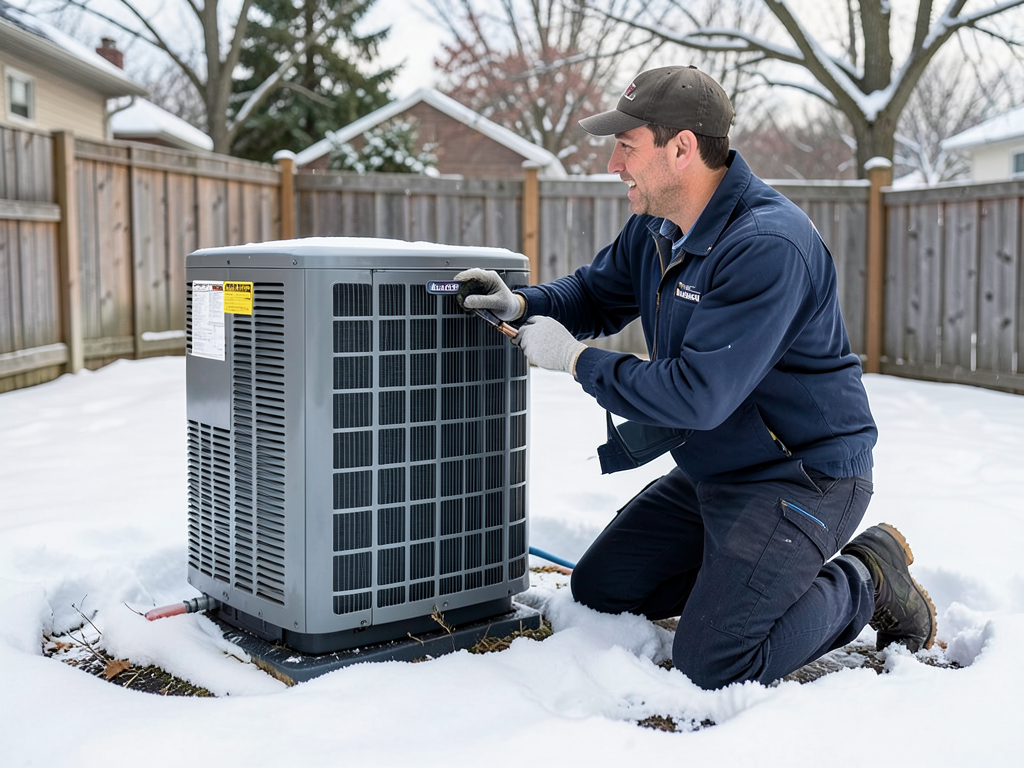
Switching to a Heat Pump in Milwaukee (Is It Actually Warm Enough for the Winter?)
Milwaukee winters test every heating system. When Lake Michigan winds cut through the city and temperatures drop below zero homeowners wonder if electric heat pumps can keep up. Modern cold-climate heat pump technology proves they can. Today’s systems maintain comfortable indoor temperatures even when outdoor mercury plunges while cutting energy bills by up to 50 percent compared to electric resistance heating. Milwaukee building code requirements.
The real question focuses on finding the right system for your home and maximizing available rebates that can save thousands on installation costs. New HVAC System Cost 2026.
How Heat Pumps Work in Cold Weather
Traditional heat pumps struggled when temperatures fell below freezing because they extract heat from outdoor air. Cold-climate heat pumps use advanced inverter-driven compressors and variable-speed fans that extract usable heat from air as cold as -13°F. These systems move heat rather than create it using refrigerant cycles that remain efficient even in extreme cold. Outdoor Unit Not Spinning.
The variable-speed compressor adjusts output based on demand. Instead of cycling on and off like older units these systems run continuously at lower speeds maintaining consistent temperatures while using less electricity. Outdoor units feature enhanced defrost cycles and improved coil designs that prevent ice buildup even during heavy snow.
Milwaukee’s climate presents unique challenges. The city experiences rapid temperature swings where a 40-degree day can turn into a -10-degree night. Modern heat pumps shine here. They can ramp up heating capacity instantly when temperatures drop something older systems simply could not do.
Milwaukee’s glacial lakebed soils with high clay content affect heat pump installation. These soils expand and contract with moisture changes requiring reinforced concrete pads for outdoor units to prevent shifting over time.
Heat Pump Performance During Milwaukee’s Coldest Events
During extreme cold snaps many homeowners with modern cold-climate heat pumps report their systems keep running without supplemental heat. Units may run longer cycles and consume more electricity but they maintain indoor temperatures above 65°F without backup.
Performance depends on the heating seasonal performance factor or HSPF rating. Units with HSPF ratings above 10 can deliver 100 percent of rated heating capacity down to about 5°F. Premium models with HSPF ratings above 12 maintain full capacity down to -5°F or lower.
Milwaukee’s climate data shows temperatures below -10°F occur only about 5-7 days per year on average. Modern heat pumps handle these extreme days by running longer cycles or using supplemental heat sources like electric resistance strips that activate only when needed.
Dual-Fuel Systems for Maximum Reliability
Dual-fuel systems combine a heat pump with a natural gas or propane furnace. The heat pump handles heating when temperatures stay above 30-35°F where it operates most efficiently. When temperatures drop below the balance point the system automatically switches to the gas furnace.
This hybrid approach maximizes efficiency during mild weather while providing robust heating power for Milwaukee’s coldest nights. The transition between heat sources happens seamlessly without homeowner input.
Dual-fuel systems work well in older Milwaukee neighborhoods where homes already have gas service. Existing gas lines and furnaces can often integrate with new heat pumps reducing installation costs compared to complete system replacement.
The economic benefits prove significant. During a typical Milwaukee winter the heat pump handles about 80-85 percent of the heating load. Only during the coldest 15-20 percent of hours does the gas furnace activate. Most heating comes from the more efficient electric system.
Available Rebates and Tax Credits
Wisconsin’s Focus on Energy program offers substantial rebates for heat pump installations that can reduce upfront costs by $1000 to $2500 depending on system efficiency. These rebates apply to both air-source and ground-source heat pumps installed by certified contractors. Wisconsin’s Focus on Energy program.
The federal government provides additional incentives through the Inflation Reduction Act. Homeowners can claim a 30 percent tax credit on total cost of qualified heat pump installations including equipment and labor. For a typical $15000 installation that’s a $4500 tax credit that can spread over multiple years. Inflation Reduction Act tax credits.
WE Energies offers special electric heating rates for homes with heat pumps. These rates can reduce winter electric bills by 10-15 percent compared to standard residential rates. The utility company provides a separate meter for the heating system to track specialized usage.
Combining these incentives can reduce net cost of heat pump installation by 40-50 percent. A system that would normally cost $15000 might end up costing $7500 to $9000 after all rebates and credits apply.
Installation Process and What to Expect
Professional heat pump installation starts with a detailed home energy assessment. Technicians perform a Manual J load calculation to determine exact heating and cooling capacity needed for your home. This calculation considers square footage insulation levels window types and local climate data specific to your Milwaukee neighborhood. Cooling Tower Services.
The installation process typically takes 2-3 days for complete system. Day one involves removing old equipment and preparing the site. This might include upgrading electrical service from 100 to 200 amps if your home’s electrical system is older.
Day two focuses on installing new equipment. The outdoor unit requires a concrete pad or mounting brackets with proper clearance from snow accumulation. Indoor unit installation varies based on whether you’re replacing a furnace or adding a new air handler.
Day three includes system commissioning testing and homeowner training. Technicians verify proper refrigerant charge check airflow and program the thermostat for optimal performance in Milwaukee’s climate.
Proper sizing proves critical. An oversized heat pump will short cycle reducing efficiency and comfort. An undersized unit will struggle during extreme cold. That’s why the Manual J calculation proves essential rather than just replacing your old system with similar size.
Cost Comparison: Heat Pump vs. Traditional Furnace
| System Type | Upfront Cost | Annual Operating Cost | Lifetime Cost (15 years) |
|---|---|---|---|
| 80% Efficient Gas Furnace | $5000 – $7000 | $1200 – $1500 | $23000 – $27500 |
| 90% Efficient Gas Furnace | $6500 – $9000 | $1100 – $1400 | $22500 – $26000 |
| Cold-Climate Heat Pump | $12000 – $18000 | $600 – $900 | $15000 – $21000 |
| Dual-Fuel System | $14000 – $20000 | $700 – $1000 | $16500 – $23000 |
These cost estimates include installation average energy prices in Milwaukee and typical maintenance over a 15-year system life. Heat pump systems show lower lifetime costs despite higher upfront investments due to significantly lower operating expenses.
Milwaukee Neighborhoods and Installation Considerations
Different Milwaukee neighborhoods present unique installation challenges. In older areas like Bay View and St. Francis many homes built before 1950 have limited electrical capacity and may need service upgrades before heat pump installation. These neighborhoods also feature many bungalows and two-flats where space for outdoor units can be limited.
Newer developments in Franklin and Oak Creek typically have adequate electrical service but may have stricter HOA regulations about outdoor unit placement and appearance. Some communities require screening or specific setback distances from property lines.
Historic districts like those in Shorewood have additional requirements. The Milwaukee Historic Preservation Commission may require approval for any exterior modifications including heat pump installations. Units must often be placed where they’re not visible from the street or must use low-profile designs that minimize visual impact. What to Do When Your Historic East Side Home’s Boiler Stops Working.
Properties near Lake Michigan in areas like Cudahy experience higher humidity levels that can affect heat pump performance. Systems in these locations benefit from enhanced dehumidification features and corrosion-resistant coatings on outdoor coils to withstand the salty air. HVAC Cudahy.
Milwaukee’s high water table in low-lying areas like the Third Ward requires elevated concrete pads for outdoor heat pump units. The city building code section 13.04.060 mandates minimum 6-inch clearance above grade for HVAC equipment in flood-prone zones.
Maintenance Requirements for Heat Pumps
Heat pumps require regular maintenance to maintain their efficiency advantages. The outdoor unit needs annual cleaning to remove leaves dirt and debris that can block airflow. Milwaukee’s heavy snowfall means the outdoor unit must be cleared of snow accumulation maintaining at least 18 inches of clearance on all sides.
The indoor air handler requires filter changes every 1-3 months depending on household conditions. Homes with pets or in areas with high pollen counts may need more frequent changes. The condensate drain line should be checked annually to prevent algae growth that can cause water damage.
Professional maintenance includes checking refrigerant levels testing electrical connections and verifying that the reversing valve operates correctly. The defrost cycle should be tested to ensure it activates at the right temperature and runs for the proper duration.
Heat pumps have fewer moving parts than traditional furnaces which means fewer potential failure points. However when issues do occur they often require specialized diagnostic equipment. That’s why working with a contractor experienced in heat pump technology proves essential.
Common Heat Pump Problems and Solutions
Ice buildup on the outdoor unit proves normal during defrost cycles but excessive ice formation indicates a problem. This could be low refrigerant a faulty defrost control board or restricted airflow from a dirty coil. During Milwaukee winters snow accumulation around the unit can also cause ice problems.
Reduced heating capacity often results from dirty air filters or restricted airflow. If your heat pump seems to be running constantly but not keeping up check the air filter first. If that’s clean the issue might be low refrigerant charge or a failing compressor.
Strange noises from the outdoor unit can indicate various issues. A hissing sound might mean refrigerant leak. Clicking that doesn’t stop could be a failing capacitor. Grinding noises typically indicate bearing problems in the fan motor.
Most heat pump problems can be prevented with annual professional maintenance. During these visits technicians can identify worn components before they fail and ensure the system operates at peak efficiency.
Environmental Benefits of Heat Pumps
Heat pumps offer significant environmental advantages over traditional heating systems. They produce zero on-site emissions and can reduce your home’s carbon footprint by 30-50 percent depending on your electricity source. As Wisconsin’s electric grid incorporates more renewable energy these benefits will continue to grow.
A single heat pump installation can prevent 3-5 tons of carbon dioxide emissions annually compared to a natural gas furnace. Over a 15-year system life that’s 45-75 tons of CO2 kept out of the atmosphere.
Heat pumps also improve indoor air quality by eliminating combustion byproducts like carbon monoxide and reducing dust and allergens through better filtration. The systems maintain more consistent temperatures and humidity levels creating more comfortable living spaces.
Milwaukee’s Focus on Energy program specifically promotes heat pump installations as part of the city’s climate action plan. The goal is to reduce building-related emissions by 50 percent by 2030 and heat pumps are a key technology for achieving this target.
Is a Heat Pump Right for Your Milwaukee Home?
Heat pumps make sense for most Milwaukee homes but certain factors can affect your decision. Homes with existing ductwork in good condition are ideal candidates for central heat pump systems. Homes without ductwork might benefit from ductless mini-split heat pumps that can heat and cool individual rooms.
Your home’s insulation level affects heat pump performance. Well-insulated homes require smaller heat pumps and see greater efficiency benefits. If your home has drafty windows or poor insulation addressing these issues first will maximize your heat pump investment.
Consider your long-term plans. If you plan to stay in your home for more than five years the energy savings will offset the higher upfront cost. If you might move soon the improved comfort and potential increase in home value could still make it worthwhile.
Talk to a qualified HVAC contractor about a home energy assessment. This evaluation will determine the right system size identify any necessary electrical upgrades and provide accurate cost estimates including available rebates.
Making the Switch to Heat Pump Technology
The transition to heat pump technology represents more than just a heating system upgrade. It’s an investment in year-round comfort lower energy bills and environmental responsibility. Modern cold-climate heat pumps have proven they can handle Milwaukee’s toughest winters while delivering cooling performance that rivals traditional air conditioners.
The combination of Focus on Energy rebates federal tax credits and lower operating costs makes heat pumps more affordable than ever. Many homeowners find that the monthly energy savings offset much of the additional monthly payment for the more expensive system.
Don’t let concerns about Milwaukee’s cold weather prevent you from considering this technology. The latest heat pumps are specifically designed for northern climates and come with comprehensive warranties that protect your investment.
Ready to learn more about heat pump options for your Milwaukee home? Call (414) 387-8977 today to schedule your free home energy assessment. Our experienced technicians will evaluate your current system discuss your comfort needs and show you exactly how much you can save with available rebates and incentives.
Frequently Asked Questions
Do heat pumps really work in Milwaukee’s extreme cold?
Yes modern cold-climate heat pumps are specifically designed to operate efficiently in temperatures well below zero. Premium models maintain full heating capacity down to -5°F or lower and can continue operating even when temperatures drop to -15°F or below though at reduced efficiency.
How much can I save on my energy bills with a heat pump?
Homeowners typically see 30-50 percent reductions in heating costs compared to electric resistance heating and 20-30 percent savings compared to older gas furnaces. The exact savings depend on your home’s insulation local energy rates and the efficiency of your current system.
What rebates are available for heat pump installation in Milwaukee?
Wisconsin’s Focus on Energy program offers rebates of $1000 to $2500 for qualifying heat pump installations. The federal government provides a 30 percent tax credit on the total installation cost through the Inflation Reduction Act. Many utilities also offer additional incentives.
How long does heat pump installation take?
Complete heat pump installation typically takes 2-3 days. This includes system removal electrical upgrades if needed equipment installation and system commissioning. Most homeowners can expect the process to be completed within one week from start to finish.
Do I need to replace my ductwork for a heat pump?
Not necessarily. Heat pumps work with existing ductwork in most cases. However if your ducts are old leaky or improperly sized you might need duct sealing or modifications to optimize heat pump performance. A professional assessment will determine if any duct work is needed.
{
“@context”: “https://schema.org”,
“@type”: “BlogPosting”,
“headline”: “Switching to a Heat Pump in Milwaukee (Is It Actually Warm Enough for the Winter?)”,
“description”: “Modern heat pumps handle Milwaukee’s coldest winters while cutting energy bills by up to 50%. Learn about rebates, installation, and performance in our lakefront climate.”,
“wordCount”: 2399,
“datePublished”: “2026-02-22T07:37:00.000Z”,
“dateModified”: “2026-02-22T07:37:00.000Z”,
“inLanguage”: “en-US”,
“mainEntityOfPage”: {
“@type”: “WebPage”,
“@id”: “https://firstchoicehvacmilwaukee.com”
},
“publisher”: {
“@type”: “LocalBusiness”,
“name”: “First Choice HVAC Milwaukee”,
“url”: “https://firstchoicehvacmilwaukee.com”
},
“author”: {
“@type”: “Organization”,
“name”: “First Choice HVAC Milwaukee”,
“url”: “https://firstchoicehvacmilwaukee.com”
},
“image”: {
“@type”: “ImageObject”,
“url”: “https://firstchoicehvacmilwaukee.com/wp-content/uploads/2026/03/switching-to-a-heat-pump-in-milwaukee-is-it-actual-1.png”
}
}
{
“@context”: “https://schema.org”,
“@type”: “HVACBusiness”,
“name”: “First Choice HVAC Milwaukee”,
“url”: “https://firstchoicehvacmilwaukee.com”,
“address”: {
“@type”: “PostalAddress”,
“addressLocality”: “Milwaukee”
},
“areaServed”: {
“@type”: “City”,
“name”: “Milwaukee”
}
}
{
“@context”: “https://schema.org”,
“@type”: “FAQPage”,
“mainEntity”: [
{
“@type”: “Question”,
“name”: “Is a Heat Pump Right for Your Milwaukee Home?”,
“acceptedAnswer”: {
“@type”: “Answer”,
“text”: “Heat pumps make sense for most Milwaukee homes but certain factors can affect your decision. Homes with existing ductwork in good condition are ideal candidates for central heat pump systems. Homes without ductwork might benefit from ductless mini-split heat pumps that can heat and cool individual rooms.”
}
},
{
“@type”: “Question”,
“name”: “Do heat pumps really work in Milwaukee’s extreme cold?”,
“acceptedAnswer”: {
“@type”: “Answer”,
“text”: “Yes modern cold-climate heat pumps are specifically designed to operate efficiently in temperatures well below zero. Premium models maintain full heating capacity down to -5°F or lower and can continue operating even when temperatures drop to -15°F or below though at reduced efficiency.”
}
},
{
“@type”: “Question”,
“name”: “How much can I save on my energy bills with a heat pump?”,
“acceptedAnswer”: {
“@type”: “Answer”,
“text”: “Homeowners typically see 30-50 percent reductions in heating costs compared to electric resistance heating and 20-30 percent savings compared to older gas furnaces. The exact savings depend on your home’s insulation local energy rates and the efficiency of your current system.”
}
},
{
“@type”: “Question”,
“name”: “What rebates are available for heat pump installation in Milwaukee?”,
“acceptedAnswer”: {
“@type”: “Answer”,
“text”: “Wisconsin’s Focus on Energy program offers rebates of $1000 to $2500 for qualifying heat pump installations. The federal government provides a 30 percent tax credit on the total installation cost through the Inflation Reduction Act. Many utilities also offer additional incentives.”
}
},
{
“@type”: “Question”,
“name”: “How long does heat pump installation take?”,
“acceptedAnswer”: {
“@type”: “Answer”,
“text”: “Complete heat pump installation typically takes 2-3 days. This includes system removal electrical upgrades if needed equipment installation and system commissioning. Most homeowners can expect the process to be completed within one week from start to finish.”
}
},
{
“@type”: “Question”,
“name”: “Do I need to replace my ductwork for a heat pump?”,
“acceptedAnswer”: {
“@type”: “Answer”,
“text”: “Not necessarily. Heat pumps work with existing ductwork in most cases. However if your ducts are old leaky or improperly sized you might need duct sealing or modifications to optimize heat pump performance. A professional assessment will determine if any duct work is needed.”
}
}
]
}
{
“@context”: “https://schema.org”,
“@type”: “BreadcrumbList”,
“itemListElement”: [
{
“@type”: “ListItem”,
“position”: 1,
“name”: “Home”,
“item”: “https://firstchoicehvacmilwaukee.com”
},
{
“@type”: “ListItem”,
“position”: 2,
“name”: “Blog”,
“item”: “https://firstchoicehvacmilwaukee.com/blog”
},
{
“@type”: “ListItem”,
“position”: 3,
“name”: “Switching to a Heat Pump in Milwaukee (Is It Actually Warm Enough for the Winter?)”
}
]
}
{
“@context”: “https://schema.org”,
“@type”: “Service”,
“serviceType”: “HVAC”,
“provider”: {
“@type”: “LocalBusiness”,
“name”: “First Choice HVAC Milwaukee”,
“url”: “https://firstchoicehvacmilwaukee.com”
},
“areaServed”: {
“@type”: “City”,
“name”: “Milwaukee”
},
“description”: “Modern heat pumps handle Milwaukee’s coldest winters while cutting energy bills by up to 50%. Learn about rebates, installation, and performance in our lakefront climate.”
}