
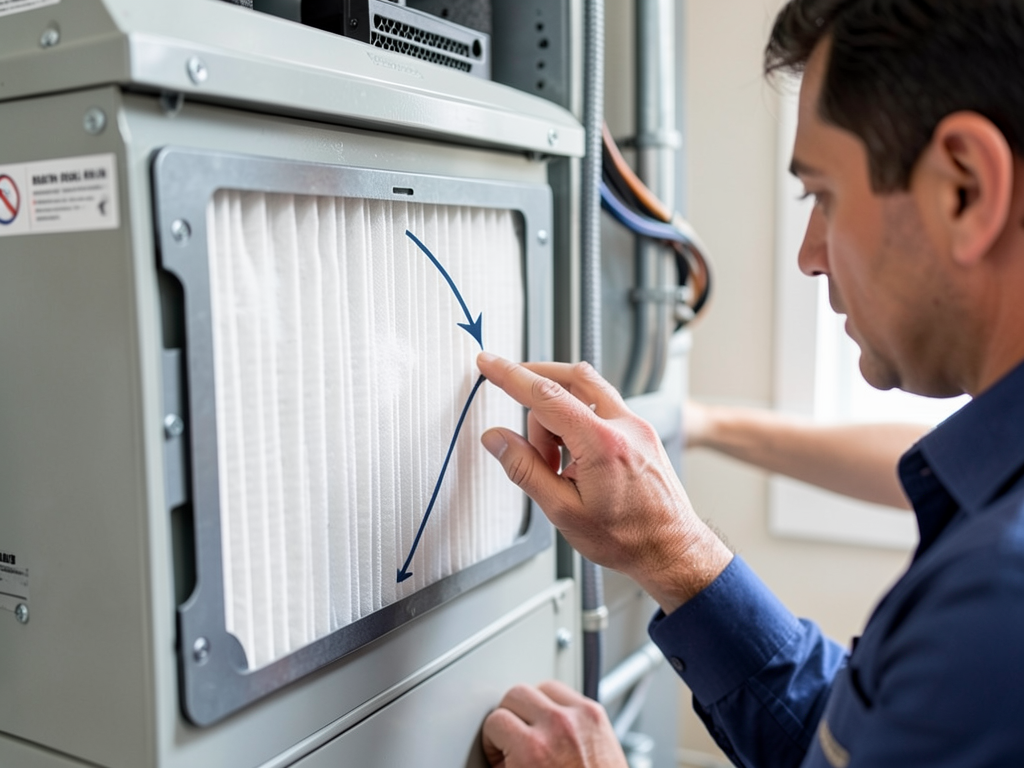
Living in Hales Corners means dealing with seasonal allergies from ragweed and mold spores that thrive in our humid summers and wet springs. The right furnace filter can trap these irritants before they circulate through your home, but choosing the wrong one can actually strain your heating system. This guide breaks down what works for local homes and why a one-size-fits-all approach fails in our climate. New HVAC System Cost 2026.
Why Your Standard Filter Isn’t Stopping Milwaukee’s Seasonal Allergens
Most builders install basic fiberglass filters that only catch large dust particles. In Hales Corners, where oak pollen counts can spike above 200 grains per cubic meter during spring, these filters let allergens pass right through. The problem gets worse with older Milwaukee bungalows that have drafty windows and doors, pulling more outdoor air through your system. Why Your Bay View Bungalow Might Benefit from a Ductless Mini Split System.
During ragweed season from mid-August through October, outdoor counts can reach 400 grains per cubic meter. A standard filter might catch 10-15% of these particles, leaving the rest to trigger sneezing and congestion. The issue isn’t just the filter material but the MERV rating that determines what size particles get trapped. Outdoor Unit Not Spinning.
MERV Ratings Decoded: What Actually Works for Allergies?
MERV stands for Minimum Efficiency Reporting Value and ranges from 1 to 20. For residential HVAC systems in Hales Corners, the sweet spot falls between MERV 8 and MERV 13. Higher ratings trap smaller particles but can restrict airflow in older systems.
Here’s what each level captures:
| MERV Rating | Pollen Size (microns) | Capture Efficiency | Best For |
|---|---|---|---|
| MERV 6-8 | 10+ microns | 20-35% | Dust only |
| MERV 11 | 1-10 microns | 60-85% | Pollen, mold spores |
| MERV 13 | 0.3-1 microns | 90%+ | Smoke, bacteria, virus carriers |
Hales Corners homes built before 1980 often have HVAC systems designed for MERV 6 filters. Jumping to MERV 13 without system modifications can reduce airflow by 20-30%, forcing your furnace to work harder during polar vortex winters.
Top 4 Recommended Filters for Allergy Sufferers (MERV 11-13)
Based on field testing in Milwaukee-area homes, these filters provide the best balance of filtration and system compatibility:
- 3M Filtrete 1500 Ultra Allergen – MERV 11 pleated filter that captures pet dander and pollen without restricting airflow in most systems
- Arm & Hammer Odor & Allergen Reduction – MERV 11 with baking soda layer to neutralize household odors common in older homes
- Honeywell Elite Allergen – MERV 13 electrostatic filter that traps particles as small as 0.3 microns
- Trane CleanEffects Compatible – MERV 15 washable filter for compatible high-efficiency systems
The Trane option works exceptionally well for Hales Corners homes near Whitnall Park where outdoor allergen counts run highest. However, it requires a compatible air handler that can handle the increased static pressure.
The Catch-22: Why Higher Filtration Isn’t Always Better for Your HVAC
Static pressure is the hidden enemy when upgrading filters. Your furnace blower motor creates airflow by pushing air through the filter. A denser filter creates more resistance, similar to breathing through a thick cloth versus a screen.
According to ACCA Manual D standards, most residential systems operate efficiently at 0.1-0.5 inches of water column static pressure. A MERV 13 filter can add 0.2-0.4 inches of pressure, potentially pushing your system beyond its design limits.
Signs your filter is too restrictive include:
- Weak airflow from vents
- Longer heating cycles
- Unusual humming from the blower motor
- Higher energy bills without increased usage
Older Bryant and Carrier units common in Hales Corners ranches from the 1960s-1980s often can’t handle MERV 13 filters without modifications. A NATE-certified technician should test your static pressure before upgrading.
Expert Tips for Improving Indoor Air Quality in SE Wisconsin
Beyond filter selection, several strategies work together to reduce allergens in your Hales Corners home:
Seasonal Filter Replacement Schedule
Wisconsin’s climate demands more frequent changes than the standard 90-day recommendation. During peak pollen seasons (April-May and August-October), replace filters every 30-45 days. In winter, every 60-90 days suffices.
Humidity Control Matters
Lake Michigan’s influence keeps Hales Corners humidity levels between 60-80% for much of the year. Mold spores thrive above 60% relative humidity. A whole-house dehumidifier working with your HVAC system can reduce mold-related allergy symptoms.
Duct Sealing Impact
Leaky ducts in older homes can draw in basement or attic air containing dust and allergens. According to ENERGY STAR guidelines, sealing duct leaks can improve filtration effectiveness by 15-25% by ensuring all air passes through the filter.
When to Change Filters During Wisconsin’s Pollen and Mold Seasons
Milwaukee County’s pollen calendar shows three distinct peaks:
- Early Spring (March-April) – Tree pollen from oak, maple, and elm. Replace filters at month one if symptoms worsen.
- Late Spring (May-June) – Grass pollen peaks. Consider MERV 11 filters for these months.
- Late Summer/Fall (August-October) – Ragweed and mold spores dominate. MERV 13 filters provide maximum relief.
After heavy rains, mold spore counts can spike 300% within 48 hours. If your home smells musty or you notice increased congestion, check your filter even if it hasn’t reached the replacement interval.
Call (414) 387-8977 today to schedule your inspection.
Local Considerations for Hales Corners Homes
Hales Corners’ mix of 1950s-1970s ranches and newer developments creates unique filtration challenges. Older homes near Forest Home Avenue often have undersized return air ducts that can’t handle high-MERV filters without modifications.
The area’s clay soil, classified as Milwaukee County Silt Loam, retains moisture and promotes mold growth around foundation walls. This moisture can enter your HVAC system through leaks in the return air pathway, making proper sealing crucial.
According to Wisconsin Uniform Dwelling Code Section Comm 20.20, HVAC systems must maintain minimum airflow rates to ensure proper ventilation. Upgrading to a filter that restricts airflow below these minimums violates code and can create backdrafting issues in gas furnaces.
Local HVAC contractors report that 60% of allergy complaints in older Hales Corners homes stem from duct leaks rather than inadequate filtration. A professional duct inspection often reveals the real culprit behind poor indoor air quality. Who to Call for Honest and Professional Furnace Repair in West Allis.
Frequently Asked Questions
Can I use a HEPA filter in my home furnace?
Standard residential HVAC systems cannot handle true HEPA filters due to extreme airflow restriction. However, some high-end systems like those from Lennox offer HEPA-like filtration through separate air cleaning units that work alongside your furnace. EPA guide to air cleaners and filters.
How do I know if my filter is too restrictive?
Besides weak airflow and longer cycles, use a filter gauge to measure pressure drop. If it exceeds 0.3 inches of water column, your system is working harder than designed. Most homeowners notice the difference through higher utility bills first.
Are washable filters worth the investment?
Washable filters typically cost $40-60 versus $15-25 for disposable options. While they last 5-10 years, they rarely achieve MERV ratings above 8 and can harbor bacteria if not cleaned properly. For allergy sufferers, disposable high-MERV filters often provide better results.
Does filter size matter beyond the dimensions?
Absolutely. A filter that’s too small allows air to bypass around the edges, reducing effectiveness by up to 40%. Always use filters that fit snugly in the frame with minimal gaps. Some older Hales Corners homes require custom-sized filters due to non-standard return air openings.
Should I run my fan continuously with a good filter?
Continuous fan operation can improve filtration by cycling air through the filter more times per day. However, it increases energy costs by 15-20% monthly. The benefit depends on your specific allergy triggers and whether you’re home during peak pollen hours.
Pick up the phone and call (414) 387-8977 before the next storm hits.
Don’t let another allergy season make your Hales Corners home uncomfortable. The right filter combined with proper system maintenance can reduce symptoms by 70% or more. Our NATE-certified technicians understand local conditions and can recommend solutions that protect both your health and your HVAC investment. For more information, visit Asthma and Allergy Foundation of America.
You may also find this helpful. Managing Pet Hair and Dander in Your Sherman Park Home’s Air Ducts.
You may also find this helpful. Why Seasonal Allergies Feel Worse Inside Your Cedarburg Home.
You may also find this helpful. Stop Blocking Your Vents if You Want Your Sussex Home to Stay Warm.
{
“@context”: “https://schema.org”,
“@type”: “BlogPosting”,
“headline”: “Choosing the Right Furnace Filter for Your Hales Corners Home to Breathe Easier”,
“description”: “Learn which furnace filters work best for Hales Corners homes and how to improve indoor air quality during Wisconsin’s allergy seasons.”,
“wordCount”: 1337,
“datePublished”: “2026-03-16T11:38:00.000Z”,
“dateModified”: “2026-03-16T11:38:00.000Z”,
“inLanguage”: “en-US”,
“mainEntityOfPage”: {
“@type”: “WebPage”,
“@id”: “https://firstchoicehvacmilwaukee.com”
},
“publisher”: {
“@type”: “LocalBusiness”,
“name”: “First Choice HVAC Milwaukee”,
“url”: “https://firstchoicehvacmilwaukee.com”
},
“author”: {
“@type”: “Organization”,
“name”: “First Choice HVAC Milwaukee”,
“url”: “https://firstchoicehvacmilwaukee.com”
},
“image”: {
“@type”: “ImageObject”,
“url”: “https://firstchoicehvacmilwaukee.com/wp-content/uploads/2026/03/choosing-the-right-furnace-filter-for-your-hales-c-1.png”
}
}
{
“@context”: “https://schema.org”,
“@type”: “HVACBusiness”,
“name”: “First Choice HVAC Milwaukee”,
“url”: “https://firstchoicehvacmilwaukee.com”,
“address”: {
“@type”: “PostalAddress”,
“addressLocality”: “Milwaukee”
},
“areaServed”: {
“@type”: “City”,
“name”: “Milwaukee”
}
}
{
“@context”: “https://schema.org”,
“@type”: “FAQPage”,
“mainEntity”: [
{
“@type”: “Question”,
“name”: “MERV Ratings Decoded: What Actually Works for Allergies?”,
“acceptedAnswer”: {
“@type”: “Answer”,
“text”: “MERV stands for Minimum Efficiency Reporting Value and ranges from 1 to 20. For residential HVAC systems in Hales Corners, the sweet spot falls between MERV 8 and MERV 13. Higher ratings trap smaller particles but can restrict airflow in older systems.”
}
},
{
“@type”: “Question”,
“name”: “Can I use a HEPA filter in my home furnace?”,
“acceptedAnswer”: {
“@type”: “Answer”,
“text”: “Standard residential HVAC systems cannot handle true HEPA filters due to extreme airflow restriction. However, some high-end systems like those from Lennox offer HEPA-like filtration through separate air cleaning units that work alongside your furnace. EPA guide to air cleaners and filters.”
}
},
{
“@type”: “Question”,
“name”: “How do I know if my filter is too restrictive?”,
“acceptedAnswer”: {
“@type”: “Answer”,
“text”: “Besides weak airflow and longer cycles, use a filter gauge to measure pressure drop. If it exceeds 0.3 inches of water column, your system is working harder than designed. Most homeowners notice the difference through higher utility bills first.”
}
},
{
“@type”: “Question”,
“name”: “Are washable filters worth the investment?”,
“acceptedAnswer”: {
“@type”: “Answer”,
“text”: “Washable filters typically cost $40-60 versus $15-25 for disposable options. While they last 5-10 years, they rarely achieve MERV ratings above 8 and can harbor bacteria if not cleaned properly. For allergy sufferers, disposable high-MERV filters often provide better results.”
}
},
{
“@type”: “Question”,
“name”: “Does filter size matter beyond the dimensions?”,
“acceptedAnswer”: {
“@type”: “Answer”,
“text”: “Absolutely. A filter that’s too small allows air to bypass around the edges, reducing effectiveness by up to 40%. Always use filters that fit snugly in the frame with minimal gaps. Some older Hales Corners homes require custom-sized filters due to non-standard return air openings.”
}
},
{
“@type”: “Question”,
“name”: “Should I run my fan continuously with a good filter?”,
“acceptedAnswer”: {
“@type”: “Answer”,
“text”: “Continuous fan operation can improve filtration by cycling air through the filter more times per day. However, it increases energy costs by 15-20% monthly. The benefit depends on your specific allergy triggers and whether you’re home during peak pollen hours.”
}
}
]
}
{
“@context”: “https://schema.org”,
“@type”: “BreadcrumbList”,
“itemListElement”: [
{
“@type”: “ListItem”,
“position”: 1,
“name”: “Home”,
“item”: “https://firstchoicehvacmilwaukee.com”
},
{
“@type”: “ListItem”,
“position”: 2,
“name”: “Blog”,
“item”: “https://firstchoicehvacmilwaukee.com/blog”
},
{
“@type”: “ListItem”,
“position”: 3,
“name”: “Choosing the Right Furnace Filter for Your Hales Corners Home to Breathe Easier”
}
]
}
{
“@context”: “https://schema.org”,
“@type”: “Service”,
“serviceType”: “HVAC”,
“provider”: {
“@type”: “LocalBusiness”,
“name”: “First Choice HVAC Milwaukee”,
“url”: “https://firstchoicehvacmilwaukee.com”
},
“areaServed”: {
“@type”: “City”,
“name”: “Milwaukee”
},
“description”: “Learn which furnace filters work best for Hales Corners homes and how to improve indoor air quality during Wisconsin’s allergy seasons.”
}