
Better Ways to Heat and Cool the Second Floor of Your West Allis Cape Cod
Living in a classic Cape Cod home in West Allis means enjoying charming architecture and a strong sense of neighborhood history. But those cozy 1.5-story homes come with a notorious HVAC challenge: the second floor often feels like a sauna in summer and an icebox in winter. If you’re constantly adjusting fans, closing vents, or running space heaters upstairs, you’re not alone. The good news is that Milwaukee homeowners have several proven solutions that work specifically for the unique layout and climate challenges of Cape Cod homes.
The core issue stems from how Cape Cod homes are built. With sloped ceilings, knee walls, and limited attic space, traditional ductwork struggles to push conditioned air to the upper level effectively. Add in Milwaukee’s extreme seasonal swings and lake-effect humidity, and you’ve got a recipe for year-round comfort problems. But with the right approach, you can transform that second floor from a climate disaster zone into a comfortable living space.
Why Cape Cod Second Floors Struggle in Milwaukee’s Climate
Milwaukee’s climate creates unique stress on 1.5-story homes. Our winters routinely dip below zero, while summer humidity from Lake Michigan can make upstairs rooms feel like steam baths. The problem starts with physics: heat rises, and in a Cape Cod, that rising air gets trapped in the sloped ceiling areas. During winter, this creates cold spots where heat never reaches. In summer, it means hot air accumulates upstairs while your downstairs thermostat reads perfectly comfortable.
Another factor is the age of many West Allis Cape Cods. Homes built in the 1940s through 1960s often have original insulation that’s compressed or missing entirely in knee wall cavities. Without proper air sealing, these homes experience significant air leakage, making your HVAC system work overtime just to maintain basic temperatures. The stack effect during winter months pulls cold air in through the lower levels while pushing warm air out through the upper floor gaps.
Local building codes in West Allis and Milwaukee County require specific insulation R-values for sloped ceilings and knee walls, but many older homes don’t meet current standards. According to Wisconsin Uniform Dwelling Code Section Comm 20.10, attic and sloped ceiling insulation must meet minimum R-49 for new construction, which is often impossible to achieve in the tight cavities of a Cape Cod without creative solutions.
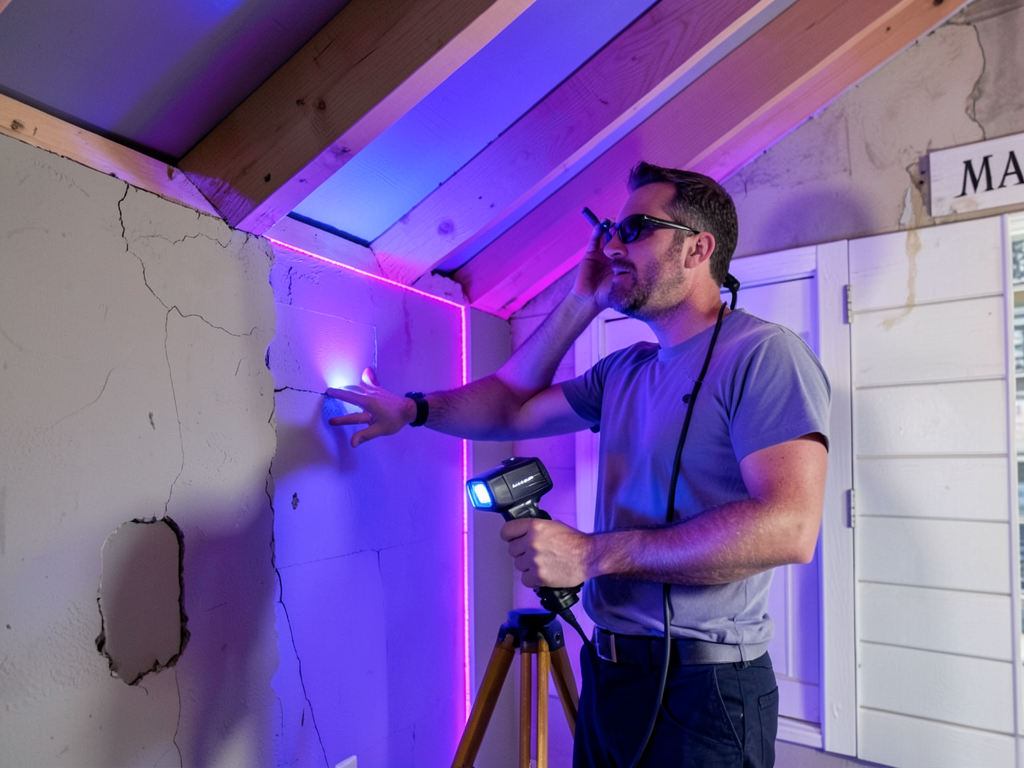
Image Description: Technician using thermal imaging camera to scan knee walls and sloped ceilings in a West Allis Cape Cod, revealing heat loss patterns in purple and blue.
Ductless Mini-Split Systems: The Gold Standard for Cape Cod Comfort
For most West Allis Cape Cod homeowners, ductless mini-split systems represent the most effective solution for second-floor comfort. These systems eliminate the need for invasive ductwork installation through your home’s historic structure while providing both heating and cooling capabilities. The indoor unit mounts on your wall or ceiling, connected to an outdoor compressor via a small refrigerant line that requires only a three-inch hole through your exterior wall. What to Do When Your Historic East Side Home’s Boiler Stops Working.
The beauty of mini-splits for Cape Cod homes lies in their flexibility. You can install a single-zone system to handle just the upstairs, or create a multi-zone setup that allows independent temperature control for different areas. This is crucial in Cape Cods where the front bedroom might face west and bake in afternoon sun while the back room stays cooler. Modern mini-splits achieve SEER2 ratings up to 22, making them incredibly efficient even during Milwaukee’s humid summers. Why Your Bay View Bungalow Might Benefit from a Ductless Mini Split System.
Installation typically takes one to two days and causes minimal disruption to your home’s structure. The outdoor unit can be mounted on the ground or attached to your home’s exterior, and because it’s ductless, you avoid the massive expense and structural changes required to retrofit traditional ductwork through your knee walls and sloped ceilings. Most West Allis homeowners see energy savings of 30% or more after switching to mini-splits, especially when replacing older, inefficient window units or struggling with imbalanced central air. ENERGY STAR guidelines.
High-Velocity HVAC Systems: Small Ducts Big Comfort
If you prefer a more traditional approach that works with your existing central system, high-velocity HVAC technology offers an excellent alternative. These systems use small, flexible ducts that can snake through existing wall cavities, floor joists, and even attic spaces where traditional ductwork won’t fit. The key advantage is that they deliver conditioned air at much higher velocities, creating better air circulation in the tight spaces of a Cape Cod.
High-velocity systems like Unico or SpacePak use ducts that are only two to three inches in diameter, compared to the six to eight inches needed for standard ductwork. This means you can often run the ducts through interior walls without major demolition. The outlets are also much smaller than traditional vents, often round or rectangular grilles that blend into your home’s architecture rather than standing out.
These systems excel at humidity control, which is crucial for Milwaukee’s muggy summers. The high-velocity air movement helps prevent the stagnant, humid conditions that plague many second floors in older homes. When paired with a two-stage or variable-speed air handler, high-velocity systems can maintain consistent temperatures while using less energy than traditional setups. The initial investment is higher than mini-splits, but you get the benefit of integrating with your existing furnace or adding a heat pump for year-round operation.
Zoning and Smart Thermostats: Managing Temperature Differentials
Sometimes the most cost-effective solution isn’t adding new equipment but optimizing what you already have. Zoning systems allow you to create independent temperature control zones in your home, typically separating the upstairs from the downstairs. This means you can heat or cool each level based on its specific needs rather than trying to find a compromise temperature that satisfies no one.
Smart thermostats take zoning to the next level by learning your family’s patterns and automatically adjusting temperatures throughout the day. For Cape Cod homes, this means the system can anticipate when upstairs temperatures will rise in the afternoon and start cooling earlier, or preheat the second floor on cold winter mornings before you get out of bed. Many modern smart thermostats also monitor humidity levels and can activate your system to maintain optimal comfort even when heating or cooling isn’t strictly necessary. Cooling Tower Services.
The key to successful zoning in a Cape Cod is proper damper installation and calibration. Your HVAC contractor should perform a Manual J load calculation specific to your home’s unique layout, accounting for the reduced ceiling heights, increased exterior wall area, and potential insulation deficiencies common in 1.5-story homes. Without this precise calculation, you risk creating pressure imbalances that can actually make your comfort problems worse.
The Critical Role of Insulation and Air Sealing
No HVAC solution will work effectively if your Cape Cod is leaking conditioned air like a sieve. Proper insulation and air sealing form the foundation of any successful heating and cooling strategy. In West Allis Cape Cods, the most critical areas are the knee walls, the sloped ceiling sections, and the attic floor where it meets the second-story walls.
Modern building science recommends using spray foam insulation in knee wall cavities, which provides both excellent R-value and creates an air barrier in one step. This is particularly important in Milwaukee’s climate zone 6, where we need R-49 or higher in ceiling assemblies. Traditional fiberglass batts often leave gaps around wiring, plumbing, and irregular framing, allowing conditioned air to escape and unconditioned air to infiltrate.
Air sealing goes beyond just insulation. It involves using caulk, foam, and weatherstripping to seal all the little gaps and cracks that develop over decades in older homes. This includes sealing around electrical outlets on exterior walls, weatherstripping attic access hatches, and ensuring that any flue or chimney penetrations are properly sealed with fire-rated materials. According to ENERGY STAR guidelines, proper air sealing can reduce heating and cooling costs by up to 20% in older homes.
During our diagnostic assessments, we use blower door testing to identify air leakage points throughout your home. This test creates negative pressure in your house and measures how much air flows through unsealed gaps. It’s like giving your home a physical exam to find where it’s literally breathing out your conditioned air. Many West Allis homeowners are shocked to learn their second floor is losing conditioned air through gaps they can’t even see.
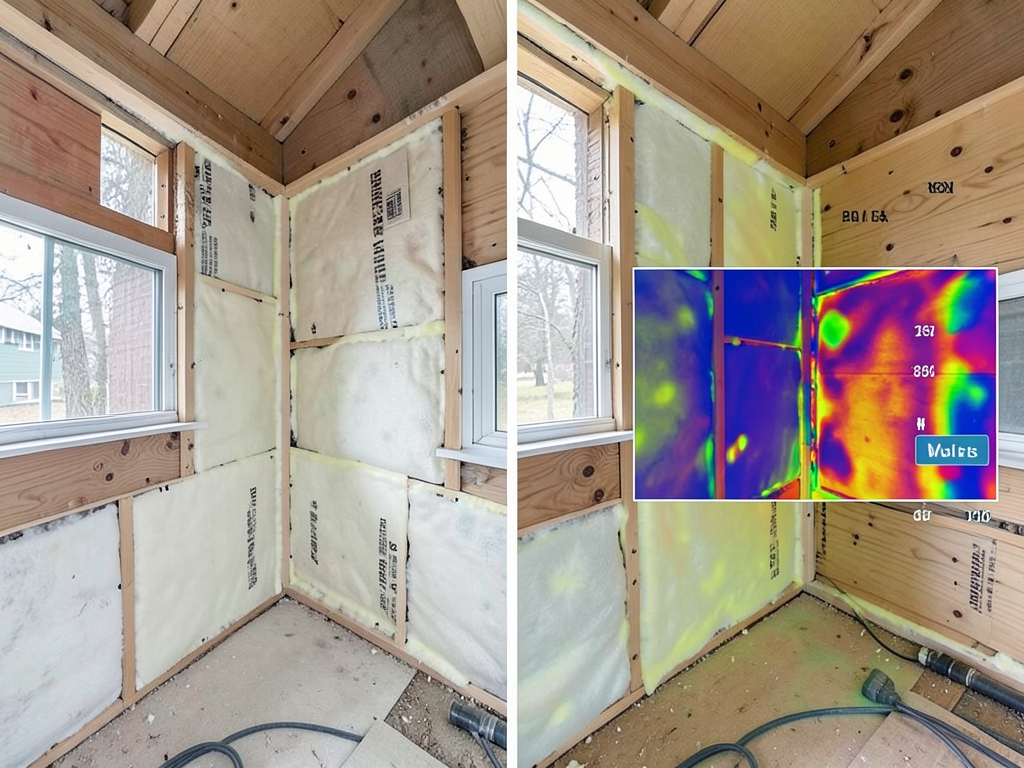
Image Description: Before and after comparison showing spray foam insulation installation in knee wall cavities of a West Allis Cape Cod, with thermal imaging overlay demonstrating improved heat retention.
Milwaukee Case Study: Cape Cod Retrofit in Walker Square
Last summer, we worked with a Walker Square family whose 1955 Cape Cod was unbearable upstairs during July and August. The homeowners, both teachers, were spending their summer break in a sweltering upstairs office, trying to prepare for the upcoming school year. Their existing central air system, while functioning, simply couldn’t push enough cool air to the second floor to overcome the heat gain from the west-facing dormers.
After performing a comprehensive Manual J load calculation and blower door test, we discovered their second floor was operating with nearly 40% more heat gain than the first floor during summer afternoons. The knee walls had minimal insulation, and the existing ductwork was undersized for the space. Rather than replacing their entire system, we recommended a hybrid approach: maintaining their existing furnace for winter heating while adding a ductless mini-split system specifically for summer cooling of the upstairs.
We installed a 18 SEER2 mini-split with a ceiling cassette in the main upstairs area and a wall-mounted unit in the office. The outdoor compressor was mounted on the ground below the bedroom windows, with refrigerant lines running through a discreet exterior chase. The homeowners immediately noticed the difference. Their upstairs temperature stayed within two degrees of the thermostat setting, even during the hottest weeks of summer. They also reported that their overall energy bills decreased by about 25% because they weren’t running their main system constantly trying to cool a space it couldn’t effectively reach. Outdoor Unit Not Spinning.
This Walker Square project demonstrates how targeted solutions often outperform complete system replacements, especially in well-built older homes where the existing infrastructure still has life. The key was understanding the specific thermal challenges of their Cape Cod layout and addressing them with the right technology rather than applying a one-size-fits-all approach.
Energy Efficiency and Utility Rebates in West Allis
Upgrading your Cape Cod’s HVAC system isn’t just about comfort—it’s also about energy efficiency and potential cost savings through utility rebates. Focus on Energy, Wisconsin’s statewide energy efficiency program, offers substantial rebates for high-efficiency HVAC equipment, including ductless mini-splits and high-velocity systems that meet specific SEER2 and HSPF ratings. Focus on Energy Wisconsin.
For West Allis residents, these rebates can cover up to $2,500 of the installation cost for qualifying equipment. The program specifically targets homes that improve energy efficiency in older housing stock, making it perfect for Cape Cod retrofits. Additionally, many local utilities offer their own incentives, and federal tax credits may be available for certain high-efficiency heat pump installations.
When evaluating equipment, look for ENERGY STAR certification and check the specific efficiency ratings required for maximum rebates. In Milwaukee’s climate zone, a SEER2 rating of at least 18 and an HSPF of 10 or higher will qualify for the best incentives. Some manufacturers also offer seasonal rebates that can stack with utility programs, potentially reducing your out-of-pocket costs by 30-40%.
Beyond rebates, consider the long-term energy savings. A properly sized and installed high-efficiency system in a well-sealed Cape Cod can reduce your annual heating and cooling costs by $500 to $1,000 compared to an older, struggling system. When you factor in rebates and energy savings, many homeowners find their investment pays for itself within three to five years.
Maintenance and Troubleshooting for Cape Cod HVAC Systems
Once you’ve invested in solving your second-floor comfort issues, proper maintenance becomes crucial for protecting that investment. Mini-split systems require regular filter cleaning—typically every month during heavy use seasons. The outdoor units need to be kept clear of snow in winter and debris in summer, especially important in West Allis where we can get heavy lake-effect snowfalls.
For high-velocity systems, the small ducts can be prone to collecting dust and debris over time. Annual professional cleaning helps maintain efficiency and air quality. You should also check the sound levels of your system; unusual noises often indicate developing problems that are easier to fix when caught early. Many Cape Cod homeowners find that scheduling maintenance in early spring and late fall helps avoid the rush during peak heating and cooling seasons. Who to Call for Honest and Professional Furnace Repair in West Allis.
Common issues we see in West Allis include frozen coils on heat pumps during extreme cold snaps, which often indicates airflow restrictions or low refrigerant levels. Another frequent problem is inadequate drainage in high-humidity conditions, leading to water damage in knee wall cavities. These issues are preventable with proper installation and regular maintenance, but they highlight why working with HVAC contractors who understand Cape Cod construction is so important.
During our maintenance visits, we use diagnostic tools like digital manifold gauges to check refrigerant pressures, thermal imaging to verify even heat distribution, and airflow meters to ensure your system is moving the right amount of air for your space. These aren’t just routine checks—they’re how we catch small problems before they become expensive emergencies.
Choosing the Right HVAC Contractor for Your Cape Cod
Not all HVAC contractors have experience with the unique challenges of Cape Cod homes. When selecting a professional for your second-floor comfort project, look for several key qualifications. First, they should be familiar with Manual J load calculations specific to 1.5-story homes and understand how to account for the reduced ceiling heights and increased exterior wall area.
Ask potential contractors about their experience with ductless mini-split installations in older Milwaukee homes. They should be able to show you examples of similar projects and explain how they handled challenges like routing refrigerant lines through historic structures without damaging original materials. A good contractor will also discuss insulation and air sealing as part of the overall solution rather than just trying to sell you the most expensive equipment.
Check for proper licensing and insurance specific to Wisconsin HVAC work. Your contractor should pull all necessary permits through the West Allis building department and ensure all work meets current Wisconsin Uniform Dwelling Code requirements. They should also provide detailed written estimates that break down equipment costs, labor, and any necessary modifications to your home’s structure.
Finally, look for contractors who offer comprehensive warranties and maintenance plans. A company that stands behind their work with 10-year equipment warranties and 2-year labor warranties demonstrates confidence in their installations. They should also offer annual maintenance agreements to keep your system running efficiently for years to come.
Image Description: Technician performing airflow testing in a Cape Cod second-floor bedroom using an anemometer to measure vent output and ensure proper system balancing.
Taking the First Step Toward Year-Round Comfort
Living with an uncomfortable second floor in your West Allis Cape Cod doesn’t have to be your reality. Whether you choose ductless mini-splits, high-velocity systems, or optimized zoning with your existing equipment, the key is getting a proper assessment of your home’s specific needs. Every Cape Cod is different, and what works for your neighbor might not be the best solution for your particular layout and usage patterns.
The process starts with a comprehensive home energy assessment that includes load calculations, insulation evaluation, and air leakage testing. This diagnostic work typically takes two to three hours but provides the foundation for recommending the right solution. During this assessment, we can identify whether your comfort issues stem from equipment inadequacy, poor insulation, air leakage, or a combination of factors.
Once we understand your home’s specific challenges, we can present options that fit your budget and comfort goals. Some homeowners opt for phased approaches, starting with the most critical comfort issues and planning upgrades over time. Others prefer comprehensive solutions that address everything at once. Either way, the goal is creating a comfortable, efficient living space that you can enjoy year-round.
Don’t wait until the next polar vortex or heat wave to solve your second-floor comfort problems. The sooner you address these issues, the more comfortable your home will be and the more energy you’ll save. Plus, you’ll be protecting your home’s value by maintaining it properly and ensuring all living spaces are usable and comfortable.
Ready to transform your upstairs from a climate disaster zone to a comfortable retreat? Call (414) 387-8977 today to schedule your comprehensive Cape Cod HVAC assessment. Our team understands the unique challenges of West Allis homes and can recommend solutions that actually work for your specific situation. Don’t spend another season suffering through uncomfortable temperatures upstairs—pick up the phone and call (414) 387-8977 before the next extreme weather hits.
Frequently Asked Questions
How much does it cost to add air conditioning to a Cape Cod second floor?
The cost varies widely depending on your chosen solution. Ductless mini-splits typically range from $3,500 to $7,000 for a single-zone system, while high-velocity systems can cost $10,000 to $15,000 including installation. Zoning your existing system might cost $2,000 to $4,000. The best way to get an accurate estimate is through a professional load calculation of your specific home.
Can I install a mini-split system myself to save money?
We strongly advise against DIY mini-split installation. These systems require proper refrigerant handling, electrical work, and precise mounting that affects performance. Improper installation can void warranties, create safety hazards, and result in inefficient operation that costs more in the long run. Professional installation ensures optimal performance and maintains all manufacturer warranties.
Will adding a second HVAC system increase my energy bills?
When properly designed and installed, a second HVAC system or upgraded solution should actually decrease your energy bills. Modern high-efficiency equipment uses less energy than struggling with an undersized or imbalanced system. Plus, you’ll stop wasting energy trying to heat or cool spaces that your current system can’t effectively reach.
How long does a typical Cape Cod HVAC retrofit take?
Most projects can be completed in one to three days, depending on the scope. Mini-split installations typically take one to two days, while high-velocity systems might require two to three days for proper duct installation and system commissioning. We always work to minimize disruption to your home and can often complete noisy work while you’re away at work.
You may also find this helpful. Expert Boiler Service and Tuning for Older Homes in Thiensville.
{
“@context”: “https://schema.org”,
“@type”: “BlogPosting”,
“headline”: “Better Ways to Heat and Cool the Second Floor of Your West Allis Cape Cod”,
“description”: “Struggling with hot upstairs rooms in your West Allis Cape Cod? Discover Milwaukee-specific HVAC solutions including ductless mini-splits, high-velocity systems, and smart zoning.”,
“wordCount”: 3116,
“datePublished”: “2026-04-21T14:18:00.000Z”,
“dateModified”: “2026-04-21T14:18:00.000Z”,
“inLanguage”: “en-US”,
“mainEntityOfPage”: {
“@type”: “WebPage”,
“@id”: “https://firstchoicehvacmilwaukee.com”
},
“publisher”: {
“@type”: “LocalBusiness”,
“name”: “First Choice HVAC Milwaukee”,
“url”: “https://firstchoicehvacmilwaukee.com”
},
“author”: {
“@type”: “Organization”,
“name”: “First Choice HVAC Milwaukee”,
“url”: “https://firstchoicehvacmilwaukee.com”
},
“image”: {
“@type”: “ImageObject”,
“url”: “https://firstchoicehvacmilwaukee.com/wp-content/uploads/2026/03/better-ways-to-heat-and-cool-the-second-floor-of-y-1.png”
}
}
{
“@context”: “https://schema.org”,
“@type”: “HVACBusiness”,
“name”: “First Choice HVAC Milwaukee”,
“url”: “https://firstchoicehvacmilwaukee.com”,
“address”: {
“@type”: “PostalAddress”,
“addressLocality”: “Milwaukee”
},
“areaServed”: {
“@type”: “City”,
“name”: “Milwaukee”
}
}
{
“@context”: “https://schema.org”,
“@type”: “FAQPage”,
“mainEntity”: [
{
“@type”: “Question”,
“name”: “How much does it cost to add air conditioning to a Cape Cod second floor?”,
“acceptedAnswer”: {
“@type”: “Answer”,
“text”: “The cost varies widely depending on your chosen solution. Ductless mini-splits typically range from $3,500 to $7,000 for a single-zone system, while high-velocity systems can cost $10,000 to $15,000 including installation. Zoning your existing system might cost $2,000 to $4,000. The best way to get an accurate estimate is through a professional load calculation of your specific home.”
}
},
{
“@type”: “Question”,
“name”: “Can I install a mini-split system myself to save money?”,
“acceptedAnswer”: {
“@type”: “Answer”,
“text”: “We strongly advise against DIY mini-split installation. These systems require proper refrigerant handling, electrical work, and precise mounting that affects performance. Improper installation can void warranties, create safety hazards, and result in inefficient operation that costs more in the long run. Professional installation ensures optimal performance and maintains all manufacturer warranties.”
}
},
{
“@type”: “Question”,
“name”: “Will adding a second HVAC system increase my energy bills?”,
“acceptedAnswer”: {
“@type”: “Answer”,
“text”: “When properly designed and installed, a second HVAC system or upgraded solution should actually decrease your energy bills. Modern high-efficiency equipment uses less energy than struggling with an undersized or imbalanced system. Plus, you’ll stop wasting energy trying to heat or cool spaces that your current system can’t effectively reach.”
}
},
{
“@type”: “Question”,
“name”: “How long does a typical Cape Cod HVAC retrofit take?”,
“acceptedAnswer”: {
“@type”: “Answer”,
“text”: “Most projects can be completed in one to three days, depending on the scope. Mini-split installations typically take one to two days, while high-velocity systems might require two to three days for proper duct installation and system commissioning. We always work to minimize disruption to your home and can often complete noisy work while you’re away at work.”
}
}
]
}
{
“@context”: “https://schema.org”,
“@type”: “BreadcrumbList”,
“itemListElement”: [
{
“@type”: “ListItem”,
“position”: 1,
“name”: “Home”,
“item”: “https://firstchoicehvacmilwaukee.com”
},
{
“@type”: “ListItem”,
“position”: 2,
“name”: “Blog”,
“item”: “https://firstchoicehvacmilwaukee.com/blog”
},
{
“@type”: “ListItem”,
“position”: 3,
“name”: “Better Ways to Heat and Cool the Second Floor of Your West Allis Cape Cod”
}
]
}
{
“@context”: “https://schema.org”,
“@type”: “Service”,
“serviceType”: “HVAC”,
“provider”: {
“@type”: “LocalBusiness”,
“name”: “First Choice HVAC Milwaukee”,
“url”: “https://firstchoicehvacmilwaukee.com”
},
“areaServed”: {
“@type”: “City”,
“name”: “Milwaukee”
},
“description”: “Struggling with hot upstairs rooms in your West Allis Cape Cod? Discover Milwaukee-specific HVAC solutions including ductless mini-splits, high-velocity systems, and smart zoning.”
}