
Protect Your HVAC System During Waukesha Home Renovations
Construction dust from drywall, plaster, and sawdust can destroy your furnace and air conditioner if you don’t take proper precautions during a Waukesha home remodel. The microscopic particles clog filters, coat coils, and force your system to work harder, potentially causing expensive repairs or complete system failure. EPA Renovation and Painting Guidelines.
Wisconsin’s extreme seasonal temperature swings mean your HVAC system works overtime during both winter freezes and summer heat waves. Adding construction dust to an already stressed system creates the perfect storm for mechanical failure. Taking preventive steps now saves you thousands in repairs later. Fast AC Repair Services for Shorewood Residents Who Need Relief from the Humidity.
Pre-Construction Planning: The Foundation of Protection
Before any demolition begins in your Waukesha home, create a dust control strategy that protects your HVAC investment. The goal is to keep construction debris completely isolated from your ventilation system.
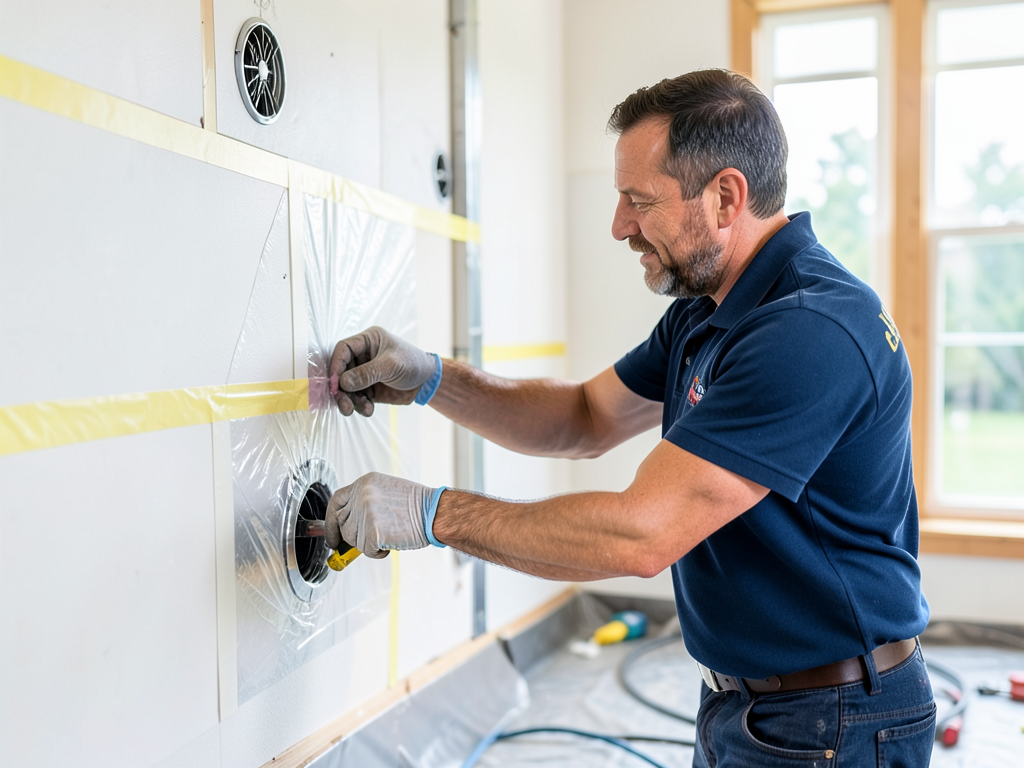
- Seal All Supply and Return Vents
Cover every register and return vent with plastic sheeting and painter’s tape. Use 4-6 mil plastic and secure edges completely to prevent dust infiltration. Never use duct tape directly on vent surfaces as it leaves residue.
- Upgrade to Construction-Grade Filters
Install MERV 11-13 pleated filters before work begins. These capture fine construction dust while maintaining adequate airflow. Standard MERV 8 filters allow too much debris through.. Read more about Will a High Efficiency HEPA Filter Actually Damage Your Sussex HVAC System?.
- Turn Off HVAC During Active Construction
Keep your system completely off when sanding, cutting, or demolishing. Running the blower during dusty work distributes particles throughout your entire home.
- Isolate the Work Zone
Hang heavy-duty plastic sheeting to create containment barriers. Use zipper doors for access points and seal all edges with painter’s tape to maintain negative pressure.
Active Protection During Construction
Once demolition begins, your dust control strategy shifts to active management. Construction creates different types of debris that require specific handling approaches.
Drywall dust from Waukesha’s newer suburban homes behaves differently than plaster dust from historic downtown properties. Drywall creates fine, powdery particles that float easily through the air. Plaster dust contains silica and can be more abrasive to HVAC components. What to Do When Your Historic East Side Home’s Boiler Stops Working.
- Daily Vent Inspection
Check plastic seals on vents each morning before work begins. Construction vibration can loosen tape, creating gaps for dust infiltration.
- Wet Cleaning Methods
Use damp cloths for surface cleaning instead of dry sweeping. Wet methods capture dust rather than sending it airborne.. Read more about The Real Risks of DIY Furnace Cleaning and Why It Might Void Your Warranty in Glendale.
- HEPA Air Scrubbers
Position industrial HEPA filtration units near dusty work areas. These capture particles as small as 0.3 microns before they reach your HVAC system.
- Negative Air Pressure
Maintain slight negative pressure in construction zones by exhausting air outside. This prevents dust migration to clean areas.
Waukesha Climate Considerations
Milwaukee County’s proximity to Lake Michigan creates unique renovation challenges. Summer humidity levels often exceed 80%, causing construction dust to clump and stick to surfaces. Winter cold means you cannot simply open windows for ventilation.
The Wisconsin Uniform Dwelling Code requires specific ventilation rates for occupied spaces. During renovations, you must balance code compliance with dust control. Running bathroom exhaust fans creates negative pressure that can draw construction dust into adjacent rooms.
Clay soil conditions common in Waukesha County affect basement renovations. Dust from concrete cutting contains silica particles that can damage furnace heat exchangers if not properly contained.
Outdoor Unit Protection
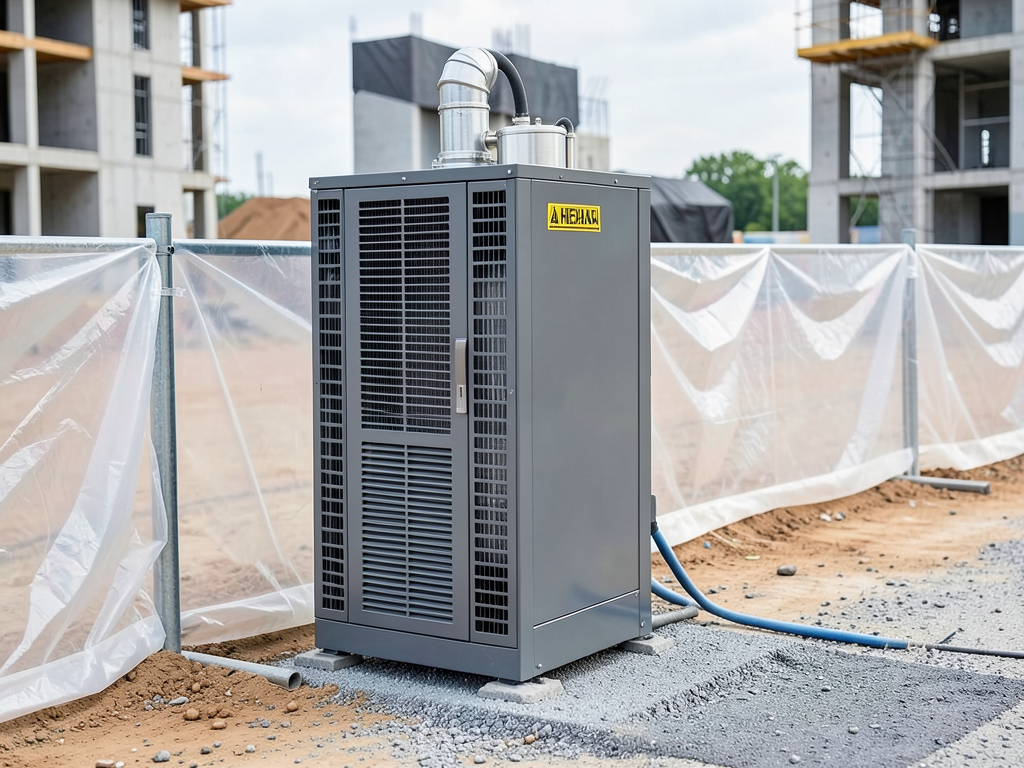
Your outdoor condenser unit faces unique threats during landscaping and exterior renovations. Masonry work creates abrasive dust that can scratch coil fins and reduce efficiency. Outdoor Unit Not Spinning.
Cover the condenser with breathable mesh during dusty exterior work. Never use plastic directly on the unit as it traps moisture and causes corrosion. Maintain at least three feet of clearance around the unit for proper airflow.
Landscaping equipment creates grass clippings and soil particles that can enter the condenser through the top grille. Schedule exterior work early in projects to minimize exposure time.
Post-Construction HVAC Restoration
Once construction ends, your HVAC system needs professional attention to restore optimal performance. Construction dust penetrates even the best containment systems. Who to Call for Honest and Professional Furnace Repair in West Allis.
- Professional Duct Cleaning
Schedule NADCA-certified duct cleaning within two weeks of project completion. Construction dust settles in duct runs and recirculates for months if not removed. NADCA Air Duct Cleaning Standards.
- Coil Inspection and Cleaning
Evaporator and condenser coils accumulate fine dust that reduces heat transfer efficiency. Professional cleaning restores original performance.
- Filter Replacement Schedule
Change filters every 30 days for the first three months post-construction. Construction dust continues settling from airborne particles.
- Static Pressure Testing
Have a technician measure system static pressure. Construction debris can restrict airflow and cause premature blower motor failure.
Cost Considerations and Insurance
Professional HVAC protection during renovations typically costs $300-600 for a complete system. This investment prevents $2,000-5,000 in potential repairs from construction dust damage.
Check your homeowner’s insurance policy regarding construction-related HVAC damage. Some policies exclude damage from remodeling activities, leaving you responsible for expensive repairs.
Warranty implications matter significantly. Many manufacturers void warranties if HVAC systems operate during construction without proper protection. Document your protection measures to maintain warranty coverage.
Professional Inspection Checklist
After any major renovation, have a licensed HVAC technician perform a comprehensive system inspection. This identifies hidden damage before it causes system failure.
Technicians should check blower motor amperage, measure temperature splits across coils, inspect heat exchanger integrity, and test refrigerant levels. Construction vibration can loosen electrical connections and cause refrigerant leaks.
Older Waukesha homes with steam or hot water heating systems require special attention. Construction dust can clog radiator valves and cause uneven heating distribution.. Read more about Choosing the Most Efficient Heating System for an Accessory Dwelling Unit in Dousman.
DIY vs Professional Protection
Homeowners can handle basic dust control measures, but professional HVAC protection offers advantages. Technicians understand system dynamics and can identify vulnerabilities you might miss. Why Your Bay View Bungalow Might Benefit from a Ductless Mini Split System.
Professional services include system shutdown procedures, proper filter selection, and post-construction testing that ensures your system operates at peak efficiency. The cost difference between DIY and professional protection is minimal compared to potential repair expenses.
Common Mistakes to Avoid
Running your HVAC system during dusty construction work is the most common and costly mistake. The blower distributes dust throughout your entire home and coats internal components.
Using inadequate filtration allows fine particles to pass through and accumulate in ductwork. Standard fiberglass filters catch less than 20% of construction dust particles.. Read more about Comparing Air Scrubbers and Standard Purifiers for Better Air in Shorewood.
Neglecting outdoor unit protection exposes expensive condenser coils to abrasive dust that reduces efficiency by up to 30%.
Long-Term Benefits
Proper HVAC protection during renovations extends system lifespan by preventing premature component wear. Clean coils and unrestricted airflow reduce energy consumption by 15-25%.. Read more about Preventing a Messy AC Drain Line Backup in Your Cudahy Basement.
Maintaining indoor air quality during construction prevents health issues from airborne particles. Construction dust contains allergens, silica, and potentially harmful chemicals.
Protecting your HVAC system preserves your home’s value. Buyers and home inspectors notice clean, well-maintained mechanical systems.
Frequently Asked Questions
How long should I keep my HVAC system off during construction?
Keep your system off during active dusty work like sanding, cutting, or demolition. You can run it briefly between dusty phases for comfort, but always turn it off before dusty work resumes.
What MERV rating should I use during construction?
Use MERV 11-13 pleated filters during construction. These capture fine dust while maintaining adequate airflow. Never use MERV 16 or higher during construction as they restrict airflow and can damage your blower motor.
Can I clean my own ducts after construction?
Professional duct cleaning is recommended after major renovations. DIY cleaning cannot reach deep into duct runs where construction dust settles. Professional equipment removes debris that would otherwise recirculate for years.
How do I know if construction dust damaged my HVAC system?
Signs include reduced airflow, unusual noises from the blower motor, frozen evaporator coils, or higher than normal energy bills. A professional inspection can identify damage before complete system failure occurs.
Take Action Now
Construction dust waits for no one. Every day you delay protection increases the risk of expensive HVAC damage. Call (414) 387-8977 today to schedule your pre-construction HVAC protection consultation. Our Waukesha technicians understand local building conditions and can create a custom protection plan for your specific renovation project.
Don’t let construction dust destroy your heating and cooling system. Pick up the phone and call (414) 387-8977 before the next demolition begins. Your HVAC system will thank you with years of reliable service.
You may also find this helpful. How a Modern HVAC Upgrade Impacts the Resale Value of Your North Lake Home.
{
“@context”: “https://schema.org”,
“@type”: “BlogPosting”,
“headline”: “How to Keep Dust Out of Your HVAC System During a Waukesha Home Remodel”,
“description”: “Protect your Waukesha home’s HVAC system from construction dust with proven sealing techniques and professional maintenance strategies during renovations.”,
“wordCount”: 1403,
“datePublished”: “2026-05-09T14:43:00.000Z”,
“dateModified”: “2026-05-09T14:43:00.000Z”,
“inLanguage”: “en-US”,
“mainEntityOfPage”: {
“@type”: “WebPage”,
“@id”: “https://firstchoicehvacmilwaukee.com”
},
“publisher”: {
“@type”: “LocalBusiness”,
“name”: “First Choice HVAC Milwaukee”,
“url”: “https://firstchoicehvacmilwaukee.com”
},
“author”: {
“@type”: “Organization”,
“name”: “First Choice HVAC Milwaukee”,
“url”: “https://firstchoicehvacmilwaukee.com”
},
“image”: {
“@type”: “ImageObject”,
“url”: “https://firstchoicehvacmilwaukee.com/wp-content/uploads/2026/03/how-to-keep-dust-out-of-your-hvac-system-during-a-1.png”
}
}
{
“@context”: “https://schema.org”,
“@type”: “HVACBusiness”,
“name”: “First Choice HVAC Milwaukee”,
“url”: “https://firstchoicehvacmilwaukee.com”,
“address”: {
“@type”: “PostalAddress”,
“addressLocality”: “Milwaukee”
},
“areaServed”: {
“@type”: “City”,
“name”: “Milwaukee”
}
}
{
“@context”: “https://schema.org”,
“@type”: “FAQPage”,
“mainEntity”: [
{
“@type”: “Question”,
“name”: “How long should I keep my HVAC system off during construction?”,
“acceptedAnswer”: {
“@type”: “Answer”,
“text”: “Keep your system off during active dusty work like sanding, cutting, or demolition. You can run it briefly between dusty phases for comfort, but always turn it off before dusty work resumes.”
}
},
{
“@type”: “Question”,
“name”: “What MERV rating should I use during construction?”,
“acceptedAnswer”: {
“@type”: “Answer”,
“text”: “Use MERV 11-13 pleated filters during construction. These capture fine dust while maintaining adequate airflow. Never use MERV 16 or higher during construction as they restrict airflow and can damage your blower motor.”
}
},
{
“@type”: “Question”,
“name”: “Can I clean my own ducts after construction?”,
“acceptedAnswer”: {
“@type”: “Answer”,
“text”: “Professional duct cleaning is recommended after major renovations. DIY cleaning cannot reach deep into duct runs where construction dust settles. Professional equipment removes debris that would otherwise recirculate for years.”
}
},
{
“@type”: “Question”,
“name”: “How do I know if construction dust damaged my HVAC system?”,
“acceptedAnswer”: {
“@type”: “Answer”,
“text”: “Signs include reduced airflow, unusual noises from the blower motor, frozen evaporator coils, or higher than normal energy bills. A professional inspection can identify damage before complete system failure occurs.”
}
}
]
}
{
“@context”: “https://schema.org”,
“@type”: “HowTo”,
“name”: “Pre-Construction HVAC Protection”,
“step”: [
{
“@type”: “HowToStep”,
“position”: 1,
“name”: “Seal All Supply and Return Vents”,
“text”: “Cover every register and return vent with plastic sheeting and painter’s tape. Use 4-6 mil plastic and secure edges completely to prevent dust infiltration. Never use duct tape directly on vent surfaces as it leaves residue.”
},
{
“@type”: “HowToStep”,
“position”: 2,
“name”: “Upgrade to Construction-Grade Filters”,
“text”: “Install MERV 11-13 pleated filters before work begins. These capture fine construction dust while maintaining adequate airflow. Standard MERV 8 filters allow too much debris through.”
},
{
“@type”: “HowToStep”,
“position”: 3,
“name”: “Turn Off HVAC During Active Construction”,
“text”: “Keep your system completely off when sanding, cutting, or demolishing. Running the blower during dusty work distributes particles throughout your entire home.”
},
{
“@type”: “HowToStep”,
“position”: 4,
“name”: “Isolate the Work Zone”,
“text”: “Hang heavy-duty plastic sheeting to create containment barriers. Use zipper doors for access points and seal all edges with painter’s tape to maintain negative pressure.”
}
],
“image”: “https://firstchoicehvacmilwaukee.com/wp-content/uploads/2026/03/how-to-keep-dust-out-of-your-hvac-system-during-a-1.png”
}
{
“@context”: “https://schema.org”,
“@type”: “BreadcrumbList”,
“itemListElement”: [
{
“@type”: “ListItem”,
“position”: 1,
“name”: “Home”,
“item”: “https://firstchoicehvacmilwaukee.com”
},
{
“@type”: “ListItem”,
“position”: 2,
“name”: “Blog”,
“item”: “https://firstchoicehvacmilwaukee.com/blog”
},
{
“@type”: “ListItem”,
“position”: 3,
“name”: “How to Keep Dust Out of Your HVAC System During a Waukesha Home Remodel”
}
]
}
{
“@context”: “https://schema.org”,
“@type”: “Service”,
“serviceType”: “HVAC”,
“provider”: {
“@type”: “LocalBusiness”,
“name”: “First Choice HVAC Milwaukee”,
“url”: “https://firstchoicehvacmilwaukee.com”
},
“areaServed”: {
“@type”: “City”,
“name”: “Milwaukee”
},
“description”: “Protect your Waukesha home’s HVAC system from construction dust with proven sealing techniques and professional maintenance strategies during renovations.”
}