
The Right Way to Protect Your AC Unit During a Muskego Winter
Wisconsin winters hit Muskego hard with sub-zero temperatures, heavy lake-effect snow, and freeze-thaw cycles that can destroy your AC condenser. Taking 30 minutes to winterize your outdoor unit now prevents cracked coils, rusted compressors, and expensive spring repairs. This guide shows you exactly how to protect your system using Milwaukee-specific techniques that account for our harsh climate and clay-heavy soil conditions. EPA Section 608 regulations.
Why Muskego AC Units Need Special Winter Protection
Muskego sits in Milwaukee County’s snow belt where annual snowfall averages 45-50 inches. Our clay soil retains moisture that freezes and expands, putting lateral pressure on underground refrigerant lines. The freeze-thaw cycle common to southeastern Wisconsin causes concrete pads to shift, potentially cracking copper tubing or bending aluminum fins. Additionally, road salt tracked into neighborhoods during snow removal accelerates corrosion on exposed metal components. Wisconsin Uniform Dwelling Code.
According to Wisconsin Uniform Dwelling Code Section 23.04(4), outdoor HVAC equipment must maintain proper clearances from grade level to prevent snow accumulation from blocking airflow. However, many Muskego homes built before 2010 have settled pads that now sit below recommended heights, making winterization even more critical. Outdoor Unit Not Spinning.
Step 1: Power Down the System
Locate your AC disconnect switch near the outdoor unit. This is typically a gray metal box mounted to your home’s exterior wall. Open the cover and flip the circuit breaker to the “off” position. Then, find the corresponding breaker in your main electrical panel and switch it off as well. This double shutoff prevents accidental startup during an unseasonably warm winter day, which could damage the compressor if the indoor coil is frozen.
Many Muskego homes have electrical panels in basements or attached garages. If your panel is in a finished area, label the AC breaker clearly with a weatherproof sticker to prevent confusion during spring startup.
Step 2: Clean the Condenser Coils
Remove all debris from the top and sides of the unit. Use a soft brush or vacuum with a brush attachment to clean between the aluminum fins. Pay special attention to cottonwood seeds, which are abundant in Muskego’s parks and green spaces during late spring. These seeds mix with fall leaves to create dense mats that trap moisture against metal surfaces.
For stubborn dirt, spray the coils with a garden hose using gentle pressure. Never use a pressure washer, as the high pressure can bend delicate fins and reduce efficiency by up to 30%. Allow the unit to dry completely before proceeding to the next step.
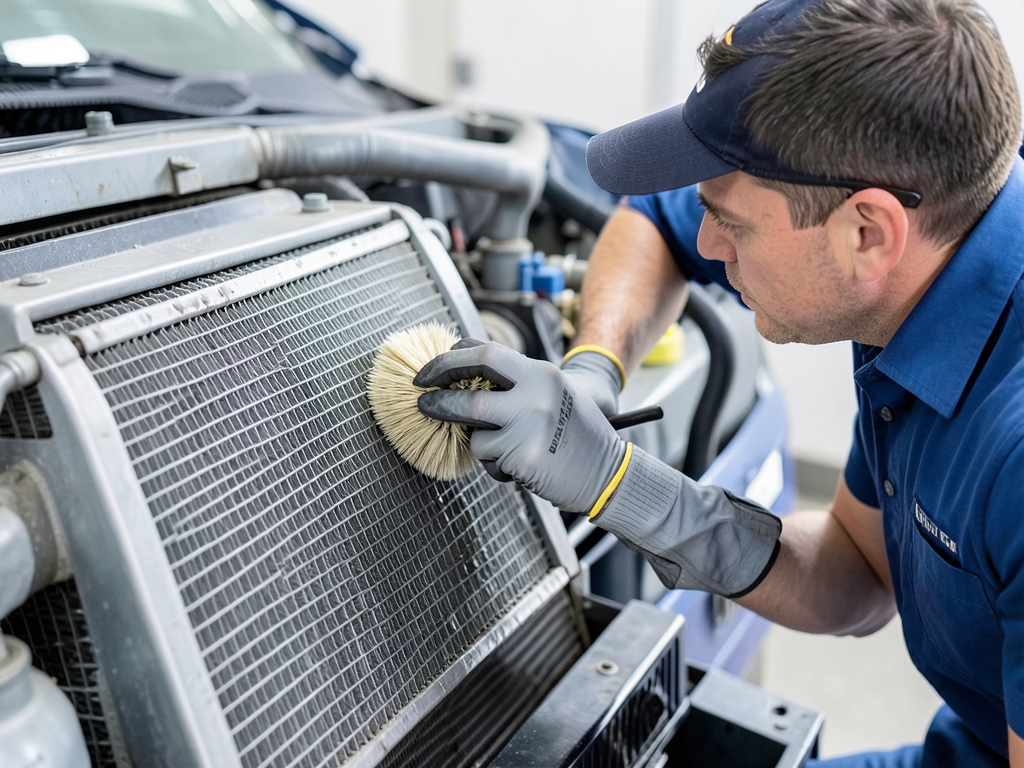
Image: Technician cleaning AC condenser coils with soft brush, showing proper technique for fin protection
Step 3: Inspect for Existing Damage
Examine all visible components for signs of wear. Look for frayed wires where rodents may have chewed through insulation, rust spots on the compressor housing, or bent fins that restrict airflow. Muskego’s proximity to wooded areas means field mice and squirrels often seek shelter in outdoor units during extreme cold.
Check the copper refrigerant lines for signs of corrosion, particularly where they exit the unit and run along your home’s exterior. The EPA’s Section 608 regulations require that any refrigerant leaks be repaired by certified technicians, so identifying potential issues now prevents costly emergency service calls. Fast AC Repair Services for Shorewood Residents Who Need Relief from the Humidity.
Step 4: Insulate Exposed Pipes
Foam pipe insulation protects the liquid line (smaller copper pipe) from freezing temperatures. Measure the pipe diameter and purchase matching foam insulation tubes from any Milwaukee hardware store. Cut the insulation to length and slip it over the exposed pipe, securing it with weatherproof tape.
Focus on pipes that run along exterior walls or through unheated spaces like crawl spaces. In older Muskego neighborhoods like Tess Corners, many homes have shallow crawl spaces where pipes are particularly vulnerable to freezing. The insulation should extend at least 12 inches beyond the outdoor unit on both sides.
The Great Debate: Should You Cover Your AC?
Many homeowners wonder whether covering their AC unit protects or harms it. The answer depends on your specific situation and the type of cover used. Solid plastic covers trap moisture, creating condensation that accelerates rust formation and provides nesting material for rodents. However, leaving the unit completely exposed allows snow and ice to accumulate directly on metal surfaces.
For Muskego’s climate, use a breathable mesh cover specifically designed for HVAC units. These covers allow moisture to escape while blocking debris and preventing snow from sitting directly on the unit. Alternatively, a simple piece of plywood placed on top of the unit provides adequate snow load protection without creating moisture problems.
Never cover a heat pump if it’s used for winter heating. Heat pumps need continuous airflow to extract heat from outdoor air, even in freezing temperatures. Covering a heat pump during winter operation can cause the system to overheat and fail. New HVAC System Cost 2026.
Window Unit Winter Storage
If you have window air conditioners, remove them before the first hard freeze. Leaving units in windows creates drafts that can increase heating costs by 10-15% and allows moisture to accumulate around the window frame, potentially causing rot in older Muskego homes with wooden windows.
To remove a window unit safely, unplug it, remove the mounting hardware, and carefully lift the unit out with assistance. Clean the filters and coils, allow everything to dry completely, then store the unit in a basement or garage. Cover it with a breathable fabric to prevent dust accumulation while allowing air circulation.
Special Considerations for Muskego’s Historic Homes
Many homes in Muskego’s older neighborhoods were built with shallow foundations or have settled over time. If your home sits on clay soil, the seasonal expansion and contraction can cause your AC pad to tilt or sink. Use a level to check that your unit sits within 1/4 inch of perfect level. A tilted unit can cause the compressor oil to pool unevenly, leading to premature wear.
Additionally, homes built before 1980 may have aluminum wiring connected to the AC disconnect. Aluminum wiring expands and contracts more than copper, potentially loosening connections over time. If you notice warm spots or discoloration around wire connections, contact a licensed electrician before winterizing your unit.
Spring Startup Preparation
Mark your calendar to remove winter protection in early April, typically after the last frost date for Milwaukee County. Before turning the power back on, inspect the unit for any damage that may have occurred during winter. Check that rodents haven’t built nests in the fan compartment or chewed through wires.
Once power is restored, let the unit sit for 24 hours before running it. This allows the compressor’s internal lubrication to redistribute properly. When you do start the system, listen for unusual noises and watch for error codes on your thermostat. If anything seems off, call a professional before the summer heat arrives. Who to Call for Honest and Professional Furnace Repair in West Allis.
Cost-Benefit Analysis
Professional winterization services typically cost $150-250, while DIY materials run $30-50. Considering that a single cracked coil repair can cost $800-1,200 and a new compressor runs $1,500-2,500, the investment in proper winterization pays for itself after preventing just one major repair.
Moreover, well-maintained AC units operate 15-20% more efficiently, reducing summer cooling costs. Over a 15-year system lifespan, this efficiency gain can save $1,000-2,000 in electricity costs while also reducing your carbon footprint. Cooling Tower Services.
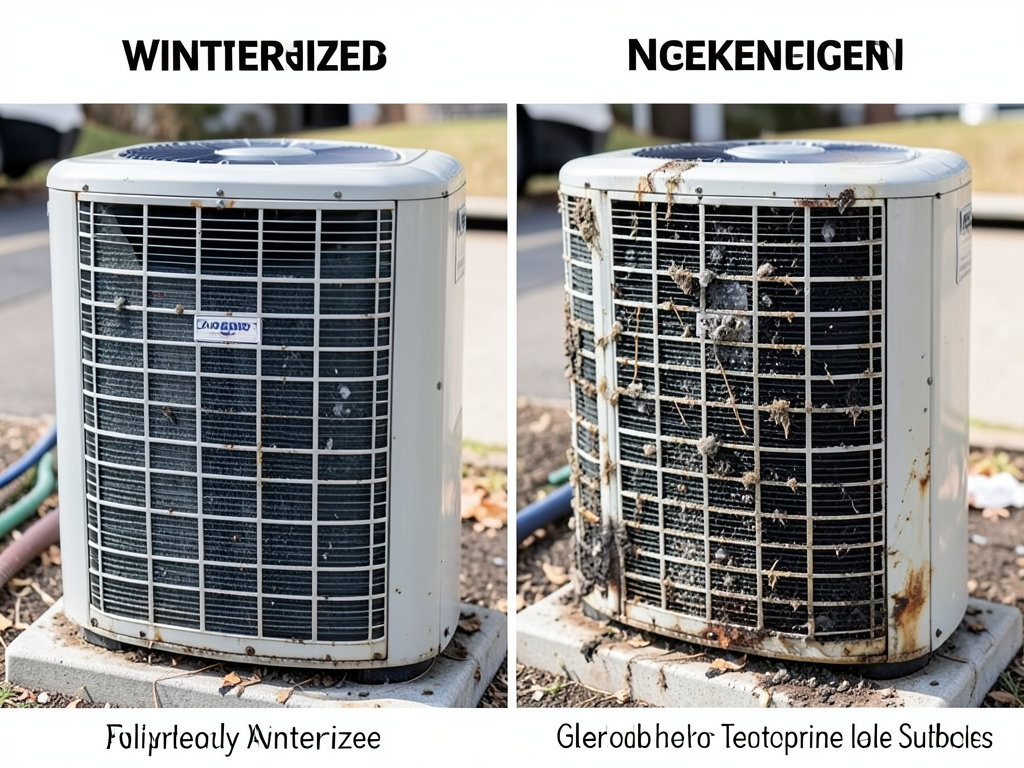
Image: Side-by-side comparison of properly winterized vs. neglected AC unit showing corrosion and debris damage
Common Winterization Mistakes to Avoid
Using plastic tarps creates a greenhouse effect that traps moisture and accelerates rust. Bungee cords or ropes tied around the unit can cut into the metal casing, creating entry points for moisture and pests. Leaving the disconnect switch on allows the unit to attempt startup during warm spells, potentially damaging the compressor.
Another mistake is completely sealing the bottom of the unit. AC condensers need airflow from all sides to prevent condensation buildup. Instead, focus on protecting the top and sides while leaving adequate ventilation at the base.
When to Call a Professional
While most winterization tasks are DIY-friendly, certain situations warrant professional attention. If you notice refrigerant oil stains around the unit, hear unusual noises during operation, or have an older system with unknown maintenance history, schedule a professional inspection before winter.
Additionally, if your AC sits on a severely tilted pad or shows signs of foundation settling, a technician can assess whether the unit needs re-leveling or if the pad requires replacement. These issues, if left unaddressed, can cause catastrophic failure during the next cooling season.
Environmental Considerations
Proper winterization also benefits the environment. A well-maintained AC unit uses less electricity, reducing your carbon footprint. Additionally, preventing refrigerant leaks protects the ozone layer and complies with EPA regulations. The average residential AC system contains 2-4 pounds of refrigerant, and even small leaks can release greenhouse gases equivalent to driving a car for thousands of miles.
Consider upgrading to a high-efficiency unit when replacement becomes necessary. Modern systems with SEER ratings of 16+ use 30-50% less energy than units manufactured before 2010, providing both environmental and financial benefits.
Image: Technician demonstrating proper foam insulation installation on refrigerant lines
Local Resources for Muskego Homeowners
Muskego residents can access several local resources for HVAC maintenance and winterization. The Muskego Department of Public Works provides information on proper snow removal techniques that protect outdoor equipment. Local hardware stores like Bliffert Lumber & Hardware carry winterization supplies specifically selected for Wisconsin’s climate.
For complex issues or if you’re unsure about any step in the winterization process, call (414) 387-8977. Our technicians understand Muskego’s specific challenges and can provide professional winterization services that protect your investment through even the harshest Wisconsin winters.
Frequently Asked Questions
Should I cover my AC unit in winter?
Use a breathable mesh cover or plywood on top rather than solid plastic. This prevents moisture buildup while protecting against snow and debris. Never cover a heat pump used for winter heating.
When should I winterize my AC in Muskego?
Complete winterization by mid-October, before the first hard freeze. This gives you time to address any issues before winter weather makes outdoor work difficult.
Can I use a tarp to cover my AC?
Avoid solid plastic tarps as they trap moisture and accelerate rust. If you must use a tarp, prop it up with a wooden frame to allow airflow underneath and prevent direct contact with metal surfaces.
How much does professional winterization cost?
Professional services typically range from $150-250, while DIY materials cost $30-50. The investment prevents much more expensive repairs from winter damage.
What if my AC unit is already damaged?
Schedule a professional inspection before winter. Damaged units are more vulnerable to winter weather and may need repairs before proper winterization can occur.
Call (414) 387-8977 today to schedule your professional AC winterization service. Don’t wait until the first snowfall – protect your system now and avoid costly spring repairs. Our Muskego-based technicians understand the unique challenges of Wisconsin winters and will ensure your AC survives the season in perfect condition.
You may also find this helpful. Why Your Landscaping Might Be Choking Your AC Unit in Elm Grove.
{
“@context”: “https://schema.org”,
“@type”: “BlogPosting”,
“headline”: “The Right Way to Protect Your AC Unit During a Muskego Winter”,
“description”: “Protect your AC unit this Muskego winter with expert tips on cleaning, covering, and winterizing. Learn why Milwaukee’s freeze-thaw cycles demand special care.”,
“wordCount”: 1859,
“datePublished”: “2026-05-08T09:46:00.000Z”,
“dateModified”: “2026-05-08T09:46:00.000Z”,
“inLanguage”: “en-US”,
“mainEntityOfPage”: {
“@type”: “WebPage”,
“@id”: “https://firstchoicehvacmilwaukee.com”
},
“publisher”: {
“@type”: “LocalBusiness”,
“name”: “First Choice HVAC Milwaukee”,
“url”: “https://firstchoicehvacmilwaukee.com”
},
“author”: {
“@type”: “Organization”,
“name”: “First Choice HVAC Milwaukee”,
“url”: “https://firstchoicehvacmilwaukee.com”
},
“image”: {
“@type”: “ImageObject”,
“url”: “https://firstchoicehvacmilwaukee.com/wp-content/uploads/2026/03/the-right-way-to-protect-your-ac-unit-during-a-mus-1.png”
}
}
{
“@context”: “https://schema.org”,
“@type”: “HVACBusiness”,
“name”: “First Choice HVAC Milwaukee”,
“url”: “https://firstchoicehvacmilwaukee.com”,
“address”: {
“@type”: “PostalAddress”,
“addressLocality”: “Milwaukee”
},
“areaServed”: {
“@type”: “City”,
“name”: “Milwaukee”
}
}
{
“@context”: “https://schema.org”,
“@type”: “FAQPage”,
“mainEntity”: [
{
“@type”: “Question”,
“name”: “The Great Debate: Should You Cover Your AC?”,
“acceptedAnswer”: {
“@type”: “Answer”,
“text”: “Many homeowners wonder whether covering their AC unit protects or harms it. The answer depends on your specific situation and the type of cover used. Solid plastic covers trap moisture, creating condensation that accelerates rust formation and provides nesting material for rodents. However, leaving the unit completely exposed allows snow and ice to accumulate directly on metal surfaces.”
}
},
{
“@type”: “Question”,
“name”: “Should I cover my AC unit in winter?”,
“acceptedAnswer”: {
“@type”: “Answer”,
“text”: “Use a breathable mesh cover or plywood on top rather than solid plastic. This prevents moisture buildup while protecting against snow and debris. Never cover a heat pump used for winter heating.”
}
},
{
“@type”: “Question”,
“name”: “When should I winterize my AC in Muskego?”,
“acceptedAnswer”: {
“@type”: “Answer”,
“text”: “Complete winterization by mid-October, before the first hard freeze. This gives you time to address any issues before winter weather makes outdoor work difficult.”
}
},
{
“@type”: “Question”,
“name”: “Can I use a tarp to cover my AC?”,
“acceptedAnswer”: {
“@type”: “Answer”,
“text”: “Avoid solid plastic tarps as they trap moisture and accelerate rust. If you must use a tarp, prop it up with a wooden frame to allow airflow underneath and prevent direct contact with metal surfaces.”
}
},
{
“@type”: “Question”,
“name”: “How much does professional winterization cost?”,
“acceptedAnswer”: {
“@type”: “Answer”,
“text”: “Professional services typically range from $150-250, while DIY materials cost $30-50. The investment prevents much more expensive repairs from winter damage.”
}
},
{
“@type”: “Question”,
“name”: “What if my AC unit is already damaged?”,
“acceptedAnswer”: {
“@type”: “Answer”,
“text”: “Schedule a professional inspection before winter. Damaged units are more vulnerable to winter weather and may need repairs before proper winterization can occur.”
}
}
]
}
{
“@context”: “https://schema.org”,
“@type”: “BreadcrumbList”,
“itemListElement”: [
{
“@type”: “ListItem”,
“position”: 1,
“name”: “Home”,
“item”: “https://firstchoicehvacmilwaukee.com”
},
{
“@type”: “ListItem”,
“position”: 2,
“name”: “Blog”,
“item”: “https://firstchoicehvacmilwaukee.com/blog”
},
{
“@type”: “ListItem”,
“position”: 3,
“name”: “The Right Way to Protect Your AC Unit During a Muskego Winter”
}
]
}
{
“@context”: “https://schema.org”,
“@type”: “Service”,
“serviceType”: “HVAC”,
“provider”: {
“@type”: “LocalBusiness”,
“name”: “First Choice HVAC Milwaukee”,
“url”: “https://firstchoicehvacmilwaukee.com”
},
“areaServed”: {
“@type”: “City”,
“name”: “Milwaukee”
},
“description”: “Protect your AC unit this Muskego winter with expert tips on cleaning, covering, and winterizing. Learn why Milwaukee’s freeze-thaw cycles demand special care.”
}