
What Happens During a Professional Home Energy Audit in West Bend
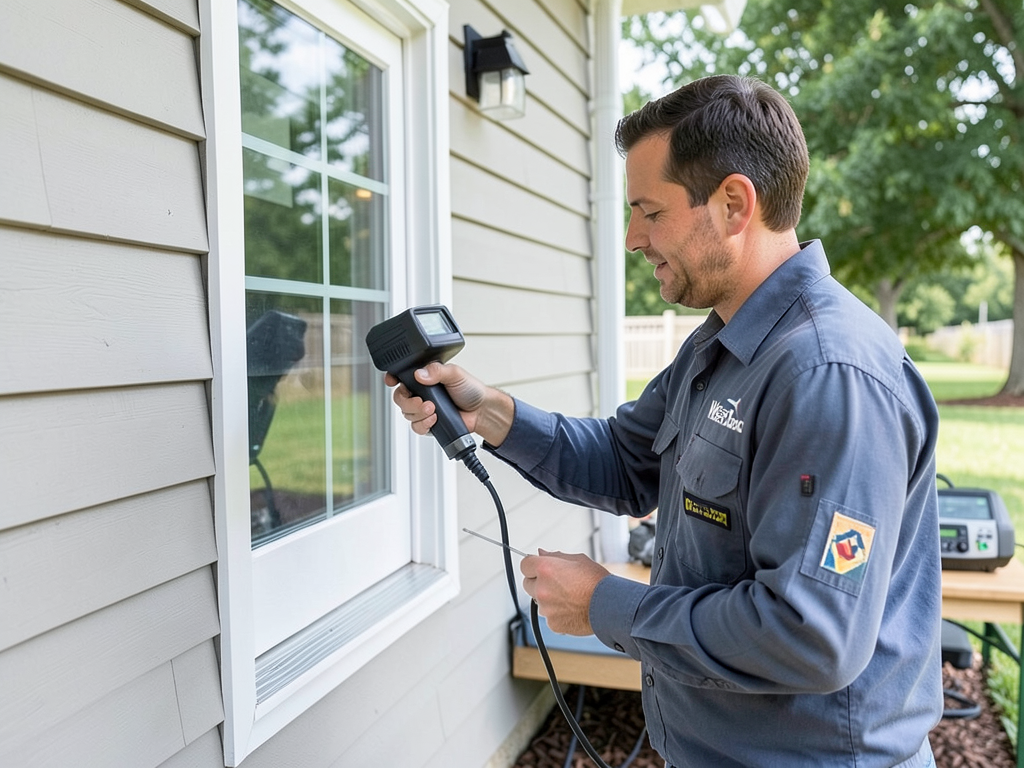
A professional home energy audit in West Bend is a comprehensive diagnostic process that identifies where your home is losing energy and what improvements will deliver the biggest savings. During a typical audit, certified technicians use specialized tools like blower door tests and infrared cameras to measure air leaks, insulation gaps, and equipment efficiency. Most West Bend homeowners see 15-30% reductions in utility bills after implementing audit recommendations, with many qualifying for Focus on Energy rebates that cover 30-50% of improvement costs. Focus on Energy Wisconsin.
The process usually takes 2-4 hours and includes safety testing of combustion appliances, evaluation of HVAC systems, and a detailed report with prioritized recommendations specific to your home’s construction and the local climate challenges of Washington County. New HVAC System Cost 2026.
Why West Bend Homeowners Need an Energy Assessment
West Bend’s housing stock ranges from early 1900s bungalows near downtown to newer developments in the northeast, each with unique energy challenges. Older homes often have inadequate insulation, original single-pane windows, and air leakage rates 2-3 times higher than modern construction standards. The region’s extreme seasonal temperature swings – from -20°F wind chills to 90°F summer humidity – create significant stress on heating and cooling systems. Why Your Bay View Bungalow Might Benefit from a Ductless Mini Split System.
Many West Bend residents don’t realize that their homes may be losing 25-40% of heating and cooling energy through air leaks and poor insulation. A professional audit identifies these hidden losses and provides data-driven solutions that can cut annual energy costs by $400-800 for the average home. Who to Call for Honest and Professional Furnace Repair in West Allis.
Local utility data shows that homes built before 1980 in Washington County typically use 30-50% more energy per square foot than homes built after 2000, primarily due to air sealing and insulation deficiencies that modern building codes now require.. Read more about How a Modern HVAC Upgrade Impacts the Resale Value of Your North Lake Home.
Our Comprehensive 5-Point Audit Process
A professional energy audit follows a systematic approach to evaluate every major energy-consuming system in your home. The process combines visual inspection with advanced diagnostic testing to create a complete picture of your home’s energy performance.
- Interview and Data Collection
We start by reviewing your utility bills from the past 12 months and discussing comfort issues, drafts, and any specific concerns you have about your home’s performance.
- Blower Door Test
A powerful fan mounted in an exterior door creates negative pressure to measure air leakage. This test, based on RESNET standards, quantifies how much air escapes through gaps, cracks, and poorly sealed areas.
- Infrared Thermography
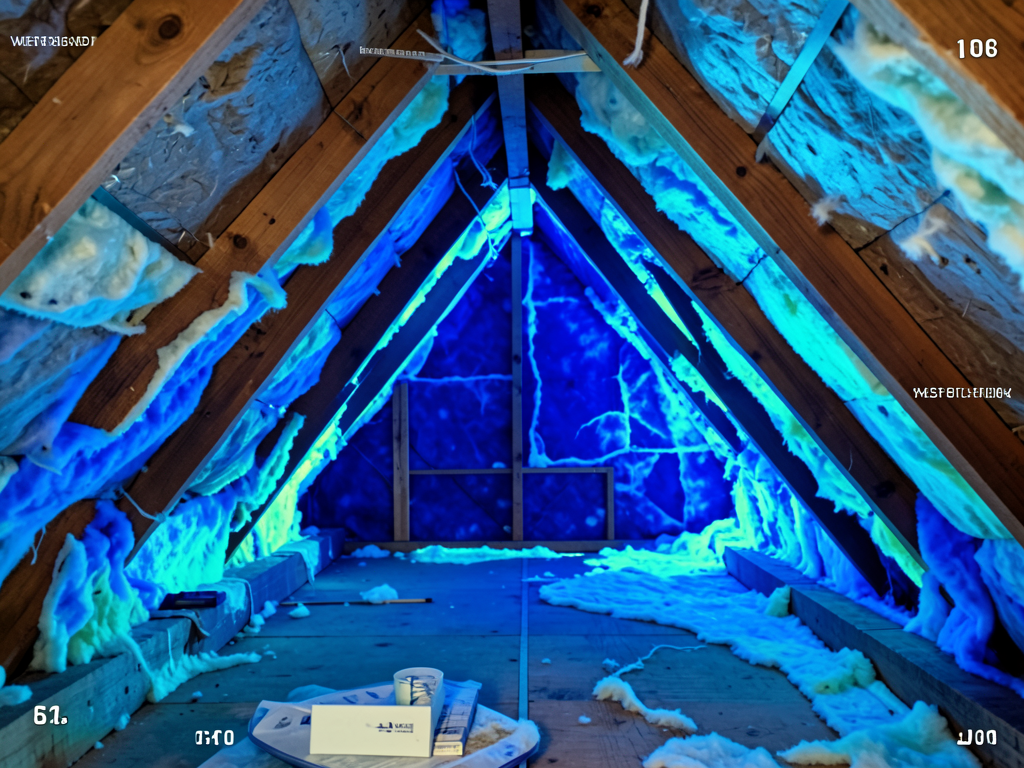
Using thermal imaging cameras, we identify insulation voids, moisture problems, and thermal bridging that aren’t visible to the naked eye. Cold spots appear blue while warm areas show red on the camera display.
- Combustion Safety Testing
We test all gas appliances for carbon monoxide production, proper venting, and backdraft potential using a combustion analyzer. This ensures your heating equipment operates safely and efficiently.
- HVAC Performance Evaluation
We measure airflow, temperature rise, and system efficiency using specialized tools. This includes checking refrigerant levels, inspecting ductwork for leaks, and evaluating thermostat programming.
Each test provides specific data points that help prioritize improvements. For example, a home with high air leakage but good insulation might benefit most from air sealing, while a home with poor insulation but tight construction needs thermal upgrades.
What the Diagnostic Tools Actually Measure
The blower door test measures air changes per hour (ACH), with Wisconsin’s current energy code requiring new homes to achieve 3-5 ACH depending on the climate zone. Most pre-1980 homes in West Bend test at 8-15 ACH, indicating significant energy waste.
Infrared cameras detect temperature differences as small as 0.1°F, revealing insulation gaps, air infiltration points, and moisture issues behind walls. These cameras can see through drywall to identify where insulation was missed during construction or has settled over time.
Combustion analyzers measure carbon monoxide levels in parts per million (ppm), with EPA safety standards requiring levels below 100 ppm for safe operation. We also test for backdraft potential by creating slight negative pressure and measuring whether exhaust gases spill into the living space.
Local Rebates & Focus on Energy Incentives for West Bend Residents
Wisconsin’s Focus on Energy program offers some of the most generous residential energy efficiency incentives in the Midwest. West Bend homeowners can receive rebates covering 30-50% of improvement costs, with maximum incentives reaching $2,500 for comprehensive home performance upgrades.
The program requires using certified contractors who follow specific installation standards and provides free energy audits to qualifying households. Income-eligible residents may receive free insulation, air sealing, and HVAC tune-ups through the income-based offering.
Federal tax credits through the Energy Efficient Home Improvement Credit allow you to claim 30% of improvement costs up to $1,200 annually for insulation, air sealing, and energy-efficient windows and doors. These credits apply to improvements completed in 2023-2032.
Available Rebate Programs and Eligibility
Focus on Energy offers tiered incentives based on the scope of work. Simple air sealing projects might receive $200-400 in rebates, while comprehensive home performance upgrades with insulation, air sealing, and HVAC improvements can qualify for $1,500-2,500 in combined incentives.
Utility-specific programs through We Energies and Wisconsin Public Service provide additional rebates for high-efficiency furnaces, air conditioners, and heat pumps. These programs often stack with Focus on Energy incentives, potentially covering 60-70% of improvement costs.
Local building codes in Washington County require permits for many energy efficiency improvements, but Focus on Energy contractors handle permitting as part of the service, ensuring all work meets current code requirements.
Meet Your Local West Bend Energy Specialists
Our team has performed hundreds of energy audits throughout Washington County, giving us unique insight into the specific challenges faced by West Bend homeowners. We understand how the area’s clay soil affects foundation insulation, how the lake-effect climate impacts heating loads, and which improvements deliver the best return on investment for local housing stock.
We’re certified by the Building Performance Institute (BPI) and participate in Focus on Energy’s network of approved contractors. This certification requires ongoing training, adherence to strict quality standards, and regular calibration of diagnostic equipment.
Our experience with West Bend’s historic districts means we know how to improve energy efficiency while preserving architectural character. We’ve worked on everything from Victorian homes near Main Street to mid-century ranches in newer developments, always tailoring solutions to each home’s specific needs. What to Do When Your Historic East Side Home’s Boiler Stops Working.
We provide detailed reports with before-and-after calculations showing expected energy savings, payback periods, and available incentives. Our recommendations prioritize improvements that deliver the greatest comfort and savings for your investment.
Understanding Your Home’s Energy Profile
Every home has a unique energy signature based on its construction, orientation, and the local climate. A home on the east side of West Bend might experience different solar heat gain than one on the west side, affecting cooling loads and the best placement for shade trees or awnings. Cooling Tower Services.
Older homes near downtown often have balloon-frame construction that allows air to move freely from basement to attic, creating significant heat loss. Newer homes in developments near Highway 45 typically have better air sealing but may have insulation gaps from rushed construction.
The local climate data shows West Bend experiences approximately 7,500 heating degree days and 800 cooling degree days annually, making it a mixed-humid climate that requires both robust heating and cooling systems for year-round comfort.
Schedule Your Audit and Start Saving Today
Don’t wait another season to discover how much energy and money your home is wasting. A professional energy audit provides the roadmap to lower utility bills, improved comfort, and a healthier indoor environment. With Focus on Energy rebates and federal tax credits available now, there’s never been a better time to invest in your home’s efficiency.
Our certified energy auditors are ready to evaluate your home and provide customized recommendations based on your specific needs and budget. We handle everything from the initial assessment through final installation and incentive paperwork, making the process simple and stress-free.
Call (414) 387-8977 today to schedule your comprehensive home energy audit. Most West Bend homeowners recover the cost of their audit within the first year through energy savings and available rebates. Take the first step toward a more comfortable, efficient home.
Frequently Asked Questions
How long does a professional energy audit take?
A comprehensive home energy audit typically takes 2-4 hours, depending on your home’s size and complexity. The process includes diagnostic testing, visual inspection, and a detailed consultation about findings and recommendations.
What’s the difference between a DIY audit and a professional audit?
DIY audits use basic observation and simple tests, while professional audits employ specialized diagnostic equipment like blower doors and infrared cameras. Professional audits provide quantitative data, safety testing, and prioritized recommendations based on building science principles.
Are energy audits worth the cost?
Yes. Most homeowners recover the audit cost within the first year through energy savings and available rebates. The detailed recommendations help you avoid costly mistakes and focus on improvements that deliver the best return on investment.
Do I need to be home during the audit?
Yes, we recommend having someone present to discuss comfort issues, answer questions, and learn about the findings. You’ll receive a comprehensive report and have the opportunity to ask questions about specific recommendations.
How soon can I start seeing results after improvements?
Most improvements show immediate results in comfort and energy usage. Air sealing and insulation upgrades typically reduce heating and cooling costs by 15-30% right away, with full benefits realized within the first heating or cooling season.
Can I do the improvements myself to save money?
While some simple improvements like changing air filters are DIY-friendly, professional installation ensures proper techniques, code compliance, and qualification for rebates. Many Focus on Energy incentives require certified contractor installation to qualify for rebates. For more information, visit U.S. Department of Energy Home Energy Audits.
You may also find this helpful. Essential HVAC Checklist for Anyone Buying a House in Mequon.
{
“@context”: “https://schema.org”,
“@type”: “BlogPosting”,
“headline”: “What Happens During a Professional Home Energy Audit in West Bend”,
“description”: “Discover what a professional home energy audit includes, how it saves you money, and what to expect from Focus on Energy rebates in West Bend, WI.”,
“wordCount”: 1664,
“datePublished”: “2026-04-25T06:09:00.000Z”,
“dateModified”: “2026-04-25T06:09:00.000Z”,
“inLanguage”: “en-US”,
“mainEntityOfPage”: {
“@type”: “WebPage”,
“@id”: “https://firstchoicehvacmilwaukee.com”
},
“publisher”: {
“@type”: “LocalBusiness”,
“name”: “First Choice HVAC Milwaukee”,
“url”: “https://firstchoicehvacmilwaukee.com”
},
“author”: {
“@type”: “Organization”,
“name”: “First Choice HVAC Milwaukee”,
“url”: “https://firstchoicehvacmilwaukee.com”
},
“image”: {
“@type”: “ImageObject”,
“url”: “https://firstchoicehvacmilwaukee.com/wp-content/uploads/2026/03/what-happens-during-a-professional-home-energy-aud-1.png”
}
}
{
“@context”: “https://schema.org”,
“@type”: “HVACBusiness”,
“name”: “First Choice HVAC Milwaukee”,
“url”: “https://firstchoicehvacmilwaukee.com”,
“address”: {
“@type”: “PostalAddress”,
“addressLocality”: “Milwaukee”
},
“areaServed”: {
“@type”: “City”,
“name”: “Milwaukee”
}
}
{
“@context”: “https://schema.org”,
“@type”: “FAQPage”,
“mainEntity”: [
{
“@type”: “Question”,
“name”: “How long does a professional energy audit take?”,
“acceptedAnswer”: {
“@type”: “Answer”,
“text”: “A comprehensive home energy audit typically takes 2-4 hours, depending on your home’s size and complexity. The process includes diagnostic testing, visual inspection, and a detailed consultation about findings and recommendations.”
}
},
{
“@type”: “Question”,
“name”: “What’s the difference between a DIY audit and a professional audit?”,
“acceptedAnswer”: {
“@type”: “Answer”,
“text”: “DIY audits use basic observation and simple tests, while professional audits employ specialized diagnostic equipment like blower doors and infrared cameras. Professional audits provide quantitative data, safety testing, and prioritized recommendations based on building science principles.”
}
},
{
“@type”: “Question”,
“name”: “Are energy audits worth the cost?”,
“acceptedAnswer”: {
“@type”: “Answer”,
“text”: “Yes. Most homeowners recover the audit cost within the first year through energy savings and available rebates. The detailed recommendations help you avoid costly mistakes and focus on improvements that deliver the best return on investment.”
}
},
{
“@type”: “Question”,
“name”: “Do I need to be home during the audit?”,
“acceptedAnswer”: {
“@type”: “Answer”,
“text”: “Yes, we recommend having someone present to discuss comfort issues, answer questions, and learn about the findings. You’ll receive a comprehensive report and have the opportunity to ask questions about specific recommendations.”
}
},
{
“@type”: “Question”,
“name”: “How soon can I start seeing results after improvements?”,
“acceptedAnswer”: {
“@type”: “Answer”,
“text”: “Most improvements show immediate results in comfort and energy usage. Air sealing and insulation upgrades typically reduce heating and cooling costs by 15-30% right away, with full benefits realized within the first heating or cooling season.”
}
}
]
}
{
“@context”: “https://schema.org”,
“@type”: “HowTo”,
“name”: “Professional Energy Audit Process”,
“step”: [
{
“@type”: “HowToStep”,
“position”: 1,
“name”: “Interview and Data Collection”,
“text”: “We start by reviewing your utility bills from the past 12 months and discussing comfort issues, drafts, and any specific concerns you have about your home’s performance.”
},
{
“@type”: “HowToStep”,
“position”: 2,
“name”: “Blower Door Test”,
“text”: “A powerful fan mounted in an exterior door creates negative pressure to measure air leakage. This test, based on RESNET standards, quantifies how much air escapes through gaps, cracks, and poorly sealed areas.”
},
{
“@type”: “HowToStep”,
“position”: 3,
“name”: “Infrared Thermography”,
“text”: “Using thermal imaging cameras, we identify insulation voids, moisture problems, and thermal bridging that aren’t visible to the naked eye. Cold spots appear blue while warm areas show red on the camera display.”
},
{
“@type”: “HowToStep”,
“position”: 4,
“name”: “Combustion Safety Testing”,
“text”: “We test all gas appliances for carbon monoxide production, proper venting, and backdraft potential using a combustion analyzer. This ensures your heating equipment operates safely and efficiently.”
},
{
“@type”: “HowToStep”,
“position”: 5,
“name”: “HVAC Performance Evaluation”,
“text”: “We measure airflow, temperature rise, and system efficiency using specialized tools. This includes checking refrigerant levels, inspecting ductwork for leaks, and evaluating thermostat programming.”
}
],
“image”: “https://firstchoicehvacmilwaukee.com/wp-content/uploads/2026/03/what-happens-during-a-professional-home-energy-aud-1.png”
}
{
“@context”: “https://schema.org”,
“@type”: “BreadcrumbList”,
“itemListElement”: [
{
“@type”: “ListItem”,
“position”: 1,
“name”: “Home”,
“item”: “https://firstchoicehvacmilwaukee.com”
},
{
“@type”: “ListItem”,
“position”: 2,
“name”: “Blog”,
“item”: “https://firstchoicehvacmilwaukee.com/blog”
},
{
“@type”: “ListItem”,
“position”: 3,
“name”: “What Happens During a Professional Home Energy Audit in West Bend”
}
]
}
{
“@context”: “https://schema.org”,
“@type”: “Service”,
“serviceType”: “HVAC”,
“provider”: {
“@type”: “LocalBusiness”,
“name”: “First Choice HVAC Milwaukee”,
“url”: “https://firstchoicehvacmilwaukee.com”
},
“areaServed”: {
“@type”: “City”,
“name”: “Milwaukee”
},
“description”: “Discover what a professional home energy audit includes, how it saves you money, and what to expect from Focus on Energy rebates in West Bend, WI.”
}