
Why Your Vents Smell Like Dirty Socks and How to Fix It for Good in Pewaukee
That foul, locker-room odor wafting from your vents when the AC kicks on is not your imagination. It’s called Dirty Sock Syndrome, and it’s a common problem in Pewaukee homes during our humid Wisconsin summers. This unmistakable smell comes from microbial growth on your evaporator coils, where mold and bacteria feast on the moisture and organic debris trapped in your system. Wisconsin State Climatology Office.
The good news? You can eliminate that odor for good with the right diagnosis and treatment. Let’s break down what causes it, how to identify it, and what solutions actually work in our local climate.
What Exactly Is Dirty Sock Syndrome?
Dirty Sock Syndrome is a technical term for microbial growth on evaporator coils that produces a distinctive musty, gym-sock odor when your air conditioning system runs. The smell typically emerges when the system cycles on after being off for a while, releasing volatile organic compounds (VOCs) from the bacterial and fungal colonies.. Read more about What to Do if You Smell Rotten Eggs Near Your Furnace in Lincoln Village.
In Pewaukee, our proximity to Pewaukee Lake and the overall high humidity levels create perfect conditions for this problem. The combination of warm, moist air and organic particles provides an ideal breeding ground for microorganisms on your cooling coils. Cooling Tower Services.
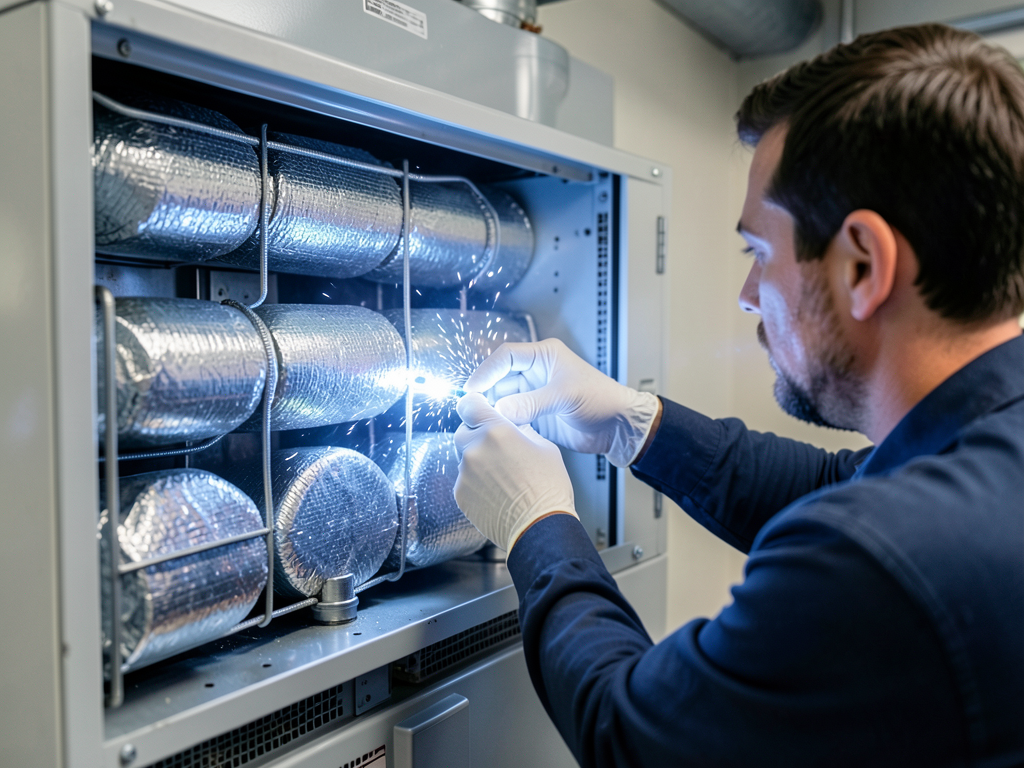
Is It Really Dirty Sock Syndrome? Common Symptoms
Before jumping to conclusions, you need to confirm you’re dealing with Dirty Sock Syndrome and not another issue. Here are the telltale signs:
- The signature smell: A strong, musty odor that resembles dirty gym socks, locker rooms, or damp towels
- Timing matters: The smell appears within minutes of the AC starting and often fades after 10-15 minutes of continuous operation
- Seasonal pattern: Most noticeable during spring and early summer when humidity rises and systems transition from heating to cooling
- Localized issue: The odor comes from vents, not from within your home or from other appliances
Important distinction: If you smell burning, rotten eggs, or electrical odors, that’s a different emergency requiring immediate shutdown and professional inspection. Emergency HVAC Help Anywhere in Milwaukee When Your System Fails at Midnight.
The Science Behind the Stink
Understanding why your vents smell requires knowing what happens inside your HVAC system. When warm, humid air passes over the cold evaporator coils, several things occur:
First, condensation forms on the coils just like water droplets form on a cold glass of lemonade. This moisture creates a damp environment where microorganisms thrive. Second, the dark, enclosed space inside your air handler provides protection from UV light that would normally kill these organisms.
Third, and most importantly for Pewaukee homes, the organic particles in your air supply food for the microbes. Dust, skin cells, pollen, and other debris accumulate on the coils and become part of the biofilm matrix where bacteria and mold grow.
The resulting microbial colony produces VOCs that we perceive as that characteristic dirty sock smell. These compounds are similar to those produced by bacteria in athletic equipment, hence the familiar odor.
Why Pewaukee Homes Are Especially Vulnerable
Pewaukee’s unique geography and climate create perfect conditions for Dirty Sock Syndrome. Our location near Pewaukee Lake means higher ambient humidity levels than inland areas, especially during summer months when lake temperatures rise.. Read more about Solving the Humidity and Heat Problems Caused by Your Laundry Room in West Allis.
The Wisconsin Department of Natural Resources reports that our region experiences average relative humidity levels of 70-80% during July and August. This moisture-laden air enters your home and creates the condensation needed for microbial growth on your coils. EPA guidelines on indoor air quality.
Additionally, many Pewaukee homes built in the 1970s-1990s era use systems that weren’t designed for today’s humidity levels. These older units often have less efficient condensate drainage and fewer antimicrobial features built into the coils.
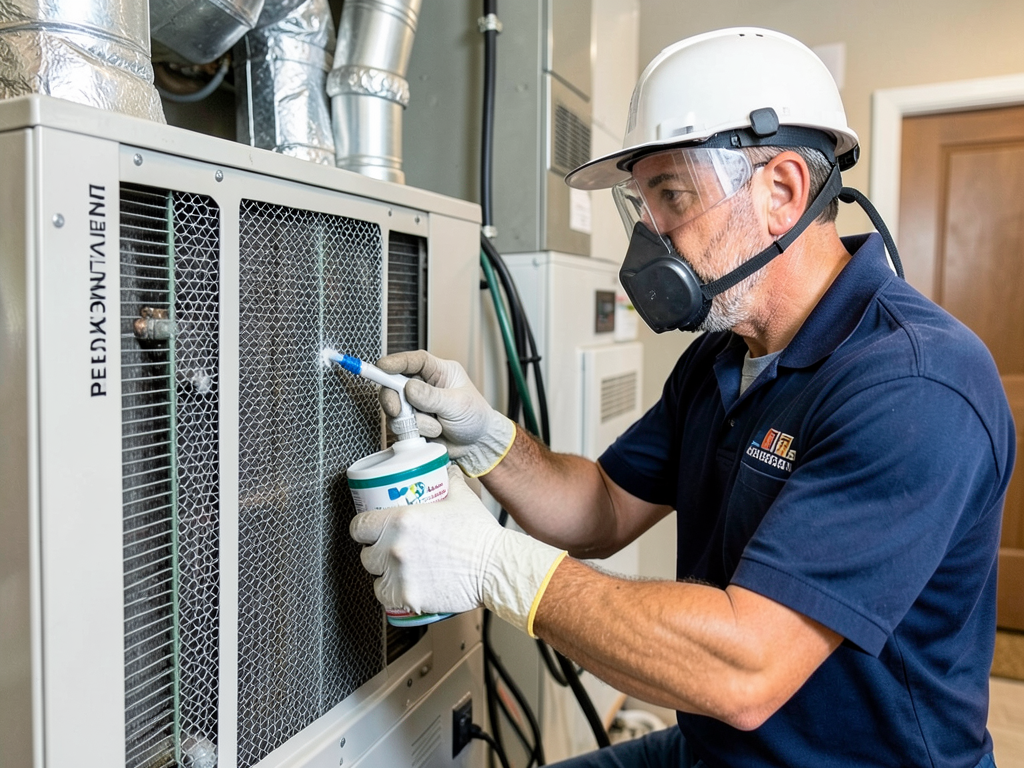
DIY Troubleshooting: When You Can Handle It Yourself
Before calling a professional, you can perform some basic checks to see if the problem is something you can address yourself. Here’s a step-by-step diagnostic process: Who to Call for Honest and Professional Furnace Repair in West Allis.
- Check your air filter
Locate your furnace filter and examine it. If it’s clogged with dust and debris, replace it with a new MERV 8-11 filter. A dirty filter restricts airflow and allows more particles to reach your coils.. Read more about The Real Risks of DIY Furnace Cleaning and Why It Might Void Your Warranty in Glendale.
- Inspect the condensate drain pan
Remove the access panel to your air handler and look for standing water in the drain pan. Water should be flowing freely to the drain line. Standing water indicates a clog that’s creating perfect conditions for microbial growth.
- Check for visible mold
Using a flashlight, look for black, green, or brown discoloration on the evaporator coils. This visual evidence confirms microbial growth is present.
- Test the drain line
Pour a cup of water into the drain pan and watch if it flows freely to the drain line. If water backs up, you have a clog that needs clearing.
If you find a clogged drain or extremely dirty filter, addressing these issues might eliminate the odor without professional help. However, if the smell persists after these steps, you’re dealing with established microbial colonies that require professional treatment. Why Your Bay View Bungalow Might Benefit from a Ductless Mini Split System.
Professional Solutions That Actually Work
When DIY methods fail, you need professional-grade solutions. Here are the proven approaches that eliminate Dirty Sock Syndrome for good:
Deep Chemical Cleaning
Professional technicians use specialized non-acidic coil cleaners that penetrate the biofilm and kill the microorganisms at their source. Unlike household cleaners, these products are specifically formulated for HVAC systems and won’t damage your coils.
The process involves applying the cleaner, allowing it to dwell for 10-15 minutes, then rinsing thoroughly. This removes both the visible buildup and the microscopic organisms causing the odor.
UV-C Germicidal Light Installation
According to the EPA’s guidelines on indoor air quality, UV-C light at 254 nanometers effectively kills mold, bacteria, and viruses on HVAC surfaces. Installing UV-C lights near your evaporator coils provides continuous protection against microbial regrowth.
These systems run continuously, preventing new colonies from establishing even in our humid climate. The energy cost is minimal, typically adding only $3-5 per month to your electric bill.
Antimicrobial Coil Coatings
Modern HVAC technology includes antimicrobial treatments applied directly to the coil surfaces. These coatings contain silver ions or other agents that prevent microbial adhesion and growth.
The coating process involves cleaning the coils thoroughly, then applying a protective layer that bonds to the metal surface. This provides long-term protection, often lasting 5-7 years before reapplication is needed.
Complete Coil Replacement
In severe cases where coils are heavily corroded or the microbial growth is deeply embedded, replacement may be the most cost-effective solution. New coils with antimicrobial coatings provide a fresh start and improved efficiency.
This option makes particular sense if your system is over 10 years old or if you’ve had recurring odor problems despite previous treatments.
The Milwaukee Factor: Local Climate Considerations
Milwaukee’s unique climate patterns significantly impact how Dirty Sock Syndrome develops and persists in our area. The Wisconsin State Climatology Office reports that our region experiences more than 100 days per year with relative humidity above 70%.
This persistent moisture creates ongoing challenges for HVAC systems. During spring and fall, when temperatures fluctuate dramatically, your system cycles more frequently. Each cycle creates new opportunities for condensation and microbial growth.
Additionally, many Milwaukee-area homes use heat pumps, which can be more susceptible to Dirty Sock Syndrome than traditional AC systems. The reversing valve operation and the way heat pumps handle moisture can create conditions that favor microbial growth if not properly maintained.
According to the International Mechanical Code Section 403.4, proper condensate drainage is essential for preventing moisture-related problems in HVAC systems. Many local homes were built before current code requirements, making them more vulnerable to these issues.
Cost Comparison: What to Expect in Pewaukee
Understanding the investment required helps you make informed decisions. Here’s what professional Dirty Sock Syndrome treatment typically costs in the Pewaukee area:
| Solution | Typical Cost Range | Duration of Effectiveness | Best For |
|---|---|---|---|
| Deep Chemical Cleaning | $250 – $450 | 6-18 months | Minor to moderate cases |
| UV-C Light Installation | $450 – $750 | Continuous (bulb replacement every 12-24 months) | Prevention and moderate cases |
| Antimicrobial Coating | $400 – $600 | 5-7 years | Severe cases and prevention |
| Coil Replacement | $1,200 – $2,500 | Lifetime of new coils | Severe corrosion or recurring issues |
Many homeowners find that combining UV-C installation with a professional cleaning provides the best long-term value, addressing both immediate symptoms and preventing recurrence.
Prevention: Keeping Your System Fresh Year-Round
Once you’ve eliminated the odor, prevention becomes your priority. Here are proven strategies to keep your vents smelling fresh:
Regular Maintenance Schedule
Professional maintenance twice yearly catches problems before they become severe. During spring maintenance, technicians clean coils, check drainage, and inspect for early signs of microbial growth.. Read more about Deciding if an Annual HVAC Maintenance Plan Is Actually Worth the Money in Sullivan.
High-Quality Air Filtration
Using MERV 11 or higher filters removes more organic particles before they reach your coils. However, don’t exceed your system’s recommended MERV rating, as overly restrictive filters can reduce efficiency.
Humidity Control
Whole-house dehumidifiers can reduce indoor humidity levels below 60%, creating conditions where microbial growth struggles to establish. This is particularly effective in Pewaukee’s lake-influenced climate.
UV Light Maintenance
If you install UV-C lights, replace bulbs annually even if they still appear to be working. UV output degrades over time, and maintaining full intensity ensures continuous protection.
When to Call a Professional Immediately
While Dirty Sock Syndrome is primarily a nuisance, certain situations require immediate professional attention:
- Health concerns: If anyone in your household has respiratory issues, allergies, or compromised immune systems, the microbial growth could pose health risks
- System performance issues: If you notice reduced cooling capacity along with the odor, there may be more serious problems
- Visible water damage: If you see water stains around vents or on ceilings, your drainage system may be failing
- Electrical problems: If the odor is accompanied by burning smells or system shutdowns, turn off your system immediately
The EPA recommends addressing indoor air quality issues promptly, especially when they involve microbial growth, as these can impact both comfort and health.
Your Next Steps: Getting Rid of That Smell for Good
Dirty Sock Syndrome won’t resolve itself. The microbial colonies will continue to grow and produce odors until properly treated. Here’s your action plan:
- Perform the DIY checks outlined above to see if you can address the issue yourself
- Replace your air filter if it’s dirty – this is the easiest first step
- Check for standing water in the drain pan and clear any clogs
- Call for professional help if the odor persists after these steps
Don’t let that musty smell continue to affect your indoor air quality and comfort. The solution is straightforward once you know exactly what you’re dealing with.
Frequently Asked Questions
Is Dirty Sock Syndrome dangerous to my health?
While the odor itself is unpleasant rather than harmful, the mold and bacteria involved can trigger allergies or respiratory issues in sensitive individuals. People with asthma, allergies, or compromised immune systems should address the problem promptly.
How long does it take to fix Dirty Sock Syndrome?
A professional cleaning typically takes 1-2 hours. If you’re installing UV lights or applying antimicrobial coatings, the process might extend to 3-4 hours total. You’ll notice improvement immediately after treatment.
Can I prevent Dirty Sock Syndrome with regular filter changes?
Regular filter changes help but won’t completely prevent the problem. The issue stems from moisture on the coils themselves, which requires additional interventions like UV lights or antimicrobial treatments for complete prevention.
Will my home warranty cover this repair?
Most standard home warranties don’t cover Dirty Sock Syndrome treatment, as it’s considered a maintenance issue rather than a mechanical failure. However, some comprehensive plans may cover certain aspects of the repair. Fast AC Repair Services for Shorewood Residents Who Need Relief from the Humidity.
How often should I have my system checked for this problem?
Annual professional maintenance is recommended for all HVAC systems. If you’ve had Dirty Sock Syndrome before, consider bi-annual check-ups during spring and fall when humidity levels fluctuate most dramatically.
Call (414) 387-8977 Today to Schedule Your Inspection
Don’t let that foul odor continue to affect your comfort and air quality. Our experienced technicians understand the unique challenges Pewaukee homes face with humidity and microbial growth. We’ll diagnose the exact cause of your vent odor and recommend the most effective solution for your specific situation.
Call (414) 387-8977 today to schedule your professional inspection. We offer same-day service for urgent cases and can typically eliminate that dirty sock smell within hours of your call. Your fresh, clean-smelling home is just one phone call away.
Pick up the phone and call (414) 387-8977 before the next humid day hits. The longer you wait, the more established those microbial colonies become, making the problem harder and more expensive to fix.
Local service area includes Pewaukee, Waukesha, and surrounding communities. We understand the specific HVAC challenges our Wisconsin climate creates and have the solutions that actually work.
{
“@context”: “https://schema.org”,
“@type”: “BlogPosting”,
“headline”: “Why Your Vents Smell Like Dirty Socks and How to Fix It for Good in Pewaukee”,
“description”: “That foul ‘dirty sock’ smell from your vents? It’s Dirty Sock Syndrome caused by mold in your AC coils. Learn the cause, risks, and professional solutions for Pewaukee homes.”,
“wordCount”: 2172,
“datePublished”: “2026-05-18T11:54:00.000Z”,
“dateModified”: “2026-05-18T11:54:00.000Z”,
“inLanguage”: “en-US”,
“mainEntityOfPage”: {
“@type”: “WebPage”,
“@id”: “https://firstchoicehvacmilwaukee.com”
},
“publisher”: {
“@type”: “LocalBusiness”,
“name”: “First Choice HVAC Milwaukee”,
“url”: “https://firstchoicehvacmilwaukee.com”
},
“author”: {
“@type”: “Organization”,
“name”: “First Choice HVAC Milwaukee”,
“url”: “https://firstchoicehvacmilwaukee.com”
},
“image”: {
“@type”: “ImageObject”,
“url”: “https://firstchoicehvacmilwaukee.com/wp-content/uploads/2026/03/why-your-vents-smell-like-dirty-socks-and-how-to-f-1.png”
}
}
{
“@context”: “https://schema.org”,
“@type”: “HVACBusiness”,
“name”: “First Choice HVAC Milwaukee”,
“url”: “https://firstchoicehvacmilwaukee.com”,
“address”: {
“@type”: “PostalAddress”,
“addressLocality”: “Milwaukee”
},
“areaServed”: {
“@type”: “City”,
“name”: “Milwaukee”
}
}
{
“@context”: “https://schema.org”,
“@type”: “FAQPage”,
“mainEntity”: [
{
“@type”: “Question”,
“name”: “What Exactly Is Dirty Sock Syndrome?”,
“acceptedAnswer”: {
“@type”: “Answer”,
“text”: “Dirty Sock Syndrome is a technical term for microbial growth on evaporator coils that produces a distinctive musty, gym-sock odor when your air conditioning system runs. The smell typically emerges when the system cycles on after being off for a while, releasing volatile organic compounds (VOCs) from the bacterial and fungal colonies.”
}
},
{
“@type”: “Question”,
“name”: “Is Dirty Sock Syndrome dangerous to my health?”,
“acceptedAnswer”: {
“@type”: “Answer”,
“text”: “While the odor itself is unpleasant rather than harmful, the mold and bacteria involved can trigger allergies or respiratory issues in sensitive individuals. People with asthma, allergies, or compromised immune systems should address the problem promptly.”
}
},
{
“@type”: “Question”,
“name”: “How long does it take to fix Dirty Sock Syndrome?”,
“acceptedAnswer”: {
“@type”: “Answer”,
“text”: “A professional cleaning typically takes 1-2 hours. If you’re installing UV lights or applying antimicrobial coatings, the process might extend to 3-4 hours total. You’ll notice improvement immediately after treatment.”
}
},
{
“@type”: “Question”,
“name”: “Will my home warranty cover this repair?”,
“acceptedAnswer”: {
“@type”: “Answer”,
“text”: “Most standard home warranties don’t cover Dirty Sock Syndrome treatment, as it’s considered a maintenance issue rather than a mechanical failure. However, some comprehensive plans may cover certain aspects of the repair. Fast AC Repair Services for Shorewood Residents Who Need Relief from the Humidity.”
}
},
{
“@type”: “Question”,
“name”: “How often should I have my system checked for this problem?”,
“acceptedAnswer”: {
“@type”: “Answer”,
“text”: “Annual professional maintenance is recommended for all HVAC systems. If you’ve had Dirty Sock Syndrome before, consider bi-annual check-ups during spring and fall when humidity levels fluctuate most dramatically.”
}
}
]
}
{
“@context”: “https://schema.org”,
“@type”: “HowTo”,
“name”: “DIY Dirty Sock Syndrome Diagnosis”,
“step”: [
{
“@type”: “HowToStep”,
“position”: 1,
“name”: “Check your air filter”,
“text”: “Locate your furnace filter and examine it. If it’s clogged with dust and debris, replace it with a new MERV 8-11 filter. A dirty filter restricts airflow and allows more particles to reach your coils.”
},
{
“@type”: “HowToStep”,
“position”: 2,
“name”: “Inspect the condensate drain pan”,
“text”: “Remove the access panel to your air handler and look for standing water in the drain pan. Water should be flowing freely to the drain line. Standing water indicates a clog that’s creating perfect conditions for microbial growth.”
},
{
“@type”: “HowToStep”,
“position”: 3,
“name”: “Check for visible mold”,
“text”: “Using a flashlight, look for black, green, or brown discoloration on the evaporator coils. This visual evidence confirms microbial growth is present.”
},
{
“@type”: “HowToStep”,
“position”: 4,
“name”: “Test the drain line”,
“text”: “Pour a cup of water into the drain pan and watch if it flows freely to the drain line. If water backs up, you have a clog that needs clearing.”
}
],
“image”: “https://firstchoicehvacmilwaukee.com/wp-content/uploads/2026/03/why-your-vents-smell-like-dirty-socks-and-how-to-f-1.png”
}
{
“@context”: “https://schema.org”,
“@type”: “BreadcrumbList”,
“itemListElement”: [
{
“@type”: “ListItem”,
“position”: 1,
“name”: “Home”,
“item”: “https://firstchoicehvacmilwaukee.com”
},
{
“@type”: “ListItem”,
“position”: 2,
“name”: “Blog”,
“item”: “https://firstchoicehvacmilwaukee.com/blog”
},
{
“@type”: “ListItem”,
“position”: 3,
“name”: “Why Your Vents Smell Like Dirty Socks and How to Fix It for Good in Pewaukee”
}
]
}
{
“@context”: “https://schema.org”,
“@type”: “Service”,
“serviceType”: “HVAC”,
“provider”: {
“@type”: “LocalBusiness”,
“name”: “First Choice HVAC Milwaukee”,
“url”: “https://firstchoicehvacmilwaukee.com”
},
“areaServed”: {
“@type”: “City”,
“name”: “Milwaukee”
},
“description”: “That foul ‘dirty sock’ smell from your vents? It’s Dirty Sock Syndrome caused by mold in your AC coils. Learn the cause, risks, and professional solutions for Pewaukee homes.”
}