
Can You Actually Run Your Entire Milwaukee Heating and Cooling System on Solar?
The short answer is yes but with important caveats specific to Milwaukee’s climate and utility structure. Solar-powered HVAC is absolutely possible in Wisconsin but achieving true energy independence requires understanding the unique challenges of our region’s polar vortex winters and humid summers. We Energies Net Metering Program.
Milwaukee homeowners face a distinct set of conditions that affect solar HVAC performance. Our average of 3.5 to 4 peak sun hours per day means you need larger solar arrays than in sunnier states. The lake-effect humidity from Lake Michigan increases cooling loads, while our clay-heavy soil in neighborhoods like Bay View and St. Francis affects ground-source options. The real question isn’t whether it’s possible but whether it makes financial sense for your specific home and lifestyle. Cooling Tower Services.
How Solar Air Conditioning and Heating Works in the Wisconsin Climate
Solar-powered HVAC systems use photovoltaic panels to generate electricity that runs high-efficiency heat pumps instead of traditional furnaces and air conditioners. In Milwaukee, this typically means pairing a cold-climate air source heat pump with a solar array sized to handle both heating and cooling loads.. Read more about Protecting Your Shorewood HVAC System from Frequent Power Surges and Outages.
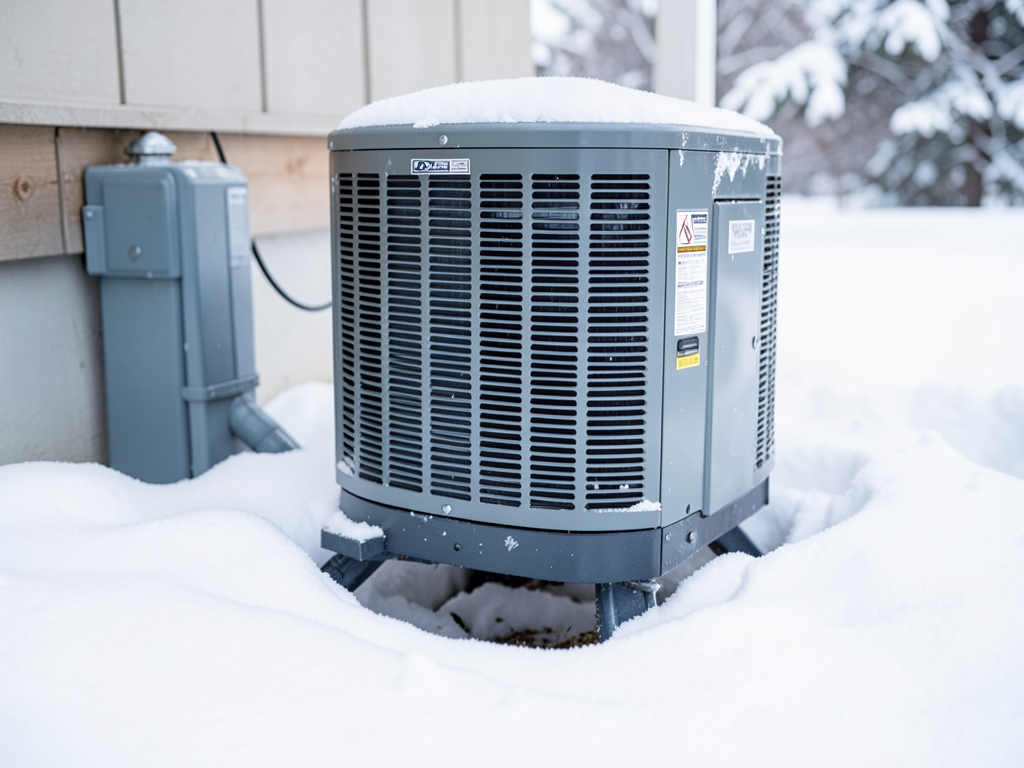
The technology has evolved significantly. Modern cold-climate heat pumps can extract heat from outdoor air even when temperatures drop to -13°F, making them viable for Wisconsin winters. When combined with We Energies’ net metering program, excess summer solar production offsets winter electricity usage, creating a balanced annual energy profile. Outdoor Unit Not Spinning.
However, Milwaukee’s climate creates specific performance patterns. During January’s polar vortex events, when temperatures stay below zero for days and solar production drops to 20-30% of summer output, most solar HVAC systems still draw from the grid. The key is sizing your system to minimize this grid dependency while maintaining comfort during extreme events.

Diagnostic Note: When evaluating solar HVAC feasibility, technicians use a heat load calculation specific to Milwaukee’s climate data. This factors in our 7,000+ heating degree days and 1,000+ cooling degree days, plus the additional humidity load from Lake Michigan. A proper calculation shows whether your roof orientation and shading from mature trees in neighborhoods like Shorewood or Whitefish Bay will support adequate solar production.
Key Benefits: Energy Independence and Lower Utility Bills in Milwaukee
The primary advantage of solar HVAC is protection against rising utility rates. We Energies has requested rate increases that would add approximately $9 per month to the average residential bill. With solar powering your HVAC system, you’re insulated from these increases while reducing your carbon footprint.
Energy independence takes different forms in Milwaukee. A properly sized system can eliminate 70-90% of your annual HVAC electricity usage, with the remainder coming from the grid during low-production winter months. This is different from off-grid systems popular in sunnier states, as our winter solar availability makes complete disconnection impractical.
The financial benefits compound over time. With the current 30% federal solar tax credit under the Inflation Reduction Act, plus Wisconsin’s Focus on Energy rebates for heat pumps, the upfront investment becomes more manageable. Many Milwaukee homeowners see payback periods of 7-10 years, after which the system generates free heating and cooling for its 15-20 year lifespan. Focus on Energy Wisconsin Rebates.
Beyond direct savings, solar HVAC increases home value. Energy-efficient homes in Milwaukee’s competitive market often sell faster and at premiums of 3-5% compared to similar properties without solar. This is particularly relevant in historic neighborhoods where buyers appreciate modern efficiency upgrades that preserve architectural character. What to Do When Your Historic East Side Home’s Boiler Stops Working.
Federal and Wisconsin Solar Incentives (Focus on Energy & IRA)
Milwaukee homeowners have access to multiple incentive layers that make solar HVAC more affordable. The federal Investment Tax Credit (ITC) provides a 30% credit on the total system cost, including both solar panels and the heat pump equipment. This credit applies to your federal taxes and can be carried forward if you don’t have enough tax liability in the installation year.
Wisconsin’s Focus on Energy program offers additional rebates specifically for high-efficiency heat pumps. Current incentives include up to $500 for air source heat pumps meeting minimum efficiency standards, with additional amounts for cold-climate models that perform well in our sub-zero temperatures. These rebates are separate from the federal credit and can be combined.
We Energies also provides specific solar incentives through their Renewable Energy Program. While net metering policies have evolved, the utility still offers favorable terms for residential solar installations, allowing you to receive credit for excess production at near-retail rates. This is crucial for Milwaukee solar HVAC systems that produce surplus energy during summer months.
Code Requirement: All solar HVAC installations in Milwaukee must comply with Wisconsin Uniform Dwelling Code Section Comm 22 for mechanical systems and the National Electrical Code Article 690 for solar photovoltaic systems. Local permitting through the City of Milwaukee’s Development Center adds approximately 2-3 weeks to project timelines.
Comparing Hybrid vs. Off-Grid Solar HVAC Systems
Milwaukee’s climate makes true off-grid solar HVAC systems impractical for most homeowners. The combination of long winter nights, frequent cloud cover, and extreme temperature swings means you’d need an enormous solar array and battery bank to maintain comfort during a typical January polar vortex event.
Hybrid systems are the practical choice for Milwaukee. These systems use solar as the primary power source but maintain grid connection for backup during low-production periods. The economics favor this approach because you avoid the massive battery costs required for true off-grid operation while still achieving 70-90% energy independence.
Battery storage adds another dimension to hybrid systems. A Tesla Powerwall or Enphase battery can store excess solar production for use during evening hours or brief grid outages. In Milwaukee, where summer thunderstorms can cause temporary power interruptions, this provides both energy independence and reliability benefits.
The decision between hybrid and off-grid depends on your specific situation. If you’re in a Milwaukee neighborhood with frequent power reliability issues, or if you’re building in a developing area where grid connection is expensive, off-grid might make sense despite the higher costs. For most existing homes in established areas, hybrid systems offer the best balance of performance and economics. Why Your Bay View Bungalow Might Benefit from a Ductless Mini Split System.
Why Milwaukee Homeowners are Switching to Solar-Ready Heat Pumps
The convergence of rising energy costs, improved heat pump technology, and attractive incentives has created perfect conditions for solar HVAC adoption in Milwaukee. Local contractors report a 40% increase in solar-ready heat pump inquiries over the past two years, with most interest coming from homeowners in areas like Wauwatosa, Whitefish Bay, and the East Side.
Milwaukee’s aging housing stock creates both challenges and opportunities. Many homes built before 1970 have inefficient HVAC systems that are prime candidates for replacement. When these systems fail during extreme weather events, homeowners are increasingly considering solar-ready heat pumps as a forward-looking solution rather than just replacing like-for-like equipment.
The technology addresses Milwaukee’s specific climate challenges. Cold-climate heat pumps with variable-speed compressors maintain efficiency even in our coldest weather, while smart controls optimize solar usage patterns. Some systems can even predict weather patterns and adjust operation to maximize solar utilization.
Commercial applications are also growing. Milwaukee businesses with large rooftop areas are finding that solar HVAC provides both operational savings and marketing benefits as customers increasingly value sustainability. The same principles apply whether you’re heating a Bay View bungalow or cooling a commercial space near the Milwaukee Art Museum.
Diagnostic Test: Before committing to solar HVAC, technicians perform a detailed site assessment including shading analysis using solar pathfinders, electrical panel capacity evaluation, and roof structural assessment. This identifies potential obstacles like mature trees common in Milwaukee’s older neighborhoods or the need for electrical service upgrades in homes with aging infrastructure.
Frequently Asked Questions
How much does a solar HVAC system cost in Milwaukee?
A complete solar HVAC system for a typical Milwaukee home ranges from $25,000 to $45,000 before incentives. This includes a 5-7 kW solar array and a cold-climate heat pump system. After the 30% federal tax credit and Focus on Energy rebates, net costs typically fall to $15,000-$30,000.
Can solar power my furnace during a Wisconsin winter?
Yes, but with limitations. Solar HVAC systems can power high-efficiency heat pumps throughout most of the winter. During extreme cold snaps when solar production is low, the system draws from the grid. Most Milwaukee homeowners achieve 70-90% solar-powered heating annually.
How long do solar HVAC systems last in Milwaukee’s climate?
Solar panels typically last 25-30 years with minimal degradation. Heat pumps generally need replacement after 15-20 years. Milwaukee’s climate, with its temperature extremes and humidity, may slightly reduce equipment lifespan compared to milder regions, but modern equipment is designed for these conditions.
Do I need to replace my roof before installing solar panels?
If your roof is more than 15 years old or shows signs of wear, replacement before solar installation is recommended. Milwaukee’s heavy snowfall and freeze-thaw cycles can stress aging roofs. Many solar installers offer bundled roof replacement services. Fast AC Repair Services for Shorewood Residents Who Need Relief from the Humidity.
What happens when the power goes out?
Standard grid-tied solar systems shut down during outages for safety. With battery backup, you can maintain critical loads including HVAC during brief outages. For extended outages during extreme weather, a generator backup is still recommended even with solar battery storage.
Making the Right Choice for Your Milwaukee Home
Solar-powered HVAC represents a significant investment but offers compelling benefits for Milwaukee homeowners. The combination of rising utility rates, available incentives, and improving technology makes now an excellent time to consider this option.
The key is getting accurate information specific to your situation. A proper site assessment will evaluate your roof’s solar potential, your home’s energy usage patterns, and the specific incentives available for your address. This analysis typically takes 1-2 hours and provides the foundation for informed decision-making.
Milwaukee’s unique climate and utility structure mean that solar HVAC solutions that work in Phoenix or even Chicago need customization for our conditions. Working with local contractors who understand these nuances ensures you get a system designed for Wisconsin’s specific challenges rather than a generic solution.
Whether you’re motivated by environmental concerns, energy independence, or long-term cost savings, solar HVAC can deliver results. The technology has matured to the point where it’s no longer a question of possibility but rather one of optimization for your specific home and goals.
Ready to explore solar HVAC for your Milwaukee home? Call (414) 387-8977 today to schedule your free site assessment and learn exactly how much you could save with a system designed for our local conditions.
Don’t wait for the next utility rate increase or equipment failure. Pick up the phone and call (414) 387-8977 before the next polar vortex hits. Our Milwaukee-based team will show you exactly how solar HVAC can work for your specific home and budget. For more information, visit U.S. Department of Energy Solar Information.
You may also find this helpful. How to Keep Your Home Gym in Westown Cool Without Spiking Your Electric Bill.
{
“@context”: “https://schema.org”,
“@type”: “BlogPosting”,
“headline”: “Can You Actually Run Your Entire Milwaukee Heating and Cooling System on Solar?”,
“description”: “Discover if solar-powered HVAC is realistic for Milwaukee homes. Learn about We Energies net metering, Focus on Energy rebates, and cold-climate heat pump performance.”,
“wordCount”: 1834,
“datePublished”: “2026-05-22T12:25:00.000Z”,
“dateModified”: “2026-05-22T12:25:00.000Z”,
“inLanguage”: “en-US”,
“mainEntityOfPage”: {
“@type”: “WebPage”,
“@id”: “https://firstchoicehvacmilwaukee.com”
},
“publisher”: {
“@type”: “LocalBusiness”,
“name”: “First Choice HVAC Milwaukee”,
“url”: “https://firstchoicehvacmilwaukee.com”
},
“author”: {
“@type”: “Organization”,
“name”: “First Choice HVAC Milwaukee”,
“url”: “https://firstchoicehvacmilwaukee.com”
},
“image”: {
“@type”: “ImageObject”,
“url”: “https://firstchoicehvacmilwaukee.com/wp-content/uploads/2026/03/can-you-actually-run-your-entire-milwaukee-heating-1.png”
}
}
{
“@context”: “https://schema.org”,
“@type”: “HVACBusiness”,
“name”: “First Choice HVAC Milwaukee”,
“url”: “https://firstchoicehvacmilwaukee.com”,
“address”: {
“@type”: “PostalAddress”,
“addressLocality”: “Milwaukee”
},
“areaServed”: {
“@type”: “City”,
“name”: “Milwaukee”
}
}
{
“@context”: “https://schema.org”,
“@type”: “FAQPage”,
“mainEntity”: [
{
“@type”: “Question”,
“name”: “How much does a solar HVAC system cost in Milwaukee?”,
“acceptedAnswer”: {
“@type”: “Answer”,
“text”: “A complete solar HVAC system for a typical Milwaukee home ranges from $25,000 to $45,000 before incentives. This includes a 5-7 kW solar array and a cold-climate heat pump system. After the 30% federal tax credit and Focus on Energy rebates, net costs typically fall to $15,000-$30,000.”
}
},
{
“@type”: “Question”,
“name”: “Can solar power my furnace during a Wisconsin winter?”,
“acceptedAnswer”: {
“@type”: “Answer”,
“text”: “Yes, but with limitations. Solar HVAC systems can power high-efficiency heat pumps throughout most of the winter. During extreme cold snaps when solar production is low, the system draws from the grid. Most Milwaukee homeowners achieve 70-90% solar-powered heating annually.”
}
},
{
“@type”: “Question”,
“name”: “How long do solar HVAC systems last in Milwaukee’s climate?”,
“acceptedAnswer”: {
“@type”: “Answer”,
“text”: “Solar panels typically last 25-30 years with minimal degradation. Heat pumps generally need replacement after 15-20 years. Milwaukee’s climate, with its temperature extremes and humidity, may slightly reduce equipment lifespan compared to milder regions, but modern equipment is designed for these conditions.”
}
},
{
“@type”: “Question”,
“name”: “Do I need to replace my roof before installing solar panels?”,
“acceptedAnswer”: {
“@type”: “Answer”,
“text”: “If your roof is more than 15 years old or shows signs of wear, replacement before solar installation is recommended. Milwaukee’s heavy snowfall and freeze-thaw cycles can stress aging roofs. Many solar installers offer bundled roof replacement services. Fast AC Repair Services for Shorewood Residents Who Need Relief from the Humidity.”
}
},
{
“@type”: “Question”,
“name”: “What happens when the power goes out?”,
“acceptedAnswer”: {
“@type”: “Answer”,
“text”: “Standard grid-tied solar systems shut down during outages for safety. With battery backup, you can maintain critical loads including HVAC during brief outages. For extended outages during extreme weather, a generator backup is still recommended even with solar battery storage.”
}
}
]
}
{
“@context”: “https://schema.org”,
“@type”: “BreadcrumbList”,
“itemListElement”: [
{
“@type”: “ListItem”,
“position”: 1,
“name”: “Home”,
“item”: “https://firstchoicehvacmilwaukee.com”
},
{
“@type”: “ListItem”,
“position”: 2,
“name”: “Blog”,
“item”: “https://firstchoicehvacmilwaukee.com/blog”
},
{
“@type”: “ListItem”,
“position”: 3,
“name”: “Can You Actually Run Your Entire Milwaukee Heating and Cooling System on Solar?”
}
]
}
{
“@context”: “https://schema.org”,
“@type”: “Service”,
“serviceType”: “HVAC”,
“provider”: {
“@type”: “LocalBusiness”,
“name”: “First Choice HVAC Milwaukee”,
“url”: “https://firstchoicehvacmilwaukee.com”
},
“areaServed”: {
“@type”: “City”,
“name”: “Milwaukee”
},
“description”: “Discover if solar-powered HVAC is realistic for Milwaukee homes. Learn about We Energies net metering, Focus on Energy rebates, and cold-climate heat pump performance.”
}