
Choosing the Most Efficient Heating System for an Accessory Dwelling Unit in Dousman
Heating an Accessory Dwelling Unit in Dousman requires careful planning to handle Wisconsin’s extreme winters while maximizing energy efficiency. The right system balances upfront costs with long-term savings and ensures comfort during polar vortex conditions. This guide covers the most efficient heating options for ADUs in Dousman’s Zone 6 climate, local building requirements, and available rebates. Wisconsin Department of Safety and Professional Services.
Why ADU Heating is Different in Wisconsin
Dousman sits in USDA Plant Hardiness Zone 6a where winter temperatures regularly drop below zero. This creates unique challenges for heating small, detached spaces like ADUs. Standard heat pumps struggle when outdoor temperatures fall below 25°F, but Dousman homeowners need systems that perform at -13°F or colder. Outdoor Unit Not Spinning.
ADUs also have distinct heating needs compared to main homes. Their smaller square footage means less heat loss but also requires precise sizing to avoid short cycling. Many Dousman ADUs lack traditional ductwork making ductless options more practical. The building envelope must meet Wisconsin Uniform Dwelling Code requirements with proper insulation levels to prevent heat loss through walls and ceilings.. Read more about HVAC Strategies for Multi-Generational Homes in Greenfield to Keep Everyone Comfortable.
Golden Nugget: Dousman’s clay-heavy soil affects ground-source heat pump installation costs. The dense soil requires specialized drilling equipment and longer installation times compared to sandy soils found in other parts of Wisconsin.
Top 4 Heating Systems for Milwaukee Accessory Dwelling Units
Selecting the right heating system depends on your ADU’s size, insulation quality, and whether you have access to natural gas. Here are the four most efficient options for Dousman’s climate. New HVAC System Cost 2026.
| System Type | Efficiency (HSPF2) | Best For | Installation Cost Range |
|---|---|---|---|
| Cold Climate Mini-Split | 10-12 | Well-insulated ADUs up to 1,000 sq ft | $4,500 – $7,500 |
| High-Efficiency Propane Furnace | 95-98% AFUE | ADUs without natural gas access | $3,200 – $5,800 |
| Electric Radiant Floor | N/A | Bathrooms and small spaces | $8 – $15 per sq ft |
| Hybrid Heat Pump System | 9-11 (heat pump) + 95% (furnace) | Large ADUs in extreme cold | $6,000 – $10,000 |
Cold Climate Mini-Split Heat Pumps
Cold climate mini-splits represent the most efficient heating option for most Dousman ADUs. These systems use inverter-driven compressors that maintain heating capacity down to -13°F. Unlike standard heat pumps that rely on electric resistance backup, cold climate models continue extracting heat from outdoor air even in extreme cold.
The key specification to look for is HSPF2 rating of 10 or higher. This measures heating efficiency across the entire heating season. Higher ratings mean lower operating costs. Most cold climate mini-splits also offer SEER2 ratings above 18 for efficient cooling during summer months. Cooling Tower Services.
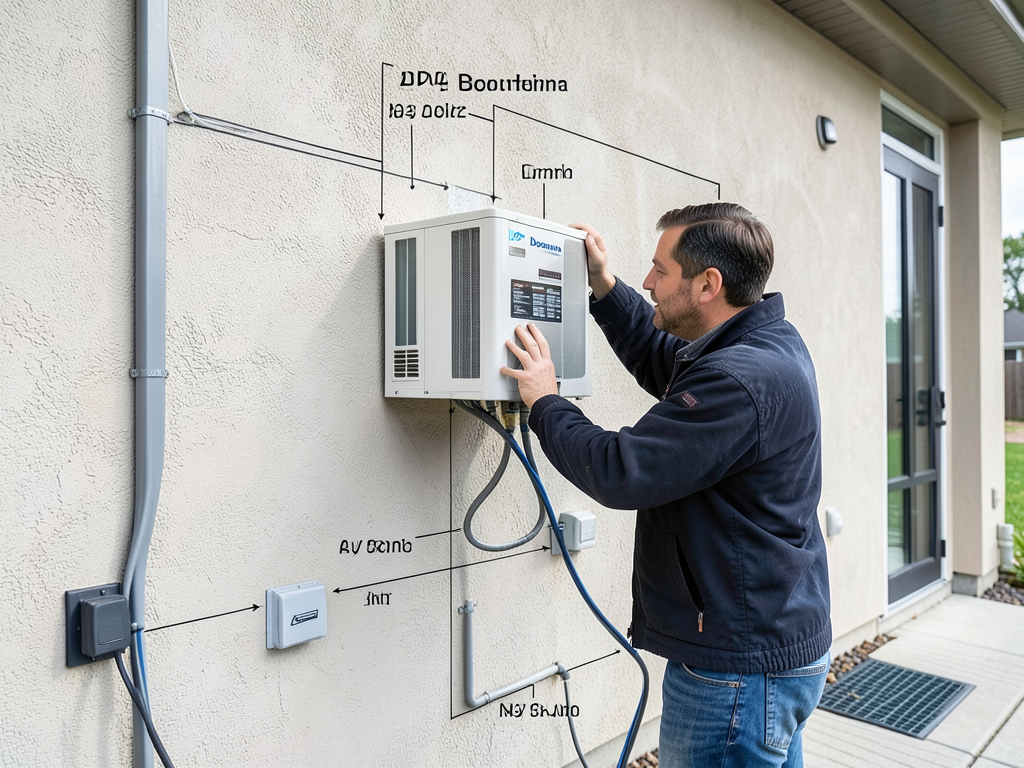
Installation requires mounting an outdoor condenser unit and one or more indoor air handlers. The lack of ductwork eliminates energy losses from leaky ducts and allows room-by-room temperature control. This zoning capability is particularly valuable in ADUs where different areas may have varying heating needs.
High-Efficiency Propane Furnaces
Propane furnaces provide reliable heating when natural gas isn’t available. Modern condensing propane furnaces achieve 95-98% efficiency by capturing heat from exhaust gases that older units wasted. This means nearly all the fuel’s energy converts to heat for your ADU.
Propane works well in Dousman’s rural areas where natural gas lines don’t reach. A 500-gallon underground tank provides fuel for an entire heating season. The upfront cost is lower than heat pumps but operating costs depend on propane prices which fluctuate seasonally.. Read more about Can You Actually Run Your Entire Milwaukee Heating and Cooling System on Solar?.
Propane furnaces require proper venting and combustion air supply. In tight ADU construction, sealed combustion units draw air directly from outside preventing negative pressure issues. This is critical in small spaces where indoor air quality matters.
Electric Radiant Floor Heating
Electric radiant floor heating offers luxury comfort for specific areas like bathrooms or bedrooms. The system installs beneath floor coverings using electric resistance cables or mats. While not the most efficient whole-house solution, radiant heat provides even warmth without blowing air.
Operating costs run higher than heat pumps but the comfort level is superior. Floor temperatures stay between 80-85°F providing gentle heat that rises naturally. This works well in Dousman’s cold winters where cold floors make spaces feel uncomfortable even when air temperature is adequate.
Radiant systems pair well with mini-splits for a hybrid approach. Use radiant heat in primary living areas and mini-splits for backup or whole-space heating. This combination maximizes both comfort and efficiency.
Hybrid Heat Pump Systems
Hybrid systems combine an air-source heat pump with a gas or propane furnace. The heat pump handles heating when outdoor temperatures stay above 35°F. When temperatures drop below the balance point, the system automatically switches to the furnace.
This approach maximizes efficiency by using the most cost-effective fuel source at any given time. In Dousman’s climate, the heat pump handles most heating loads while the furnace provides backup during extreme cold snaps. The transition between modes is seamless and invisible to occupants.
Hybrid systems cost more upfront but can reduce operating costs by 30-40% compared to single-fuel systems. They also provide cooling capability making them year-round solutions for ADUs.
Sizing Your System: The Manual J Calculation for ADUs
Proper system sizing prevents both discomfort and wasted energy. An oversized system short cycles causing temperature swings and reduced efficiency. An undersized system runs constantly struggling to maintain comfort.
Manual J load calculations determine exact heating requirements based on your ADU’s specific characteristics. The calculation considers square footage, ceiling height, insulation levels, window area, orientation, and local climate data. For Dousman, we use ASHRAE design temperatures of -13°F for heating design conditions.
Small ADUs between 400-800 square feet typically need 15,000-25,000 BTU heating capacity. However, modern construction with R-20+ walls and R-49 ceilings may require less. The calculation must account for internal heat gains from appliances and occupants which can reduce heating needs.
Golden Nugget: Many Dousman ADUs built in the 2020s use Structural Insulated Panels (SIPs) construction. These panels provide R-25+ insulation in 4.5-inch walls, significantly reducing heating loads compared to traditional stick-frame construction.
Milwaukee Building Codes & Permit Requirements
Installing heating systems in Dousman ADUs requires compliance with Wisconsin Uniform Dwelling Code (UDC) and specific local requirements. The Village of Dousman follows these codes strictly for all new construction and major renovations.
Mechanical, Electrical, and Plumbing (MEP) permits are mandatory for all heating installations. The permit process ensures proper venting, combustion air supply, and electrical connections meet safety standards. For gas appliances, additional gas line permits may be required.
Wisconsin UDC requires minimum insulation levels that directly impact heating efficiency. Exterior walls must achieve R-20 minimum, ceilings R-38 minimum, and floors over unconditioned spaces R-30 minimum. These requirements help reduce heating loads and allow smaller, more efficient equipment.
Clearances around heating equipment matter for safety and service access. Furnaces and boilers need 30 inches of front clearance and 6 inches on sides and back. Mini-split outdoor units require 12 inches clearance from walls and 60 inches above the unit for proper airflow.
Golden Nugget: Dousman’s building department requires HVAC contractors to be Wisconsin Department of Safety and Professional Services (DSPS) licensed. This ensures technicians understand local codes and safety requirements specific to Wisconsin’s climate.
Cost vs. Long-term Savings & Rebates
Heating system costs vary widely based on equipment type, efficiency level, and installation complexity. Understanding both upfront costs and long-term operating expenses helps make informed decisions.
| System Type | Installation Cost | Annual Operating Cost* | Payback Period |
|---|---|---|---|
| Cold Climate Mini-Split | $4,500 – $7,500 | $350 – $500 | 5-7 years |
| High-Efficiency Propane Furnace | $3,200 – $5,800 | $600 – $800 | 7-10 years |
| Electric Radiant Floor | $1,500 – $3,000 | $400 – $600 | 10-15 years |
| Hybrid System | $6,000 – $10,000 | $300 – $450 | 4-6 years |
*Based on 800 sq ft ADU, 2,000 heating degree days, current utility rates
Focus on Energy, Wisconsin’s statewide energy efficiency program, offers rebates that significantly reduce upfront costs. Current rebates include up to $1,200 for qualifying cold climate heat pumps and $400 for high-efficiency propane furnaces. These rebates require installation by participating contractors and meeting specific efficiency criteria. Focus on Energy Wisconsin rebates.
Federal tax credits under the Inflation Reduction Act provide additional savings. The 25C credit offers 30% of installation costs up to $2,000 for qualifying heat pumps and other energy-efficient equipment. These credits apply to both equipment and installation labor.
Local utility rebates through We Energies and other providers may offer additional incentives. These vary by utility territory and change annually. Some utilities also provide special rates for electric heating systems during off-peak hours.
Indoor Air Quality Considerations for ADUs
Tightly sealed ADUs require attention to indoor air quality. Without proper ventilation, moisture from cooking, bathing, and breathing can create condensation problems. This leads to mold growth and poor air quality.
Heat recovery ventilators (HRVs) or energy recovery ventilators (ERVs) provide fresh air while recovering heat from exhaust air. These systems use 70-80% of the heat that would otherwise be lost through ventilation. In Dousman’s cold climate, this heat recovery significantly reduces heating costs.
Humidity control matters in both winter and summer. Winter air is naturally dry, requiring humidifiers to maintain 30-40% relative humidity. Summer humidity requires dehumidification to prevent mold growth. Many modern mini-splits include built-in dehumidification modes.
Air filtration becomes more important in small spaces where pollutants concentrate quickly. HEPA filtration removes allergens, while activated carbon filters remove odors and volatile organic compounds. Clean air contributes to both comfort and health in ADU living spaces.
Maintenance Requirements for ADU Heating Systems
Regular maintenance ensures heating systems operate efficiently and last their full lifespan. Mini-splits require cleaning filters every 1-3 months and professional coil cleaning annually. Dirty filters reduce efficiency by up to 15% and can cause system failures. Who to Call for Honest and Professional Furnace Repair in West Allis.
Propane furnaces need annual inspections to check heat exchangers, burners, and venting systems. Carbon monoxide detectors provide safety backup for any combustion heating system. Test detectors monthly and replace batteries annually.
Electric radiant systems require minimal maintenance beyond checking thermostat operation. However, floor coverings must allow proper heat transfer. Thick carpets can reduce system efficiency by trapping heat.
Hybrid systems need both heat pump and furnace maintenance schedules followed. The control system automatically switches between modes but requires occasional calibration to ensure optimal performance.
Making the Right Choice for Your Dousman ADU
The best heating system for your ADU depends on several factors. Start by determining your budget, both upfront and long-term. Consider whether you have natural gas access or will need propane or all-electric solutions.
Evaluate your ADU’s construction quality. Well-insulated buildings with SIPs or advanced framing may work well with mini-splits. Older construction might benefit from the consistent heat of a furnace system. Why Your Bay View Bungalow Might Benefit from a Ductless Mini Split System.
Think about your usage patterns. If you’ll use the ADU year-round, a system with cooling capability makes sense. If it’s seasonal, you might prioritize lower upfront costs over efficiency.. Read more about The Best Way to Heat and Cool a Four Season Sunroom in Brookfield.
Consider future plans. If you might expand the ADU later, choose a system that can handle increased loads. If you plan to sell, energy-efficient systems often increase property value.
Golden Nugget: Dousman experiences more temperature swings than coastal areas due to its inland location. This means heating systems need to handle rapid temperature changes, making systems with good modulation capability more effective.
Frequently Asked Questions
What size heating system do I need for a 600 square foot ADU in Dousman?
A 600 square foot ADU typically needs 18,000-22,000 BTU heating capacity. However, actual requirements depend on insulation levels, ceiling height, and window area. A Manual J calculation provides exact sizing. Well-insulated modern construction might need less, while older buildings might need more.
Are heat pumps effective in Dousman’s cold winters?
Yes, but only cold climate models work effectively. Standard heat pumps lose capacity below 25°F. Cold climate mini-splits maintain heating output down to -13°F or lower. Look for HSPF2 ratings above 10 and check manufacturer performance charts for low-temperature operation.
How much do Focus on Energy rebates reduce heating system costs?
Focus on Energy rebates typically reduce costs by $400-$1,200 depending on the system. Cold climate heat pumps qualify for up to $1,200 while high-efficiency furnaces get up to $400. These rebates require installation by certified contractors and meeting specific efficiency standards.
Do I need a permit to install heating in my Dousman ADU?
Yes, mechanical permits are required for all heating installations in Dousman. The Village follows Wisconsin UDC requirements. Permits ensure proper installation, venting, and safety compliance. Unpermitted work can cause insurance issues and complicate future property sales.
Should I choose propane or electric heating for my ADU?
Choose propane if you need high heat output and have access to propane delivery. Propane furnaces provide reliable heat even in extreme cold. Choose electric if you prefer simplicity and can use efficient heat pumps. Electric systems have lower maintenance but may cost more to operate depending on utility rates.
Ready to Heat Your ADU Efficiently?
Choosing the right heating system for your Dousman ADU affects your comfort, energy bills, and property value for years to come. The extreme Wisconsin winters demand equipment that performs when temperatures plummet below zero.
Our NATE-certified technicians understand Dousman’s specific heating challenges and building code requirements. We’ll help you select the most efficient system for your budget and usage patterns, handle all permit requirements, and maximize available rebates.
Don’t wait until winter arrives. Call (414) 387-8977 today to schedule your free ADU heating consultation. We’ll assess your space, discuss options, and provide a detailed quote with all available rebates factored in. Your comfort is our priority.
Pick up the phone and call (414) 387-8977 before the next cold snap hits. Our team is ready to help you stay warm all winter long.
You may also find this helpful. Smart HVAC Strategies for Airbnb Hosts in the Lower East Side to Keep Costs Down.
{
“@context”: “https://schema.org”,
“@type”: “BlogPosting”,
“headline”: “Choosing the Most Efficient Heating System for an Accessory Dwelling Unit in Dousman”,
“description”: “Find the best heating options for your Dousman ADU. Learn about cold-climate heat pumps, local codes, and Focus on Energy rebates from Milwaukee HVAC experts.”,
“wordCount”: 2282,
“datePublished”: “2026-05-19T06:28:00.000Z”,
“dateModified”: “2026-05-19T06:28:00.000Z”,
“inLanguage”: “en-US”,
“mainEntityOfPage”: {
“@type”: “WebPage”,
“@id”: “https://firstchoicehvacmilwaukee.com”
},
“publisher”: {
“@type”: “LocalBusiness”,
“name”: “First Choice HVAC Milwaukee”,
“url”: “https://firstchoicehvacmilwaukee.com”
},
“author”: {
“@type”: “Organization”,
“name”: “First Choice HVAC Milwaukee”,
“url”: “https://firstchoicehvacmilwaukee.com”
},
“image”: {
“@type”: “ImageObject”,
“url”: “https://firstchoicehvacmilwaukee.com/wp-content/uploads/2026/03/choosing-the-most-efficient-heating-system-for-an-1.png”
}
}
{
“@context”: “https://schema.org”,
“@type”: “HVACBusiness”,
“name”: “First Choice HVAC Milwaukee”,
“url”: “https://firstchoicehvacmilwaukee.com”,
“address”: {
“@type”: “PostalAddress”,
“addressLocality”: “Milwaukee”
},
“areaServed”: {
“@type”: “City”,
“name”: “Milwaukee”
}
}
{
“@context”: “https://schema.org”,
“@type”: “FAQPage”,
“mainEntity”: [
{
“@type”: “Question”,
“name”: “What size heating system do I need for a 600 square foot ADU in Dousman?”,
“acceptedAnswer”: {
“@type”: “Answer”,
“text”: “A 600 square foot ADU typically needs 18,000-22,000 BTU heating capacity. However, actual requirements depend on insulation levels, ceiling height, and window area. A Manual J calculation provides exact sizing. Well-insulated modern construction might need less, while older buildings might need more.”
}
},
{
“@type”: “Question”,
“name”: “Are heat pumps effective in Dousman’s cold winters?”,
“acceptedAnswer”: {
“@type”: “Answer”,
“text”: “Yes, but only cold climate models work effectively. Standard heat pumps lose capacity below 25°F. Cold climate mini-splits maintain heating output down to -13°F or lower. Look for HSPF2 ratings above 10 and check manufacturer performance charts for low-temperature operation.”
}
},
{
“@type”: “Question”,
“name”: “How much do Focus on Energy rebates reduce heating system costs?”,
“acceptedAnswer”: {
“@type”: “Answer”,
“text”: “Focus on Energy rebates typically reduce costs by $400-$1,200 depending on the system. Cold climate heat pumps qualify for up to $1,200 while high-efficiency furnaces get up to $400. These rebates require installation by certified contractors and meeting specific efficiency standards.”
}
},
{
“@type”: “Question”,
“name”: “Do I need a permit to install heating in my Dousman ADU?”,
“acceptedAnswer”: {
“@type”: “Answer”,
“text”: “Yes, mechanical permits are required for all heating installations in Dousman. The Village follows Wisconsin UDC requirements. Permits ensure proper installation, venting, and safety compliance. Unpermitted work can cause insurance issues and complicate future property sales.”
}
},
{
“@type”: “Question”,
“name”: “Should I choose propane or electric heating for my ADU?”,
“acceptedAnswer”: {
“@type”: “Answer”,
“text”: “Choose propane if you need high heat output and have access to propane delivery. Propane furnaces provide reliable heat even in extreme cold. Choose electric if you prefer simplicity and can use efficient heat pumps. Electric systems have lower maintenance but may cost more to operate depending on utility rates.”
}
},
{
“@type”: “Question”,
“name”: “Ready to Heat Your ADU Efficiently?”,
“acceptedAnswer”: {
“@type”: “Answer”,
“text”: “Choosing the right heating system for your Dousman ADU affects your comfort, energy bills, and property value for years to come. The extreme Wisconsin winters demand equipment that performs when temperatures plummet below zero.”
}
}
]
}
{
“@context”: “https://schema.org”,
“@type”: “BreadcrumbList”,
“itemListElement”: [
{
“@type”: “ListItem”,
“position”: 1,
“name”: “Home”,
“item”: “https://firstchoicehvacmilwaukee.com”
},
{
“@type”: “ListItem”,
“position”: 2,
“name”: “Blog”,
“item”: “https://firstchoicehvacmilwaukee.com/blog”
},
{
“@type”: “ListItem”,
“position”: 3,
“name”: “Choosing the Most Efficient Heating System for an Accessory Dwelling Unit in Dousman”
}
]
}
{
“@context”: “https://schema.org”,
“@type”: “Service”,
“serviceType”: “HVAC”,
“provider”: {
“@type”: “LocalBusiness”,
“name”: “First Choice HVAC Milwaukee”,
“url”: “https://firstchoicehvacmilwaukee.com”
},
“areaServed”: {
“@type”: “City”,
“name”: “Milwaukee”
},
“description”: “Find the best heating options for your Dousman ADU. Learn about cold-climate heat pumps, local codes, and Focus on Energy rebates from Milwaukee HVAC experts.”
}