
Cool Your Historic Brewer’s Hill Home Without Ruining the Architecture
Your 1920s Cream City brick home deserves modern comfort without sacrificing its historic character. High-velocity air conditioning systems offer a solution that preserves original plaster walls, crown molding, and woodwork while delivering efficient cooling for Milwaukee’s humid summers. What to Do When Your Historic East Side Home’s Boiler Stops Working.
Brewer’s Hill homeowners face a unique challenge. Traditional ductwork requires extensive demolition that destroys the very features that make these homes special. High-velocity systems solve this by using flexible 2-inch ducts that snake through existing wall cavities, delivering cooling through small outlets that blend seamlessly with your home’s architecture. Cooling Tower Services.
The technology works through aspiration. Instead of blowing cold air directly into rooms, high-velocity systems create gentle currents that draw warm air back to the return, eliminating hot spots and cold drafts. This means your original woodwork stays intact while your entire home stays comfortable. New HVAC System Cost 2026.
Call (414) 387-8977 today to schedule your historic home cooling consultation.
How High-Velocity AC Preserves Your Home’s Character
Traditional central air requires 6-8 inch rigid ducts that demand major structural modifications. High-velocity systems use flexible tubing that fits through 2-inch openings, running behind baseboards or through attic spaces without touching your plaster walls.. Read more about Do You Really Need an Attic Fan for Your Butler Home This Summer?.
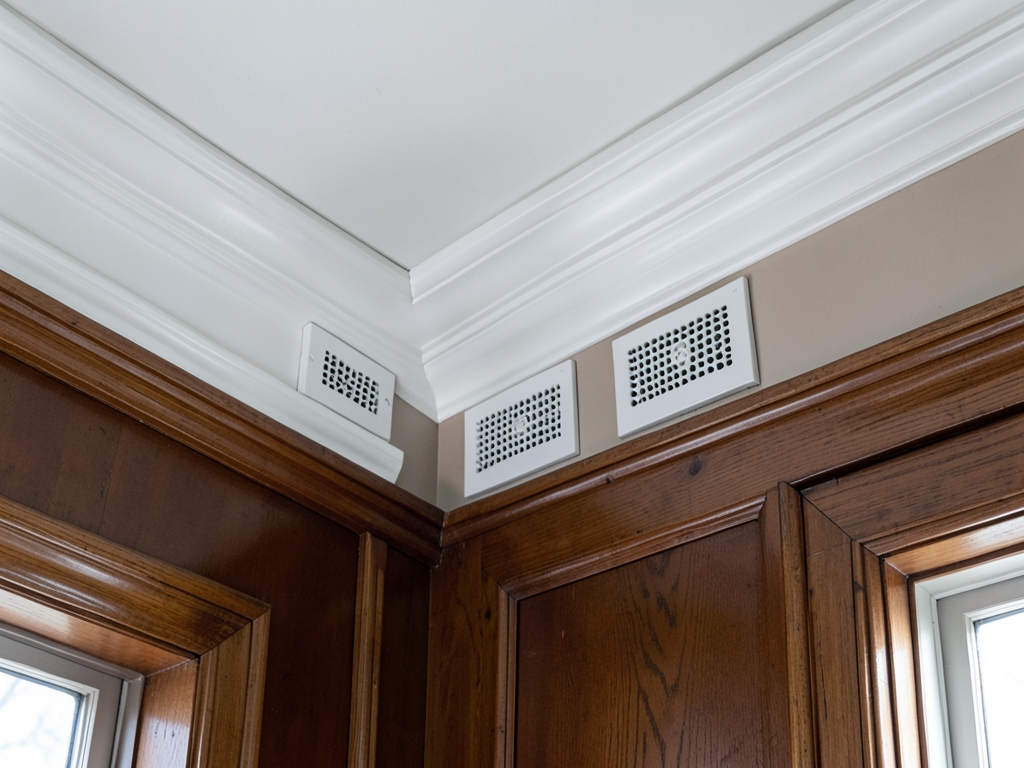
The outlets themselves become design features rather than eyesores. Round or slotted diffusers mount flush with walls or ceilings, painted to match your existing trim. Many homeowners position them to look like intentional architectural details rather than HVAC components.
Sound levels matter in historic homes where quiet is part of the charm. High-velocity blowers operate at 30-40 decibels – quieter than a whisper. You’ll hear the cooling, not the system.
Unico System vs SpacePak: Milwaukee’s Historic Home Experts
Both Unico and SpacePak manufacture systems specifically for older homes. Unico’s Aspiration technology creates air movement that feels natural rather than forced. SpacePak’s Hi-Velocity systems offer similar benefits with slightly different outlet designs. EPA Energy Star HVAC Equipment.
Unico systems typically install in 2-3 days versus 1-2 weeks for traditional ductwork. The compact air handler fits in closets or attic spaces, eliminating the need for large mechanical rooms that eat into your living space.
SpacePak outlets come in various styles including rectangular grilles that work well in Craftsman-style homes. Both brands offer Energy Star certified options that help reduce your carbon footprint while preserving your home’s historic integrity.
Comparison Table: High-Velocity vs Traditional Cooling
| Feature | High-Velocity AC | Traditional Ductwork |
|---|---|---|
| Duct Size | 2 inches flexible | 6-8 inches rigid |
| Installation Time | 2-3 days | 1-2 weeks |
| Wall Damage | Minimal | Extensive |
| Sound Level | 30-40 dB | 40-50 dB |
| Energy Efficiency | SEER2 16-21 | SEER2 14-18 |
Working With Your Existing Boiler System
Most Brewer’s Hill homes use hot water radiators for heating. High-velocity AC systems integrate seamlessly with these setups. The air handler mounts separately from your boiler, sharing the same thermostat for unified control.
Wisconsin’s climate demands both heating and cooling. High-velocity systems handle both seasons efficiently. During winter, your boiler provides radiant heat. In summer, the high-velocity system removes humidity while cooling, preventing the musty smells that plague older homes.
The aspiration effect also helps distribute heat from radiators more evenly in winter. Air movement prevents the stratification that makes some rooms feel colder than others.
Milwaukee’s Climate Challenges Solved
Milwaukee’s lake-effect humidity creates unique cooling challenges. Traditional window units struggle with moisture removal, leaving homes feeling clammy. High-velocity systems excel at dehumidification, removing 10-15% more moisture than conventional AC.
During those 90-degree summer days when Lake Michigan’s humidity spikes, your high-velocity system maintains consistent comfort without the temperature swings that stress older electrical systems. The variable-speed compressor adjusts output based on actual cooling demand rather than cycling on and off.
Freeze-thaw cycles that affect Milwaukee’s clay soil don’t impact high-velocity systems. The flexible ducts expand and contract without the cracking that can occur in rigid ductwork.
Installation Process: What to Expect
The process starts with a detailed home assessment. Technicians measure room volumes, evaluate existing electrical capacity, and plan duct routes that avoid structural elements. Most Brewer’s Hill homes complete installation in 3-5 days.
Day one involves mounting the air handler and running main trunk lines. Days two and three focus on connecting branch ducts to individual rooms. The final day includes system testing, outlet placement, and thermostat programming.
Your home stays livable during installation. Crews use drop cloths and HEPA filtration to contain dust. The loudest work – cutting access holes for outlets – happens early in the process.
Cost Factors for Historic Home Retrofits
High-velocity systems cost more upfront than traditional AC – typically $12,000-$18,000 for a 2,000 square foot home. However, the preservation benefits often justify the premium.
Factors affecting your specific cost include ceiling height (taller ceilings need more cooling capacity), number of stories (multi-level homes need additional zones), and existing electrical service (older homes may need panel upgrades).
Energy savings offset some costs. High-velocity systems use 20-30% less electricity than window units or portable ACs. Over 5-7 years, utility savings can recover 30-40% of the initial investment.
Energy Efficiency and Rebates
High-velocity systems qualify for Energy Star rebates and Wisconsin Focus on Energy incentives. Current programs offer $300-$500 rebates for systems meeting efficiency thresholds.
The Inflation Reduction Act provides federal tax credits for high-efficiency HVAC upgrades. Homeowners can claim 30% of installation costs up to $2,000, making high-velocity systems more affordable for historic preservation.
SEER2 ratings for high-velocity systems typically range from 16-21, exceeding Wisconsin’s minimum requirement of 14. Higher ratings mean lower operating costs and reduced environmental impact.
Maintenance for Long-Term Performance
High-velocity systems need less maintenance than traditional AC. Annual professional service includes checking refrigerant levels, cleaning the air handler, and inspecting ducts for obstructions. Who to Call for Honest and Professional Furnace Repair in West Allis.
Homeowners should replace filters every 3-6 months. The small size means filters cost less than standard furnace filters. Some systems use washable filters that last 5-10 years.
The aspiration effect keeps ducts cleaner than traditional systems. Less dust accumulation means fewer service calls and better indoor air quality for your family.
Real Brewer’s Hill Success Stories
A 1925 Colonial on North Avenue installed high-velocity AC last summer. The homeowners preserved their original oak woodwork while adding cooling to previously unconditioned second-floor bedrooms. Their energy bills dropped 22% compared to window units.
A Victorian on Brady Street chose high-velocity after getting quotes for traditional ductwork that would have required removing original plaster medallions. The small outlets now blend with the home’s intricate trim work.
A 1910 bungalow near Riverside Park added high-velocity AC without touching the original maple floors. The system handles both cooling and humidity control, eliminating the musty smell that plagued the home during summer months. Why Your Bay View Bungalow Might Benefit from a Ductless Mini Split System.
Common Questions From Brewer’s Hill Homeowners
Will high-velocity AC work in my attic? Yes. The compact air handler fits in attic spaces, and the flexible ducts run through existing cavities without requiring major structural changes.
Can I keep my radiators? Absolutely. High-velocity systems work alongside hot water heating. Many homeowners use the same thermostat to control both systems.
How long do these systems last? With proper maintenance, high-velocity AC systems typically operate 15-20 years, similar to traditional systems but with better energy efficiency throughout their lifespan.
What about winter operation? The air handler stays dormant during heating season. Your boiler provides heat as usual, with no impact on the AC system.. Read more about What to Do When Your Big Bend Neighbors Complain About Your Loud AC Unit.
Why Choose First Choice HVAC Milwaukee
We specialize in historic home cooling solutions throughout Milwaukee’s older neighborhoods. Our technicians understand the unique challenges of Cream City brick construction, plaster walls, and original woodwork.
We’re factory-trained on both Unico and SpacePak systems, ensuring proper installation the first time. Our detailed assessments include thermal imaging to identify the best duct routes without damaging your home’s historic fabric.
We handle all necessary permits through the City of Milwaukee’s Building Inspection Division. Our installations meet or exceed all Wisconsin Uniform Dwelling Code requirements for historic structures.
Call (414) 387-8977 today to schedule your historic home cooling consultation.
Making the Right Choice for Your Home
High-velocity AC represents an investment in both comfort and preservation. While the upfront cost exceeds window units or portable ACs, the benefits extend beyond cooling.
You’ll protect your home’s historic character while adding modern comfort. Energy savings and potential tax credits improve the long-term value proposition. Most importantly, you’ll enjoy consistent, quiet cooling without the visual impact of traditional ductwork.
Milwaukee’s historic districts deserve cooling solutions that respect their architectural heritage. High-velocity systems deliver that respect while providing the comfort your family deserves.
Ready to explore cooling options for your historic Brewer’s Hill home? Call (414) 387-8977 today. Our specialists will assess your home’s unique needs and recommend solutions that preserve its character while delivering modern comfort.
Don’t let another humid Milwaukee summer pass without proper cooling. Your home’s historic features deserve protection, and your family deserves comfort. Contact us now to schedule your consultation. For more information, visit Energy.gov Central Air Conditioning Guide.
{
“@context”: “https://schema.org”,
“@type”: “BlogPosting”,
“headline”: “Cool Your Historic Brewer’s Hill Home Without Ruining the Architecture”,
“description”: “Preserve your Brewer’s Hill home’s historic charm while adding modern cooling. Learn about high-velocity AC systems that work in older homes without damaging plaster walls.”,
“wordCount”: 1515,
“datePublished”: “2026-03-11T16:43:00.000Z”,
“dateModified”: “2026-03-11T16:43:00.000Z”,
“inLanguage”: “en-US”,
“mainEntityOfPage”: {
“@type”: “WebPage”,
“@id”: “https://firstchoicehvacmilwaukee.com”
},
“publisher”: {
“@type”: “LocalBusiness”,
“name”: “First Choice HVAC Milwaukee”,
“url”: “https://firstchoicehvacmilwaukee.com”
},
“author”: {
“@type”: “Organization”,
“name”: “First Choice HVAC Milwaukee”,
“url”: “https://firstchoicehvacmilwaukee.com”
},
“image”: {
“@type”: “ImageObject”,
“url”: “https://firstchoicehvacmilwaukee.com/wp-content/uploads/2026/03/cool-your-historic-brewer-s-hill-home-without-ruin-1.png”
}
}
{
“@context”: “https://schema.org”,
“@type”: “HVACBusiness”,
“name”: “First Choice HVAC Milwaukee”,
“url”: “https://firstchoicehvacmilwaukee.com”,
“address”: {
“@type”: “PostalAddress”,
“addressLocality”: “Milwaukee”
},
“areaServed”: {
“@type”: “City”,
“name”: “Milwaukee”
}
}
{
“@context”: “https://schema.org”,
“@type”: “BreadcrumbList”,
“itemListElement”: [
{
“@type”: “ListItem”,
“position”: 1,
“name”: “Home”,
“item”: “https://firstchoicehvacmilwaukee.com”
},
{
“@type”: “ListItem”,
“position”: 2,
“name”: “Blog”,
“item”: “https://firstchoicehvacmilwaukee.com/blog”
},
{
“@type”: “ListItem”,
“position”: 3,
“name”: “Cool Your Historic Brewer’s Hill Home Without Ruining the Architecture”
}
]
}
{
“@context”: “https://schema.org”,
“@type”: “Service”,
“serviceType”: “HVAC”,
“provider”: {
“@type”: “LocalBusiness”,
“name”: “First Choice HVAC Milwaukee”,
“url”: “https://firstchoicehvacmilwaukee.com”
},
“areaServed”: {
“@type”: “City”,
“name”: “Milwaukee”
},
“description”: “Preserve your Brewer’s Hill home’s historic charm while adding modern cooling. Learn about high-velocity AC systems that work in older homes without damaging plaster walls.”
}