
Everything You Should Know Before Replacing the Boiler in Your Walker’s Point Loft
Replacing a boiler in a Walker’s Point loft requires understanding the unique challenges of these historic industrial-to-residential conversions. From high ceilings and exposed brick walls to the specific heating demands of Milwaukee’s lake-effect climate making the right choice now prevents costly mistakes later. Milwaukee Department of Neighborhood Services.
Why Walker’s Point Lofts Need Special Boiler Considerations
Walker’s Point features many 19th and early 20th-century industrial buildings converted into modern lofts. These structures present distinct HVAC challenges that generic boiler installations do not address. The exposed brick walls while beautiful have poor insulation properties. High ceilings mean you heat more cubic feet of air than a standard home. Many lofts retain their original steam or hot water radiator systems which require specific boiler configurations.
The Milwaukee Department of Neighborhood Services requires permits for boiler replacements in Walker’s Point due to the area’s historic preservation overlay district. Your contractor must understand both the mechanical requirements and the aesthetic preservation guidelines that govern exterior modifications. Fast AC Repair Services for Shorewood Residents Who Need Relief from the Humidity.
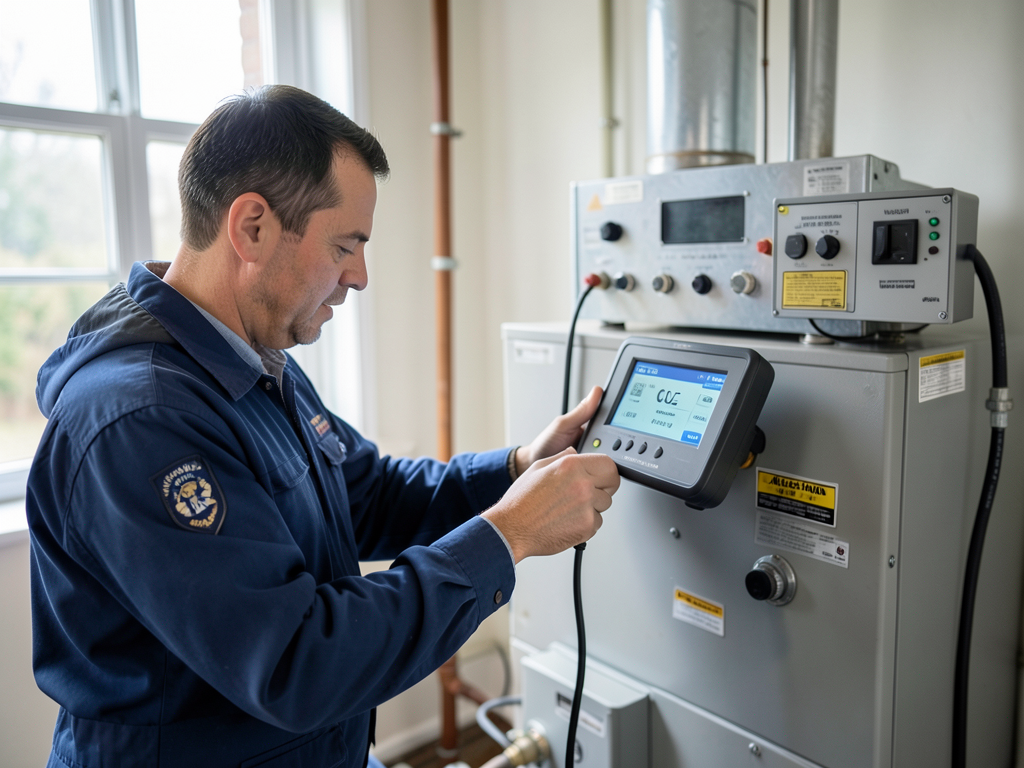
Image: Technician performing combustion analysis on a high-efficiency boiler in a Walker’s Point loft showing proper venting clearances required by Milwaukee MEP code.
Common Boiler Problems in Walker’s Point Buildings
Walker’s Point’s older buildings often suffer from specific boiler issues. The high lake-effect humidity accelerates corrosion on heat exchangers. Many lofts have cast iron boilers that are now 25-40 years old well beyond their typical 15-20 year lifespan. You might notice banging sounds from your radiators which indicates water hammer from improper pitch or air in the lines. Why Your Bay View Bungalow Might Benefit from a Ductless Mini Split System.
Another common issue is inadequate boiler sizing. Many original installations were sized for industrial use not residential comfort. This leads to short cycling where the boiler turns on and off frequently wasting energy and shortening equipment life. You might also experience cold spots in your loft if the original radiator system was not designed for the current room layouts.
Understanding Boiler Efficiency Ratings
Modern boilers carry Annual Fuel Utilization Efficiency ratings that measure how much fuel converts to heat. Standard efficiency boilers typically rate 80-85% AFUE while high-efficiency condensing boilers reach 90-98% AFUE. The higher the rating the less fuel you waste.
For Walker’s Point lofts high-efficiency boilers make particular sense. The exposed brick and large windows create significant heat loss. A 95% AFUE boiler can reduce your heating bills by 15-20% compared to an 80% AFUE unit. Over a Milwaukee winter that difference adds up quickly.
Steam vs. Hot Water Boilers What Your Loft Needs
Walker’s Point lofts typically have either steam or hot water hydronic systems. Steam boilers operate at higher temperatures and use gravity to return condensate. Hot water boilers use pumps to circulate heated water through the system. Steam systems are often original to the buildings while hot water systems became common in later renovations.
Steam boilers require specific water chemistry management to prevent scale buildup and corrosion. The Hartford Loop a safety feature required by ASME code prevents low-water conditions that could damage your boiler. Hot water systems are generally more efficient and allow for zoned heating which helps manage the temperature variations common in loft spaces. ASME CSD-1 code.
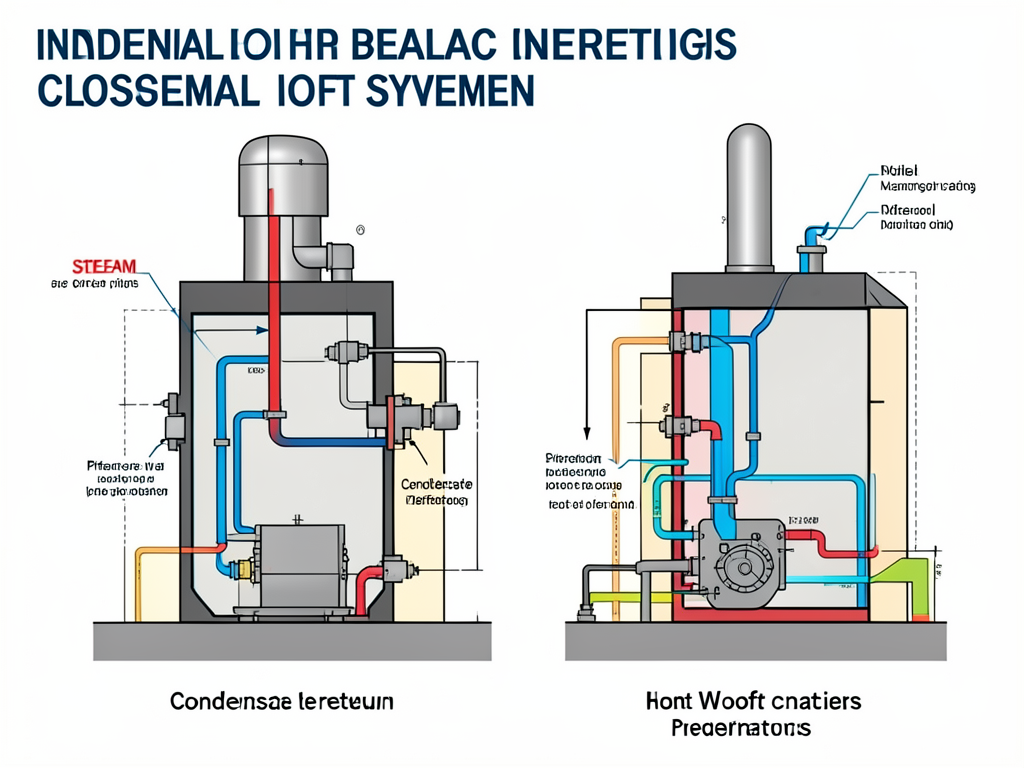
Image: Cross-section diagram comparing steam and hot water boiler systems showing condensate return paths and pressure differences.
Cost Factors for Walker’s Point Boiler Replacement
Boiler replacement costs in Walker’s Point vary based on several factors. High-efficiency condensing boilers cost more upfront but save money long-term. Installation complexity increases with older buildings that may need electrical upgrades or new venting. The Milwaukee UDC requires specific clearances and safety features that add to installation time.
Additional costs often include removing the old boiler which can be challenging in lofts with narrow stairwells or elevators. You might need new piping pumps or expansion tanks. If your radiators need balancing or replacement that adds significant cost. Most Walker’s Point boiler replacements take 2-3 days when done properly.
Walker’s Point-Specific Rebates and Incentives
Wisconsin’s Focus on Energy program offers rebates for high-efficiency boiler installations. Walker’s Point residents can receive up to $500 for boilers with 95% AFUE or higher. The program also provides incentives for smart thermostats and system controls that help manage heating in large open loft spaces. Wisconsin’s Focus on Energy program.
WE Energies offers additional rebates for customers who upgrade from older less efficient equipment. These programs can reduce your out-of-pocket costs by 10-15%. Your contractor should handle all paperwork and inspections required for these rebates as Milwaukee has specific documentation requirements.
Permitting and Code Requirements
Milwaukee requires mechanical permits for boiler replacements. The city’s MEP Mechanical Electrical and Plumbing division inspects installations to ensure compliance with Wisconsin Uniform Dwelling Code. Walker’s Point’s historic district adds another layer of review particularly for any exterior modifications like new vents or flues. What to Do When Your Historic East Side Home’s Boiler Stops Working.
ASME CSD-1 code governs boiler safety controls and requires specific pressure relief valves low-water cutoffs and combustion safeguards. Your contractor must provide documentation showing all safety devices meet current standards. The combustion analysis report which measures carbon monoxide output and efficiency must be filed with the city.
Choosing the Right Boiler Size
Proper sizing prevents the most common boiler problems. An oversized boiler short cycles wasting fuel and reducing comfort. An undersized boiler cannot keep up during cold snaps. The Manual J calculation required by Wisconsin code determines your exact heating load based on your loft’s square footage insulation and window area.
Walker’s Point lofts often need careful calculations because of their unique characteristics. High ceilings increase volume. Exposed brick and large windows increase heat loss. Many lofts have open floor plans that affect air circulation. A professional heat loss calculation ensures you get a boiler that matches your actual needs. Who to Call for Honest and Professional Furnace Repair in West Allis.
Installation Timeline and Process
Professional boiler replacement follows a specific sequence. First the technician performs a heat loss calculation and system assessment. Next comes permit acquisition and old equipment removal. Installation typically takes 2-3 days including new piping controls and testing. The final step is city inspection and commissioning.
During installation your loft will be without heat for several hours. Winter installations may require temporary heating solutions. Your contractor should protect your floors and belongings from dust and debris. They should also test all radiators and bleed air from the system before final startup.
Image: Technician using combustion analyzer to test boiler efficiency showing digital readout of CO2 levels and stack temperature during commissioning.
Maintenance Requirements for Long-Term Reliability
Regular maintenance prevents most boiler failures. Annual tune-ups include cleaning heat exchangers checking controls and testing safety devices. Water quality testing prevents scale buildup that reduces efficiency. For steam systems radiator vents need periodic replacement. For hot water systems expansion tanks require pressure checks.
Milwaukee’s hard water creates specific challenges. Mineral deposits can reduce heat transfer efficiency by 20% or more. Your contractor should test water hardness and recommend appropriate treatment. Some systems benefit from magnetic filters that capture ferrous particles before they damage pumps and valves.
Smart Controls for Modern Comfort
Modern boiler controls offer significant advantages for Walker’s Point lofts. Smart thermostats learn your schedule and adjust heating automatically. Zoning systems let you heat only occupied areas crucial in large open spaces. Outdoor reset controls adjust boiler temperature based on outdoor conditions improving efficiency.
WiFi-enabled controls allow remote monitoring and adjustment. You can check system status adjust temperatures and receive alerts about problems from your smartphone. These features help prevent minor issues from becoming major repairs especially important for lofts where owners might travel frequently.
Emergency Replacement Considerations
Boiler failures often happen during the coldest weather when demand is highest. Emergency replacement requires quick decisions. Having a relationship with a qualified contractor before problems occur saves time and stress. Keep your boiler’s model number and installation date handy for faster service calls. Emergency HVAC Help Anywhere in Milwaukee When Your System Fails at Midnight.
Emergency installations may require temporary solutions. Portable heaters can provide emergency warmth while waiting for equipment. Some contractors stock common replacement boilers for immediate installation. Understanding your options before an emergency helps you make better decisions under pressure.
Environmental Impact and Energy Savings
High-efficiency boilers reduce both your carbon footprint and utility bills. A 95% AFUE boiler produces significantly less CO2 than an 80% AFUE unit. Over a typical Wisconsin winter the emissions difference equals removing a car from the road for several months.
The energy savings also matter financially. High-efficiency boilers often pay for themselves through utility savings within 5-7 years. The exact payback period depends on fuel prices usage patterns and the efficiency of your existing equipment. Many Walker’s Point residents find the environmental benefits align with their values while providing real financial returns.
Choosing a Qualified Contractor
Boiler installation requires specific expertise. Look for NATE-certified technicians with experience in hydronic systems. Ask about their familiarity with Milwaukee’s permitting requirements and historic district regulations. A qualified contractor should provide a detailed written proposal including all permit costs and inspection requirements.
Check references from other Walker’s Point loft owners. Ask about their experience with similar buildings and systems. The best contractors understand both the technical requirements and the unique characteristics of loft living. They should explain options clearly and help you make informed decisions about efficiency features and budget.
Financing Options for Boiler Replacement
Boiler replacement represents a significant investment. Many contractors offer financing through partnerships with banks or manufacturers. Focus on Energy also provides low-interest loans for qualifying high-efficiency equipment. Some Milwaukee residents use home equity lines of credit which often have lower interest rates than personal loans.
When comparing financing options consider both the monthly payment and the total cost over time. A slightly higher monthly payment for a more efficient boiler often results in lower overall costs when you factor in energy savings. Your contractor should help you understand the long-term financial implications of different equipment choices.
Preparing for Installation Day
Proper preparation makes installation smoother. Clear access to your boiler location including any tight stairwells or elevators. Protect valuable items from dust and debris. Arrange for pets to be elsewhere during noisy work periods. If you work from home plan for interruptions during the noisiest phases.
Discuss the timeline with your contractor beforehand. Understand when your heat will be off and for how long. If you have specific concerns about dust noise or timing address them before work begins. Good communication prevents misunderstandings and ensures a positive experience.
Frequently Asked Questions
How long does a boiler replacement take in a Walker’s Point loft?
Most boiler replacements take 2-3 days including removal of the old unit installation of the new boiler piping modifications and system testing. Complex installations or those requiring electrical upgrades may take longer.
Are high-efficiency boilers worth the extra cost?
Yes for most Walker’s Point lofts. The energy savings typically offset the higher initial cost within 5-7 years. High-efficiency boilers also provide better comfort through more consistent heating and often include advanced features like outdoor reset controls.
Do I need permits for boiler replacement in Walker’s Point?
Yes Milwaukee requires mechanical permits for boiler replacements. Walker’s Point’s historic district may require additional review if exterior modifications are needed. Your contractor should handle all permitting and inspections.
What’s the difference between steam and hot water boilers?
Steam boilers operate at higher temperatures and use gravity for condensate return while hot water boilers use pumps to circulate heated water. Hot water systems are generally more efficient and allow for zoning but steam systems are common in older Walker’s Point buildings.
How can I improve my loft’s heating efficiency?
Beyond upgrading your boiler consider adding insulation where possible installing smart thermostats balancing your radiator system and using zoning controls. Even small improvements in building envelope efficiency can significantly reduce heating costs.
Ready to Upgrade Your Walker’s Point Boiler?
Walker’s Point lofts deserve heating systems that match their unique character and efficiency needs. Whether you are dealing with an aging steam boiler or considering an upgrade to high-efficiency equipment professional installation makes the difference between years of reliable comfort and ongoing problems.
Call (414) 387-8977 today to schedule your free assessment. Our NATE-certified technicians understand the specific requirements of Walker’s Point’s historic buildings and can help you choose the right boiler for your loft’s needs and your budget.
Do not wait for your old boiler to fail during a polar vortex. Contact us now to learn about your options available rebates and financing solutions that make upgrading affordable. Your Walker’s Point loft deserves reliable efficient heating that works with its unique architecture.
{
“@context”: “https://schema.org”,
“@type”: “BlogPosting”,
“headline”: “Everything You Should Know Before Replacing the Boiler in Your Walker’s Point Loft”,
“description”: “Learn about boiler replacement for Walker’s Point lofts. Discover efficiency ratings, permitting, costs, and local Milwaukee rebates for your historic industrial loft.”,
“wordCount”: 2135,
“datePublished”: “2026-03-01T11:42:00.000Z”,
“dateModified”: “2026-03-01T11:42:00.000Z”,
“inLanguage”: “en-US”,
“mainEntityOfPage”: {
“@type”: “WebPage”,
“@id”: “https://firstchoicehvacmilwaukee.com”
},
“publisher”: {
“@type”: “LocalBusiness”,
“name”: “First Choice HVAC Milwaukee”,
“url”: “https://firstchoicehvacmilwaukee.com”
},
“author”: {
“@type”: “Organization”,
“name”: “First Choice HVAC Milwaukee”,
“url”: “https://firstchoicehvacmilwaukee.com”
},
“image”: {
“@type”: “ImageObject”,
“url”: “https://firstchoicehvacmilwaukee.com/wp-content/uploads/2026/03/everything-you-should-know-before-replacing-the-bo-1.png”
}
}
{
“@context”: “https://schema.org”,
“@type”: “HVACBusiness”,
“name”: “First Choice HVAC Milwaukee”,
“url”: “https://firstchoicehvacmilwaukee.com”,
“address”: {
“@type”: “PostalAddress”,
“addressLocality”: “Milwaukee”
},
“areaServed”: {
“@type”: “City”,
“name”: “Milwaukee”
}
}
{
“@context”: “https://schema.org”,
“@type”: “FAQPage”,
“mainEntity”: [
{
“@type”: “Question”,
“name”: “How long does a boiler replacement take in a Walker’s Point loft?”,
“acceptedAnswer”: {
“@type”: “Answer”,
“text”: “Most boiler replacements take 2-3 days including removal of the old unit installation of the new boiler piping modifications and system testing. Complex installations or those requiring electrical upgrades may take longer.”
}
},
{
“@type”: “Question”,
“name”: “Are high-efficiency boilers worth the extra cost?”,
“acceptedAnswer”: {
“@type”: “Answer”,
“text”: “Yes for most Walker’s Point lofts. The energy savings typically offset the higher initial cost within 5-7 years. High-efficiency boilers also provide better comfort through more consistent heating and often include advanced features like outdoor reset controls.”
}
},
{
“@type”: “Question”,
“name”: “Do I need permits for boiler replacement in Walker’s Point?”,
“acceptedAnswer”: {
“@type”: “Answer”,
“text”: “Yes Milwaukee requires mechanical permits for boiler replacements. Walker’s Point’s historic district may require additional review if exterior modifications are needed. Your contractor should handle all permitting and inspections.”
}
},
{
“@type”: “Question”,
“name”: “What’s the difference between steam and hot water boilers?”,
“acceptedAnswer”: {
“@type”: “Answer”,
“text”: “Steam boilers operate at higher temperatures and use gravity for condensate return while hot water boilers use pumps to circulate heated water. Hot water systems are generally more efficient and allow for zoning but steam systems are common in older Walker’s Point buildings.”
}
},
{
“@type”: “Question”,
“name”: “How can I improve my loft’s heating efficiency?”,
“acceptedAnswer”: {
“@type”: “Answer”,
“text”: “Beyond upgrading your boiler consider adding insulation where possible installing smart thermostats balancing your radiator system and using zoning controls. Even small improvements in building envelope efficiency can significantly reduce heating costs.”
}
},
{
“@type”: “Question”,
“name”: “Ready to Upgrade Your Walker’s Point Boiler?”,
“acceptedAnswer”: {
“@type”: “Answer”,
“text”: “Walker’s Point lofts deserve heating systems that match their unique character and efficiency needs. Whether you are dealing with an aging steam boiler or considering an upgrade to high-efficiency equipment professional installation makes the difference between years of reliable comfort and ongoing problems.”
}
}
]
}
{
“@context”: “https://schema.org”,
“@type”: “BreadcrumbList”,
“itemListElement”: [
{
“@type”: “ListItem”,
“position”: 1,
“name”: “Home”,
“item”: “https://firstchoicehvacmilwaukee.com”
},
{
“@type”: “ListItem”,
“position”: 2,
“name”: “Blog”,
“item”: “https://firstchoicehvacmilwaukee.com/blog”
},
{
“@type”: “ListItem”,
“position”: 3,
“name”: “Everything You Should Know Before Replacing the Boiler in Your Walker’s Point Loft”
}
]
}
{
“@context”: “https://schema.org”,
“@type”: “Service”,
“serviceType”: “HVAC”,
“provider”: {
“@type”: “LocalBusiness”,
“name”: “First Choice HVAC Milwaukee”,
“url”: “https://firstchoicehvacmilwaukee.com”
},
“areaServed”: {
“@type”: “City”,
“name”: “Milwaukee”
},
“description”: “Learn about boiler replacement for Walker’s Point lofts. Discover efficiency ratings, permitting, costs, and local Milwaukee rebates for your historic industrial loft.”
}