
How Optimizing Your Whitefish Bay HVAC System Can Help You Sleep Better
Living in Whitefish Bay means experiencing dramatic seasonal swings that can wreak havoc on your sleep quality. The combination of Lake Michigan’s humidity Wisconsin’s frigid winters and older home construction creates a perfect storm for temperature and air quality issues that directly impact how well you rest. Understanding how your HVAC system affects your sleep physiology is the first step toward creating the ideal bedroom environment for restorative rest. Sleep Foundation’s guide to ideal bedroom temperature.
Your body’s core temperature naturally drops by about two degrees Fahrenheit as you prepare for sleep signaling to your brain that it’s time to rest. When your Whitefish Bay home struggles to maintain the optimal sleep temperature range of 60-67°F due to aging equipment or poor humidity control this natural process gets disrupted. The result is restless nights frequent waking and morning fatigue that no amount of coffee can fix. EPA guide to air cleaners and filters.
Whitefish Bay’s unique climate presents specific challenges that many homeowners don’t realize are affecting their sleep. The lake effect brings high humidity during summer months while winter air becomes painfully dry. These conditions combined with the area’s historic homes built before modern HVAC standards create an environment where your body is constantly fighting to find thermal comfort. Optimizing your system specifically for these local conditions can transform your sleep quality almost overnight. What to Do When Your Historic East Side Home’s Boiler Stops Working.
The Science of Sleep and Thermoregulation in Your Whitefish Bay Home
Sleep scientists have identified that the ideal bedroom temperature for most adults falls between 60-67°F with 65°F often cited as the sweet spot. This temperature range supports the natural drop in core body temperature that initiates and maintains sleep cycles. In Whitefish Bay maintaining this range becomes particularly challenging due to the area’s climate extremes and the prevalence of older homes with poor insulation or outdated HVAC systems.
Older Whitefish Bay homes particularly those built before the 1970s often feature balloon-frame construction single-pane windows and minimal wall insulation. These architectural characteristics make it difficult for HVAC systems to maintain consistent temperatures especially in second-floor bedrooms where heat naturally rises. The result is a bedroom that might be too warm in summer and too cold in winter disrupting your body’s natural sleep rhythms. Why Your Bay View Bungalow Might Benefit from a Ductless Mini Split System.
The thermal mass of Whitefish Bay’s Cream City Brick homes adds another layer of complexity. While these beautiful historic structures provide excellent sound insulation their dense materials absorb and slowly release heat making temperature regulation a constant battle. Your HVAC system must work harder to overcome this thermal inertia often leading to short cycling or inadequate dehumidification during summer months.
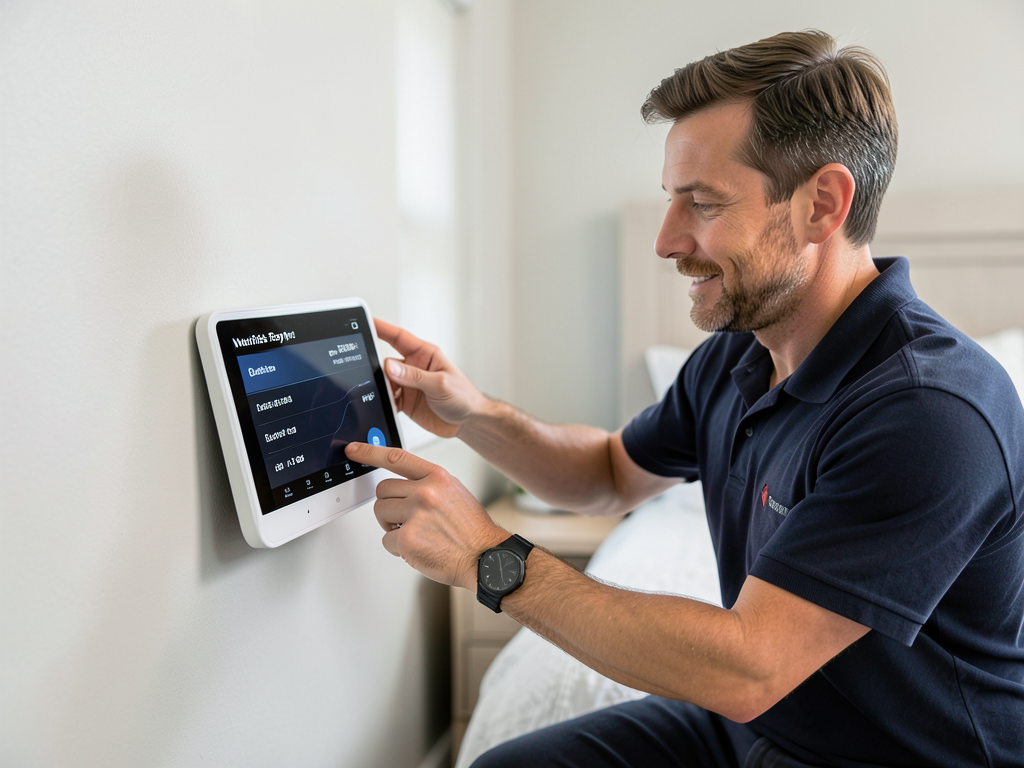
Diagram showing how Whitefish Bay’s Cream City Brick homes absorb heat during the day and release it at night affecting bedroom temperatures and sleep quality.
Milwaukee Humidity vs. Restful Sleep: The Lake Effect Challenge
Whitefish Bay residents experience some of the highest relative humidity levels in Wisconsin particularly during summer months when Lake Michigan’s influence is strongest. High humidity creates several sleep-disrupting problems: it makes the air feel warmer than it actually is promotes mold growth in poorly ventilated areas and can trigger respiratory issues that wake you throughout the night.
The ideal relative humidity for sleep falls between 30-50%. In Whitefish Bay summer humidity often climbs above 70% making your bedroom feel stuffy and uncomfortable even when the thermostat reads a reasonable temperature. This is because high humidity prevents your body from effectively cooling itself through perspiration leading to restlessness and frequent position changes throughout the night. Cooling Tower Services.
During winter months the problem reverses dramatically. Whitefish Bay’s cold dry air combined with furnace heating can drop indoor humidity levels below 20% creating conditions that dry out nasal passages irritate throats and increase susceptibility to respiratory infections. Many residents don’t realize that their winter sleep problems stem from air that’s too dry rather than too warm.
Whole-home dehumidification systems specifically sized for Whitefish Bay’s climate can remove up to 70 pints of moisture per day during peak summer months maintaining the ideal sleep humidity range. These systems work in conjunction with your existing HVAC equipment providing targeted humidity control that portable units simply cannot match in larger Whitefish Bay homes.
Conversely whole-home humidifiers add precise moisture back into the air during winter months preventing the dry air that causes morning sore throats and nighttime congestion. These systems monitor outdoor temperature and adjust output automatically ensuring optimal humidity levels without the maintenance headaches of portable units. Outdoor Unit Not Spinning.
Indoor Air Quality and Respiratory Health: The Hidden Sleep Disruptor
Whitefish Bay’s older housing stock combined with the area’s high pollen counts and seasonal allergens creates indoor air quality challenges that directly impact sleep. Your HVAC system’s air filtration capabilities become crucial when you consider that you spend approximately one-third of your life in your bedroom breathing the same air repeatedly throughout the night.
The Environmental Protection Agency recommends MERV 13 filters for optimal allergen removal in residential settings. These filters capture particles as small as 0.3 microns including pollen pet dander dust mites and mold spores. For Whitefish Bay residents with seasonal allergies or asthma upgrading to MERV 13 filtration can reduce nighttime congestion and improve breathing during sleep.
UV light systems installed within your HVAC ductwork provide another layer of protection by neutralizing airborne bacteria viruses and mold spores. These systems use ultraviolet-C light to disrupt the DNA of microorganisms preventing them from circulating through your home. In Whitefish Bay’s humid summer months when mold growth accelerates UV systems can significantly reduce the allergen load in your bedroom air.
HEPA filtration represents the gold standard for air purification capturing 99.97% of particles 0.3 microns or larger. While traditional HVAC systems cannot accommodate true HEPA filters due to their density many Whitefish Bay homeowners are adding standalone HEPA air purifiers to their bedrooms for targeted air quality improvement during sleep hours.. Read more about Comparing Air Scrubbers and Standard Purifiers for Better Air in Shorewood.
Energy Recovery Ventilators (ERVs) provide fresh air exchange without sacrificing energy efficiency a crucial feature for Whitefish Bay’s tightly sealed modern homes. These systems exchange stale indoor air with fresh outdoor air while transferring heat and moisture between the airstreams maintaining comfortable temperature and humidity levels while ensuring adequate ventilation for healthy sleep.
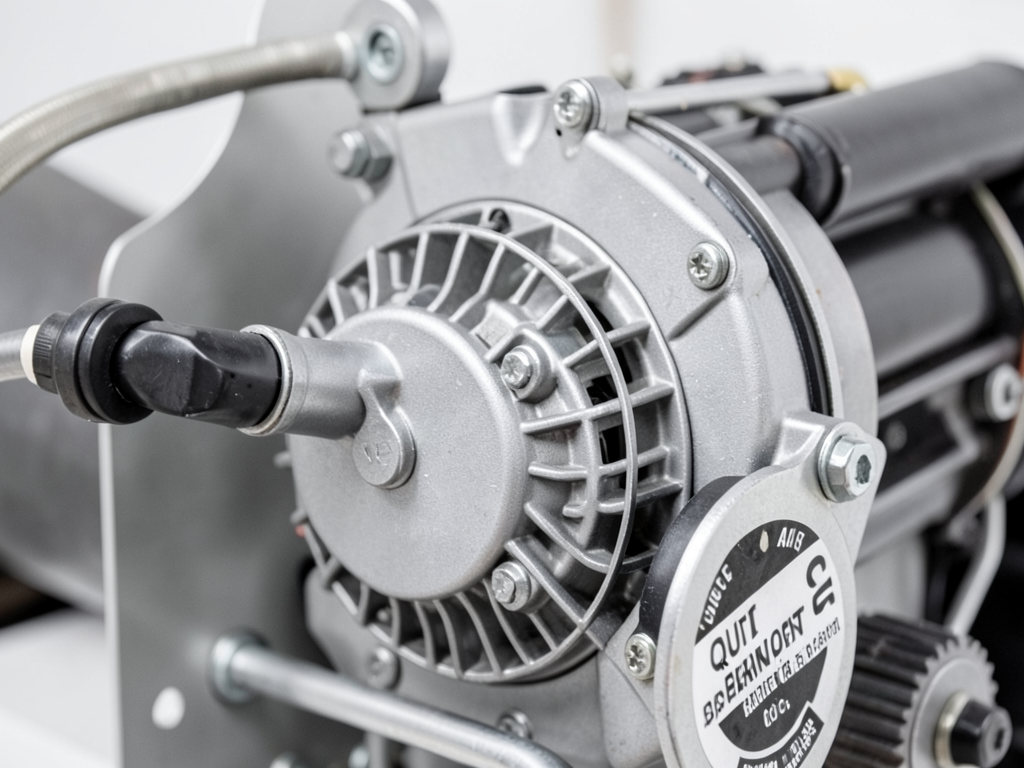
Technician installing a UV light system in an HVAC duct demonstrating the proper placement for maximum airborne pathogen neutralization in a Whitefish Bay home.
The Noise Factor: White Noise vs. System Clatter
Sleep researchers have found that noise levels above 30 decibels can disrupt sleep cycles even if the noise doesn’t fully wake you. Many Whitefish Bay homeowners are surprised to learn that their older HVAC systems produce noise levels between 50-70 decibels during operation equivalent to a normal conversation or background music.
Single-stage HVAC systems common in Whitefish Bay homes built before 2000 operate at full capacity whenever they run creating sudden bursts of noise that can startle light sleepers or interrupt deep sleep cycles. These systems also tend to short cycle in older homes with poor insulation meaning they turn on and off frequently throughout the night.
Variable-speed systems represent a significant advancement in sleep-friendly HVAC technology. These systems can operate at speeds as low as 30% of their maximum capacity maintaining consistent temperatures while producing minimal noise. Most variable-speed units operate at 40-50 decibels on low speed comparable to a quiet library or gentle rainfall.
The sound-dampening features of modern HVAC equipment include insulated compressor compartments vibration-isolating mounts and aerodynamic fan designs that reduce turbulence. When properly installed in a Whitefish Bay home these systems can maintain comfortable temperatures throughout the night without the disruptive on-off cycling that characterizes older equipment.
Smart thermostats with “sleep mode” scheduling can further optimize your system for nighttime operation. These devices learn your sleep patterns and adjust temperature setpoints gradually preventing the sudden temperature changes that can wake you. Some models even integrate with sleep tracking devices to automatically adjust bedroom temperatures based on your sleep stages.
Smart Thermostats and Sleep Scheduling: Technology That Understands Your Body
Modern smart thermostats do more than just maintain temperature; they can actively support your circadian rhythm by pre-conditioning your bedroom environment before bedtime. In Whitefish Bay where temperature swings can be dramatic even within a single day this technology becomes particularly valuable for maintaining consistent sleep conditions.
Sleep scheduling features allow you to program temperature setbacks that align with your natural sleep-wake cycle. For example you can set your system to begin cooling your bedroom to 65°F starting at 9 PM reaching the target temperature by your typical 10:30 PM bedtime. This gradual temperature change supports your body’s natural thermoregulation process.
Many Whitefish Bay homeowners find that their smart thermostats’ geofencing features enhance sleep quality by ensuring their home is at the perfect temperature when they return from evening activities. The system can begin pre-cooling or pre-heating your bedroom based on your smartphone’s location so you never walk into a too-warm or too-cold sleeping environment.
Integration with weather forecasts allows smart thermostats to anticipate temperature changes specific to Whitefish Bay’s microclimate. If a cold front is approaching from the northwest the system can begin adjusting temperatures earlier to maintain consistent conditions preventing the temperature drops that can wake you during the night.
Some advanced systems now offer “sleep reports” that track how temperature and humidity fluctuations correlate with your sleep quality. These insights can help you fine-tune your HVAC settings for optimal rest taking the guesswork out of creating the perfect sleep environment in your Whitefish Bay home.
Milwaukee Maintenance Checklist for Better Sleep
Regular HVAC maintenance becomes even more critical in Whitefish Bay due to the area’s climate extremes and the age of many local homes. A well-maintained system operates more quietly maintains more consistent temperatures and filters air more effectively – all crucial factors for quality sleep.
Seasonal tune-ups should include checking refrigerant levels cleaning coils inspecting ductwork for leaks and calibrating thermostats. In Whitefish Bay’s older homes maintenance should also include checking for proper ventilation in attic spaces where heat buildup can affect second-floor bedroom temperatures even with a well-functioning HVAC system.
Duct cleaning becomes particularly important in Whitefish Bay’s older neighborhoods where decades of dust pollen and potentially mold spores can accumulate in ductwork. Professional duct cleaning every 3-5 years can significantly improve indoor air quality and reduce the allergen load that disrupts sleep for sensitive individuals. Who to Call for Honest and Professional Furnace Repair in West Allis.
Filter replacement schedules should be adjusted based on your specific Whitefish Bay home’s conditions. Homes near Lake Michigan may need more frequent filter changes due to higher pollen counts while homes with pets might require MERV 13 filters changed every 60 days instead of the standard 90-day interval.
Thermostat calibration ensures your system maintains the temperatures you’ve set rather than the inaccurate readings that can result from aging sensors. Even a 2-3 degree difference can impact sleep quality making regular calibration checks worthwhile for Whitefish Bay residents serious about optimizing their sleep environment.
Carbon monoxide detector testing should be part of every HVAC maintenance visit particularly in Whitefish Bay’s older homes where aging heating equipment might develop small leaks. Poor sleep can sometimes be an early warning sign of carbon monoxide exposure making these safety checks crucial for both comfort and health.
Technician performing a comprehensive HVAC maintenance check including thermostat calibration and air filter inspection in a Whitefish Bay bedroom to ensure optimal sleep conditions.
Case Study: Transforming Sleep in a Whitefish Bay Colonial
A recent project in the Cumberland Boulevard area demonstrates how comprehensive HVAC optimization can dramatically improve sleep quality. The homeowners a couple in their 40s living in a 1925 Colonial had struggled with poor sleep for years frequently waking up hot and congested despite setting their thermostat to 68°F.
Our diagnostic revealed several issues common in Whitefish Bay’s historic homes: inadequate attic ventilation causing second-floor heat buildup single-stage AC cycling that created temperature swings of 5-7 degrees and ductwork leaks reducing system efficiency by approximately 25%. The relative humidity in their master bedroom often exceeded 65% during summer months.
The solution involved installing a variable-speed AC system with a whole-home dehumidifier adding attic ventilation and sealing ductwork leaks. We also upgraded their air filtration to MERV 13 and installed a smart thermostat with sleep scheduling capabilities. Within two weeks the homeowners reported falling asleep faster waking less frequently and feeling more rested in the morning.
Post-installation monitoring showed bedroom temperatures maintaining within 1 degree of the setpoint throughout the night humidity levels staying between 40-45% and noise levels dropping from 58 decibels to 42 decibels during operation. The total project investment of approximately $8200 was offset by energy savings of about 18% and more importantly transformed their quality of life through better sleep.
Energy Efficiency and Cost Considerations
Optimizing your HVAC system for sleep doesn’t have to mean astronomical costs. Many sleep-improving upgrades also enhance energy efficiency creating a win-win situation for Whitefish Bay homeowners. Variable-speed systems for instance typically use 30% less electricity than single-stage units while providing superior comfort control.
Smart thermostats can reduce heating and cooling costs by 10-15% annually while simultaneously improving sleep quality through better temperature management. The energy savings often offset the initial investment within 2-3 years making these upgrades financially attractive beyond their sleep benefits.
Whole-home dehumidifiers while representing a larger upfront investment can allow you to set your thermostat 2-3 degrees higher in summer while maintaining comfort. This seemingly small adjustment can reduce cooling costs by 10-15% while creating the ideal humidity conditions for sleep.
Many utility companies serving Whitefish Bay offer rebates for high-efficiency HVAC equipment and smart thermostats. Focus on Energy Wisconsin’s statewide energy efficiency program provides incentives that can reduce the cost of qualifying upgrades by several hundred dollars making sleep-optimizing improvements more accessible.
The long-term health benefits of improved sleep should also factor into your cost calculations. Better sleep quality correlates with improved immune function reduced stress levels and better cognitive performance. While these benefits are difficult to quantify financially they represent significant value for many Whitefish Bay families.
Frequently Asked Questions
How much does it cost to optimize an HVAC system for better sleep?
Costs vary widely depending on your current system and home characteristics but basic optimizations like smart thermostat installation typically range from $200-500 while comprehensive upgrades including variable-speed systems and whole-home dehumidification can range from $5000-15000. Many Whitefish Bay homeowners find that energy savings offset a significant portion of these costs within 3-5 years.
Can I improve my sleep quality without replacing my entire HVAC system?
Absolutely. Start with lower-cost improvements like upgrading to MERV 13 air filters ($15-25 each) installing a smart thermostat ($150-300) or adding a high-quality room dehumidifier ($200-500). These changes can significantly improve your sleep environment without the investment of a complete system replacement.
How do I know if my current HVAC system is affecting my sleep?
Signs include waking up hot or cold experiencing nighttime congestion or dry throat hearing your system cycle on and off frequently or noticing humidity issues like condensation on windows. A professional HVAC assessment can identify specific issues affecting your sleep quality and recommend targeted solutions.
What’s the best temperature for sleeping in a Whitefish Bay home?
The optimal sleep temperature range is 60-67°F with 65°F often cited as ideal. However in Whitefish Bay’s climate you may need to adjust this slightly based on humidity levels. The key is maintaining consistent temperatures throughout the night rather than focusing on a specific number.
How long does it take to notice improvements in sleep after HVAC upgrades?
Many homeowners report noticing improvements within the first few nights particularly with upgrades that reduce noise or improve air quality. However your body may take 1-2 weeks to fully adjust to the new conditions. The most significant improvements typically come from comprehensive solutions addressing multiple factors simultaneously.
Take Control of Your Sleep Quality Today
Your sleep quality directly impacts every aspect of your life from your daily energy levels to your long-term health outcomes. In Whitefish Bay’s challenging climate optimizing your HVAC system for sleep isn’t a luxury – it’s a necessity for maintaining your wellbeing throughout our extreme seasonal changes.
The good news is that you don’t have to guess about what improvements will work best for your specific situation. Our team understands the unique challenges Whitefish Bay homes face from Cream City Brick thermal mass to lake effect humidity and we can design solutions tailored to your home’s specific characteristics and your family’s sleep needs.
Don’t spend another night tossing and turning due to temperature fluctuations poor air quality or noisy equipment. Call (414) 387-8977 today to schedule your sleep quality assessment. We’ll evaluate your current system identify the specific factors affecting your rest and recommend targeted solutions that fit your budget and your needs.
Pick up the phone and call (414) 387-8977 before the next heat wave or cold snap hits. Your body will thank you with deeper more restorative sleep and you’ll wonder why you waited so long to optimize your home’s most important system for your health and comfort.
Remember quality sleep isn’t just about feeling better tomorrow – it’s about investing in your long-term health and wellbeing. Let us help you create the perfect sleep environment in your Whitefish Bay home. Call (414) 387-8977 now and take the first step toward the best sleep of your life.
{
“@context”: “https://schema.org”,
“@type”: “BlogPosting”,
“headline”: “How Optimizing Your Whitefish Bay HVAC System Can Help You Sleep Better”,
“description”: “Discover how Whitefish Bay’s unique climate affects your sleep and learn HVAC solutions for better rest. Call (414) 387-8977 for a sleep quality assessment.”,
“wordCount”: 2926,
“datePublished”: “2026-05-05T06:37:00.000Z”,
“dateModified”: “2026-05-05T06:37:00.000Z”,
“inLanguage”: “en-US”,
“mainEntityOfPage”: {
“@type”: “WebPage”,
“@id”: “https://firstchoicehvacmilwaukee.com”
},
“publisher”: {
“@type”: “LocalBusiness”,
“name”: “First Choice HVAC Milwaukee”,
“url”: “https://firstchoicehvacmilwaukee.com”
},
“author”: {
“@type”: “Organization”,
“name”: “First Choice HVAC Milwaukee”,
“url”: “https://firstchoicehvacmilwaukee.com”
},
“image”: {
“@type”: “ImageObject”,
“url”: “https://firstchoicehvacmilwaukee.com/wp-content/uploads/2026/03/how-optimizing-your-whitefish-bay-hvac-system-can-1.png”
}
}
{
“@context”: “https://schema.org”,
“@type”: “HVACBusiness”,
“name”: “First Choice HVAC Milwaukee”,
“url”: “https://firstchoicehvacmilwaukee.com”,
“address”: {
“@type”: “PostalAddress”,
“addressLocality”: “Milwaukee”
},
“areaServed”: {
“@type”: “City”,
“name”: “Milwaukee”
}
}
{
“@context”: “https://schema.org”,
“@type”: “FAQPage”,
“mainEntity”: [
{
“@type”: “Question”,
“name”: “How much does it cost to optimize an HVAC system for better sleep?”,
“acceptedAnswer”: {
“@type”: “Answer”,
“text”: “Costs vary widely depending on your current system and home characteristics but basic optimizations like smart thermostat installation typically range from $200-500 while comprehensive upgrades including variable-speed systems and whole-home dehumidification can range from $5000-15000. Many Whitefish Bay homeowners find that energy savings offset a significant portion of these costs within 3-5 years.”
}
},
{
“@type”: “Question”,
“name”: “Can I improve my sleep quality without replacing my entire HVAC system?”,
“acceptedAnswer”: {
“@type”: “Answer”,
“text”: “Absolutely. Start with lower-cost improvements like upgrading to MERV 13 air filters ($15-25 each) installing a smart thermostat ($150-300) or adding a high-quality room dehumidifier ($200-500). These changes can significantly improve your sleep environment without the investment of a complete system replacement.”
}
},
{
“@type”: “Question”,
“name”: “How do I know if my current HVAC system is affecting my sleep?”,
“acceptedAnswer”: {
“@type”: “Answer”,
“text”: “Signs include waking up hot or cold experiencing nighttime congestion or dry throat hearing your system cycle on and off frequently or noticing humidity issues like condensation on windows. A professional HVAC assessment can identify specific issues affecting your sleep quality and recommend targeted solutions.”
}
},
{
“@type”: “Question”,
“name”: “What’s the best temperature for sleeping in a Whitefish Bay home?”,
“acceptedAnswer”: {
“@type”: “Answer”,
“text”: “The optimal sleep temperature range is 60-67°F with 65°F often cited as ideal. However in Whitefish Bay’s climate you may need to adjust this slightly based on humidity levels. The key is maintaining consistent temperatures throughout the night rather than focusing on a specific number.”
}
},
{
“@type”: “Question”,
“name”: “How long does it take to notice improvements in sleep after HVAC upgrades?”,
“acceptedAnswer”: {
“@type”: “Answer”,
“text”: “Many homeowners report noticing improvements within the first few nights particularly with upgrades that reduce noise or improve air quality. However your body may take 1-2 weeks to fully adjust to the new conditions. The most significant improvements typically come from comprehensive solutions addressing multiple factors simultaneously.”
}
}
]
}
{
“@context”: “https://schema.org”,
“@type”: “BreadcrumbList”,
“itemListElement”: [
{
“@type”: “ListItem”,
“position”: 1,
“name”: “Home”,
“item”: “https://firstchoicehvacmilwaukee.com”
},
{
“@type”: “ListItem”,
“position”: 2,
“name”: “Blog”,
“item”: “https://firstchoicehvacmilwaukee.com/blog”
},
{
“@type”: “ListItem”,
“position”: 3,
“name”: “How Optimizing Your Whitefish Bay HVAC System Can Help You Sleep Better”
}
]
}
{
“@context”: “https://schema.org”,
“@type”: “Service”,
“serviceType”: “HVAC”,
“provider”: {
“@type”: “LocalBusiness”,
“name”: “First Choice HVAC Milwaukee”,
“url”: “https://firstchoicehvacmilwaukee.com”
},
“areaServed”: {
“@type”: “City”,
“name”: “Milwaukee”
},
“description”: “Discover how Whitefish Bay’s unique climate affects your sleep and learn HVAC solutions for better rest. Call (414) 387-8977 for a sleep quality assessment.”
}