
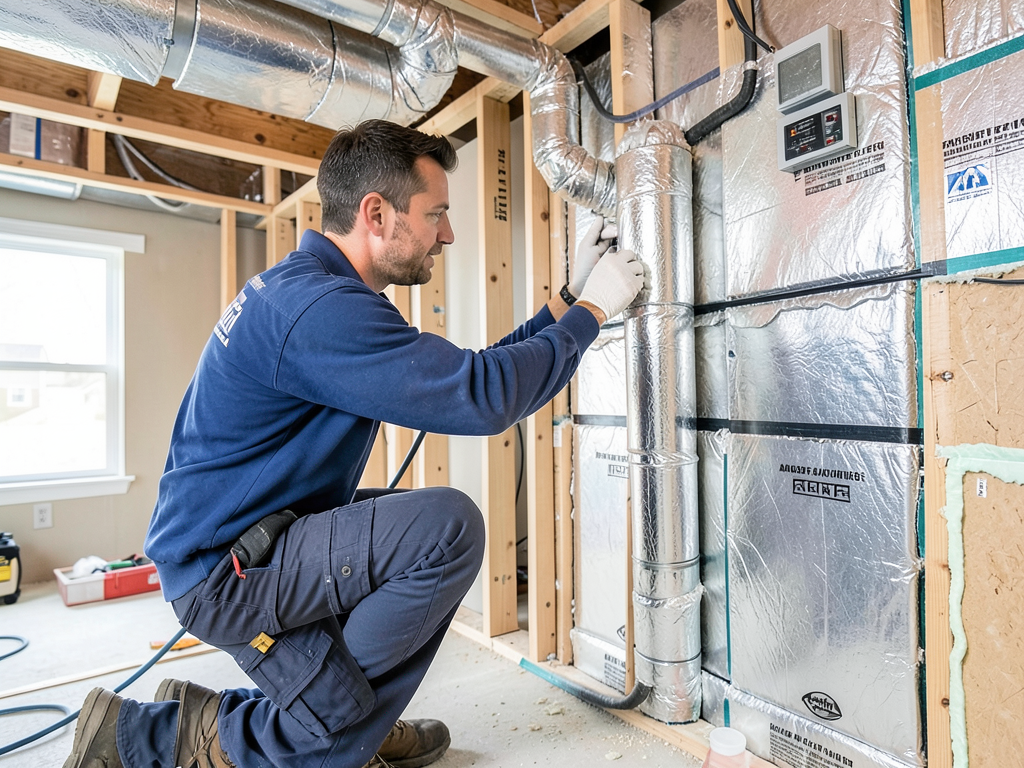
Professional HVAC System Design and Installation for New Builds in Oak Creek
Building a new home in Oak Creek means navigating Wisconsin’s extreme seasonal swings, from polar vortex winters to humid summer heat waves off Lake Michigan. The HVAC system you choose today will determine your comfort, energy bills, and indoor air quality for decades. This guide walks you through the critical decisions, local code requirements, and professional installation process that ensure your new build stays comfortable year-round. Wisconsin Uniform Dwelling Code Chapter 23.
Understanding Oak Creek’s Climate Impact on HVAC Design
Oak Creek sits in USDA Zone 5b, experiencing temperature ranges from -15°F to 95°F. The proximity to Lake Michigan creates unique challenges: lake-effect humidity that can exceed 80% in summer, rapid freeze-thaw cycles that stress equipment, and heavy snowfall that can bury outdoor units. These factors demand specific design considerations that generic systems can’t handle. Outdoor Unit Not Spinning.
The clay-heavy soil common in Milwaukee County affects ground-loop efficiency for geothermal systems and creates drainage issues that can damage basement HVAC equipment. Local building codes require specific clearances for outdoor units near property lines, especially in newer developments like Drexel Town Square where homes sit closer together.
Wisconsin Building Code Requirements for New Construction HVAC
Wisconsin’s Uniform Dwelling Code (UDC) Chapter 23 mandates specific HVAC requirements for new builds. Section Comm 23.15 requires mechanical ventilation systems in all new homes, typically through energy recovery ventilators (ERVs) or heat recovery ventilators (HRVs). The code also specifies minimum duct insulation R-values and maximum duct leakage rates.
Oak Creek follows these state standards but adds local inspections. The city requires mechanical permits before any HVAC installation, with final inspections verifying proper refrigerant charge, combustion air supply, and venting. Missing these inspections can delay your certificate of occupancy.
Manual J Load Calculation: The Foundation of Proper Sizing
Every new build needs a Manual J load calculation performed by a certified HVAC designer. This computer modeling analyzes your home’s orientation, insulation levels, window specifications, and air infiltration rates to determine exact heating and cooling requirements. Guessing equipment size leads to short cycling, wasted energy, and premature system failure. Cooling Tower Services.
In Oak Creek’s climate, the calculation typically reveals higher latent cooling loads due to humidity. This means you need equipment with proper dehumidification capacity, not just cooling tonnage. A 2,500-square-foot home might require a 3.5-ton system with enhanced moisture removal features. Why Your Bay View Bungalow Might Benefit from a Ductless Mini Split System.
Equipment Selection for Wisconsin’s Climate
Modern HVAC equipment offers multiple paths for new construction. Traditional split systems with gas furnaces provide proven reliability, while heat pumps offer impressive efficiency gains. Cold-climate heat pumps now operate effectively down to -15°F, making them viable for Oak Creek winters when paired with backup electric heat.
SEER2 ratings (the current efficiency standard) range from 14 to 26 for air conditioners. In Wisconsin, the incremental cost of higher SEER equipment often pays back within 5-7 years through energy savings. Look for units with ECM blower motors that reduce electricity consumption by 75% compared to standard motors.
Gas furnaces in Wisconsin should have at least 95% AFUE efficiency. Modulating furnaces that adjust their output based on demand provide superior comfort and efficiency compared to single-stage units. These systems maintain steady temperatures without the temperature swings of traditional furnaces.
Ductwork Design and Installation Best Practices
Proper ductwork design matters as much as equipment selection. Undersized ducts create noise, reduce efficiency, and shorten equipment life. The duct layout should minimize bends and maintain proper static pressure throughout the system. In new construction, this means planning duct routes during the framing stage.
Insulation requirements have increased significantly. Modern codes require R-8 insulation on supply ducts in unconditioned spaces and R-6 on return ducts. Sealed joints with mastic prevent air leakage that can waste 20-30% of conditioned air. Testing verifies duct leakage stays below 4% of total airflow.
Smart Thermostat Integration and Zoning
Modern smart thermostats do more than schedule temperatures. They learn occupancy patterns, optimize equipment staging, and provide energy usage reports. For new construction, plan for thermostat locations that avoid drafts and direct sunlight. Most homes benefit from at least two thermostats for separate upstairs/downstairs control.
Zoning systems divide your home into independently controlled areas. This proves valuable in two-story homes where upstairs temperatures naturally run 5-8 degrees warmer than downstairs. Motorized dampers and multiple thermostats prevent the constant thermostat battles that plague single-zone systems.
Indoor Air Quality Considerations for New Homes
Tight construction improves energy efficiency but can trap pollutants inside. New homes need mechanical ventilation to meet ASHRAE 62.2 standards for indoor air quality. ERVs exchange stale indoor air with fresh outdoor air while transferring heat and moisture to minimize energy loss.. Read more about Better Air Quality for Your Mequon Home with a Whole House Purifier System.
Humidity control prevents both winter condensation that causes mold and summer discomfort that drives up cooling costs. Whole-house humidifiers in winter and dehumidifiers in summer maintain optimal 30-50% relative humidity. This range prevents static electricity, protects wood furnishings, and supports respiratory health.
Air purification options include HEPA filtration for allergen removal, UV lights for biological contaminant control, and activated carbon for chemical odor reduction. The best systems combine multiple technologies for comprehensive protection.
Installation Process and Timeline
Professional installation follows a specific sequence. First, the rough-in phase installs supply and return ducts, vents, and equipment pads during framing. Next, the finish phase connects equipment, runs refrigerant lines, and installs thermostats after drywall completion. Finally, commissioning tests and adjusts the system for optimal performance. Who to Call for Honest and Professional Furnace Repair in West Allis.
The entire process typically spans 2-3 days for a standard home. However, weather delays can extend timelines, especially for outdoor unit placement in winter. Plan HVAC installation after major weatherproofing but before final interior finishes to prevent construction dust contamination.
Energy Efficiency and Rebate Opportunities
Wisconsin’s Focus on Energy program offers rebates for high-efficiency HVAC equipment. Current incentives include up to $500 for furnaces with 95% AFUE or higher and up to $300 for central air conditioners with SEER2 ratings of 18 or above. Heat pumps may qualify for additional incentives based on their HSPF ratings. Focus on Energy HVAC Rebates.
Federal tax credits under the Inflation Reduction Act provide up to 30% of equipment costs for qualifying high-efficiency systems, with annual caps of $2,000 for heat pumps and $600 for high-efficiency furnaces. These incentives can reduce your net investment by thousands of dollars.
Common Installation Mistakes to Avoid
Even with new construction, mistakes happen. Undersized equipment leads to inadequate heating or cooling. Poor refrigerant line routing causes efficiency losses and potential leaks. Incorrect thermostat placement results in comfort complaints. These issues cost more to fix after construction than to prevent during installation.
Another critical factor is proper drainage. Condensate lines must slope correctly and terminate at approved locations. In Oak Creek’s freeze-thaw climate, improper drainage can cause ice dams and water damage. The installation should include secondary drain pans and overflow switches for protection.
Maintenance Planning for Long-Term Performance
New HVAC systems need regular maintenance to achieve their rated efficiency and lifespan. Annual professional tune-ups include cleaning coils, checking refrigerant levels, testing safety controls, and verifying airflow. These services typically cost $150-250 per visit but prevent costly breakdowns and maintain efficiency. Fast AC Repair Services for Shorewood Residents Who Need Relief from the Humidity.
Homeowners should replace air filters every 1-3 months depending on the filter type and household conditions. Smart thermostats can monitor filter condition and remind you when replacement is needed. Clean filters alone can improve system efficiency by 5-15%.
Cost Factors and Investment Considerations
Complete HVAC installation for a 2,000-square-foot new home typically ranges from $12,000 to $25,000 depending on equipment selection and home complexity. High-efficiency systems with advanced features command premium prices but offer better comfort and lower operating costs.
The initial investment decision involves balancing upfront costs against long-term savings. A system costing $3,000 more might save $400 annually in energy costs, providing a 7.5-year payback. With equipment lasting 15-20 years, the long-term economics strongly favor efficiency.
Frequently Asked Questions
What size HVAC system do I need for my new home?
System size depends on your home’s specific characteristics determined through Manual J load calculation. Factors include square footage, insulation levels, window specifications, orientation, and local climate. Guessing leads to oversized or undersized equipment that wastes energy and reduces comfort.
How long does HVAC installation take during new construction?
Complete installation typically requires 2-3 days for standard homes. The process includes rough-in during framing, finish connections after drywall, and final commissioning. Weather conditions and inspection schedules can affect the timeline.
Are permits required for HVAC installation in Oak Creek?
Yes, Oak Creek requires mechanical permits before installation. The city inspects refrigerant charge, combustion air supply, venting, and overall system performance. Final inspection approval is necessary before your certificate of occupancy.
Should I choose a heat pump or traditional furnace/AC for Wisconsin?
Modern cold-climate heat pumps work effectively in Wisconsin when paired with backup heat. They offer superior efficiency and can handle most winter days. Traditional gas furnaces remain reliable but cost more to operate. Your choice depends on energy costs, climate preferences, and budget.
How can I qualify for HVAC rebates in Wisconsin?
Focus on Energy rebates require installation by participating contractors and specific efficiency ratings. Federal tax credits need IRS Form 5695 filing. Your HVAC contractor should handle rebate paperwork and provide qualification documentation.
Making the Right Choice for Your Oak Creek Home
The HVAC system represents one of your home’s most important investments. Professional design ensures proper sizing, code compliance, and optimal efficiency. The right equipment choice balances upfront costs against long-term energy savings and comfort levels.
Local conditions in Oak Creek demand specific considerations that out-of-area contractors might miss. Lake Michigan’s humidity, clay soil drainage issues, and local building codes all affect system performance. Working with experienced local professionals prevents costly mistakes and ensures your system performs as designed.
Don’t let HVAC decisions become an afterthought in your building process. Early planning allows for optimal equipment placement, duct routing, and integration with other building systems. The result is a home that stays comfortable year-round while minimizing energy costs.
Ready to ensure your new build has the perfect HVAC system? Call (414) 387-8977 today to schedule your design consultation. Our Oak Creek specialists will evaluate your plans, explain your options, and provide a detailed proposal that meets all local requirements while maximizing your comfort and efficiency.
{
“@context”: “https://schema.org”,
“@type”: “BlogPosting”,
“headline”: “Professional HVAC System Design and Installation for New Builds in Oak Creek”,
“description”: “Expert HVAC design and installation for new construction in Oak Creek. Local code compliance, energy efficiency, and proper sizing for Wisconsin’s climate.”,
“wordCount”: 1744,
“datePublished”: “2026-02-28T13:48:00.000Z”,
“dateModified”: “2026-02-28T13:48:00.000Z”,
“inLanguage”: “en-US”,
“mainEntityOfPage”: {
“@type”: “WebPage”,
“@id”: “https://firstchoicehvacmilwaukee.com”
},
“publisher”: {
“@type”: “LocalBusiness”,
“name”: “First Choice HVAC Milwaukee”,
“url”: “https://firstchoicehvacmilwaukee.com”
},
“author”: {
“@type”: “Organization”,
“name”: “First Choice HVAC Milwaukee”,
“url”: “https://firstchoicehvacmilwaukee.com”
},
“image”: {
“@type”: “ImageObject”,
“url”: “https://firstchoicehvacmilwaukee.com/wp-content/uploads/2026/03/professional-hvac-system-design-and-installation-f-1.png”
}
}
{
“@context”: “https://schema.org”,
“@type”: “HVACBusiness”,
“name”: “First Choice HVAC Milwaukee”,
“url”: “https://firstchoicehvacmilwaukee.com”,
“address”: {
“@type”: “PostalAddress”,
“addressLocality”: “Milwaukee”
},
“areaServed”: {
“@type”: “City”,
“name”: “Milwaukee”
}
}
{
“@context”: “https://schema.org”,
“@type”: “FAQPage”,
“mainEntity”: [
{
“@type”: “Question”,
“name”: “What size HVAC system do I need for my new home?”,
“acceptedAnswer”: {
“@type”: “Answer”,
“text”: “System size depends on your home’s specific characteristics determined through Manual J load calculation. Factors include square footage, insulation levels, window specifications, orientation, and local climate. Guessing leads to oversized or undersized equipment that wastes energy and reduces comfort.”
}
},
{
“@type”: “Question”,
“name”: “How long does HVAC installation take during new construction?”,
“acceptedAnswer”: {
“@type”: “Answer”,
“text”: “Complete installation typically requires 2-3 days for standard homes. The process includes rough-in during framing, finish connections after drywall, and final commissioning. Weather conditions and inspection schedules can affect the timeline.”
}
},
{
“@type”: “Question”,
“name”: “Are permits required for HVAC installation in Oak Creek?”,
“acceptedAnswer”: {
“@type”: “Answer”,
“text”: “Yes, Oak Creek requires mechanical permits before installation. The city inspects refrigerant charge, combustion air supply, venting, and overall system performance. Final inspection approval is necessary before your certificate of occupancy.”
}
},
{
“@type”: “Question”,
“name”: “Should I choose a heat pump or traditional furnace/AC for Wisconsin?”,
“acceptedAnswer”: {
“@type”: “Answer”,
“text”: “Modern cold-climate heat pumps work effectively in Wisconsin when paired with backup heat. They offer superior efficiency and can handle most winter days. Traditional gas furnaces remain reliable but cost more to operate. Your choice depends on energy costs, climate preferences, and budget.”
}
},
{
“@type”: “Question”,
“name”: “How can I qualify for HVAC rebates in Wisconsin?”,
“acceptedAnswer”: {
“@type”: “Answer”,
“text”: “Focus on Energy rebates require installation by participating contractors and specific efficiency ratings. Federal tax credits need IRS Form 5695 filing. Your HVAC contractor should handle rebate paperwork and provide qualification documentation.”
}
}
]
}
{
“@context”: “https://schema.org”,
“@type”: “BreadcrumbList”,
“itemListElement”: [
{
“@type”: “ListItem”,
“position”: 1,
“name”: “Home”,
“item”: “https://firstchoicehvacmilwaukee.com”
},
{
“@type”: “ListItem”,
“position”: 2,
“name”: “Blog”,
“item”: “https://firstchoicehvacmilwaukee.com/blog”
},
{
“@type”: “ListItem”,
“position”: 3,
“name”: “Professional HVAC System Design and Installation for New Builds in Oak Creek”
}
]
}
{
“@context”: “https://schema.org”,
“@type”: “Service”,
“serviceType”: “HVAC”,
“provider”: {
“@type”: “LocalBusiness”,
“name”: “First Choice HVAC Milwaukee”,
“url”: “https://firstchoicehvacmilwaukee.com”
},
“areaServed”: {
“@type”: “City”,
“name”: “Milwaukee”
},
“description”: “Expert HVAC design and installation for new construction in Oak Creek. Local code compliance, energy efficiency, and proper sizing for Wisconsin’s climate.”
}