
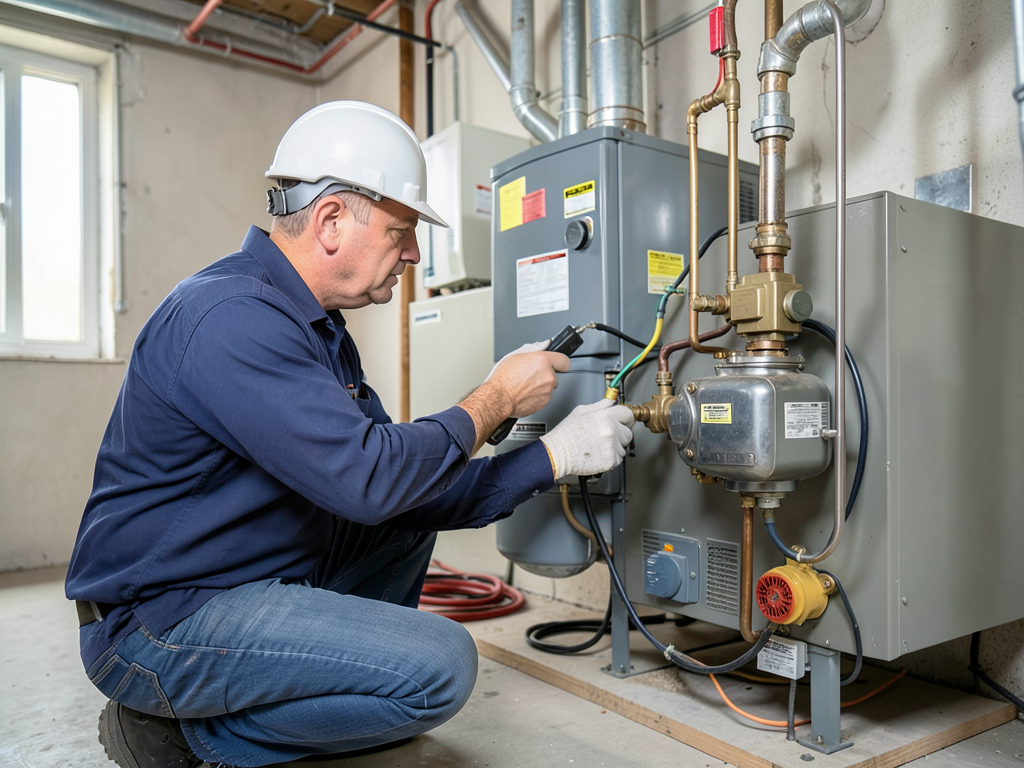
Switching from Propane to Natural Gas for Your Wales Area Home
Converting your Wales area home from propane to natural gas is a significant decision that affects your comfort, utility bills, and home safety. This comprehensive guide walks you through everything you need to know about the conversion process, from initial planning to final safety testing, with specific focus on the unique considerations for Waukesha County residents.
The process involves more than simply switching fuel sources. It requires coordination with WE Energies, compliance with Wisconsin mechanical codes, and professional installation of specialized conversion kits for each appliance. Understanding the complete scope helps you make informed decisions and avoid costly mistakes. WE Energies.
Understanding the Propane to Natural Gas Conversion Process
Propane and natural gas have different combustion characteristics that require specific equipment modifications. Natural gas operates at a lower pressure and has a different air-to-fuel ratio than propane. This means your existing propane appliances need specialized conversion kits that include new orifices, gas valves, and pressure regulators.
The conversion process typically takes 2-4 days depending on the number of appliances and whether gas line extensions are needed. WE Energies coordinates the gas meter installation and main line connection, while your HVAC contractor handles all internal modifications and safety testing.
Initial Assessment and Planning
Before any work begins, a qualified technician evaluates your current propane system and determines what modifications are needed. This assessment includes checking appliance BTU ratings, existing gas line sizing, and venting requirements. The technician also verifies that your home’s electrical system can support any new equipment. New HVAC System Cost 2026.
During this phase, you’ll receive a detailed proposal outlining all necessary work, permit requirements, and estimated timeline. Most Wales area homes built before 2000 require some gas line upgrades to meet current Wisconsin Uniform Dwelling Code standards. Wisconsin Department of Safety and Professional Services.
Cost Breakdown for Wales Area Conversions
The total cost for converting from propane to natural gas varies significantly based on your home’s specific requirements. Most Wales area conversions range from $3,500 to $8,000 for complete systems, with the following cost distribution:
| Conversion Component | Typical Cost Range | Notes |
|---|---|---|
| WE Energies Service Fee | $500 – $1,500 | Depends on distance from main line |
| Gas Line Installation | $1,200 – $3,500 | Exterior trenching and piping |
| Appliance Conversion Kits | $150 – $350 each | One kit per appliance |
| Permits and Inspections | $250 – $450 | Waukesha County requirements |
| Labor and Testing | $1,200 – $2,000 | Professional installation |
Additional costs may include electrical panel upgrades if your system lacks capacity for new gas appliances, or chimney liner modifications for proper venting of converted equipment.
Appliance-Specific Conversion Requirements
Each type of gas appliance requires different conversion procedures and parts. Understanding these differences helps you budget accurately and plan for any necessary appliance replacements.
Furnace Conversion Process
Gas furnaces require the most extensive conversion work because they operate at higher temperatures and have complex control systems. The conversion involves replacing the gas valve, burner orifices, and adjusting the manifold pressure. Most modern furnaces manufactured after 2010 include conversion kits specifically designed for propane-to-natural gas transitions.
During conversion, technicians also inspect and clean the heat exchanger, check the venting system, and verify proper combustion air intake. This comprehensive service ensures your furnace operates safely and efficiently after conversion.
Water Heater Modifications
Water heaters typically have simpler conversion requirements than furnaces. The process involves replacing the gas control valve and burner orifices, then adjusting the thermostat settings for natural gas operation. Tankless water heaters may require additional modifications to their electronic control systems.
Most propane water heaters can be converted to natural gas, but units older than 10 years often benefit from replacement rather than conversion due to efficiency improvements in newer models.
Cooking Appliances
Gas ranges and ovens require orifice replacement and pressure regulator adjustments. The conversion process is relatively straightforward, but proper burner adjustment is critical for even cooking temperatures. Many homeowners choose to keep propane for cooking due to the precise temperature control it provides.
Professional technicians use specialized combustion analyzers to verify that each burner produces the correct flame characteristics after conversion. This testing ensures safe operation and optimal cooking performance. Who to Call for Honest and Professional Furnace Repair in West Allis.
Safety Considerations and Code Compliance
Propane-to-natural gas conversion involves significant safety considerations that require professional expertise. Natural gas is lighter than air and disperses differently than propane, which affects leak detection and ventilation requirements.
Wisconsin mechanical code requires specific pressure testing procedures after gas line installation. Technicians must pressure test all new gas lines at 1.5 times the maximum operating pressure for at least 15 minutes without pressure drop. This testing verifies the integrity of all connections and prevents dangerous gas leaks.
Carbon monoxide detectors are mandatory in all homes with gas appliances. Wisconsin law requires CO detectors on every floor and within 15 feet of sleeping areas. After conversion, technicians test all existing CO detectors and install additional units if needed.
Permit Requirements for Waukesha County
Waukesha County requires mechanical permits for all gas line installations and appliance conversions. The permit process includes plan review by county inspectors to ensure compliance with Wisconsin Uniform Dwelling Code requirements. Most permits are issued within 3-5 business days.
Final inspections are required before WE Energies will activate your natural gas service. The inspection verifies proper installation, adequate venting, and compliance with all safety codes. Failed inspections must be corrected before service activation.
WE Energies Coordination Process
WE Energies manages the gas main connection and meter installation for your conversion. Their process begins after you’ve obtained all necessary permits and completed your internal gas line installation.
The utility company typically requires 2-3 weeks lead time for service activation. They coordinate with your contractor to schedule the final gas line connection and meter installation. WE Energies charges based on the distance from the main line to your home and any required easement work.
After installation, WE Energies performs their own pressure testing and safety verification before activating service. This independent testing provides an additional layer of safety assurance for your family.
Environmental and Efficiency Benefits
Natural gas offers several environmental advantages over propane. While both are fossil fuels, natural gas produces approximately 30% less carbon dioxide per BTU than propane. Additionally, natural gas delivery through underground pipelines eliminates the need for propane delivery trucks, reducing overall emissions.
Modern high-efficiency natural gas furnaces achieve AFUE ratings of 95% or higher, compared to typical propane furnaces at 80-85% efficiency. This efficiency difference translates to lower monthly utility bills and reduced environmental impact.
The elimination of propane tank maintenance is another benefit. Propane tanks require regular inspections, recertification every 10-12 years, and eventual replacement. Natural gas eliminates these ongoing maintenance requirements.
Common Conversion Challenges in the Wales Area
Wales area homes present unique conversion challenges due to the mix of older construction and rural lot sizes. Many properties built before 1980 have undersized gas lines that cannot support modern high-efficiency equipment.
Clay soil conditions in Waukesha County can complicate gas line trenching. The soil’s high moisture content and tendency to expand and contract requires specific installation techniques to prevent line damage over time.
Some Wales area properties have existing propane lines that were installed without permits or proper documentation. These situations require complete gas line replacement to ensure code compliance and safety.
Timeline and Project Management
A typical propane-to-natural gas conversion follows this sequence:
- Initial Assessment
Technician evaluates existing system and provides detailed proposal. Timeline: 1-2 days.
- Permit Acquisition
Submit permit applications to Waukesha County. Timeline: 3-5 business days.
- Gas Line Installation
Excavate and install new gas lines. Timeline: 1-2 days.
- Appliance Conversion
Modify or replace appliances as needed. Timeline: 1-2 days.
- WE Energies Service
Utility company connects service and installs meter. Timeline: 1 day.
- Final Inspections
County and utility inspections. Timeline: 1-2 days.
- System Activation
Complete testing and activation. Timeline: 1 day.
Weather conditions can impact the timeline, particularly during Wisconsin’s spring thaw or winter freeze periods. Most conversions are scheduled during moderate weather months to minimize delays.
Cost-Benefit Analysis for Wales Homeowners
The decision to convert from propane to natural gas involves both immediate costs and long-term financial considerations. Current propane prices in Waukesha County average $2.50-$3.00 per gallon, while natural gas costs approximately $1.20-$1.50 per therm.
A typical Wales area home using 800 gallons of propane annually would spend $2,000-$2,400 on fuel. The same home using natural gas would consume approximately 1,000 therms at a cost of $1,200-$1,500 annually. This represents potential annual savings of $500-$900.
Most homeowners recoup their conversion investment within 5-7 years through fuel savings alone. Additional savings come from eliminated propane delivery fees, tank rental charges, and reduced maintenance costs.
Choosing the Right Contractor
Propane-to-natural gas conversion requires specialized expertise in gas line installation, appliance modification, and safety testing. Not all HVAC contractors have the necessary certifications and experience for this work.
Look for contractors with Wisconsin DSPS mechanical contractor licenses, specific experience with propane conversions, and positive references from other Wales area homeowners. The contractor should handle all permit applications, coordinate with WE Energies, and provide comprehensive warranty coverage.
Professional contractors use combustion analyzers, gas leak detectors, and pressure testing equipment to verify safe operation. They also provide detailed documentation of all work performed and test results for your records.
Maintenance After Conversion
Natural gas systems require different maintenance than propane systems. Annual professional maintenance includes combustion analysis, heat exchanger inspection, and venting system verification. These services ensure continued safe and efficient operation. Fast AC Repair Services for Shorewood Residents Who Need Relief from the Humidity.
Natural gas appliances typically require less frequent maintenance than propane units because they burn cleaner and produce fewer combustion byproducts. However, regular professional inspection remains essential for safety.
Emergency shutoff valves should be tested annually to ensure they operate correctly. All family members should know the location of gas shutoff valves and emergency procedures. Emergency HVAC Help Anywhere in Milwaukee When Your System Fails at Midnight.
Frequently Asked Questions
How long does a typical propane to natural gas conversion take?
Most complete conversions take 2-4 days for the installation work, plus 2-3 weeks for permit processing and WE Energies coordination. Weather conditions and property-specific challenges can extend the timeline.
Can I convert my propane appliances myself?
Wisconsin mechanical code prohibits unlicensed individuals from modifying gas lines or converting gas appliances. DIY conversion attempts void appliance warranties and create serious safety hazards including gas leaks and carbon monoxide poisoning.
What happens to my old propane tank?
Your contractor can arrange for professional removal and disposal of your propane tank. Some companies offer tank buy-back programs, while others charge removal fees. The tank must be properly purged and disconnected before removal.
Will I need to replace my appliances?
Most modern propane appliances can be converted to natural gas using manufacturer-approved conversion kits. However, appliances older than 15 years may benefit from replacement due to efficiency improvements and reliability concerns.
How do I know if natural gas is available in my area?
Contact WE Energies to verify natural gas availability at your specific address. They can provide information about service extension options if natural gas is not currently available in your immediate area.
Ready to Make the Switch?
Converting from propane to natural gas is a significant investment in your home’s comfort, efficiency, and safety. The process requires careful planning, professional expertise, and coordination with multiple parties to ensure successful completion.
Don’t wait until your propane tank runs empty or winter weather arrives. Start the conversion process now to enjoy the benefits of natural gas heating before the next cold season. Professional contractors can provide detailed assessments and help you understand the specific requirements for your Wales area home.
Call (414) 387-8977 today to schedule your free propane-to-natural gas conversion consultation. Our experienced technicians will evaluate your current system, explain your options, and provide a detailed proposal with no obligation. Make the switch to natural gas and start saving money while improving your home’s comfort and safety.
Pick up the phone and call (414) 387-8977 before the next storm hits. Our team is ready to help you make the transition to natural gas heating with professional installation and comprehensive warranty coverage.
{
“@context”: “https://schema.org”,
“@type”: “BlogPosting”,
“headline”: “Switching from Propane to Natural Gas for Your Wales Area Home”,
“description”: “Learn the complete process of converting your Wales area home from propane to natural gas. Find out costs, safety requirements, and why professional conversion matters.”,
“wordCount”: 2032,
“datePublished”: “2026-04-08T07:42:00.000Z”,
“dateModified”: “2026-04-08T07:42:00.000Z”,
“inLanguage”: “en-US”,
“mainEntityOfPage”: {
“@type”: “WebPage”,
“@id”: “https://firstchoicehvacmilwaukee.com”
},
“publisher”: {
“@type”: “LocalBusiness”,
“name”: “First Choice HVAC Milwaukee”,
“url”: “https://firstchoicehvacmilwaukee.com”
},
“author”: {
“@type”: “Organization”,
“name”: “First Choice HVAC Milwaukee”,
“url”: “https://firstchoicehvacmilwaukee.com”
},
“image”: {
“@type”: “ImageObject”,
“url”: “https://firstchoicehvacmilwaukee.com/wp-content/uploads/2026/03/switching-from-propane-to-natural-gas-for-your-wal-1.png”
}
}
{
“@context”: “https://schema.org”,
“@type”: “HVACBusiness”,
“name”: “First Choice HVAC Milwaukee”,
“url”: “https://firstchoicehvacmilwaukee.com”,
“address”: {
“@type”: “PostalAddress”,
“addressLocality”: “Milwaukee”
},
“areaServed”: {
“@type”: “City”,
“name”: “Milwaukee”
}
}
{
“@context”: “https://schema.org”,
“@type”: “FAQPage”,
“mainEntity”: [
{
“@type”: “Question”,
“name”: “How long does a typical propane to natural gas conversion take?”,
“acceptedAnswer”: {
“@type”: “Answer”,
“text”: “Most complete conversions take 2-4 days for the installation work, plus 2-3 weeks for permit processing and WE Energies coordination. Weather conditions and property-specific challenges can extend the timeline.”
}
},
{
“@type”: “Question”,
“name”: “Can I convert my propane appliances myself?”,
“acceptedAnswer”: {
“@type”: “Answer”,
“text”: “Wisconsin mechanical code prohibits unlicensed individuals from modifying gas lines or converting gas appliances. DIY conversion attempts void appliance warranties and create serious safety hazards including gas leaks and carbon monoxide poisoning.”
}
},
{
“@type”: “Question”,
“name”: “What happens to my old propane tank?”,
“acceptedAnswer”: {
“@type”: “Answer”,
“text”: “Your contractor can arrange for professional removal and disposal of your propane tank. Some companies offer tank buy-back programs, while others charge removal fees. The tank must be properly purged and disconnected before removal.”
}
},
{
“@type”: “Question”,
“name”: “Will I need to replace my appliances?”,
“acceptedAnswer”: {
“@type”: “Answer”,
“text”: “Most modern propane appliances can be converted to natural gas using manufacturer-approved conversion kits. However, appliances older than 15 years may benefit from replacement due to efficiency improvements and reliability concerns.”
}
},
{
“@type”: “Question”,
“name”: “How do I know if natural gas is available in my area?”,
“acceptedAnswer”: {
“@type”: “Answer”,
“text”: “Contact WE Energies to verify natural gas availability at your specific address. They can provide information about service extension options if natural gas is not currently available in your immediate area.”
}
},
{
“@type”: “Question”,
“name”: “Ready to Make the Switch?”,
“acceptedAnswer”: {
“@type”: “Answer”,
“text”: “Converting from propane to natural gas is a significant investment in your home’s comfort, efficiency, and safety. The process requires careful planning, professional expertise, and coordination with multiple parties to ensure successful completion.”
}
}
]
}
{
“@context”: “https://schema.org”,
“@type”: “HowTo”,
“name”: “Propane to Natural Gas Conversion Timeline”,
“step”: [
{
“@type”: “HowToStep”,
“position”: 1,
“name”: “Initial Assessment”,
“text”: “Technician evaluates existing system and provides detailed proposal. Timeline: 1-2 days.”
},
{
“@type”: “HowToStep”,
“position”: 2,
“name”: “Permit Acquisition”,
“text”: “Submit permit applications to Waukesha County. Timeline: 3-5 business days.”
},
{
“@type”: “HowToStep”,
“position”: 3,
“name”: “Gas Line Installation”,
“text”: “Excavate and install new gas lines. Timeline: 1-2 days.”
},
{
“@type”: “HowToStep”,
“position”: 4,
“name”: “Appliance Conversion”,
“text”: “Modify or replace appliances as needed. Timeline: 1-2 days.”
},
{
“@type”: “HowToStep”,
“position”: 5,
“name”: “WE Energies Service”,
“text”: “Utility company connects service and installs meter. Timeline: 1 day.”
},
{
“@type”: “HowToStep”,
“position”: 6,
“name”: “Final Inspections”,
“text”: “County and utility inspections. Timeline: 1-2 days.”
},
{
“@type”: “HowToStep”,
“position”: 7,
“name”: “System Activation”,
“text”: “Complete testing and activation. Timeline: 1 day.”
}
],
“image”: “https://firstchoicehvacmilwaukee.com/wp-content/uploads/2026/03/switching-from-propane-to-natural-gas-for-your-wal-1.png”
}
{
“@context”: “https://schema.org”,
“@type”: “BreadcrumbList”,
“itemListElement”: [
{
“@type”: “ListItem”,
“position”: 1,
“name”: “Home”,
“item”: “https://firstchoicehvacmilwaukee.com”
},
{
“@type”: “ListItem”,
“position”: 2,
“name”: “Blog”,
“item”: “https://firstchoicehvacmilwaukee.com/blog”
},
{
“@type”: “ListItem”,
“position”: 3,
“name”: “Switching from Propane to Natural Gas for Your Wales Area Home”
}
]
}
{
“@context”: “https://schema.org”,
“@type”: “Service”,
“serviceType”: “HVAC”,
“provider”: {
“@type”: “LocalBusiness”,
“name”: “First Choice HVAC Milwaukee”,
“url”: “https://firstchoicehvacmilwaukee.com”
},
“areaServed”: {
“@type”: “City”,
“name”: “Milwaukee”
},
“description”: “Learn the complete process of converting your Wales area home from propane to natural gas. Find out costs, safety requirements, and why professional conversion matters.”
}