
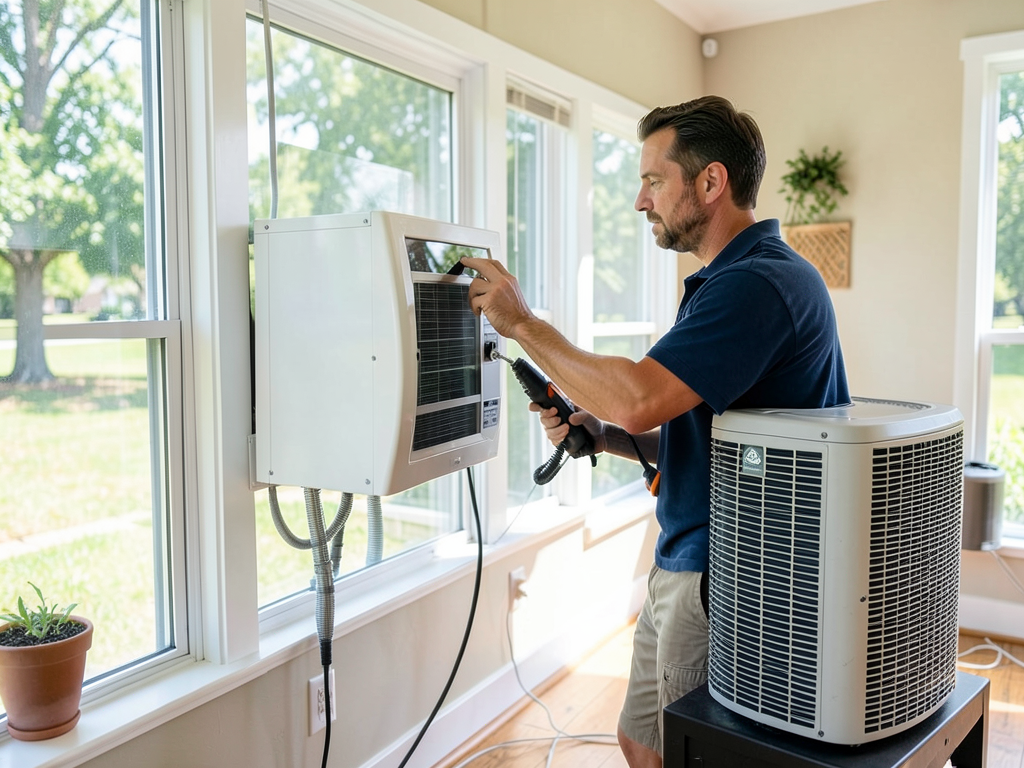
The Best Way to Heat and Cool a Four Season Sunroom in Brookfield
Brookfield homeowners looking to enjoy their sunrooms year-round face a unique challenge. Glass-heavy rooms lose heat rapidly in winter and trap it in summer creating uncomfortable temperature swings that standard HVAC systems were not designed to handle. The solution requires specialized equipment that can handle Milwaukee’s extreme seasonal temperature variance while maintaining energy efficiency.
Four-season sunrooms need dedicated HVAC systems because they have dramatically different heating and cooling loads than the rest of your home. The extensive glass exposure means BTU requirements can be 30-50% higher per square foot than standard rooms. In Brookfield’s climate where winter lows can drop below -10°F and summer highs exceed 90°F your sunroom needs equipment that performs reliably in both extremes. Cooling Tower Services.
The most effective approach combines proper insulation with the right heating and cooling technology. Low-E glass coatings insulated headers and proper vapor barriers can reduce HVAC demands by up to 40% but even with excellent insulation you will still need dedicated climate control equipment sized specifically for your sunroom’s unique thermal characteristics.
Why Sunrooms Present a Unique HVAC Challenge in Wisconsin
Wisconsin’s climate creates specific challenges for sunroom comfort that homeowners in milder regions do not face. The combination of sub-zero winter temperatures and humid summer heat means your sunroom HVAC must handle a 100-degree temperature differential. Standard room air conditioners struggle below 60°F while many heat pumps lose efficiency when temperatures drop below 35°F.
Brookfield’s location near the Kettle Moraine region also affects sunroom performance. The area’s heavy clay soil and high water table can create moisture challenges that impact indoor humidity levels. During summer months Lake Michigan’s influence brings additional humidity that your sunroom’s cooling system must manage effectively to prevent that sticky uncomfortable feeling.
The glass-heavy construction typical of sunrooms creates what HVAC professionals call the glass box effect. Standard Manual J calculations for room sizing often underestimate the actual cooling load because they do not account for solar heat gain through extensive glass exposure. A 200-square-foot sunroom might require the same cooling capacity as a 300-square-foot standard room especially if it faces south or west. Why Your Bay View Bungalow Might Benefit from a Ductless Mini Split System.
Top 4 Solutions for Sunroom Climate Control
1. Ductless Mini-Split Systems (The Gold Standard)
Ductless mini-split systems have become the preferred solution for Brookfield sunrooms because they offer precise temperature control without the need for extensive ductwork modifications. These systems use inverter technology that adjusts compressor speed based on demand maintaining consistent temperatures while using 30-40% less energy than conventional systems.
For Wisconsin’s climate look for units with HSPF2 ratings above 9.0 for heating efficiency and SEER2 ratings above 16.0 for cooling. The best mini-splits maintain 70-80% of their rated heating capacity at 5°F and can operate down to -15°F making them suitable for Brookfield’s coldest nights. Mitsubishi Electric and Daikin offer models specifically designed for extreme cold performance. Mitsubishi Electric.
Installation typically takes one day and requires only a three-inch hole through the wall for refrigerant lines. The indoor unit mounts high on the wall where it can distribute air evenly throughout the sunroom. Most Brookfield homeowners find that a 9000-12000 BTU unit adequately serves a 200-300 square foot sunroom though your specific needs depend on glass area and insulation quality.
2. Extending Existing Ductwork (Pros and Cons)
Extending your home’s existing ductwork into the sunroom can work if your current system has adequate capacity but this approach has significant limitations. Most residential HVAC systems operate at 70-80% efficiency due to duct losses and adding a sunroom can push them beyond their design capacity causing performance issues throughout your home.
The main advantage of duct extensions is seamless integration with your existing thermostat system. However you will need a professional Manual J calculation to determine if your current furnace and air conditioner can handle the additional load. Many Brookfield homes built before 2000 have systems operating near their maximum capacity making extensions impractical. Who to Call for Honest and Professional Furnace Repair in West Allis.
Another consideration is the physical installation. Running ducts to a sunroom often requires cutting through exterior walls or building soffits that reduce usable space. In Brookfield’s historic neighborhoods where many homes have finished basements or crawl spaces finding accessible pathways for new ductwork can be challenging and expensive. What to Do When Your Historic East Side Home’s Boiler Stops Working.
3. PTAC Units and Through-the-Wall Options
Packaged Terminal Air Conditioner (PTAC) units offer a self-contained heating and cooling solution that installs through the exterior wall. These units work well for sunrooms up to 500 square feet and provide both heating and cooling in a single package. They are particularly popular in commercial applications but work effectively in residential settings too.
The main advantage of PTAC units is their simplicity. They do not require any indoor space for equipment and installation is straightforward. However they tend to be noisier than mini-splits and have lower energy efficiency ratings. Most PTAC units achieve SEER ratings of 10-13 compared to 16-22 for modern mini-splits.
For Brookfield’s climate choose PTAC units with electric heat strips rather than heat pumps as heat pumps lose efficiency quickly in sub-freezing temperatures. Electric heat strips provide consistent warmth regardless of outdoor conditions though they consume more electricity than heat pump systems during extended cold periods. Outdoor Unit Not Spinning.
4. Radiant Floor Heating for Winter Comfort
Radiant floor heating provides luxurious warmth that is particularly effective in sunrooms with tile or stone flooring. Electric radiant systems use heating cables installed beneath the floor surface while hydronic systems circulate warm water through tubing. Both types provide even silent heating without the drafts associated with forced air systems.
The main limitation of radiant floor heating is that it only provides warmth not cooling. For year-round comfort you will need to combine radiant heat with a separate cooling solution like a ceiling fan or window air conditioner. This combination works well in spring and fall but may struggle during Brookfield’s hottest summer days.
Installation costs for radiant floor heating range from $10-20 per square foot making it one of the more expensive options. However the comfort level is exceptional and operating costs are relatively low since the system maintains consistent temperatures without the cycling associated with forced air systems.
Factors Affecting Your HVAC Choice: Insulation Glass and Size
The effectiveness of any sunroom HVAC solution depends heavily on the room’s construction details. High-quality insulation can reduce your heating and cooling requirements by 30-50% making it possible to use smaller more efficient equipment. Focus on insulating headers knee walls and the foundation sill plate where heat loss commonly occurs. Focus on Energy.
Glass selection significantly impacts HVAC performance. Double-pane low-E glass with argon filling provides U-values of 0.30 or lower compared to 0.50 or higher for standard double-pane glass. For Brookfield’s climate choose low-E coatings optimized for both winter heat retention and summer heat rejection. Cardinal Glass Industries offers coatings specifically designed for northern climates.
Room orientation affects solar heat gain throughout the year. South-facing sunrooms receive maximum winter sun but can become uncomfortably hot during summer afternoons. East-facing rooms warm up quickly in morning but stay cooler in afternoon. Consider automated shades or exterior awnings to control solar gain during peak heating periods.
BTU sizing requires careful calculation based on your specific conditions. A general rule of thumb suggests 20-25 BTU per square foot for sunrooms in Brookfield’s climate zone but this varies significantly based on glass area insulation quality and sun exposure. Professional load calculations using Manual J software provide the most accurate sizing recommendations.
Estimating Costs and Energy Efficiency in the Milwaukee Metro Area
Initial installation costs vary significantly by system type. Mini-split systems typically cost $3500-5500 installed for a 9000-12000 BTU unit suitable for most sunrooms. PTAC units run $2500-4000 installed while extending existing ductwork can cost $5000-15000 depending on your home’s configuration and the distance to the sunroom.
Operating costs depend on equipment efficiency and local utility rates. Wisconsin’s average electricity cost of $0.14 per kilowatt-hour means a high-efficiency mini-split might cost $30-50 per month to operate during peak cooling season while a standard efficiency system could cost $60-90 monthly. Over a 15-year equipment life these differences add up significantly.
Energy efficiency improvements often qualify for Focus on Energy rebates Wisconsin’s statewide energy efficiency program. Current incentives include $50-200 rebates for high-efficiency HVAC equipment and additional rebates for insulation improvements. These programs can reduce your net installation cost by 15-30% making higher efficiency equipment more affordable.
Long-term value considerations extend beyond energy costs. High-quality HVAC equipment typically lasts 15-20 years with proper maintenance while lower quality systems might need replacement in 8-12 years. The reliability of your sunroom climate control system affects how often you actually use the space impacting your home’s overall livability and value.
FAQ: Common Questions About Four-Season Rooms
Can I use my existing HVAC system for my sunroom?
Most existing HVAC systems lack the capacity to handle sunroom additions effectively. Adding a sunroom typically increases your home’s total heating and cooling load by 15-25% which can overload systems that are already operating near their design limits. A professional load calculation will determine if your current system can handle the additional demand.
How do I control humidity in my sunroom during Wisconsin summers?
Humidity control requires both adequate cooling capacity and proper air circulation. Mini-split systems with inverter technology maintain lower humidity levels by running continuously at reduced capacity rather than cycling on and off. For Brookfield’s humid summers choose units with enhanced dehumidification modes and consider supplemental dehumidifiers for particularly muggy periods.
What is the best way to heat a sunroom when temperatures drop below zero?
For extreme cold performance ductless mini-splits with Hyper-Heating INVERTER technology maintain full heating capacity down to -15°F. These units use advanced compressor designs and enhanced heat exchangers to extract heat from extremely cold air. For Brookfield’s occasional sub-zero nights this technology provides reliable warmth without the need for backup heating systems.
How long does sunroom HVAC installation take?
Mini-split installations typically complete in one day with most of the time spent on electrical connections and refrigerant line installation. PTAC units can often install in half a day. Duct extensions require more extensive work potentially taking 2-5 days depending on your home’s configuration and the complexity of running new ductwork to the sunroom.
Making Your Decision: Local Expertise Matters
Choosing the right HVAC solution for your Brookfield sunroom requires understanding both the technical requirements and local building conditions. The area’s heavy clay soil can affect foundation insulation while proximity to Lake Michigan influences humidity levels and cooling loads. Local building codes also specify requirements for sunroom construction and HVAC installations.
Professional HVAC contractors familiar with Brookfield’s specific conditions can recommend equipment that performs reliably in local weather patterns. They understand how the area’s temperature extremes affect system sizing and can identify potential installation challenges before work begins. This local expertise often prevents costly mistakes and ensures your sunroom remains comfortable year-round.
Before making your final decision request detailed proposals from qualified contractors that include equipment specifications installation timelines and energy efficiency estimates. Compare not just initial costs but long-term operating expenses and warranty coverage. The cheapest option rarely provides the best long-term value for sunroom climate control.
Call (414) 387-8977 today to schedule your inspection. Our Brookfield HVAC specialists will evaluate your sunroom’s specific needs and recommend the most cost-effective solution for year-round comfort. Do not wait until the next polar vortex or heat wave to discover your sunroom is not ready for Wisconsin’s extreme weather.
Pick up the phone and call (414) 387-8977 before the next storm hits. We will help you choose the right HVAC system to keep your sunroom comfortable through every season whether you are dealing with sub-zero temperatures or humid summer heat. Your year-round sunroom comfort is just one call away. For more information, visit Daikin.
You may also find this helpful. Ways to Cool Down a Stuffy Home Office in Your Washington Park House.
{
“@context”: “https://schema.org”,
“@type”: “BlogPosting”,
“headline”: “The Best Way to Heat and Cool a Four Season Sunroom in Brookfield”,
“description”: “Discover the best HVAC solutions for Brookfield sunrooms. Learn about mini-splits, duct extensions, and radiant heating for year-round comfort in Wisconsin’s extreme climate.”,
“wordCount”: 2001,
“datePublished”: “2026-06-07T15:19:00.000Z”,
“dateModified”: “2026-06-07T15:19:00.000Z”,
“inLanguage”: “en-US”,
“mainEntityOfPage”: {
“@type”: “WebPage”,
“@id”: “https://firstchoicehvacmilwaukee.com”
},
“publisher”: {
“@type”: “LocalBusiness”,
“name”: “First Choice HVAC Milwaukee”,
“url”: “https://firstchoicehvacmilwaukee.com”
},
“author”: {
“@type”: “Organization”,
“name”: “First Choice HVAC Milwaukee”,
“url”: “https://firstchoicehvacmilwaukee.com”
},
“image”: {
“@type”: “ImageObject”,
“url”: “https://firstchoicehvacmilwaukee.com/wp-content/uploads/2026/03/the-best-way-to-heat-and-cool-a-four-season-sunroo-1.png”
}
}
{
“@context”: “https://schema.org”,
“@type”: “HVACBusiness”,
“name”: “First Choice HVAC Milwaukee”,
“url”: “https://firstchoicehvacmilwaukee.com”,
“address”: {
“@type”: “PostalAddress”,
“addressLocality”: “Milwaukee”
},
“areaServed”: {
“@type”: “City”,
“name”: “Milwaukee”
}
}
{
“@context”: “https://schema.org”,
“@type”: “FAQPage”,
“mainEntity”: [
{
“@type”: “Question”,
“name”: “Can I use my existing HVAC system for my sunroom?”,
“acceptedAnswer”: {
“@type”: “Answer”,
“text”: “Most existing HVAC systems lack the capacity to handle sunroom additions effectively. Adding a sunroom typically increases your home’s total heating and cooling load by 15-25% which can overload systems that are already operating near their design limits. A professional load calculation will determine if your current system can handle the additional demand.”
}
},
{
“@type”: “Question”,
“name”: “How do I control humidity in my sunroom during Wisconsin summers?”,
“acceptedAnswer”: {
“@type”: “Answer”,
“text”: “Humidity control requires both adequate cooling capacity and proper air circulation. Mini-split systems with inverter technology maintain lower humidity levels by running continuously at reduced capacity rather than cycling on and off. For Brookfield’s humid summers choose units with enhanced dehumidification modes and consider supplemental dehumidifiers for particularly muggy periods.”
}
},
{
“@type”: “Question”,
“name”: “What is the best way to heat a sunroom when temperatures drop below zero?”,
“acceptedAnswer”: {
“@type”: “Answer”,
“text”: “For extreme cold performance ductless mini-splits with Hyper-Heating INVERTER technology maintain full heating capacity down to -15°F. These units use advanced compressor designs and enhanced heat exchangers to extract heat from extremely cold air. For Brookfield’s occasional sub-zero nights this technology provides reliable warmth without the need for backup heating systems.”
}
},
{
“@type”: “Question”,
“name”: “How long does sunroom HVAC installation take?”,
“acceptedAnswer”: {
“@type”: “Answer”,
“text”: “Mini-split installations typically complete in one day with most of the time spent on electrical connections and refrigerant line installation. PTAC units can often install in half a day. Duct extensions require more extensive work potentially taking 2-5 days depending on your home’s configuration and the complexity of running new ductwork to the sunroom.”
}
}
]
}
{
“@context”: “https://schema.org”,
“@type”: “BreadcrumbList”,
“itemListElement”: [
{
“@type”: “ListItem”,
“position”: 1,
“name”: “Home”,
“item”: “https://firstchoicehvacmilwaukee.com”
},
{
“@type”: “ListItem”,
“position”: 2,
“name”: “Blog”,
“item”: “https://firstchoicehvacmilwaukee.com/blog”
},
{
“@type”: “ListItem”,
“position”: 3,
“name”: “The Best Way to Heat and Cool a Four Season Sunroom in Brookfield”
}
]
}
{
“@context”: “https://schema.org”,
“@type”: “Service”,
“serviceType”: “HVAC”,
“provider”: {
“@type”: “LocalBusiness”,
“name”: “First Choice HVAC Milwaukee”,
“url”: “https://firstchoicehvacmilwaukee.com”
},
“areaServed”: {
“@type”: “City”,
“name”: “Milwaukee”
},
“description”: “Discover the best HVAC solutions for Brookfield sunrooms. Learn about mini-splits, duct extensions, and radiant heating for year-round comfort in Wisconsin’s extreme climate.”
}