Glendale homeowners face unique challenges when it comes to furnace maintenance. The extreme Wisconsin winters put tremendous strain on heating systems, and a single mistake during DIY cleaning can lead to dangerous carbon monoxide leaks, gas explosions, or complete system failure. More importantly, most manufacturers explicitly void warranties if untrained individuals attempt internal cleaning or adjustments. Wisconsin Department of Safety and Professional Services HVAC licensing.
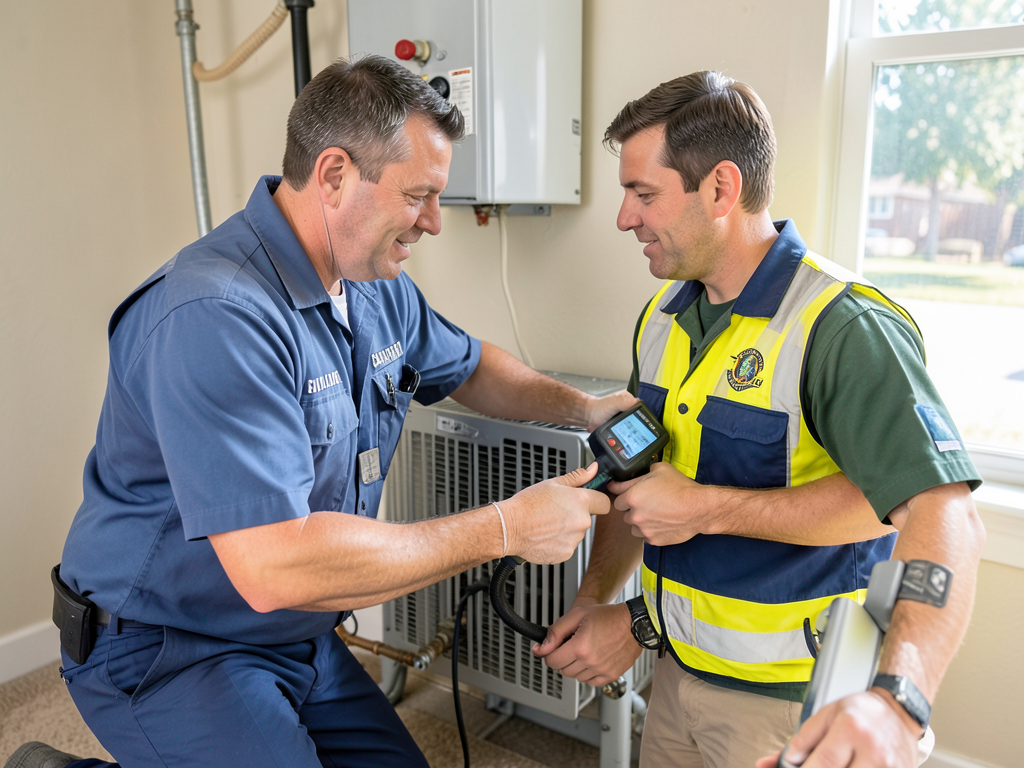
Professional HVAC technicians follow specific safety protocols and use specialized tools like combustion analyzers and manometers that homeowners simply don’t have access to. The cost of a professional tune-up is minimal compared to the thousands of dollars you could spend on emergency repairs or even a full system replacement if something goes wrong during DIY maintenance. Fast AC Repair Services for Shorewood Residents Who Need Relief from the Humidity.
5 Critical Risks of Self-Servicing Your Heating System
Carbon Monoxide Leaks: The Silent Killer
Carbon monoxide is odorless, colorless, and deadly. A cracked heat exchanger during DIY cleaning can release CO into your home before you even realize there’s a problem. Symptoms of CO poisoning mimic the flu – headaches, dizziness, nausea – but can quickly become fatal. Professional technicians use CO detectors and combustion analysis to ensure your system is venting properly. Who to Call for Honest and Professional Furnace Repair in West Allis.
Wisconsin’s Department of Safety and Professional Services (DSPS) requires specific testing procedures that DIYers cannot legally perform. The risk is especially high in Glendale’s older homes where heat exchangers may already have hairline cracks from years of thermal stress.
Natural Gas Explosions and Fire Hazards
Messing with gas lines, valves, or pilot lights without proper training creates explosion risks. A single loose connection or improperly adjusted gas valve can fill your home with natural gas. The rotten egg smell added to natural gas is actually a safety feature – if you smell it, you already have a dangerous leak.. Read more about What to Do if You Smell Rotten Eggs Near Your Furnace in Lincoln Village.
WE Energies, Milwaukee’s natural gas provider, recommends only licensed professionals handle gas line work. Their safety protocols require specific testing procedures that DIYers cannot legally perform. The risk multiplies in Glendale’s tightly-packed neighborhoods where a single explosion could affect multiple homes. WE Energies gas safety guidelines.
Electrical Shorts and Control Board Damage
Furnace control boards contain sensitive electronics that can be easily damaged by static electricity or improper handling. A single static discharge while cleaning can fry the board, leaving you without heat during a polar vortex. The cost to replace a control board often exceeds the price of a professional maintenance visit.
Older Glendale homes often have aluminum wiring that’s particularly susceptible to overheating when combined with furnace electrical loads. Professional technicians know how to test for proper voltage and amperage draw using multimeters and clamp meters – tools most homeowners don’t own or know how to use safely.
Voiding Manufacturer Warranties
Most furnace manufacturers explicitly state in their warranty documentation that unauthorized maintenance voids coverage. This means if your DIY cleaning causes damage, you’re on the hook for all repair costs – even if the furnace is still under warranty. Some warranties require proof of annual professional maintenance to remain valid.
Carrier, Bryant, and Lennox all have similar warranty language. They require NATE-certified technicians to perform specific maintenance procedures, document them, and provide service records. Without these records, you have no warranty protection if something fails.
Incomplete Combustion and Reduced Efficiency
Improper cleaning can actually make your furnace less efficient. DIYers often miss critical components like the flame sensor, pressure switch, or draft inducer motor. These components require specific cleaning techniques and testing procedures to ensure they’re functioning correctly.
When combustion is incomplete, your furnace produces more carbon monoxide and uses more natural gas to produce the same amount of heat. This means higher energy bills and increased environmental impact. Professional technicians use combustion analyzers to measure efficiency and adjust burners for optimal performance.
The Cost of a Mistake: DIY vs. Professional Tune-Up
| Service Type | Cost Range | Risk Level | Warranty Impact |
|---|---|---|---|
| Professional Maintenance | $150-250 | Low | Maintains warranty |
| DIY Cleaning Attempt | $0-50 | High | Voided warranty |
| Cracked Heat Exchanger | $1,500-3,500 | Emergency | No coverage |
| Control Board Replacement | $400-800 | Emergency | No coverage |
| Gas Leak Repair | $200-600 | Emergency | No coverage |
Milwaukee Building Codes and Legal Considerations
Wisconsin’s Uniform Dwelling Code (UDC) Chapter 21 specifically addresses HVAC systems and requires licensed professionals for most furnace work. The City of Glendale enforces these codes through permit requirements and inspections. DIY furnace work without proper permits can result in fines and mandatory corrections by licensed contractors. New HVAC System Cost 2026.
Wisconsin Statute 101.862 requires HVAC contractors to be licensed by DSPS. This ensures they have proper training in gas line safety, combustion analysis, and carbon monoxide detection. Insurance companies also require proof of professional maintenance for claims related to furnace failures.
The risk extends beyond just your home. A malfunctioning furnace can affect neighboring properties through shared ventilation systems or gas line connections. This is why Glendale building inspectors require permits even for what seems like simple maintenance work.
What Maintenance is Actually Safe for Homeowners?
Homeowners can safely handle several maintenance tasks that don’t involve internal components or gas lines. These tasks help maintain efficiency between professional tune-ups without risking warranty voidance or safety hazards.
Changing your furnace filter monthly during heating season is the single most important maintenance task you can perform. A clean filter improves airflow, reduces energy consumption, and extends the life of your blower motor. Use the filter size and type recommended by your furnace manufacturer.
Keep the area around your furnace clear of clutter and combustible materials. This includes cardboard boxes, cleaning supplies, and anything that could block airflow or create a fire hazard. Maintain at least three feet of clearance around the entire furnace unit.
Check your thermostat batteries annually and replace them before they fail. A dead thermostat battery can leave you without heat during extreme cold weather. Also verify that your thermostat is set to “heat” mode and the fan is on “auto” rather than “on” to prevent continuous blower operation.
Listen for unusual noises from your furnace. Grinding, squealing, or rattling sounds often indicate bearing wear or loose components that need professional attention. Don’t ignore these warning signs – they typically worsen quickly and can lead to complete system failure.
Check your carbon monoxide detectors monthly and replace batteries annually. These devices are your first line of defense against CO poisoning. Install detectors on every level of your home and near sleeping areas for maximum protection.
Frequently Asked Questions
How often should I have my furnace professionally serviced?
Annual maintenance before heating season is recommended by all major manufacturers. This ensures your system is ready for Wisconsin’s extreme winter demands and helps maintain warranty coverage.
Can cleaning my furnace myself really void the warranty?
Yes. Most manufacturer warranties specifically state that unauthorized maintenance or repairs void coverage. This includes internal cleaning, adjustments, or replacement of components.
What’s the biggest risk of DIY furnace cleaning?
Carbon monoxide leaks from cracked heat exchangers are the most dangerous risk. CO is odorless and can be fatal before you realize there’s a problem.
How much does professional furnace maintenance cost in Glendale?
Professional tune-ups typically cost $150-250 in the Glendale area. This includes safety inspections, cleaning, and adjustments that maintain your warranty.
What should I do if I smell gas near my furnace?
Leave your home immediately, call 911, and then contact your gas utility provider. Do not operate any electrical switches or create any sparks.
Ready to Protect Your Home and Family?
Don’t risk your family’s safety or your furnace warranty with DIY cleaning. Our NATE-certified technicians understand Glendale’s unique heating challenges and follow all Wisconsin safety codes. We use professional-grade equipment to ensure your system operates safely and efficiently all winter long.
Call (414) 387-8977 today to schedule your professional furnace inspection. We’ll check for carbon monoxide leaks, verify proper combustion, and ensure your system is ready for whatever Wisconsin weather throws our way. Your safety and peace of mind are worth the investment.
Don’t wait until your furnace fails on the coldest night of the year. Pick up the phone and call (414) 387-8977 before the next storm hits. We’re here to help Glendale homeowners stay warm and safe all winter long.
{
“@context”: “https://schema.org”,
“@type”: “BlogPosting”,
“headline”: “The Real Risks of DIY Furnace Cleaning and Why It Might Void Your Warranty in Glendale”,
“description”: “Learn why DIY furnace cleaning in Glendale can be dangerous and void your warranty. Get expert HVAC advice from Milwaukee professionals at First Choice HVAC.”,
“wordCount”: 1379,
“datePublished”: “2026-05-30T11:50:00.000Z”,
“dateModified”: “2026-05-30T11:50:00.000Z”,
“inLanguage”: “en-US”,
“mainEntityOfPage”: {
“@type”: “WebPage”,
“@id”: “https://firstchoicehvacmilwaukee.com”
},
“publisher”: {
“@type”: “LocalBusiness”,
“name”: “First Choice HVAC Milwaukee”,
“url”: “https://firstchoicehvacmilwaukee.com”
},
“author”: {
“@type”: “Organization”,
“name”: “First Choice HVAC Milwaukee”,
“url”: “https://firstchoicehvacmilwaukee.com”
},
“image”: {
“@type”: “ImageObject”,
“url”: “https://firstchoicehvacmilwaukee.com/wp-content/uploads/2026/03/the-real-risks-of-diy-furnace-cleaning-and-why-it-1.png”
}
}
{
“@context”: “https://schema.org”,
“@type”: “HVACBusiness”,
“name”: “First Choice HVAC Milwaukee”,
“url”: “https://firstchoicehvacmilwaukee.com”,
“address”: {
“@type”: “PostalAddress”,
“addressLocality”: “Milwaukee”
},
“areaServed”: {
“@type”: “City”,
“name”: “Milwaukee”
}
}
{
“@context”: “https://schema.org”,
“@type”: “FAQPage”,
“mainEntity”: [
{
“@type”: “Question”,
“name”: “What Maintenance is Actually Safe for Homeowners?”,
“acceptedAnswer”: {
“@type”: “Answer”,
“text”: “Homeowners can safely handle several maintenance tasks that don’t involve internal components or gas lines. These tasks help maintain efficiency between professional tune-ups without risking warranty voidance or safety hazards.”
}
},
{
“@type”: “Question”,
“name”: “How often should I have my furnace professionally serviced?”,
“acceptedAnswer”: {
“@type”: “Answer”,
“text”: “Annual maintenance before heating season is recommended by all major manufacturers. This ensures your system is ready for Wisconsin’s extreme winter demands and helps maintain warranty coverage.”
}
},
{
“@type”: “Question”,
“name”: “Can cleaning my furnace myself really void the warranty?”,
“acceptedAnswer”: {
“@type”: “Answer”,
“text”: “Yes. Most manufacturer warranties specifically state that unauthorized maintenance or repairs void coverage. This includes internal cleaning, adjustments, or replacement of components.”
}
},
{
“@type”: “Question”,
“name”: “What’s the biggest risk of DIY furnace cleaning?”,
“acceptedAnswer”: {
“@type”: “Answer”,
“text”: “Carbon monoxide leaks from cracked heat exchangers are the most dangerous risk. CO is odorless and can be fatal before you realize there’s a problem.”
}
},
{
“@type”: “Question”,
“name”: “How much does professional furnace maintenance cost in Glendale?”,
“acceptedAnswer”: {
“@type”: “Answer”,
“text”: “Professional tune-ups typically cost $150-250 in the Glendale area. This includes safety inspections, cleaning, and adjustments that maintain your warranty.”
}
},
{
“@type”: “Question”,
“name”: “What should I do if I smell gas near my furnace?”,
“acceptedAnswer”: {
“@type”: “Answer”,
“text”: “Leave your home immediately, call 911, and then contact your gas utility provider. Do not operate any electrical switches or create any sparks.”
}
},
{
“@type”: “Question”,
“name”: “Ready to Protect Your Home and Family?”,
“acceptedAnswer”: {
“@type”: “Answer”,
“text”: “Don’t risk your family’s safety or your furnace warranty with DIY cleaning. Our NATE-certified technicians understand Glendale’s unique heating challenges and follow all Wisconsin safety codes. We use professional-grade equipment to ensure your system operates safely and efficiently all winter long.”
}
}
]
}
{
“@context”: “https://schema.org”,
“@type”: “BreadcrumbList”,
“itemListElement”: [
{
“@type”: “ListItem”,
“position”: 1,
“name”: “Home”,
“item”: “https://firstchoicehvacmilwaukee.com”
},
{
“@type”: “ListItem”,
“position”: 2,
“name”: “Blog”,
“item”: “https://firstchoicehvacmilwaukee.com/blog”
},
{
“@type”: “ListItem”,
“position”: 3,
“name”: “The Real Risks of DIY Furnace Cleaning and Why It Might Void Your Warranty in Glendale”
}
]
}
{
“@context”: “https://schema.org”,
“@type”: “Service”,
“serviceType”: “HVAC”,
“provider”: {
“@type”: “LocalBusiness”,
“name”: “First Choice HVAC Milwaukee”,
“url”: “https://firstchoicehvacmilwaukee.com”
},
“areaServed”: {
“@type”: “City”,
“name”: “Milwaukee”
},
“description”: “Learn why DIY furnace cleaning in Glendale can be dangerous and void your warranty. Get expert HVAC advice from Milwaukee professionals at First Choice HVAC.”
}