
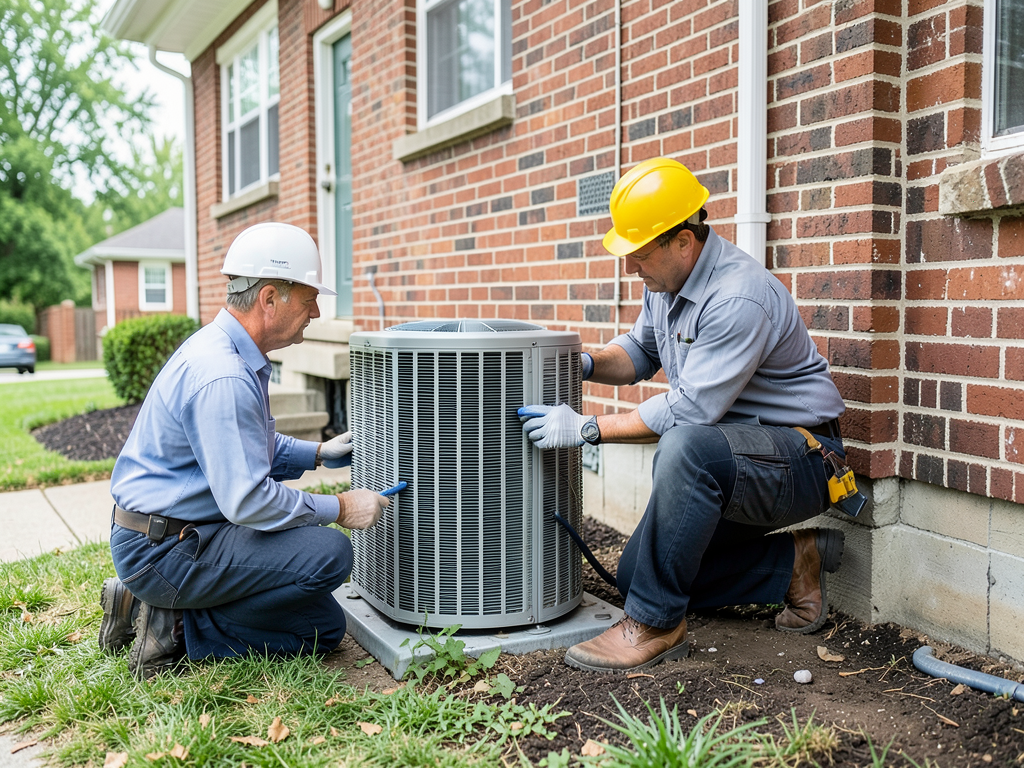
Understanding the Real Cost of a New Air Conditioning Unit in Milwaukee
Milwaukee homeowners face unique challenges when replacing their air conditioning systems. Between Cream City brick construction, extreme seasonal swings from polar vortex winters to humid 90-degree summers, and local permit requirements, understanding the true cost requires more than just a price quote.. Read more about Professional Duct Cleaning in Milwaukee That Actually Improves Your Indoor Air Quality.
The real cost of a new AC unit in Milwaukee typically ranges from $4,500 to $12,000 for a complete installation, depending on your home’s specific needs. This investment includes the outdoor condenser, indoor air handler, refrigerant lines, electrical connections, and the critical labor that ensures your system performs efficiently through Wisconsin’s demanding climate. Outdoor Unit Not Spinning.
Central Air vs. Ductless Mini-Split: Which Makes Sense for Your Milwaukee Home?
Traditional central air systems work well for most Milwaukee homes built after 1950 with existing ductwork. However, many historic Cream City brick bungalows and Victorian homes lack proper duct infrastructure, making ductless mini-splits an increasingly popular alternative. What to Do When Your Historic East Side Home’s Boiler Stops Working.
Central air installation for a typical 2,000-square-foot Milwaukee home averages $5,500 to $8,500. This includes removing the old unit, installing new equipment, and ensuring proper sizing for our high-humidity summers. Ductless systems for the same home size range from $6,000 to $11,000 but eliminate ductwork concerns and allow room-by-room temperature control.. Read more about Switching to a Heat Pump in Milwaukee (Is It Actually Warm Enough for the Winter?).
Heat pumps offer year-round heating and cooling but require careful evaluation of Milwaukee’s cold climate. Modern cold-climate heat pumps can operate efficiently down to -10°F, but may need supplemental heating during extreme polar vortex events.
SEER2 Ratings and Energy Efficiency in Wisconsin’s Climate
SEER2 (Seasonal Energy Efficiency Ratio 2) ratings became mandatory for all new AC units in 2023. Higher SEER2 ratings mean lower energy bills but come with higher upfront costs. In Milwaukee’s climate, where AC runs heavily during July and August, the efficiency premium often pays for itself within 5-7 years.
A 16 SEER2 unit might cost $500 to $1,000 more than a 14 SEER2 model but can reduce cooling costs by 15-20% annually. Given We Energies’ summer peak rates, this efficiency matters more here than in milder climates. Why Your Bay View Bungalow Might Benefit from a Ductless Mini Split System.
Proper sizing is critical. An undersized unit runs constantly without cooling effectively, while an oversized unit short-cycles, reducing efficiency and humidity control. Milwaukee’s high lake-effect humidity makes proper dehumidification essential for comfort.
Milwaukee-Specific Cost Factors That Affect Your Bottom Line
Local labor rates in Milwaukee County average $85 to $125 per hour for licensed HVAC technicians, slightly above national averages due to our high cost of living and unionized trades. A typical installation requires 12-20 hours of skilled labor.
Milwaukee County permit fees range from $75 to $250 depending on your municipality. The City of Milwaukee requires mechanical permits for all AC replacements, while some suburbs have streamlined processes. These permits ensure your installation meets Wisconsin Uniform Dwelling Code requirements.
Historic homes present unique challenges. Cream City brick walls often lack proper insulation, requiring additional sealing work. Balloon-frame construction common in Milwaukee bungalows can create air leakage paths that reduce system efficiency.
Electrical panel upgrades may be necessary for homes with 60-amp service or older fuse boxes. Modern AC units require dedicated 240-volt circuits, and Milwaukee’s aging electrical infrastructure in older neighborhoods often needs updating.
Focus on Energy Wisconsin Rebates and Federal Tax Credits
Wisconsin’s Focus on Energy program offers cash-back rebates of $200 to $500 for high-efficiency AC installations. These rebates apply to units with SEER2 ratings of 16 or higher and require installation by participating contractors. Focus on Energy Wisconsin rebates.
The federal Inflation Reduction Act provides tax credits of up to $300 for qualifying high-efficiency HVAC equipment installed in 2023-2032. Heat pumps may qualify for larger credits, potentially covering 30% of installation costs up to $2,000.
We Energies offers additional rebates for customers who install smart thermostats with their new AC systems. These programmable controls can reduce cooling costs by 10-15% by optimizing run times based on your schedule.
Utility companies also provide time-of-use rate programs that can lower cooling costs if you’re willing to shift some AC operation to off-peak hours.
Understanding Tonnage and Your Home’s Cooling Needs
AC capacity is measured in tons, with one ton equal to 12,000 BTUs per hour. A typical Milwaukee home needs 1.5 to 5 tons depending on square footage, insulation levels, and sun exposure.
Milwaukee’s climate requires careful heat load calculations. Our high humidity means latent cooling capacity (moisture removal) is as important as sensible cooling capacity (temperature reduction). A system sized only for temperature may leave your home feeling clammy.
Factors affecting tonnage needs include:
- Window area and orientation
- Attic insulation quality
- Roof color and material
- Foundation type (slab vs. basement)
- Local shading from trees or buildings
Professional load calculations using Manual J methodology ensure proper sizing. Guessing often leads to systems that are 30-50% too large, reducing efficiency and comfort. Who to Call for Honest and Professional Furnace Repair in West Allis.
Permit Requirements and Code Compliance in Milwaukee County
Milwaukee County follows Wisconsin Uniform Dwelling Code (UDC) Chapter 20 for HVAC installations. This code requires permits for all new AC installations and replacements, with inspections verifying proper refrigerant charge, electrical connections, and condensate drainage.
The City of Milwaukee Department of Neighborhood Services enforces strict setback requirements for outdoor units. Condensers must be at least 3 feet from property lines in most residential zones, with additional clearance from windows and doors. EPA Section 608 certification.
Refrigerant handling requires EPA Section 608 certification. All technicians must be certified to handle R-410A and newer R-454B refrigerants, with proper recovery equipment and procedures to prevent atmospheric release.
Condensate disposal must comply with local plumbing codes. In Milwaukee’s combined sewer areas, condensate cannot drain into floor drains during heavy rain events when sewers may back up.
Top HVAC Brands for Milwaukee’s Climate
Carrier, Lennox, and Trane dominate the Milwaukee market due to their reliability in extreme temperature swings. These brands offer models specifically designed for cold-climate operation and high humidity.
Carrier’s Infinity series provides excellent humidity control and quiet operation, crucial for Milwaukee’s lakefront homes where outdoor units may be closer to neighbors. Their Greenspeed intelligence technology adjusts compressor speed for optimal efficiency.
Lennox XC25 units offer industry-leading efficiency with SEER2 ratings up to 26, though the premium pricing may not justify the efficiency gains for most Milwaukee homeowners. Their solar-ready models allow future renewable energy integration.
Trane’s XV20i variable-speed units provide superior humidity control and quiet operation. Their CleanEffects air filtration system is particularly valuable for Milwaukee’s pollen seasons and occasional wildfire smoke from Canada.
Budget-friendly options from Goodman and Rheem offer reliable performance at lower price points, though they may lack some advanced features found in premium brands.
Financing Options and ROI for Milwaukee Homeowners
Most HVAC contractors in Milwaukee offer financing through third-party lenders, with terms ranging from 12 months same-as-cash to 10-year loans. Interest rates typically run 6-12% depending on credit score and loan term.
Monthly payments for a $7,000 system might range from $150 to $250 depending on the financing structure. Many contractors offer promotional rates during their off-season (typically fall and early spring).
The return on investment calculation should include:
- Energy savings from higher efficiency
- Increased home value (HVAC is a key selling point)
- Reduced repair costs compared to aging systems
- Improved comfort and air quality
A new AC system typically increases home resale value by $2,000 to $4,000, though this varies by neighborhood and market conditions.
Best Time to Buy: Milwaukee’s HVAC Off-Season
The ideal time for AC replacement in Milwaukee is late September through early May. During these months, contractors have more availability, may offer seasonal discounts of 5-10%, and installation crews aren’t stretched thin by emergency summer calls. Emergency HVAC Help Anywhere in Milwaukee When Your System Fails at Midnight.
Spring installations allow you to test the system before summer heat arrives, while fall installations give you time to address any issues before the next cooling season. Both periods typically have shorter wait times for permits and inspections.
Avoid scheduling during polar vortex events or heat waves when emergency calls spike and prices may increase due to demand.
Frequently Asked Questions
How long does AC installation take in Milwaukee?
Most residential installations require 1-2 days. The first day involves removing the old equipment, preparing the site, and installing new components. The second day includes system charging, testing, and final adjustments. Historic homes or complex installations may require additional time.
Do I need to replace my furnace when installing new AC?
Not necessarily. However, if your furnace is over 15 years old, replacing both systems simultaneously often provides better efficiency and compatibility. Many homeowners choose to replace both during a single installation to minimize disruption and potentially save on labor costs.
What size AC do I need for my Milwaukee home?
Size depends on your home’s square footage, insulation, and specific characteristics. A professional load calculation is essential – guessing often leads to oversized units that short-cycle and waste energy. Most Milwaukee homes need 2-4 tons for adequate cooling.
Are permits required for AC replacement in Milwaukee?
Yes, Milwaukee County requires permits for all AC replacements. The City of Milwaukee and most suburbs require mechanical permits, with inspections ensuring code compliance. Permit fees typically range from $75 to $250 and are usually included in your contractor’s quote.
How can I reduce my AC installation costs?
Consider off-season installation (fall or spring), compare multiple quotes, ask about manufacturer rebates, and check Focus on Energy incentives. However, avoid choosing based solely on price – proper sizing and quality installation are crucial for long-term satisfaction.
Ready to Get Your AC Installation Quote?
Understanding the real cost of a new air conditioning unit in Milwaukee means considering more than just the equipment price. From local permit requirements to Focus on Energy rebates, from Cream City brick challenges to Milwaukee’s unique climate demands, every installation is different.
Call (414) 387-8977 today to schedule your free in-home consultation. Our Milwaukee-based technicians will evaluate your specific needs, explain your options, and provide transparent pricing with no hidden fees. Don’t wait until the next heat wave – proper planning ensures you get the right system at the right price.
Pick up the phone and call (414) 387-8977 before the next storm hits. Your comfort and peace of mind are worth the investment.
{
“@context”: “https://schema.org”,
“@type”: “BlogPosting”,
“headline”: “Understanding the Real Cost of a New Air Conditioning Unit in Milwaukee”,
“description”: “Discover the true cost of AC installation in Milwaukee. Learn about SEER2 ratings, local rebates, permit fees, and why your Cream City bungalow needs special consideration.”,
“wordCount”: 1735,
“datePublished”: “2026-03-03T11:14:00.000Z”,
“dateModified”: “2026-03-03T11:14:00.000Z”,
“inLanguage”: “en-US”,
“mainEntityOfPage”: {
“@type”: “WebPage”,
“@id”: “https://firstchoicehvacmilwaukee.com”
},
“publisher”: {
“@type”: “LocalBusiness”,
“name”: “First Choice HVAC Milwaukee”,
“url”: “https://firstchoicehvacmilwaukee.com”
},
“author”: {
“@type”: “Organization”,
“name”: “First Choice HVAC Milwaukee”,
“url”: “https://firstchoicehvacmilwaukee.com”
},
“image”: {
“@type”: “ImageObject”,
“url”: “https://firstchoicehvacmilwaukee.com/wp-content/uploads/2026/03/understanding-the-real-cost-of-a-new-air-condition-1.png”
}
}
{
“@context”: “https://schema.org”,
“@type”: “HVACBusiness”,
“name”: “First Choice HVAC Milwaukee”,
“url”: “https://firstchoicehvacmilwaukee.com”,
“address”: {
“@type”: “PostalAddress”,
“addressLocality”: “Milwaukee”
},
“areaServed”: {
“@type”: “City”,
“name”: “Milwaukee”
}
}
{
“@context”: “https://schema.org”,
“@type”: “FAQPage”,
“mainEntity”: [
{
“@type”: “Question”,
“name”: “Central Air vs. Ductless Mini-Split: Which Makes Sense for Your Milwaukee Home?”,
“acceptedAnswer”: {
“@type”: “Answer”,
“text”: “Traditional central air systems work well for most Milwaukee homes built after 1950 with existing ductwork. However, many historic Cream City brick bungalows and Victorian homes lack proper duct infrastructure, making ductless mini-splits an increasingly popular alternative. What to Do When Your Historic East Side Home’s Boiler Stops Working.”
}
},
{
“@type”: “Question”,
“name”: “How long does AC installation take in Milwaukee?”,
“acceptedAnswer”: {
“@type”: “Answer”,
“text”: “Most residential installations require 1-2 days. The first day involves removing the old equipment, preparing the site, and installing new components. The second day includes system charging, testing, and final adjustments. Historic homes or complex installations may require additional time.”
}
},
{
“@type”: “Question”,
“name”: “Do I need to replace my furnace when installing new AC?”,
“acceptedAnswer”: {
“@type”: “Answer”,
“text”: “Not necessarily. However, if your furnace is over 15 years old, replacing both systems simultaneously often provides better efficiency and compatibility. Many homeowners choose to replace both during a single installation to minimize disruption and potentially save on labor costs.”
}
},
{
“@type”: “Question”,
“name”: “What size AC do I need for my Milwaukee home?”,
“acceptedAnswer”: {
“@type”: “Answer”,
“text”: “Size depends on your home’s square footage, insulation, and specific characteristics. A professional load calculation is essential – guessing often leads to oversized units that short-cycle and waste energy. Most Milwaukee homes need 2-4 tons for adequate cooling.”
}
},
{
“@type”: “Question”,
“name”: “Are permits required for AC replacement in Milwaukee?”,
“acceptedAnswer”: {
“@type”: “Answer”,
“text”: “Yes, Milwaukee County requires permits for all AC replacements. The City of Milwaukee and most suburbs require mechanical permits, with inspections ensuring code compliance. Permit fees typically range from $75 to $250 and are usually included in your contractor’s quote.”
}
},
{
“@type”: “Question”,
“name”: “How can I reduce my AC installation costs?”,
“acceptedAnswer”: {
“@type”: “Answer”,
“text”: “Consider off-season installation (fall or spring), compare multiple quotes, ask about manufacturer rebates, and check Focus on Energy incentives. However, avoid choosing based solely on price – proper sizing and quality installation are crucial for long-term satisfaction.”
}
},
{
“@type”: “Question”,
“name”: “Ready to Get Your AC Installation Quote?”,
“acceptedAnswer”: {
“@type”: “Answer”,
“text”: “Understanding the real cost of a new air conditioning unit in Milwaukee means considering more than just the equipment price. From local permit requirements to Focus on Energy rebates, from Cream City brick challenges to Milwaukee’s unique climate demands, every installation is different.”
}
}
]
}
{
“@context”: “https://schema.org”,
“@type”: “BreadcrumbList”,
“itemListElement”: [
{
“@type”: “ListItem”,
“position”: 1,
“name”: “Home”,
“item”: “https://firstchoicehvacmilwaukee.com”
},
{
“@type”: “ListItem”,
“position”: 2,
“name”: “Blog”,
“item”: “https://firstchoicehvacmilwaukee.com/blog”
},
{
“@type”: “ListItem”,
“position”: 3,
“name”: “Understanding the Real Cost of a New Air Conditioning Unit in Milwaukee”
}
]
}
{
“@context”: “https://schema.org”,
“@type”: “Service”,
“serviceType”: “HVAC”,
“provider”: {
“@type”: “LocalBusiness”,
“name”: “First Choice HVAC Milwaukee”,
“url”: “https://firstchoicehvacmilwaukee.com”
},
“areaServed”: {
“@type”: “City”,
“name”: “Milwaukee”
},
“description”: “Discover the true cost of AC installation in Milwaukee. Learn about SEER2 ratings, local rebates, permit fees, and why your Cream City bungalow needs special consideration.”
}