
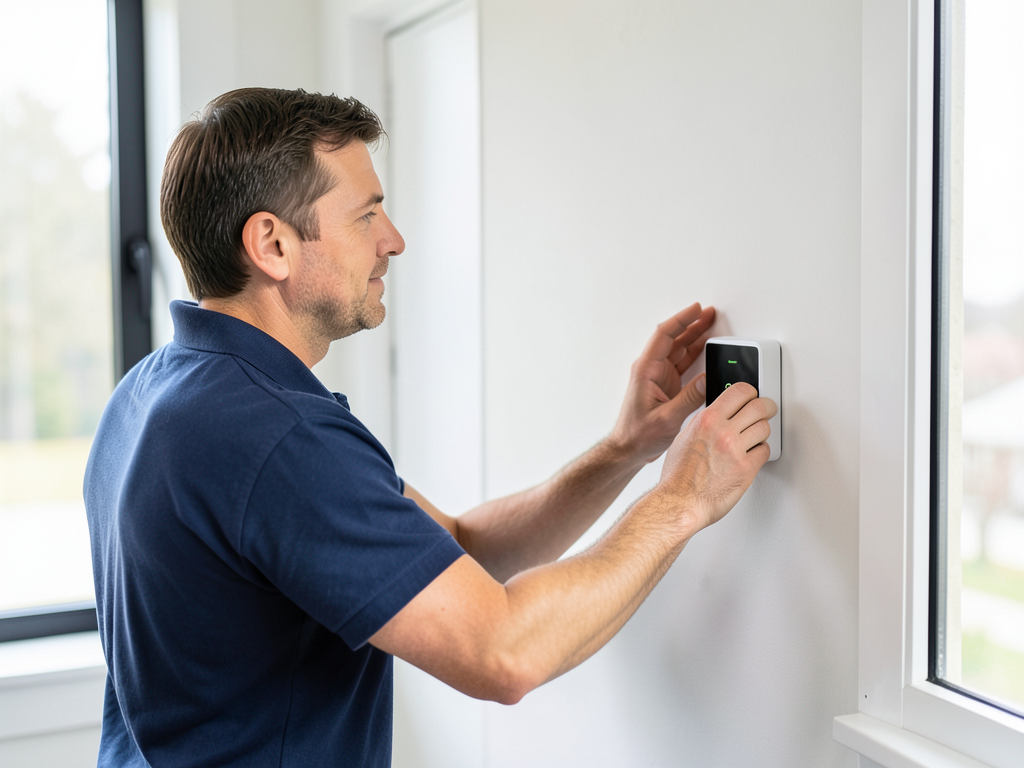
Placing a thermostat near a window creates inaccurate temperature readings that force your HVAC system to run longer than necessary. In Caledonia’s variable climate, this simple mistake can increase energy bills by 10-15% while leaving rooms uncomfortable. The sensor detects cold drafts in winter or direct sunlight in summer, triggering unnecessary heating or cooling cycles. Cooling Tower Services.
The ideal thermostat location is an interior wall away from heat sources, drafts, and direct sunlight. Most manufacturers recommend mounting at 52-60 inches from the floor on a wall that represents the average room temperature. This placement ensures your system responds to actual living conditions rather than false readings from nearby windows. New HVAC System Cost 2026.
Milwaukee’s lake-effect weather patterns make proper thermostat placement even more critical. Cold Canadian air masses in winter and humid lake breezes in summer create temperature gradients that a poorly placed thermostat cannot accurately measure. Your system ends up fighting phantom temperature changes instead of maintaining consistent comfort.
Common Window-Related Placement Mistakes
Many homeowners unknowingly install thermostats where builders left them, often near entryways or exterior walls. These locations expose the sensor to temperature swings that have nothing to do with your home’s actual comfort level. A thermostat mounted on a north-facing wall might read 5-8 degrees colder than the room’s center during winter months. Why Your Bay View Bungalow Might Benefit from a Ductless Mini Split System.
Kitchen proximity creates another problem. Cooking appliances, refrigerator coils, and even the human body heat from meal preparation can cause false readings. Your HVAC system might cycle off thinking the room is warm, only to leave other areas uncomfortably cool. EPA Energy Saver resources.
Fireplaces and wood stoves present similar issues. The radiant heat can make a thermostat think the entire house is warm, shutting down the system prematurely. This leaves distant rooms cold while the area near the thermostat becomes overheated.
Impact on Energy Efficiency
Improper thermostat placement directly affects your utility bills. When sensors detect false temperature changes, your system runs longer cycles trying to compensate. This wastes energy and accelerates wear on components. The EPA estimates that correcting placement issues can reduce heating and cooling costs by 10-12% annually.
In multi-story homes common throughout Milwaukee’s suburbs, temperature stratification becomes more pronounced. Heat rises, creating 3-5 degree differences between floors. A thermostat on the main floor cannot accurately control comfort levels upstairs or in basements.
Smart thermostats with remote sensors offer solutions, but only if the main unit is properly placed. These systems rely on the primary sensor for baseline readings, making initial placement crucial even with advanced technology.
Milwaukee’s Unique Climate Considerations
Caledonia experiences Wisconsin’s full seasonal extremes, from sub-zero winter temperatures to humid 90-degree summer days. Lake Michigan’s influence creates rapid weather changes that can stress improperly placed thermostats. A cold front moving through might cause a window-mounted sensor to drop 15 degrees in an hour, triggering unnecessary heating.
The region’s clay soil and freeze-thaw cycles affect foundation temperatures, which can impact wall-mounted sensors in basements or lower levels. These micro-climate effects vary by neighborhood and home age, making professional assessment valuable. Who to Call for Honest and Professional Furnace Repair in West Allis.
Older homes in the area often lack proper insulation, creating larger temperature differentials between exterior and interior walls. A thermostat on an uninsulated exterior wall might read 10 degrees different from the room’s actual temperature during extreme weather.
Professional Assessment Benefits
Certified HVAC technicians evaluate your home’s specific layout, insulation quality, and usage patterns when recommending thermostat placement. They consider factors like air return locations, furniture arrangement, and traffic patterns that affect temperature distribution.
Modern diagnostic tools allow technicians to map temperature variations throughout your home. This data reveals hot and cold spots that influence optimal sensor placement. The assessment includes checking for drafts, evaluating window efficiency, and analyzing HVAC system performance.
Professional installation ensures proper wiring, secure mounting, and integration with your existing system. This prevents issues like loose connections, incorrect voltage, or compatibility problems that can arise with DIY installations.
Smart Thermostat Solutions
Smart thermostats with remote sensors provide flexibility for challenging home layouts. These systems use multiple temperature readings to create a more accurate picture of your home’s conditions. However, the main unit still requires optimal placement for system control.
Learning algorithms in smart thermostats can compensate for some placement issues by recognizing patterns over time. They learn that certain readings are false and adjust accordingly, but this takes weeks and never achieves the accuracy of proper initial placement.
Integration with home automation systems allows for more sophisticated temperature management. Smart vents, ceiling fans, and zoned heating can work together to maintain comfort while reducing energy consumption.
Installation Best Practices
The mounting height of 52-60 inches represents the average breathing zone in most homes. This height provides the most accurate representation of occupied space temperature. Mounting too high or low can result in readings that don’t match comfort levels.
Wall selection matters significantly. Interior walls away from exterior temperature influences provide the most stable readings. Walls near return air vents can create short cycling as the system responds to air moving past the sensor.
Electrical considerations include proper voltage, circuit capacity, and wiring accessibility. Most thermostats require a common wire for smart features, which may not exist in older homes. Professional assessment can identify these requirements before installation.
Cost Considerations
Thermostat relocation typically costs between $150-300, including professional assessment and installation. This investment often pays for itself within one heating season through improved efficiency. Smart thermostat upgrades range from $200-500, with additional costs for remote sensors.
Energy savings vary by home, but most homeowners see 10-15% reductions in HVAC operating costs after correcting placement issues. In Wisconsin’s climate, this translates to $100-200 annually for average homes.
Tax credits and utility rebates may be available for energy-efficient upgrades, potentially offsetting a significant portion of installation costs. Local utility companies often offer incentives for smart thermostat installations.
Maintenance and Troubleshooting
Regular maintenance ensures your thermostat continues providing accurate readings. Dust accumulation on sensors can affect performance, as can loose wiring or battery issues in wireless models. Annual HVAC maintenance should include thermostat calibration and function testing.
Common problems include temperature differentials between rooms, short cycling, and system failure to maintain set points. These issues often stem from sensor problems rather than equipment failure. Professional diagnosis can identify whether placement or system issues cause the problem.
Battery replacement schedules vary by model, but most wireless thermostats need new batteries annually. Smart thermostats with backup batteries provide protection during power outages but still require periodic replacement.
Future Trends
Emerging technologies include predictive algorithms that learn occupancy patterns and weather forecasts to optimize heating and cooling schedules. These systems can anticipate temperature needs based on time of day, season, and even local weather predictions.
Integration with renewable energy systems allows thermostats to optimize usage based on solar production or time-of-use electricity rates. This can further reduce costs while maintaining comfort.
Voice control and AI assistants are becoming standard features, allowing for hands-free temperature adjustment and integration with other smart home functions.
Frequently Asked Questions
Can I move my thermostat myself?
DIY thermostat relocation is possible but requires electrical knowledge and understanding of HVAC systems. Incorrect wiring can damage equipment or create safety hazards. Professional installation ensures proper function and maintains warranties.
How far should a thermostat be from a window?
Thermostats should be at least 3-5 feet from windows and exterior doors. This distance minimizes the impact of drafts, direct sunlight, and temperature fluctuations from outdoor conditions. Outdoor Unit Not Spinning.
Does thermostat placement affect zoned systems?
Yes, each zone in a multi-zone system needs its own properly placed thermostat or sensor. Poor placement in any zone can cause the entire system to operate inefficiently.
What about thermostats in open floor plans?
Open floor plans often benefit from central locations that represent the average temperature of the combined space. Consider traffic patterns and furniture placement when selecting the mounting location.
Conclusion
Proper thermostat placement is fundamental to HVAC efficiency and home comfort. The small investment in professional assessment and installation pays dividends through lower energy bills, improved comfort, and extended equipment life. In Caledonia’s challenging climate, this attention to detail becomes even more critical.
Don’t let a poorly placed thermostat cost you money and comfort. Call (414) 387-8977 today to schedule your professional thermostat assessment and take the first step toward optimal home comfort and efficiency. For more information, visit U.S. Department of Energy thermostat guide.
{
“@context”: “https://schema.org”,
“@type”: “BlogPosting”,
“headline”: “Why You Should Never Put Your Thermostat Near a Window in Caledonia”,
“description”: “Discover why thermostat placement near windows causes HVAC inefficiency in Caledonia homes. Learn proper mounting heights, local climate impacts, and expert solutions.”,
“wordCount”: 1421,
“datePublished”: “2026-04-06T07:09:00.000Z”,
“dateModified”: “2026-04-06T07:09:00.000Z”,
“inLanguage”: “en-US”,
“mainEntityOfPage”: {
“@type”: “WebPage”,
“@id”: “https://firstchoicehvacmilwaukee.com”
},
“publisher”: {
“@type”: “LocalBusiness”,
“name”: “First Choice HVAC Milwaukee”,
“url”: “https://firstchoicehvacmilwaukee.com”
},
“author”: {
“@type”: “Organization”,
“name”: “First Choice HVAC Milwaukee”,
“url”: “https://firstchoicehvacmilwaukee.com”
},
“image”: {
“@type”: “ImageObject”,
“url”: “https://firstchoicehvacmilwaukee.com/wp-content/uploads/2026/03/why-you-should-never-put-your-thermostat-near-a-wi-1-1.png”
}
}
{
“@context”: “https://schema.org”,
“@type”: “HVACBusiness”,
“name”: “First Choice HVAC Milwaukee”,
“url”: “https://firstchoicehvacmilwaukee.com”,
“address”: {
“@type”: “PostalAddress”,
“addressLocality”: “Milwaukee”
},
“areaServed”: {
“@type”: “City”,
“name”: “Milwaukee”
}
}
{
“@context”: “https://schema.org”,
“@type”: “FAQPage”,
“mainEntity”: [
{
“@type”: “Question”,
“name”: “Can I move my thermostat myself?”,
“acceptedAnswer”: {
“@type”: “Answer”,
“text”: “DIY thermostat relocation is possible but requires electrical knowledge and understanding of HVAC systems. Incorrect wiring can damage equipment or create safety hazards. Professional installation ensures proper function and maintains warranties.”
}
},
{
“@type”: “Question”,
“name”: “How far should a thermostat be from a window?”,
“acceptedAnswer”: {
“@type”: “Answer”,
“text”: “Thermostats should be at least 3-5 feet from windows and exterior doors. This distance minimizes the impact of drafts, direct sunlight, and temperature fluctuations from outdoor conditions. Outdoor Unit Not Spinning.”
}
},
{
“@type”: “Question”,
“name”: “Does thermostat placement affect zoned systems?”,
“acceptedAnswer”: {
“@type”: “Answer”,
“text”: “Yes, each zone in a multi-zone system needs its own properly placed thermostat or sensor. Poor placement in any zone can cause the entire system to operate inefficiently.”
}
},
{
“@type”: “Question”,
“name”: “What about thermostats in open floor plans?”,
“acceptedAnswer”: {
“@type”: “Answer”,
“text”: “Open floor plans often benefit from central locations that represent the average temperature of the combined space. Consider traffic patterns and furniture placement when selecting the mounting location.”
}
}
]
}
{
“@context”: “https://schema.org”,
“@type”: “BreadcrumbList”,
“itemListElement”: [
{
“@type”: “ListItem”,
“position”: 1,
“name”: “Home”,
“item”: “https://firstchoicehvacmilwaukee.com”
},
{
“@type”: “ListItem”,
“position”: 2,
“name”: “Blog”,
“item”: “https://firstchoicehvacmilwaukee.com/blog”
},
{
“@type”: “ListItem”,
“position”: 3,
“name”: “Why You Should Never Put Your Thermostat Near a Window in Caledonia”
}
]
}
{
“@context”: “https://schema.org”,
“@type”: “Service”,
“serviceType”: “HVAC”,
“provider”: {
“@type”: “LocalBusiness”,
“name”: “First Choice HVAC Milwaukee”,
“url”: “https://firstchoicehvacmilwaukee.com”
},
“areaServed”: {
“@type”: “City”,
“name”: “Milwaukee”
},
“description”: “Discover why thermostat placement near windows causes HVAC inefficiency in Caledonia homes. Learn proper mounting heights, local climate impacts, and expert solutions.”
}