
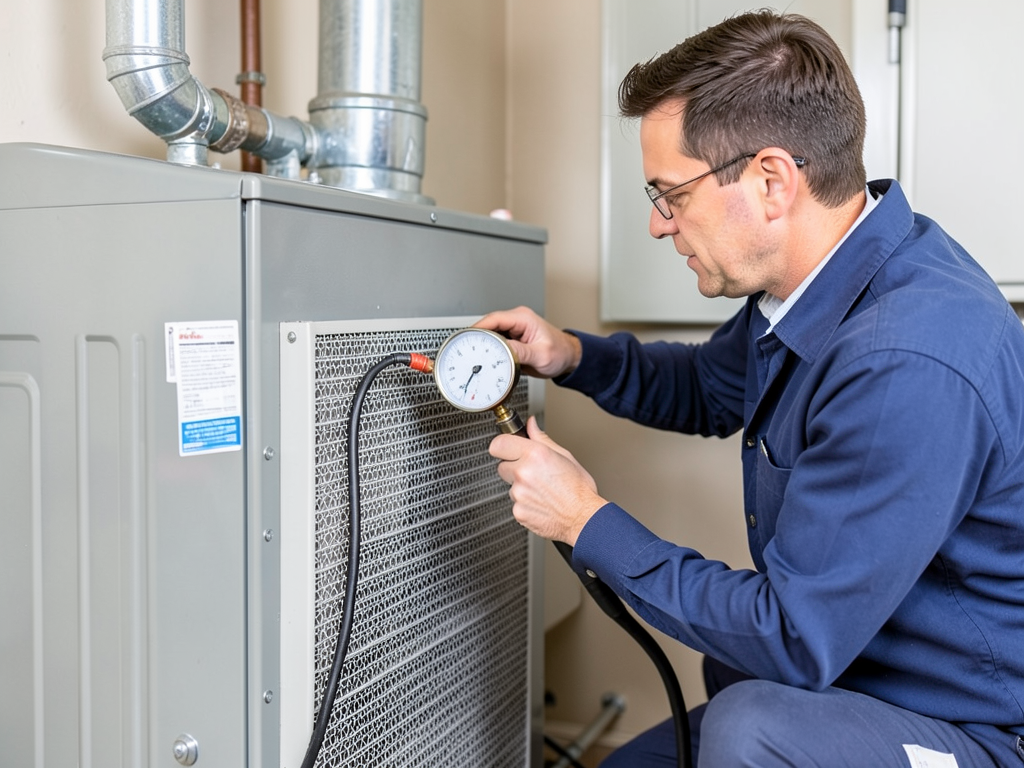
Your HVAC system’s airflow is its lifeblood. Install a HEPA filter without understanding static pressure and you risk overheating your blower motor or cracking your heat exchanger. The physics are simple but unforgiving: HEPA filters trap 99.97% of particles at 0.3 microns, but that efficiency comes at a cost—dramatically increased resistance to airflow. EPA guide to air cleaners and filters.
Most Sussex homes built before 2010 weren’t designed for HEPA filtration. The average residential blower motor can handle only 0.3 to 0.5 inches of water column static pressure. A HEPA filter alone can add 0.8 to 1.2 inches of pressure drop. That’s not a compatibility issue—it’s a system failure waiting to happen.
What is a HEPA Filter and Why Does Compatibility Matter?
HEPA stands for High-Efficiency Particulate Air. These filters capture particles as small as 0.3 microns with 99.97% efficiency—that’s smaller than most bacteria and about 300 times smaller than the width of a human hair. They’re the gold standard in hospitals, clean rooms, and laboratories.. Read more about Comparing Air Scrubbers and Standard Purifiers for Better Air in Shorewood.
But here’s the critical difference: commercial buildings use oversized, industrial-grade blower motors and dedicated HEPA air handlers. Your Sussex home’s HVAC system was engineered for MERV 8 to MERV 11 filters. The ductwork, motor size, and overall system design reflect that limitation.
Milwaukee County’s humid continental climate creates another layer of complexity. Summer humidity levels often exceed 70%, causing filter media to absorb moisture and become even more restrictive. When combined with the region’s high pollen counts—particularly from oak and maple trees common in Waukesha County—the pressure drop can increase by another 15-20%.. Read more about How Using Your Wood Burning Fireplace Affects Your HVAC System in Delafield.
The Physics of Airflow: Static Pressure and Your Blower Motor
Airflow in your HVAC system follows the same principles as water through pipes. Reduce the pipe diameter and you increase resistance. HEPA filters are like putting a super-fine mesh in your water line—the pump has to work exponentially harder.
Residential HVAC systems typically use Permanent Split Capacitor (PSC) motors that operate at fixed speeds. When airflow restriction increases, these motors draw more current, generate excess heat, and can fail within months. Some newer systems use Electronically Commutated Motors (ECM) that can adjust speed, but even these have limits.
The International Energy Conservation Code (IECC) Section C403.2.3 requires residential HVAC systems to maintain minimum airflow rates for proper heat exchange. When a HEPA filter restricts airflow below these minimums, your furnace can’t dissipate heat effectively. The heat exchanger temperature rises, metal fatigue accelerates, and cracks develop—often within the first heating season.
Why Most Residential HVAC Systems Aren’t ‘HEPA-Ready’
Let’s look at the numbers. A standard 16x25x1 MERV 11 filter has an initial pressure drop of about 0.15 inches of water column. The same size HEPA filter starts at 0.8 inches and climbs to over 1.2 inches as it loads with particles.
Your furnace blower was selected during design to handle the total external static pressure (TESP) of your entire system: ductwork, coils, filters, and registers. In a typical Sussex ranch home, that total might be 0.35 inches. Add a HEPA filter and you’re at 1.15 inches—more than triple the design specification. Why Your Bay View Bungalow Might Benefit from a Ductless Mini Split System.
During polar vortex events, when your furnace runs continuously for days, this restriction becomes catastrophic. The motor overheats, the heat exchanger glows cherry-red, and the thermal expansion creates stress fractures. We’ve seen this pattern repeat in older Wauwatosa bungalows where homeowners installed HEPA filters to combat dust from nearby construction.
Risks of Installing a HEPA Filter Without Professional Modification
The most immediate risk is complete system failure. A PSC motor under excessive load will either trip the internal overload protector repeatedly or burn out entirely. Replacement costs range from $400 to $1,200 depending on your system.
More dangerous is heat exchanger damage. When airflow drops below design minimums, the metal walls of your heat exchanger can reach temperatures 300°F above normal operating conditions. This creates thermal fatigue—microscopic cracks that grow with each heating cycle. Carbon monoxide can leak into your living space through these cracks, creating a silent health hazard.
Energy costs spike dramatically too. A system fighting against excessive filter resistance might consume 30-50% more electricity while delivering less heating or cooling. Your utility bills climb while your comfort decreases—the worst of both worlds. Cooling Tower Services.
During Milwaukee’s humid summers, restricted airflow causes another problem: coil freezing. When air moves too slowly across the evaporator coil, the refrigerant temperature drops below freezing. Condensation on the coil turns to ice, further restricting airflow in a destructive cycle. The compressor can fail from liquid refrigerant floodback—a $2,000+ repair. Fast AC Repair Services for Shorewood Residents Who Need Relief from the Humidity.
Alternatives for Milwaukee Homeowners: MERV 13 vs. Whole-Home HEPA Bypass Systems
The sweet spot for most Sussex homes is MERV 13 filtration. These filters capture 90% of particles at 1-3 microns and about 75% at 0.3-1 microns—excellent for pollen, mold spores, and pet dander. The pressure drop is typically 0.25 to 0.35 inches, well within residential system capabilities.
For homeowners who need true HEPA-level filtration, a bypass HEPA system is the professional solution. This setup draws a portion of your return air, passes it through a HEPA filter in a dedicated cabinet, then reintroduces the cleaned air into your supply ductwork. Your main system sees minimal pressure increase while you achieve 99.97% filtration on a portion of your air. Who to Call for Honest and Professional Furnace Repair in West Allis.
Aprilaire and Honeywell both manufacture residential bypass HEPA systems specifically engineered for Wisconsin’s climate. These units include pre-filters to capture larger particles, extending the life of the expensive HEPA media. The average installation cost ranges from $1,800 to $3,200—significantly less than replacing a damaged furnace.
Specialized Solutions for Older Milwaukee Homes (Wauwatosa to Shorewood)
Milwaukee’s housing stock presents unique challenges. Many homes in the Shorewood and Whitefish Bay areas were built between 1920 and 1960 with plaster walls and minimal return ductwork. These systems often struggle with even standard MERV 8 filters.
In these cases, a whole-house air purifier with MERV 16 filtration might be the best compromise. These units install in your return duct and use a combination of electrostatic precipitation and mechanical filtration. They achieve 95% efficiency at 0.3 microns with a pressure drop similar to MERV 13 filters.
Another option for historic homes is a dedicated ventilation system with heat recovery (HRV or ERV). These systems bring in fresh outdoor air, filter it to HEPA standards, and precondition it using energy from exhaust air. They operate independently of your furnace, eliminating any risk to your existing equipment. What to Do When Your Historic East Side Home’s Boiler Stops Working.
Milwaukee’s clay soil and high water table create another consideration. Homes with basement-installed furnaces often experience elevated humidity levels, especially after heavy rains. This moisture can cause HEPA filter media to swell and restrict airflow even further. A dehumidifier integrated with your filtration system prevents this compounding problem.
Conclusion: How to Achieve Medical-Grade Air Safely
You can have clean air without destroying your HVAC system. The key is understanding that HEPA filtration and residential furnace compatibility exist on opposite ends of the pressure drop spectrum. Success requires either accepting slightly lower filtration efficiency (MERV 13) or investing in a bypass system that separates the two functions.
For most Sussex homeowners, the answer isn’t installing a HEPA filter directly in your return—it’s installing a properly engineered air purification system that works with your existing equipment. This approach protects your investment while dramatically improving your indoor air quality.
Milwaukee’s specific challenges—high humidity, pollen from our abundant tree canopy, and the age of our housing stock—demand solutions tailored to our environment. Generic advice from national websites won’t protect your system or your family’s health.
Call (414) 387-8977 today to schedule your inspection. We’ll test your system’s static pressure, evaluate your filtration needs, and recommend solutions that deliver clean air without risking expensive equipment damage. Don’t wait until your blower motor fails on the coldest night of the year—get the facts before you make a costly mistake.
Frequently Asked Questions
Can I just run my fan continuously to improve air filtration?
Continuous fan operation can help distribute filtered air but won’t solve the fundamental pressure drop problem. Your system will still experience the same airflow restrictions, and you’ll increase energy consumption by 200-400 watts continuously. This approach works best when paired with a properly sized MERV 13 filter, not a HEPA filter.
How often should I replace filters if I have allergies?
Allergy sufferers should replace MERV 13 filters every 60-90 days instead of the standard 90-120 days. During peak pollen seasons (April through June in Wisconsin), monthly replacement may be necessary. A clogged filter loses efficiency and increases pressure drop, defeating the purpose of high-efficiency filtration.
Are portable HEPA units better than whole-house systems?
Portable units work well for single rooms but can’t effectively filter air throughout an entire home. A typical portable unit processes 200-400 CFM, while your furnace moves 1,000-2,000 CFM. For whole-house protection, especially in homes with open floor plans common in newer Sussex developments, a whole-house system is more effective.
What’s the difference between HEPA and HEPA-type filters?
True HEPA filters must meet strict Department of Energy standards, capturing 99.97% of particles at 0.3 microns. HEPA-type or HEPA-like filters are marketing terms with no regulatory definition. These cheaper filters might capture 85-90% of particles at best, and their pressure drop characteristics are often worse than true HEPA filters.
Will a HEPA filter help with COVID-19 or other viruses?
HEPA filters capture virus-carrying particles, but viruses themselves are much smaller than 0.3 microns. They typically travel on larger respiratory droplets or aerosols that HEPA filters do capture. However, filtration alone isn’t sufficient protection. Proper ventilation, humidity control, and UV germicidal irradiation provide more comprehensive protection against airborne pathogens. For more information, visit ASHRAE filtration standards.
You may also find this helpful. Preventing a Messy AC Drain Line Backup in Your Cudahy Basement.
{
“@context”: “https://schema.org”,
“@type”: “BlogPosting”,
“headline”: “Will a High Efficiency HEPA Filter Actually Damage Your Sussex HVAC System?”,
“description”: “Learn how HEPA filters affect Sussex HVAC systems and discover the safe way to achieve hospital-grade air without damaging your furnace or AC.”,
“wordCount”: 1648,
“datePublished”: “2026-05-12T08:53:00.000Z”,
“dateModified”: “2026-05-12T08:53:00.000Z”,
“inLanguage”: “en-US”,
“mainEntityOfPage”: {
“@type”: “WebPage”,
“@id”: “https://firstchoicehvacmilwaukee.com”
},
“publisher”: {
“@type”: “LocalBusiness”,
“name”: “First Choice HVAC Milwaukee”,
“url”: “https://firstchoicehvacmilwaukee.com”
},
“author”: {
“@type”: “Organization”,
“name”: “First Choice HVAC Milwaukee”,
“url”: “https://firstchoicehvacmilwaukee.com”
},
“image”: {
“@type”: “ImageObject”,
“url”: “https://firstchoicehvacmilwaukee.com/wp-content/uploads/2026/03/will-a-high-efficiency-hepa-filter-actually-damage-1.png”
}
}
{
“@context”: “https://schema.org”,
“@type”: “HVACBusiness”,
“name”: “First Choice HVAC Milwaukee”,
“url”: “https://firstchoicehvacmilwaukee.com”,
“address”: {
“@type”: “PostalAddress”,
“addressLocality”: “Milwaukee”
},
“areaServed”: {
“@type”: “City”,
“name”: “Milwaukee”
}
}
{
“@context”: “https://schema.org”,
“@type”: “FAQPage”,
“mainEntity”: [
{
“@type”: “Question”,
“name”: “What is a HEPA Filter and Why Does Compatibility Matter?”,
“acceptedAnswer”: {
“@type”: “Answer”,
“text”: “HEPA stands for High-Efficiency Particulate Air. These filters capture particles as small as 0.3 microns with 99.97% efficiency—that’s smaller than most bacteria and about 300 times smaller than the width of a human hair. They’re the gold standard in hospitals, clean rooms, and laboratories.”
}
},
{
“@type”: “Question”,
“name”: “Can I just run my fan continuously to improve air filtration?”,
“acceptedAnswer”: {
“@type”: “Answer”,
“text”: “Continuous fan operation can help distribute filtered air but won’t solve the fundamental pressure drop problem. Your system will still experience the same airflow restrictions, and you’ll increase energy consumption by 200-400 watts continuously. This approach works best when paired with a properly sized MERV 13 filter, not a HEPA filter.”
}
},
{
“@type”: “Question”,
“name”: “How often should I replace filters if I have allergies?”,
“acceptedAnswer”: {
“@type”: “Answer”,
“text”: “Allergy sufferers should replace MERV 13 filters every 60-90 days instead of the standard 90-120 days. During peak pollen seasons (April through June in Wisconsin), monthly replacement may be necessary. A clogged filter loses efficiency and increases pressure drop, defeating the purpose of high-efficiency filtration.”
}
},
{
“@type”: “Question”,
“name”: “Are portable HEPA units better than whole-house systems?”,
“acceptedAnswer”: {
“@type”: “Answer”,
“text”: “Portable units work well for single rooms but can’t effectively filter air throughout an entire home. A typical portable unit processes 200-400 CFM, while your furnace moves 1,000-2,000 CFM. For whole-house protection, especially in homes with open floor plans common in newer Sussex developments, a whole-house system is more effective.”
}
},
{
“@type”: “Question”,
“name”: “What’s the difference between HEPA and HEPA-type filters?”,
“acceptedAnswer”: {
“@type”: “Answer”,
“text”: “True HEPA filters must meet strict Department of Energy standards, capturing 99.97% of particles at 0.3 microns. HEPA-type or HEPA-like filters are marketing terms with no regulatory definition. These cheaper filters might capture 85-90% of particles at best, and their pressure drop characteristics are often worse than true HEPA filters.”
}
},
{
“@type”: “Question”,
“name”: “Will a HEPA filter help with COVID-19 or other viruses?”,
“acceptedAnswer”: {
“@type”: “Answer”,
“text”: “HEPA filters capture virus-carrying particles, but viruses themselves are much smaller than 0.3 microns. They typically travel on larger respiratory droplets or aerosols that HEPA filters do capture. However, filtration alone isn’t sufficient protection. Proper ventilation, humidity control, and UV germicidal irradiation provide more comprehensive protection against airborne pathogens. For more information, visit ASHRAE filtration standards.”
}
}
]
}
{
“@context”: “https://schema.org”,
“@type”: “BreadcrumbList”,
“itemListElement”: [
{
“@type”: “ListItem”,
“position”: 1,
“name”: “Home”,
“item”: “https://firstchoicehvacmilwaukee.com”
},
{
“@type”: “ListItem”,
“position”: 2,
“name”: “Blog”,
“item”: “https://firstchoicehvacmilwaukee.com/blog”
},
{
“@type”: “ListItem”,
“position”: 3,
“name”: “Will a High Efficiency HEPA Filter Actually Damage Your Sussex HVAC System?”
}
]
}
{
“@context”: “https://schema.org”,
“@type”: “Service”,
“serviceType”: “HVAC”,
“provider”: {
“@type”: “LocalBusiness”,
“name”: “First Choice HVAC Milwaukee”,
“url”: “https://firstchoicehvacmilwaukee.com”
},
“areaServed”: {
“@type”: “City”,
“name”: “Milwaukee”
},
“description”: “Learn how HEPA filters affect Sussex HVAC systems and discover the safe way to achieve hospital-grade air without damaging your furnace or AC.”
}