Common Furnace Noises and What They Actually Mean for Your Greenfield Home
Your furnace should run quietly in the background. When you start hearing strange sounds it often signals a developing problem that needs attention. Some noises are harmless while others point to serious safety issues that require immediate professional service. Who to Call for Honest and Professional Furnace Repair in West Allis.
In Greenfield and the greater Milwaukee area our harsh winters put extra strain on heating systems. Understanding what different furnace sounds mean can help you catch small problems before they become expensive breakdowns or dangerous situations. New HVAC System Cost 2026.
If you hear unusual noises from your furnace call (414) 387-8977 for 24/7 emergency service. Our NATE-certified technicians serve all of Greenfield including the Root River and Southridge neighborhoods. Emergency HVAC Help Anywhere in Milwaukee When Your System Fails at Midnight.
Banging or Popping Noises
A loud bang when your furnace starts up often indicates delayed ignition in the burner assembly. When gas builds up before igniting it creates a small explosion that can damage internal components over time.. Read more about Choosing the Right Furnace Filter for Your Hales Corners Home to Breathe Easier.
Another common cause involves metal ductwork expanding and contracting with temperature changes. As the furnace heats up metal ducts pop and bang as they move slightly against mounting brackets.. Read more about How to Tell if Your South Milwaukee Furnace Has a Cracked Heat Exchanger.
Listen for these specific patterns:
- Single loud bang at startup – likely ignition delay
- Series of pops during heating cycle – metal expansion
- Random bangs when furnace cycles off – ductwork settling
Delays in ignition can indicate dirty burners or a failing flame sensor. Both issues prevent proper gas ignition timing and create unsafe conditions inside your furnace.. Read more about How Long Should Your Furnace Actually Last in a Climate Like Delafield?.
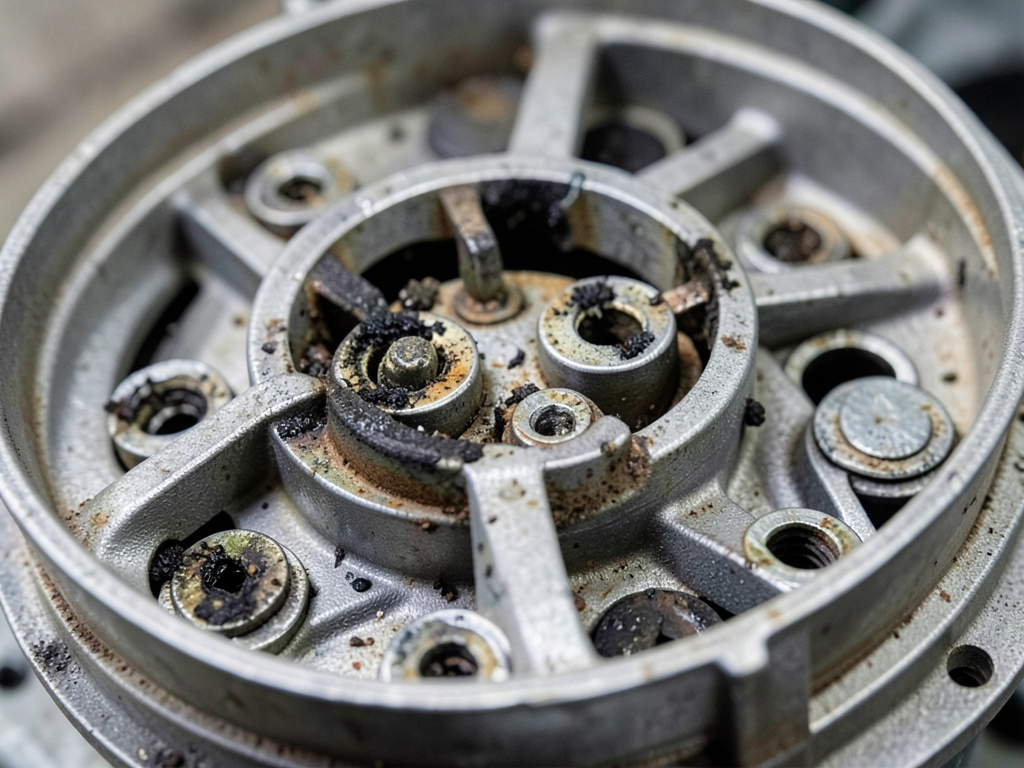
Diagram showing delayed ignition sequence in gas furnace with dirty burner ports
Squealing or Screeching Sounds
High-pitched squeals usually come from moving parts that need lubrication or replacement. The most common sources include blower motor bearings and belt-driven components.
Blower motors in older furnaces use oil ports for lubrication. When these dry out the bearings create a distinctive squeal that gets louder as the motor heats up during operation.
Belts that connect the motor to the blower wheel can also squeal when they become worn or loose. This sound often changes pitch as the furnace cycles through different speeds.
Pay attention to when the squealing occurs:
- Constant squeal – failing motor bearings
- Squeal that changes with fan speed – belt issue
- Squeal that stops after warm-up – lubrication needed
Continuing to run a squealing furnace can cause complete motor failure and leave you without heat during a cold snap.
Rattling and Vibrating Noises
Rattling sounds often indicate loose components that need tightening. Common sources include access panels, ductwork connections, and internal parts that have worked themselves loose over time.
A heat exchanger with cracks can create a distinctive rattling sound as metal expands and contracts. This represents a serious safety hazard since cracks can allow carbon monoxide to leak into your home.
Listen for these warning signs:
- Rattle that changes with fan speed – loose panel or screw
- Rattle that stays constant – ductwork issue
- Rattle with visible shaking – serious internal problem
According to Wisconsin Uniform Dwelling Code Section 23.04(2), all gas-fired furnaces must maintain proper combustion chamber integrity to prevent carbon monoxide exposure.
If you suspect a cracked heat exchanger shut off your furnace immediately and call for emergency service. This is not a DIY situation.. Read more about UV Lights or Media Filters (Which is Better for Air Quality in Fox Point?).
Whistling Noises
Whistling sounds typically indicate airflow restrictions somewhere in your system. The most common cause is a clogged air filter that forces air through smaller passages at higher velocity.
Other sources include:
- Dirty blower wheel reducing airflow efficiency
- Closed or blocked supply vents
- Ductwork leaks creating turbulence
- Incorrectly sized ductwork for your home
In Greenfield homes with older ductwork the whistling often gets worse during extreme cold when the furnace runs constantly trying to maintain temperature.
Check your air filter monthly during heating season. A filter that looks gray or has visible dust buildup needs replacement regardless of the manufacturer’s recommended schedule.. Read more about Comparing Gas and Electric Heating Options for Your Greendale Family Home.
Restricted airflow forces your furnace to work harder, reducing efficiency and potentially causing the high-limit switch to shut down the system prematurely.
Grinding Noises
Grinding sounds indicate metal-on-metal contact somewhere in your furnace. This usually means a bearing failure in the blower motor or inducer motor.
Inducer motors pull combustion gases through the heat exchanger and vent them outside. When these bearings fail the motor struggles to turn, creating a distinctive grinding noise that often gets louder over time.
Diagnostic test: With the furnace off, try to spin the blower wheel by hand. It should rotate freely with minimal resistance. If you feel roughness or hear grinding it indicates bearing wear.
According to NATE certification standards, all furnace motors should be tested for proper amperage draw during routine maintenance to catch developing bearing problems before complete failure occurs.
Continuing to operate a furnace with failing bearings can cause the motor to seize completely, leaving you without heat and potentially damaging other components.
Clicking Noises
Clicking sounds serve different purposes depending on when they occur. During startup, clicking often comes from the ignition sequence as the control board sends power to the igniter.
Continuous clicking after startup usually indicates a failing relay or control board. This happens when electrical contacts cannot maintain a solid connection and keep trying to complete the circuit.
Listen for these patterns:
- Single click followed by ignition – normal operation
- Rapid clicking during startup – ignition problem
- Clicking that continues after warm-up – electrical issue
Control board failures can prevent your furnace from maintaining proper temperature or cause it to shut down unexpectedly during the coldest nights.
When Furnace Noises Signal Danger
Some furnace sounds require immediate shutdown and professional service. These include:
- Gas odors – possible leak requiring immediate evacuation
- Continuous rumbling – dirty burners or delayed ignition
- Visible shaking or vibrating – potential heat exchanger failure
- Smoke or burning smells – electrical or combustion problem
Carbon monoxide detectors should be installed on every level of your Greenfield home, especially near sleeping areas. Test them monthly and replace batteries annually.
The EPA recommends replacing carbon monoxide detectors every 5-7 years as sensors degrade over time and may not detect dangerous levels of CO. EPA Carbon Monoxide Safety Guidelines.
If your detector sounds or you experience symptoms like headache, dizziness, or nausea evacuate immediately and call emergency services from outside your home. Fast AC Repair Services for Shorewood Residents Who Need Relief from the Humidity.
DIY Troubleshooting Steps
Before calling for service try these simple checks:
- Check your air filter – replace if dirty
- Verify all vents are open and unobstructed
- Check thermostat batteries if display is blank
- Ensure gas valve is open if you have gas heat
- Check circuit breaker for tripped switches
Keep a log of when noises occur and what conditions exist. This information helps technicians diagnose problems faster and more accurately.
For smart thermostat users check the app for error codes. Many modern systems display diagnostic information that can pinpoint the source of problems.
Greenfield-Specific Considerations
Greenfield homes built before 1980 often have original ductwork that becomes more prone to noise as metal ages and connections loosen. The area’s clay soil also contributes to foundation settling that can affect furnace mounting and create vibration issues.
Many Greenfield neighborhoods like Root River and Southridge experience higher than average heating demands due to tree coverage that blocks afternoon sun during winter months. This means furnaces run longer cycles and experience more wear on components.
According to We Energies data, Greenfield residents typically use 15-20% more natural gas during polar vortex events compared to surrounding suburbs due to the area’s slightly lower average temperatures.
Older Greenfield homes often have undersized return air ducts that create whistling sounds even when filters are clean. This design limitation forces many homeowners to run their systems longer than necessary.
Professional Service vs. Replacement
Deciding between repairing a noisy furnace or replacing it depends on several factors:
- Age of the unit – furnaces over 15 years old may not be worth major repairs
- Repair cost – if repairs exceed 30% of replacement cost, replacement often makes more sense
- Energy efficiency – newer units can save 20-30% on heating costs
- Safety concerns – cracked heat exchangers require immediate replacement
Modern high-efficiency furnaces operate at 90-98% AFUE ratings compared to 60-80% for units installed before 2010. This efficiency gain can offset replacement costs over time.
Call (414) 387-8977 today to schedule a comprehensive furnace inspection. Our NATE-certified technicians can diagnose the source of your furnace noise and recommend the most cost-effective solution for your Greenfield home.
Maintenance to Prevent Future Noises
Regular maintenance prevents most furnace noises from developing. A professional tune-up includes:
- Cleaning and adjusting burners for proper ignition
- Lubricating all moving parts including motors and bearings
- Checking and tightening electrical connections
- Inspecting heat exchanger for cracks or damage
- Testing safety controls and limit switches
- Cleaning flame sensor for reliable ignition
Annual maintenance can extend furnace life by 5-10 years and prevent 90% of emergency breakdowns that occur during extreme weather.
Many We Energies rebates require proof of annual maintenance to qualify for energy efficiency incentives on new equipment installations.
Emergency Response in Greenfield
When your furnace makes concerning noises during a cold snap you need fast local service. Our Greenfield-based technicians carry common replacement parts and can typically arrive within 2 hours for emergency calls.
We service all of Milwaukee County including:
- Root River neighborhood
- Southridge area
- Greenfield High School district
- Near Whitnall Park
Our trucks are equipped with diagnostic tools to identify problems quickly and restore heat to your home as fast as possible.
Call (414) 387-8977 now for 24/7 emergency furnace repair in Greenfield. Don’t wait until your system fails completely during the next cold snap.
Frequently Asked Questions
Why does my furnace make a loud bang when it turns on?
A loud bang at startup usually indicates delayed ignition where gas builds up before igniting. This creates a small explosion that can damage your furnace over time. It requires professional service to clean burners or replace faulty ignition components.
Is a squealing furnace dangerous?
While squealing itself isn’t dangerous, it indicates failing bearings or belts that will eventually cause complete motor failure. A failed blower motor leaves you without heat and can damage other components if the system continues trying to operate.
How much does it cost to fix a noisy furnace in Greenfield?
Repair costs vary based on the specific problem. Simple fixes like belt replacement might cost $150-300 while motor replacement ranges from $400-800. Heat exchanger issues often require complete furnace replacement at $3,000-7,000 depending on efficiency rating. Why Your Bay View Bungalow Might Benefit from a Ductless Mini Split System.
Should I turn off my furnace if it’s making strange noises?
If you hear banging, rattling with shaking, gas odors, or see smoke, turn off your furnace immediately and call for emergency service. For squealing or whistling sounds you can continue running the system but should schedule service soon to prevent further damage.
How long do furnaces typically last in Wisconsin?
With proper maintenance, furnaces in Wisconsin typically last 15-20 years. The extreme temperature swings and long heating seasons in our climate mean systems work harder than in milder regions, potentially reducing lifespan by 2-3 years compared to national averages.
Don’t ignore strange furnace noises. What starts as a minor annoyance can quickly become a major problem that leaves you without heat when you need it most. Call (414) 387-8977 for expert diagnosis and repair service throughout Greenfield and the greater Milwaukee area. For more information, visit Department of Energy Furnace Efficiency Guide.
{
“@context”: “https://schema.org”,
“@type”: “BlogPosting”,
“headline”: “Common Furnace Noises and What They Actually Mean for Your Greenfield Home”,
“description”: “Hear banging, whistling, or squealing from your Greenfield furnace? Learn what these noises mean and when to call for 24/7 emergency HVAC repair in Milwaukee County.”,
“wordCount”: 1936,
“datePublished”: “2026-03-06T15:04:00.000Z”,
“dateModified”: “2026-03-06T15:04:00.000Z”,
“inLanguage”: “en-US”,
“mainEntityOfPage”: {
“@type”: “WebPage”,
“@id”: “https://firstchoicehvacmilwaukee.com”
},
“publisher”: {
“@type”: “LocalBusiness”,
“name”: “First Choice HVAC Milwaukee”,
“url”: “https://firstchoicehvacmilwaukee.com”
},
“author”: {
“@type”: “Organization”,
“name”: “First Choice HVAC Milwaukee”,
“url”: “https://firstchoicehvacmilwaukee.com”
},
“image”: {
“@type”: “ImageObject”,
“url”: “https://firstchoicehvacmilwaukee.com/wp-content/uploads/2026/03/common-furnace-noises-and-what-they-actually-mean-1.png”
}
}
{
“@context”: “https://schema.org”,
“@type”: “HVACBusiness”,
“name”: “First Choice HVAC Milwaukee”,
“url”: “https://firstchoicehvacmilwaukee.com”,
“address”: {
“@type”: “PostalAddress”,
“addressLocality”: “Milwaukee”
},
“areaServed”: {
“@type”: “City”,
“name”: “Milwaukee”
}
}
{
“@context”: “https://schema.org”,
“@type”: “FAQPage”,
“mainEntity”: [
{
“@type”: “Question”,
“name”: “Why does my furnace make a loud bang when it turns on?”,
“acceptedAnswer”: {
“@type”: “Answer”,
“text”: “A loud bang at startup usually indicates delayed ignition where gas builds up before igniting. This creates a small explosion that can damage your furnace over time. It requires professional service to clean burners or replace faulty ignition components.”
}
},
{
“@type”: “Question”,
“name”: “Is a squealing furnace dangerous?”,
“acceptedAnswer”: {
“@type”: “Answer”,
“text”: “While squealing itself isn’t dangerous, it indicates failing bearings or belts that will eventually cause complete motor failure. A failed blower motor leaves you without heat and can damage other components if the system continues trying to operate.”
}
},
{
“@type”: “Question”,
“name”: “How much does it cost to fix a noisy furnace in Greenfield?”,
“acceptedAnswer”: {
“@type”: “Answer”,
“text”: “Repair costs vary based on the specific problem. Simple fixes like belt replacement might cost $150-300 while motor replacement ranges from $400-800. Heat exchanger issues often require complete furnace replacement at $3,000-7,000 depending on efficiency rating. Why Your Bay View Bungalow Might Benefit from a Ductless Mini Split System.”
}
},
{
“@type”: “Question”,
“name”: “Should I turn off my furnace if it’s making strange noises?”,
“acceptedAnswer”: {
“@type”: “Answer”,
“text”: “If you hear banging, rattling with shaking, gas odors, or see smoke, turn off your furnace immediately and call for emergency service. For squealing or whistling sounds you can continue running the system but should schedule service soon to prevent further damage.”
}
},
{
“@type”: “Question”,
“name”: “How long do furnaces typically last in Wisconsin?”,
“acceptedAnswer”: {
“@type”: “Answer”,
“text”: “With proper maintenance, furnaces in Wisconsin typically last 15-20 years. The extreme temperature swings and long heating seasons in our climate mean systems work harder than in milder regions, potentially reducing lifespan by 2-3 years compared to national averages.”
}
}
]
}
{
“@context”: “https://schema.org”,
“@type”: “BreadcrumbList”,
“itemListElement”: [
{
“@type”: “ListItem”,
“position”: 1,
“name”: “Home”,
“item”: “https://firstchoicehvacmilwaukee.com”
},
{
“@type”: “ListItem”,
“position”: 2,
“name”: “Blog”,
“item”: “https://firstchoicehvacmilwaukee.com/blog”
},
{
“@type”: “ListItem”,
“position”: 3,
“name”: “Common Furnace Noises and What They Actually Mean for Your Greenfield Home”
}
]
}
{
“@context”: “https://schema.org”,
“@type”: “Service”,
“serviceType”: “HVAC”,
“provider”: {
“@type”: “LocalBusiness”,
“name”: “First Choice HVAC Milwaukee”,
“url”: “https://firstchoicehvacmilwaukee.com”
},
“areaServed”: {
“@type”: “City”,
“name”: “Milwaukee”
},
“description”: “Hear banging, whistling, or squealing from your Greenfield furnace? Learn what these noises mean and when to call for 24/7 emergency HVAC repair in Milwaukee County.”
}