
Why You Have Sweaty Windows in Your Lannon Home During the Winter
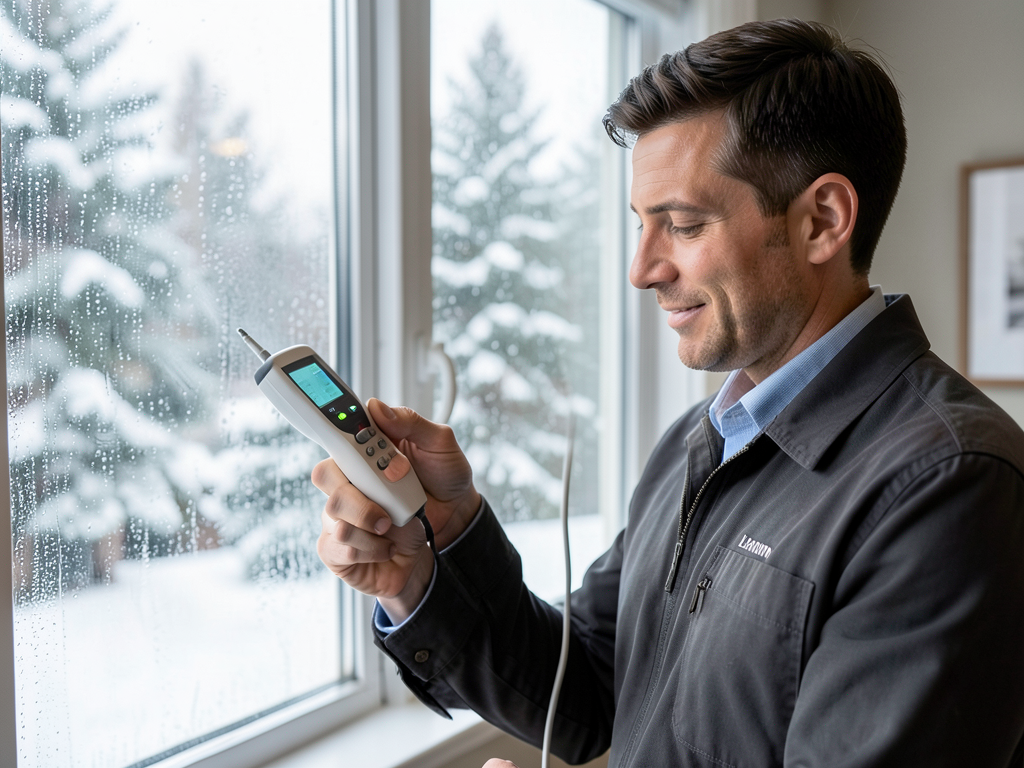
Windows fog up and drip with condensation when warm indoor air meets cold glass surfaces. In Lannon, Wisconsin, this happens because our brutal winters create extreme temperature differences between inside and outside your home. The real culprit isn’t your windows at all. It’s the moisture level in your indoor air.
Most Lannon homes built before 2000 weren’t designed for today’s airtight construction standards. When you seal up your house tight for winter, the moisture from cooking, showering, and breathing gets trapped inside. Your furnace keeps running, but without proper ventilation, humidity builds up until it hits the cold window surfaces and condenses into those annoying water droplets.
How Milwaukee’s Climate Makes Window Condensation Worse
Lannon sits in a unique microclimate zone where Lake Michigan’s influence meets the Kettle Moraine’s elevation changes. Our average January temperature hovers around 20°F, but we regularly see polar vortex events that drop to -20°F or lower. These extreme swings create perfect conditions for window sweating.
The problem gets amplified by our local soil conditions. Lannon’s heavy clay soil retains moisture year-round, which affects basement humidity levels. When that moisture migrates upward through your home’s foundation, it adds to the indoor humidity load that your HVAC system must manage.. Read more about How Your HVAC System Protects the Original Hardwood in Your Historic East Side Home.
The Science Behind Window Condensation
Condensation occurs when air reaches its dew point temperature. The dew point depends on the amount of moisture in the air. Warm air holds more moisture than cold air. When that warm, moisture-laden air contacts a cold surface like a window pane, the air cools down and can’t hold as much water vapor.
Think of it like a cold soda can on a hot day. The aluminum surface temperature drops below the surrounding air’s dew point, and water droplets form on the outside. Your windows work the same way during Wisconsin winters.
Is It Your Windows or Your HVAC System?
Here’s a simple test: wipe the condensation off your windows and wait an hour. If it returns, you have a humidity problem. If it stays gone, you might have failing window seals or single-pane glass that can’t insulate properly. Why Your Bay View Bungalow Might Benefit from a Ductless Mini Split System.
Modern double-pane windows with low-E coatings should resist condensation much better than older windows. But even the best windows can’t overcome excessive indoor humidity. The real question is whether your HVAC system is properly managing moisture levels throughout your home.. Read more about Why You Should Never Put Your Thermostat Near a Window in Caledonia.
Milwaukee-Specific Humidity Guidelines
The Wisconsin Uniform Dwelling Code doesn’t specify indoor humidity levels, but building scientists recommend different targets based on outdoor temperature. Here’s what works for Lannon homes: Outdoor Unit Not Spinning.
| Outdoor Temperature | Maximum Indoor Humidity | Expected Window Condition |
|---|---|---|
| 40°F and above | 40-50% | Clear windows |
| 20-39°F | 35-40% | Minimal condensation possible |
| 0-19°F | 30-35% | Some edge condensation normal |
| -20 to -1°F | 25-30% | Light condensation acceptable |
| -21°F and below | 20-25% | Some condensation expected |
HVAC Solutions for Window Condensation
Your furnace plays a crucial role in humidity control. Older atmospheric furnaces draw combustion air from inside your home, which can actually increase humidity levels. Modern high-efficiency furnaces with sealed combustion draw air from outside, reducing indoor moisture loads.
Whole-home humidifiers need seasonal adjustments. Many Lannon homeowners forget to switch their humidifiers to winter mode or set them too high. A humidistat reading of 35% when it’s 20°F outside is perfect. Reading 45% at the same temperature guarantees window sweating.
Ventilation Systems That Prevent Moisture Problems
Heat Recovery Ventilators (HRVs) and Energy Recovery Ventilators (ERVs) exchange stale indoor air with fresh outdoor air while recovering heat energy. In Lannon’s climate, HRVs work best because they transfer heat without transferring moisture during winter months.
ERVs transfer both heat and moisture, which can help in summer but may worsen winter condensation. The choice depends on your home’s construction and whether you have a tightly sealed modern build or an older home with more air leaks.
Common HVAC Mistakes That Cause Window Sweating
Many homeowners set their thermostat fan to “ON” instead of “AUTO.” This keeps air circulating constantly, which can actually increase humidity by preventing your air conditioner from cycling long enough to dehumidify properly during fall shoulder seasons.
Clogged air filters restrict airflow, causing your system to run longer cycles. Longer cycles mean more opportunity for moisture to accumulate. Check your filters monthly during peak heating season.. Read more about The Best Ways to Connect Your Oak Creek HVAC System to Your Smart Home.
Thermostat Settings That Help Control Humidity
Programmable thermostats can help manage indoor humidity. Set your temperature back no more than 5 degrees at night. Bigger temperature setbacks cause your system to run longer in the morning, potentially increasing humidity levels when outdoor temperatures are coldest.
Smart thermostats with humidity sensors can automatically adjust settings based on outdoor conditions. Some models even integrate with whole-home dehumidifiers for precise moisture control.
Whole-Home Dehumidifiers vs. Portable Units
Portable dehumidifiers can help in specific problem areas but won’t solve whole-house humidity issues. They typically remove 30-70 pints of water per day, while whole-home units can handle 90-135 pints daily.
Whole-home dehumidifiers connect to your HVAC system and drain automatically. They operate independently of your heating and cooling cycles, providing consistent humidity control even when your furnace isn’t running. Cooling Tower Services.
Insulation and Air Sealing Considerations
Air leaks around windows, doors, and electrical outlets let warm, moist air escape to cold areas where it condenses. Proper air sealing can reduce your HVAC system’s workload and help maintain consistent humidity levels.
However, over-sealing an older home without proper ventilation can create new problems. Your home needs a certain amount of fresh air exchange to maintain healthy indoor air quality.
Health Impacts of Excessive Window Condensation
Beyond the annoyance of water spots, excessive condensation creates perfect conditions for mold growth around window sills. Black mold can develop within 24-48 hours on damp wood surfaces.
Musty odors, allergy symptoms, and respiratory issues often trace back to high indoor humidity levels. Controlling window condensation isn’t just about comfort. It’s about protecting your family’s health.
When to Call an HVAC Professional
If you’ve tried adjusting your humidifier settings and the problem persists, you might have equipment issues. A malfunctioning humidifier control, stuck damper, or improperly sized HVAC system can all cause chronic humidity problems.
Professional HVAC technicians use specialized tools to measure indoor humidity, check system performance, and identify hidden moisture sources. They can also verify that your system meets current energy efficiency standards. Who to Call for Honest and Professional Furnace Repair in West Allis.
DIY Steps to Reduce Window Condensation
Start with these simple adjustments before calling for service:
- Check your whole-home humidifier setting and reduce it by 5% if windows are sweating
- Run kitchen and bathroom exhaust fans for 30 minutes after cooking or showering
- Open curtains and blinds during the day to improve air circulation around windows
- Clean or replace your furnace filter if it’s dirty
- Verify your thermostat fan setting is on “AUTO” not “ON”
Long-Term Solutions for Lannon Homes
Older Lannon homes often benefit from HVAC system upgrades. Replacing an 80% efficient furnace with a 96% efficient model can significantly reduce indoor humidity since sealed combustion eliminates moisture from combustion gases.
Adding a fresh air intake system can provide controlled ventilation without the energy penalties of opening windows in winter. These systems work with your existing ductwork to bring in filtered outdoor air.
Energy Efficiency and Humidity Control
High-efficiency HVAC systems often include enhanced dehumidification modes. These can remove 10-15% more moisture than standard operation without overcooling your home.
Variable-speed blowers run at lower speeds for longer periods, which improves humidity control. They remove more moisture per hour than single-speed systems running at full blast.
Seasonal Maintenance for Humidity Control
Fall maintenance should include checking your humidifier operation, cleaning the water panel, and verifying proper damper settings. Spring maintenance should address any moisture issues that developed over winter.
Annual professional tune-ups can identify developing problems before they cause window condensation or other moisture-related issues.
The Cost of Ignoring Window Condensation
Beyond the cosmetic issues, chronic window condensation can damage window frames, drywall, and flooring. Water damage repairs often cost thousands of dollars, far exceeding the price of proper humidity control. EPA Indoor Air Quality Basics.
Increased energy bills from an overworked HVAC system trying to manage excessive humidity add up over a single winter season.
Smart Home Technology for Humidity Management
Wi-Fi enabled thermostats can monitor both temperature and humidity, sending alerts when levels exceed recommended ranges. Some models integrate with weather forecasts to anticipate humidity changes.
Smart humidifiers can automatically adjust output based on outdoor temperature, eliminating the guesswork from seasonal adjustments.
Local Building Considerations
Lannon’s mix of historic farmhouses and newer developments each present unique humidity challenges. Older homes often have plaster walls that absorb moisture, while newer construction with vapor barriers can trap humidity if not properly ventilated. What to Do When Your Historic East Side Home’s Boiler Stops Working.
The area’s clay soil can affect basement humidity levels, particularly in homes without proper drainage systems. A professional assessment should consider your home’s specific construction type and site conditions.
Finding the Right HVAC Partner
Look for contractors who understand Wisconsin’s unique climate challenges. Ask about their experience with whole-home humidity control, not just heating and cooling.
Verify they’re familiar with local building codes and can recommend solutions that comply with Wisconsin Uniform Dwelling Code requirements.
Frequently Asked Questions
Why do my windows sweat more on some days than others?
Window condensation varies with outdoor temperature, humidity levels, and your indoor activities. Cooking, showering, and even breathing add moisture to your air. Colder outdoor temperatures lower the dew point, making condensation more likely even at the same indoor humidity level.
Can new windows solve my condensation problem?
New windows with better insulation can reduce condensation, but they won’t eliminate humidity problems. If your indoor humidity is too high, moisture will condense on any surface cold enough, including your new windows’ frames or even interior walls.
How do I know if my humidifier is set correctly?
Use a digital hygrometer to measure indoor humidity. Compare it to the outdoor temperature chart above. If you see condensation when your humidity level is within the recommended range for the current temperature, you may have other issues like air leaks or equipment problems.
Take Control of Your Home’s Humidity Today
Window condensation is a symptom, not the problem itself. Your home’s humidity level affects everything from your comfort to your health to your energy bills. If you’re tired of wiping down windows every morning or worried about hidden moisture damage, it’s time for professional help.
Call (414) 387-8977 today to schedule your humidity assessment. Our NATE-certified technicians understand Lannon’s unique climate challenges and can recommend solutions that actually work for Wisconsin winters.
Don’t wait until spring to address this problem. The moisture that causes window condensation this winter can lead to mold growth and structural damage by summer. Pick up the phone and call (414) 387-8977 before the next cold snap hits. For more information, visit ASHRAE Technical Resources.
{
“@context”: “https://schema.org”,
“@type”: “BlogPosting”,
“headline”: “Why You Have Sweaty Windows in Your Lannon Home During the Winter”,
“description”: “Learn why windows sweat in Lannon homes during Wisconsin winters and how your HVAC system affects indoor humidity. Get local solutions from Milwaukee HVAC experts.”,
“wordCount”: 1836,
“datePublished”: “2026-04-10T09:31:00.000Z”,
“dateModified”: “2026-04-10T09:31:00.000Z”,
“inLanguage”: “en-US”,
“mainEntityOfPage”: {
“@type”: “WebPage”,
“@id”: “https://firstchoicehvacmilwaukee.com”
},
“publisher”: {
“@type”: “LocalBusiness”,
“name”: “First Choice HVAC Milwaukee”,
“url”: “https://firstchoicehvacmilwaukee.com”
},
“author”: {
“@type”: “Organization”,
“name”: “First Choice HVAC Milwaukee”,
“url”: “https://firstchoicehvacmilwaukee.com”
},
“image”: {
“@type”: “ImageObject”,
“url”: “https://firstchoicehvacmilwaukee.com/wp-content/uploads/2026/03/why-you-have-sweaty-windows-in-your-lannon-home-du-1.png”
}
}
{
“@context”: “https://schema.org”,
“@type”: “HVACBusiness”,
“name”: “First Choice HVAC Milwaukee”,
“url”: “https://firstchoicehvacmilwaukee.com”,
“address”: {
“@type”: “PostalAddress”,
“addressLocality”: “Milwaukee”
},
“areaServed”: {
“@type”: “City”,
“name”: “Milwaukee”
}
}
{
“@context”: “https://schema.org”,
“@type”: “FAQPage”,
“mainEntity”: [
{
“@type”: “Question”,
“name”: “Is It Your Windows or Your HVAC System?”,
“acceptedAnswer”: {
“@type”: “Answer”,
“text”: “Here’s a simple test: wipe the condensation off your windows and wait an hour. If it returns, you have a humidity problem. If it stays gone, you might have failing window seals or single-pane glass that can’t insulate properly. Why Your Bay View Bungalow Might Benefit from a Ductless Mini Split System.”
}
},
{
“@type”: “Question”,
“name”: “Why do my windows sweat more on some days than others?”,
“acceptedAnswer”: {
“@type”: “Answer”,
“text”: “Window condensation varies with outdoor temperature, humidity levels, and your indoor activities. Cooking, showering, and even breathing add moisture to your air. Colder outdoor temperatures lower the dew point, making condensation more likely even at the same indoor humidity level.”
}
},
{
“@type”: “Question”,
“name”: “Can new windows solve my condensation problem?”,
“acceptedAnswer”: {
“@type”: “Answer”,
“text”: “New windows with better insulation can reduce condensation, but they won’t eliminate humidity problems. If your indoor humidity is too high, moisture will condense on any surface cold enough, including your new windows’ frames or even interior walls.”
}
},
{
“@type”: “Question”,
“name”: “How do I know if my humidifier is set correctly?”,
“acceptedAnswer”: {
“@type”: “Answer”,
“text”: “Use a digital hygrometer to measure indoor humidity. Compare it to the outdoor temperature chart above. If you see condensation when your humidity level is within the recommended range for the current temperature, you may have other issues like air leaks or equipment problems.”
}
}
]
}
{
“@context”: “https://schema.org”,
“@type”: “BreadcrumbList”,
“itemListElement”: [
{
“@type”: “ListItem”,
“position”: 1,
“name”: “Home”,
“item”: “https://firstchoicehvacmilwaukee.com”
},
{
“@type”: “ListItem”,
“position”: 2,
“name”: “Blog”,
“item”: “https://firstchoicehvacmilwaukee.com/blog”
},
{
“@type”: “ListItem”,
“position”: 3,
“name”: “Why You Have Sweaty Windows in Your Lannon Home During the Winter”
}
]
}
{
“@context”: “https://schema.org”,
“@type”: “Service”,
“serviceType”: “HVAC”,
“provider”: {
“@type”: “LocalBusiness”,
“name”: “First Choice HVAC Milwaukee”,
“url”: “https://firstchoicehvacmilwaukee.com”
},
“areaServed”: {
“@type”: “City”,
“name”: “Milwaukee”
},
“description”: “Learn why windows sweat in Lannon homes during Wisconsin winters and how your HVAC system affects indoor humidity. Get local solutions from Milwaukee HVAC experts.”
}