
Why You Should Never Put Your Thermostat Near a Window in Caledonia
Your thermostat controls your home’s comfort and energy bills. Yet many homeowners unknowingly sabotage their HVAC system by installing the thermostat in the wrong spot. In Caledonia’s unique climate, window placement creates a perfect storm of temperature confusion that makes your system work harder than necessary.
The problem starts with how thermostats read temperature. They measure the air around them and signal your furnace or AC to turn on or off based on that reading. When placed near a window, your thermostat gets tricked by direct sunlight, cold drafts, and temperature swings that don’t reflect your home’s actual comfort level.. Read more about Why Your Furnace is Turning On and Off Every Few Minutes in Wind Lake.
Picture this: It’s a sunny winter morning in Caledonia. Your thermostat sits on the wall next to a south-facing window. The sun hits the wall, warming the thermostat to 72 degrees while the rest of your living room sits at a chilly 65. Your furnace shuts off, leaving you cold and confused. Or on a summer evening, a cool breeze through an open window makes your thermostat think it’s 68 degrees when it’s actually 78 throughout the house. Your AC stays off while you sweat.. Read more about Why One Room in Your Cooper Park House is Always Freezing.
These “ghost readings” cost you money and comfort. Your HVAC system runs inefficiently, cycling on and off at the wrong times. Energy bills climb as your equipment works overtime trying to correct phantom temperature problems. The solution isn’t buying a new thermostat—it’s moving the one you have to the right location.
The Science Behind Thermostat Placement
Thermostats need to measure the “ambient” temperature of your living space. Ambient means the average air temperature that you actually feel when sitting on your couch or sleeping in your bed. Windows create temperature anomalies that throw off this reading.
Direct sunlight heats surfaces dramatically. A window-exposed wall can be 10-15 degrees warmer than the room’s center, even on cold days. Cold drafts from old windows create the opposite problem in winter. Your thermostat reads these extremes and makes decisions that don’t help the rest of your home.
The physics gets worse in Caledonia. Our Wisconsin climate means extreme temperature differences between inside and outside. When it’s zero degrees outside with a 20 mph wind, that drafty window near your thermostat creates a cold zone that tricks your system into overheating the rest of your house.
Ideal Thermostat Height and Location
Proper placement follows specific guidelines that maximize accuracy. The gold standard height is between 52 and 60 inches from the floor. This puts the sensor at the level where people actually experience temperature—not near the ceiling where heat rises or the floor where cold air settles.
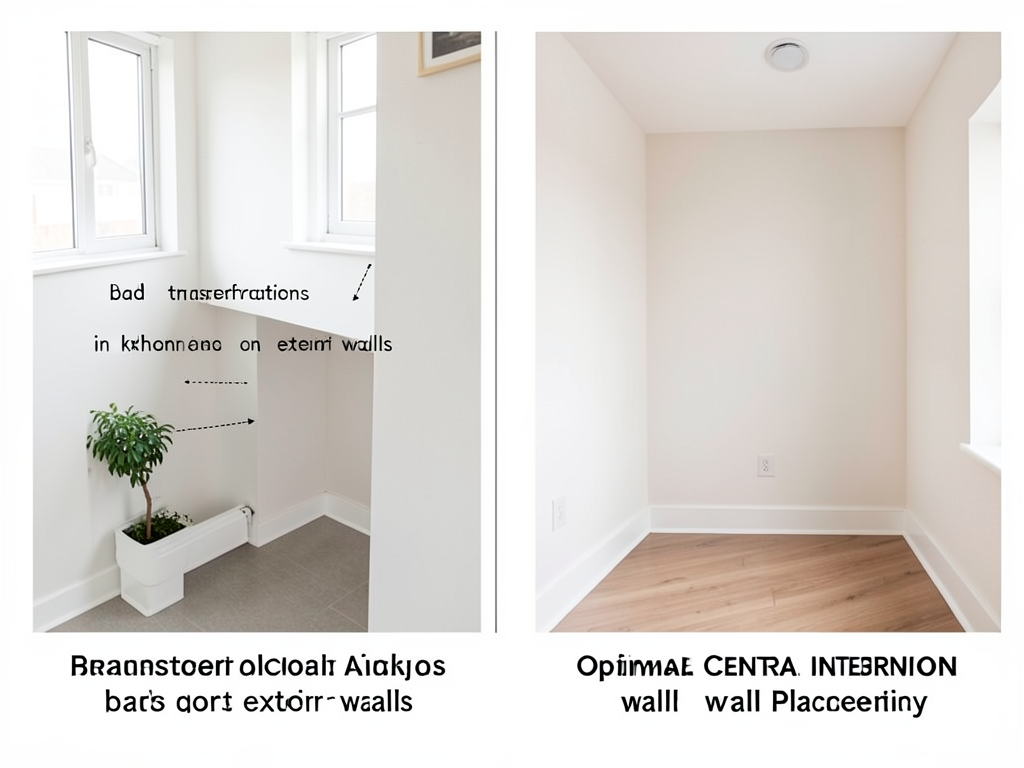
Interior walls work best because they’re buffered from outdoor temperature swings. Choose a wall that sees regular air circulation but isn’t in the direct path of supply vents. You want the thermostat to read the room’s average temperature, not the hot or cold air blasting from your vents. Outdoor Unit Not Spinning.
Distance matters as much as location. Keep your thermostat at least 3 feet from any supply vent, exterior door, or window. This prevents the hot or cold air from those sources from creating false readings. Five feet is even better if your room layout allows it.. Read more about Smart Vents vs Professional Zoning for Your Wauwatosa Home.
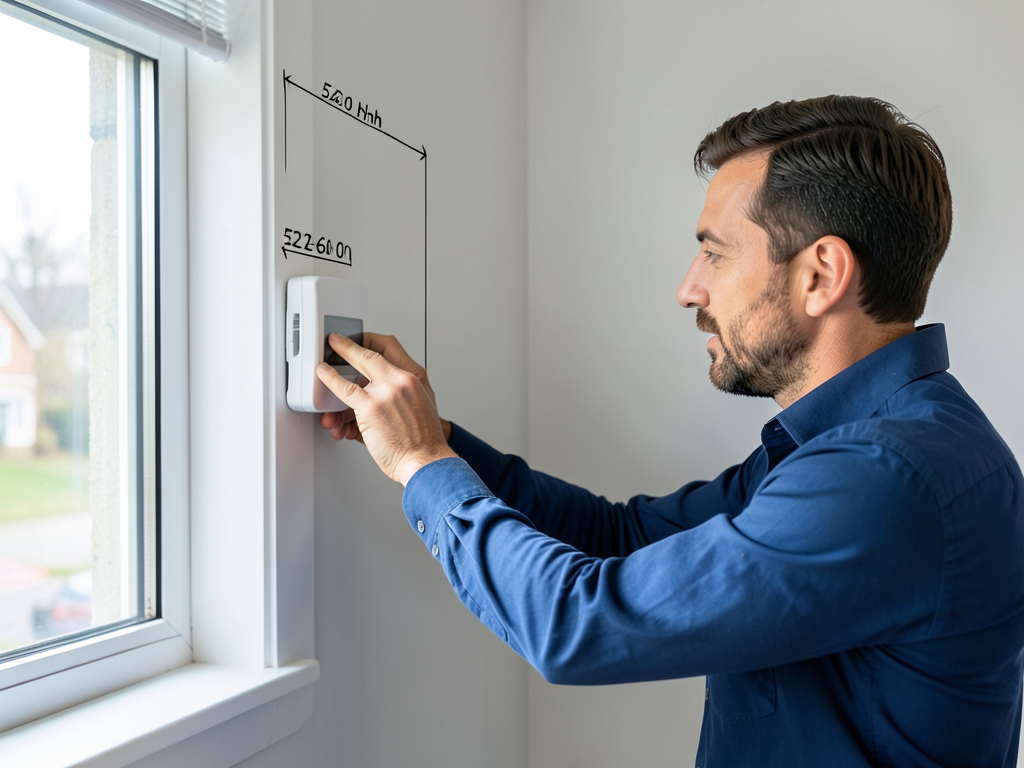
Common areas make ideal locations because they represent the heart of your home’s activity. Living rooms, hallways near the center of the house, or dining rooms often work well. These spaces see regular use and have good air mixing from everyday movement.
Kitchen and Bathroom Considerations
Kitchens create unique challenges. Cooking produces heat that can make your thermostat think the whole house is warm. That oven at 350 degrees radiates enough heat to trick a nearby sensor. Your AC might stay off while the rest of your home gets stuffy. Why Your Bay View Bungalow Might Benefit from a Ductless Mini Split System.
Bathrooms have their own problems. Steam from showers creates temporary heat and humidity spikes. A thermostat in the bathroom might signal cooling when the rest of your home actually needs heating. Plus, bathroom fans remove heat, creating cold spots that confuse the sensor. Cooling Tower Services.
If your current thermostat sits in the kitchen or bathroom, you’re likely experiencing these issues. The solution isn’t moving it to the nearest interior wall—that might be another problem spot. You need a location that represents your home’s true comfort level.
Multi-Story Home Challenges
Two-story homes in Caledonia face a fundamental physics problem: heat rises. Your upstairs will always be warmer than downstairs, sometimes by 5-8 degrees. Where you place your thermostat depends on where you spend most of your time.
Many homeowners with upstairs bedrooms install the thermostat there. This works if you’re mostly home in the evenings when bedrooms matter most. But if you work from home downstairs all day, you might be uncomfortable while your thermostat thinks everything’s fine upstairs.
Zoned systems offer the best solution for multi-story homes. You can control upstairs and downstairs separately, each with its own thermostat in the right location. But if you have a single thermostat, choose the floor where you spend the most waking hours. EPA Energy Star thermostat recommendations.
Smart Thermostats and Remote Sensors
Modern smart thermostats like Nest, Ecobee, and Honeywell offer remote sensors that solve many placement problems. You can put the main thermostat in a technically correct location while placing sensors in the rooms where you actually want control.
This technology shines in Caledonia’s older homes. Many Milwaukee bungalows and colonials have layouts that make central thermostat placement difficult. Remote sensors let you maintain proper installation while achieving room-by-room comfort.
Ecobee’s wireless sensors are particularly useful. You can place them in bedrooms, home offices, or living areas. The thermostat averages readings from multiple sensors, giving you balanced comfort throughout your home. Some models even let you prioritize certain rooms at certain times of day.
Nest’s temperature sensors work similarly but integrate with their learning algorithms. The system figures out your schedule and preferences, adjusting automatically. If you’re always home in the living room by 6 PM, it learns to prioritize that room’s comfort at that time.
Common Placement Mistakes in Older Homes
Caledonia’s mix of historic and newer homes creates unique challenges. Many older homes have plaster walls that make running new thermostat wires difficult. This leads to poor placement decisions just to avoid renovation work. What to Do When Your Historic East Side Home’s Boiler Stops Working.
Some homeowners hide thermostats behind pictures or decorative items, thinking it looks better. This blocks air circulation and creates inaccurate readings. The sensor needs to “breathe” to measure room temperature correctly.
Exterior walls in older homes often have less insulation than modern construction. A thermostat on these walls reads colder in winter and hotter in summer than the actual room temperature. The temperature difference can be 5-10 degrees from the wall surface to the room center.
Near stairwells, thermostats face draft problems. Heat naturally moves up stairs, creating temperature differences from top to bottom. A thermostat at the top of stairs might read warmer than the surrounding rooms because of this natural convection current.
Energy Efficiency Impact
Proper thermostat placement directly affects your energy bills. The EPA estimates that optimizing HVAC control can save 10-15% on heating and cooling costs. Poor placement can negate these savings or even increase consumption.
When your thermostat reads incorrectly, your system runs longer than necessary. A thermostat that thinks it’s colder than it is will keep your furnace running, wasting gas or electricity. The opposite happens in summer with overcooling.
Beyond direct energy waste, poor placement stresses your HVAC equipment. Systems that cycle on and off frequently due to false readings experience more wear. Compressors, fans, and other components fail sooner when they can’t maintain steady operation.
The humidity control aspect often gets overlooked. Your AC does more than cool—it removes moisture from the air. If your thermostat placement causes short cycling, your system might not run long enough to properly dehumidify your home. This leaves you feeling clammy even at the right temperature.
Professional Installation Considerations
Moving a thermostat isn’t just about unscrewing it and hanging it somewhere else. Professional installation ensures proper wiring, level mounting, and optimal location selection. In many Caledonia homes, moving a thermostat means running new wires through walls—a task that requires expertise to avoid damage. Who to Call for Honest and Professional Furnace Repair in West Allis.
Electricians and HVAC technicians follow specific guidelines. The National Electrical Code (NEC) Article 404 covers thermostat installations, requiring proper mounting height and secure electrical connections. Building codes in Wisconsin also mandate certain installation standards for safety and functionality.
Professional installers consider factors homeowners might miss. They evaluate your home’s air flow patterns, identify dead zones where air doesn’t circulate well, and choose locations that represent your home’s true temperature profile. They also ensure the new location has proper power access and can accommodate the necessary wiring.
The cost of professional installation varies based on complexity. Simple relocations might cost $150-300, while extensive rewiring through finished walls could run $500 or more. But this investment often pays for itself within a year through energy savings and improved comfort.
Smart Home Integration
Modern smart homes add another layer to thermostat placement decisions. Many systems integrate with other devices—smart vents, air quality monitors, and automated blinds all affect how your thermostat should be positioned.
Smart vents can direct conditioned air away from your thermostat, solving some proximity problems. But they work best when your thermostat is already in a good central location. Trying to compensate for poor initial placement with smart technology often creates more problems than it solves.
Air quality monitors near your thermostat can provide additional data about your home’s environment. Some high-end systems use this information to adjust operation based on both temperature and air quality, but they still need accurate temperature readings from the start.
Automated window shades can help if you must place a thermostat near a window. Smart shades that close during the sunniest parts of the day can reduce the temperature impact on your thermostat. But this is a workaround, not a substitute for proper placement.
Seasonal Adjustments and Zoning
Some homeowners try to solve placement problems with seasonal adjustments. They might accept being too warm in summer and too cool in winter because their thermostat is in a less-than-ideal spot. This approach wastes energy and creates year-round discomfort.
Zoning systems offer a more sophisticated solution. By creating separate temperature zones in your home, you can place thermostats where they make sense for each area. A zoning system might have one thermostat for upstairs bedrooms, another for the main living area, and a third for a home office.
The initial investment in zoning ranges from $2,000 to $5,000 depending on your home’s size and existing ductwork. But the energy savings and comfort improvements often justify the cost, especially in larger homes where temperature differences between areas are most pronounced.
DIY Relocation Tips
If you’re considering moving your thermostat yourself, understand the risks. Electrical work requires caution—always turn off power at the breaker before working on any thermostat wiring. Most thermostats use low-voltage wiring, but mistakes can still cause problems.
Before moving anything, check if your thermostat uses batteries or needs a common wire (C-wire) for continuous power. Many smart thermostats require a C-wire, and not all locations have one available. You might need to run new wiring even for a short move.
Level mounting matters more than most people realize. A tilted thermostat can affect the operation of mercury switches in older models and looks unprofessional in any case. Use a level during installation and mark your mounting holes carefully before drilling.
Test your new location before finalizing the installation. Temporary mounting with just a couple screws lets you verify the placement works well. Run your HVAC system and check that the new location provides accurate readings compared to other areas of your home.
Milwaukee Climate Specifics
Caledonia’s location in the Milwaukee metro area means our homes face specific climate challenges that affect thermostat performance. Lake Michigan’s influence creates more humidity than areas farther inland. This moisture affects how we perceive temperature and how our HVAC systems should respond.
Wisconsin’s dramatic seasonal swings—from -20°F in winter to 95°F in summer—put extra stress on thermostat accuracy. The larger the temperature difference between inside and outside, the more critical proper placement becomes. Small errors in reading become big comfort problems.
Our spring and fall seasons feature rapid temperature changes throughout the day. A thermostat near a window might read perfectly at noon but be completely wrong by 6 PM as the sun angle changes. These transitional seasons often reveal placement problems that summer and winter can mask.
Wind patterns in southeastern Wisconsin affect how cold air enters homes. South and west winds are common, meaning windows on those sides might create more drafts than north or east-facing ones. Understanding your home’s specific exposure helps in choosing the best thermostat location.
Cost-Benefit Analysis
Consider the math of thermostat relocation. A $300 professional installation that saves you $25 per month on energy bills pays for itself in a year. Over a 10-year thermostat lifespan, that’s $2,700 in savings versus the $300 investment—a 900% return.
Beyond direct energy savings, proper placement extends your HVAC system’s life. Equipment that runs efficiently and cycles properly lasts longer. A system that might need replacement in 12 years could last 15-18 years with optimal control, saving you thousands in replacement costs.
Comfort has value too. Being able to maintain consistent temperatures throughout your home improves your quality of life. No more hot and cold spots, no more arguing over the thermostat setting, no more feeling like your HVAC system just can’t keep up.
Final Recommendations
The best thermostat location balances several factors: proper height (52-60 inches), interior wall placement, distance from windows and vents (3-5 feet minimum), and central location in your most-used living space. If perfect placement isn’t possible due to wiring constraints, prioritize height and distance from heat sources over exact central location.
For new construction or major renovations, plan thermostat locations before finishing walls. This gives you maximum flexibility to place them optimally. Consider running extra thermostat wires during construction—it’s much cheaper to install them during the build than to add them later.
If you’re unsure about your current placement, many HVAC companies offer free assessments. They can evaluate your home’s layout, discuss your comfort preferences, and recommend whether relocation would benefit you. Some even use thermal imaging to show temperature variations throughout your home.
Remember that thermostat placement is just one factor in home comfort. Proper insulation, sealed ductwork, and regular HVAC maintenance all work together with optimal thermostat location. But getting the thermostat right is often the quickest way to improve both comfort and efficiency.
Frequently Asked Questions
Can I move my thermostat myself?
Yes, but with caution. Basic relocations on the same wall might be DIY-friendly if you’re comfortable with low-voltage electrical work. However, moving to a different wall often requires running new wires through finished walls, which is best left to professionals. Always turn off power at the breaker before working on any thermostat wiring.
How much does professional thermostat relocation cost?
Costs range from $150-300 for simple moves to $500+ for complex relocations requiring new wiring through finished walls. The price depends on your home’s construction, the distance of the move, and whether new wiring needs installation. Most companies offer free estimates to evaluate your specific situation.
Will a smart thermostat solve placement problems?
Smart thermostats help but don’t eliminate the need for proper placement. While features like remote sensors can compensate for some issues, the main thermostat unit still needs to be in a reasonable location for the system to work optimally. Think of smart features as enhancements, not replacements for good placement.
How do I know if my thermostat is in the wrong place?
Signs include uneven temperatures throughout your home, your HVAC system running too much or too little, discomfort even when the thermostat reads the “right” temperature, and higher-than-expected energy bills. If you experience these issues, poor thermostat placement could be a contributing factor.
Does thermostat placement affect humidity control?
Absolutely. Your air conditioner removes moisture as it cools. If your thermostat causes short cycling (frequent on/off), the system might not run long enough to properly dehumidify your home. This leaves you feeling clammy even at the right temperature. Proper placement helps maintain both temperature and humidity at comfortable levels.
Call (414) 387-8977 today to schedule your inspection. Our experienced technicians can evaluate your current thermostat location and recommend solutions that will improve your home’s comfort and efficiency. Don’t let another season of poor placement cost you money and comfort.
Pick up the phone and call (414) 387-8977 before the next storm hits. Whether you need a simple assessment or a complete thermostat relocation, we’re ready to help Caledonia homeowners achieve the comfort they deserve. For more information, visit U.S. Department of Energy thermostat guide.
{
“@context”: “https://schema.org”,
“@type”: “BlogPosting”,
“headline”: “Why You Should Never Put Your Thermostat Near a Window in Caledonia”,
“description”: “Discover why window placement kills thermostat accuracy in Caledonia homes. Learn proper height, distance, and location for energy savings in Milwaukee’s climate.”,
“wordCount”: 2837,
“datePublished”: “2026-04-06T07:09:00.000Z”,
“dateModified”: “2026-04-06T07:09:00.000Z”,
“inLanguage”: “en-US”,
“mainEntityOfPage”: {
“@type”: “WebPage”,
“@id”: “https://firstchoicehvacmilwaukee.com”
},
“publisher”: {
“@type”: “LocalBusiness”,
“name”: “First Choice HVAC Milwaukee”,
“url”: “https://firstchoicehvacmilwaukee.com”
},
“author”: {
“@type”: “Organization”,
“name”: “First Choice HVAC Milwaukee”,
“url”: “https://firstchoicehvacmilwaukee.com”
},
“image”: {
“@type”: “ImageObject”,
“url”: “https://firstchoicehvacmilwaukee.com/wp-content/uploads/2026/03/why-you-should-never-put-your-thermostat-near-a-wi-1.png”
}
}
{
“@context”: “https://schema.org”,
“@type”: “HVACBusiness”,
“name”: “First Choice HVAC Milwaukee”,
“url”: “https://firstchoicehvacmilwaukee.com”,
“address”: {
“@type”: “PostalAddress”,
“addressLocality”: “Milwaukee”
},
“areaServed”: {
“@type”: “City”,
“name”: “Milwaukee”
}
}
{
“@context”: “https://schema.org”,
“@type”: “FAQPage”,
“mainEntity”: [
{
“@type”: “Question”,
“name”: “Can I move my thermostat myself?”,
“acceptedAnswer”: {
“@type”: “Answer”,
“text”: “Yes, but with caution. Basic relocations on the same wall might be DIY-friendly if you’re comfortable with low-voltage electrical work. However, moving to a different wall often requires running new wires through finished walls, which is best left to professionals. Always turn off power at the breaker before working on any thermostat wiring.”
}
},
{
“@type”: “Question”,
“name”: “How much does professional thermostat relocation cost?”,
“acceptedAnswer”: {
“@type”: “Answer”,
“text”: “Costs range from $150-300 for simple moves to $500+ for complex relocations requiring new wiring through finished walls. The price depends on your home’s construction, the distance of the move, and whether new wiring needs installation. Most companies offer free estimates to evaluate your specific situation.”
}
},
{
“@type”: “Question”,
“name”: “Will a smart thermostat solve placement problems?”,
“acceptedAnswer”: {
“@type”: “Answer”,
“text”: “Smart thermostats help but don’t eliminate the need for proper placement. While features like remote sensors can compensate for some issues, the main thermostat unit still needs to be in a reasonable location for the system to work optimally. Think of smart features as enhancements, not replacements for good placement.”
}
},
{
“@type”: “Question”,
“name”: “How do I know if my thermostat is in the wrong place?”,
“acceptedAnswer”: {
“@type”: “Answer”,
“text”: “Signs include uneven temperatures throughout your home, your HVAC system running too much or too little, discomfort even when the thermostat reads the \”right\” temperature, and higher-than-expected energy bills. If you experience these issues, poor thermostat placement could be a contributing factor.”
}
},
{
“@type”: “Question”,
“name”: “Does thermostat placement affect humidity control?”,
“acceptedAnswer”: {
“@type”: “Answer”,
“text”: “Absolutely. Your air conditioner removes moisture as it cools. If your thermostat causes short cycling (frequent on/off), the system might not run long enough to properly dehumidify your home. This leaves you feeling clammy even at the right temperature. Proper placement helps maintain both temperature and humidity at comfortable levels.”
}
}
]
}
{
“@context”: “https://schema.org”,
“@type”: “BreadcrumbList”,
“itemListElement”: [
{
“@type”: “ListItem”,
“position”: 1,
“name”: “Home”,
“item”: “https://firstchoicehvacmilwaukee.com”
},
{
“@type”: “ListItem”,
“position”: 2,
“name”: “Blog”,
“item”: “https://firstchoicehvacmilwaukee.com/blog”
},
{
“@type”: “ListItem”,
“position”: 3,
“name”: “Why You Should Never Put Your Thermostat Near a Window in Caledonia”
}
]
}
{
“@context”: “https://schema.org”,
“@type”: “Service”,
“serviceType”: “HVAC”,
“provider”: {
“@type”: “LocalBusiness”,
“name”: “First Choice HVAC Milwaukee”,
“url”: “https://firstchoicehvacmilwaukee.com”
},
“areaServed”: {
“@type”: “City”,
“name”: “Milwaukee”
},
“description”: “Discover why window placement kills thermostat accuracy in Caledonia homes. Learn proper height, distance, and location for energy savings in Milwaukee’s climate.”
}