
Why One Room in Your Cooper Park House is Always Freezing
If you’re living in a Cooper Park home and one room feels like a walk-in freezer while the rest of your house stays comfortable, you’re not imagining things. This is one of the most common comfort complaints we hear from Milwaukee homeowners, especially in older neighborhoods where the charm of historic architecture comes with the challenge of uneven heating. What to Do When Your Historic East Side Home’s Boiler Stops Working.
The good news is that this problem has specific causes and proven solutions. In this article, we’ll explore why certain rooms in Cooper Park homes struggle with cold spots, what’s really happening inside your walls and ductwork, and how professional HVAC diagnosis can finally solve this frustrating issue. Who to Call for Honest and Professional Furnace Repair in West Allis.
Understanding the Cooper Park Climate Challenge
Milwaukee’s climate creates unique heating demands that many national HVAC guides don’t address. Cooper Park, located just south of downtown Milwaukee, experiences some of the city’s most extreme temperature swings. During winter months, Lake Michigan’s influence creates rapid temperature drops that can catch heating systems off guard, especially in homes built before modern insulation standards. New HVAC System Cost 2026.
The area’s heavy clay soil also affects how heat moves through your home’s foundation. Unlike sandy soils that drain quickly, Milwaukee’s clay retains moisture and conducts cold more efficiently into basement walls and floors. This means rooms above or near your foundation often feel colder than interior spaces.. Read more about The Best HVAC Solutions for Your New Finished Basement in New Berlin.
According to the Milwaukee County Circuit Court records, many Cooper Park homes were built between 1920 and 1960, a period when building codes focused more on structural integrity than energy efficiency. These homes typically have single-pane windows, minimal wall insulation, and ductwork designed for coal or oil furnaces rather than modern high-efficiency systems.
Common Causes of Cold Rooms in Cooper Park Homes
Before we discuss solutions, let’s identify what’s actually causing your cold room problem. Understanding these root causes helps you avoid wasting money on temporary fixes.
1. Ductwork Design Issues
Many Cooper Park homes have original ductwork that was never designed for today’s heating demands. The National Comfort Institute reports that over 70% of residential duct systems have significant design flaws that reduce efficiency by 20-40%.. Read more about Updating the HVAC in Your Greendale Original Without Losing That Historic Charm.
Common issues include:
- Undersized supply ducts that can’t deliver enough warm air
- Leaky connections that lose heated air before it reaches your room
- Poorly placed return air vents that create negative pressure
- Sharp bends and long runs that restrict airflow
2. Insulation Deficiencies
Older Cooper Park homes often lack proper insulation in critical areas:
- Attic insulation may be less than half the current recommended R-49 value
- Wall cavities might contain only loose fill or no insulation at all
- Foundation walls often have no insulation, allowing cold to penetrate
- Window frames may have settled, creating air gaps
3. Thermostat Location Problems
Your thermostat might be reading the wrong temperature for your entire house. If it’s located in a central hallway or near a heat source, it may shut off your furnace before the cold room gets adequate heating. Why Your Bay View Bungalow Might Benefit from a Ductless Mini Split System.
4. Window and Door Issues
Single-pane windows in older Cooper Park homes can lose up to 30% of your home’s heat. Even if you have storm windows, gaps around frames and poor sealing allow cold drafts to enter.
The Professional Diagnostic Process
Before recommending any solution, a qualified HVAC technician should perform a comprehensive diagnostic assessment. This isn’t just about checking your furnace – it’s about understanding your entire home’s heating system.
Step 1: Airflow Measurement
Using specialized equipment called a flow hood, technicians measure the exact amount of air coming from each register. In a properly balanced system, each room should receive the right amount of air based on its size and location.
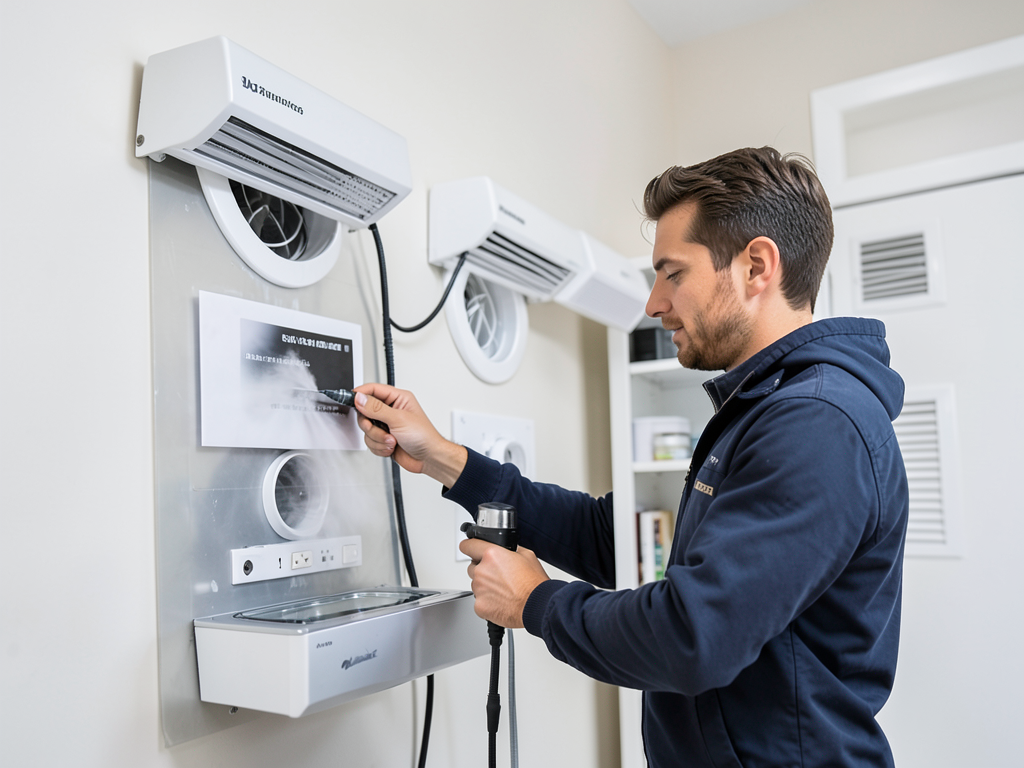
Diagram showing technician using flow hood to measure airflow at multiple registers throughout a home.
Step 2: Static Pressure Testing
This test measures the resistance in your ductwork system. High static pressure indicates restrictions that force your furnace to work harder while delivering less heat to problem rooms.
Step 3: Temperature Differential Analysis
Technicians use infrared thermometers to identify cold spots in walls, floors, and ceilings. This reveals insulation gaps and thermal bridging that aren’t visible to the naked eye.
Step 4: Duct Leakage Assessment
Using pressure testing equipment, we can determine how much conditioned air is escaping through duct leaks before it reaches your rooms.
According to the EPA’s Energy Star program, sealing duct leaks can improve heating efficiency by up to 20% and solve many cold room problems instantly.
Proven Solutions for Cooper Park Cold Rooms
Once we’ve identified the specific causes of your cold room, we can recommend targeted solutions. Here are the most effective approaches we’ve used in Cooper Park homes:
Solution 1: Professional Air Balancing
Air balancing involves adjusting dampers, registers, and sometimes ductwork to ensure even airflow throughout your home. This process can increase comfort in problem rooms by 5-10 degrees without replacing your entire system.
The National Comfort Institute recommends air balancing for any home where temperature differences exceed 3 degrees between rooms. In Cooper Park’s older homes, we often see differences of 8-15 degrees.
Solution 2: Ductwork Modifications
Sometimes the original duct design simply can’t meet modern heating demands. Solutions might include:
- Adding booster fans to increase airflow to distant rooms
- Resizing or rerouting ducts for better efficiency
- Sealing and insulating existing ductwork
- Installing zoning systems for room-by-room control
Solution 3: Insulation Upgrades
Adding proper insulation is often the most cost-effective long-term solution. Modern blown-in insulation can be added to walls without major demolition, and attic insulation upgrades typically pay for themselves within 2-3 heating seasons.
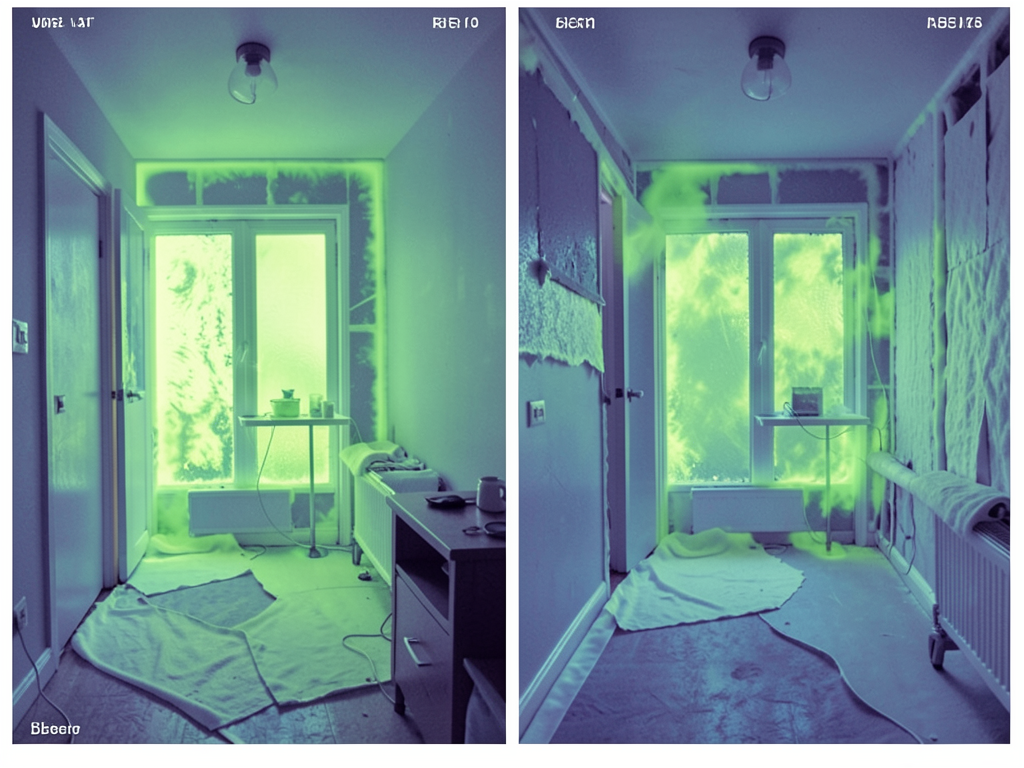
Photo showing before and after infrared images of a room with added insulation, demonstrating heat retention improvement.
Solution 4: Window and Door Improvements
Options range from simple weatherstripping to full window replacement. Even adding interior storm windows can reduce heat loss by 25% in problem rooms.
Solution 5: Supplemental Heating Solutions
For rooms where major modifications aren’t practical, supplemental heating can provide immediate relief:
- Electric baseboard heaters for occasional use
- Ductless mini-split systems for permanent solutions
- Radiant floor heating for bathrooms and bedrooms
Cost Considerations for Cooper Park Homeowners
The cost of solving cold room problems varies widely based on the underlying causes and chosen solutions. Here’s what Cooper Park homeowners typically invest:
| Solution Type | Typical Cost Range | Expected ROI |
|---|---|---|
| Air Balancing Service | $300 – $800 | 1-2 heating seasons |
| Ductwork Modifications | $1,500 – $4,000 | 2-4 heating seasons |
| Insulation Upgrades | $1,000 – $3,500 | 1-3 heating seasons |
| Window Improvements | $300 – $1,500 per window | 3-7 heating seasons |
| Supplemental Heating | Immediate comfort |
According to the U.S. Department of Energy, proper insulation and air sealing can reduce heating costs by 15-30%, making many of these investments pay for themselves faster than most homeowners expect.
When to Call a Professional
While some cold room issues can be addressed with DIY solutions, certain situations require professional expertise:
- Your furnace runs constantly but can’t keep up with heating demands
- Temperature differences between rooms exceed 8 degrees
- You notice unusual noises from your ductwork
- Your energy bills have increased significantly
- You’ve tried basic fixes without success
Professional diagnosis is especially important in Cooper Park’s older homes, where hidden issues like asbestos insulation or outdated electrical systems can complicate repairs. Fast AC Repair Services for Shorewood Residents Who Need Relief from the Humidity.
Preventing Future Cold Room Problems
Once you’ve solved your immediate cold room issue, here are steps to prevent future problems:
- Schedule annual HVAC maintenance to catch developing issues early
- Monitor your energy bills for unexplained increases
- Check for drafts seasonally around windows and doors
- Consider a whole-home energy audit every 5-7 years
- Upgrade your thermostat to a smart model that learns your patterns
Local Building Code Considerations
Milwaukee’s building codes have specific requirements for heating system modifications. The City of Milwaukee Mechanical Code requires permits for most ductwork modifications and new heating installations.
Additionally, Wisconsin’s Uniform Dwelling Code mandates minimum insulation levels for any renovation work, which can affect your cold room solutions. Working with a licensed contractor ensures your improvements meet all local requirements.
Real Solutions for Real Cooper Park Homes
We’ve helped hundreds of Cooper Park homeowners solve their cold room problems, and we understand the unique challenges these beautiful older homes present. Whether you need simple air balancing, ductwork modifications, or comprehensive insulation upgrades, we have the expertise to diagnose and solve your specific issue.
Don’t spend another winter bundled up in your own home. Call (414) 387-8977 today to schedule your professional cold room diagnosis. We’ll identify the exact cause of your problem and recommend solutions that fit your budget and your home’s unique needs.
Pick up the phone and call (414) 387-8977 before the next cold snap hits. Your comfort is our priority, and we’re ready to help you enjoy every room in your Cooper Park home.
Frequently Asked Questions
Why is my bedroom always colder than the rest of the house?
Bedrooms are often located farthest from the furnace and may have more exterior walls, making them prone to heat loss. Ductwork design, insulation quality, and window efficiency all contribute to temperature differences.
Can I fix a cold room myself without professional help?
Some solutions like weatherstripping doors, adding draft stoppers, or using space heaters can provide temporary relief. However, underlying issues like ductwork problems or insulation deficiencies typically require professional diagnosis and repair.
How much does it cost to fix a cold room in an older Milwaukee home?
Costs vary widely based on the cause. Simple fixes like air balancing start around $300, while comprehensive solutions including ductwork modifications and insulation upgrades can range from $2,000 to $8,000.
Will a new furnace solve my cold room problem?
Not necessarily. Many cold room issues stem from distribution problems rather than heating capacity. A new furnace might actually make the problem worse if the ductwork isn’t properly sized for the new equipment.
How long does it take to diagnose and fix a cold room?
Professional diagnosis typically takes 1-2 hours. Simple fixes can be completed the same day, while more complex solutions like ductwork modifications may require 1-3 days depending on the scope of work.
Is it normal for older homes to have cold rooms?
While some temperature variation is normal, significant differences (more than 5-7 degrees) indicate a problem that should be addressed. Modern HVAC technology can provide even heating throughout homes of any age.
Photo of a technician performing a comprehensive HVAC diagnostic test in a residential setting, showing professional equipment in use.
You may also find this helpful. How to Get a Trustworthy Second Opinion if Your Milwaukee Furnace Gets Red-Tagged.
{
“@context”: “https://schema.org”,
“@type”: “BlogPosting”,
“headline”: “Why One Room in Your Cooper Park House is Always Freezing”,
“description”: “Discover why one room in your Cooper Park home stays cold and how Milwaukee’s unique climate and older home construction create this common comfort problem.”,
“wordCount”: 1786,
“datePublished”: “2026-03-31T10:00:00.000Z”,
“dateModified”: “2026-03-31T10:00:00.000Z”,
“inLanguage”: “en-US”,
“mainEntityOfPage”: {
“@type”: “WebPage”,
“@id”: “https://firstchoicehvacmilwaukee.com”
},
“publisher”: {
“@type”: “LocalBusiness”,
“name”: “First Choice HVAC Milwaukee”,
“url”: “https://firstchoicehvacmilwaukee.com”
},
“author”: {
“@type”: “Organization”,
“name”: “First Choice HVAC Milwaukee”,
“url”: “https://firstchoicehvacmilwaukee.com”
},
“image”: {
“@type”: “ImageObject”,
“url”: “https://firstchoicehvacmilwaukee.com/wp-content/uploads/2026/03/why-one-room-in-your-cooper-park-house-is-always-f-1.png”
}
}
{
“@context”: “https://schema.org”,
“@type”: “HVACBusiness”,
“name”: “First Choice HVAC Milwaukee”,
“url”: “https://firstchoicehvacmilwaukee.com”,
“address”: {
“@type”: “PostalAddress”,
“addressLocality”: “Milwaukee”
},
“areaServed”: {
“@type”: “City”,
“name”: “Milwaukee”
}
}
{
“@context”: “https://schema.org”,
“@type”: “FAQPage”,
“mainEntity”: [
{
“@type”: “Question”,
“name”: “Why is my bedroom always colder than the rest of the house?”,
“acceptedAnswer”: {
“@type”: “Answer”,
“text”: “Bedrooms are often located farthest from the furnace and may have more exterior walls, making them prone to heat loss. Ductwork design, insulation quality, and window efficiency all contribute to temperature differences.”
}
},
{
“@type”: “Question”,
“name”: “Can I fix a cold room myself without professional help?”,
“acceptedAnswer”: {
“@type”: “Answer”,
“text”: “Some solutions like weatherstripping doors, adding draft stoppers, or using space heaters can provide temporary relief. However, underlying issues like ductwork problems or insulation deficiencies typically require professional diagnosis and repair.”
}
},
{
“@type”: “Question”,
“name”: “How much does it cost to fix a cold room in an older Milwaukee home?”,
“acceptedAnswer”: {
“@type”: “Answer”,
“text”: “Costs vary widely based on the cause. Simple fixes like air balancing start around $300, while comprehensive solutions including ductwork modifications and insulation upgrades can range from $2,000 to $8,000.”
}
},
{
“@type”: “Question”,
“name”: “Will a new furnace solve my cold room problem?”,
“acceptedAnswer”: {
“@type”: “Answer”,
“text”: “Not necessarily. Many cold room issues stem from distribution problems rather than heating capacity. A new furnace might actually make the problem worse if the ductwork isn’t properly sized for the new equipment.”
}
},
{
“@type”: “Question”,
“name”: “How long does it take to diagnose and fix a cold room?”,
“acceptedAnswer”: {
“@type”: “Answer”,
“text”: “Professional diagnosis typically takes 1-2 hours. Simple fixes can be completed the same day, while more complex solutions like ductwork modifications may require 1-3 days depending on the scope of work.”
}
},
{
“@type”: “Question”,
“name”: “Is it normal for older homes to have cold rooms?”,
“acceptedAnswer”: {
“@type”: “Answer”,
“text”: “While some temperature variation is normal, significant differences (more than 5-7 degrees) indicate a problem that should be addressed. Modern HVAC technology can provide even heating throughout homes of any age.”
}
}
]
}
{
“@context”: “https://schema.org”,
“@type”: “BreadcrumbList”,
“itemListElement”: [
{
“@type”: “ListItem”,
“position”: 1,
“name”: “Home”,
“item”: “https://firstchoicehvacmilwaukee.com”
},
{
“@type”: “ListItem”,
“position”: 2,
“name”: “Blog”,
“item”: “https://firstchoicehvacmilwaukee.com/blog”
},
{
“@type”: “ListItem”,
“position”: 3,
“name”: “Why One Room in Your Cooper Park House is Always Freezing”
}
]
}
{
“@context”: “https://schema.org”,
“@type”: “Service”,
“serviceType”: “HVAC”,
“provider”: {
“@type”: “LocalBusiness”,
“name”: “First Choice HVAC Milwaukee”,
“url”: “https://firstchoicehvacmilwaukee.com”
},
“areaServed”: {
“@type”: “City”,
“name”: “Milwaukee”
},
“description”: “Discover why one room in your Cooper Park home stays cold and how Milwaukee’s unique climate and older home construction create this common comfort problem.”
}