
Signs Your Air Ducts Might Be Harboring Mold After a Humid Summer
After a humid Milwaukee summer, many homeowners notice strange odors or health symptoms that point to a hidden problem in their ductwork. Mold thrives in dark, damp environments, and your air ducts can become the perfect breeding ground when humidity levels stay high for weeks at a time.
The first sign is often a musty smell that appears when your HVAC system kicks on. This wet sock odor comes from microbial volatile organic compounds released by active mold colonies. If you notice this smell getting stronger over time, your ducts need immediate attention. New HVAC System Cost 2026.
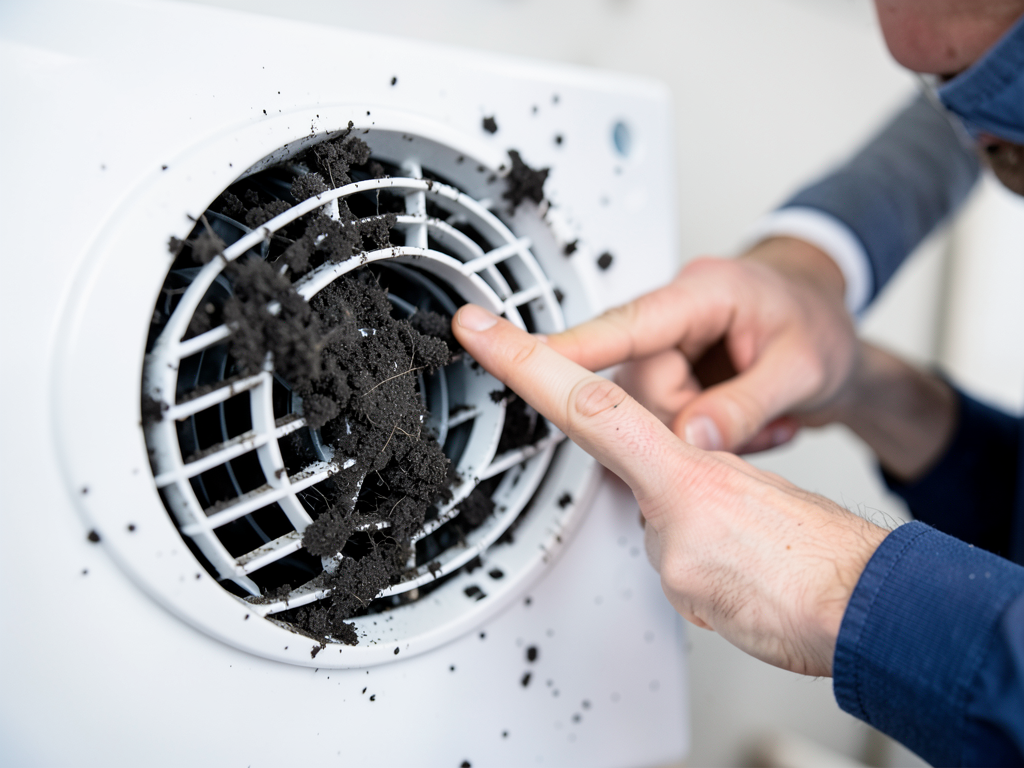
Another red flag is visible black or green dust around your vent registers. This isn’t ordinary household dust – it’s actually mold spores that have been blown out of your ducts and are settling on surfaces. You might notice this more on flat surfaces near vents or on your HVAC filter when you change it. Why Your Bay View Bungalow Might Benefit from a Ductless Mini Split System.
Health symptoms can also indicate mold in your air ducts. If you or your family members experience increased coughing, sneezing, itchy eyes, or asthma flare-ups that seem worse when the AC runs, airborne mold spores could be the culprit. These symptoms often improve when you leave the house for extended periods.. Read more about Why a Whole House Dehumidifier is the Only Way to Survive a Grafton Summer.
Condensation on your vents or ductwork is another warning sign. When warm, humid air hits the cold surfaces of your ducts, moisture forms. If this moisture doesn’t dry quickly, mold can start growing within 24-48 hours according to EPA guidelines. EPA guidelines on air duct cleaning.
Milwaukee’s climate creates unique challenges for homeowners. Our proximity to Lake Michigan means humidity levels often stay above 70% during summer months. When this moist air enters your home and your AC runs constantly to cool things down, condensation forms inside your ducts. The problem gets worse in older Milwaukee homes with uninsulated ductwork in basements or crawl spaces.. Read more about How to Keep Dust Out of Your HVAC System During a Waukesha Home Remodel.
Wisconsin building codes require proper duct insulation, but many homes built before the 1980s have minimal or no insulation on their ducts. This creates cold spots where condensation forms, especially during our humid summers when AC units run for extended periods.
Common mold species in Milwaukee HVAC systems include Cladosporium and Alternaria, which thrive in our climate. These molds can cause allergic reactions and respiratory issues, particularly in children, elderly individuals, and those with compromised immune systems.. Read more about Fixing Common Airflow Issues Found in Greenfield Ranch Style Houses.
Professional testing is the only way to confirm if you have mold in your ducts. DIY test kits often give false positives or negatives. A certified HVAC technician can take air samples and send them to a laboratory for analysis, providing you with definitive results about what’s growing in your system. Who to Call for Honest and Professional Furnace Repair in West Allis.
If mold is confirmed, remediation follows NADCA (National Air Duct Cleaners Association) standards. This involves using HEPA-filtered vacuum equipment to remove mold spores, applying EPA-registered antimicrobial treatments, and addressing the moisture source that allowed mold to grow in the first place. NADCA standards for air duct cleaning.
Prevention is key to avoiding future mold problems. Installing UV light systems in your ductwork can kill mold spores before they multiply. These lights work continuously to sanitize the air as it passes through your system, providing 24/7 protection against microbial growth.. Read more about How Your HVAC System Affects Radon Levels in Your Pewaukee Home.
Proper humidity control is also essential. Your AC should keep indoor humidity between 30-50%. If your system can’t maintain these levels, you might need a whole-house dehumidifier or repairs to your existing equipment. Fast AC Repair Services for Shorewood Residents Who Need Relief from the Humidity.
Milwaukee homeowners should also check their condensate drain lines regularly. These lines can become clogged with algae or debris, causing water to back up and overflow into your ductwork. This standing water creates ideal conditions for mold growth within days.
Older Milwaukee homes often have ductwork in unconditioned spaces like basements or attics. These areas can reach 90% humidity during our summers, putting your ducts at constant risk for condensation and mold growth. Adding insulation or sealing these spaces can significantly reduce moisture problems.
The cost of professional mold remediation varies based on the extent of contamination and your home’s size. Most Milwaukee homeowners can expect to pay between $500-$2,000 for complete duct cleaning and sanitization, though severe cases may cost more.
Ignoring mold in your ducts can lead to more serious problems. Mold can spread to other parts of your home, damage your HVAC system, and cause ongoing health issues for your family. The longer you wait, the more expensive and extensive the remediation becomes.
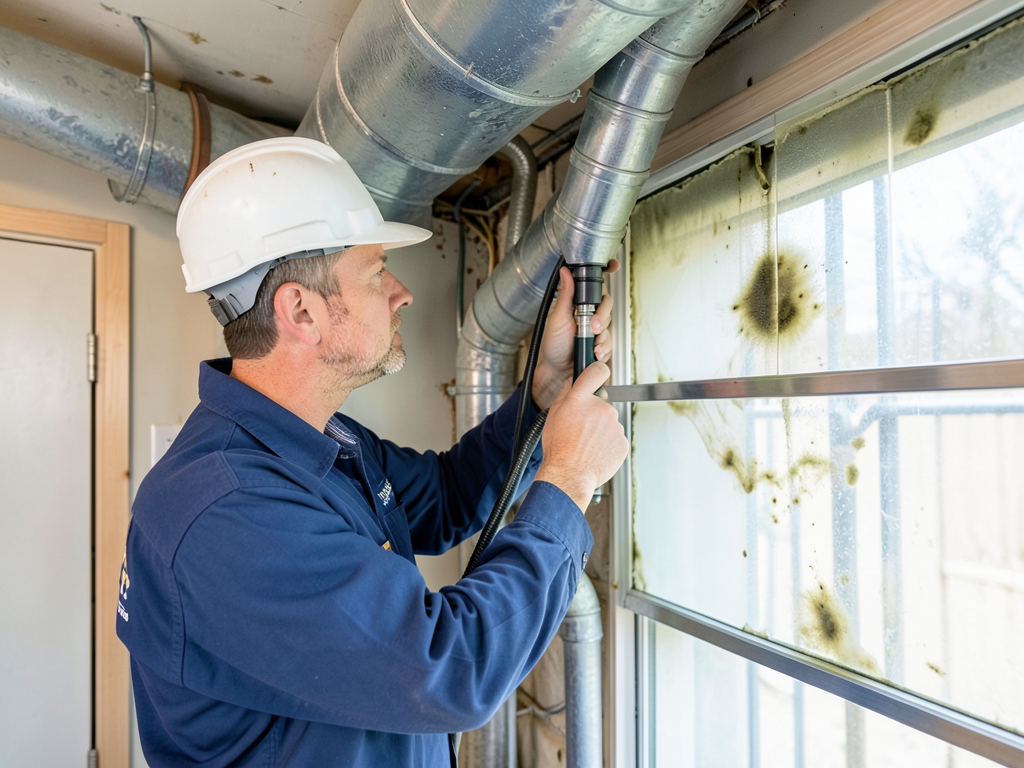
Professional HVAC technicians use moisture meters to detect hidden dampness in your ducts. They also use borescopes to visually inspect the interior of your ductwork, looking for signs of mold growth, water damage, or debris buildup that could harbor moisture.
Milwaukee’s freeze-thaw cycles in spring and fall can also stress your HVAC system. When temperatures fluctuate rapidly, condensation patterns change, sometimes revealing mold problems that were developing unnoticed during the summer months.
If you suspect mold in your air ducts, don’t wait for the problem to worsen. The humid summer conditions that allowed mold to grow will continue until you address the underlying issues. Professional inspection can identify both the mold problem and its root cause.
Regular maintenance can prevent most mold issues. This includes changing your air filter every 1-3 months, having your system inspected annually, and ensuring your condensate drain lines flow freely. These simple steps can save you thousands in remediation costs.
Milwaukee’s building inspectors recommend that homeowners with persistent moisture problems consider having their ducts professionally cleaned every 3-5 years, even if mold isn’t visible. This preventive maintenance can catch problems early before they become serious health hazards.
The EPA recommends duct cleaning if you have visible mold growth, vermin infestation, or excessive dust and debris in your system. However, they caution against routine cleaning unless these specific conditions exist, as unnecessary cleaning can actually release more spores into your home.
Modern HVAC systems include features that help prevent mold growth. Variable-speed blowers maintain more consistent temperatures, reducing condensation. Advanced filtration systems can capture smaller particles, including mold spores, before they circulate through your home.
If you’re buying a home in Milwaukee, consider having the ductwork inspected before closing. Mold problems discovered after purchase can be expensive to remediate and may not be covered by standard homeowners insurance policies.
Commercial buildings in Milwaukee face similar challenges but on a larger scale. Office buildings, schools, and retail spaces require more frequent inspections due to higher occupancy and usage patterns that can accelerate mold growth in HVAC systems.
The combination of our humid summers, older housing stock, and Lake Michigan’s moisture influence makes mold in air ducts a common problem for Milwaukee homeowners. Understanding the warning signs and taking prompt action can protect your family’s health and your home’s value.
Don’t let a musty smell or health symptoms go unchecked. If you notice any of these warning signs, professional inspection can determine if mold is growing in your air ducts and what steps are needed to eliminate it safely.
Comparison of Mold Warning Signs
| Warning Sign | What You’ll Notice | Action Required |
|---|---|---|
| Musty Odor | Wet sock smell when AC runs | Immediate inspection needed |
| Visible Spores | Black/green dust around vents | Professional cleaning required |
| Health Symptoms | Coughing, sneezing, itchy eyes | Medical evaluation + HVAC check |
| Condensation | Water droplets on vents | Humidity control needed |
| Filter Issues | Rapid filter discoloration | System inspection recommended |
Steps to Address Mold in Air Ducts
- Recognize Warning Signs
Identify musty odors, visible spores, or health symptoms that suggest mold growth in your ductwork.
- Schedule Professional Inspection
Have a certified HVAC technician test your air quality and visually inspect your ducts using specialized equipment.
- Confirm Mold Presence
Obtain laboratory analysis of air samples to determine if mold exists and what species are present.
- Plan Remediation
Work with professionals to develop a remediation plan following NADCA standards and EPA guidelines.
- Address Moisture Sources
Fix underlying issues like high humidity, condensation, or drainage problems that allowed mold to grow.
- Prevent Future Growth
Install UV lights, improve humidity control, and schedule regular maintenance to prevent recurrence.
Frequently Asked Questions
How can I tell if the smell is coming from my ducts or somewhere else?
Try this simple test: Turn your HVAC fan to “on” instead of “auto” and see if the smell intensifies. If it does, the odor is likely coming from your ductwork. You can also check if the smell is stronger near vents or registers.
Is mold in air ducts dangerous to my health?
Yes, mold spores can cause respiratory issues, allergic reactions, and worsen asthma symptoms. Some people experience headaches, fatigue, and skin irritation. Children, elderly individuals, and those with compromised immune systems are particularly vulnerable to health effects from mold exposure.
How much does professional duct cleaning cost in Milwaukee?
Most Milwaukee homeowners pay between $500-$2,000 for complete duct cleaning and sanitization, depending on home size and contamination level. Severe cases or commercial properties may cost more. Many companies offer free inspections to provide accurate quotes.
Can I clean mold from my air ducts myself?
DIY cleaning is not recommended because you can’t reach all areas of your ductwork, and improper cleaning can release more spores into your home. Professional equipment and techniques are needed to safely and effectively remove mold from HVAC systems.
How long does mold remediation take?
Most residential duct cleaning projects take 4-8 hours. The process includes inspection, cleaning, sanitization, and addressing moisture sources. Your HVAC system will be unavailable during cleaning but can usually be restarted the same day.
[IMAGE_PLACEHOLDER_3>
Call for Professional Inspection Today
If you’re noticing any of these warning signs in your Milwaukee home, don’t wait for the problem to get worse. Mold can spread quickly through your HVAC system and affect your entire family’s health. Our certified technicians can inspect your ductwork, test for mold, and provide a clear plan for remediation if needed.
Pick up the phone and call (414) 387-8977 today to schedule your inspection. We’ll help you breathe easier and keep your home healthy through every season. Don’t let another humid summer pass with mold growing in your ducts.
Early detection and professional remediation can save you money and protect your family’s health. Call us now at (414) 387-8977 to take the first step toward cleaner, healthier air in your Milwaukee home.
You may also find this helpful. Dealing with Dust That Never Seems to Go Away in Your Vernon Farmhouse.
You may also find this helpful. Protecting Your Port Washington Air Conditioner from the Salt and Humidity of Lake Michigan.
{
“@context”: “https://schema.org”,
“@type”: “BlogPosting”,
“headline”: “Signs Your Air Ducts Might Be Harboring Mold After a Humid Summer”,
“description”: “Is that musty smell coming from your vents? Learn the warning signs of mold in your Milwaukee home’s air ducts and how our humid summers create the perfect conditions.”,
“wordCount”: 1747,
“datePublished”: “2026-04-11T10:46:00.000Z”,
“dateModified”: “2026-04-11T10:46:00.000Z”,
“inLanguage”: “en-US”,
“mainEntityOfPage”: {
“@type”: “WebPage”,
“@id”: “https://firstchoicehvacmilwaukee.com”
},
“publisher”: {
“@type”: “LocalBusiness”,
“name”: “First Choice HVAC Milwaukee”,
“url”: “https://firstchoicehvacmilwaukee.com”
},
“author”: {
“@type”: “Organization”,
“name”: “First Choice HVAC Milwaukee”,
“url”: “https://firstchoicehvacmilwaukee.com”
},
“image”: {
“@type”: “ImageObject”,
“url”: “https://firstchoicehvacmilwaukee.com/wp-content/uploads/2026/03/signs-your-air-ducts-might-be-harboring-mold-after-1.png”
}
}
{
“@context”: “https://schema.org”,
“@type”: “HVACBusiness”,
“name”: “First Choice HVAC Milwaukee”,
“url”: “https://firstchoicehvacmilwaukee.com”,
“address”: {
“@type”: “PostalAddress”,
“addressLocality”: “Milwaukee”
},
“areaServed”: {
“@type”: “City”,
“name”: “Milwaukee”
}
}
{
“@context”: “https://schema.org”,
“@type”: “FAQPage”,
“mainEntity”: [
{
“@type”: “Question”,
“name”: “How can I tell if the smell is coming from my ducts or somewhere else?”,
“acceptedAnswer”: {
“@type”: “Answer”,
“text”: “Try this simple test: Turn your HVAC fan to \”on\” instead of \”auto\” and see if the smell intensifies. If it does, the odor is likely coming from your ductwork. You can also check if the smell is stronger near vents or registers.”
}
},
{
“@type”: “Question”,
“name”: “Is mold in air ducts dangerous to my health?”,
“acceptedAnswer”: {
“@type”: “Answer”,
“text”: “Yes, mold spores can cause respiratory issues, allergic reactions, and worsen asthma symptoms. Some people experience headaches, fatigue, and skin irritation. Children, elderly individuals, and those with compromised immune systems are particularly vulnerable to health effects from mold exposure.”
}
},
{
“@type”: “Question”,
“name”: “How much does professional duct cleaning cost in Milwaukee?”,
“acceptedAnswer”: {
“@type”: “Answer”,
“text”: “Most Milwaukee homeowners pay between $500-$2,000 for complete duct cleaning and sanitization, depending on home size and contamination level. Severe cases or commercial properties may cost more. Many companies offer free inspections to provide accurate quotes.”
}
},
{
“@type”: “Question”,
“name”: “Can I clean mold from my air ducts myself?”,
“acceptedAnswer”: {
“@type”: “Answer”,
“text”: “DIY cleaning is not recommended because you can’t reach all areas of your ductwork, and improper cleaning can release more spores into your home. Professional equipment and techniques are needed to safely and effectively remove mold from HVAC systems.”
}
},
{
“@type”: “Question”,
“name”: “How long does mold remediation take?”,
“acceptedAnswer”: {
“@type”: “Answer”,
“text”: “Most residential duct cleaning projects take 4-8 hours. The process includes inspection, cleaning, sanitization, and addressing moisture sources. Your HVAC system will be unavailable during cleaning but can usually be restarted the same day.”
}
}
]
}
{
“@context”: “https://schema.org”,
“@type”: “HowTo”,
“name”: “How to Address Mold in Air Ducts”,
“step”: [
{
“@type”: “HowToStep”,
“position”: 1,
“name”: “Recognize Warning Signs”,
“text”: “Identify musty odors, visible spores, or health symptoms that suggest mold growth in your ductwork.”
},
{
“@type”: “HowToStep”,
“position”: 2,
“name”: “Schedule Professional Inspection”,
“text”: “Have a certified HVAC technician test your air quality and visually inspect your ducts using specialized equipment.”
},
{
“@type”: “HowToStep”,
“position”: 3,
“name”: “Confirm Mold Presence”,
“text”: “Obtain laboratory analysis of air samples to determine if mold exists and what species are present.”
},
{
“@type”: “HowToStep”,
“position”: 4,
“name”: “Plan Remediation”,
“text”: “Work with professionals to develop a remediation plan following NADCA standards and EPA guidelines.”
},
{
“@type”: “HowToStep”,
“position”: 5,
“name”: “Address Moisture Sources”,
“text”: “Fix underlying issues like high humidity, condensation, or drainage problems that allowed mold to grow.”
},
{
“@type”: “HowToStep”,
“position”: 6,
“name”: “Prevent Future Growth”,
“text”: “Install UV lights, improve humidity control, and schedule regular maintenance to prevent recurrence.”
}
],
“image”: “https://firstchoicehvacmilwaukee.com/wp-content/uploads/2026/03/signs-your-air-ducts-might-be-harboring-mold-after-1.png”
}
{
“@context”: “https://schema.org”,
“@type”: “BreadcrumbList”,
“itemListElement”: [
{
“@type”: “ListItem”,
“position”: 1,
“name”: “Home”,
“item”: “https://firstchoicehvacmilwaukee.com”
},
{
“@type”: “ListItem”,
“position”: 2,
“name”: “Blog”,
“item”: “https://firstchoicehvacmilwaukee.com/blog”
},
{
“@type”: “ListItem”,
“position”: 3,
“name”: “Signs Your Air Ducts Might Be Harboring Mold After a Humid Summer”
}
]
}
{
“@context”: “https://schema.org”,
“@type”: “Service”,
“serviceType”: “HVAC”,
“provider”: {
“@type”: “LocalBusiness”,
“name”: “First Choice HVAC Milwaukee”,
“url”: “https://firstchoicehvacmilwaukee.com”
},
“areaServed”: {
“@type”: “City”,
“name”: “Milwaukee”
},
“description”: “Is that musty smell coming from your vents? Learn the warning signs of mold in your Milwaukee home’s air ducts and how our humid summers create the perfect conditions.”
}