
How Your HVAC System Affects Radon Levels in Your Pewaukee Home
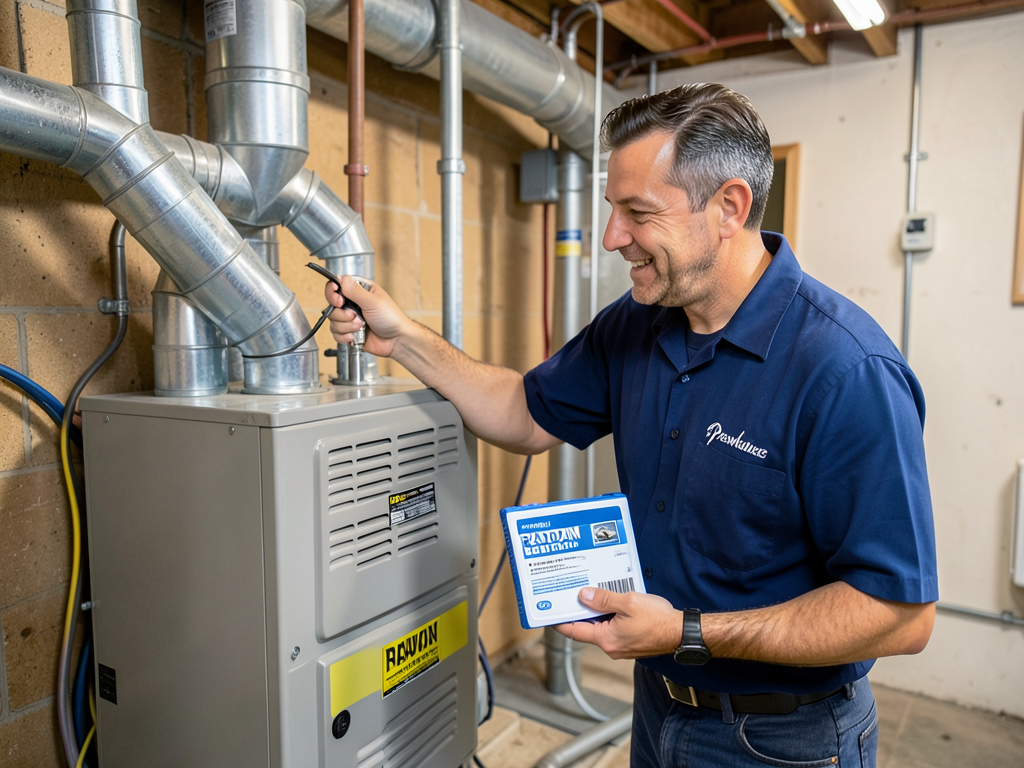
Your HVAC system does more than just heat and cool your Pewaukee home. It can significantly influence the radon levels inside your living space. Many homeowners in Waukesha County don’t realize that their heating and cooling equipment can either help reduce or actually increase radon gas concentrations. Understanding this connection is crucial for your family’s health and safety. Cooling Tower Services.
Radon is a naturally occurring radioactive gas that seeps up from the soil beneath your home. In Wisconsin, especially in areas like Pewaukee with its specific soil composition and glacial deposits, radon levels can be concerning. Your HVAC system creates pressure differentials that can either pull radon into your home or help ventilate it out. This article explains how your heating and cooling equipment interacts with radon and what you can do about it. Wisconsin Department of Health Services Radon Program.
How Your HVAC System Affects Radon Levels
Your furnace, air conditioner, and ventilation equipment create air movement throughout your home. This movement affects the pressure inside your living space compared to the soil beneath your foundation. When your HVAC system operates, it can create what’s called negative pressure, essentially acting like a vacuum that pulls soil gases, including radon, through cracks in your foundation, around pipes, and through other entry points.. Read more about Essential HVAC Checklist for Anyone Buying a House in Mequon.
During Wisconsin winters, this effect becomes even more pronounced. As your furnace runs constantly to combat the cold, it draws air from your home and pushes it outside through flues and vents. This creates a continuous suction effect that can pull radon from the soil into your basement and living areas. The stack effect, where warm air rises and escapes through upper levels, further intensifies this pressure difference.. Read more about Why Your Vents Smell Like Dirty Socks and How to Fix It for Good in Pewaukee.
Additionally, exhaust fans in your bathrooms and kitchen, clothes dryers, and even your water heater all contribute to this negative pressure scenario. When multiple systems operate simultaneously, they can create a perfect storm for radon entry, pulling the gas from the soil beneath your Pewaukee home at an accelerated rate.
Air Distribution and Radon Spread
Once radon enters your home, your HVAC ductwork can spread it throughout different levels and rooms. If your furnace is located in the basement where radon concentrations are typically highest, the air it circulates can carry radon particles upstairs and into living areas. This means that even if radon only enters through the basement, it can affect the air quality throughout your entire home.
The efficiency of your air filters also plays a role. Standard furnace filters are designed to catch dust and debris, but they’re not effective at capturing radon gas or its radioactive decay products. However, high-efficiency particulate air (HEPA) filters or activated carbon filters can help reduce radon concentrations when properly installed as part of your HVAC system. EPA Radon Information.
Another factor is the age and condition of your ductwork. Leaky ducts in basements or crawlspaces can create additional pressure imbalances. If return ducts are drawing air from areas where radon accumulates, they can pull the gas into your HVAC system and distribute it throughout your home. This is particularly concerning in older Pewaukee homes where ductwork may have developed gaps over time.
HVAC-Based Mitigation: The Role of HRV and ERV Systems
Heat Recovery Ventilators (HRV) and Energy Recovery Ventilators (ERV) are mechanical ventilation systems that can help manage radon levels in your home. These systems work by exchanging stale indoor air with fresh outdoor air while recovering energy from the exhausted air. In Wisconsin’s climate, where heating dominates much of the year, these systems can provide continuous ventilation without dramatically increasing energy costs. Outdoor Unit Not Spinning.
HRV systems transfer heat between incoming and outgoing air streams, making them ideal for colder climates like Pewaukee. During winter, they preheat fresh air using warmth from exhaust air, while in summer they can help cool incoming air. ERV systems go a step further by also transferring moisture, which can be beneficial during humid summer months when you want to maintain comfortable indoor humidity levels.
While HRV and ERV systems can help dilute radon concentrations through increased air exchange, they’re not a complete solution for high radon levels. The Wisconsin Department of Health Services recommends these systems as part of a comprehensive approach to indoor air quality, but they typically work best when combined with other mitigation strategies like sub-slab depressurization. Fast AC Repair Services for Shorewood Residents Who Need Relief from the Humidity.
Dilution vs. Extraction: Understanding the Limitations
It’s important to understand that ventilation systems like HRV and ERV provide dilution rather than extraction. They continuously bring in fresh air and exhaust stale air, which can lower radon concentrations over time. However, if your home has very high radon levels or significant entry points, ventilation alone may not reduce levels below the EPA action level of 4.0 picocuries per liter (pCi/L).
The effectiveness of ventilation-based mitigation depends on several factors specific to your Pewaukee home. The rate of air exchange, the number and size of radon entry points, soil conditions beneath your foundation, and even the weather all influence how well ventilation can control radon levels. During periods of high radon entry, such as after heavy rains when soil is saturated, ventilation may not be sufficient to maintain safe levels.
For homes with radon levels above 8-10 pCi/L, the EPA and Wisconsin DHS typically recommend active soil depressurization systems instead of or in addition to ventilation. These systems use a fan to draw radon from beneath the foundation and vent it safely above the roofline, providing more aggressive mitigation than ventilation alone can achieve.
Radon Levels in Milwaukee and SE Wisconsin
Milwaukee County and surrounding areas, including Pewaukee, are designated as EPA Radon Zone 1, meaning they have the highest potential for elevated radon levels. According to Wisconsin Department of Health Services data, approximately 1 in 10 homes in Wisconsin test above the EPA action level of 4.0 pCi/L, with some areas showing even higher percentages due to local soil conditions and geology.
The specific soil composition in Waukesha County contributes to higher radon potential. The area’s glacial deposits, including areas of decomposed granite and shale, can contain uranium that naturally decays into radon gas. Additionally, the clay soils common in this region can trap radon beneath homes, creating pressure that forces the gas to seek escape routes through foundations.
Seasonal impacts on radon levels are particularly significant in Wisconsin. During winter months, when homes are sealed tightly against the cold and heating systems run continuously, radon levels often spike. This is due to the combination of increased negative pressure from heating systems, reduced natural ventilation from closed windows, and the stack effect being more pronounced when there’s a greater temperature difference between indoor and outdoor air.
Seasonal Impacts: Why Radon Spikes During Wisconsin Winters
Wisconsin’s harsh winters create ideal conditions for elevated radon levels in homes. When outdoor temperatures drop well below freezing, as they often do in Pewaukee, the temperature difference between your warm home and the cold ground creates a powerful stack effect. This natural convection process pulls warm air up and out of your home through upper levels while simultaneously drawing cold air and soil gases in through lower levels.
During these months, your heating system works overtime, creating continuous negative pressure that can draw radon from the soil at an accelerated rate. The combination of sealed windows and doors, which eliminates natural ventilation, and the constant operation of exhaust fans, furnaces, and other air-moving equipment creates conditions where radon can accumulate to dangerous levels without you even knowing.
Testing during winter months often reveals radon levels 2-3 times higher than those measured during summer. This seasonal variation is why the Wisconsin DHS recommends testing during the heating season when your home is closed up and radon levels are likely to be at their highest. If levels are acceptable during winter, they’re likely to be even lower during other seasons.
When to Call a Professional
If you’re concerned about radon levels in your Pewaukee home, professional testing is the first step. While DIY test kits are available, professional radon testing provides more accurate results and includes a comprehensive evaluation of your home’s radon entry points and HVAC system’s role in radon distribution. A certified radon professional can also recommend the most appropriate mitigation strategy based on your specific situation. Who to Call for Honest and Professional Furnace Repair in West Allis.
You should consider professional testing if you’ve never tested your home, if it’s been more than two years since your last test, or if you’ve made significant changes to your HVAC system or home’s air sealing. Additionally, if you’re purchasing a home in Waukesha County, radon testing should be part of your home inspection process.
For homes with confirmed radon levels above 4.0 pCi/L, professional mitigation is recommended. A qualified radon mitigation contractor can install systems that work with your existing HVAC equipment to effectively reduce radon levels. These professionals understand local building codes, soil conditions specific to Pewaukee and surrounding areas, and the most effective mitigation techniques for Wisconsin homes.
Professional Radon Testing and Mitigation Services
Professional radon services include comprehensive testing using continuous radon monitors that provide hour-by-hour readings over a minimum 48-hour period. This testing method is more accurate than passive charcoal canisters and can identify patterns in radon entry related to weather conditions, HVAC operation, and other factors. The professional will also inspect your home’s foundation, identify potential entry points, and evaluate how your HVAC system might be affecting radon levels. Why Your Bay View Bungalow Might Benefit from a Ductless Mini Split System.
If mitigation is needed, professionals can install active soil depressurization systems, which are the most effective method for reducing radon levels. These systems typically include a PVC pipe installed through the foundation floor, a specialized radon fan, and proper discharge above the roofline. The installation can often be completed in one day, and post-installation testing verifies that radon levels have been reduced to safe levels.
Some mitigation contractors also offer HVAC-integrated solutions, such as modifying your existing ventilation system to work in conjunction with radon mitigation. This might include adding dedicated make-up air systems to balance pressure, upgrading filtration to capture radon decay products, or integrating HRV/ERV systems with active soil depressurization for optimal performance.
Conclusion: Protecting Your Family from Radon in Pewaukee
Your HVAC system plays a significant role in your home’s radon levels, either contributing to the problem or helping to solve it. Understanding this relationship is crucial for Pewaukee homeowners, especially given our area’s high radon potential and the significant seasonal variations we experience. While your heating and cooling equipment alone cannot solve a radon problem, it can be part of an effective solution when properly integrated with professional mitigation strategies.
The first step is testing. Without knowing your home’s radon levels, you cannot make informed decisions about mitigation. If testing reveals elevated levels, professional mitigation can reduce radon to safe levels while potentially improving your overall indoor air quality. Remember that radon is the second leading cause of lung cancer, and the risk is completely preventable with proper testing and mitigation.
Don’t wait until winter to discover high radon levels in your home. Call (414) 387-8977 today to schedule your professional radon test and HVAC evaluation. Our experienced technicians understand the unique challenges of Pewaukee homes and can recommend the most effective solutions for your specific situation. Protect your family’s health with professional radon testing and mitigation services you can trust.
Frequently Asked Questions
Can my HVAC system alone reduce high radon levels in my Pewaukee home?
No, your HVAC system alone cannot effectively reduce high radon levels. While ventilation systems like HRV and ERV can help dilute radon concentrations, they typically cannot reduce levels below the EPA action level of 4.0 pCi/L if you have significant radon entry. Active soil depressurization systems are usually necessary for effective mitigation in homes with high radon levels.
How often should I test my home for radon in Wisconsin?
The Wisconsin Department of Health Services recommends testing your home for radon every two years, or after any significant changes to your home’s structure, HVAC system, or foundation. You should also test if you’re purchasing a new home, after completing major renovations, or if you haven’t tested in the past two years. Testing during the heating season (winter) provides the most accurate representation of your home’s radon levels.
Will sealing my basement cracks help reduce radon levels?
Sealing foundation cracks and gaps can help reduce radon entry, but it’s rarely sufficient as a standalone solution. Radon can enter through very small openings, and sealing alone typically only reduces levels by 10-20%. For effective radon reduction, especially in EPA Zone 1 areas like Pewaukee, active soil depressurization systems are usually necessary in combination with sealing entry points.
{
“@context”: “https://schema.org”,
“@type”: “BlogPosting”,
“headline”: “How Your HVAC System Affects Radon Levels in Your Pewaukee Home”,
“description”: “Learn how your HVAC system impacts radon levels in Pewaukee homes. Discover ventilation solutions, pressure effects, and when to call for professional radon testing in SE Wisconsin.”,
“wordCount”: 2147,
“datePublished”: “2026-04-26T12:43:00.000Z”,
“dateModified”: “2026-04-26T12:43:00.000Z”,
“inLanguage”: “en-US”,
“mainEntityOfPage”: {
“@type”: “WebPage”,
“@id”: “https://firstchoicehvacmilwaukee.com”
},
“publisher”: {
“@type”: “LocalBusiness”,
“name”: “First Choice HVAC Milwaukee”,
“url”: “https://firstchoicehvacmilwaukee.com”
},
“author”: {
“@type”: “Organization”,
“name”: “First Choice HVAC Milwaukee”,
“url”: “https://firstchoicehvacmilwaukee.com”
},
“image”: {
“@type”: “ImageObject”,
“url”: “https://firstchoicehvacmilwaukee.com/wp-content/uploads/2026/03/how-your-hvac-system-affects-radon-levels-in-your-1.png”
}
}
{
“@context”: “https://schema.org”,
“@type”: “HVACBusiness”,
“name”: “First Choice HVAC Milwaukee”,
“url”: “https://firstchoicehvacmilwaukee.com”,
“address”: {
“@type”: “PostalAddress”,
“addressLocality”: “Milwaukee”
},
“areaServed”: {
“@type”: “City”,
“name”: “Milwaukee”
}
}
{
“@context”: “https://schema.org”,
“@type”: “FAQPage”,
“mainEntity”: [
{
“@type”: “Question”,
“name”: “Can my HVAC system alone reduce high radon levels in my Pewaukee home?”,
“acceptedAnswer”: {
“@type”: “Answer”,
“text”: “No, your HVAC system alone cannot effectively reduce high radon levels. While ventilation systems like HRV and ERV can help dilute radon concentrations, they typically cannot reduce levels below the EPA action level of 4.0 pCi/L if you have significant radon entry. Active soil depressurization systems are usually necessary for effective mitigation in homes with high radon levels.”
}
},
{
“@type”: “Question”,
“name”: “How often should I test my home for radon in Wisconsin?”,
“acceptedAnswer”: {
“@type”: “Answer”,
“text”: “The Wisconsin Department of Health Services recommends testing your home for radon every two years, or after any significant changes to your home’s structure, HVAC system, or foundation. You should also test if you’re purchasing a new home, after completing major renovations, or if you haven’t tested in the past two years. Testing during the heating season (winter) provides the most accurate representation of your home’s radon levels.”
}
},
{
“@type”: “Question”,
“name”: “Will sealing my basement cracks help reduce radon levels?”,
“acceptedAnswer”: {
“@type”: “Answer”,
“text”: “Sealing foundation cracks and gaps can help reduce radon entry, but it’s rarely sufficient as a standalone solution. Radon can enter through very small openings, and sealing alone typically only reduces levels by 10-20%. For effective radon reduction, especially in EPA Zone 1 areas like Pewaukee, active soil depressurization systems are usually necessary in combination with sealing entry points.”
}
}
]
}
{
“@context”: “https://schema.org”,
“@type”: “BreadcrumbList”,
“itemListElement”: [
{
“@type”: “ListItem”,
“position”: 1,
“name”: “Home”,
“item”: “https://firstchoicehvacmilwaukee.com”
},
{
“@type”: “ListItem”,
“position”: 2,
“name”: “Blog”,
“item”: “https://firstchoicehvacmilwaukee.com/blog”
},
{
“@type”: “ListItem”,
“position”: 3,
“name”: “How Your HVAC System Affects Radon Levels in Your Pewaukee Home”
}
]
}
{
“@context”: “https://schema.org”,
“@type”: “Service”,
“serviceType”: “HVAC”,
“provider”: {
“@type”: “LocalBusiness”,
“name”: “First Choice HVAC Milwaukee”,
“url”: “https://firstchoicehvacmilwaukee.com”
},
“areaServed”: {
“@type”: “City”,
“name”: “Milwaukee”
},
“description”: “Learn how your HVAC system impacts radon levels in Pewaukee homes. Discover ventilation solutions, pressure effects, and when to call for professional radon testing in SE Wisconsin.”
}