Managing HVAC Repairs and Maintenance for Your Downtown Milwaukee High Rise Condo
Living in a downtown Milwaukee high rise condo offers incredible views and urban convenience but comes with unique HVAC challenges. The systems in these buildings operate differently than standard residential units. They use specialized equipment like Magic-Pak units, water-source heat pumps, and vertical stack fan coils that require specific expertise to maintain and repair. EPA HVAC Technician Certification.
When your condo HVAC fails during a polar vortex or summer heat wave, you need a technician who understands not just the equipment but also the logistics of working in a high-rise building. This includes navigating HOA regulations, coordinating with building management, and working within restricted access hours. The right HVAC partner can mean the difference between a quick fix and days without heating or cooling.
Milwaukee’s climate creates additional pressure on these systems. Our extreme seasonal temperature swings from sub-zero winters to humid 90-degree summers put constant stress on condo HVAC equipment. The lake-effect humidity from Lake Michigan also affects system performance and longevity. Understanding these local factors is crucial for proper maintenance and repair. Fast AC Repair Services for Shorewood Residents Who Need Relief from the Humidity.
Common Condo HVAC Systems in Downtown Milwaukee
High rise condos in Milwaukee typically use three main types of HVAC systems. Each has distinct characteristics and failure patterns that require specialized knowledge to diagnose and repair.. Read more about How to Tell if Your South Milwaukee Furnace Has a Cracked Heat Exchanger.
Magic-Pak and Vertical Stack Units
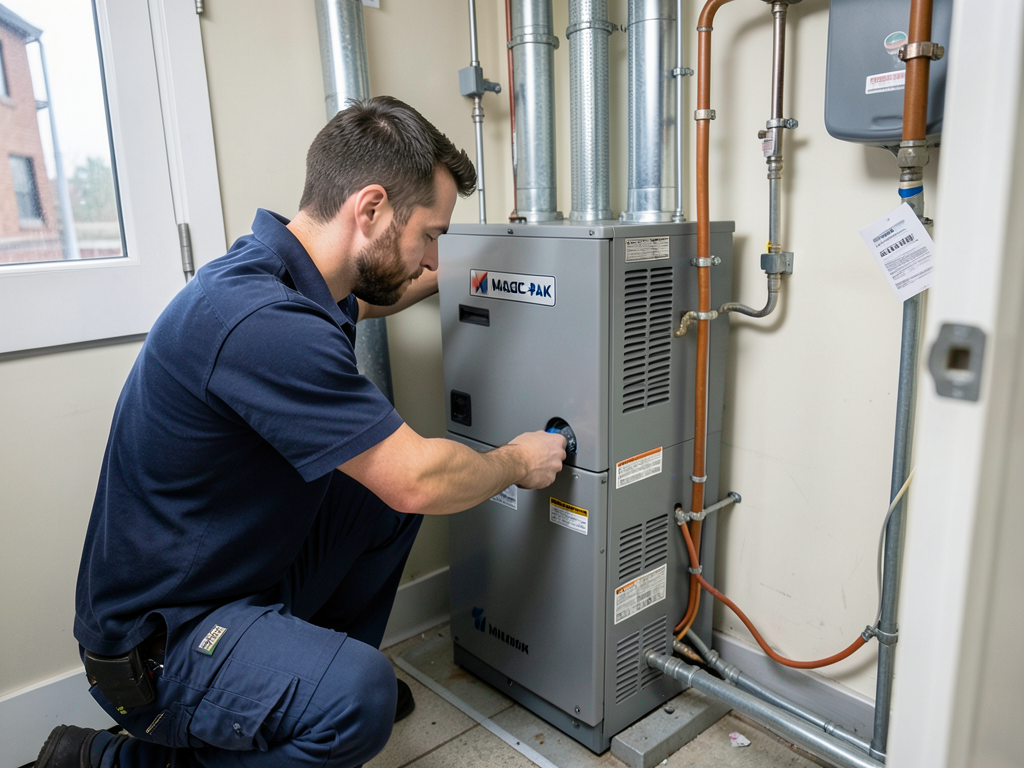
Magic-Pak units are self-contained heating and cooling systems commonly found in Milwaukee condo buildings. These compact units fit into small utility closets and provide both heating and cooling through a single cabinet. They use a blower wheel to distribute conditioned air through existing ductwork or directly into the living space.
Vertical stack fan coil units are another common configuration. These systems use a vertical arrangement of components to maximize space efficiency. They typically connect to a central chiller or boiler system that provides hot or cold water to the unit. The fan coil then distributes the conditioned air throughout the condo.. Read more about What to Do if You Find Water Leaking Around Your AC Unit in Granville.
Both system types share common failure points. The blower wheels can accumulate dust and debris, reducing airflow and efficiency. The condensate drain lines are prone to clogging, especially in Milwaukee’s humid climate. The compressors in these units work harder than those in standard residential systems due to the constant cycling required in multi-unit buildings.
Diagnosing these systems requires understanding their unique characteristics. A technician must check the condensate pump operation, verify proper voltage to the compressor, and inspect the blower wheel for balance issues. The confined spaces where these units are installed also create access challenges that require specialized tools and techniques.
Water Source Heat Pumps and Chiller Systems
Many newer downtown Milwaukee condo buildings use water source heat pump systems. These systems use a closed-loop water circuit that circulates between individual condo units and a central cooling tower or boiler. Each condo has its own heat pump unit that can either add or remove heat from the water loop depending on whether heating or cooling is needed.
This configuration offers excellent energy efficiency but creates complex troubleshooting scenarios. A problem in one unit can affect the entire building’s water loop temperature. The cooling towers require regular maintenance to prevent biological growth and scaling. The water chemistry must be monitored to prevent corrosion in the piping system.. Read more about The Best Temperature to Set Your Richfield Thermostat While You’re on Vacation.
Technicians working on these systems need to understand the entire loop operation. They must be able to isolate individual units for service without shutting down the entire building. They need to know how to test water flow rates and verify proper pressure in the loop. They also need to understand the building automation systems that control these complex setups.
Milwaukee’s climate creates specific challenges for these systems. The cold winters require freeze protection for the water loop. The humid summers increase the load on the cooling towers. The temperature swings between seasons can cause thermal stress on the piping connections.
Navigating High Rise HVAC Logistics in Downtown Milwaukee
Servicing HVAC systems in downtown Milwaukee high rises requires more than technical knowledge. It demands understanding building protocols, parking logistics, and HOA requirements. Many condo buildings have specific rules about when technicians can enter, where they can park, and what documentation they need to provide.
Parking is often the first challenge. Downtown Milwaukee has limited parking, and many buildings require permits or have specific loading dock protocols. Technicians need to know which buildings have freight elevators and what size equipment can fit through them. They need to understand the building’s security procedures and have proper identification.
HOA coordination is critical for successful service calls. Most buildings require advance notice for any HVAC work. Some require the building engineer to be present during service. Others need documentation of licensing and insurance before allowing access. The best HVAC companies have established relationships with building management companies throughout downtown Milwaukee.
Water shutdowns are another consideration unique to condo buildings. Many HVAC repairs require shutting off the building’s water supply. This affects not just the unit being serviced but potentially all units in the building. Proper planning and communication with building management prevents conflicts and ensures minimal disruption to residents.
The confined spaces in condo utility closets also create unique challenges. Technicians often work in spaces barely large enough to stand in. They need specialized tools that can fit in tight quarters. They need to be careful not to damage surrounding finishes or create noise that disturbs neighbors.
Emergency HVAC Repair Services for Milwaukee Condo Owners
When your condo HVAC fails, you need immediate help. Milwaukee’s extreme weather means that even a few hours without heating or cooling can be dangerous. That’s why emergency HVAC repair services are essential for condo owners. Emergency HVAC Help Anywhere in Milwaukee When Your System Fails at Midnight.
24/7 emergency service means having technicians on call who understand condo systems and can respond quickly. They should arrive with the common parts needed for condo HVAC repairs. They should know how to work within building protocols even during off-hours. They should be able to provide temporary solutions if parts need to be ordered.
Common emergency scenarios include complete system failures, refrigerant leaks, and electrical issues. In Magic-Pak units, the blower motor often fails without warning. In water source heat pumps, the compressor can lock up during extreme temperature changes. In vertical stack units, the condensate pump can fail, causing water damage.
Quick diagnosis is crucial in emergencies. Experienced technicians can often identify the problem within minutes of arrival. They use diagnostic tools to check electrical components, measure refrigerant pressures, and test control circuits. They know the failure patterns of different condo HVAC systems and can often predict what parts might need replacement. Why Your Bay View Bungalow Might Benefit from a Ductless Mini Split System.
Communication during emergencies is also important. The technician should explain the problem clearly, provide options for repair or replacement, and give realistic timelines. They should know when a temporary fix is appropriate and when a permanent solution is needed. They should understand that condo owners often have time constraints due to work schedules or travel plans.
Preventative Maintenance for Condo HVAC Systems
Regular maintenance prevents most HVAC emergencies. For condo systems, maintenance is even more critical because problems can affect multiple units or require extensive building coordination to fix. A good maintenance program includes several key components.
Filter changes are the most basic but most important maintenance task. Condo HVAC systems often have tighter spaces and smaller air handlers than standard residential systems. This means filters get dirty faster and restrict airflow more severely. Changing filters every one to three months, depending on usage and local conditions, is essential.
Coil cleaning is another crucial maintenance task. The evaporator and condenser coils in condo HVAC systems can accumulate dust, pet hair, and other debris. This reduces heat transfer efficiency and makes the system work harder. Professional coil cleaning uses specialized chemicals and techniques to remove buildup without damaging the coils. Who to Call for Honest and Professional Furnace Repair in West Allis.
Electrical connections should be checked annually. The vibration from running HVAC equipment can loosen electrical connections over time. Loose connections create resistance, generate heat, and can cause complete system failures. A maintenance technician should check all electrical connections, measure voltage and amperage, and tighten any loose terminals.
Condensate drain maintenance prevents water damage. The condensate drain lines in condo HVAC systems are prone to clogging from algae growth and debris. During maintenance, the technician should clean the drain line, check the condensate pump operation, and verify that the drain pan is not cracked or corroded.
Refrigerant level checks are important for cooling efficiency. Low refrigerant levels indicate a leak that needs repair. Overcharged systems can damage the compressor. A maintenance technician should measure refrigerant pressures, check for leaks, and verify that the system has the correct refrigerant charge.
Cost Factors for Condo HVAC Repairs in Milwaukee
Understanding the cost factors for condo HVAC repairs helps owners budget and make informed decisions. Several factors affect the cost of repairs in downtown Milwaukee high rises.
Parts availability is a major cost factor. Condo HVAC systems often use specialized components that may not be stocked locally. Water source heat pump compressors, Magic-Pak blower wheels, and vertical stack fan coil motors may need to be ordered, adding shipping costs and extending repair times.
Labor costs in downtown Milwaukee are higher than in suburban areas due to parking fees, building access requirements, and the complexity of working in high rises. Technicians may need to spend additional time coordinating with building management, obtaining permits, or working within restricted access hours.
The age of the system affects repair costs. Older condo HVAC systems may use obsolete parts that are expensive or difficult to find. They may also be less energy efficient, making replacement a more cost-effective option in the long run. A technician should be able to provide cost-benefit analysis for repair versus replacement decisions.
Warranty coverage can significantly reduce repair costs. Many condo HVAC systems have parts warranties that cover certain components for five to ten years. Labor warranties may also be available. A good HVAC company will verify warranty coverage before beginning repairs and handle the warranty paperwork for the owner.
Emergency service calls typically cost more than scheduled appointments. The premium for after-hours service can be 50% to 100% higher than standard rates. However, for urgent situations in extreme weather, this premium is often worth the peace of mind and faster response time.
Choosing the Right HVAC Company for Your Downtown Condo
Not all HVAC companies have experience with downtown Milwaukee condo systems. Choosing the right company requires asking specific questions and verifying credentials. The right company should have experience with the exact type of system in your building.
Look for companies that specialize in high rise and multi-unit buildings. These companies understand the unique challenges of condo HVAC systems. They should have established relationships with building management companies in the Third Ward, East Side, and other downtown areas. They should be familiar with local building codes and permit requirements.
Check for proper licensing and insurance. Wisconsin requires HVAC contractors to be licensed by the Department of Safety and Professional Services. The company should carry liability insurance and workers’ compensation coverage. They should be willing to provide proof of licensing and insurance upon request. Wisconsin HVAC Licensing Requirements.
Ask about experience with your specific system type. If your building uses water source heat pumps, the company should have technicians who specialize in these systems. If you have Magic-Pak units, they should have experience with these compact systems. Ask for references from other condo owners or building managers.
Response time is crucial for condo HVAC repairs. Ask about average response times for your area. Find out if they offer 24/7 emergency service. Ask if they have technicians on call who can respond to downtown Milwaukee locations quickly.
Transparency in pricing is important. The company should provide written estimates before beginning work. They should explain their pricing structure and any additional charges for after-hours service or emergency calls. They should be willing to discuss repair versus replacement options and provide cost-benefit analysis.
Energy Efficiency and Modern Upgrades for Condo HVAC
Many downtown Milwaukee condo buildings were built in the 1970s, 1980s, or 1990s when energy efficiency standards were different. Modern upgrades can significantly reduce energy costs and improve comfort. Several options are available for condo owners looking to upgrade their HVAC systems.
Variable refrigerant flow (VRF) systems are becoming popular in newer condo buildings. These systems use refrigerant for both heating and cooling and can control individual zones independently. They offer excellent energy efficiency and can reduce utility costs by 20% to 30% compared to older systems.
Smart thermostats provide another upgrade opportunity. Modern smart thermostats can learn occupancy patterns, adjust temperatures automatically, and be controlled remotely via smartphone apps. They can integrate with building automation systems and provide energy usage data that helps identify efficiency opportunities.
High-efficiency air filters improve indoor air quality and protect HVAC equipment. HEPA filters or MERV 13+ filters can remove allergens, dust, and other particles from the air. This is especially important in downtown Milwaukee where outdoor air quality can be affected by traffic and industrial activities. Outdoor Unit Not Spinning.
Zone control systems allow different areas of a condo to be heated or cooled independently. This is useful for condos with varying sun exposure or different occupancy patterns throughout the day. Zone control can reduce energy waste by not heating or cooling unused areas.
Energy recovery ventilators (ERVs) can improve indoor air quality while reducing energy costs. These systems capture heat or coolness from exhaust air and use it to precondition incoming fresh air. This reduces the load on the HVAC system while providing better ventilation.
Seasonal Preparation for Condo HVAC Systems
Milwaukee’s extreme seasonal changes require specific preparation for condo HVAC systems. Fall preparation ensures heating systems are ready for winter, while spring preparation prepares cooling systems for summer. Proper seasonal maintenance prevents many common problems.
Fall preparation should include checking the heating system operation before cold weather arrives. This includes testing the furnace or heat pump heating mode, checking thermostat operation, and verifying that all safety controls are functioning. It’s better to find problems in October than during a January cold snap.
Cleaning the system before the heating season is important. Dust and debris that accumulated during the cooling season can create odors and reduce efficiency when the heat is turned on. Professional cleaning includes the blower assembly, heat exchanger, and burner components.
Carbon monoxide testing is crucial for heating systems. Any combustion heating equipment can produce carbon monoxide if not functioning properly. A maintenance technician should test for carbon monoxide in the exhaust and around the unit to ensure safe operation.
Spring preparation focuses on the cooling system. This includes cleaning the condenser coil, checking refrigerant levels, testing the compressor operation, and verifying that all controls are functioning properly. It’s important to do this before the first hot day when HVAC companies are busiest.
Checking condensate drain systems is important for spring preparation. The condensate drain system should be cleaned and tested to ensure it can handle the increased moisture load during cooling season. This prevents water damage and mold growth.
Insulation checks are important for both seasons. Proper insulation around refrigerant lines, ductwork, and mechanical components improves efficiency and prevents condensation problems. A maintenance technician should check insulation condition and replace any damaged sections.
Common HVAC Problems in Milwaukee Condo Buildings
Understanding common HVAC problems helps condo owners identify issues early and communicate effectively with service technicians. Several problems occur frequently in downtown Milwaukee condo buildings.
Refrigerant leaks are common in older systems. The vibration from compressors and the thermal expansion and contraction of piping can cause joints to fail over time. Low refrigerant levels reduce cooling efficiency and can damage the compressor if not addressed promptly.
Electrical control failures affect both heating and cooling systems. The control boards, capacitors, and contactors in condo HVAC systems work hard and can fail due to age, power surges, or manufacturing defects. These failures often cause intermittent operation or complete system shutdowns.
Blower motor failures are common in Magic-Pak and vertical stack units. The blower motors in these compact units work continuously and can overheat or wear out bearings. When blower motors fail, the system can’t distribute conditioned air properly, leading to comfort issues.
Condensate pump failures cause water damage in many condo buildings. The condensate pumps in these systems are often small and can fail due to age, debris in the impeller, or electrical problems. When condensate pumps fail, water can overflow and damage surrounding areas.
Thermostat problems can cause comfort issues even when the HVAC system is functioning properly. Older thermostats can lose calibration, have wiring problems, or fail to communicate properly with modern HVAC equipment. Smart thermostat installation can solve many of these problems.
Airflow restrictions reduce system efficiency and can cause premature equipment failure. Dirty filters, blocked vents, or damaged ductwork can restrict airflow. In condo systems, the confined spaces can make it difficult to identify and correct airflow problems.
Building Management and HVAC Coordination
Successful HVAC service in condo buildings requires coordination with building management. Understanding the building’s protocols and establishing good communication channels prevents many problems and ensures smooth service operations.
Most condo buildings have specific procedures for contractor access. These may include advance notice requirements, insurance certificate submissions, and check-in procedures at the front desk. A good HVAC company should be familiar with common building procedures and be able to navigate them efficiently.
Building engineers often need to be involved in HVAC service calls. They may need to provide access to mechanical rooms, shut down building systems, or coordinate with other contractors. Establishing a good working relationship with building engineers can significantly improve service efficiency.
Communication with condo owners is also important. The HVAC company should keep owners informed about repair progress, expected completion times, and any actions needed from the owner. This is especially important for emergency repairs where the owner may be displaced temporarily.
Documentation is crucial for condo HVAC service. The company should maintain records of all service calls, parts replaced, and system conditions. This documentation helps with warranty claims, future troubleshooting, and building management reporting requirements.
Emergency protocols should be established in advance. The HVAC company should know who to contact in the building management office during emergencies. They should understand the building’s emergency procedures and be prepared to work within those constraints.
Frequently Asked Questions
How often should condo HVAC systems be serviced?
Condo HVAC systems should be serviced twice per year – once before heating season and once before cooling season. This preventative maintenance helps identify problems early and ensures efficient operation during peak usage periods.
What’s the average lifespan of condo HVAC equipment?
Most condo HVAC systems last 12-15 years with proper maintenance. Water source heat pumps and Magic-Pak units may need replacement after 10-12 years due to the constant cycling and confined space operation that creates additional wear.
Can I replace my condo HVAC system without building approval?
No, most condo buildings require approval for HVAC replacements. The building may have specific requirements for equipment sizing, noise levels, and installation procedures. Always check with building management before scheduling any replacement work.
Why is my condo always too hot or too cold?
Temperature imbalances in condos often result from airflow restrictions, thermostat problems, or inadequate system sizing. A professional assessment can identify the specific cause and recommend solutions such as zoning systems or equipment upgrades.
How much does emergency HVAC service cost in downtown Milwaukee?
Emergency HVAC service in downtown Milwaukee typically costs 50-100% more than standard service rates. After-hours calls, weekend service, and holiday repairs all carry premium rates. The exact cost depends on the specific problem and required parts.
Conclusion
Managing HVAC repairs and maintenance for your downtown Milwaukee high rise condo requires specialized knowledge and experience. The unique systems, building logistics, and local climate create challenges that demand expertise beyond standard residential HVAC service.
Understanding your condo’s specific HVAC system type is the first step. Whether you have Magic-Pak units, water source heat pumps, or vertical stack fan coils, each system has distinct maintenance requirements and failure patterns. Regular preventative maintenance prevents most emergencies and extends equipment life.
Choosing the right HVAC company is crucial. Look for experience with downtown Milwaukee condo buildings, proper licensing and insurance, and established relationships with building management companies. The right company will understand building protocols, have the necessary parts in stock, and provide clear communication throughout the service process.
Don’t wait for an emergency to find your HVAC service provider. Establish a relationship with a qualified company before problems occur. Schedule regular maintenance to keep your system running efficiently and prevent costly breakdowns. When problems do occur, quick response from experienced technicians can minimize discomfort and prevent further damage.
Milwaukee’s extreme weather means your condo HVAC system works hard year-round. Proper care and maintenance ensure reliable comfort and protect your investment in downtown living. Contact a qualified HVAC professional today to schedule your system evaluation and keep your condo comfortable in every season.
- Identify the Problem
Note any unusual noises, smells, or performance issues with your HVAC system before calling for service.
- Check Basic Functions
Verify thermostat settings, check circuit breakers, and inspect air filters before assuming a major problem exists.
- Contact Your Building Management
Notify building management of the HVAC issue and any service provider you plan to contact.
- Call (414) 387-8977
Pick up the phone and call (414) 387-8977 for 24/7 emergency HVAC service from experienced downtown Milwaukee technicians.
- Prepare for Service
Clear the area around your HVAC equipment and ensure building access protocols can be followed quickly.
Remember that proper HVAC maintenance is an investment in your comfort and your property value. The cost of regular service is far less than emergency repairs or premature system replacement. Take action today to ensure your downtown Milwaukee condo remains comfortable year-round.
For immediate assistance with your condo HVAC system, call (414) 387-8977. Our experienced technicians are ready to help with everything from routine maintenance to emergency repairs. Don’t let HVAC problems disrupt your urban lifestyle – help is just a phone call away.
{
“@context”: “https://schema.org”,
“@type”: “BlogPosting”,
“headline”: “Managing HVAC Repairs and Maintenance for Your Downtown Milwaukee High Rise Condo”,
“description”: “Expert HVAC repairs for downtown Milwaukee condos. Learn about Magic-Pak units, water-source heat pumps, and 24/7 emergency service in the Third Ward and East Side.”,
“wordCount”: 3718,
“datePublished”: “2026-03-23T16:55:00.000Z”,
“dateModified”: “2026-03-23T16:55:00.000Z”,
“inLanguage”: “en-US”,
“mainEntityOfPage”: {
“@type”: “WebPage”,
“@id”: “https://firstchoicehvacmilwaukee.com”
},
“publisher”: {
“@type”: “LocalBusiness”,
“name”: “First Choice HVAC Milwaukee”,
“url”: “https://firstchoicehvacmilwaukee.com”
},
“author”: {
“@type”: “Organization”,
“name”: “First Choice HVAC Milwaukee”,
“url”: “https://firstchoicehvacmilwaukee.com”
},
“image”: {
“@type”: “ImageObject”,
“url”: “https://firstchoicehvacmilwaukee.com/wp-content/uploads/2026/03/managing-hvac-repairs-and-maintenance-for-your-dow-1.png”
}
}
{
“@context”: “https://schema.org”,
“@type”: “HVACBusiness”,
“name”: “First Choice HVAC Milwaukee”,
“url”: “https://firstchoicehvacmilwaukee.com”,
“address”: {
“@type”: “PostalAddress”,
“addressLocality”: “Milwaukee”
},
“areaServed”: {
“@type”: “City”,
“name”: “Milwaukee”
}
}
{
“@context”: “https://schema.org”,
“@type”: “FAQPage”,
“mainEntity”: [
{
“@type”: “Question”,
“name”: “How often should condo HVAC systems be serviced?”,
“acceptedAnswer”: {
“@type”: “Answer”,
“text”: “Condo HVAC systems should be serviced twice per year – once before heating season and once before cooling season. This preventative maintenance helps identify problems early and ensures efficient operation during peak usage periods.”
}
},
{
“@type”: “Question”,
“name”: “What’s the average lifespan of condo HVAC equipment?”,
“acceptedAnswer”: {
“@type”: “Answer”,
“text”: “Most condo HVAC systems last 12-15 years with proper maintenance. Water source heat pumps and Magic-Pak units may need replacement after 10-12 years due to the constant cycling and confined space operation that creates additional wear.”
}
},
{
“@type”: “Question”,
“name”: “Can I replace my condo HVAC system without building approval?”,
“acceptedAnswer”: {
“@type”: “Answer”,
“text”: “No, most condo buildings require approval for HVAC replacements. The building may have specific requirements for equipment sizing, noise levels, and installation procedures. Always check with building management before scheduling any replacement work.”
}
},
{
“@type”: “Question”,
“name”: “Why is my condo always too hot or too cold?”,
“acceptedAnswer”: {
“@type”: “Answer”,
“text”: “Temperature imbalances in condos often result from airflow restrictions, thermostat problems, or inadequate system sizing. A professional assessment can identify the specific cause and recommend solutions such as zoning systems or equipment upgrades.”
}
},
{
“@type”: “Question”,
“name”: “How much does emergency HVAC service cost in downtown Milwaukee?”,
“acceptedAnswer”: {
“@type”: “Answer”,
“text”: “Emergency HVAC service in downtown Milwaukee typically costs 50-100% more than standard service rates. After-hours calls, weekend service, and holiday repairs all carry premium rates. The exact cost depends on the specific problem and required parts.”
}
}
]
}
{
“@context”: “https://schema.org”,
“@type”: “HowTo”,
“name”: “How to Schedule Emergency HVAC Service”,
“step”: [
{
“@type”: “HowToStep”,
“position”: 1,
“name”: “Identify the Problem”,
“text”: “Note any unusual noises, smells, or performance issues with your HVAC system before calling for service.”
},
{
“@type”: “HowToStep”,
“position”: 2,
“name”: “Check Basic Functions”,
“text”: “Verify thermostat settings, check circuit breakers, and inspect air filters before assuming a major problem exists.”
},
{
“@type”: “HowToStep”,
“position”: 3,
“name”: “Contact Your Building Management”,
“text”: “Notify building management of the HVAC issue and any service provider you plan to contact.”
},
{
“@type”: “HowToStep”,
“position”: 4,
“name”: “Call (414) 387-8977”,
“text”: “Pick up the phone and call (414) 387-8977 for 24/7 emergency HVAC service from experienced downtown Milwaukee technicians.”
},
{
“@type”: “HowToStep”,
“position”: 5,
“name”: “Prepare for Service”,
“text”: “Clear the area around your HVAC equipment and ensure building access protocols can be followed quickly.”
}
],
“image”: “https://firstchoicehvacmilwaukee.com/wp-content/uploads/2026/03/managing-hvac-repairs-and-maintenance-for-your-dow-1.png”
}
{
“@context”: “https://schema.org”,
“@type”: “BreadcrumbList”,
“itemListElement”: [
{
“@type”: “ListItem”,
“position”: 1,
“name”: “Home”,
“item”: “https://firstchoicehvacmilwaukee.com”
},
{
“@type”: “ListItem”,
“position”: 2,
“name”: “Blog”,
“item”: “https://firstchoicehvacmilwaukee.com/blog”
},
{
“@type”: “ListItem”,
“position”: 3,
“name”: “Managing HVAC Repairs and Maintenance for Your Downtown Milwaukee High Rise Condo”
}
]
}
{
“@context”: “https://schema.org”,
“@type”: “Service”,
“serviceType”: “HVAC”,
“provider”: {
“@type”: “LocalBusiness”,
“name”: “First Choice HVAC Milwaukee”,
“url”: “https://firstchoicehvacmilwaukee.com”
},
“areaServed”: {
“@type”: “City”,
“name”: “Milwaukee”
},
“description”: “Expert HVAC repairs for downtown Milwaukee condos. Learn about Magic-Pak units, water-source heat pumps, and 24/7 emergency service in the Third Ward and East Side.”
}