
AC Leaking Water Inside Your Granville Home? Causes & Fast Fixes
Finding water pooling around your AC unit can be alarming especially when it happens in the middle of a Milwaukee summer. The humid air from Lake Michigan makes condensation a normal part of cooling but when that water starts leaking into your Granville home it signals a problem that needs immediate attention. Before you panic turn off your system and read on to understand what might be happening and when to call for professional help. Why Your Bay View Bungalow Might Benefit from a Ductless Mini Split System.
Common Causes of AC Water Leaks in Milwaukee Homes
Several issues can cause your air conditioner to leak water inside your home. Understanding these causes helps you identify the problem quickly and decide whether it requires a DIY fix or professional service. Who to Call for Honest and Professional Furnace Repair in West Allis.
Clogged Condensate Drain Line
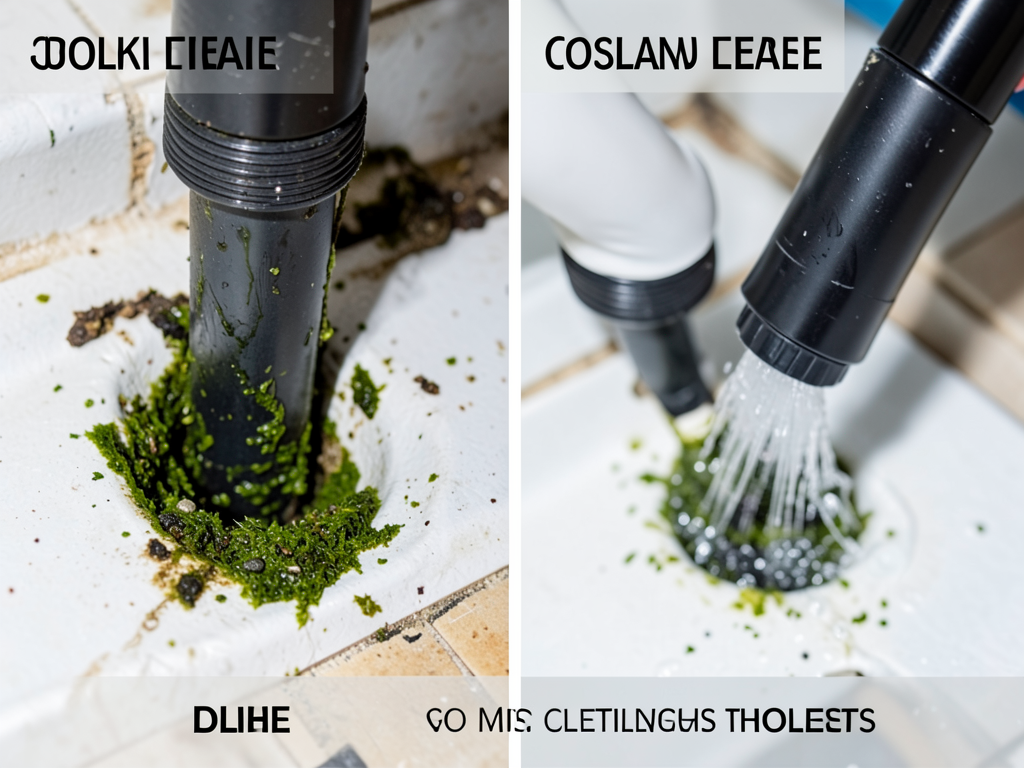
The most frequent culprit behind AC water leaks is a blocked condensate drain line. Your AC removes moisture from the air and that water travels through a drain line to exit your home. Over time algae mold and debris can build up inside the line creating a blockage. When this happens water backs up and overflows from the drain pan potentially damaging your floors and walls.
In Granville many homes have drain lines that connect to basement floor drains. If those floor drains are also clogged the problem compounds quickly. A simple way to check is to look for standing water in the drain pan under your indoor unit.
Cracked or Rusted Drain Pan
The drain pan sits directly under your evaporator coil collecting condensation as it drips down. Older AC units in Granville especially those installed before 2010 often have metal drain pans that can rust through over time. Once the pan develops holes water escapes before it can drain properly.
Plastic drain pans can also crack from age or physical damage. If you notice water leaking directly from the bottom of your unit rather than from the drain line the pan likely needs replacement.
Frozen Evaporator Coils
When your evaporator coils freeze they can create excessive condensation that overwhelms the drain system. Frozen coils typically result from restricted airflow often caused by dirty air filters or low refrigerant levels. As the ice melts it produces more water than the drain pan can handle causing overflow. New HVAC System Cost 2026.
You might notice your AC blowing warm air before the leak occurs. This happens because frozen coils cannot absorb heat effectively. If you see ice on your indoor unit shut it off immediately to prevent further damage.. Read more about Signs Your Air Ducts Might Be Harboring Mold After a Humid Summer.
Improper Installation or Drainage Slope
Units installed without proper drainage slope can trap water instead of allowing it to flow freely to the drain. The International Mechanical Code requires drain lines to slope at least 1/4 inch per foot toward the drain outlet. If your AC was installed without this consideration water may pool in low spots and eventually overflow. International Mechanical Code.
Additionally some Granville homes have AC units installed in utility closets or attic spaces where proper secondary drain pans were not included. Without a secondary pan even a small leak can cause significant water damage to ceilings and walls.
Milwaukee Humidity and Your AC System
Granville residents experience some of the highest summer humidity levels in Wisconsin thanks to Lake Michigan’s influence. When outdoor humidity exceeds 70% your AC works harder to remove moisture from indoor air. This increased workload means more condensation forms inside your system. Outdoor Unit Not Spinning.
During peak summer months a properly functioning AC in a Granville home can produce 5-10 gallons of water daily through condensation. That volume explains why even small drain line issues can quickly lead to noticeable leaks. Homes near the lakefront or in low-lying areas may experience slightly higher condensation rates due to the persistent moisture in the air.
Milwaukee’s rapid temperature swings between seasons also stress AC components. The freeze-thaw cycles common in spring and fall can cause minor cracks in drain pans or connections that worsen over time. Regular maintenance becomes crucial in this climate to catch these developing issues before they cause major leaks.
Emergency Steps to Take When You Find a Leak
When you discover water leaking from your AC unit follow these steps immediately to minimize damage and ensure safety.
- Turn Off the System
Locate your thermostat and switch it to “off” position. If you cannot access the thermostat find the disconnect switch near your outdoor unit and flip it to “off.” This prevents further water damage and electrical hazards.
- Shut Off Power at the Breaker
For extra safety turn off the circuit breaker that powers your AC. Water and electricity create serious shock risks especially if water reaches electrical components or outlets.
- Clean Up Standing Water
Use towels mops or a wet vacuum to remove water from floors and surrounding areas. Pay special attention to carpet padding and wood floors which can warp quickly when wet.
- Check the Drain Pan
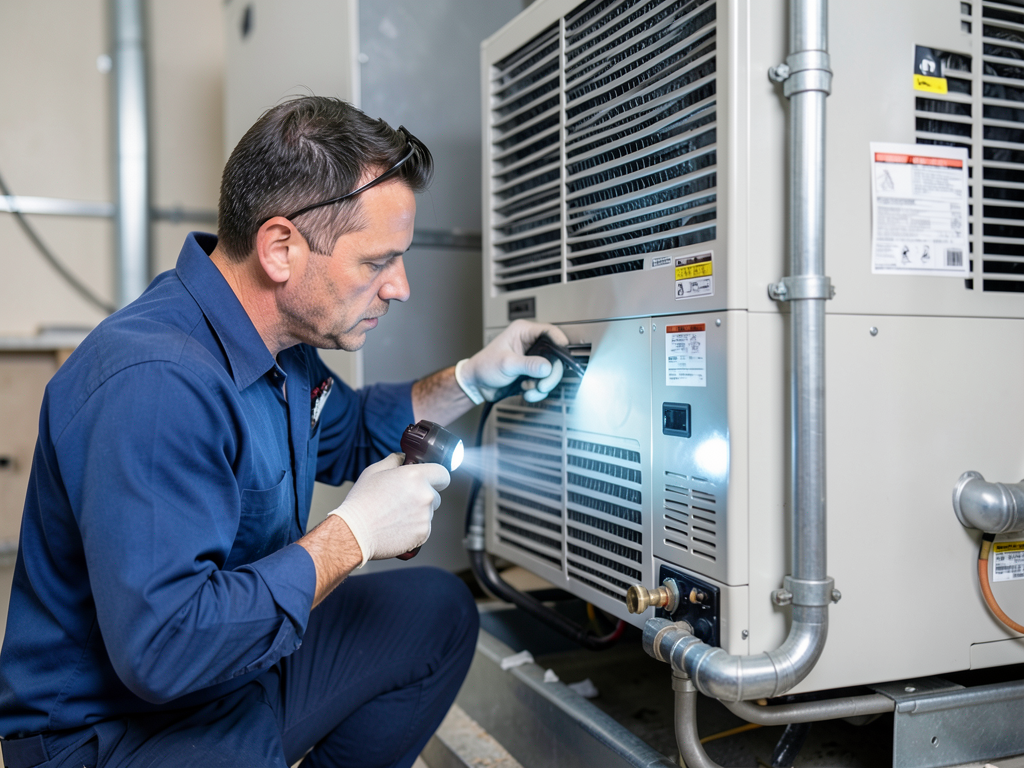
Carefully inspect the drain pan under your indoor unit. If it is full of water the blockage is likely in the drain line. If the pan is empty but water still leaks the problem may be elsewhere.
- Inspect the Air Filter
Remove your air filter and check if it is dirty or clogged. A completely blocked filter can cause evaporator coils to freeze leading to overflow when the ice melts.
After completing these steps assess whether you feel comfortable attempting further troubleshooting or if you need professional help. If water damage is extensive or you notice ice on the coils call a licensed HVAC technician immediately.
DIY Troubleshooting vs. Professional Repair
Some AC leak issues homeowners can safely address while others require professional tools and expertise. Here is a quick guide to help you decide.
| Issue | DIY Safe? | Professional Needed? | Typical Tools Required |
|---|---|---|---|
| Clogged drain line | Yes | Sometimes | Wet vacuum wet cloth |
| Dirty air filter | Yes | No | New filter |
| Cracked drain pan | No | Yes | Replacement pan sealant |
| Refrigerant leak | No | Yes | Manifold gauges recovery machine |
| Electrical issues | No | Yes | Multimeter wiring tools |
Changing your air filter is the safest DIY task and should be done every 1-3 months depending on your home’s dust levels and whether you have pets. If you attempt to clear a clogged drain line use caution and never use chemical drain cleaners which can damage your AC components.
Professional repair becomes necessary when you suspect refrigerant issues electrical problems or when DIY efforts do not resolve the leak. Licensed technicians have the tools to safely handle refrigerant EPA regulations require certification for this work and can diagnose underlying issues that might not be visible to homeowners. EPA Section 608 Certification.
Why Granville Homes Face Specific AC Challenges
Granville’s mix of housing stock creates unique HVAC challenges. Many homes in the 53224 zip code area were built between 1960 and 1990 featuring original HVAC systems that have never been replaced. These older systems often have drain pans and lines that have exceeded their expected lifespan.
The neighborhood’s proximity to Brown Deer Road means many homes experience higher than average summer temperatures due to urban heat island effects. This additional heat load increases AC runtime and condensation production particularly in homes with inadequate insulation.
Several Granville subdivisions were built on former wetland areas. The high water table in these locations can affect basement humidity levels causing AC systems to work harder to maintain comfort. Homes in these areas may benefit from whole-house dehumidifiers in addition to proper AC maintenance.
Local building codes in Milwaukee County require secondary drain pans for attic installations but many older Granville homes predate these requirements. If your home has an attic AC unit without a secondary pan you face higher risks of ceiling damage from leaks.
Preventing Future AC Water Leaks
Regular maintenance prevents most AC water leak issues. Here is a seasonal checklist to keep your system running smoothly.
- Annual Professional Tune-Up – Schedule maintenance each spring before cooling season begins. Technicians check drain lines refrigerant levels and electrical connections.
- Monthly Filter Changes – Replace or clean your air filter every 30-90 days depending on usage and air quality.
- Drain Line Treatment – Pour a cup of white vinegar down the drain line every few months to prevent algae growth.
- Visual Inspections – Check around your indoor unit monthly for signs of moisture or rust.
- Clear Condensate Pump – If your system uses a condensate pump ensure it is free of debris and functioning properly.
Consider upgrading older systems that frequently develop leaks. Modern AC units feature improved drain pan designs and corrosion-resistant materials that last longer in Milwaukee’s climate. Some newer systems include automatic shutoff switches that detect water overflow and prevent damage.
Local Service Area and Emergency Response
First Choice HVAC Milwaukee provides emergency AC repair throughout Granville and surrounding North Milwaukee neighborhoods. Our service vehicles carry common replacement parts allowing us to resolve most issues during the first visit.
We understand that AC failures often happen during heat waves when you need cooling most. Our technicians are available for same-day service in the 53224 area code with response times typically under two hours for emergency calls. Cooling Tower Services.
Common service areas include homes near Silver Spring Road and Capitol Drive where many properties have original HVAC systems requiring specialized knowledge of older equipment.
Our team understands the specific challenges of Granville’s housing stock from mid-century ranches to newer developments near Brown Deer Golf Course. This local expertise means faster diagnosis and more effective repairs.
Frequently Asked Questions
Is it safe to run my AC if it is leaking water?
No. Running a leaking AC can cause electrical hazards water damage and system failure. Turn off the unit immediately and address the issue before restarting.
How much does it cost to fix a leaking AC in Milwaukee?
Repair costs vary based on the problem. Simple drain line cleaning typically costs $75-150 while replacing a drain pan or fixing refrigerant leaks can range from $200-800. Emergency service calls may include additional fees.
Can I prevent my AC from freezing in humid weather?
Regular maintenance is key. Keep air filters clean ensure proper airflow around your outdoor unit and schedule annual professional tune-ups. Consider a whole-house dehumidifier if humidity remains consistently high.
How long should an AC drain line last?
Properly maintained drain lines typically last 10-15 years. Homes with hard water or high humidity may need more frequent cleaning or earlier replacement of drain components.
What causes water to back up in my basement floor drain?
Shared drainage systems can become overwhelmed during heavy rain or if the main sewer line has blockages. This backup can affect your AC drain line causing water to flow back into your unit and overflow.
Don’t Let a Small Leak Become a Big Problem
Water leaking from your AC unit is more than an inconvenience it is a warning sign that something needs attention. In Granville’s humid climate even minor issues can escalate quickly causing damage to your home and discomfort for your family.
If you have tried basic troubleshooting and the leak continues or if you notice ice on your coils do not wait for the problem to worsen. Call (414) 387-8977 today to schedule your inspection. Our experienced technicians will diagnose the issue quickly and provide lasting solutions to keep your Granville home cool and dry all summer long.
Pick up the phone and call (414) 387-8977 before the next storm hits. Your comfort and your home’s protection are worth a quick call.
You may also find this helpful. That Weird Vinegar Smell Coming From Your Jackson Park AC Vents.
{
“@context”: “https://schema.org”,
“@type”: “BlogPosting”,
“headline”: “What to Do if You Find Water Leaking Around Your AC Unit in Granville”,
“description”: “AC leaking water in your Granville home? Learn the causes, emergency steps, and when to call Milwaukee’s trusted HVAC pros at (414) 387-8977 for fast repair.”,
“wordCount”: 1944,
“datePublished”: “2026-03-21T13:47:00.000Z”,
“dateModified”: “2026-03-21T13:47:00.000Z”,
“inLanguage”: “en-US”,
“mainEntityOfPage”: {
“@type”: “WebPage”,
“@id”: “https://firstchoicehvacmilwaukee.com”
},
“publisher”: {
“@type”: “LocalBusiness”,
“name”: “First Choice HVAC Milwaukee”,
“url”: “https://firstchoicehvacmilwaukee.com”
},
“author”: {
“@type”: “Organization”,
“name”: “First Choice HVAC Milwaukee”,
“url”: “https://firstchoicehvacmilwaukee.com”
},
“image”: {
“@type”: “ImageObject”,
“url”: “https://firstchoicehvacmilwaukee.com/wp-content/uploads/2026/03/what-to-do-if-you-find-water-leaking-around-your-a-1.png”
}
}
{
“@context”: “https://schema.org”,
“@type”: “HVACBusiness”,
“name”: “First Choice HVAC Milwaukee”,
“url”: “https://firstchoicehvacmilwaukee.com”,
“address”: {
“@type”: “PostalAddress”,
“addressLocality”: “Milwaukee”
},
“areaServed”: {
“@type”: “City”,
“name”: “Milwaukee”
}
}
{
“@context”: “https://schema.org”,
“@type”: “FAQPage”,
“mainEntity”: [
{
“@type”: “Question”,
“name”: “Is it safe to run my AC if it is leaking water?”,
“acceptedAnswer”: {
“@type”: “Answer”,
“text”: “No. Running a leaking AC can cause electrical hazards water damage and system failure. Turn off the unit immediately and address the issue before restarting.”
}
},
{
“@type”: “Question”,
“name”: “How much does it cost to fix a leaking AC in Milwaukee?”,
“acceptedAnswer”: {
“@type”: “Answer”,
“text”: “Repair costs vary based on the problem. Simple drain line cleaning typically costs $75-150 while replacing a drain pan or fixing refrigerant leaks can range from $200-800. Emergency service calls may include additional fees.”
}
},
{
“@type”: “Question”,
“name”: “How long should an AC drain line last?”,
“acceptedAnswer”: {
“@type”: “Answer”,
“text”: “Properly maintained drain lines typically last 10-15 years. Homes with hard water or high humidity may need more frequent cleaning or earlier replacement of drain components.”
}
},
{
“@type”: “Question”,
“name”: “What causes water to back up in my basement floor drain?”,
“acceptedAnswer”: {
“@type”: “Answer”,
“text”: “Shared drainage systems can become overwhelmed during heavy rain or if the main sewer line has blockages. This backup can affect your AC drain line causing water to flow back into your unit and overflow.”
}
}
]
}
{
“@context”: “https://schema.org”,
“@type”: “HowTo”,
“name”: “Emergency AC Leak Response”,
“step”: [
{
“@type”: “HowToStep”,
“position”: 1,
“name”: “Turn Off the System”,
“text”: “Locate your thermostat and switch it to \”off\” position. If you cannot access the thermostat find the disconnect switch near your outdoor unit and flip it to \”off.\” This prevents further water damage and electrical hazards.”
},
{
“@type”: “HowToStep”,
“position”: 2,
“name”: “Shut Off Power at the Breaker”,
“text”: “For extra safety turn off the circuit breaker that powers your AC. Water and electricity create serious shock risks especially if water reaches electrical components or outlets.”
},
{
“@type”: “HowToStep”,
“position”: 3,
“name”: “Clean Up Standing Water”,
“text”: “Use towels mops or a wet vacuum to remove water from floors and surrounding areas. Pay special attention to carpet padding and wood floors which can warp quickly when wet.”
},
{
“@type”: “HowToStep”,
“position”: 4,
“name”: “Check the Drain Pan”,
“text”: “Carefully inspect the drain pan under your indoor unit. If it is full of water the blockage is likely in the drain line. If the pan is empty but water still leaks the problem may be elsewhere.”
},
{
“@type”: “HowToStep”,
“position”: 5,
“name”: “Inspect the Air Filter”,
“text”: “Remove your air filter and check if it is dirty or clogged. A completely blocked filter can cause evaporator coils to freeze leading to overflow when the ice melts.”
}
],
“image”: “https://firstchoicehvacmilwaukee.com/wp-content/uploads/2026/03/what-to-do-if-you-find-water-leaking-around-your-a-1.png”
}
{
“@context”: “https://schema.org”,
“@type”: “BreadcrumbList”,
“itemListElement”: [
{
“@type”: “ListItem”,
“position”: 1,
“name”: “Home”,
“item”: “https://firstchoicehvacmilwaukee.com”
},
{
“@type”: “ListItem”,
“position”: 2,
“name”: “Blog”,
“item”: “https://firstchoicehvacmilwaukee.com/blog”
},
{
“@type”: “ListItem”,
“position”: 3,
“name”: “What to Do if You Find Water Leaking Around Your AC Unit in Granville”
}
]
}
{
“@context”: “https://schema.org”,
“@type”: “Service”,
“serviceType”: “HVAC”,
“provider”: {
“@type”: “LocalBusiness”,
“name”: “First Choice HVAC Milwaukee”,
“url”: “https://firstchoicehvacmilwaukee.com”
},
“areaServed”: {
“@type”: “City”,
“name”: “Milwaukee”
},
“description”: “AC leaking water in your Granville home? Learn the causes, emergency steps, and when to call Milwaukee’s trusted HVAC pros at (414) 387-8977 for fast repair.”
}